

Asturianos on Calle de Vallehermoso has served Chamberí for decades as one of Madrid's most consistent addresses for northern Spanish cooking. Under Doña Julia Bombín, the kitchen anchors itself to Asturian tradition, earning recognition from Opinionated About Dining's Casual Europe list in both 2023 and 2025. It sits at the practical, neighbourhood end of Madrid's regional dining spectrum, a long way from the tasting-menu circuit.
Pearl is the En Primeur Club membership app — saves, bookings, and concierge access live there. Same editors, same standards.
- Address
- C. de Vallehermoso, 94, Chamberí, 28003 Madrid, Spain
- Phone
- +34 915 33 59 47
- Directions
- Get directions
 Saves & bookings on Pearl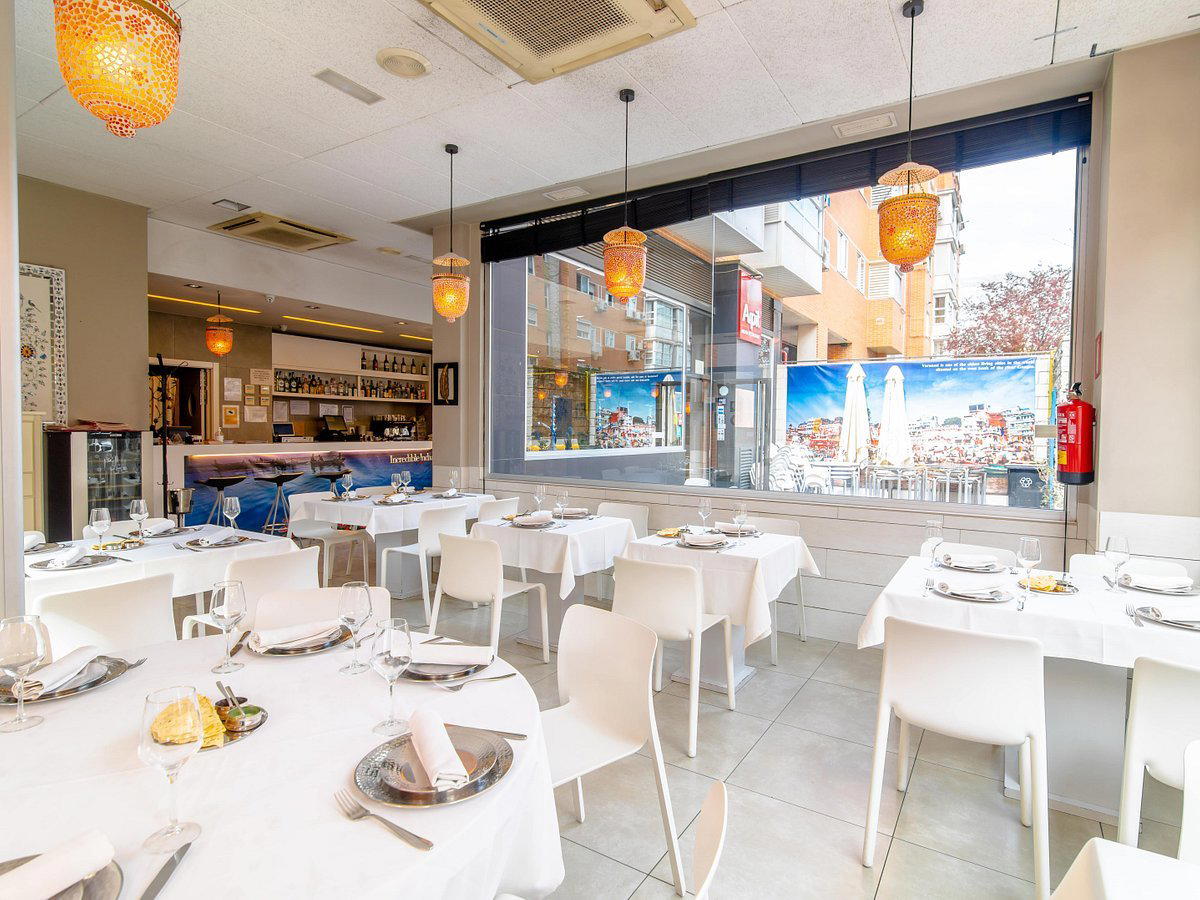
A Corner of Asturias in Chamberí
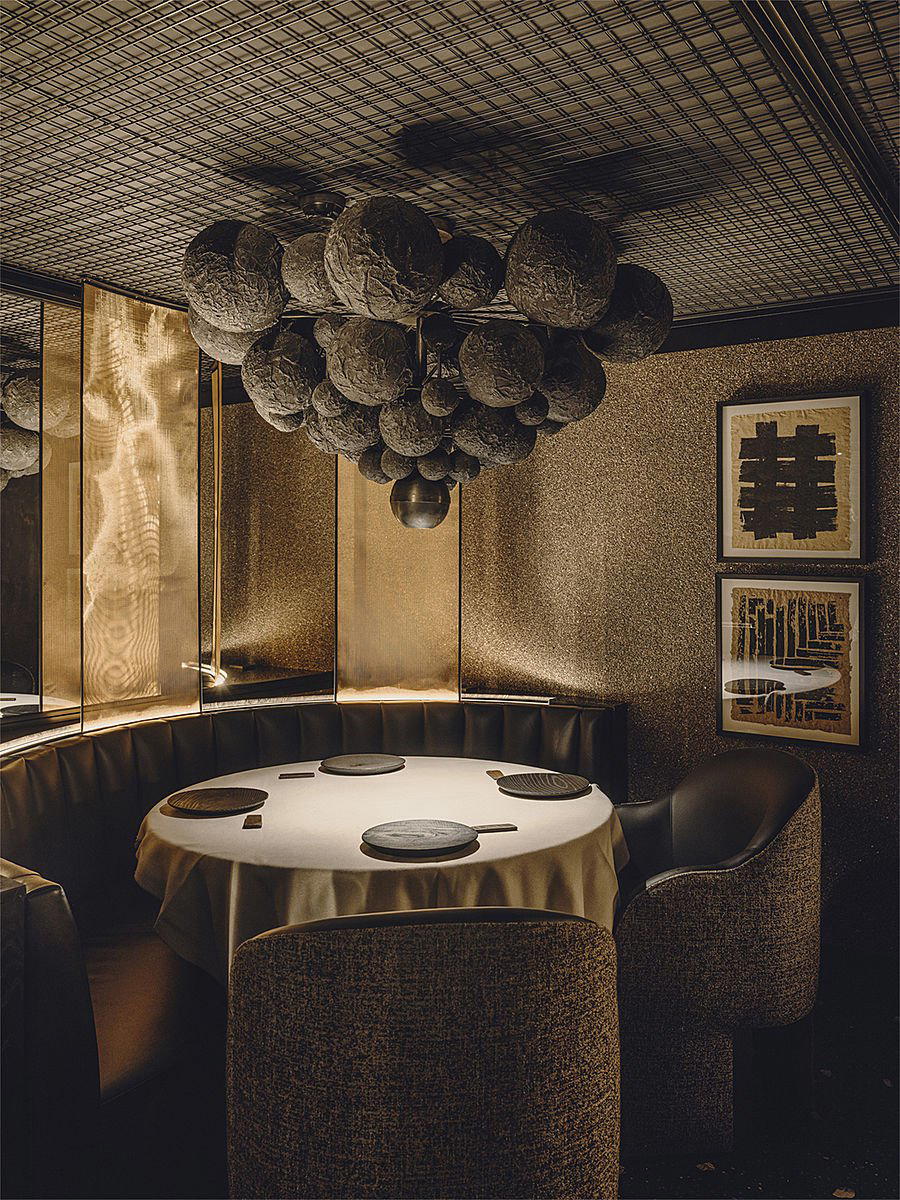
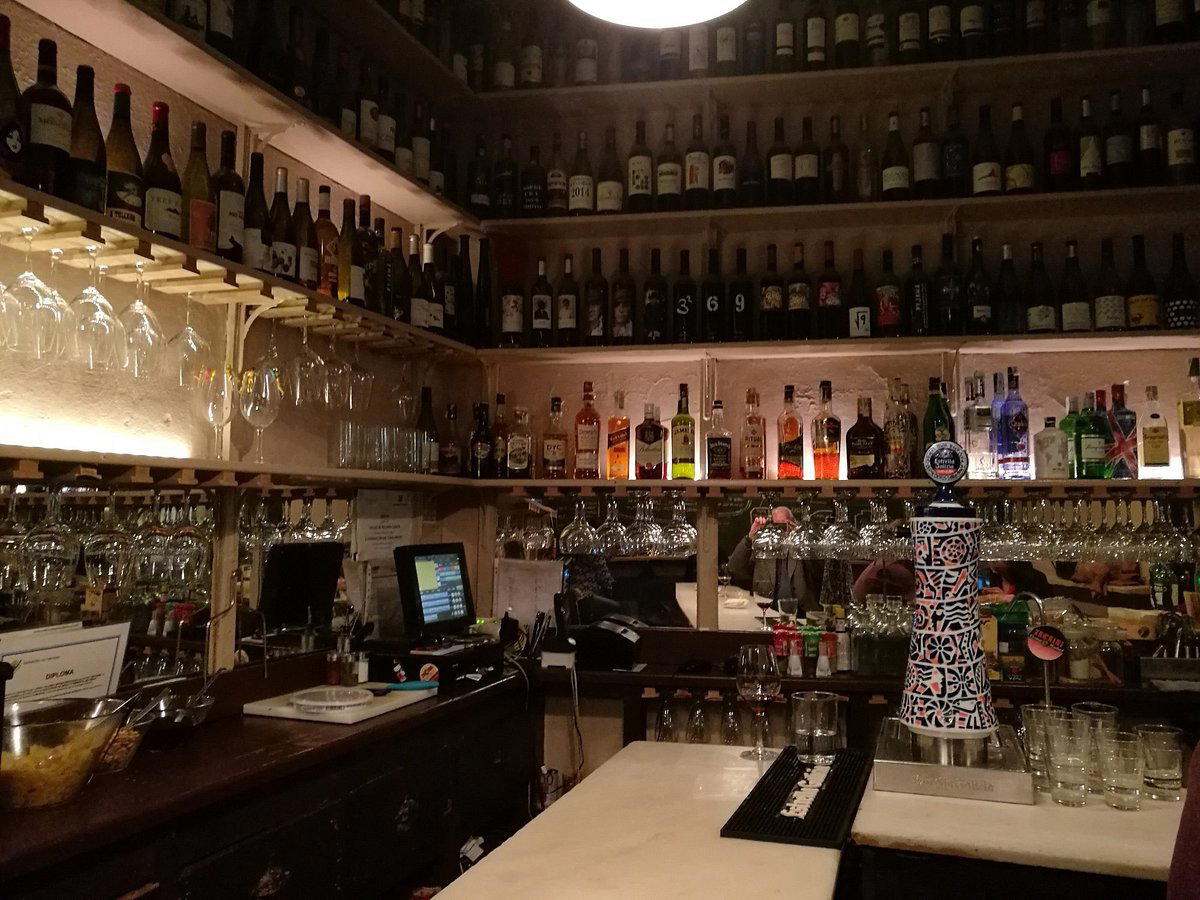
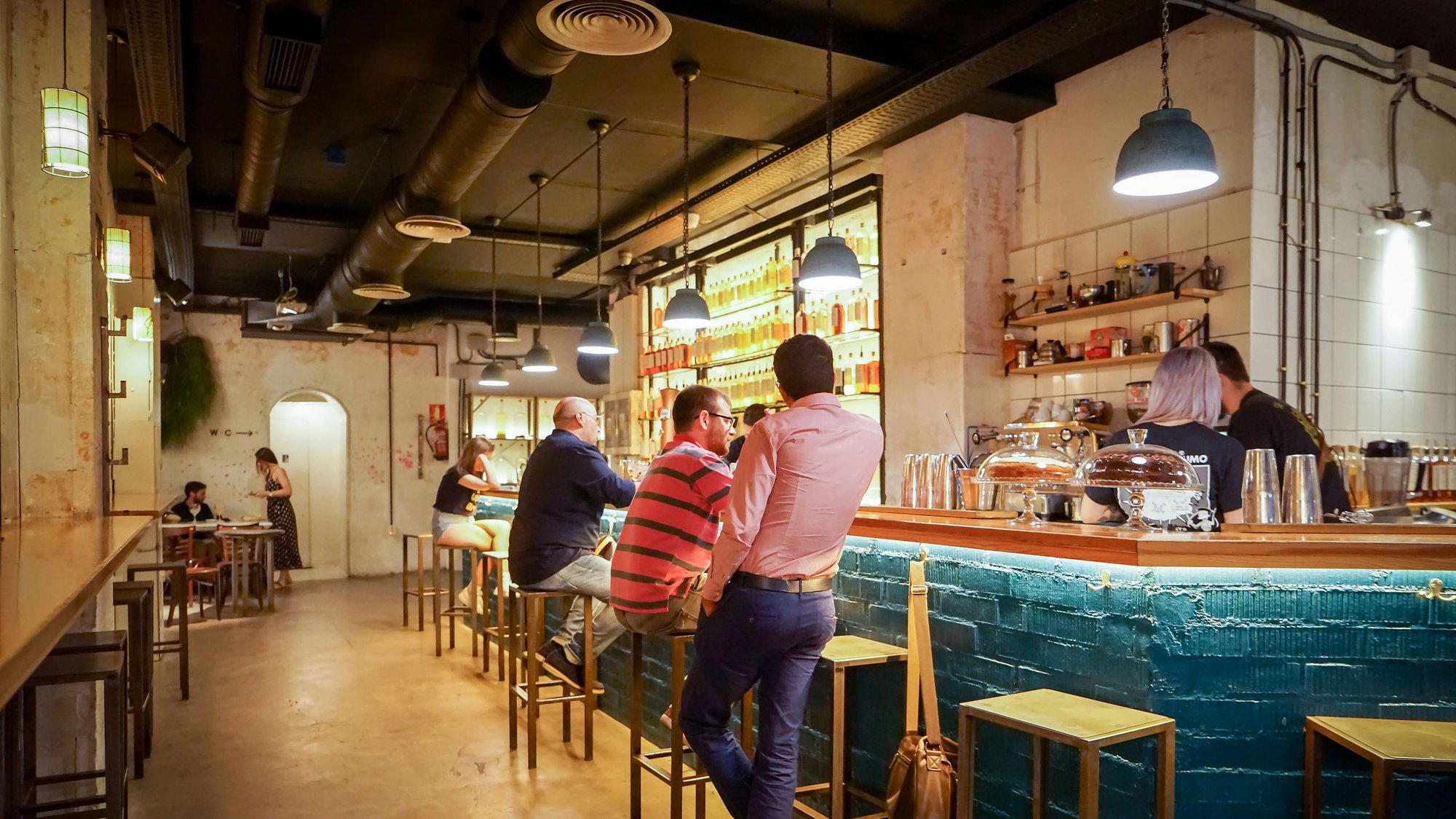
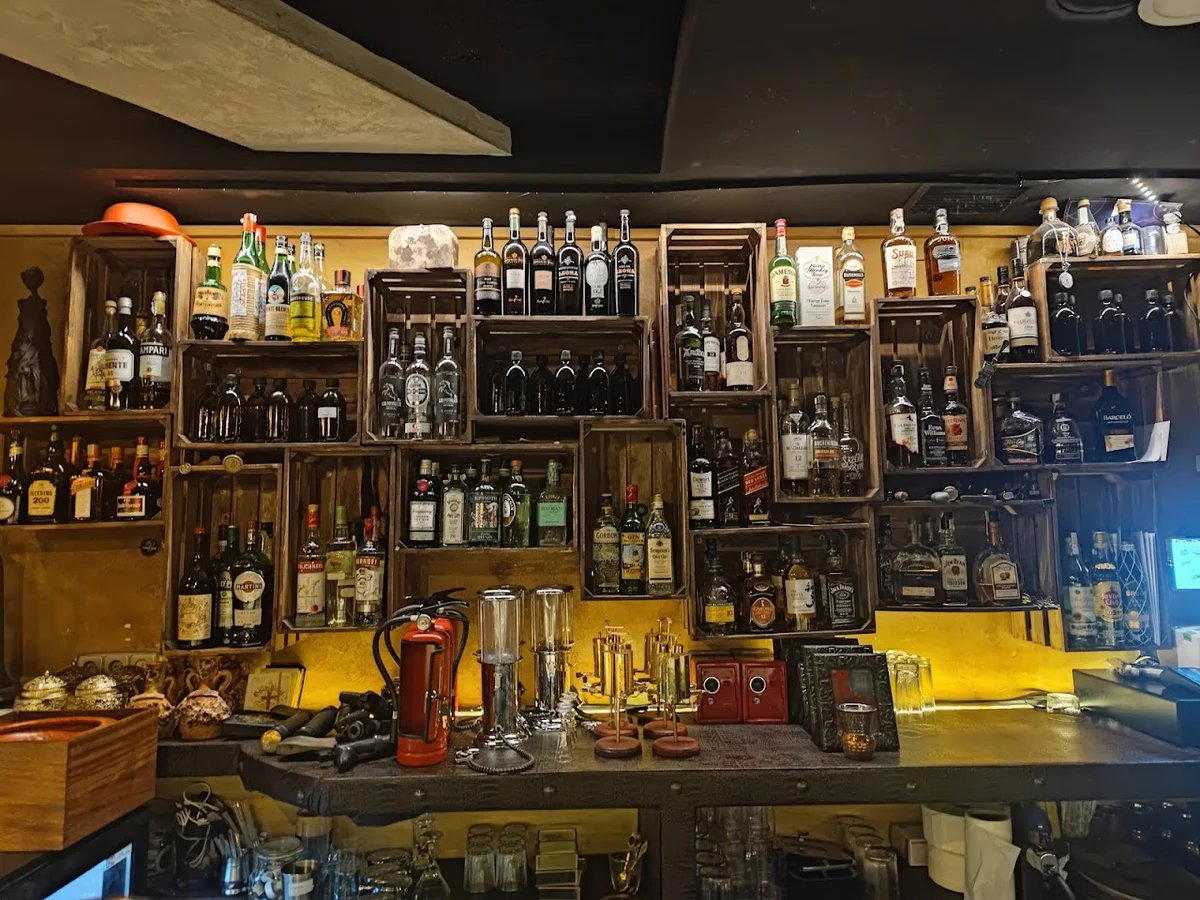
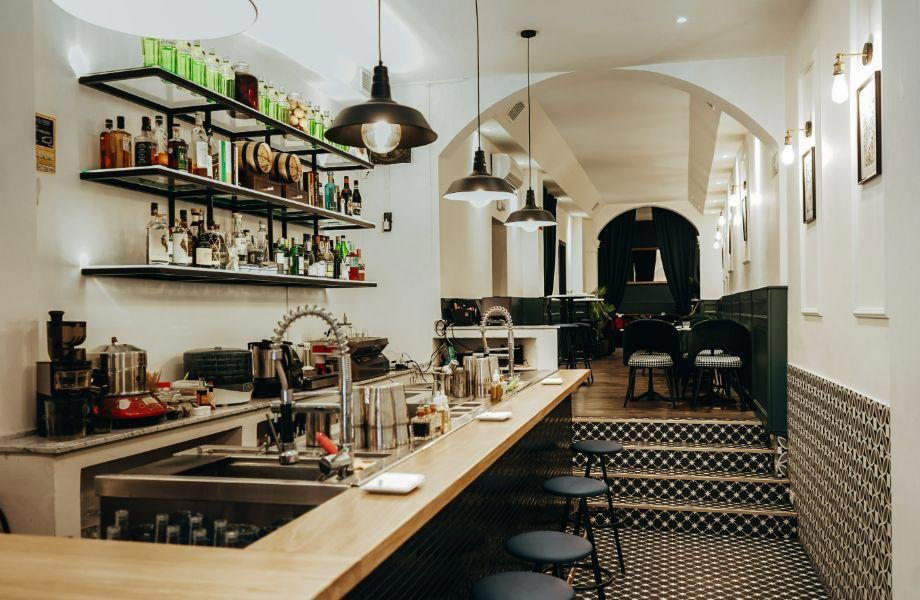
Chamberí is one of those Madrid barrios where the restaurant mix has resisted the pressure to modernise for modernisation's sake. The neighbourhood's broad avenues and pre-war apartment blocks have kept a certain residential seriousness intact, and the dining rooms along streets like Vallehermoso reflect that: family-run, lunch-heavy, loyal to product over presentation. Asturianos, at number 94 on that street, fits the character precisely. The room reads as a working tavern from the Asturian tradition rather than a curated recreation of one, with the kind of low-key daily rhythm that marks long-running neighbourhood institutions across northern Spain.
Asturian cooking is among the more ingredient-led of Spain's regional cuisines. The region's Atlantic coastline, dairy farms, cider orchards, and mountain-cured products give it a palette that differs sharply from the oil-and-tomato south. Fabada asturiana, the slow-cooked bean and pork stew that defines the tradition, requires patience and good primary material. Seafood from the Cantabrian coast, particularly merluza and centollo, carries weight in the repertoire. Sidra, the naturally fermented cider poured from height to aerate it, functions both as the drink and as an ingredient in sauces. Madrid has always had Asturian restaurants, drawn by the historic migration of northerners to the capital, but they vary considerably in how faithfully they maintain those source-material standards. Asturianos is on the serious end of that range.
Doña Julia Bombín and the Logic of Regional Continuity
Madrid's regional dining scene has a consistent structural pattern: the restaurants that survive decades are almost never the ones chasing trend cycles. They are the ones attached to a kitchen identity, often a single guiding figure, who treats the regional canon as a living archive rather than a fixed menu. Doña Julia Bombín fits that profile at Asturianos, where the kitchen's credibility rests on consistency with Asturian source material rather than creative deviation from it. In a city where the high-end conversation is dominated by the likes of DiverXO, Coque, and Deessa, each with Michelin recognition and tasting-menu formats built around chef personality, the cooking at Asturianos operates on a different logic entirely. The question here is not what a chef has invented but whether the fabada is made properly, whether the fish arrived this morning, and whether the sidra is poured at the right moment.
That is not a lesser ambition. It is a different one, and for a specific type of Madrid diner, the kind who has grown up eating northern Spanish food and can tell the difference, it carries its own exacting standard. Opinionated About Dining, whose Casual Europe list functions as a reliable signal for this category of serious-but-unpretentious cooking, ranked Asturianos at number 785 in 2025 and placed it on the recommended list in 2023. OAD's methodology, which aggregates assessments from experienced diners rather than professional critics alone, tends to surface exactly this kind of address: technically grounded, regionally specific, consistent over time.
The Drink, as Integral as the Food
The editorial angle on wine at Asturianos requires a reframe, because the primary fermented drink in Asturian cooking is not wine. Sidra natural, pressed from Asturian apples, unfiltered, low in alcohol, and sharp on the palate, is the cultural default in this tradition. In proper Asturian practice, the pour matters as much as the liquid itself: the bottle held overhead, the glass held low, the thin stream aerating the cider before it hits the ceramic. The brief exposure to air releases the volatile esters that make natural sidra expressive rather than merely acidic. Whether Asturianos maintains that practice in its Madrid dining room is consistent with the restaurant's documented commitment to Asturian authenticity, though the specifics of their current sidra selection fall outside our confirmed data.
For those who drink wine alongside or instead of cider, northern Spanish tables in Madrid have historically been flexible. Albariño from Galicia pairs naturally with Cantabrian seafood. Mencía-based reds from Bierzo or Ribeira Sacra share the Atlantic-influenced character of Asturian cooking without overwhelming its lighter proteins. The broader Madrid dining circuit offers extensive wine depth at the haute end: restaurants like DSTAgE operate ambitious cellar programs with European breadth. At Asturianos, the expectation is different. The drink program should serve the food tradition, not compete with it for attention, and in that context a well-chosen sidra list and a short but coherent wine offering is more appropriate than cellar depth for its own sake.
Madrid's wider drinking scene, documented in our full Madrid bars guide, has developed considerable sophistication in natural wine and regional Spanish producers over the past decade. The city's interest in Asturian sidra has grown alongside that, finding an audience beyond the diaspora community it originally served.
Asturian Cooking in a Madrid Context
Understanding what Asturianos offers requires situating it within the broader map of Asturian cooking available to a traveller. The tradition at its most evolved is represented by places like Gunea in Avilés, which approaches the regional canon with more formal ambition. In Madrid itself, La Guisandera de Piñera operates in an overlapping register, offering another point of comparison for those mapping the capital's northern Spanish dining options. The two restaurants address the same culinary tradition from positions that are worth comparing directly.
Spain's high-end regional cooking has its reference points well beyond Madrid: Arzak in San Sebastián, Azurmendi in Larrabetzu, El Celler de Can Roca in Girona, Martín Berasategui in Lasarte-Oria, and Cocina Hermanos Torres in Barcelona all operate at the creative-regional end of the spectrum. Asturianos sits nowhere near that tier in terms of format or ambition, and that distinction matters: it is the kind of place that makes sense as part of a broader Spanish dining itinerary, not as the centrepiece of one. Visitors whose Madrid programme already includes a high-concept dinner might find Asturianos a more grounding complement than a weekend lunch at another tasting-menu address.
For context on the full range of dining available across the city, our full Madrid restaurants guide maps the relevant tiers and neighbourhoods. Accommodation options are covered in our full Madrid hotels guide, and if the regional wine thread interests you further, our Madrid wineries guide and experiences guide are worth consulting alongside it.
Planning Your Visit
Asturianos occupies an address in Chamberí at Calle de Vallehermoso, 94, and operates on a schedule that reflects the Spanish lunch-dinner rhythm rather than all-day service. Monday is lunch only, running 12 to 5 pm. Tuesday through Friday, the kitchen runs both lunch (1 to 5 pm) and dinner (8 pm to midnight). Saturday is closed. Sunday returns to the split format, with both a lunch and evening service. The midweek dinner window is where you are most likely to find the room at its liveliest.2, which at that volume is a reliable average rather than a curated score.
Cuisine and Recognition
Comparable venues nearby, for context on price, style, and recognition.
| Venue | Cuisine | Price | Notes |
|---|---|---|---|
| AsturianosThis venue — the venue you are viewing | Traditional Asturian | $$ | Not listed |
| Restaurante Colósimo | Traditional Andalusian Spanish | $$ | Lista |
| Gran Café Santander | Traditional Spanish Café | $$ | Chueca |
| SANTANCHA | Modern Traditional Spanish | $$ | Almagro |
| DCorazon | Spanish Fusion in Historic Caves | $$ | Sol |
| La Pulpería De Victoria | Galician Pulpería | $$ | Sol |
Recognition history
Dated appearances from independent guides and award organizations, with the underlying list record or original source where available.
Macarfi 7.6 Food Rating
Macarfi
Opinionated About Dining Casual in Europe Recommended
Opinionated About Dining
Opinionated About Dining Casual in Europe Ranked #785
Opinionated About Dining
Opinionated About Dining Casual in Europe Recommended
Opinionated About Dining

At a Glance
- Classic
- Cozy
- Rustic
- Special Occasion
- Historic Building
- Extensive Wine List
Current opening hours
- Monday
- 12–5 PM
- Tuesday
- 12–5 PM, 8 PM–12 AM
- Wednesday
- 12–5 PM, 8 PM–12 AM
- Thursday
- 12–5 PM, 8 PM–12 AM
- Friday
- 12–5 PM, 8 PM–12 AM
- Saturday
- Closed
- Sunday
- 12–5 PM, 8 PM–12 AM
Hours can change for holidays and private events. Last verified .
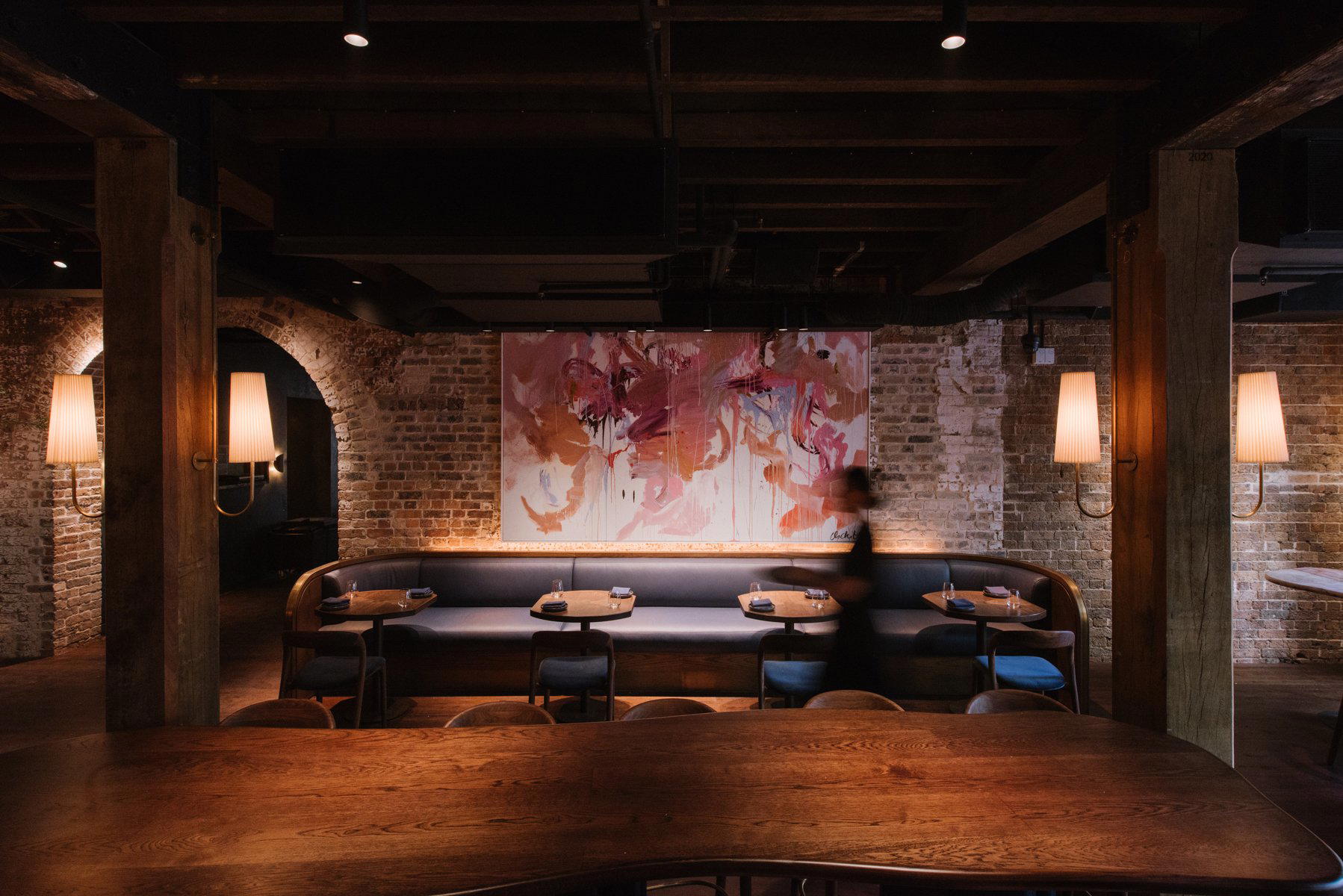
No-frills, unassuming space with small tables, warm home-style atmosphere from traditional hearty cooking.