

Guía Repsol 1 Sol
Our verdict
Gunea sits on Avilés's Avenida de Grado. The kitchen draws on the deep larder of Asturian ingredient culture, from cider-country produce to the Cantabrian coast, serving food that reads as local rather than touristic.

Pearl is the En Primeur Club membership app, where members save venues, book tables and use the concierge.
The menu
What to order
- Bonito in escabeche
- Chocolate tart
Where Avilés Eats Like It Means It
Avenida de Grado is not a restaurant row built for visitors. It is a working artery of a working city, and Gunea's position at number two on that avenue tells you something before you reach the door. The room attracts locals who know what Asturian cooking looks like when nobody is performing it for an audience. The absence of ceremony is deliberate: what arrives on the table is the point, not the theatre around it.
Asturias occupies a specific position in Spain's culinary map. The coast runs along the Cantabrian Sea, delivering some of the country's most prized seafood, merluza, percebes, nécoras, while the interior backs onto mountains where dairy cattle graze, apple orchards define the valleys, and cured pork products carry the weight of centuries of necessity turned into preference. That convergence of cold Atlantic waters and green agricultural interior gives Asturian cooking a register unlike the arid south or the grain-heavy meseta. Gunea works within this tradition rather than riffing on it.
The Asturian Larder and Why It Matters Here
The ingredient sourcing logic behind Asturian casual restaurants like Gunea follows a geography that is almost self-contained. Within a short radius of Avilés, producers supply sidra natural from centuries-old orchards in the Nava and Villaviciosa areas, artisan dairy from the mountainous interior, and daily catches landed at nearby ports. This proximity is not a marketing exercise, it is how regional cooking in Asturias has always operated, and it explains why the flavours in a direct Asturian meal can read as more concentrated than their presentation suggests.
Fabada asturiana, the region's most exported dish, is the clearest illustration. The quality of the fabes de la granja, large white beans grown in specific valleys of the region, determines the dish more than any technique applied to them. Inferior beans, regardless of how the pork fat, morcilla, and chorizo are handled, produce an inferior fabada. Restaurants that source correctly get this baseline right without needing to explain it. The same principle applies to the pitu caleya (free-range Asturian country chicken), the cabrales cheese from the Picos de Europa, and the fresh anchovies from the Cantabrian coast that appear as bocartes in vinegar or in oil.
Gunea's 2025 listing on Opinionated About Dining's Casual Europe index is the relevant credential here. OAD's casual list is generated from a large pool of informed eaters who report on food quality rather than room design or service formality.
Casual Dining as a Format, Not a Compromise
Spain's high-end restaurant circuit, the three-Michelin-star tier that includes Arzak in San Sebastián, Azurmendi in Larrabetzu, El Celler de Can Roca in Girona, Martin Berasategui in Lasarte-Oria, Mugaritz in Errenteria, DiverXO in Madrid, Cocina Hermanos Torres in Barcelona, Quique Dacosta in Dénia, and Aponiente in El Puerto de Santa María, operates on ambition and transformation. Casual Asturian dining operates on fidelity. The two are not in competition; they answer different questions. When the question is what this region actually tastes like, the answer is likelier to come from a room like Gunea than from a tasting menu that abstracts the ingredients into something philosophically interesting but geographically ambiguous.
For Asturian cooking in other cities, Asturianos in Madrid and La Guisandera de Piñera in Madrid carry the tradition to the capital with credibility. But eating Asturian food in Asturias, from producers the kitchen likely knows by name, is a different exercise. The supply chain is shorter, the ingredients arrive faster, and the kitchen has less reason to substitute.
Avilés and Its Dining Position in Asturias
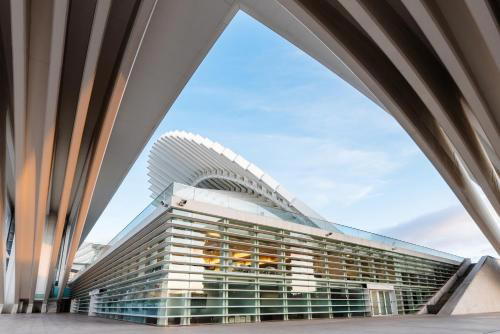
Avilés sits between Gijón to the east and Oviedo to the south, the third city of the region by size and the one that outsiders most often pass through rather than stop in. That pattern is changing. The Centro Niemeyer, Oscar Niemeyer's last major building, completed in 2011, brought an international architectural reference to a city that had been associated primarily with its medieval old town and industrial history. The old town itself, one of the better-preserved medieval centres in northern Spain, provides a specific backdrop for the restaurant trade: narrow streets with arcaded porticoes, a density of bars and sidrerías, and a food culture that operates without much external pressure to perform.
Within Avilés's restaurant scene, Gunea occupies the casual end of the quality spectrum. El Pandora represents the farm-to-table angle on local sourcing, while Yume operates in the creative register. Gunea's position is different: it is where the regional tradition is served without reinterpretation, to people who eat it regularly and notice when it is done well or badly. That audience is the hardest to consistently satisfy, and the ratings suggest Gunea does.
Planning a Visit
Gunea is on Avenida de Grado at number 2, in central Avilés and walkable from the old town. Given the OAD listing and the local following, booking ahead is the sensible approach, particularly for weekend lunches when Asturian families treat the midday meal as the main event of the day. Avilés is 30 kilometres from Oviedo and around 25 from Gijón, served by regular ALSA bus connections and by the A-66 motorway. The city's own rail station on the RENFE Cercanías network connects it to both neighbouring cities in under 30 minutes. For visitors spending more than a day in the area, the Avilés hotels guide covers the local accommodation options. Wider planning resources for the city include the full Avilés restaurants guide, the bars guide, the wineries guide, and the experiences guide.
Frequently asked questions
What's the best thing to order at Gunea?
The kitchen works in the Asturian tradition, so the dishes with the clearest regional rationale are those tied to local sourcing: fabada asturiana, the canonical white bean stew, is the reference point for any table here. Gunea's OAD Casual Europe 2025 listing signals a kitchen that takes its ingredient logic seriously rather than coasting on familiar formats. Order around the larder, not against it.
Where exactly is Gunea?
Gunea is located at Av. de Grado, n° 2, 33410 Avilés, Asturias, Spain, Avilés.
Is Gunea Michelin-listed?
Gunea has received recognition including: Opinionated About Dining Casual in Europe (2025).
Price and Positioning
Comparable venues nearby, for context on price, style, and recognition.
| Venue | Cuisine | Price | Awards | Notes |
|---|---|---|---|---|
| GuneaThis venue (the venue you are viewing) | Contemporary Asturian Seafood | $50–100 | Guía Repsol 1 Sol | Not listed |
| Casa Lin | Traditional Asturian Seafood Sidrería | $20–30 | Not listed | Aviles center, Traditional Asturian Seafood Sidrería |
| El Pandora | Modern Asturian Seafood | Not listed | Michelin Plate · Macarfi 8.8 Food Rating | historic city center, Modern Asturian Seafood |
| Yume | Modern Sustainable Fusion | $50–100 | Michelin Plate · Macarfi 8.2 Food Rating | Centro Niemeyer, Modern Sustainable Fusion |
| Los Llaureles | Modern Asturian tasting menu in a rural hotel setting | $50–100 | Macarfi 8 Food Rating · Guía Repsol 1 Sol | Torazo, Modern Asturian tasting menu in a rural hotel setting |
| Restaurante La Tabla | Modern Asturian | Not listed | Michelin Plate · Star Wine List | countryside, Modern Asturian |
Recognition history
Dated appearances from independent guides and award organizations, with the underlying list record or original source where available.
Guía Repsol 1 Sol
Guía Repsol
Opinionated About Dining Casual in Europe Recommended
Opinionated About Dining
Full recognition history (3 entries)
Opinionated About Dining Casual in Europe
Opinionated About Dining
Continue exploring
More in Avilés
Details
- Cozy
- Elegant
- Rustic
- Classic
- Special Occasion
- Date Night
- Celebration
- Historic Building
- Extensive Wine List
- Local Sourcing
- A La Carte
- Tasting Menu
- Vegetarian Friendly
- Vegan Options
- Gluten Free Options
Current opening hours
- Monday
- 9 AM–5 PM
- Tuesday
- 9 AM–5 PM
- Wednesday
- 9 AM–5 PM
- Thursday
- 9 AM–5 PM
- Friday
- 9 AM–5 PM
- Saturday
- Closed
- Sunday
- Closed
Hours can change for holidays and private events. Hours as of .
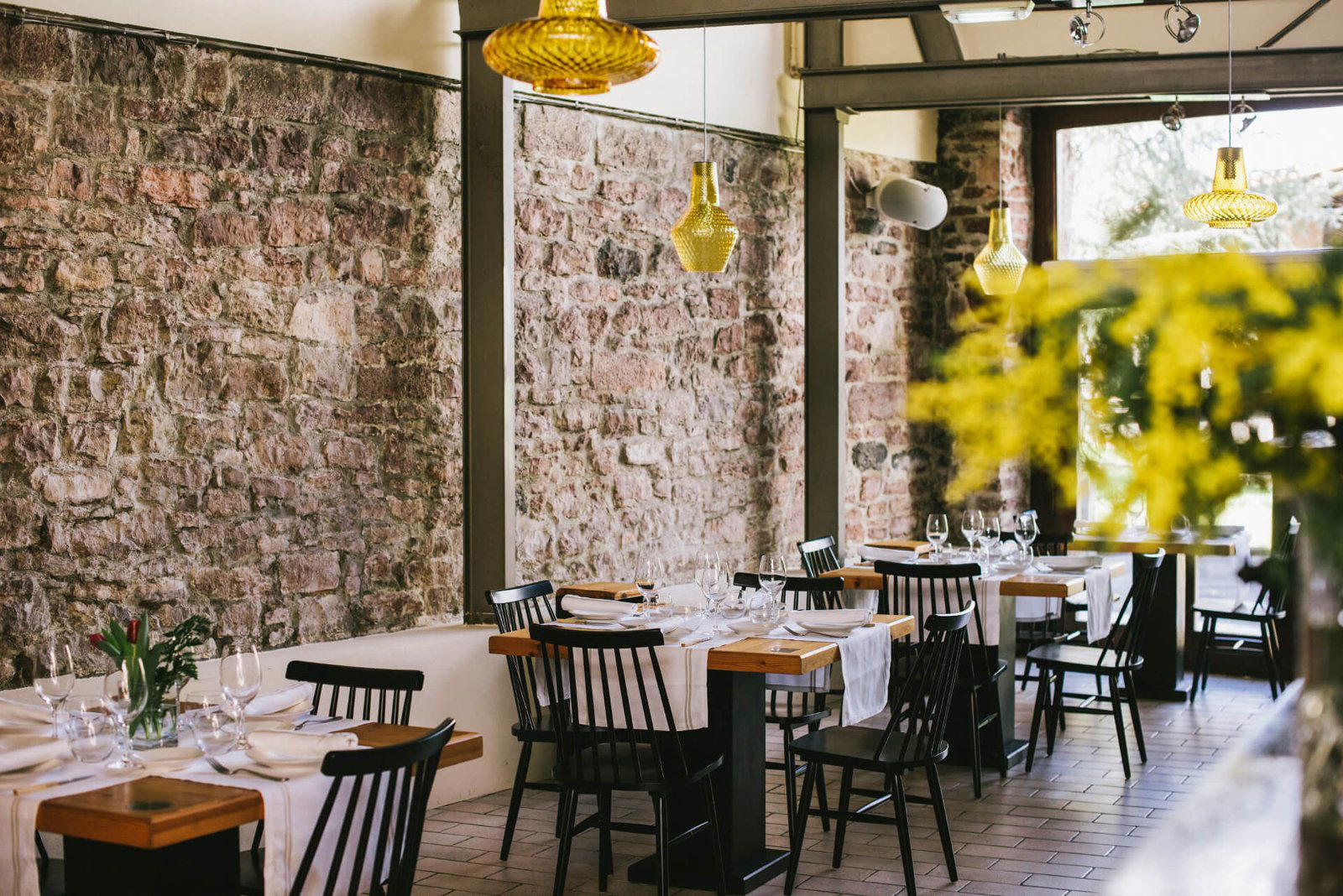
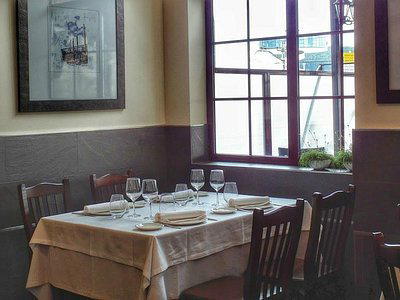
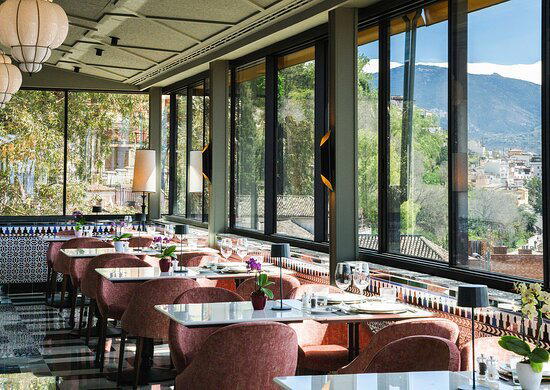
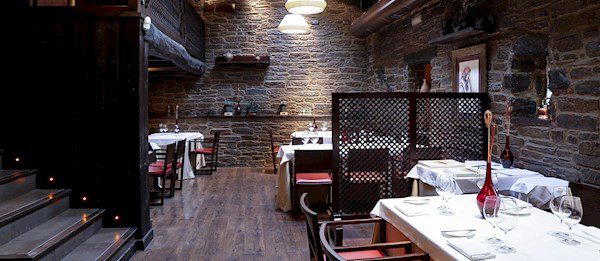
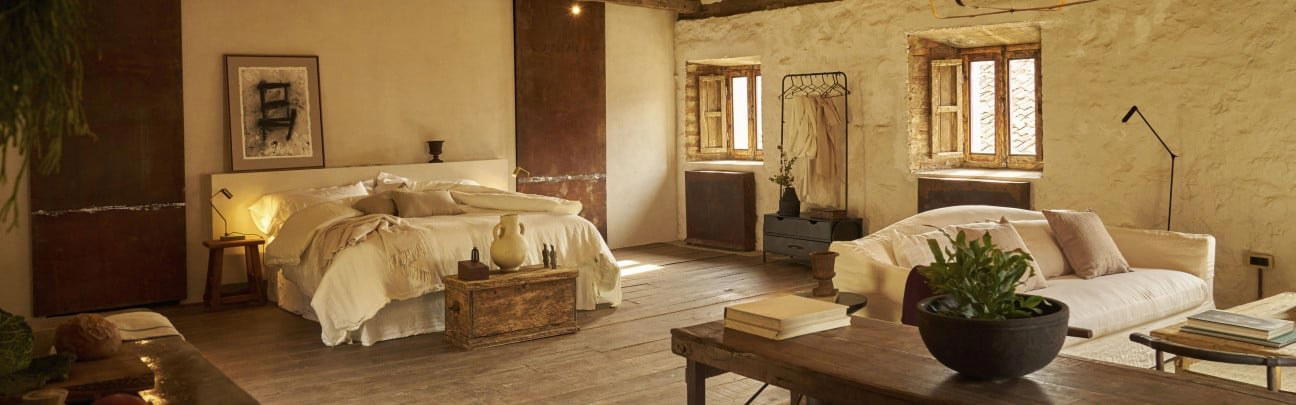
Calm, luminous atmosphere in a traditional Asturian house with high ceilings, natural light, exposed wooden beams, and relaxed elegance.