On Landsberger Strasse in Munich's Westend district, Assoluto Ristorante & Vineria occupies the quieter, neighbourhood-facing end of the city's Italian dining scene. The combined ristorante and vineria format signals a place where the wine list carries equal weight to the kitchen, a commitment that positions it differently from Munich's busier, more touristic Italian addresses.
Pearl is the En Primeur Club membership app — saves, bookings, and concierge access live there. Same editors, same standards.
- Address
- Landsberger Str. 156, 80687 München, Germany
- Phone
- +49899307937307
- Website
- assoluto-munich.com
- Directions
- Get directions
 Saves & bookings on Pearl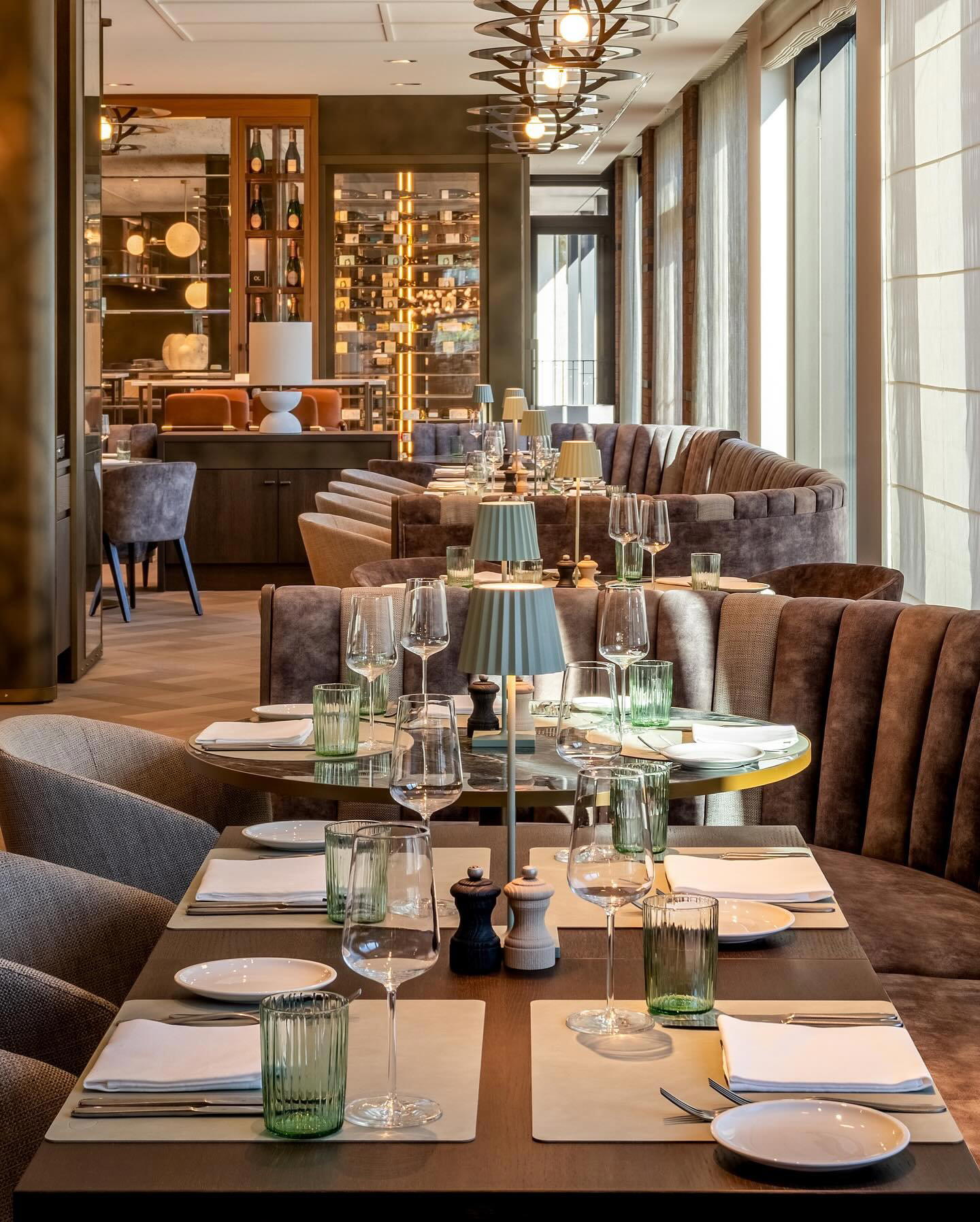
Where Munich's Westend Eats Italian
Munich's relationship with Italian cooking runs deeper than the tourist-facing trattorias of the Altstadt. The city has long maintained a stratum of neighbourhood-rooted Italian restaurants, shaped partly by the post-war migration of southern European workers into districts like Westend and Neuhausen, and partly by the Bavarian appetite for wine-led dining that mirrors northern Italian traditions more closely than people expect. Assoluto Ristorante & Vineria is an Authentic Italian Ristorante at Landsberger Str. 156, 80687 München, Germany, with, in a combined restaurant and wine bar format that distributes its ambitions between the kitchen and the cellar.
The address itself is instructive. Landsberger Strasse cuts through Westend, a district that over the past fifteen years has shifted from working-class residential to one of Munich's more interesting food neighbourhoods, with independent operators taking root away from the premium rents of Maxvorstadt or Glockenbachviertel. A restaurant choosing to anchor here is, by definition, making a different calculation than the starred flagships clustered closer to the centre. For occasion dining in Munich, that calculation can work in the guest's favour: the atmosphere tends toward genuine local use rather than performative fine dining, and the pressure to perform for critics is lower.
The Vineria Question: When Wine Is Half the Point
The dual designation, ristorante and vineria, is not marketing shorthand. In Italian culinary tradition, a vineria carries specific obligations: the wine list must be deep enough to anchor a meal independently, and the food must be considered enough to meet the wine rather than merely accompany it. This is a meaningfully different proposition from a restaurant with a decent house pour. Germany's Italian restaurants have historically clustered toward the food-first model, with wine lists that defer to accessible Chianti and Pinot Grigio. A vineria format pushes back against that default.
For occasion dining, this matters practically. A dinner built around a significant bottle, an older Barolo, a white Burgundy brought across the border, or a serious Campanian red, needs a kitchen that can pace a meal accordingly. The vineria model, when it works, structures the evening around that kind of progression rather than treating wine as an afterthought ordered after the food arrives. Munich has a handful of Italian addresses that operate at this register; Assoluto's positioning places it in that conversation.
For comparison, Munich's Italian scene runs through addresses like Acquarello, which holds two stars and operates at the €€€€ tier with Mediterranean-Italian fusion at its formal end. Assoluto is not competing in that bracket, its Westend location and neighbourhood-restaurant character suggest a different kind of occasion, less ceremony, more substance.
Occasion Dining Without the Theatre
Munich's fine dining tier has several addresses that perform occasion dining at the highest technical level. Tantris, the city's most historically significant restaurant with its modernist interior and decades of critical recognition, operates with the full weight of institutional prestige. Atelier at the Bayerischer Hof and Alois at Dallmayr both deliver creative tasting menus at the €€€€ level with Michelin credentials. JAN and Tohru in der Schreiberei occupy the modern creative end of the spectrum with strong critical backing.
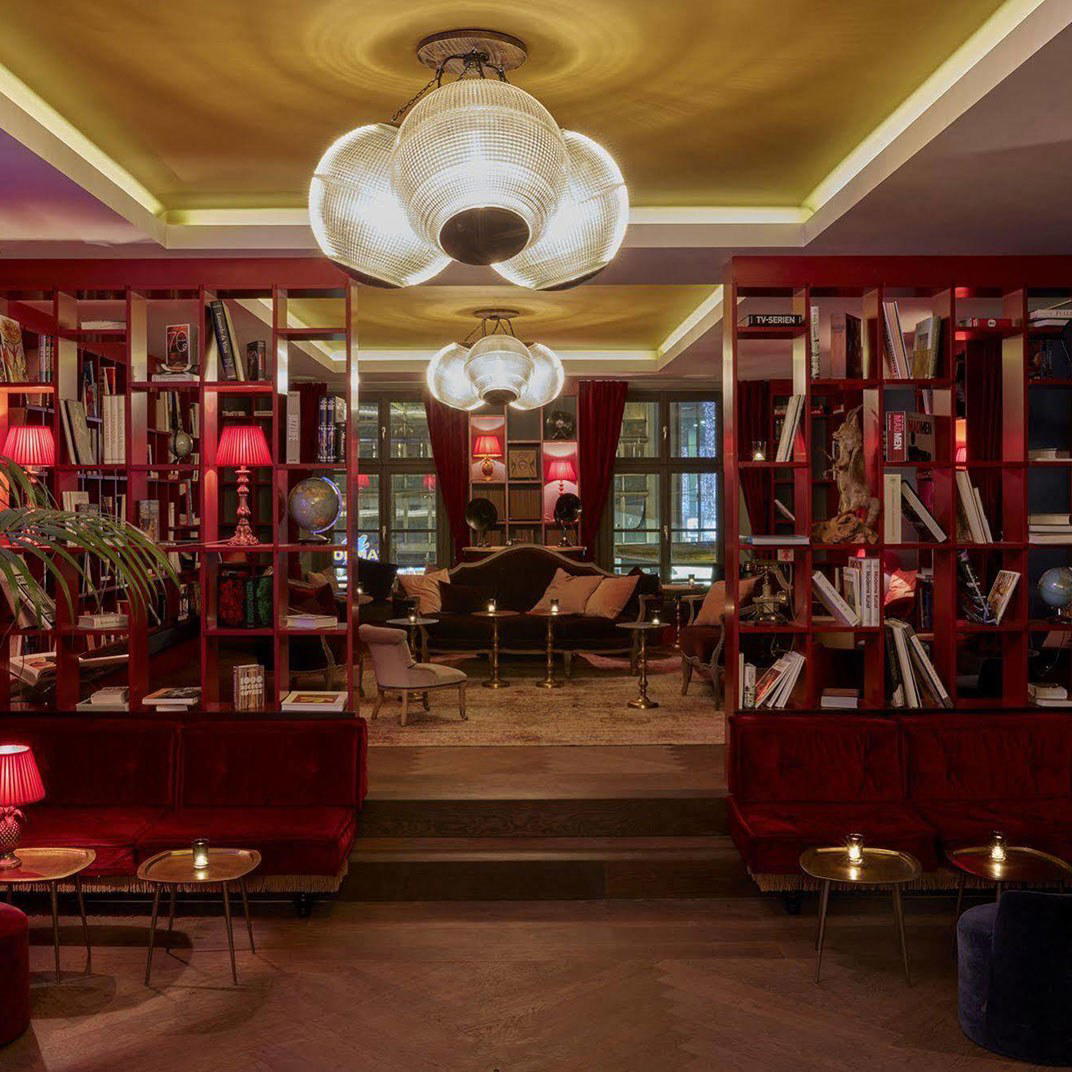
But not every occasion calls for a tasting menu of sixteen courses with wine pairings pre-selected by a sommelier. Anniversary dinners, family celebrations, or the kind of meal that marks something without requiring a performance from the kitchen staff: these are occasions that sometimes fit better in a room with lower ambient formality and a wine list you can explore rather than have curated for you. Assoluto's format addresses that register. The ristorante side provides the structure of a sit-down meal with proper kitchen ambition; the vineria side gives the meal a different kind of autonomy.
Westend as a Dining Destination
The neighbourhood context matters for planning. Westend is a district visitors typically reach by intent. That intent is increasingly rewarded: the area's restaurant density has grown substantially, and the mix of operators is more interesting than the tourist maps suggest. For a dinner occasion, arriving early enough to walk Landsberger Strasse and the surrounding streets gives a sense of the district's character, it reads as a working neighbourhood with food infrastructure built for residents rather than visitors, which tends to produce better value and more honest cooking.
This is relevant for occasion dining specifically, a dinner with serious wine does not require a long journey back, and the neighbourhood's quieter streets make for a more pleasant departure than navigating post-service crowds near Marienplatz.
German Fine Dining in Broader Context
For visitors building a longer itinerary around occasion meals in Germany, Munich sits within reach of some of the country's most decorated restaurants. Schwarzwaldstube in Baiersbronn holds three Michelin stars in the Black Forest. Aqua in Wolfsburg, Vendôme in Bergisch Gladbach, and Victor's Fine Dining by Christian Bau in Perl each represent three-star cooking at significant distances from Bavaria, while ES:SENZ in Grassau is notably close to Munich in the Bavarian foothills. Schanz in Piesport, Waldhotel Sonnora in Dreis, and Restaurant Haerlin in Hamburg extend the map further. At the more experimental end of the German scene, CODA Dessert Dining in Berlin and Bagatelle in Trier offer formats that diverge sharply from classical service. Internationally, the occasion-dining benchmark conversations often reference Le Bernardin in New York City and Lazy Bear in San Francisco.
Within Munich's Italian scene specifically, Assoluto represents the neighbourhood-anchored, wine-serious tier that sits below the starred addresses but above casual red-sauce dining. That is a gap that matters most when the occasion calls for something genuine rather than ceremonial.
Planning Your Visit
Assoluto Ristorante & Vineria is located at Landsberger Strasse 156, 80687 München. Specific booking details, current hours, and pricing are best confirmed directly with the venue, as these vary by season. For occasion dining at this kind of address, contacting the restaurant in advance is advisable.
Comparison Snapshot
Comparable venues nearby, for context on price, style, and recognition.
| Venue | Cuisine | Price | Notes |
|---|---|---|---|
| Assoluto Ristorante & VineriaThis venue — the venue you are viewing | Authentic Italian Ristorante | $$$ | Not listed |
| AnticaTrattoria Nuova | Authentic Italian Trattoria | $$$ | Harlaching |
| Canal Grande | Classic Italian Canal-Side Ristorante | $$$ | Nymphenburg |
| Kinky Slice | New York Style Pizza | $$ | Isarvorstadt |
| Eiscafé & Ristorantino Galleria | Authentic Italian Trattoria & Gelato | $$ | Grosshadern |
| Restaurant Kaito | Authentic Japanese Sushi | $$$ | Neuhausen |
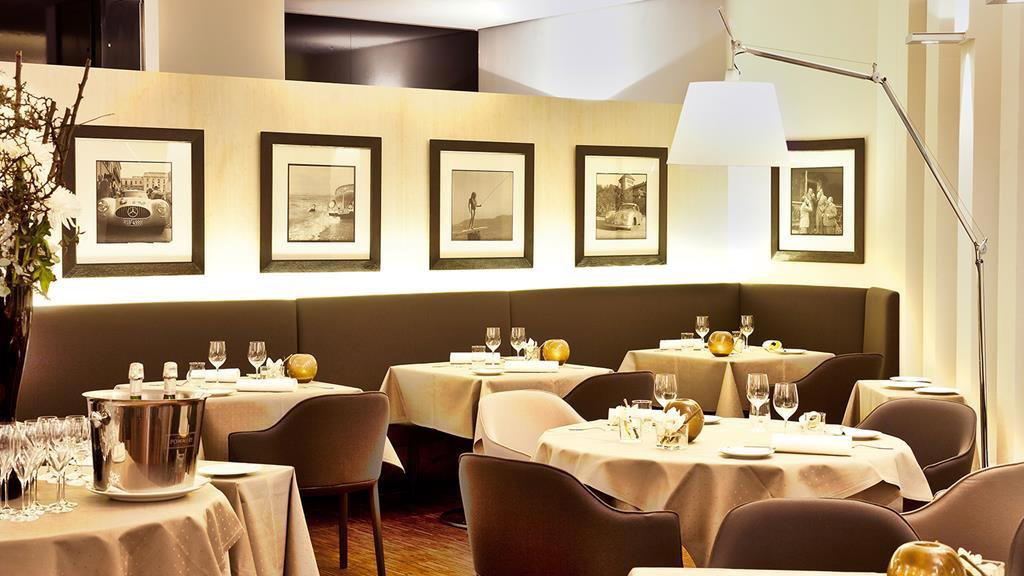
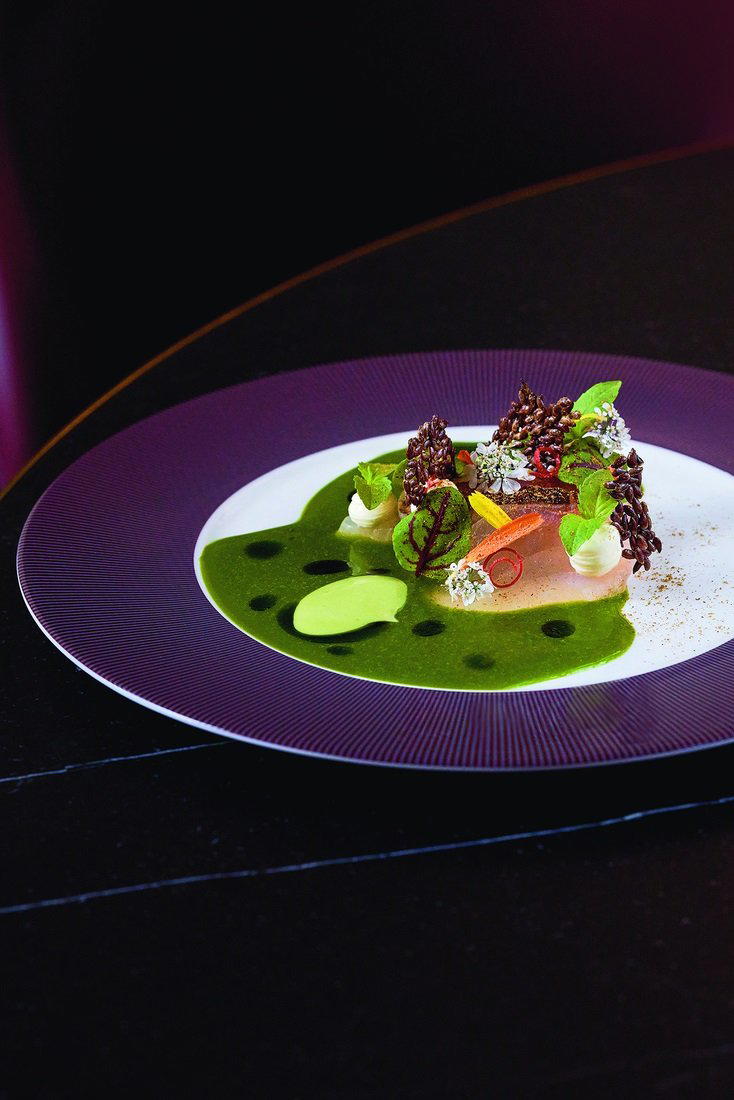
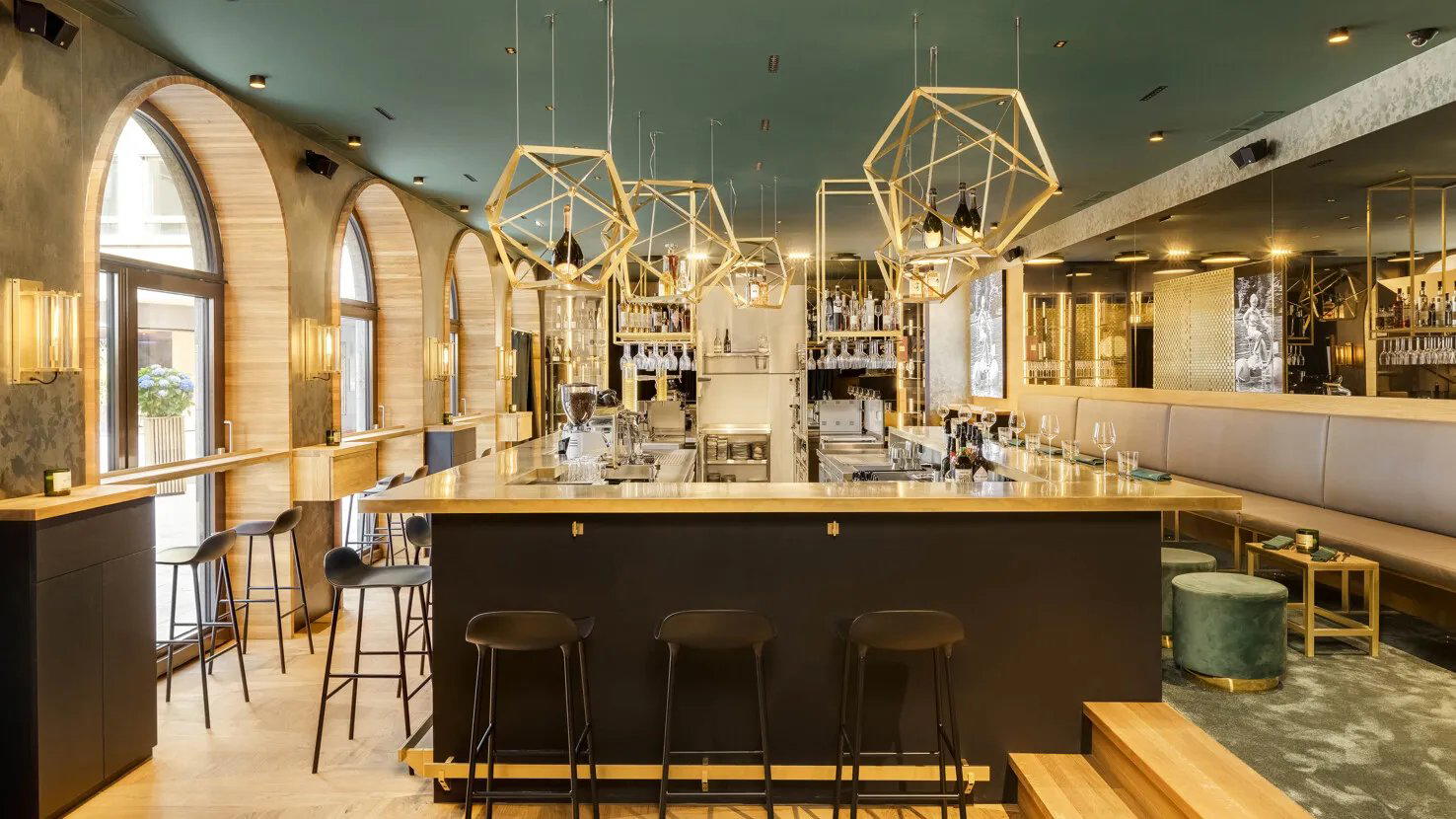
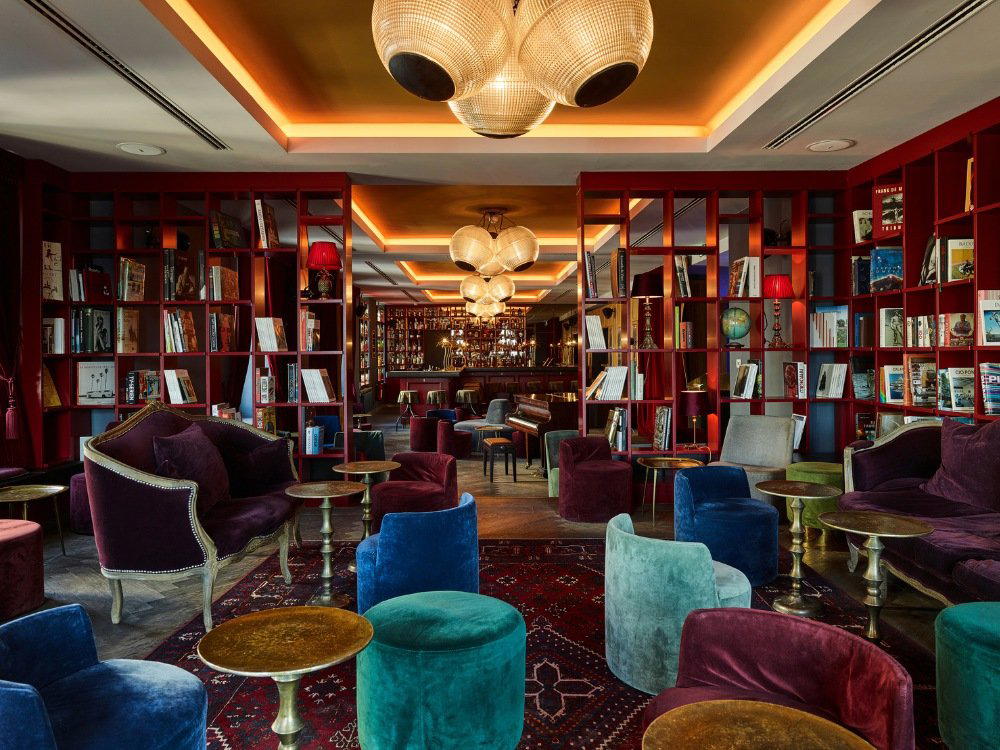
At a Glance
- Elegant
- Sophisticated
- Date Night
- Business Dinner
- Special Occasion
- Open Kitchen
- Hotel Restaurant
- Extensive Wine List
Current opening hours
- Monday
- 6:30 AM–10 PM
- Tuesday
- 6:30 AM–10 PM
- Wednesday
- 6:30 AM–10 PM
- Thursday
- 6:30 AM–10 PM
- Friday
- 6:30 AM–10 PM
- Saturday
- 7 AM–10 PM
- Sunday
- 7 AM–10 PM
Hours can change for holidays and private events. Last verified .
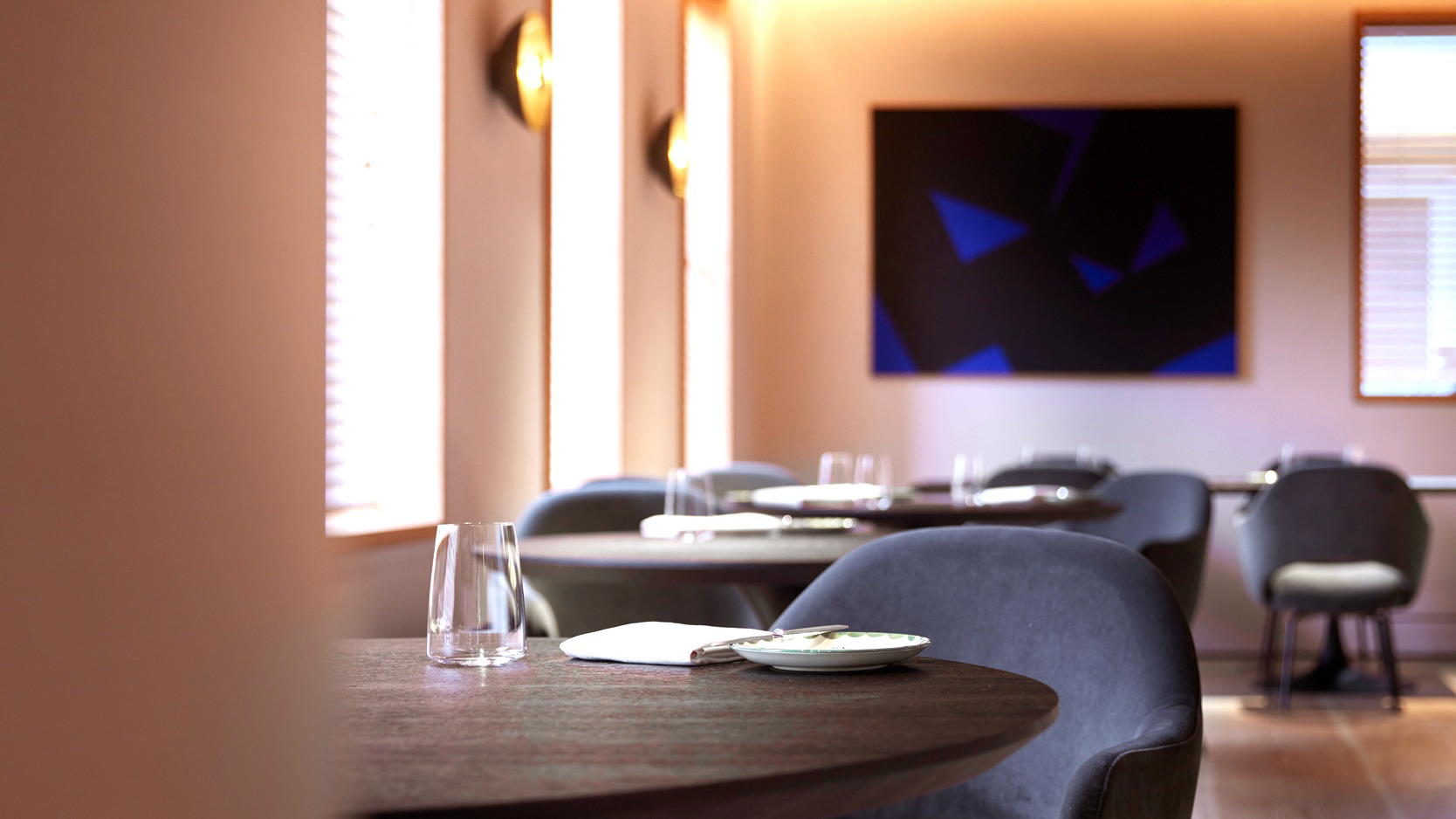
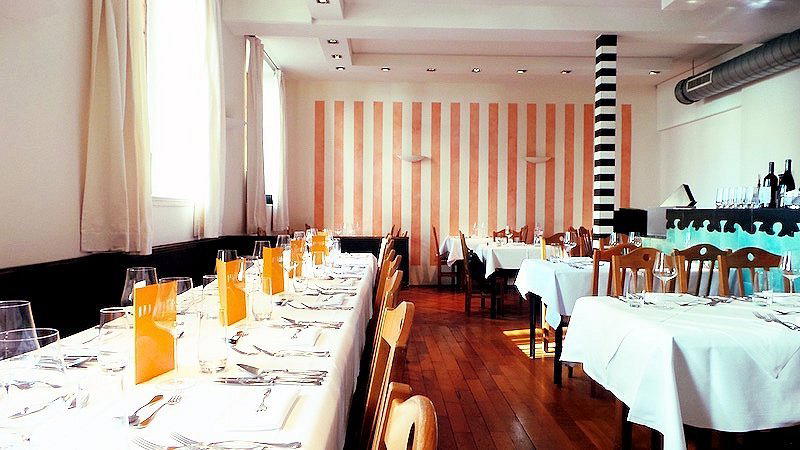
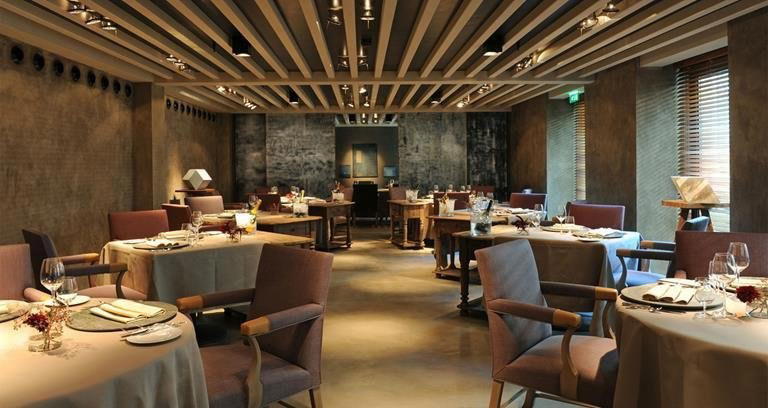
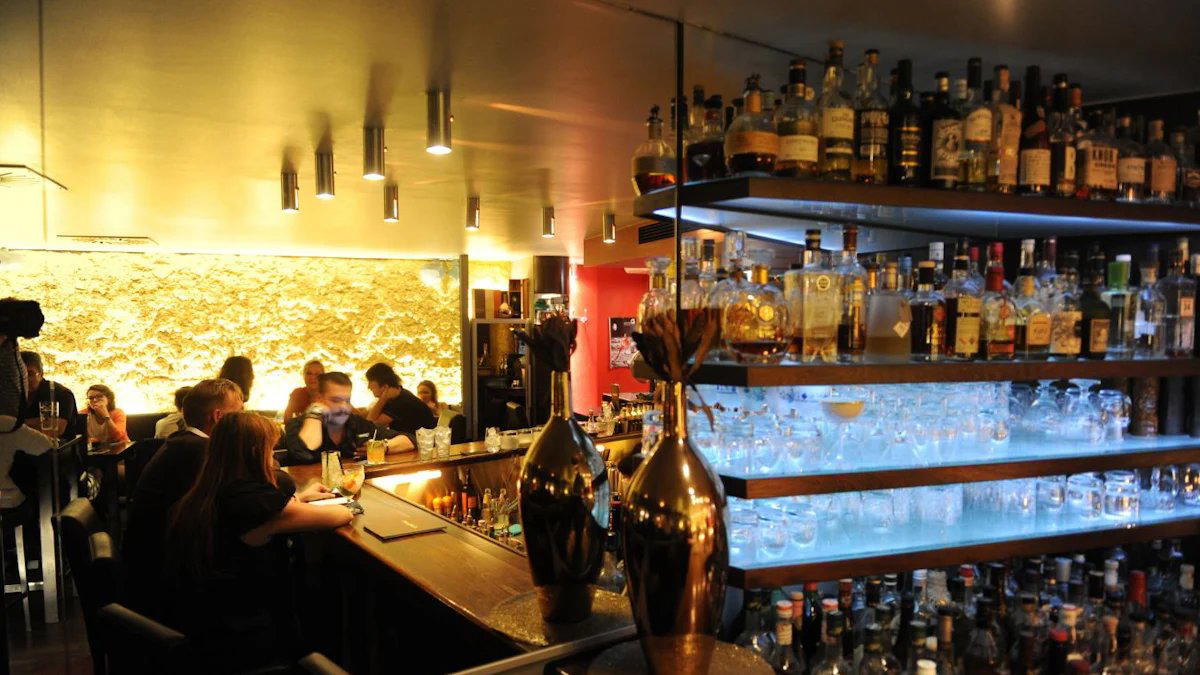
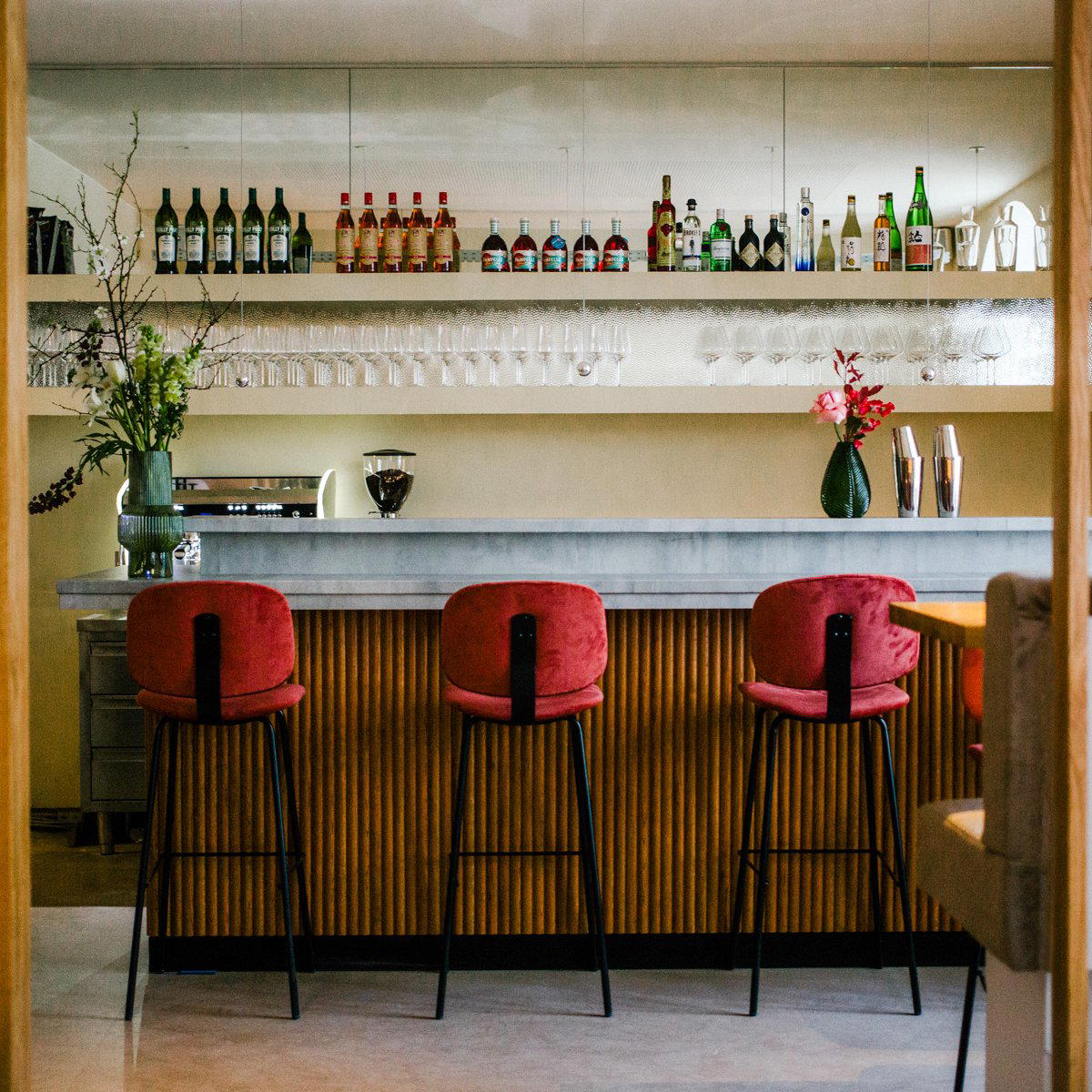
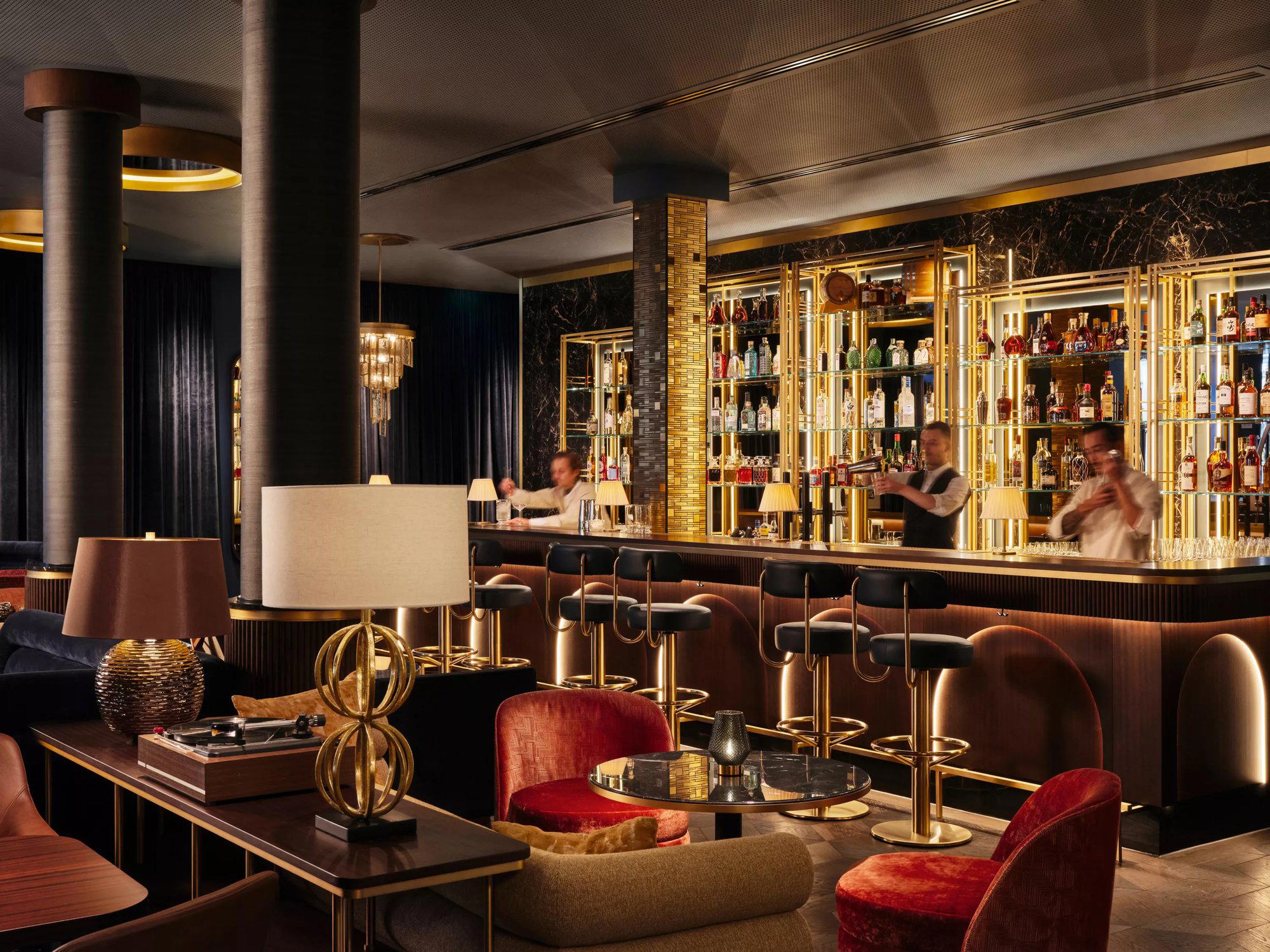
Moderate noise level with welcoming atmosphere highlighted by high ambiance ratings from diners.