
Tabelog 100 #59
Our verdict
Fukushima’s standing-bar culture rewards speed, proximity and sharp sourcing rather than ceremony. age sits in that compact Osaka category: a creative tachinomi-izakaya with sake, shochu and wine, selected for Tabelog 100 Tachinomi 2025, and better read as a produce-led drinking room than a conventional restaurant.

Pearl is the En Primeur Club membership app, where members save venues, book tables and use the concierge.
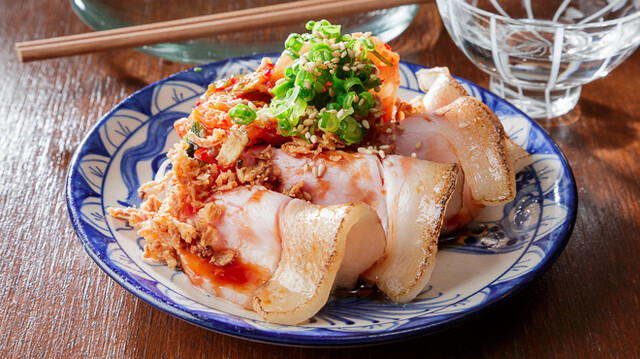
The menu
What to order
- Mushroom nabe with jago soup stock and pork belly
- Kyoto natural yellowtail sashimi
- Samurai oyster ponzu
- Torotoro double-cheese crab gratin
- Oyster and burdock dashi pasta
In Fukushima, the sharper drinking rooms announce themselves less through spectacle than through compression: counter seats, quick decisions, bottles within reach, and a kitchen expected to keep pace with a room that may be standing, sitting, or doing both. The appeal of tachinomi is not only economy. It is immediacy. Food has to land fast enough for a drinker, but with enough intent to justify another round.
That is where age fits Osaka’s current appetite for informal precision. The category is stand-up bar, izakaya and creative cooking, a combination that says plenty about the city’s dining mood. Osaka has long treated drinking food as serious work, but Fukushima adds a smaller-neighbourhood voltage: less grand dining, more counters, tighter rooms, and cooks using the izakaya format to test ideas without turning dinner into a tasting-menu commitment.
Creative tachinomi, with sourcing doing the quiet work
Ingredient sourcing matters differently in a tachinomi room than it does at a formal counter. The question is not whether the kitchen can stage luxury produce for three hours; it is whether everyday ingredients can be handled with enough clarity to carry sake, shochu or wine across a short, busy evening. The listed food direction here points toward a health-and-wellness menu rather than the heavier fried-and-grilled default that still defines many drinking rooms. That does not make the experience austere. It places the emphasis on balance, portion control and repeat ordering.
In Osaka, this kind of cooking has become one of the more useful measures of a neighbourhood’s dining intelligence. A creative izakaya can be casual in posture and disciplined in sourcing at the same time. age’s selection for Tabelog 100 Tachinomi 2025 gives the room a public marker inside a crowded category, but the more interesting signal is format: a small counter-and-table setting, a drinks list built around nihonshu, shochu and wine, and a kitchen identity broad enough to move beyond the expected pub script.
Fukushima’s range helps explain the positioning. At one end, Sushi Hijiri sits in a much higher spend bracket and belongs to a different ritual of reservation dining. Ichijuu, also in Fukushima, occupies a mid-priced dinner tier. age works in a looser register, where the reader is choosing appetite, pacing and drinks compatibility rather than ceremony. That makes it more comparable to the city’s serious drinking rooms than to Osaka’s destination counters.
Fukushima's counter culture is the real frame
The neighbourhood west of Umeda has become one of Osaka’s more useful eating zones because it compresses multiple dining languages into walkable blocks: izakaya, bistro cooking, coffee, Chinese, Southeast Asian canteens and specialist Japanese formats. A single evening can tilt from casual drinking to a more structured meal without leaving the area. For broader planning, our full Fukushima restaurants guide gives the wider restaurant map, while our full Fukushima bars guide is the cleaner read for drink-led itineraries.
Within that context, the standing-bar format functions as a pressure test. Rooms are small, decisions are visible, and the gap between good sourcing and lazy sourcing shows quickly. A concise menu can feel more confident than a long one because it forces the kitchen to state its priorities. The counter also changes the social grammar: groups need to be compact, ordering is iterative, and the strongest meals often come from reading the room’s rhythm rather than trying to impose a full restaurant sequence on it.
Fukushima’s diversity makes useful comparisons possible without pretending every venue answers the same need. Agu Buta Shabushabu Senmon Ten Toriou Bettei points toward pork hot pot specialization; Asia Shokudo Chouku reflects the area’s appetite for regional Asian cooking; Bistro Mikasa brings a Western bistro lens; CAFE BAHNHOF covers the coffee side of the neighbourhood day; and Chinese Sai Oil shows how Chinese cooking sits inside the same local circuit. age belongs to the drinking-food lane, where beverage fit and ingredient restraint matter more than breadth.
How to use it in an Osaka night
The practical way to read this room is as a focused first or second stop, not as a sprawling banquet. The format rewards two people more easily than a large group, and the mix of counter seating, table seating and standing space suits a short-form evening. Reservations are accepted for parties of two or more, which is useful in a category that often runs on chance, but the tighter physical format means flexibility matters.
Payment and logistics also shape the decision. This is the kind of Osaka address where cash habits remain relevant, even as QR payment is part of the setup. The absence of private rooms keeps the experience public and room-driven. Non-smoking status and family-friendly notes widen the audience more than the typical bar label suggests, though the core pleasure is still adult: a compact room, drinks with range, and cooking that does not need heavy theatre to make its case.
For travellers building a wider Japan file, it helps to separate category from city. A casual specialist in Osaka should not be judged by the same criteria as -Grilled beef Sukiyaki- KAMAKURA TANUKIAN 鎌倉 たぬき庵 in Kamakura. 鮪と炭火焼き うお炭 秋葉原店 in Tokyo.cafe in Osaka.know in Kumamoto, (Shoku) Vietnam in Kawasaki or [Curry Senmon Ten] Maruyama Kyoju. in Sapporo. The same logic applies abroad: Jōdo Saké Bar in Los Angeles and Onigiri Time in Pasadena may share Japanese reference points, but the cultural mechanics are different.
For trip architecture beyond restaurants, the surrounding city pages are more useful than forcing one venue to do all the work: our full Fukushima hotels guide, our full Fukushima wineries guide and our full Fukushima experiences guide help set the wider frame. The editorial case for age is narrower and stronger: Fukushima drinking culture, produce-aware izakaya cooking, and a recognized tachinomi format that keeps the evening agile.
Frequently asked questions
What time does age open and close?
Hours at age: Mon: Closed; Tue: 5–11 PM; Wed: 5–11 PM; Thu: 5–11 PM; Fri: 5 PM–1 AM; Sat: 5 PM–1 AM; Sun: 3–10 PM.
What should I budget for a meal at age?
Pricing at age is listed as JPY 2,000 - JPY 2,999.
What part of town is age in?
age is located in Fukushima.
What do critics highlight about age?
The clearest signal is its 2025 Tabelog 100 selection in the tachinomi category, which places age in a selective Osaka standing-bar tier. Critics also tend to notice the format itself: 30 seats, including a 9-seat counter, plus a sake-focused drinks list and prices from JPY 2,000.
Is age allergy-friendly?
The venue is non-smoking and family-friendly, but Those details are not published. For guests with allergies, the most practical check is the restaurant line at 06-4256-8774 before ordering from the Fukushima, Osaka address on Sagisu. Check the venue's official channels for the latest details.
Side-by-Side Snapshot
Nearby venues at a similar price tier for orientation.
| Venue | Cuisine | Price | Awards | Notes |
|---|---|---|---|---|
| ageThis venue (the venue you are viewing) | Creative Japanese–Western Fusion Izakaya | $20–30 | Tabelog 100 #59 | Not listed |
| Asia Shokudo Chouku | Pan-Asian set-menu restaurant and Asian tapas in Osaka | $30–50 | Tabelog 100 #56 | Fukushima |
| Kashiwaya Yasu Bishu Kakei | Dining | Not listed | Tabelog 100 #42 | Fukushima |
| Cuisine Française Liaison | French | Not listed | Tabelog 100 #80 | Fukushima |
| Dal Brigante | Traditional Italian Pizzeria | $30–50 | Tabelog 100 #96 | Fukushima |
| Ramen Jinsei JET | Japanese Ramen | $10–20 | Tabelog 100 #62 | Fukushima |
Recognition history
Dated appearances from independent guides and award organizations, with the underlying list record or original source where available.
Tabelog 100 #59 · No. 59
Tabelog · Tabelog 100 - Tachinomi - 2025

Continue exploring
More in Fukushima
Restaurants in Fukushima
All restaurants in Fukushima →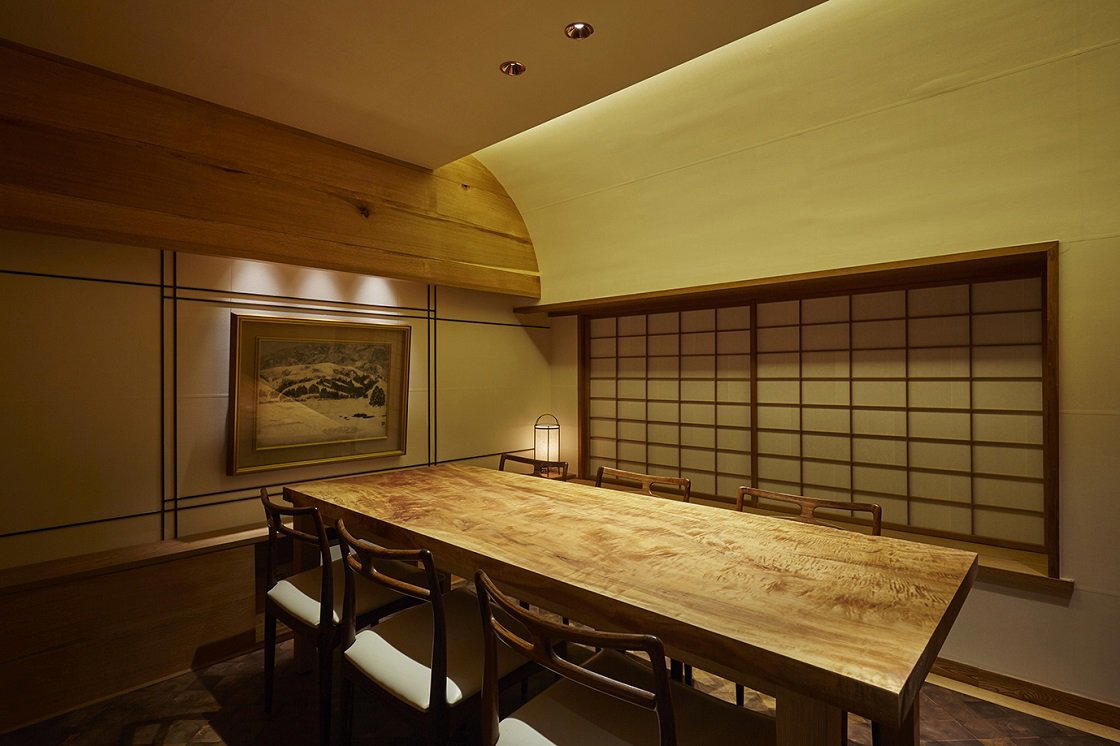
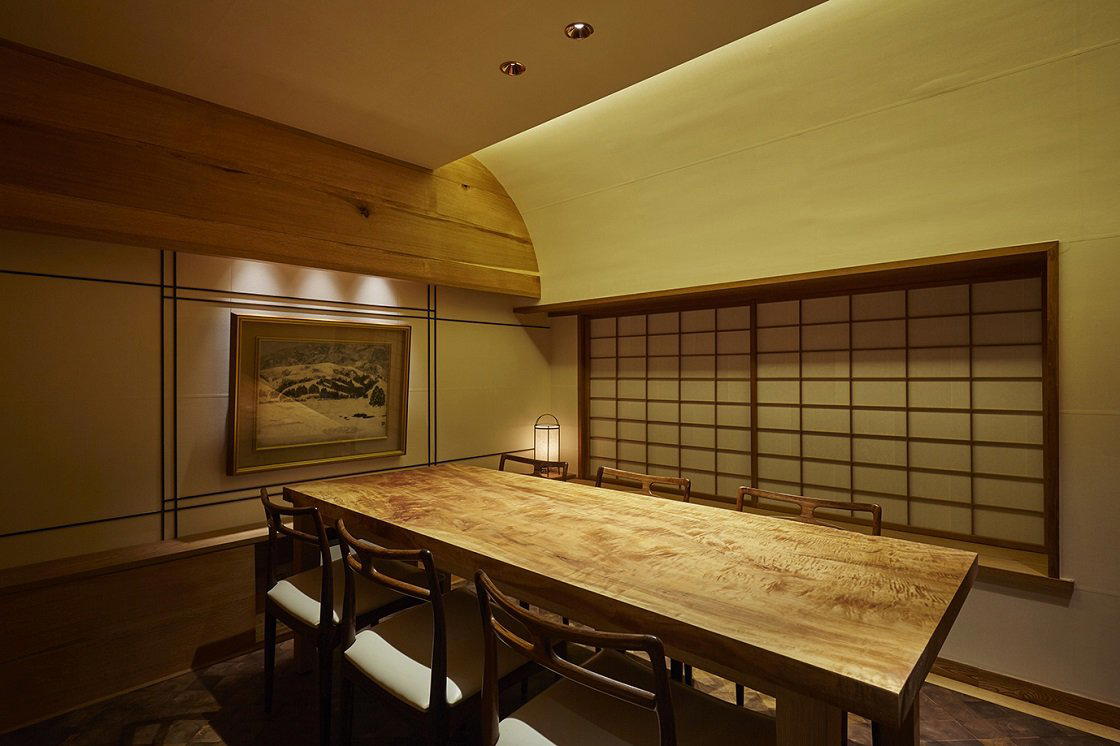



Bars in Fukushima
Browse all →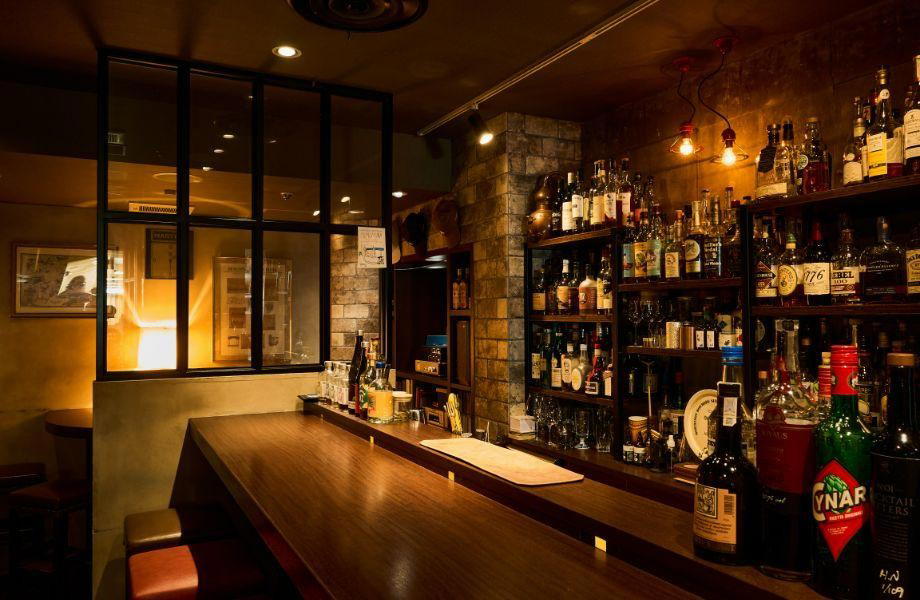
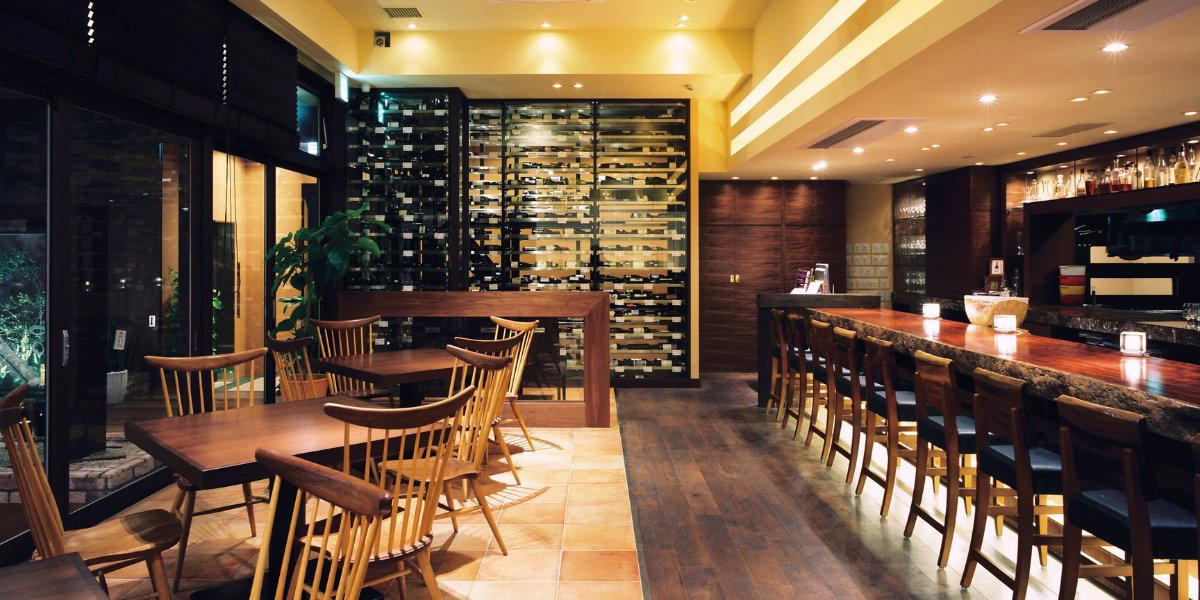
Hotels in Fukushima
Browse all →


Wineries in Fukushima
Browse all →
Details
- Trendy
- Modern
- Lively
- Cozy
- Energetic
- After Work
- Casual Hangout
- Group Dining
- Solo
- Date Night
- Private Event
- Standalone
- Private Dining
- Sake Program
- Beer Program
- Street Scene
- A La Carte
- Small Plates
- Counter Dining
- Set Menu
- Sake
- Beer
Current opening hours
- Monday
- Closed
- Tuesday
- 5–11 PM
- Wednesday
- 5–11 PM
- Thursday
- 5–11 PM
- Friday
- 5 PM–1 AM
- Saturday
- 5 PM–1 AM
- Sunday
- 3–10 PM
Hours can change for holidays and private events. Hours as of .