Asia Fusión Lagasca sits on one of Salamanca's most composed streets, placing pan-Asian cooking inside Madrid's most conservative dining district. The address signals something considered: a neighbourhood built on Spanish tradition hosting a cuisine that continues to shift in ambition and form. It occupies a category that Madrid's restaurant scene has been quietly expanding for over a decade.
Pearl is the En Primeur Club membership app — saves, bookings, and concierge access live there. Same editors, same standards.
- Address
- Calle de Lagasca, 82, Salamanca, 28001 Madrid, Spain
- Phone
- +34911671397
- Website
- asiafusionlagasca.com
- Directions
- Get directions
 Saves & bookings on Pearl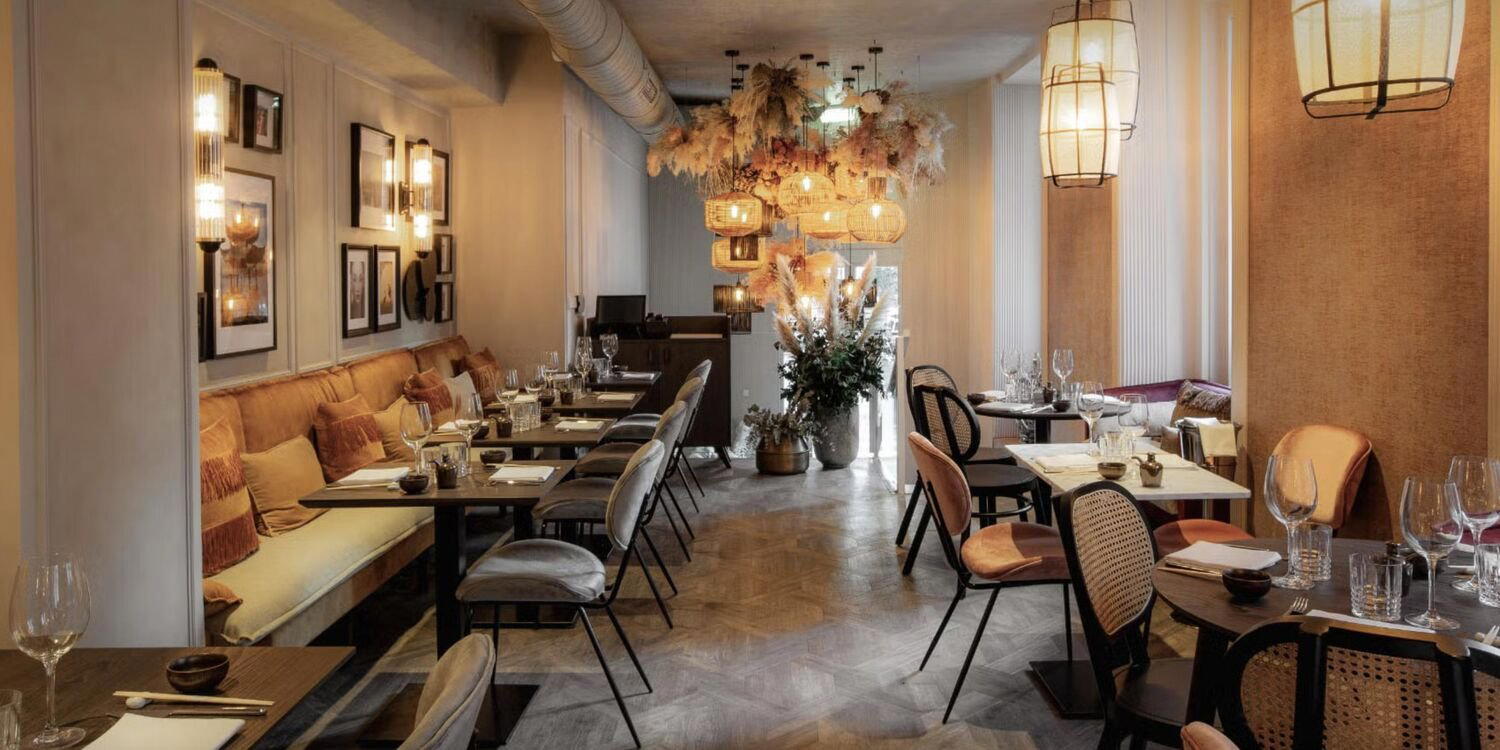
Where Salamanca Meets the Pan-Asian Turn
Asia Fusión Lagasca is a restaurant in Madrid's Salamanca district on Calle de Lagasca, 82, serving Contemporary Chinese Haute Cuisine. That context matters when reading Asia Fusión Lagasca at number 82. Pan-Asian cooking in this postcode is not a casual proposition. The district's clientele is among the more demanding in the city, and a restaurant that has held its position here across the years when Madrid's Asian-inflected dining scene was reorganising itself has done so by adapting rather than standing still.
Madrid's relationship with pan-Asian cuisine has evolved considerably since the early 2000s, when the category largely meant perfunctory sushi and generic wok dishes aimed at novelty-seekers. The city's current moment is more stratified. At the summit of the register, DiverXO has spent years dismantling the boundary between Asian technique and European fine dining altogether, operating in a category of its own. Below that peak, a middle tier of serious pan-Asian addresses has developed, places where the cooking is genuinely considered and the sourcing reflects real investment. Asia Fusión Lagasca positions itself within that intermediate tier, in a neighbourhood where the competition is less other Asian restaurants and more the deep-rooted Spanish cooking that Salamanca has always preferred.
A Cuisine Category in Transition
The phrase "Asian fusion" carries baggage in contemporary dining criticism. For much of its history, it signalled a dilution of specificity: flavours from across a vast continent smoothed into something that would not alarm a risk-averse diner. The category has been gradually rehabilitating itself in European capitals, driven partly by chefs trained in Japan, China, or Southeast Asia bringing genuine technical grounding to their menus, and partly by a wider dining public that now travels more and expects more precision in return.
In Madrid specifically, that rehabilitation has played out against the backdrop of a city whose creative fine dining energy has been concentrated at addresses like Coque, Deessa, DSTAgE, and Paco Roncero, all operating in a Spanish creative idiom. Pan-Asian cooking has had to find its audience in a city that, unlike London or Amsterdam, does not have a large diaspora community to anchor demand. What it has found instead is a Salamanca clientele with disposable income, a preference for smart surroundings, and enough international exposure to appreciate cooking that references Asia with some seriousness.
The Salamanca Address as Editorial Statement
Location in Madrid's restaurant scene functions as positioning. A restaurant on Lagasca is not making the same argument as one in Malasaña or Chueca. Salamanca communicates a certain kind of confidence: you are not here to be discovered, you are here because the neighbourhood trusts you. The foot traffic is not exploratory; it comes with prior research and clear expectations. This means the restaurant's evolution over time has been shaped by a clientele that returns when something works and stops returning when it does not, a more exacting feedback loop than a trend-driven district might produce.
That dynamic has likely pushed the kitchen toward consistency over provocation. The pan-Asian category in a conservative district rewards dependability: a version of a dish that delivers what it promises, rather than one that challenges the diner's frame of reference. Whether that constraint has narrowed or sharpened the cooking is a question the current menu would need to answer, but the address alone tells you that whatever the restaurant is doing, it has calibrated itself to survive in one of the city's less forgiving environments.
Spanish Fine Dining as the Comparison Set
Assessing any Madrid restaurant in isolation misses the point. Spain's restaurant culture provides a reference frame that is unusually demanding. The country's leading addresses, from Quique Dacosta in Dénia and Arzak in San Sebastián to Azurmendi in Larrabetzu, Martin Berasategui, Aponiente in El Puerto de Santa María, Cocina Hermanos Torres in Barcelona, El Celler de Can Roca in Girona, Ricard Camarena in València, Mugaritz in Errenteria, and Atrio in Cáceres, define a national conversation about what serious cooking looks like. Pan-Asian restaurants in Spain do not compete in that conversation directly, but they are judged by diners who participate in it. Internationally, the technical bar set by addresses such as Le Bernardin in New York City and Lazy Bear in San Francisco further shapes what experienced diners expect when they sit down anywhere that takes its cooking seriously.
The restaurant operates below that tier of international recognition, but it exists within a city where that tier is a visible reference point. That proximity sharpens expectations on both sides of the pass.
Frequently Asked Questions
What is the must-try dish at Asia Fusión Lagasca?
The kitchen operates in a pan-Asian register that, in Salamanca's context, tends to favour composed, clearly executed plates over experimental formats. A useful approach is to ask at the time of booking which dishes the kitchen considers its current signatures, as menus in this category evolve with sourcing and season.
Can I walk in to Asia Fusión Lagasca?
Salamanca is one of Madrid's higher-demand dining districts, and walk-in availability at any established address there is unpredictable. Weekend evenings are the tightest. If your schedule is flexible, arriving for a midweek lunch session gives you one realistic chance of a table without advance notice, though calling ahead is always the more reliable option.
How does Asia Fusión Lagasca fit into Madrid's broader pan-Asian dining scene?
Madrid's pan-Asian category ranges from high-concept creative cooking, represented at the extreme end by DiverXO's three-Michelin-star approach, down to neighbourhood restaurants serving more accessible formats. The restaurant occupies a middle position in that range, distinguished by its Salamanca address, which anchors it to a clientele with high baseline expectations and repeat-visit habits. It is not a destination in the way that Madrid's Michelin-decorated tables are, but within the district it represents the kind of considered pan-Asian cooking that Salamanca has absorbed into its otherwise tradition-heavy dining calendar.
Cuisine and Recognition
Comparable venues nearby, for context on price, style, and recognition.
| Venue | Cuisine | Price | Awards | Notes |
|---|---|---|---|---|
| Asia Fusión LagascaThis venue — the venue you are viewing | Contemporary Chinese Haute Cuisine | $$$$ | Not listed | Not listed |
| Ramon Freixa Atelier | Contemporary Spanish Avant-Garde Tasting Menu | $$$$ | Not listed | Recoletos |
| A’Barra | Modern Spanish Fine Dining | $$$$ | Not listed | El Viso |
| La Cuadra de Salvador Madrid | Peruvian-Fusion Steakhouse | $$$$ | Not listed | Cortes |
| Bao Li | Modern Cantonese | $$$$ | Michelin Plate | Cortes |
| El Paraguas | Refined Asturian Cuisine | $$$$ | Not listed | Recoletos |
At a Glance
- Elegant
- Sophisticated
- Modern
- Intimate
- Business Dinner
- Date Night
- Celebration
- Special Occasion
- Private Event
- Private Dining
- Open Kitchen
- Design Destination
- Extensive Wine List
- Craft Cocktails
- Local Sourcing
Current opening hours
- Monday
- 12–11:30 PM
- Tuesday
- 12 PM–12 AM
- Wednesday
- 12 PM–12 AM
- Thursday
- 12 PM–12 AM
- Friday
- 12 PM–12 AM
- Saturday
- 12 PM–12 AM
- Sunday
- 12 AM–11:30 PM
Hours can change for holidays and private events. Last verified .
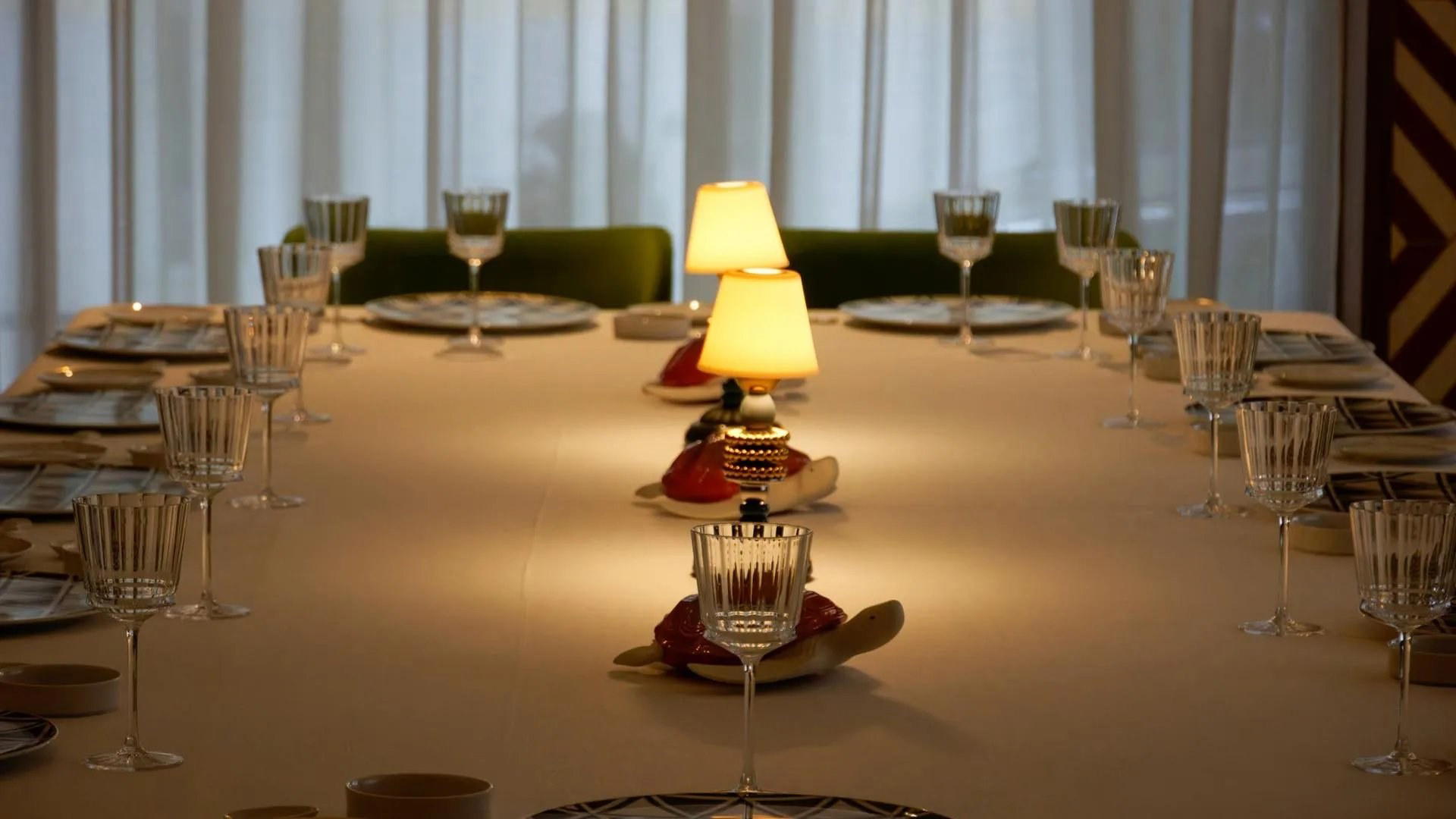
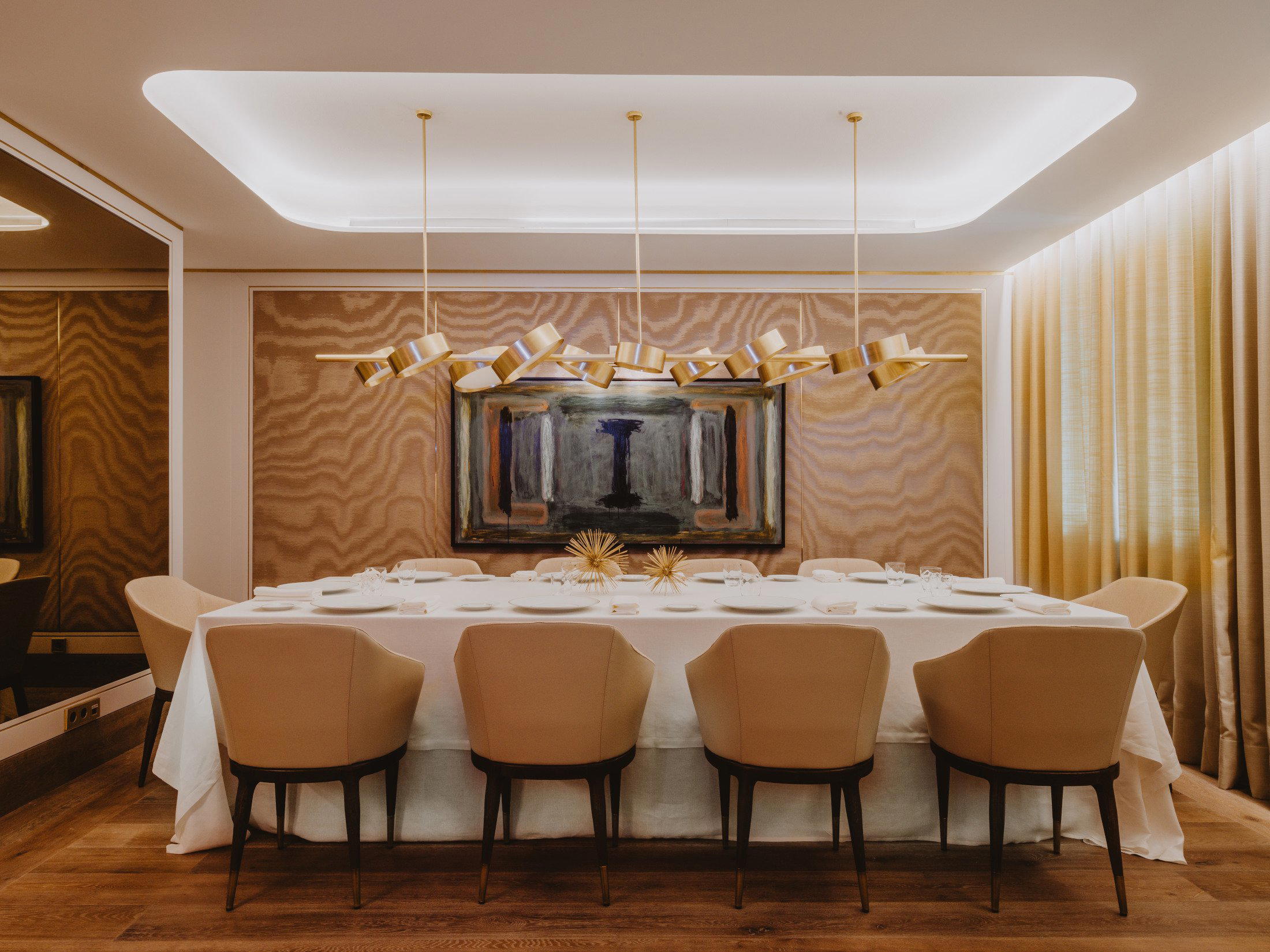
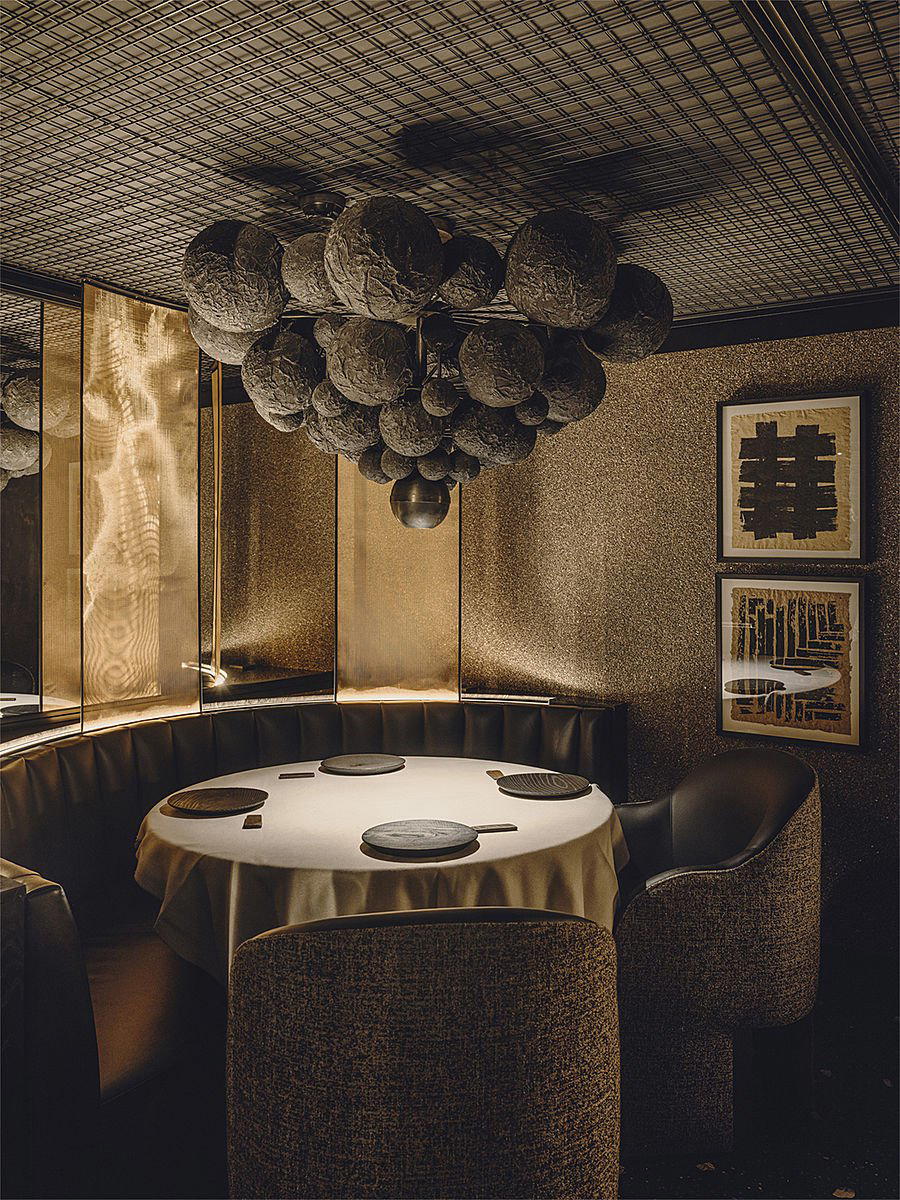
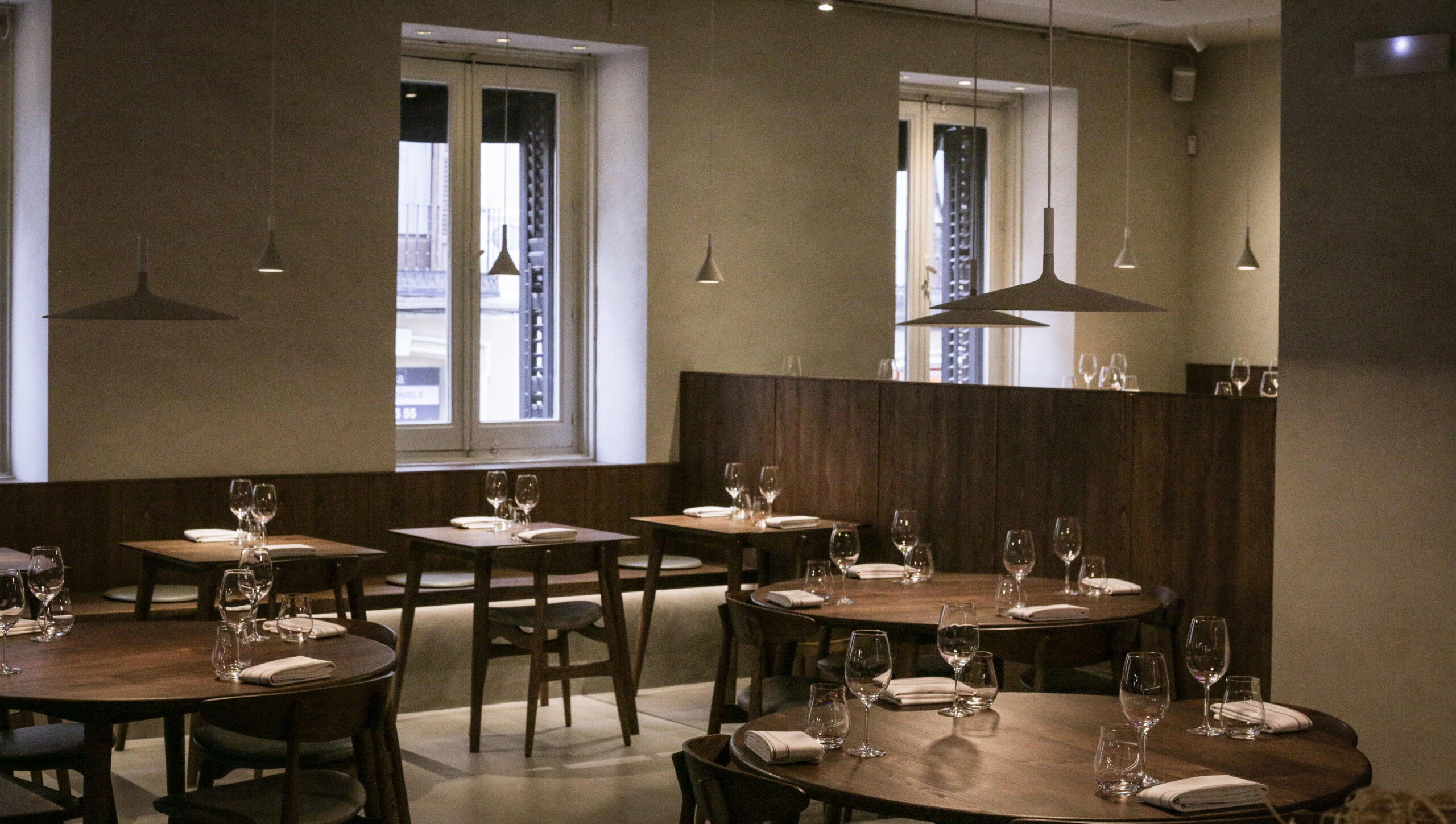
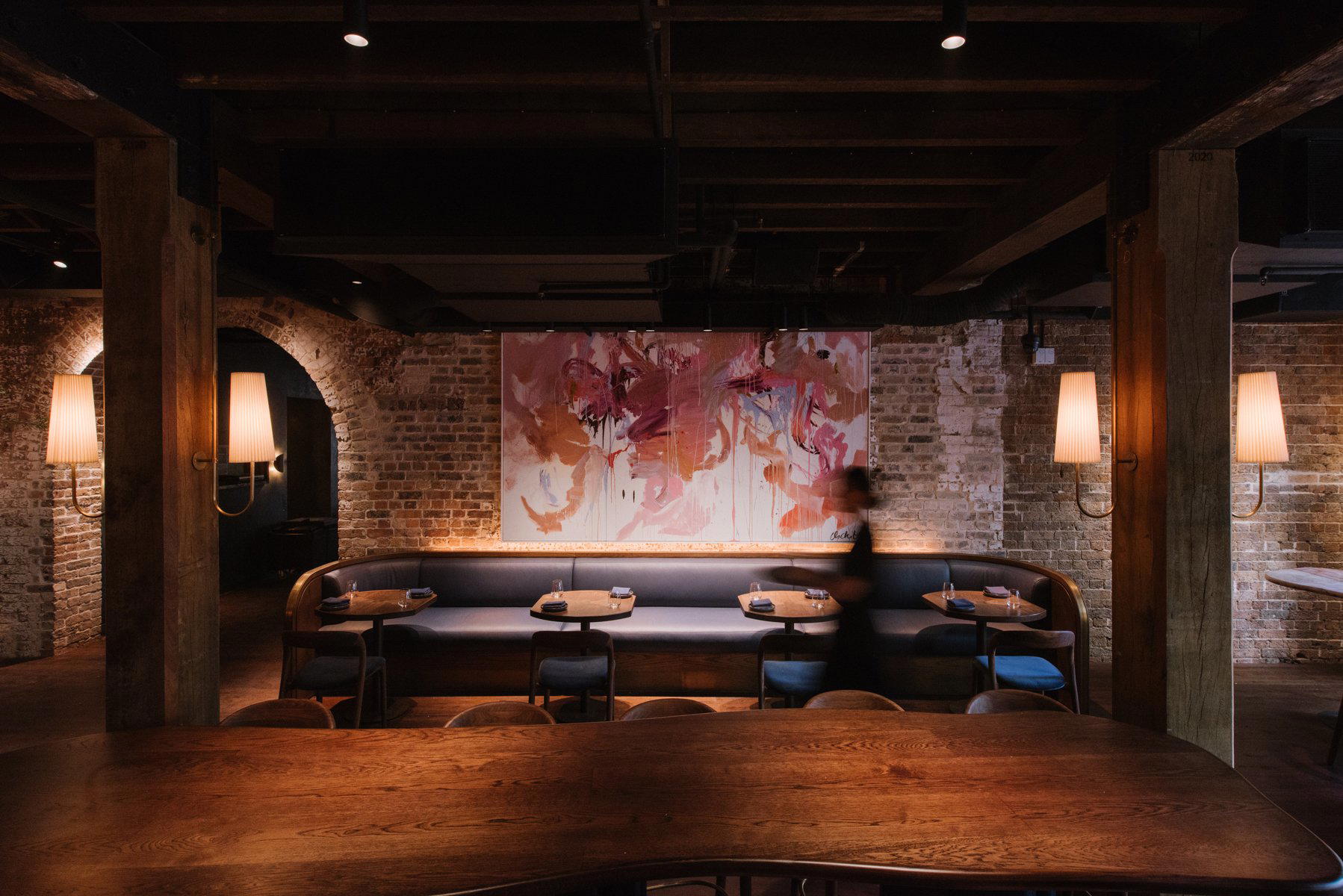
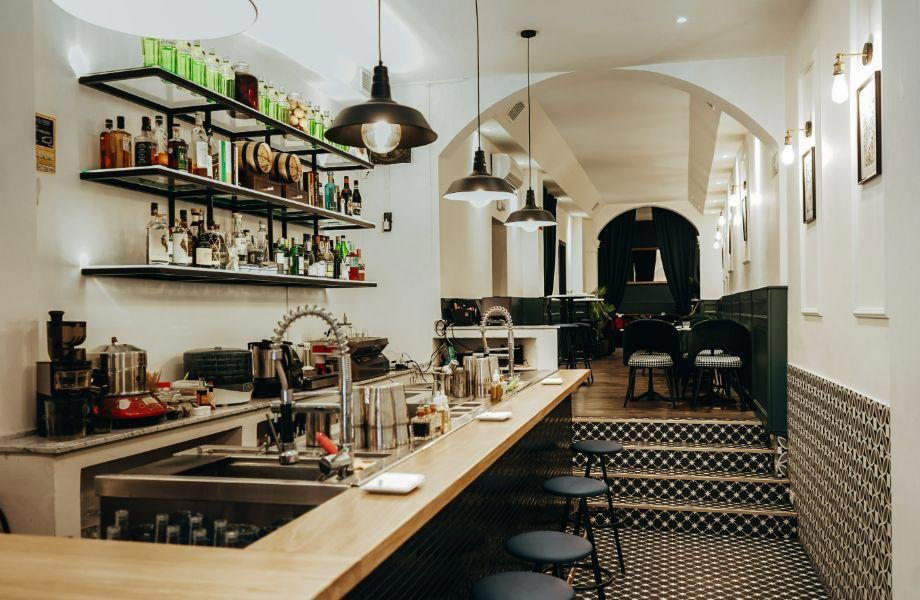
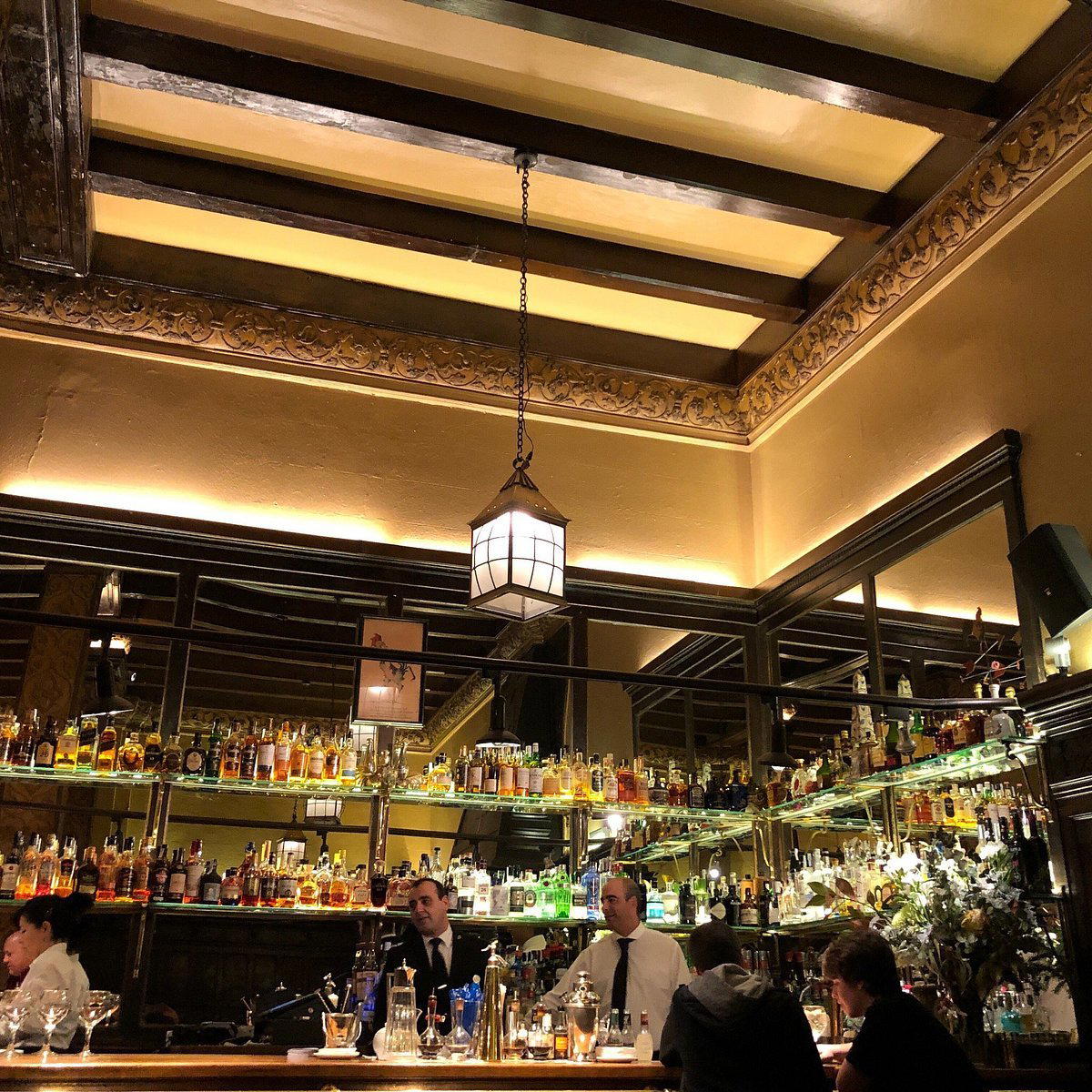
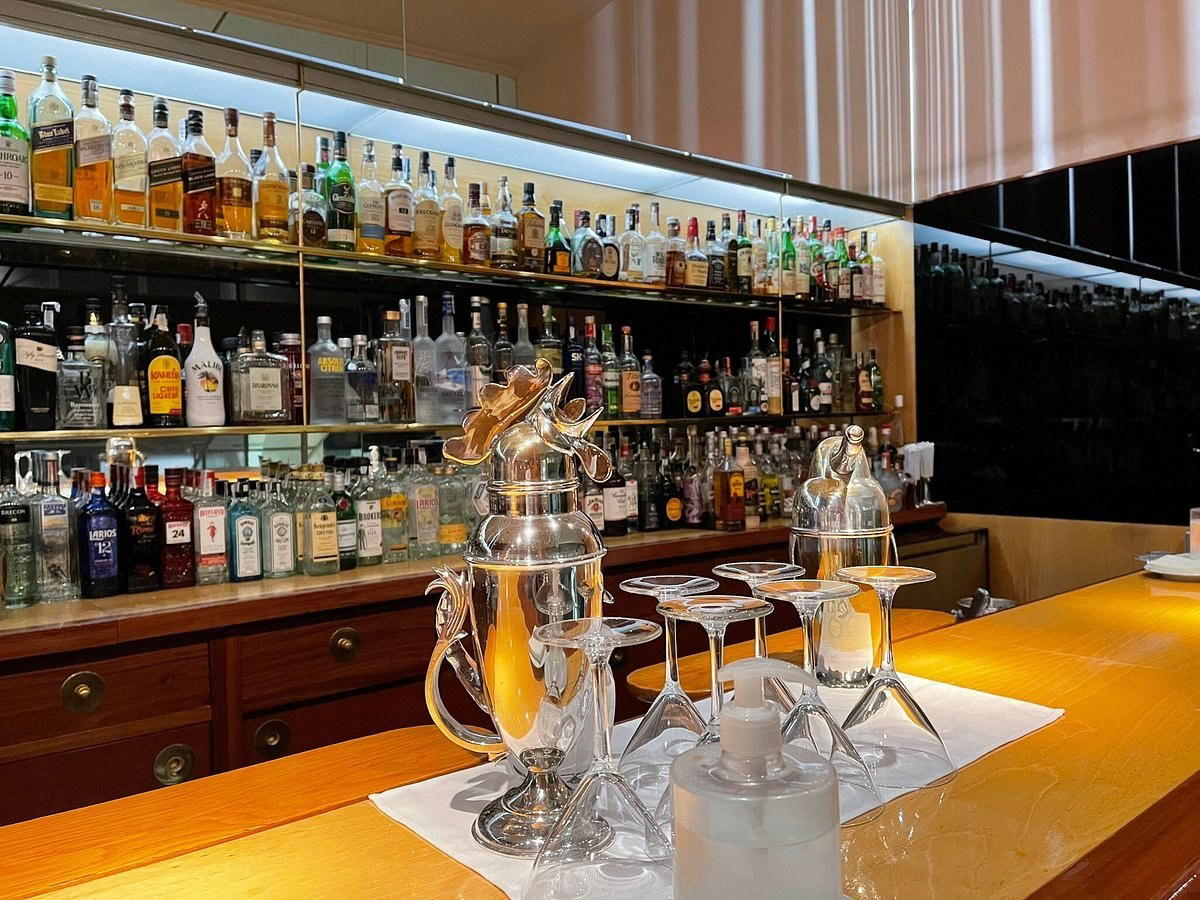
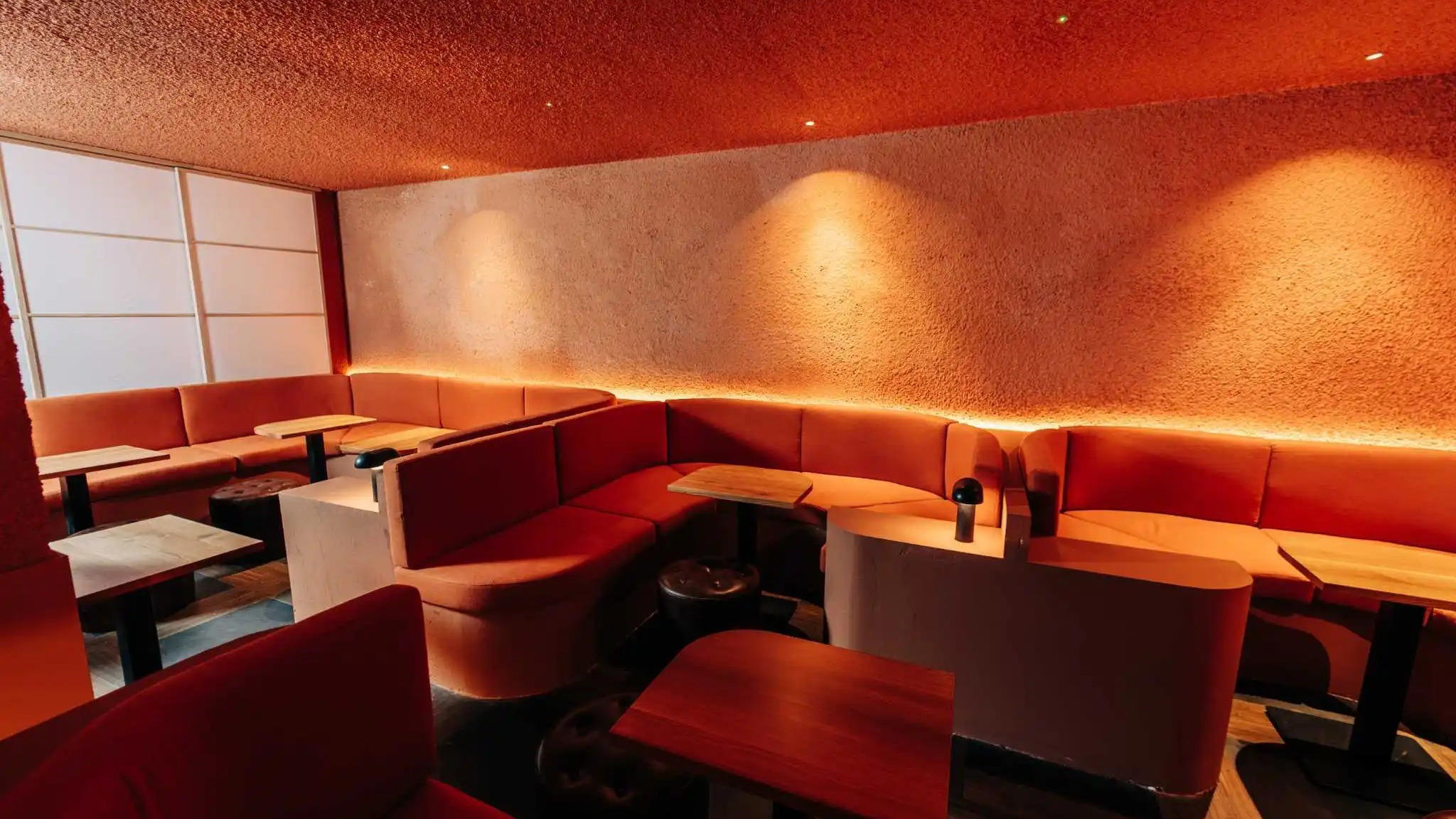
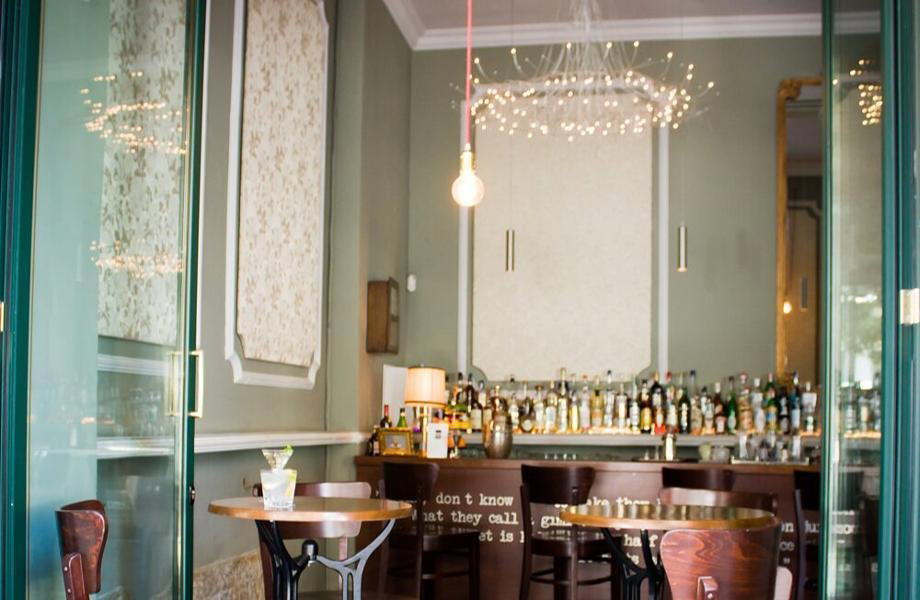
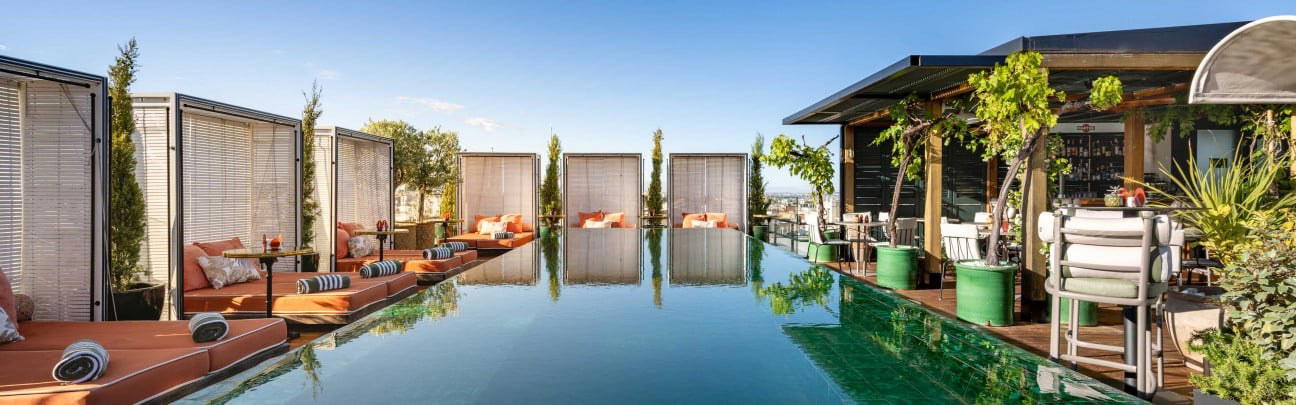
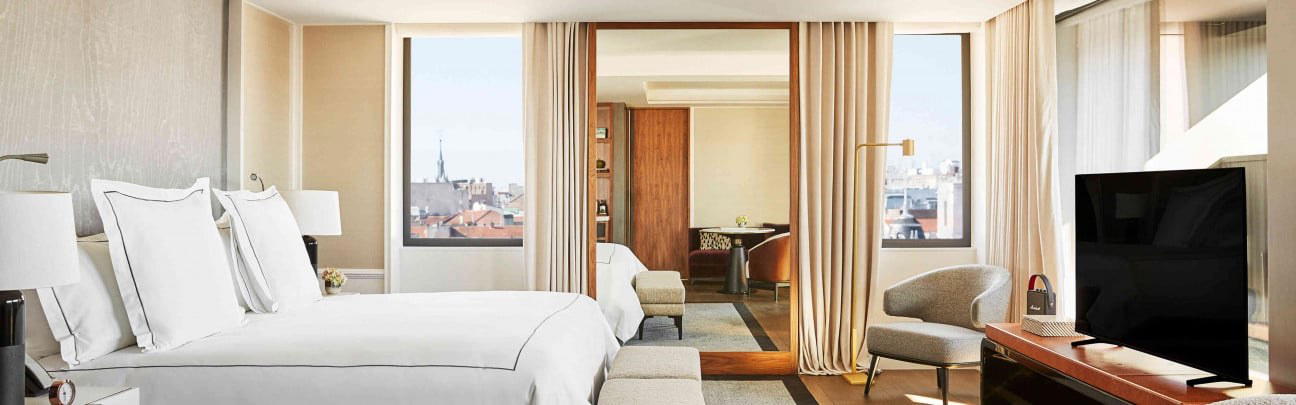
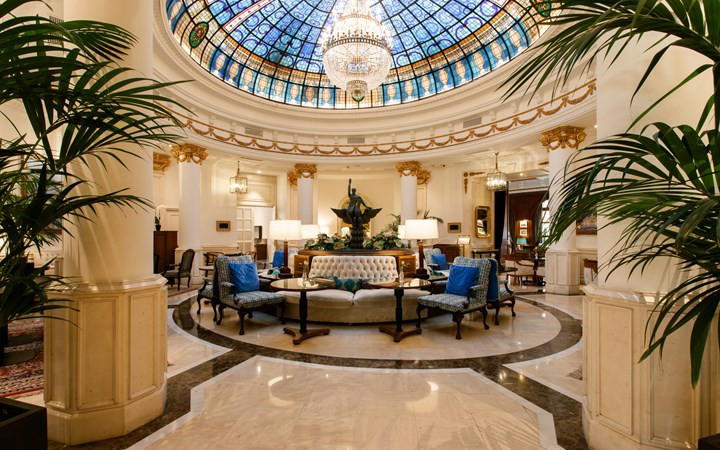
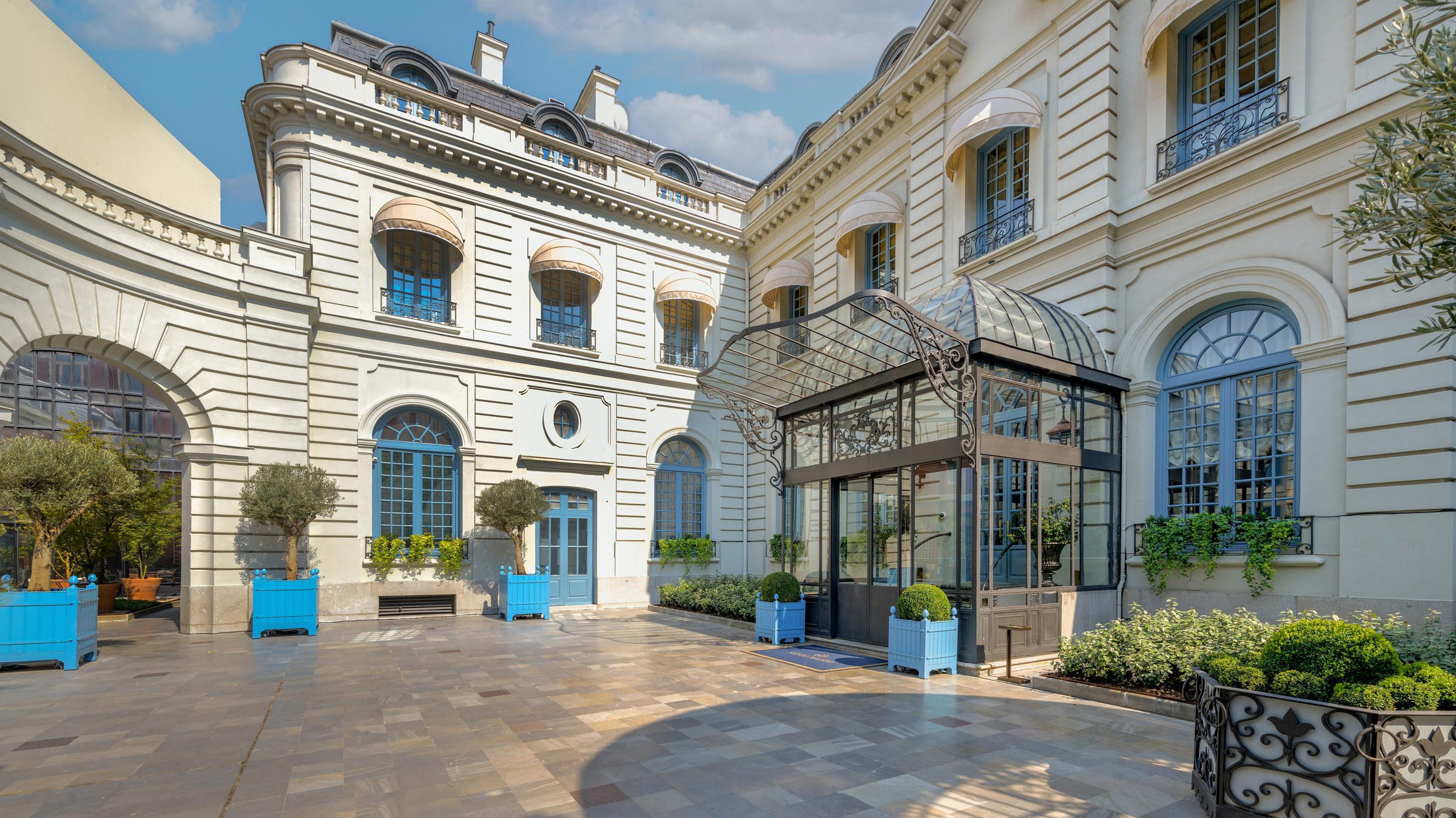
Sophisticated and welcoming atmosphere combining design, comfort, and culinary art with elegant decorations and refined aesthetics.