
Tabelog 100 #24
Our verdict
Asakusa Imahan Kokusai dori honten is a Tokyo sukiyaki and shabu shabu address in Nishiasakusa, selected for Tabelog 100 - Hot Pot - 2024. The value sits in the spread between a JPY 5,000–5,999 lunch range and a JPY 15,000–19,999 dinner range, with private rooms, 153 seats, and a location beside Tsukuba Express Asakusa Station.

Pearl is the En Primeur Club membership app, where members save venues, book tables and use the concierge.
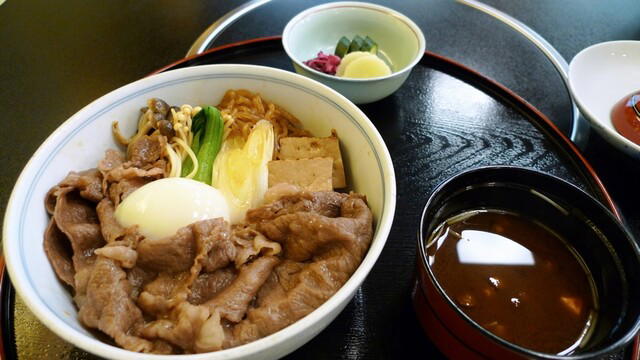
The menu
What to order
- Sukiyaki
- Shabu-shabu
- Hyakunen Gyudon (Hundred-Year Beef Bowl)
- Sukiyaki Donburi
- Asakusa Imahan Special Lunch Gozen
Nishiasakusa changes register quickly: souvenir traffic, temple-bound visitors, old shopping streets, then the quieter confidence of a house restaurant built for hot pot rather than speed. Tatami rooms and sunken seating matter because sukiyaki and shabu shabu are social before they are luxury formats. Cooking happens at the table, pacing is part of the price, and value is measured less by novelty than by how calmly the meal holds together.
Tokyo’s premium beef dining often splits in two. One side chases counter theatre, chef-led cuts, and compressed tasting menus. The other keeps older Japanese structures intact: private rooms, set courses, shared pots, sake, shochu, and wine in a format suited to families, friends, and business meals without forcing a narrow omakase rhythm. Asakusa Imahan Kokusai dori honten belongs firmly to the second camp. Its selection for Tabelog 100 - Hot Pot - 2024 places it inside the city’s recognised sukiyaki and shabu shabu tier, but the larger point is format: beef, broth or sweet soy seasoning, and a room that lets the table set the tempo.
Sukiyaki value in a city obsessed with counters
At dinner, the listed spend is JPY 15,000–19,999; lunch is JPY 5,000–5,999. That gap is useful intelligence. In Tokyo, lunch often opens serious kitchens without the full evening tariff, and hot pot suits that value equation because the core pleasure is structural rather than theatrical. The category rewards ingredient quality, timing, and disciplined service, but does not need the scarcity signalling of an eight-seat counter.
Sukiyaki carries a different cultural charge from steakhouse dining. The beef is not just a cut on a plate; it is folded into a shared ritual of seasoning, heat, and conversation. Shabu shabu shifts the emphasis toward light cooking and dipping, while gyu-don on the category list points to a more everyday beef tradition beneath the formal room. That range explains the restaurant’s usefulness: it reads as a serious Tokyo hot pot meal without becoming a narrow special-occasion museum piece.
The comparison is clearest inside Asakusa. Asakusa Naniwaya operates at a far lower JPY 1,000–1,999, a different neighbourhood stop rather than a peer dinner decision. Hon to Saya sits around JPY 5,000–5,999 at dinner and JPY 4,000–4,999 at lunch, closer to casual premium spending. LOOP TOKYO, at JPY 10,000–14,999, occupies the tier just below this dinner bracket. Against those figures, Asakusa Imahan Kokusai dori honten asks more at night, but brings the apparatus hot pot diners pay for: private rooms, 153-seat scale, table comfort, and a category award rather than mere location convenience.
The Asakusa setting suits the format
Asakusa is not Ginza, and that matters. Ginza luxury often performs precision through polish, silence, and small rooms. Asakusa’s older hospitality logic is broader: multi-generation meals, visitors moving between temple streets and restaurants, and dining rooms that absorb groups without losing occasion. A house-restaurant setting suits sukiyaki because the meal benefits from enclosure. The table needs space, the pacing needs patience, and the room should not feel like a transit stop.
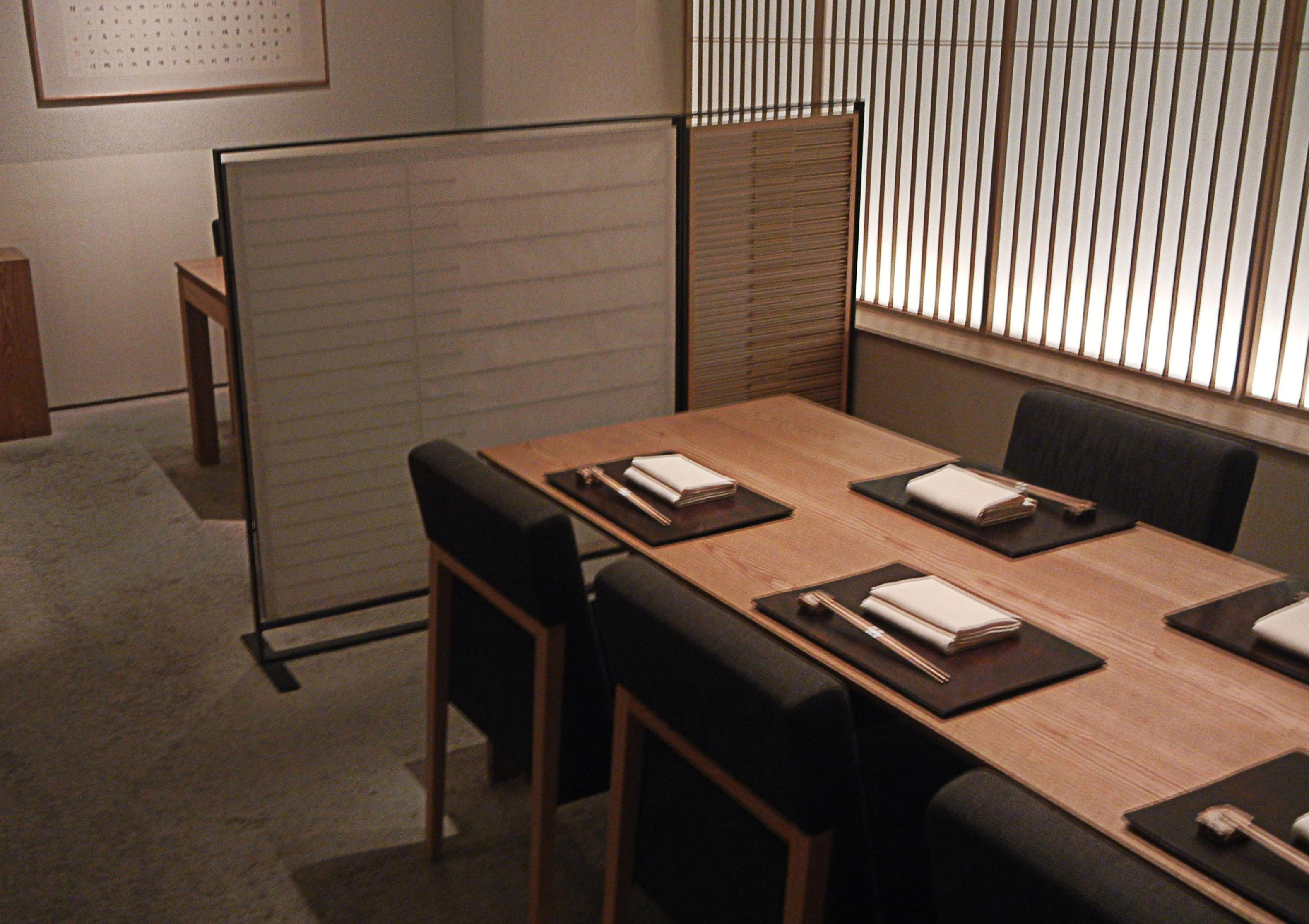
The layout signals that older Tokyo mode. Tatami rooms and sunken seating are not decorative; they shape how long the meal can comfortably run and who the room works for. Private rooms support business dinners and family gatherings, while children are welcomed, separating this hot pot institution from tighter high-end counters where the evening depends on silence and synchronised service.
Practical geography helps. Tsukuba Express Asakusa Station is effectively next door, while Tawaramachi and other Asakusa lines put the address within reach for visitors moving between Ueno, Ginza Line stops, and the eastern side of the city. Parking is unavailable, typical for central Tokyo but still decisive: arrive by rail, not car. For travellers building a fuller eating map, Our full Tokyo restaurants guide gives the wider restaurant frame, while Our full Tokyo hotels guide, Our full Tokyo bars guide, Our full Tokyo wineries guide, and Our full Tokyo experiences guide place the meal inside a broader Tokyo itinerary.
Where it fits in a Tokyo eating day
The smart use case is not necessarily the grandest dinner. Lunch has a clear value advantage, and the format is generous enough to anchor a day in Asakusa without demanding the evening. Dinner makes more sense when the room matters: private seating, a slower social meal, or a beef-focused night that does not need contemporary fine-dining performance codes.
Drinks broaden the table rather than define it. Sake, shochu, and wine are listed, with particular attention to sake, fitting sukiyaki and shabu shabu better than a forced cocktail pairing. Payment is relatively flexible by Tokyo standards: major credit cards are accepted, QR code options include PayPay and d Barai, and electronic money is not accepted. The first and third floors are completely non-smoking, with a designated smoking area elsewhere, worth weighing for mixed groups.
For contrast within Tokyo, 鮪と炭火焼き うお炭 秋葉原店, 12/10 Shinjuku ten, 124. KAGURAZAKA (Yakitori), 2D Cafe, and 3 Chome no Curry Ya San show how varied the city’s dining spend becomes once beef hot pot leaves the centre of the plan. For a sukiyaki comparison outside Tokyo, -Grilled beef Sukiyaki- KAMAKURA TANUKIAN 鎌倉 たぬき庵 in Kamakura is the more relevant regional reference than another sushi or ramen stop.
The wider Japanese dining map also clarifies the choice.cafe in Osaka.know in Kumamoto, (Shoku) Vietnam in Kawasaki, [Curry Senmon Ten] Maruyama Kyoju. in Sapporo, and [ki:] in Kyoto sit in different culinary conversations, while Jōdo Saké Bar in Los Angeles and Onigiri Time in Pasadena show how Japanese formats travel abroad. Against that spread, Asakusa’s beef hot pot tradition is most persuasive on its own terms: a seated, shared, carefully paced meal where the price buys room, service structure, and recognised category standing as much as beef.
Frequently asked questions
What does dinner at Asakusa Imahan Kokusai dori honten typically cost?
Pricing at Asakusa Imahan Kokusai dori honten is listed as JPY 15,000 - JPY 19,999 JPY 5,000 - JPY 5,999 View spending breakdown.
Is Asakusa Imahan Kokusai dori honten open every day?
Hours at Asakusa Imahan Kokusai dori honten: Mon: 11:30 AM–7:30 PM; Tue: 11:30 AM–7:30 PM; Wed: 11:30 AM–7:30 PM; Thu: 11:30 AM–7:30 PM; Fri: 11:30 AM–7:30 PM; Sat: 11:30 AM–7:30 PM; Sun: 11:30 AM–7:30 PM.
Where do I go for Asakusa Imahan Kokusai dori honten?
Asakusa Imahan Kokusai dori honten is located in Tokyo.
What's the signature at Asakusa Imahan Kokusai dori honten?
The draw is the sukiyaki and shabu shabu, both listed in the public record alongside gyu-don. That sits well with its 2024 Tabelog 100 Hot Pot selection and its Asakusa address at 3 Chome-1-12 Nishiasakusa. Check the venue's official channels for the latest details.
How does Asakusa Imahan Kokusai dori honten handle allergies?
Those details are not published. Because the menu centers on sukiyaki, shabu shabu, and gyu-don, diners should flag any soy, broth, or dipping-sauce concerns in advance. Check the venue's official channels for the latest details.
Price and Recognition
Comparable venues to place this listing in its category.
| Venue | Cuisine | Price | Awards | Notes |
|---|---|---|---|---|
| Asakusa Imahan Kokusai dori hontenThis venue (the venue you are viewing) | Traditional Wagyu Sukiyaki & Shabu-shabu | $100–150 | Tabelog 100 #24 | Not listed |
| Motoyoshi (天ぷら 元吉) | Michelin-Starred Modern Tempura Omakase | $200–300 | Not listed | Ebisu, Michelin-Starred Modern Tempura Omakase |
| Inoue (井上) | Modern Yakiniku | $150–200 | Not listed | Ginza, Modern Yakiniku |
| 寿司 健 | High-End Edo-Mae Sushi Omakase | $300–500 | Black Pearl 1 Diamond | Ginza, High-End Edo-Mae Sushi Omakase |
| Tsugumi-an | Traditional Japanese Unagi | $500+ | Tabelog Bronze #484 | Kita, Traditional Japanese Unagi Omakase |
| Kato Gyuniku-ten Ginza | Yamagata Beef Steakhouse | $150–200 | Tabelog 100 #29 | Chūō, Yamagata Beef Steakhouse |
Recognition history
Dated appearances from independent guides and award organizations, with the underlying list record or original source where available.
Tabelog 100 #24 · No. 24
Tabelog · Tabelog 100 - Hot Pot - 2024
Continue exploring
More in Tokyo
Restaurants in Tokyo
All restaurants in Tokyo →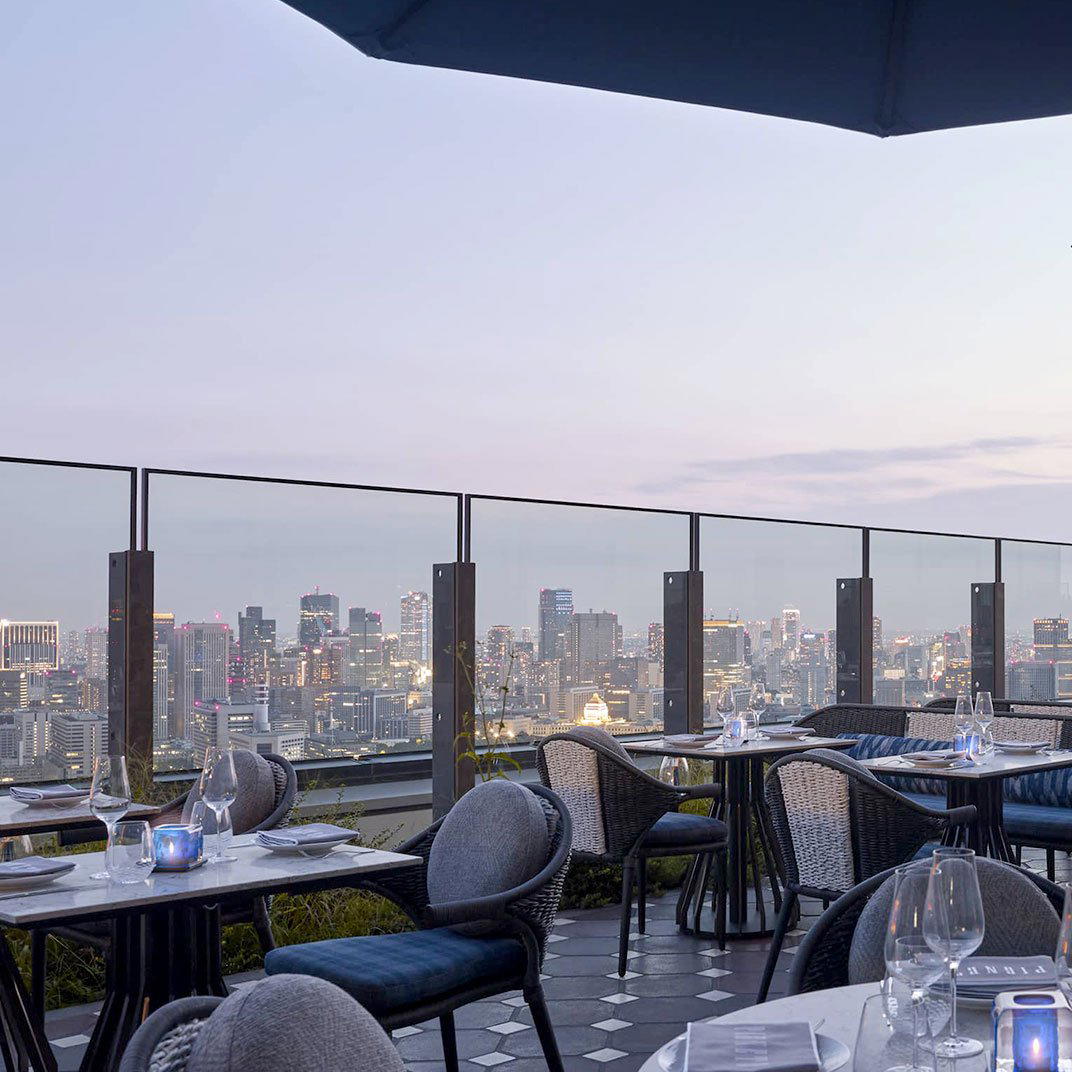

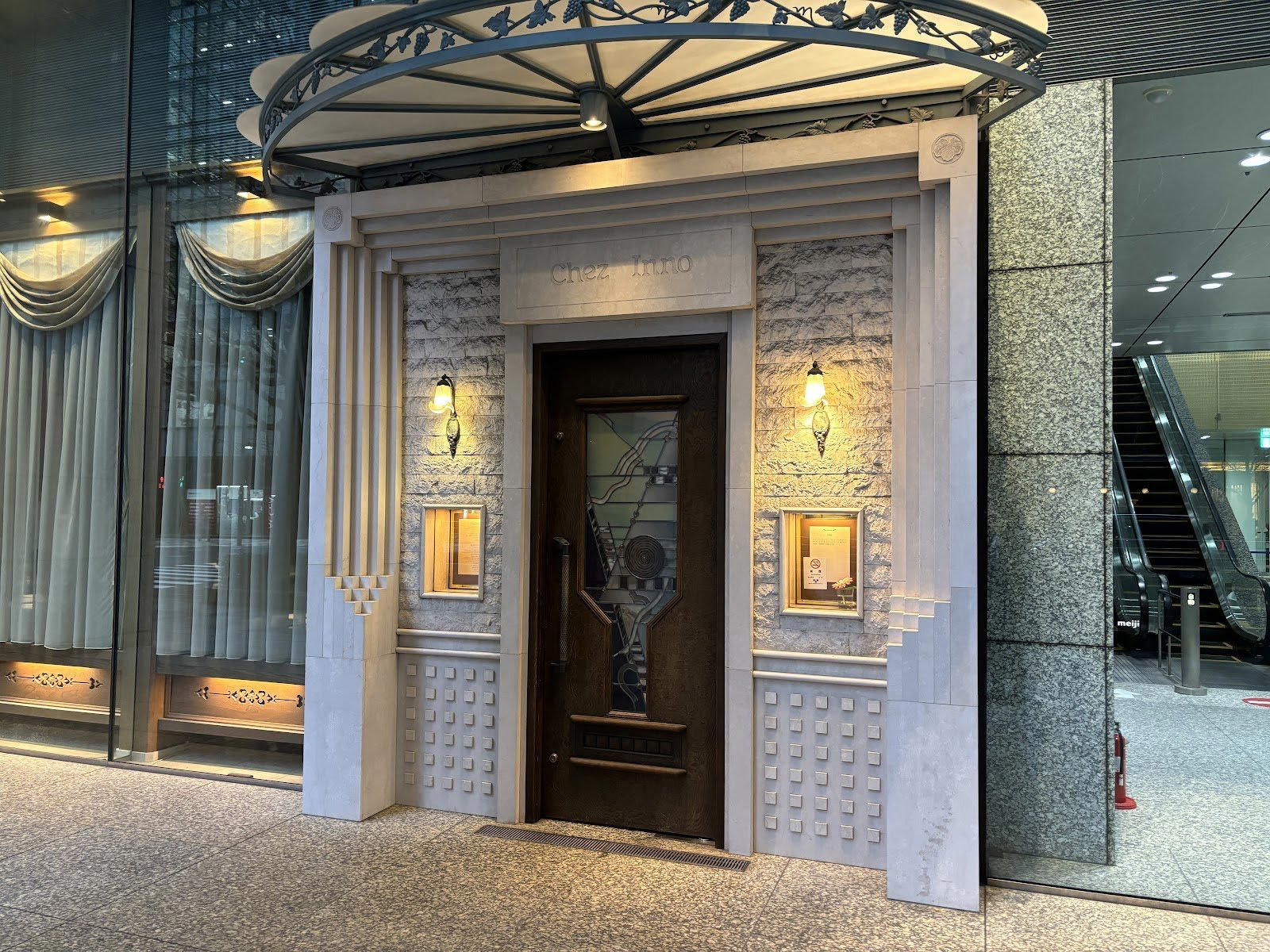


Asakusa Imahan Kokusai dori honten
The wine
- Extensive wine list
- Sake program
- Beer program
Details
- Elegant
- Classic
- Cozy
- Well Known
- Celebration
- Business Dinner
- Family
- Group Dining
- Date Night
- Private Dining
- Historic Building
- Standalone
- Design Destination
- Wine Cellar
- Sake Program
- Extensive Wine List
- Beer Program
- Local Sourcing
- Set Menu
- A La Carte
- Family Style
- Sake
- Shochu
- Wine
Current opening hours
- Monday
- 11:30 AM–7:30 PM
- Tuesday
- 11:30 AM–7:30 PM
- Wednesday
- 11:30 AM–7:30 PM
- Thursday
- 11:30 AM–7:30 PM
- Friday
- 11:30 AM–7:30 PM
- Saturday
- 11:30 AM–7:30 PM
- Sunday
- 11:30 AM–7:30 PM
Hours can change for holidays and private events. Hours as of .
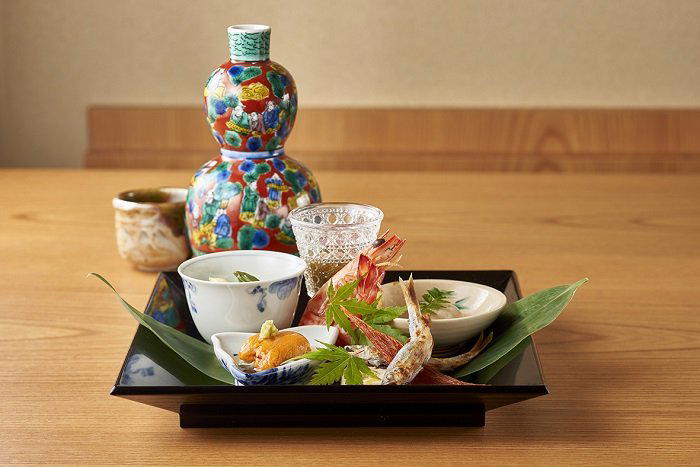
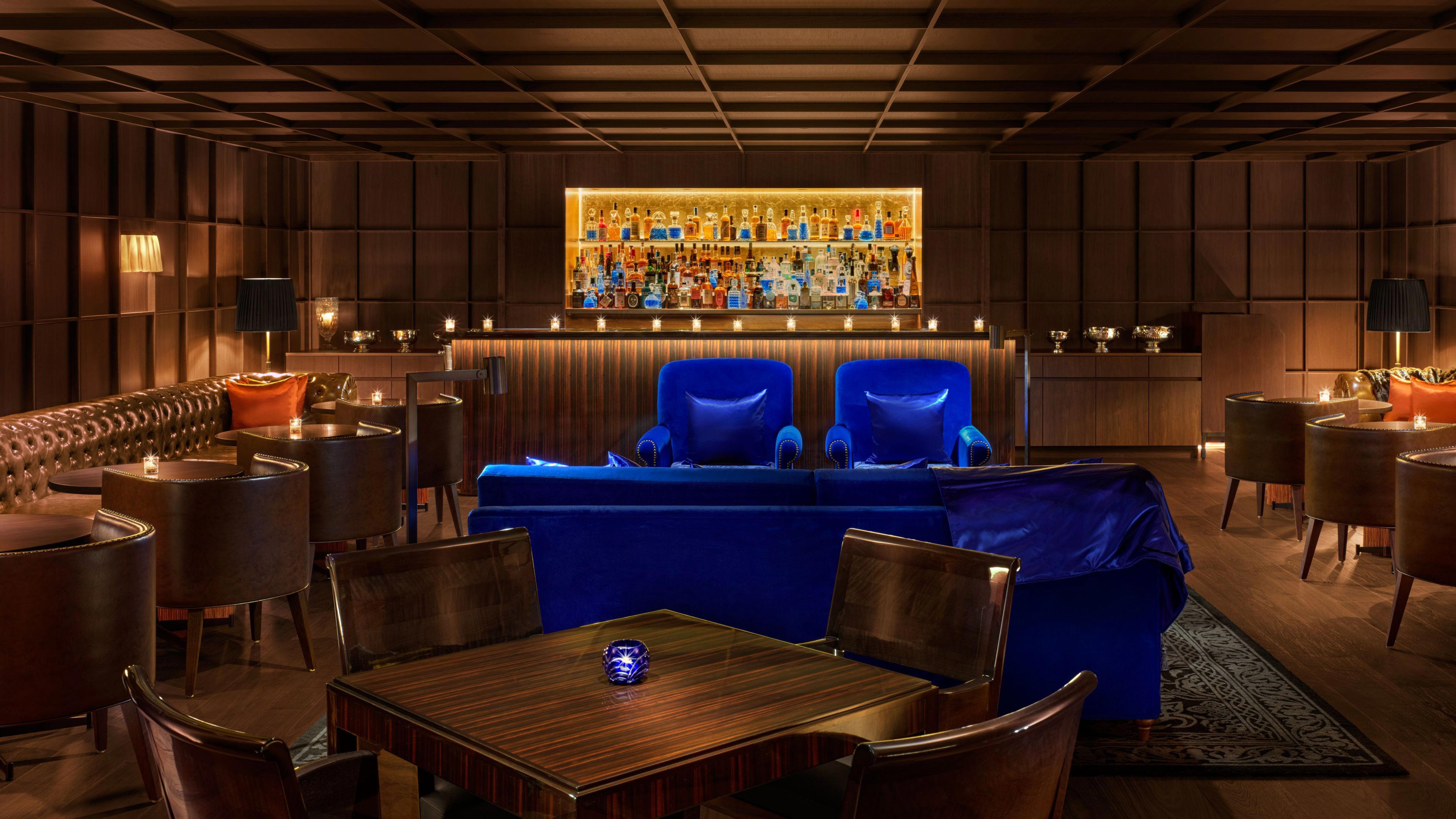
Traditional Japanese house-style restaurant with tatami rooms and sunken seating, offering a calm, serene and slightly luxurious atmosphere suited to relaxed, celebratory meals.