Bellini Restaurante Giratorio
Perched on the 45th floor of World Trade Center Mexico City in the Nápoles district, Bellini is one of the Mexican capital's few rotating restaurants, completing a full revolution over the course of a meal. The format trades neighbourhood-level intimacy for a panoramic sweep of a city that stretches, seemingly without end, in every direction. For visitors who want to read Mexico City's scale from above, few dining formats deliver that orientation as efficiently.
Pearl is the En Primeur Club membership app — saves, bookings, and concierge access live there. Same editors, same standards.
- Address
- Montecito 38-Piso 45, Nápoles, Benito Juárez, 03810 Ciudad de México, CDMX, Mexico
- Phone
- +525590008325
- Website
- bellini.com.mx
- Directions
- Get directions
 Saves & bookings on Pearl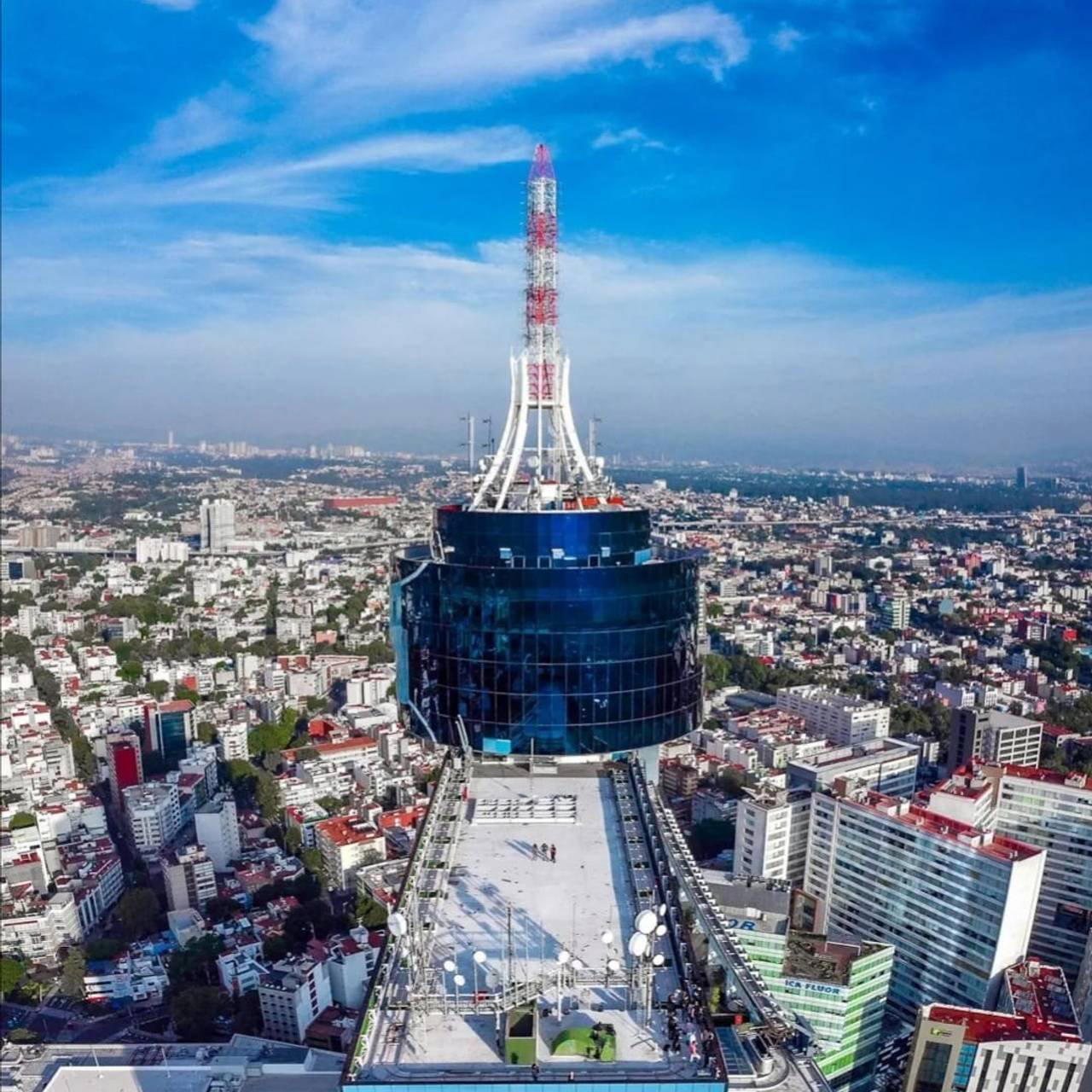
Reading Mexico City from 45 Floors Up
There is a particular moment, sometime between the first course and the second, when the Torre de las Américas district slowly rotates into view and Mexico City's sheer horizontal ambition becomes difficult to argue with. Bellini Restaurante Giratorio occupies the 45th floor of World Trade Center Mexico City on Montecito 38, in the Nápoles section of Benito Juárez, and the room turns. Not metaphorically. The dining floor completes a full mechanical revolution over the course of the meal, which means that the southern volcanoes, the sprawl of Polanco to the northwest, and the dense residential grid of the centro all pass through the window frame in sequence. That structural premise, a revolving restaurant above one of the largest cities on earth, shapes everything about how a visit here should be understood.
Revolving restaurants occupy a specific and increasingly rare niche in urban dining. The format peaked globally in the 1960s and 1970s, when observation decks and rotating floors signalled civic ambition and engineering confidence. Many of those original venues have since closed or been converted. The ones that remain tend to split into two categories: those that leaned into their spectacle format and let the view carry the room, and those that made serious investments in kitchen programs to hold their own against ground-level competition. Bellini sits in a city where that competition is considerable. Pujol and Quintonil anchor Mexico City's upper tier with internationally recognised tasting menu formats, while Em and Sud 777 work the creative middle ground. Against that comparable set, Bellini competes less on culinary programme credentials than on a physical premise that none of those kitchens can replicate.
The Mechanics of a Rotating Room
The sensory experience of a revolving restaurant differs from a static dining room in ways that are easy to underestimate before you arrive. The floor turns slowly enough that the motion is almost imperceptible at the table, you register it through the window frame rather than through any physical sensation. The light changes throughout the meal as the room's orientation shifts. A table that faces west at arrival may be facing east by dessert, which means the quality and angle of natural light during a daytime visit is in constant, quiet transition. At night, the effect reverses: the city's light sources move through the frame, and the relative brightness of different districts becomes readable in real time.
At 45 floors above Nápoles, the altitude clears most of the immediate urban texture, the street-level noise, the smell of traffic, the density of pedestrian movement. What replaces it is the aerial abstraction of a city that covers more than 1,400 square kilometres in its metropolitan form. Mexico City's topography becomes legible from this height in ways that a ground-level itinerary rarely allows. The ring of volcanoes to the southeast, including Popocatépetl when visibility permits, anchors the southern horizon. The organised density of Polanco sits to the northwest. On clear mornings, and pollution levels vary considerably by season and weather, the view can extend far enough to read the boundary between city and highland.
Where It Sits in Mexico City's Dining Pattern
Mexico City's restaurant scene has stratified in the past decade in ways that make context useful for any visitor trying to allocate meals efficiently. The upper tier, represented by venues like Pujol, Quintonil, and Rosetta, trades primarily on kitchen programme, chef credentials, and critical recognition. A second tier of creative and neighbourhood-led restaurants has expanded significantly, with addresses across Roma, Condesa, Juárez, and Coyoacán. Bellini operates in a separate category from both: it is a destination restaurant where the architecture is the primary draw, and where the dining format exists to extend the time a visitor spends inside that architecture.
That is not a criticism. It is a distinction worth making before you book. Visitors who arrive expecting a kitchen programme comparable to the city's leading creative addresses will be measuring against the wrong comparable set. Visitors who arrive to spend two hours watching Mexico City turn slowly outside a floor-to-ceiling window, in a room that delivers the sensation of floating above one of the western hemisphere's most complex urban environments, are likely to find the format does exactly what it promises.
Mexico's Broader Range of Destination Dining
The revolving format at Bellini connects to a wider pattern in Mexican destination dining, where the physical premise of a restaurant, its location, its view, its structural relationship to landscape or city, carries as much weight as the kitchen. Animalón in Valle de Guadalupe uses its vineyard setting as the organising principle of the meal. Le Chique in Puerto Morelos works a theatrical format that treats the dining room itself as part of the experience. Arca in Tulum builds its identity around a specific ecological and architectural premise. In each case, where you are eating shapes how you eat, and the physical environment is not incidental but constitutive.
Mexico's restaurant scene beyond the capital adds further reference points. KOLI Cocina de Origen in Monterrey, Alcalde in Guadalajara, and Pangea in San Pedro Garza García each demonstrate how regional Mexican kitchens have developed distinct identities separate from the capital's creative concentration. For visitors building a broader Mexico itinerary, addresses like Levadura de Olla in Oaxaca, HA' in Playa del Carmen, Lunario in El Porvenir, and Olivea Farm to Table in Ensenada round out a national picture that extends well beyond the capital. Internationally, the revolving-room format has analogues at venues like Le Bernardin in New York City and Lazy Bear in San Francisco, both of which demonstrate how a defined format premise can anchor a dining identity, even when the mechanics are entirely different.
Know Before You Go
Booking and Cost Snapshot
Comparable venues nearby, for context on price, style, and recognition.
| Venue | Cuisine | Price | Notes |
|---|---|---|---|
| Bellini Restaurante GiratorioThis venue — the venue you are viewing | Not listed | $$$ | Not listed |
| Anatol | Not listed | $$$ | Polanco Chapultepec, Modern Fusion with Italian Influences |
| Estoril | Not listed | $$$ | Polanco Chapultepec, French-Oaxacan Fusion |
| Ling Ling Mexico | Nva Anzures, Modern Pan-Asian Izakaya | $$$$ | Not listed |
| Casa Virginia | Hipodromo, Modern Franco-Mexican Fusion | $$$ | Not listed |
| Artiano's | Juarez, Mexican-American Fusion | $$ | Not listed |
Continue exploring
More in Mexico City
Restaurants in Mexico City
Browse all →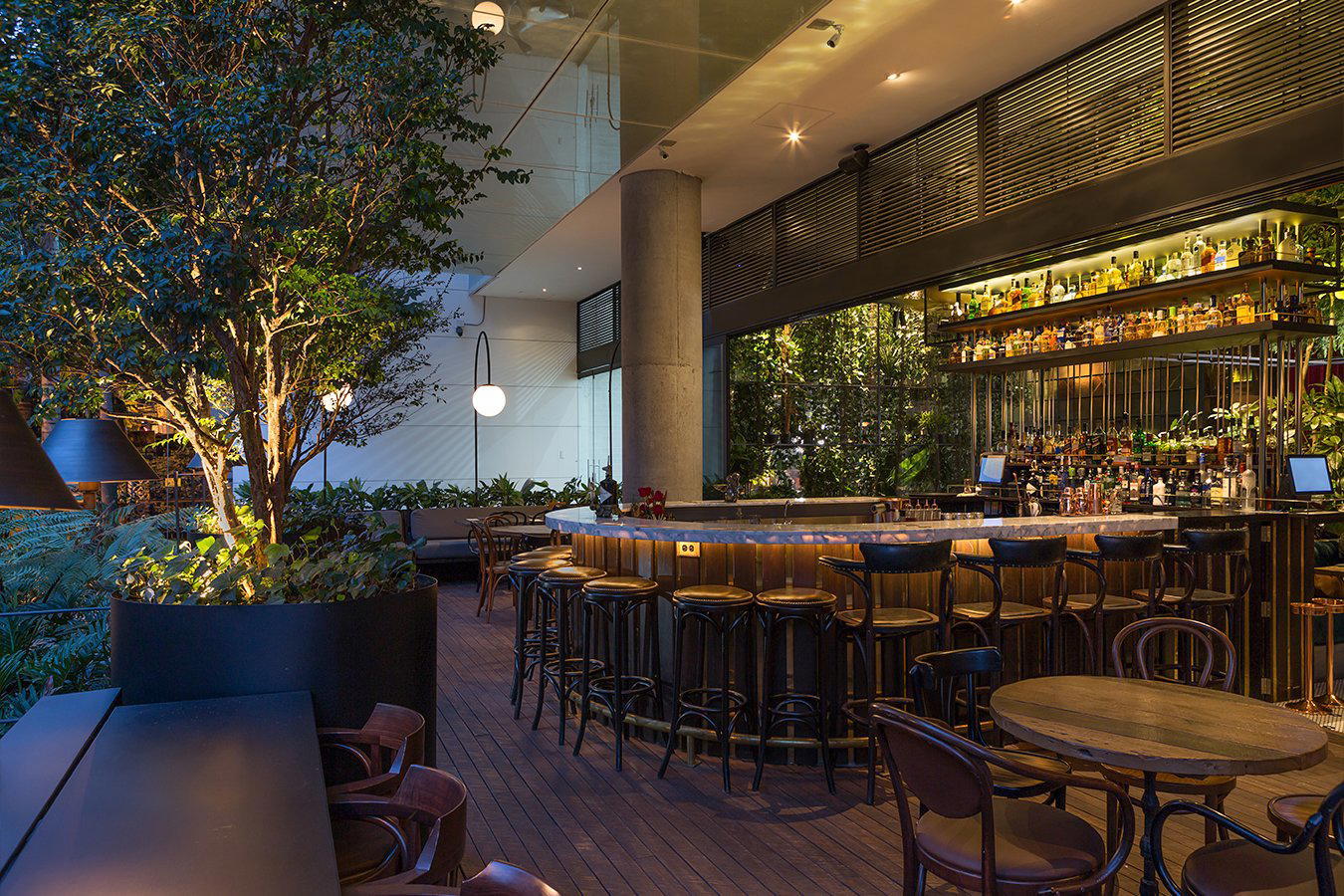
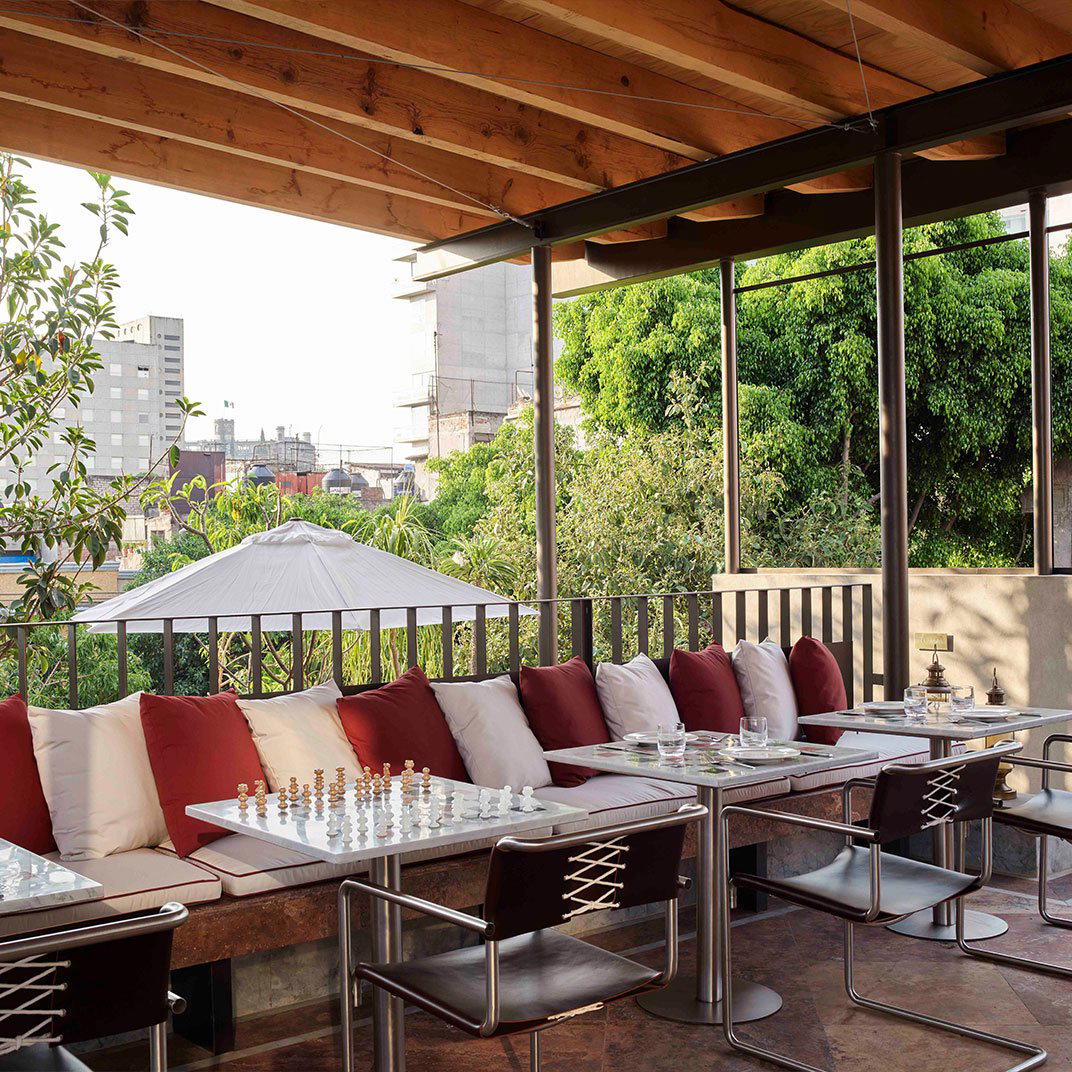
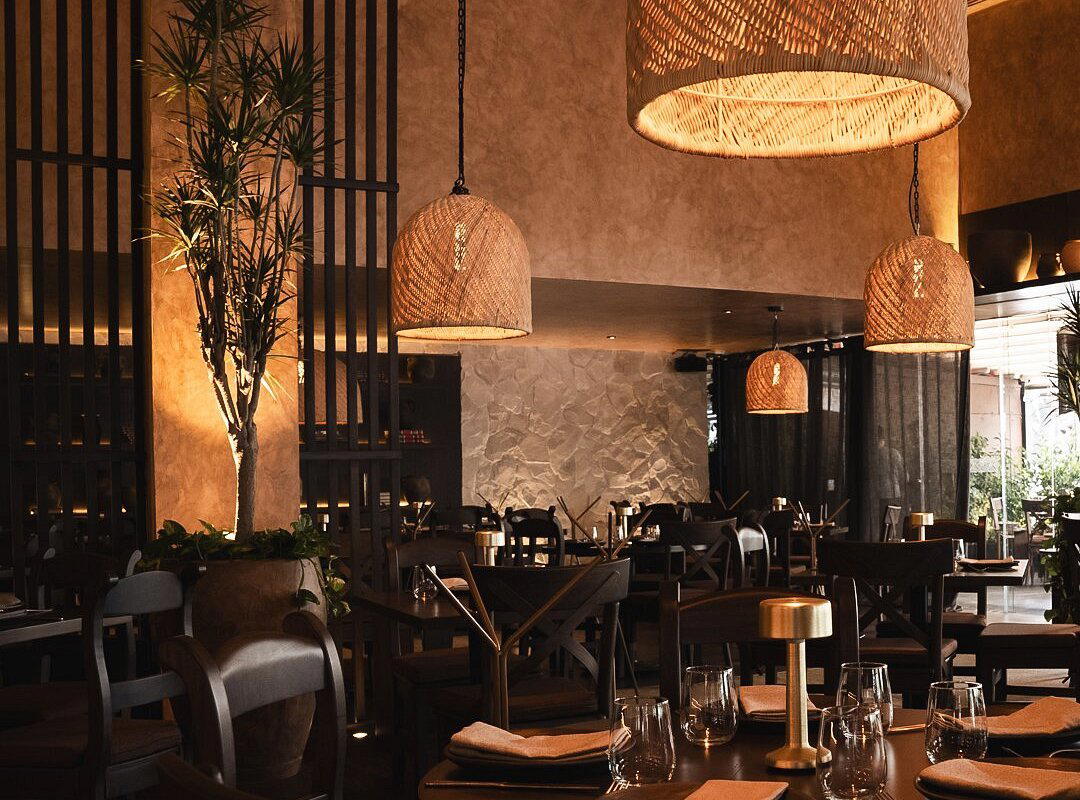

Bars in Mexico City
Browse all →


At a Glance
- Romantic
- Scenic
- Elegant
- Well Known
- Date Night
- Special Occasion
- Celebration
- Panoramic View
- Rooftop
- Standalone
- Beer Program
- Skyline
Current opening hours
- Monday
- 1–11:30 PM
- Tuesday
- 1–11:30 PM
- Wednesday
- 1–11:30 PM
- Thursday
- 1–11:30 PM
- Friday
- 1–11:30 PM
- Saturday
- 9 AM–11:30 PM
- Sunday
- 9 AM–10 PM
Hours can change for holidays and private events. Last verified .
Elegant and sophisticated with continuously rotating floor-to-ceiling windows providing unobstructed city views; upscale dining atmosphere with carefully set tables.