Ferdaous
Ferdaous occupies a quiet address on Calle Pachuca in Colonia Condesa, one of Mexico City's most food-literate neighbourhoods. The name gestures toward Middle Eastern roots in a city that has long absorbed Mediterranean and Levantine influences into its dining fabric. For those tracing the city's more low-profile dining rooms, this address merits attention alongside the neighbourhood's better-documented options.
 Discover on Pearl
Pearl is the En Primeur Club membership app — saves, bookings, and concierge access live there. Same editors, same standards.
- Address
- C. Pachuca 96, Colonia Condesa, Cuauhtémoc, 06140 Ciudad de México, CDMX, Mexico
- Phone
- +525552564483
- Website
- al-ferdaous.com
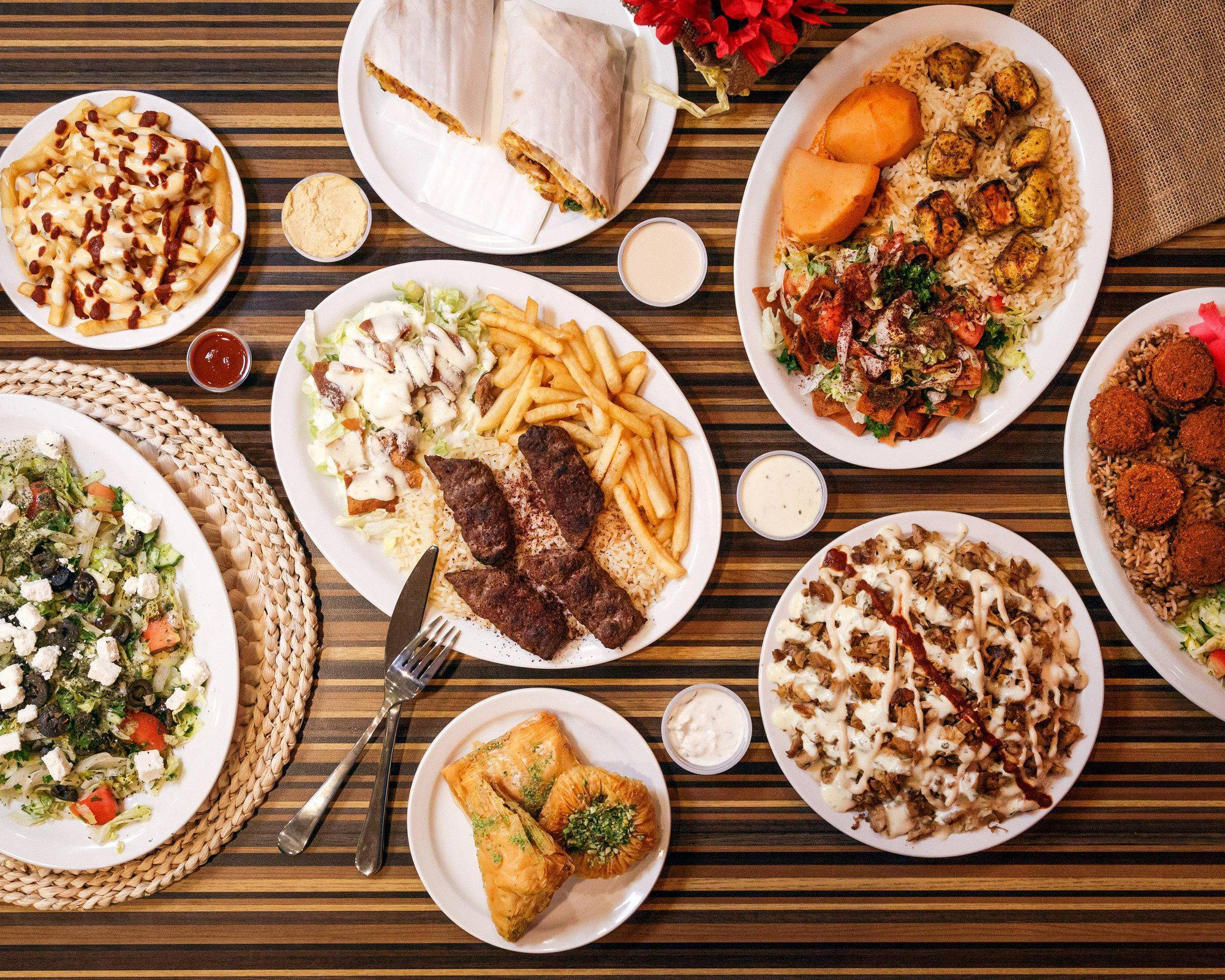
Colonia Condesa and the Case for Quieter Rooms
Mexico City's dining conversation tends to concentrate on a narrow band of addresses: the tasting-menu counters in Polanco, the creative Mexican flagships reviewed annually by the international press, the reservation-required rooms that sit beside Pujol and Quintonil in the city's upper bracket. Colonia Condesa operates differently. The neighbourhood's tree-lined streets and mid-century apartment buildings have always attracted a denser, more local dining culture, one where a room earns its following through consistency and atmosphere rather than international award cycles. Ferdaous, on Calle Pachuca 96, sits inside that quieter layer of the city's food scene.
Condesa's restaurant character has shifted over the past decade. What was once a neighbourhood defined almost entirely by Mexican and pan-Latin options has absorbed a more diverse set of cuisines, reflecting both the city's growing international population and a local appetite for food traditions that fall outside the mainstream. Middle Eastern and Levantine cooking, in particular, has found real footing here. The name Ferdaous itself carries Levantine resonance, the Arabic root references paradise or a specific tier of heaven in Islamic tradition, and it signals a deliberate identity in a city where naming decisions tend to be intentional.
The Sensory Register of This Address
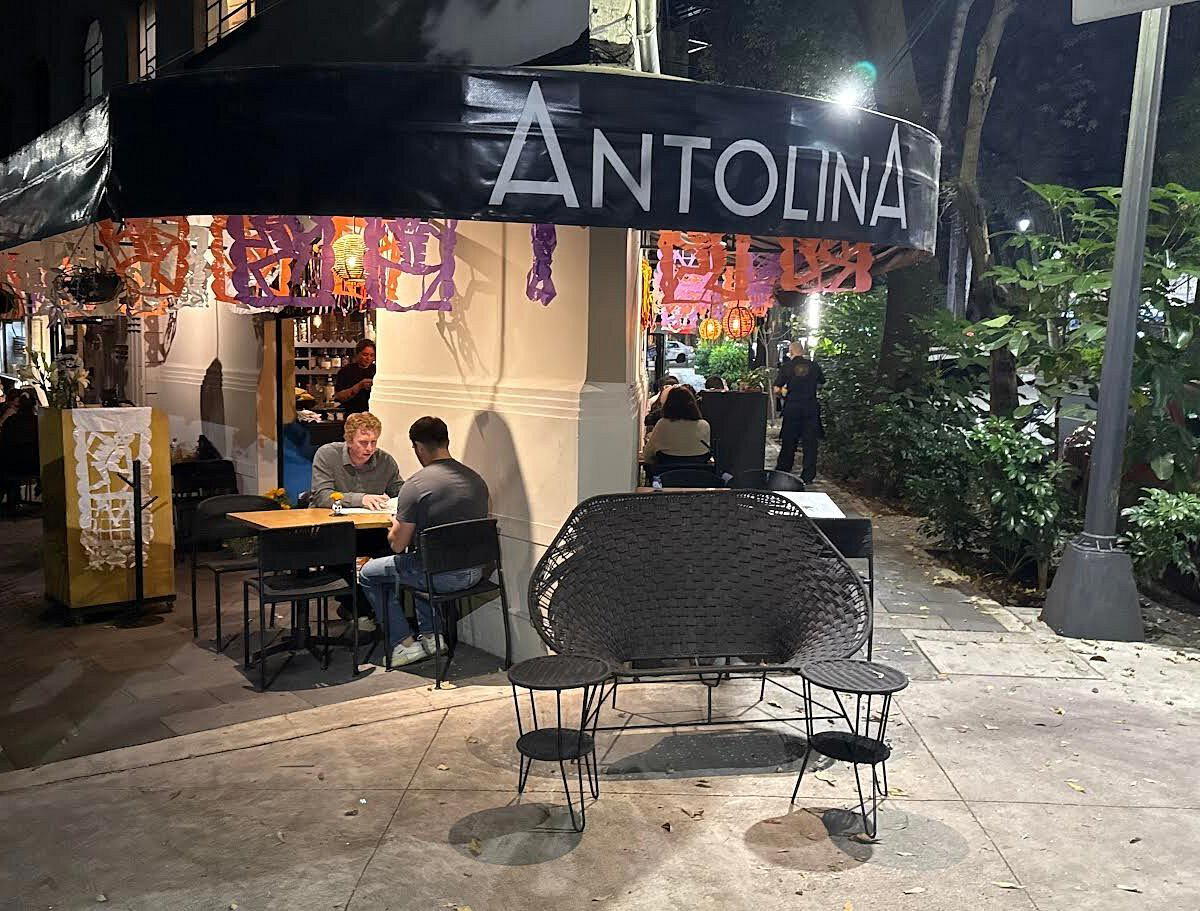
Approaching Calle Pachuca, the sensory context is immediately Condesa: the canopy of ash and rubber trees that lines much of the neighbourhood's residential grid, the particular mid-afternoon light that filters through them, the low ambient noise of a street that carries foot traffic without being a thoroughfare. These are not incidental details. In a city as dense and loud as Mexico City, the micro-climate of Condesa's interior streets functions as part of the hospitality offer before a diner even crosses a threshold.
What Levantine and Middle Eastern kitchens bring to this setting is a specific aromatic register: warm spice profiles built on cumin, coriander, sumac, and za'atar; the char notes of flatbread cooked at high heat; the cool counterpoint of yoghurt and fresh herb. In a neighbourhood where Rosetta has spent years defining what refined Italian-inflected cooking looks like in a Mexican context, the presence of a room oriented toward Levantine tradition adds a different kind of counterpoint to the local dining grid.
Mexico City's Middle Eastern community, particularly its Lebanese diaspora, has shaped the city's food culture in ways that go well beyond the obvious. Al pastor, arguably the city's most globally recognised street food, traces a direct line to Lebanese immigrants who adapted shawarma technique to local ingredients in the early twentieth century. That history gives Levantine-oriented restaurants in CDMX a particular resonance: they are not exotic arrivals but part of a deeper, often underacknowledged culinary lineage.
Where Ferdaous Sits in the City's Wider Conversation
Mexico City's premium dining tier, the rooms sitting alongside Em and Sud 777 in the creative-Mexican conversation, occupies a different competitive register than Ferdaous. The Condesa address appears to operate closer to the neighbourhood bistro model: a room where the draw is a specific cuisine executed with care, a comfortable setting, and a price point that keeps it accessible to regulars rather than reserved for special-occasion spend. That positioning is consistent with how Condesa's dining culture tends to work at its finest.
For context on how this tier of the Mexican dining scene functions nationally, the contrast is instructive. Places like Alcalde in Guadalajara, KOLI Cocina de Origen in Monterrey, or Levadura de Olla in Oaxaca each represent region-specific expressions of serious cooking with strong local followings. Ferdaous occupies an analogous position in the Condesa micro-geography: a specific proposition, a specific cuisine, a room that earns its place through the quality of what it serves rather than through press cycles or award adjacency.
Mexico's broader dining scene has produced some of the continent's most discussed addresses in recent years. From Animalón in Valle de Guadalupe to Le Chique in Puerto Morelos, from Arca in Tulum to HA' in Playa del Carmen, the country's restaurant conversation now extends well beyond the capital. But Mexico City remains the centre of gravity, and Condesa one of its most food-literate quarters. A room that can sustain a regular following in that environment earns a degree of credibility that award tallies don't always capture.
For comparison with internationally benchmarked dining rooms at a different scale, the precision-driven tasting formats at Le Bernardin in New York or the communal-format ambition of Lazy Bear in San Francisco illustrate how differently a strong culinary identity can be packaged. Ferdaous sits at a different point on that spectrum: neighbourhood-scale, cuisine-specific, and operating in a city with enough dining sophistication that mediocrity rarely survives long on a block like Calle Pachuca. See our full Mexico City restaurants guide for broader context on how the city's dining neighbourhoods compare.
Elsewhere in the country's more coastal and rural dining registers, Olivea Farm to Table in Ensenada, Pangea in San Pedro Garza García, and Lunario in El Porvenir each demonstrate how Mexican dining identity plays out differently when freed from urban density. Condesa's version of that identity is shaped by apartment living, walking-distance habits, and a diner base that eats out frequently and notices when a kitchen slips.
Planning Your Visit
Ferdaous is located at C. Pachuca 96, Colonia Condesa, Cuauhtémoc, 06140 Ciudad de México, CDMX, Mexico. Getting there: Condesa is well served by the metro (Chilpancingo on Line 9 is a short walk) and by ride-share apps, which remain the most practical option for most visitors arriving from other parts of the city. Reservations: Ferdaous is walk-in friendly. Timing: Mon to Sat 7 AM to 10 PM, and Sun 8 AM to 9 PM.
A Pricing-First Comparison
Comparable venues nearby, for context on price, style, and recognition.
| Venue | Cuisine | Price | Awards | Notes |
|---|---|---|---|---|
| FerdaousThis venue — the venue you are viewing | Bosque de Chapultepec, Lebanese | $$$ | , | |
| Asador Libanés | Ampl Napoles, Authentic Lebanese | $$$ | , | |
| Adonis | Granada, Classic Lebanese | $$$ | , | |
| ISMO | Roma Norte, Italo-Swiss Bistro | $$$ | , | |
| Quebracho | $$$ | , | Cuauhtemoc, Authentic Argentinian Steakhouse | |
| Belmondo | Roma Norte, New York-Style American Deli | $$$ | , |
Continue exploring
More in Mexico City
Restaurants in Mexico City
Browse all →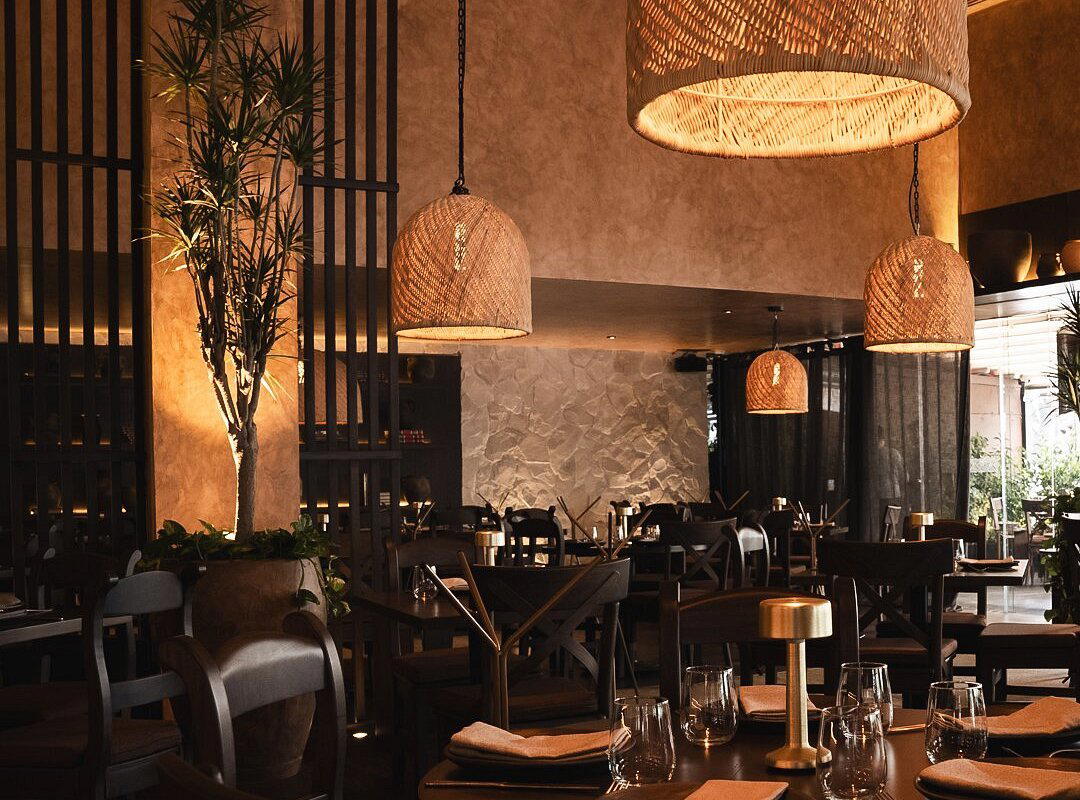
Bars in Mexico City
Browse all →
At a Glance
- Casual Hangout
Casual dining atmosphere with focus on Lebanese flavors through shared plates and breakfast options.