Asador La Vaca Argentina brings Argentine-style live-fire cooking to Marfil, the colonial village district on Guanajuato's western edge. The address, Burócrata 1, in a quiet residential pocket, places it away from the tourist circuit, making it a neighbourhood fixture rather than a destination showcase. For cuts cooked over wood and coal in one of Mexico's more architecturally intact colonial settings, it occupies a specific and underserved niche.
Pearl is the En Primeur Club membership app — saves, bookings, and concierge access live there. Same editors, same standards.
- Address
- Burócrata 1, Burocrata, 36251 Marfil, Gto., Mexico
- Phone
- +524736881611
- Website
- lavaca-argentina.com
 Saves & bookings on Pearl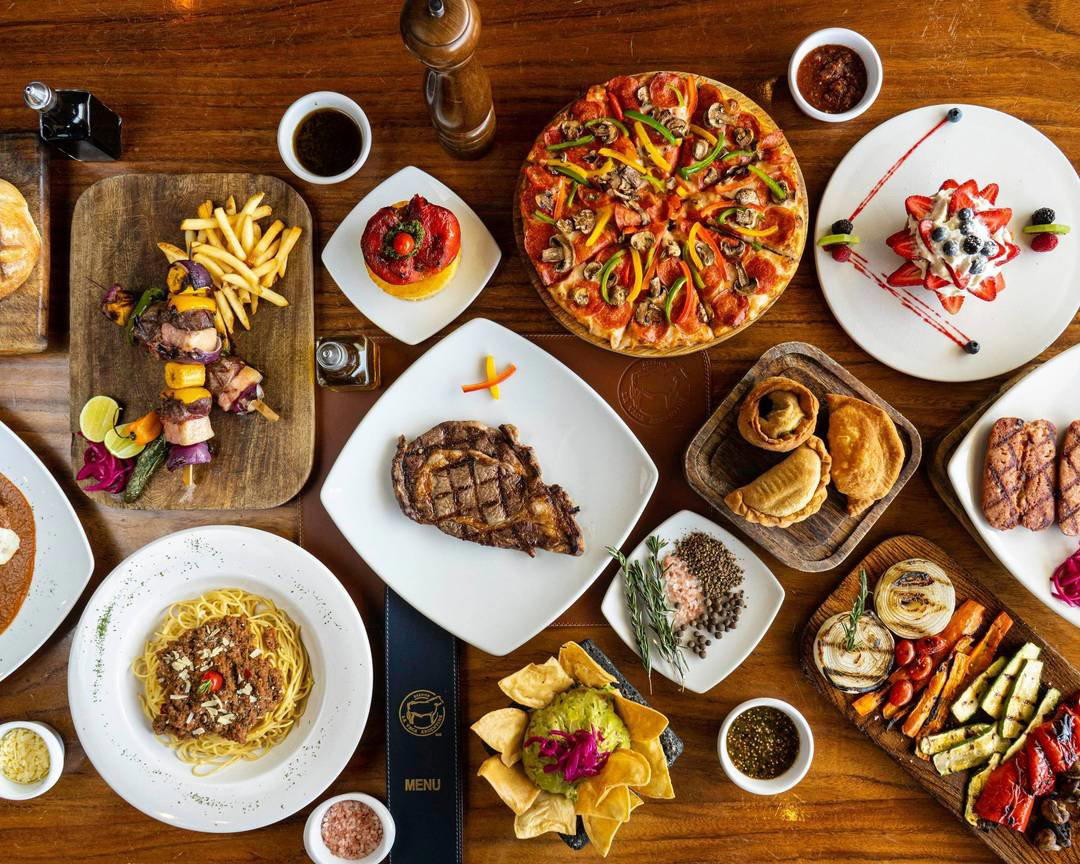
Live-Fire Tradition in a Colonial Mexican Village
The Argentine asador tradition travels well, partly because it asks so little of its surroundings and so much of its fire. Marfil, the colonial barrio that sits just west of Guanajuato city proper, turns out to be an unusually good host for it. The neighbourhood's stone-paved streets, low ochre facades, and relative quiet give Asador La Vaca Argentina a context that the louder restaurant corridors of downtown Guanajuato cannot easily replicate. Arriving at Burócrata 1, a residential-scale address in the Burocrata section of Marfil, you are already outside the standard tourist geography. That shift matters for how the meal feels before a single plate arrives.
The asador format itself carries a logic rooted in sourcing. Argentine parrilla culture is built around the premise that the animal and the fire are the dish, that technique exists to serve the ingredient rather than transform it. When that approach travels to Mexico, it enters a country with its own deep traditions of open-flame cooking, from the pit-roasted barbacoa of Hidalgo to the wood-fired birria of Jalisco. The asador sits in adjacent territory: a different lineage, a different cut structure, but the same underlying conviction that quality of raw material determines everything. For a restaurant in this format to work, the supply chain has to be credible.
The Sourcing Logic Behind the Smoke
Argentine beef culture is built on pampas-raised cattle, grass-fed, slow-growing, typically leaner than grain-finished North American cuts. When an asador operates outside Argentina, the sourcing question becomes central: is the kitchen working with imported Argentine beef, domestically raised cattle bred or fed to comparable standards, or simply applying the asador technique to whatever commodity beef the local market provides? The answer shapes every bite, and it is the most important question a diner can ask before committing to the menu.
Guanajuato state sits in Mexico's Bajío region, an agricultural heartland that produces grains, vegetables, and livestock at scale. The broader region supplies some of Mexico's most serious butchers and meat producers, and restaurants in cities like León and Guadalajara, Alcalde in Guadalajara being a notable example of produce-led thinking applied to a full tasting format, have built credible sourcing networks from Bajío suppliers. The question of provenance is what separates a serious asador from a theme-driven steakhouse.
Mexico's wider farm-to-fire movement has grown considerably over the past decade. Operations like Animalón in Valle de Guadalupe and Olivea Farm to Table in Ensenada have made ingredient traceability a centrepiece of their editorial identity. The asador format at La Vaca Argentina operates from a different tradition, one where sourcing transparency is implied by the simplicity of the cooking rather than stated explicitly on the menu, but the underlying stakes are the same.
Marfil as a Dining Address
Marfil's dining scene sits at an interesting remove from Guanajuato's historic centre. The centro is dense with restaurants pitched at the city's substantial tourist population, running from casual fondas to upmarket tables that position themselves against Mexico's national fine-dining conversation, a conversation anchored by properties like Pujol in Mexico City and Le Chique in Puerto Morelos at the format's furthest reaches. Marfil operates at a different register: quieter, more residential, serving a mix of locals and the city's expat and academic communities rather than day-trippers and weekend visitors from the Bajío's larger cities.
That demographic shapes what a restaurant in Marfil can reasonably be. The repeat-customer pressure is higher; novelty is less of a selling point than consistency. An asador format suits this environment because the pleasure it offers is reliable rather than revelatory, the same fire, the same cuts, the same rhythm of cooking. The category of restaurant that builds loyalty in a residential barrio is precisely this kind: a place you return to because it does one thing and does it without variation.
For travellers staying in or near Guanajuato, Marfil is accessible without difficulty, it borders the city's western edge, and the route along the Presa de la Olla and through the Pastita neighbourhood connects the two areas in minutes by taxi or rideshare. The address at Burócrata 1 is specific enough to navigate to directly; the neighbourhood is calm enough that arriving without a car is direct.
Where This Sits in Mexico's Wider Fire-Cooking Scene
Mexico's restaurant scene has developed a sophisticated relationship with live-fire cooking over the past several years, with chefs drawing from both indigenous Mexican traditions and international formats. The asador sits in that broader current. Properties like KOLI Cocina de Origen in Monterrey and Lunario in El Porvenir represent the wine-country and origin-focused end of that spectrum. Further south, Arca in Tulum and Levadura de Olla Restaurante in Oaxaca apply open-fire logic to distinctly regional ingredients. The Argentine asador, with its emphasis on cattle over the full spectrum of native produce, represents a narrower but more single-minded version of the same impulse.
For a full picture of where to eat across the region, Marfil's restaurants map the neighbourhood's options against Guanajuato's broader dining character. Cross-referencing with Mexico's coastally focused fire kitchens, HA' in Playa del Carmen, Tuna Blanca in Punta de Mita, Gaia at Maykana in Riviera Maya, illustrates how differently the same elemental cooking technique can read depending on what a region's agriculture and fishing provide. The Bajío interior, landlocked and livestock-heavy, points naturally toward beef.
For a different expression of Mexican sourcing intelligence applied to a tasting format, Pangea in San Pedro Garza Garcia in the Monterrey metro area and Huniik in Merida in Yucatán both demonstrate how regional produce can anchor a more structured menu. The contrast with a direct asador format clarifies what each approach prioritises: one foregrounds the chef's editorial hand, the other foregrounds the animal and the fire.
Planning Your Visit
Asador La Vaca Argentina is located at Burócrata 1, Burocrata, 36251 Marfil, Guanajuato. The restaurant is open Mon to Sat from 1:30 to 11 PM and Sun from 1:30 to 7 PM. Recommended for reservations, it is a smart casual restaurant at Burócrata 1, Burocrata, 36251 Marfil, Gto., Mexico. Pricing is about $50 per person and reservations are recommended.
The address is in a quiet residential section rather than on a commercial strip, which affects both the atmosphere and the approach.
Fast Comparison
Comparable venues nearby, for context on price, style, and recognition.
| Venue | Cuisine | Price | Awards | Notes |
|---|---|---|---|---|
| Asador La Vaca ArgentinaThis venue — the venue you are viewing | Authentic Argentine Steakhouse | $$$$ | , | |
| Casa Prime San Luis Potosí | Classic Steakhouse | $$$$ | , | The Park |
| Sylvestre Artz | Argentine & Mexican Asador | $$$$ | , | Jardines en la Montaña |
| P&W | USDA Prime Steakhouse | $$$$ | , | Polanco Chapultepec |
| Arva | Modern Italian at Amanvari | $$$$ | , | Costa Palmas / East Cape |
| La Palapa Belga | Traditional French-Belgian Bistro | $$$ | , | Zona Hotelera |
Continue exploring
More in Marfil
Restaurants in Marfil
Browse all →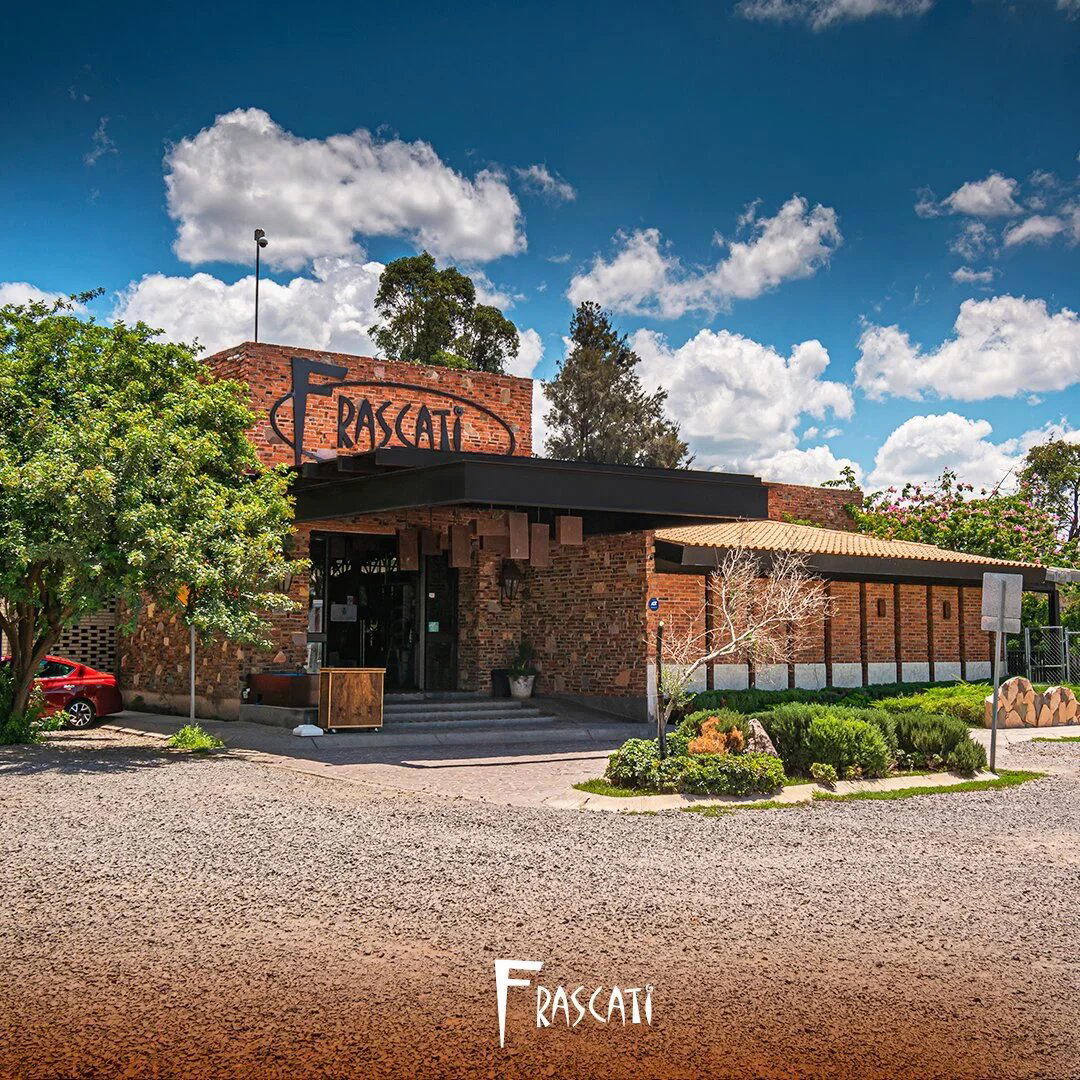



At a Glance
- Elegant
- Sophisticated
- Date Night
- Business Dinner
- Special Occasion
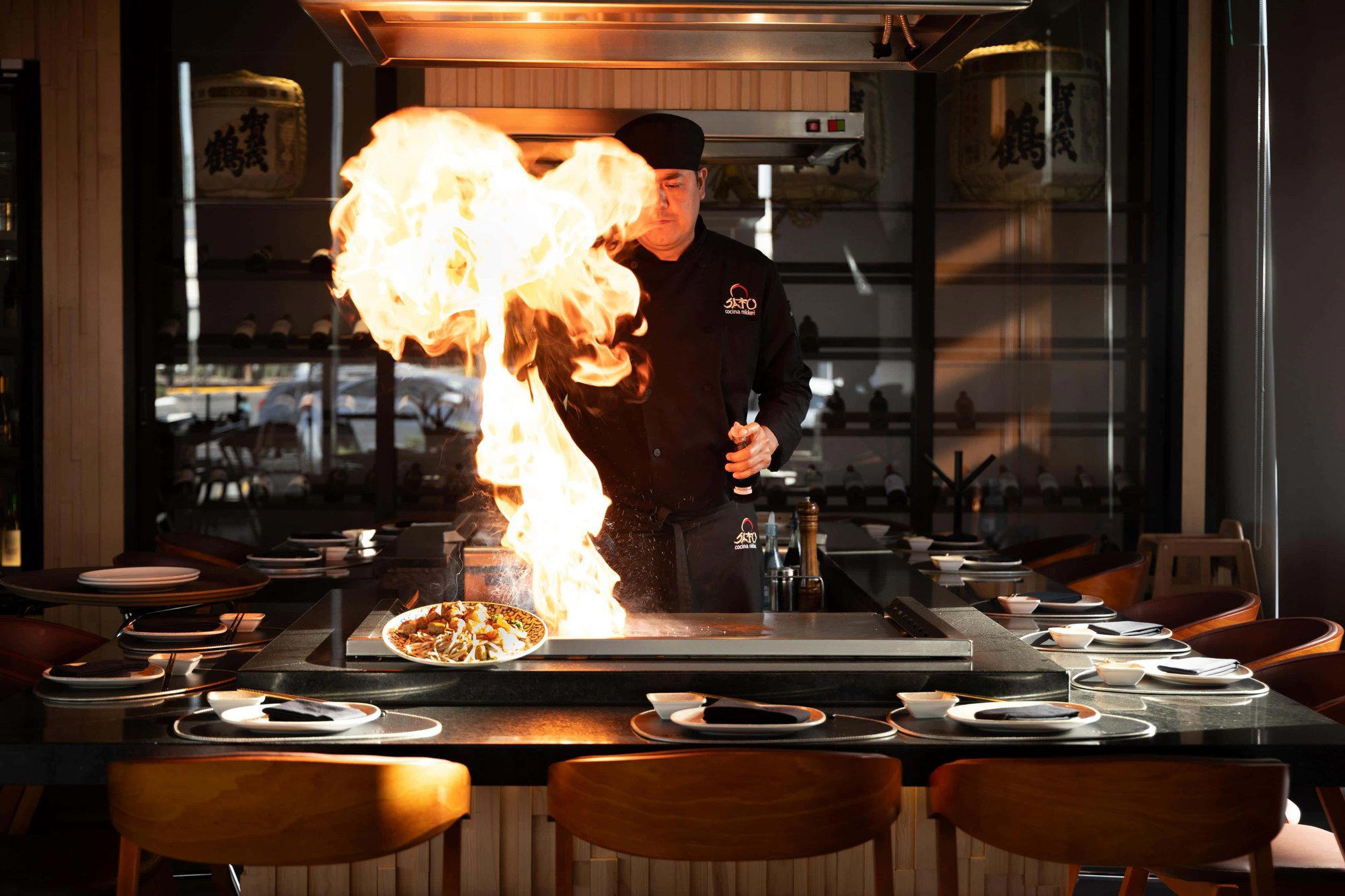
- Open Kitchen
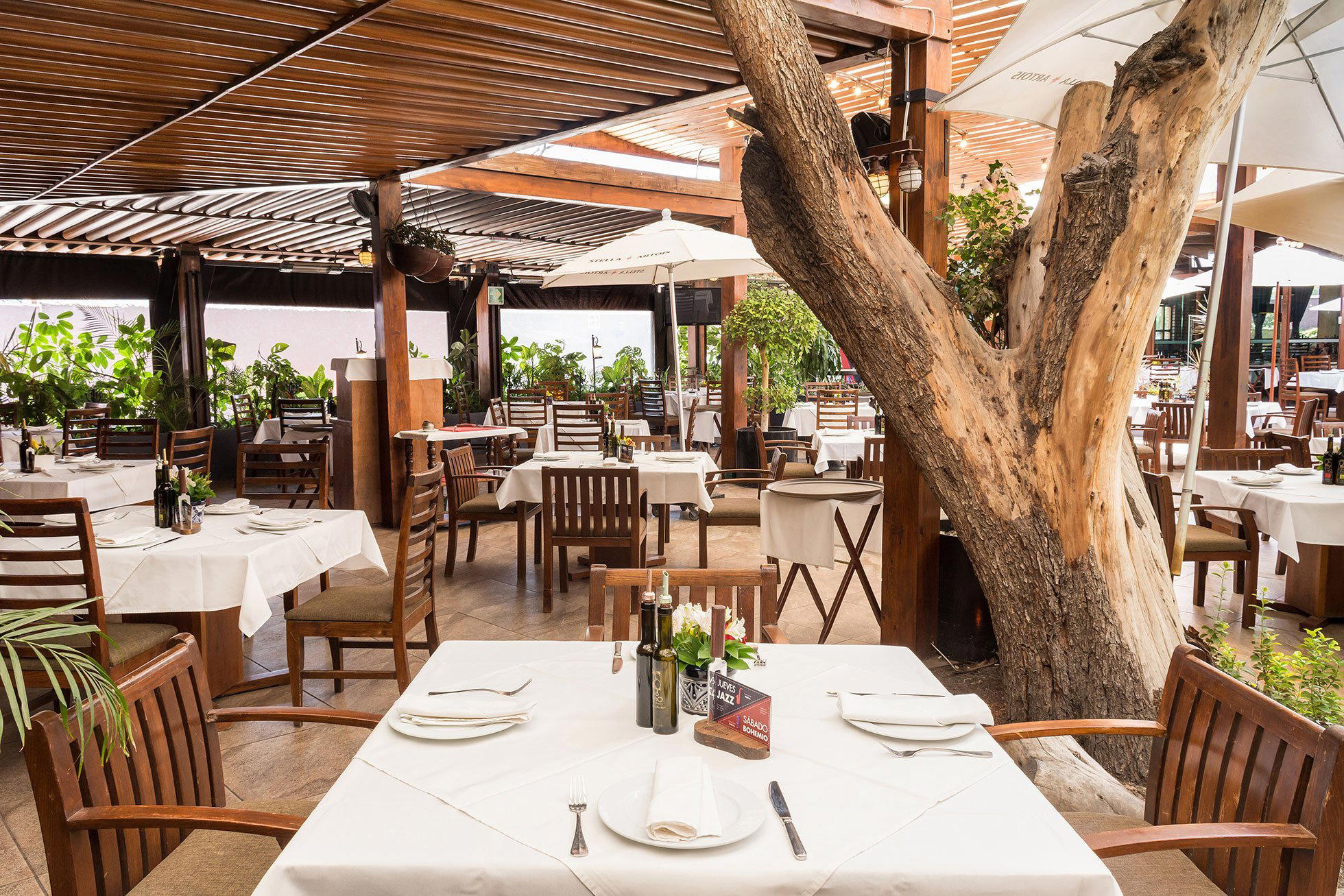
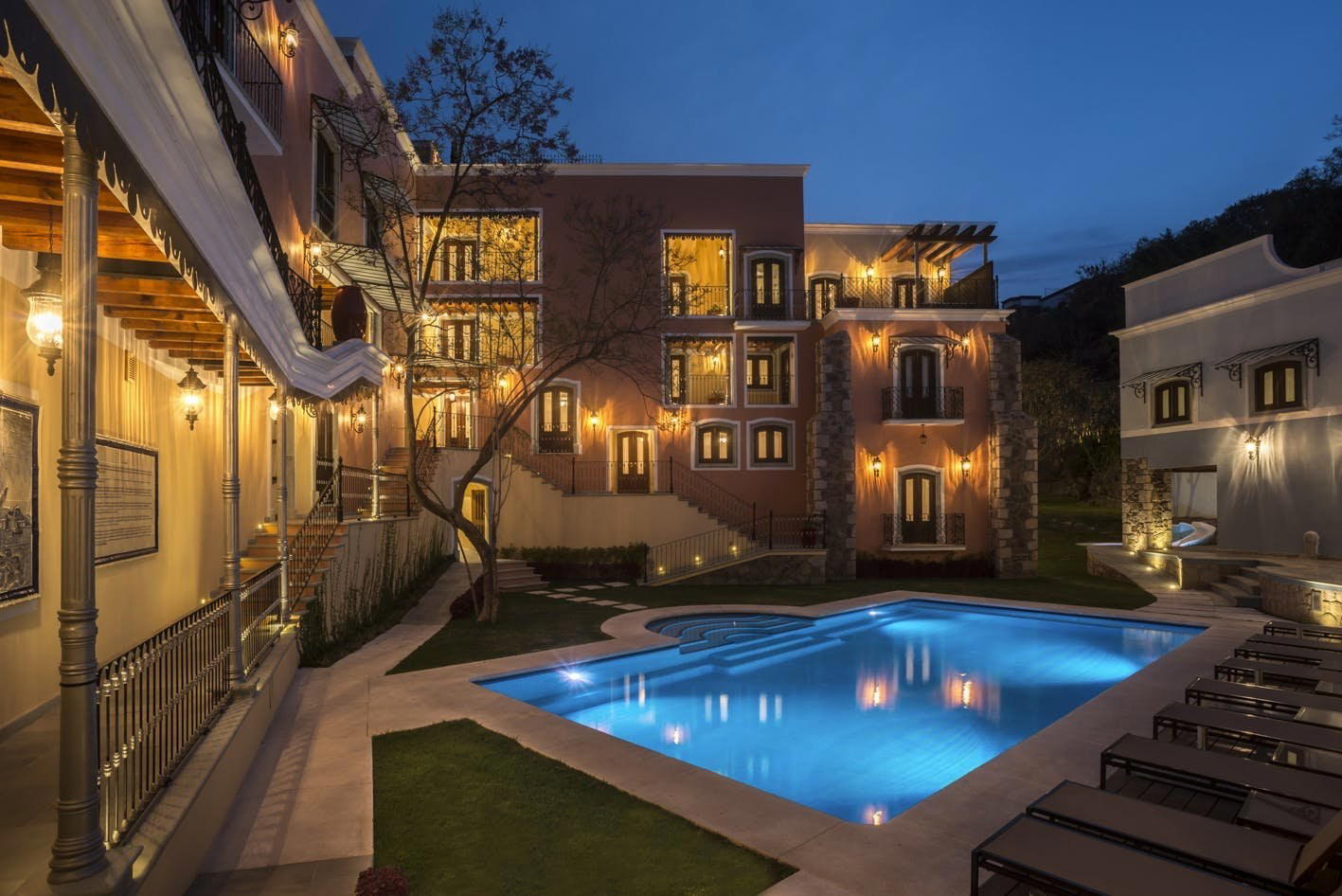
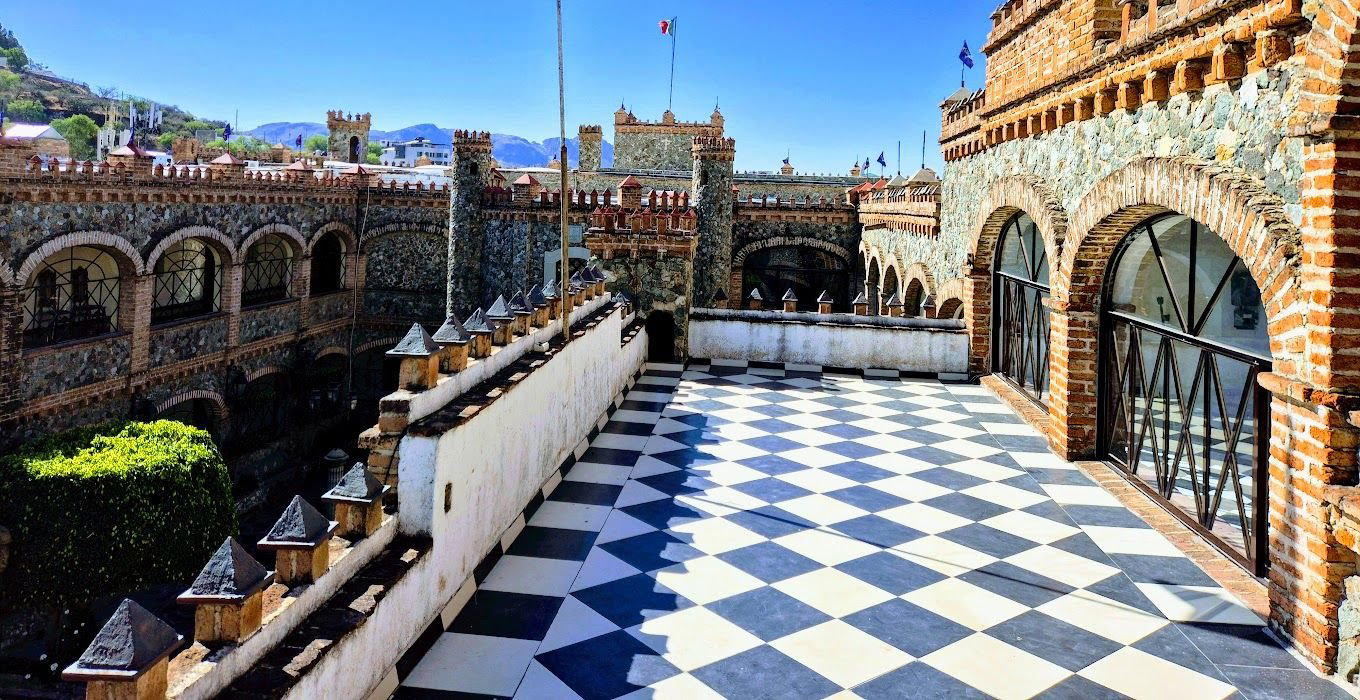
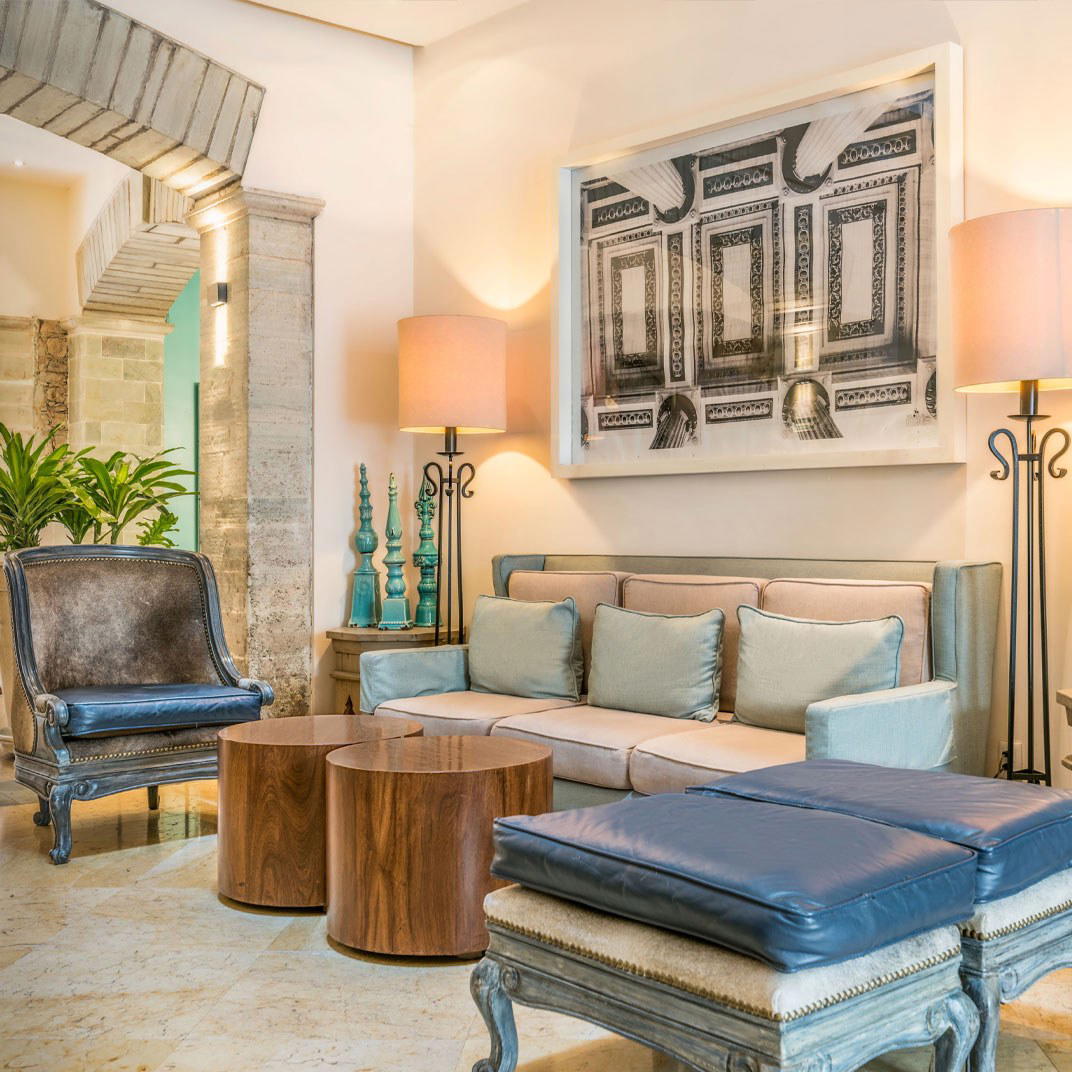
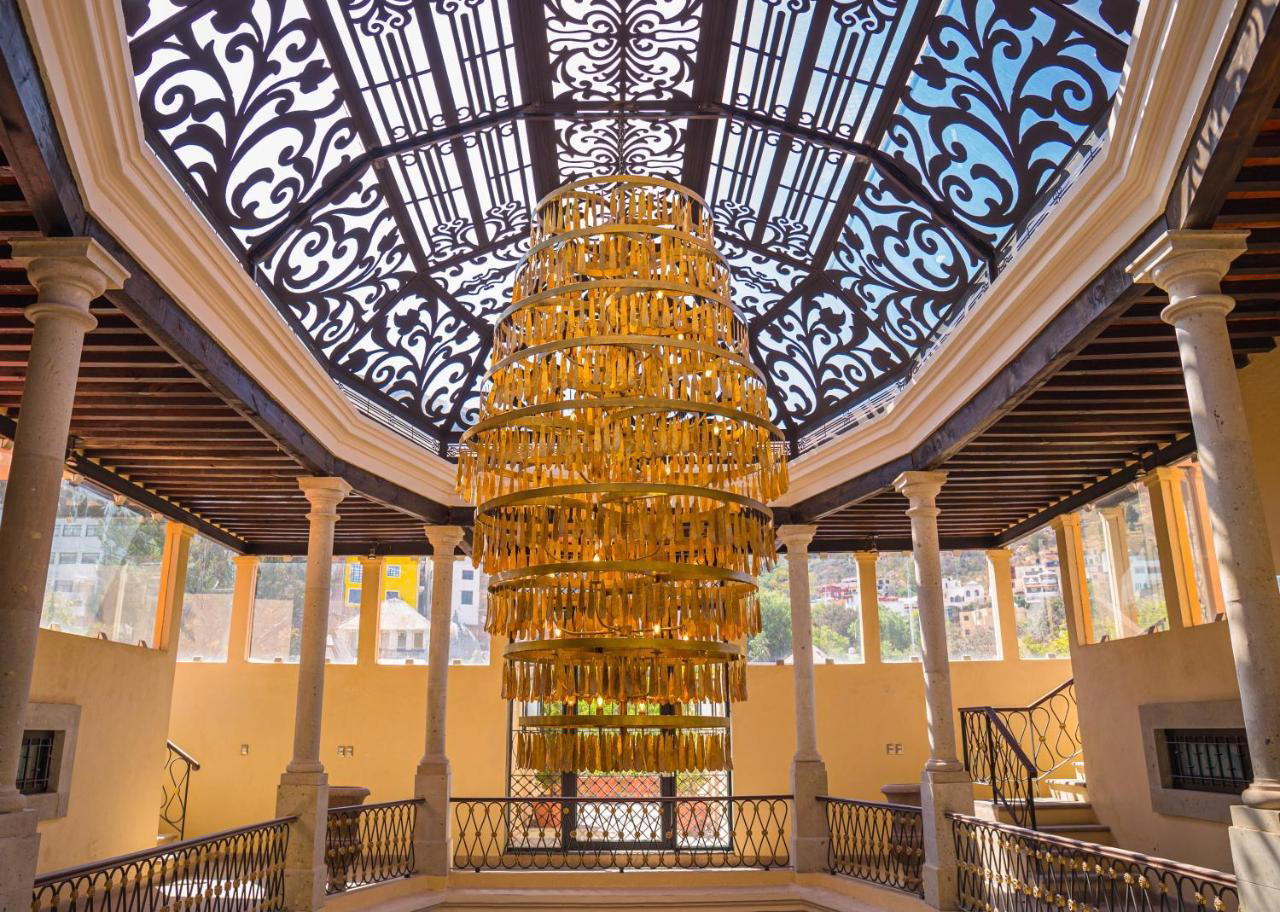
Acogedor y sofisticado with a welcoming atmosphere focused on enjoying premium Argentine cuisine.