Our verdict
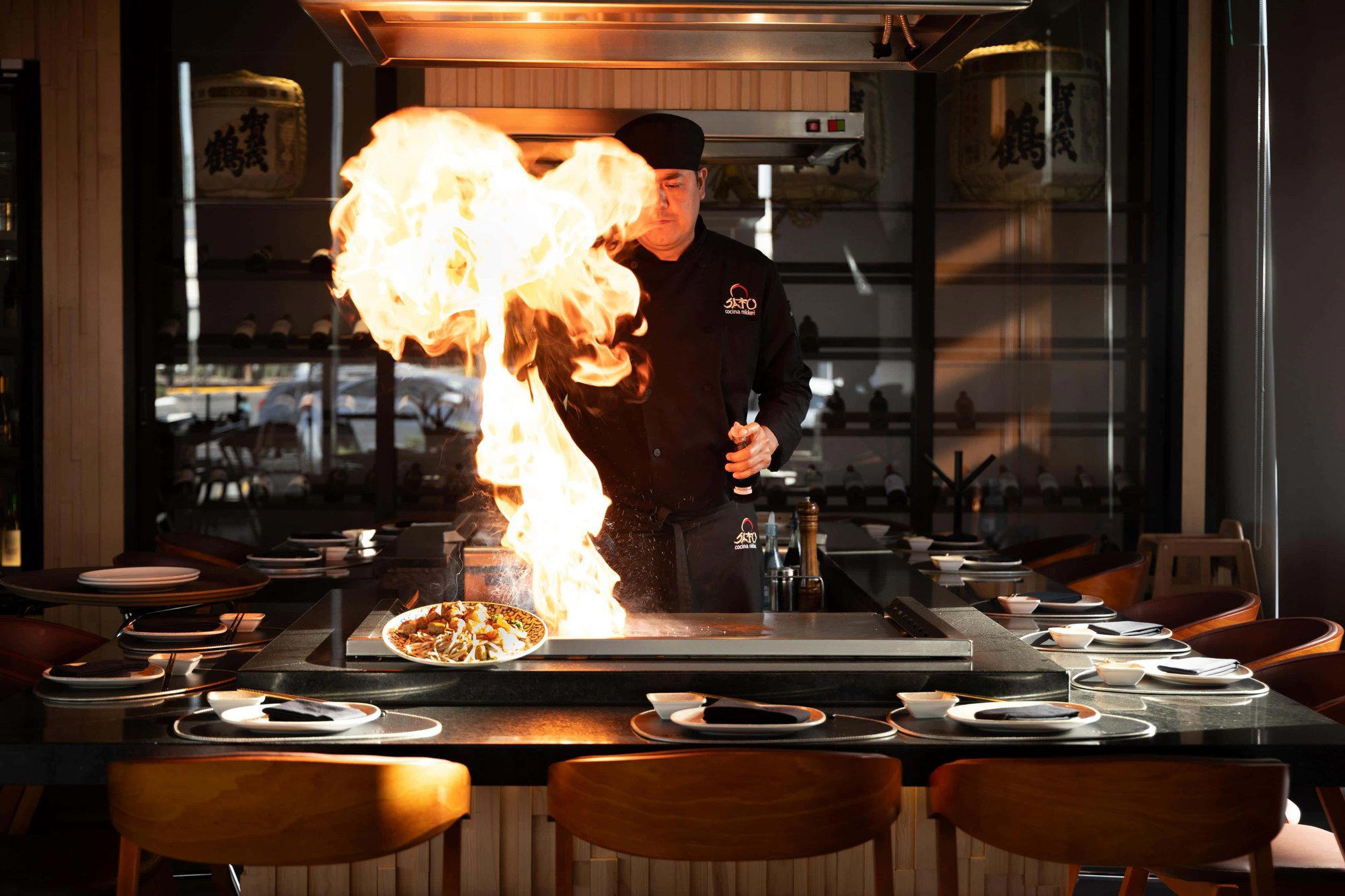
Sato Restaurant serves Nikkei Japanese Fusion at Av Cerro Gordo 12 in León, with a sake program and signatures like Sparrayaki, Rib Eye Tacos, and Dragon Roll.

Pearl is the En Primeur Club membership app — saves, bookings, and concierge access live there. Same editors, same standards.
- Address
- Av Cerro Gordo 12, Casa de Piedra, 37120 León de los Aldama, Gto., Mexico
- Phone
- +524773949444
- Hours
- Mon–Sat 1–11 PMSun 1–7 PM
- Website
- satorestaurante.com.mx
- Directions
- Get directions
- Booking
- Book on the venue's website
The menu
What to order
- Sparrayaki
- Rib Eye Tacos
- Dragon Roll
A Stone House in the Heart of Guanajuato's Second City
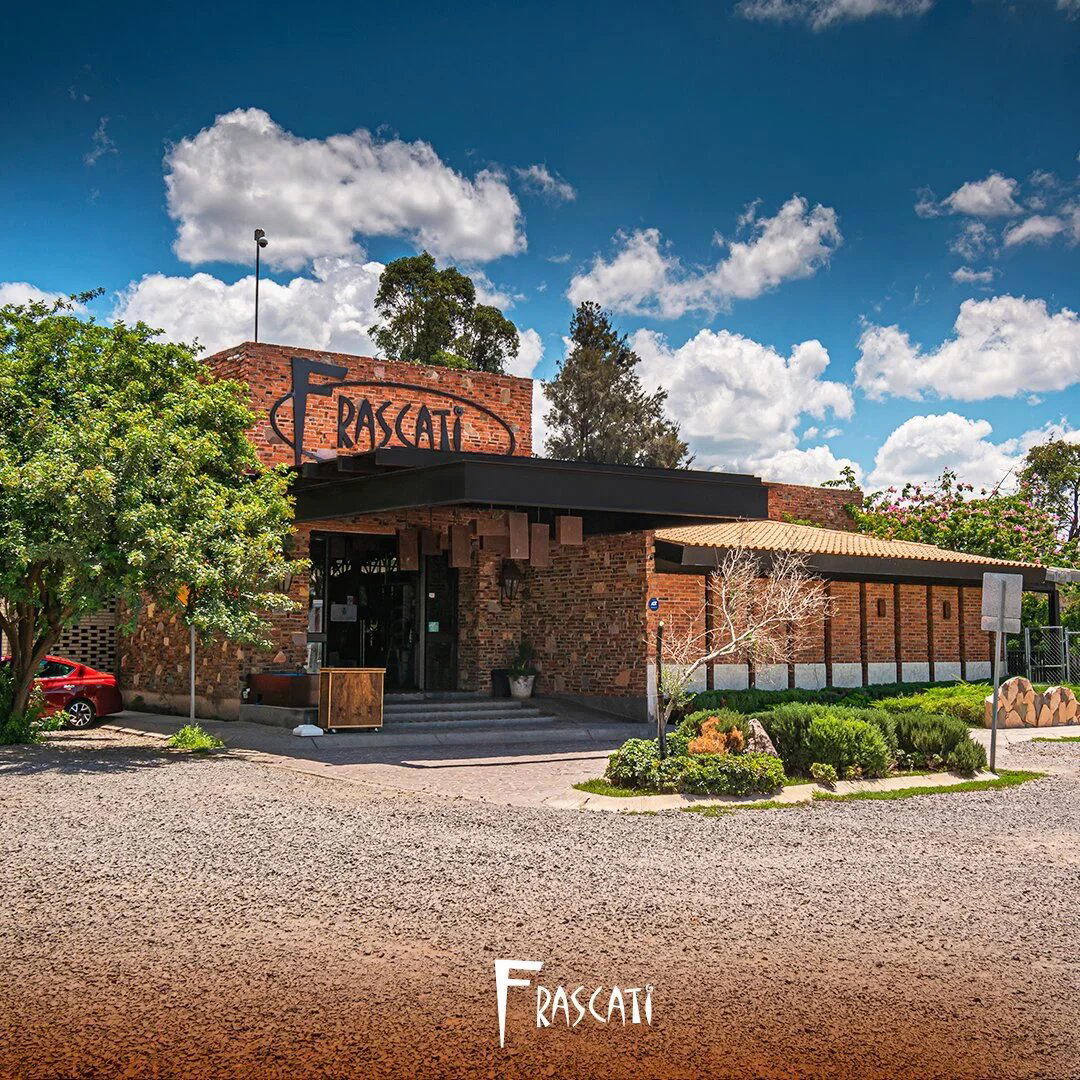
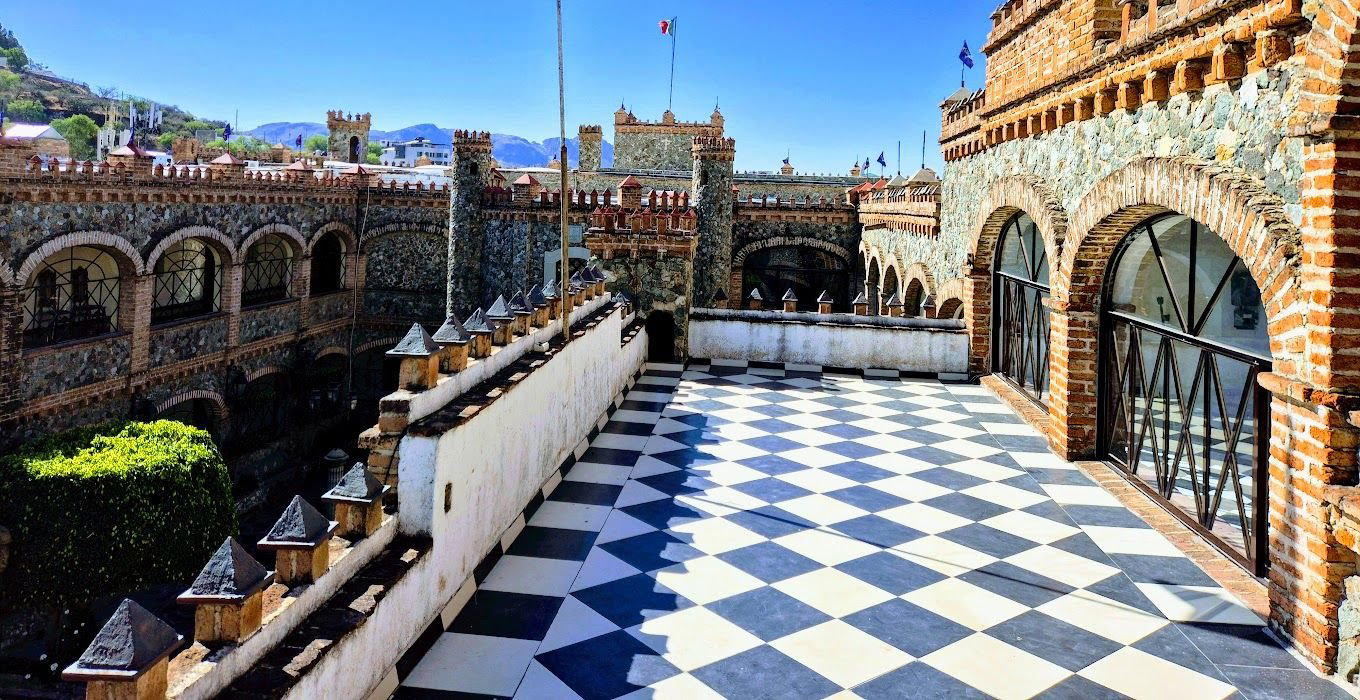
The address alone signals intent. Av Cerro Gordo 12 places Sato Restaurant inside Casa de Piedra, one of León's older residential enclaves, where the architecture leans toward thick stone walls and shaded interior courtyards rather than the glass-and-steel commercial strips that define much of the city's newer dining geography. Arriving here, you move through a different register of León: quieter, more layered, and with the kind of spatial generosity that rarely survives in active commercial zones. The physical environment frames the meal before a dish arrives.
León itself is an underappreciated dining city. Known primarily as Mexico's leather and footwear capital, it sits in the Bajío region of Guanajuato state, an agricultural corridor that supplies much of central Mexico's grain, produce, and livestock. That proximity to productive farmland is the foundational condition for ingredient-driven cooking in this city, and it separates León's better restaurants from comparable operations in purely urban environments where supply chains are longer and sourcing relationships harder to maintain. Sato operates within this geography, drawing on the Bajío's regional larder in ways that connect it to a broader movement in Mexican fine dining.
Ingredient Sourcing and the Bajío Advantage
The case for ingredient-focused cooking in the Bajío region is direct on paper but rarely executed with consistency. Guanajuato state produces strawberries, broccoli, garlic, wheat, and a range of specialty crops at commercial scale, while the surrounding highlands support cattle and sheep ranching. Proximity to those supply chains is an advantage that Mexico City restaurants pay significant logistical premiums to replicate. In León, a restaurant positioned near that agricultural base can work with shorter time-from-harvest windows and tighter relationships with individual producers.
This sourcing model has become the signature language of Mexico's most discussed restaurants over the past decade. Pujol in Mexico City built its reputation in part on treating Mexican ingredients as subjects of serious culinary attention rather than raw material to be transformed beyond recognition. Animalón in Valle de Guadalupe made open-fire cooking from regional Baja produce central to its identity. Olivea Farm to Table in Ensenada frames its menu explicitly around what the surrounding valley yields. Sato occupies a different node in this pattern: a Bajío-based operation positioned to draw from one of Mexico's most productive interior agricultural regions, at a scale and setting that suits a focused, quality-first format.
The comparison set for this kind of approach extends beyond León's city limits. KOLI Cocina de Origen in Monterrey has built a credible programme around northern Mexican ingredients and technique. Levadura de Olla Restaurante in Oaxaca works with indigenous Oaxacan ingredients at a depth that has attracted serious critical attention. Alcalde in Guadalajara, roughly 200 kilometres west, has made product-driven cooking a recognizable Guadalajara statement. In each case, the logic is the same: regional identity expressed through what grows, grazes, or ferments nearby. Sato's position in León places it within this conversation.
León's Dining Scene: Where Sato Sits
León's restaurant scene has matured considerably in recent years, developing a tier of serious independent operations alongside the international chains and taquería culture that characterize most of the city's eating. Within that tier, restaurants occupy distinct positions by format, price point, and culinary reference. Pablo operates at the upper end of the modern cuisine category with a price range that signals deliberate premium positioning. Carea Bistró works a contemporary European bistro register at a mid-range price point. Becook and Argentilia León address different audiences at accessible price ranges. Casa de Curry covers the international flavour segment. Sato, set apart by its address and its Casa de Piedra location, occupies its own niche within this map, one where setting and sourcing philosophy do more of the positioning work than category labels alone.
For a broader sense of where Sato fits within León's full dining picture, the EP Club León restaurants guide covers the city's key independent operations across cuisine types and price tiers.
Regional Context: Mexico's Sourcing-Led Movement
The sourcing-led approach that defines Sato's apparent positioning sits within a national shift that has reshaped how serious Mexican restaurants communicate their identity. Across the country, the most discussed openings of the past decade have consistently foregrounded ingredient provenance: where the corn comes from, which producer supplies the cheese, whether the chiles are heritage varieties. HA' in Playa del Carmen built its format around cenote water and Yucatecan produce. Le Chique in Puerto Morelos works with Caribbean and Yucatecan ingredients through a high-technique lens. Lunario in El Porvenir and Pangea in San Pedro Garza García represent how northern Mexico has developed its own version of this argument.
For international reference points, the trajectory mirrors what happened at Le Bernardin in New York City, where supreme sourcing discipline became the foundational principle from which everything else followed, or at Atomix in New York City, where Korean ingredient specificity anchored a tasting format that justified its price tier through sourcing depth rather than spectacle alone. The parallel is not one of cuisine type but of method: when provenance is the primary editorial statement, every other element of the dining experience has to support it.
Planning Your Visit
Sato Restaurant is located at Av Cerro Gordo 12, Casa de Piedra, in León de los Aldama, Guanajuato, Mexico, postal code 37120. The Casa de Piedra address situates it within a residential enclave distinct from León's main commercial dining corridors, so first-time visitors should confirm the specific building reference before travelling. Phone, website, and online booking details are not currently listed in public directories, which in León's independent restaurant context typically means reservations are made through direct contact or referral. Visitors with access to local hospitality networks or concierge services will find those channels more reliable than walk-in attempts, particularly for weekend evenings when the city's better independent restaurants fill well in advance.
Frequently asked questions
Is Sato Restaurant good for families?
Sato's setting inside Casa de Piedra, a residential enclave at Av Cerro Gordo 12, suggests a quieter, more considered dining environment than a casual family chain. Whether the kitchen's apparent focus on ingredient-led cooking aligns with younger diners depends on the group. It suits families where adults are driving the visit and children are comfortable with a sit-down, deliberate meal.
What is the atmosphere like at Sato Restaurant?
The address in Casa de Piedra, one of León's older residential compounds, sets a tone before you reach the door. Stone architecture in that district tends toward restrained, interior-courtyard settings, which places Sato closer to the independent, chef-driven end of León's dining spectrum than to the city's commercial strip. Expect a composed room rather than a loud one.
What makes Sato Restaurant different from other León de los Aldama restaurants?
Sato operates out of Casa de Piedra at Av Cerro Gordo 12, a residential address that separates it physically and conceptually from León's commercial dining corridors. That placement, combined with what appears to be a sourcing-oriented approach to Bajío regional produce, puts it within a small tier of independent León operations working outside the international chain and hotel-restaurant model that still dominates much of the city's formal dining.
What do regulars order at Sato Restaurant?
What is consistent with restaurants of this positioning in Guanajuato state is that the kitchen draws on Bajío-region produce, so regulars in ingredient-focused León operations tend to follow whatever the kitchen is prioritising that season. Asking the room directly on arrival is the practical approach.
What part of town is Sato Restaurant in?
Sato Restaurant is located at Av Cerro Gordo 12, Casa de Piedra, 37120 León de los Aldama, Gto. Mexico, Leon.
Do I need a reservation for Sato Restaurant?
No phone or booking platform is currently listed in Sato's public record, which makes walk-in the default option until contact details are confirmed. For a residential-address restaurant in León's independent dining tier, capacity is typically limited, so arriving early or making contact through the venue's social presence, if active, is the safer approach.
A Quick Peer Check
Comparable venues nearby, for context on price, style, and recognition.
| Venue | Cuisine | Price | Notes |
|---|---|---|---|
| Sato RestaurantThis venue — the venue you are viewing | Nikkei Japanese Fusion | Not listed | Not listed |
| Zerati | Modern Italian | $20–30 | San José el Alto |
| Argentilia León | Argentine Steakhouse Fusion | $30–50 | Valle del Campestre |
| Casa De Curry | Authentic Indian Curry House | $10–20 | El Rosario |
| Four Points by Sheraton | Mexican & International | $30–50 | Downtown Cancun / Financial District |
| Restaurant Campestre | Traditional Mexican | $10–20 | Ampliacion Mariano Matamoros |




Details
- Elegant
- Modern
- Intimate
- Date Night
- Business Dinner
- Family
- Open Kitchen
- Sake Program
- A La Carte
- Counter Dining
- Vegetarian Friendly
- Vegan Options
- Gluten Free Options
Current opening hours
- Monday
- 1–11 PM
- Tuesday
- 1–11 PM
- Wednesday
- 1–11 PM
- Thursday
- 1–11 PM
- Friday
- 1–11 PM
- Saturday
- 1–11 PM
- Sunday
- 1–7 PM
Hours can change for holidays and private events. Last verified .
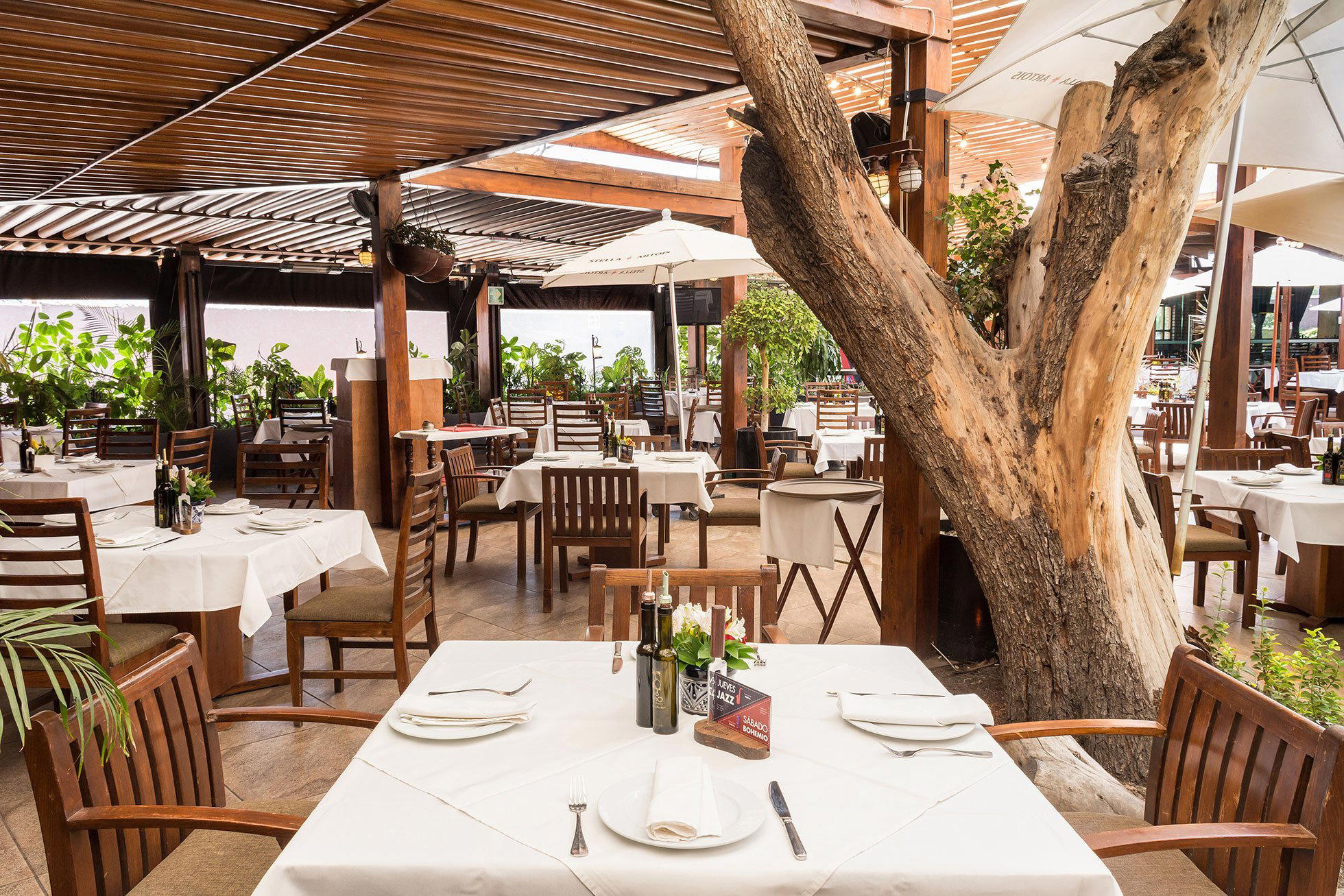
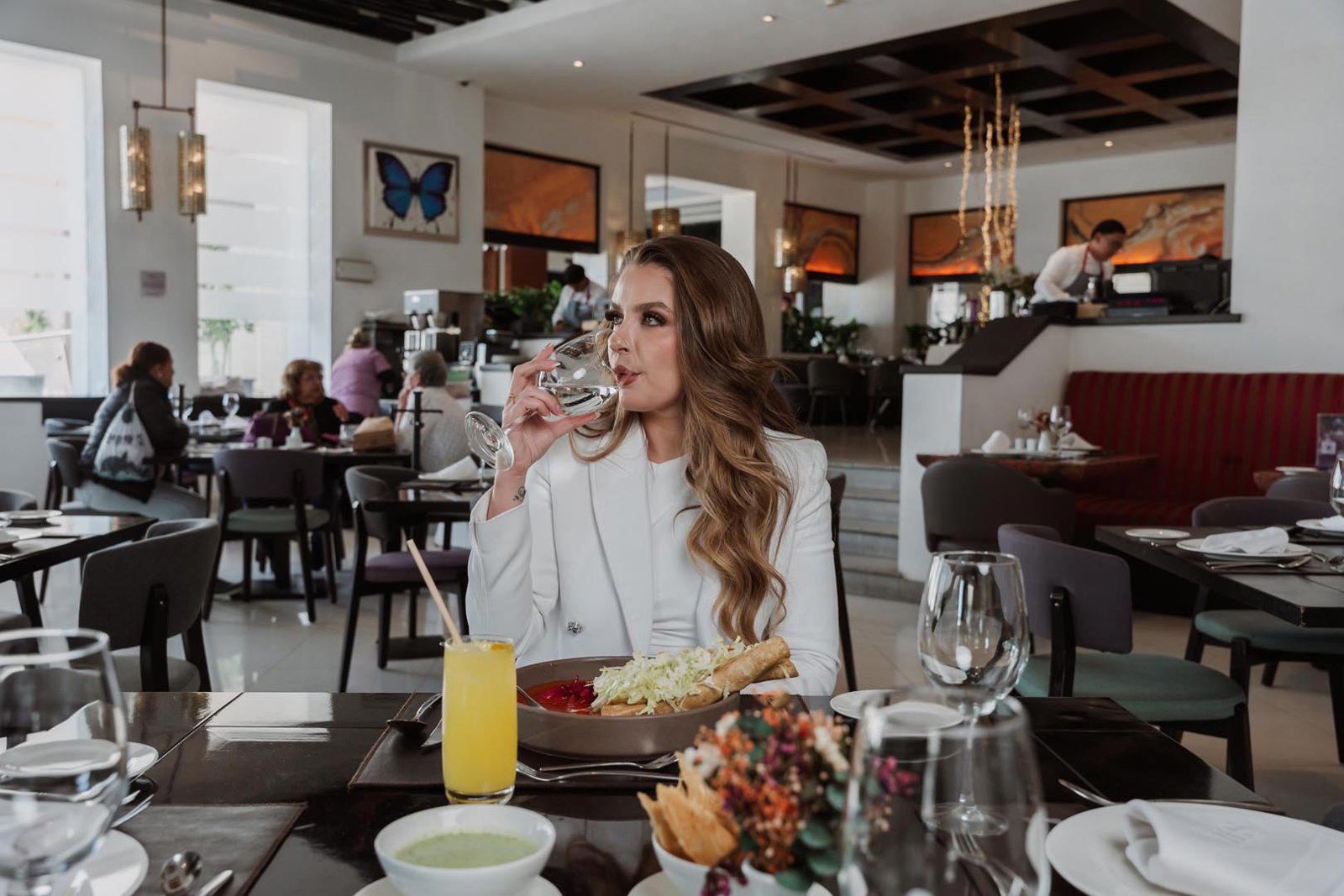
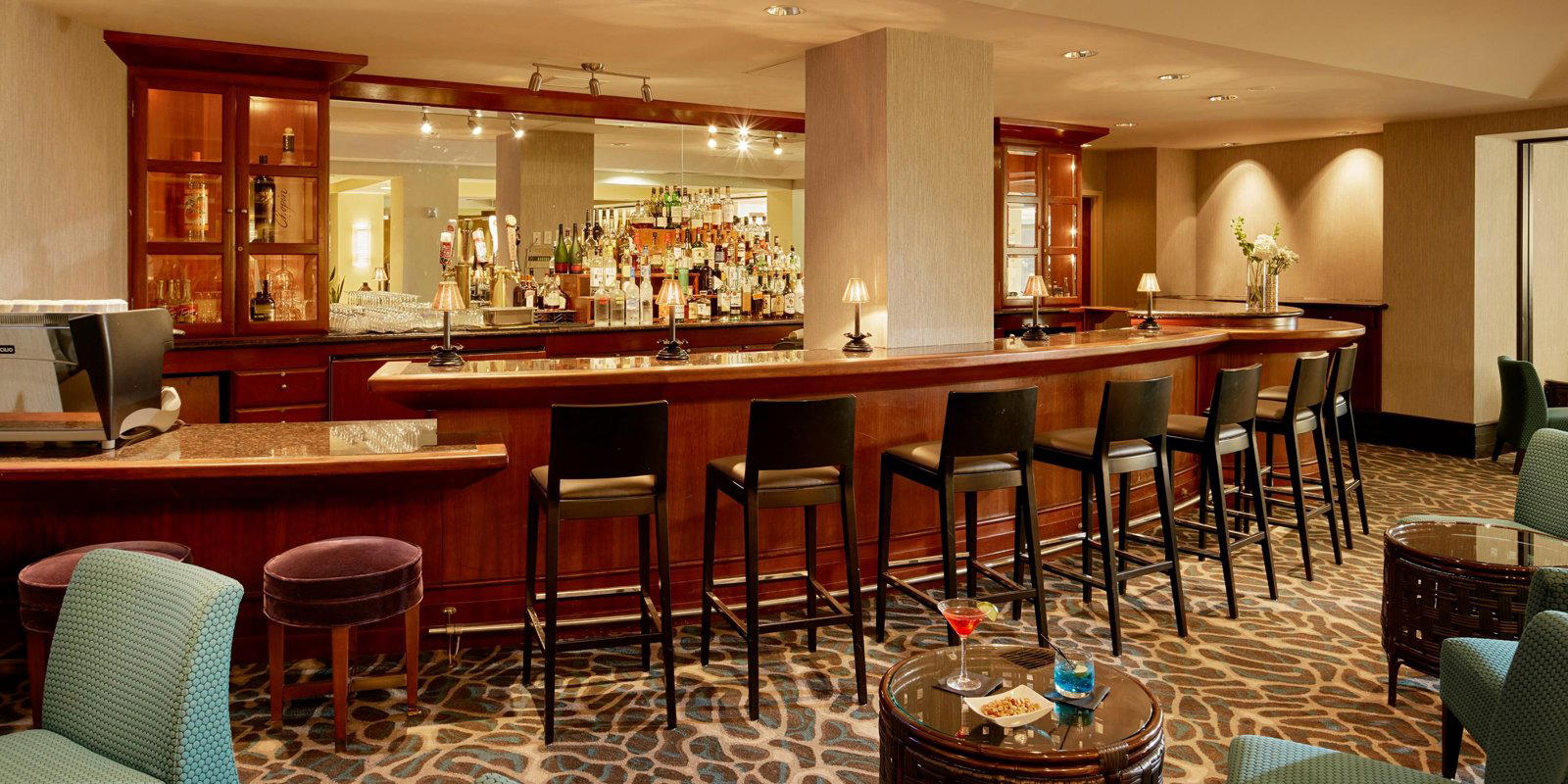
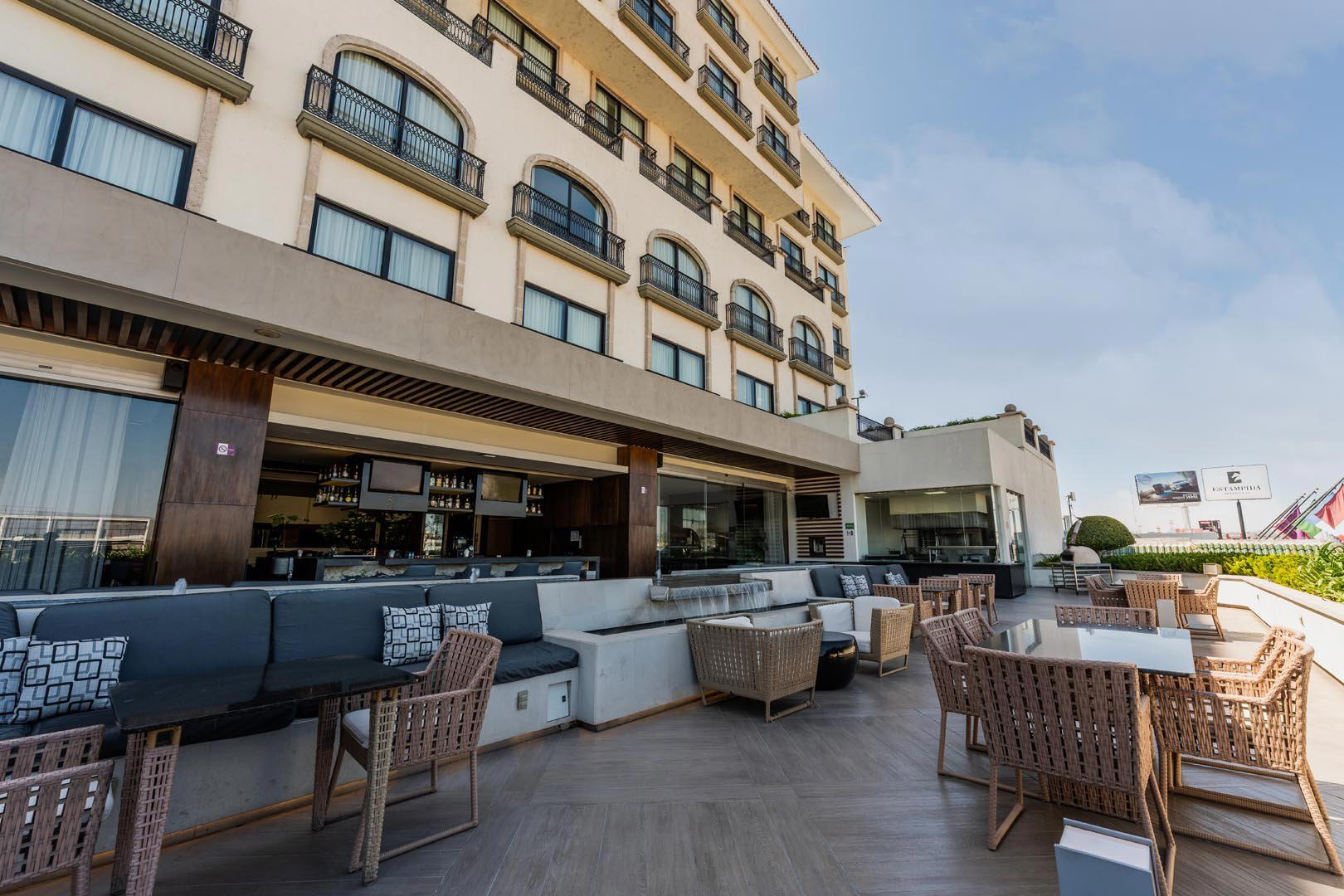
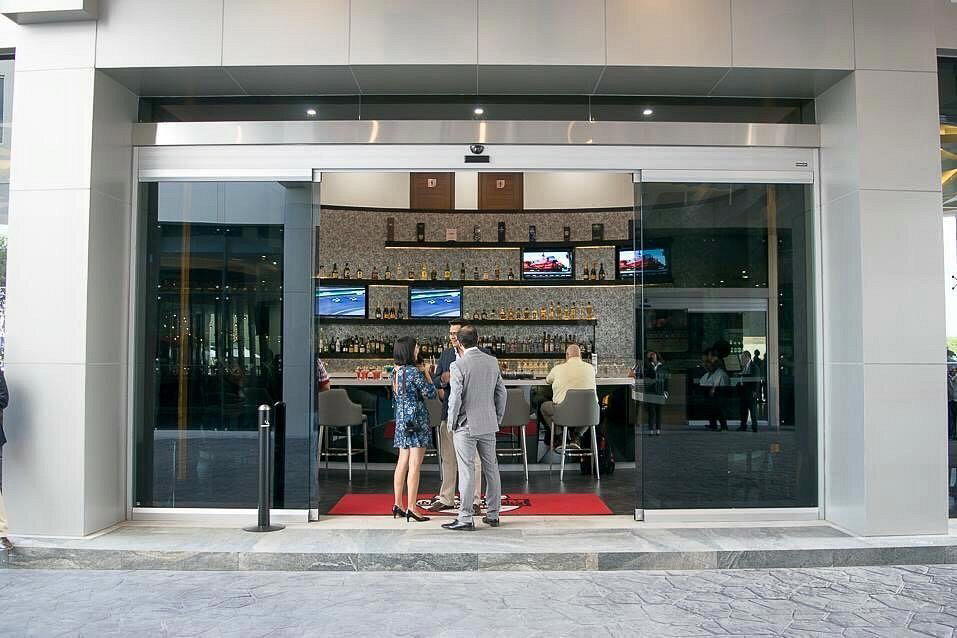
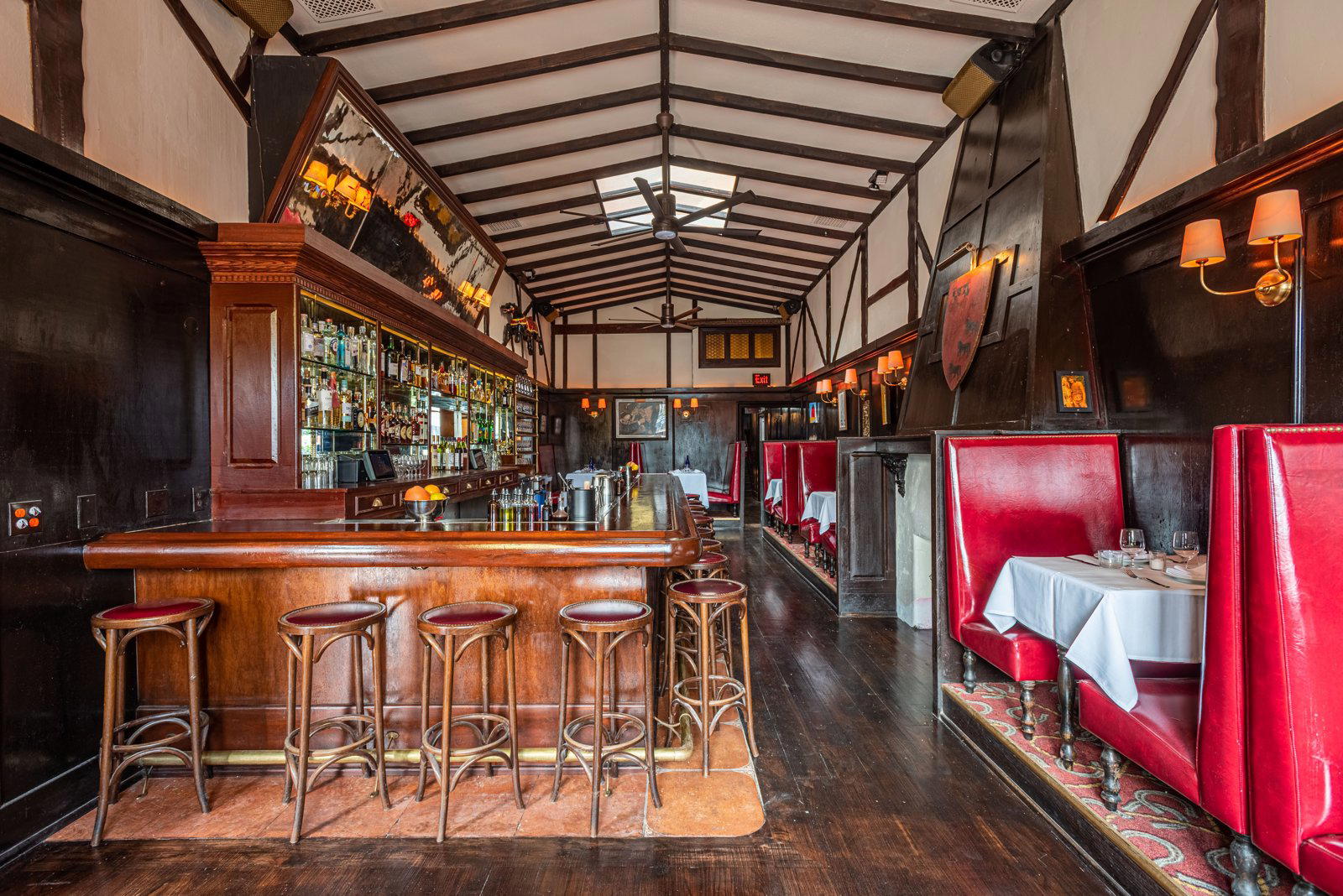
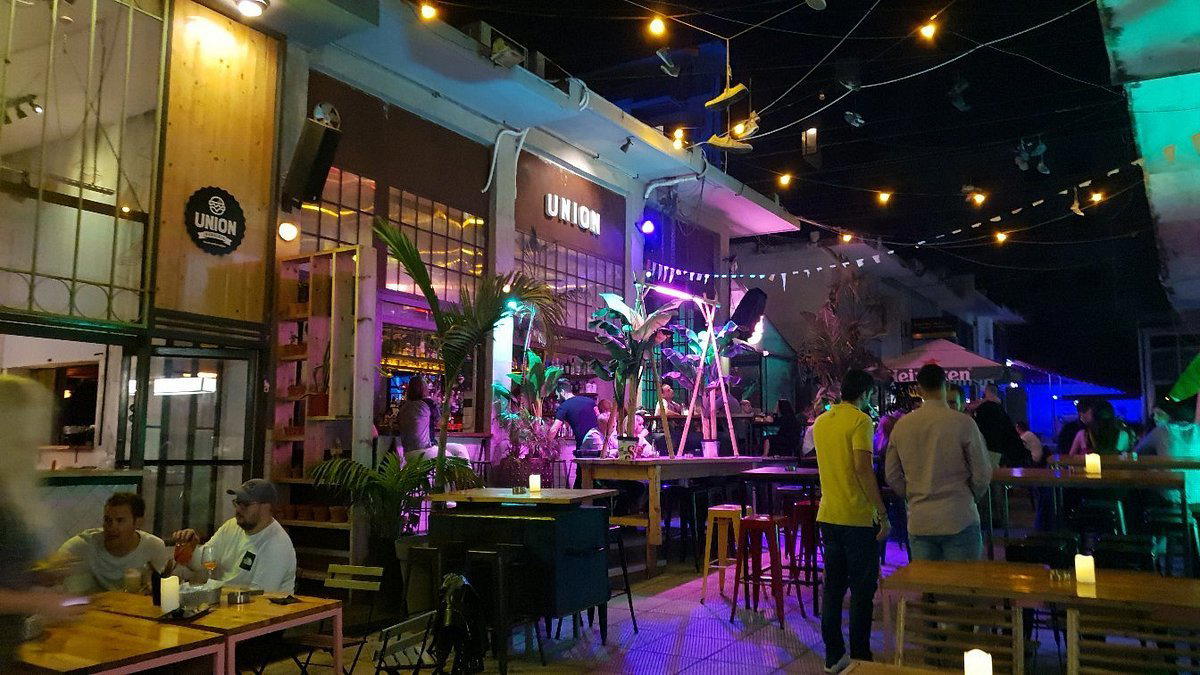
Great ambiance with contemporary decor, suitable for business, social, or romantic dining, offering both intimate indoor and outdoor seating.