Arturo's Trattoria
Our verdict
A neighborhood trattoria on Crain Highway in Glen Burnie, Arturo's occupies the kind of slot that suburban Maryland dining has long relied on: a dependable Italian kitchen within reach of residential corridors south of Baltimore. The cooking draws on a tradition where sourcing and execution matter more than spectacle, placing it in the mid-range tier of Anne Arundel County's dining options.

Pearl is the En Primeur Club membership app — saves, bookings, and concierge access live there. Same editors, same standards.
- Address
- 1660 Crain Hwy S, Glen Burnie, MD 21061
- Phone
- (410) 761-1500
- Hours
- Mon–Tue 5–10 PMWed–Fri 11:30 AM–10 PMSat 5–10 PMSun Closed
- Website
- arturostrattoria.com
- Directions
- Get directions
- Booking
- Book on OpenTable
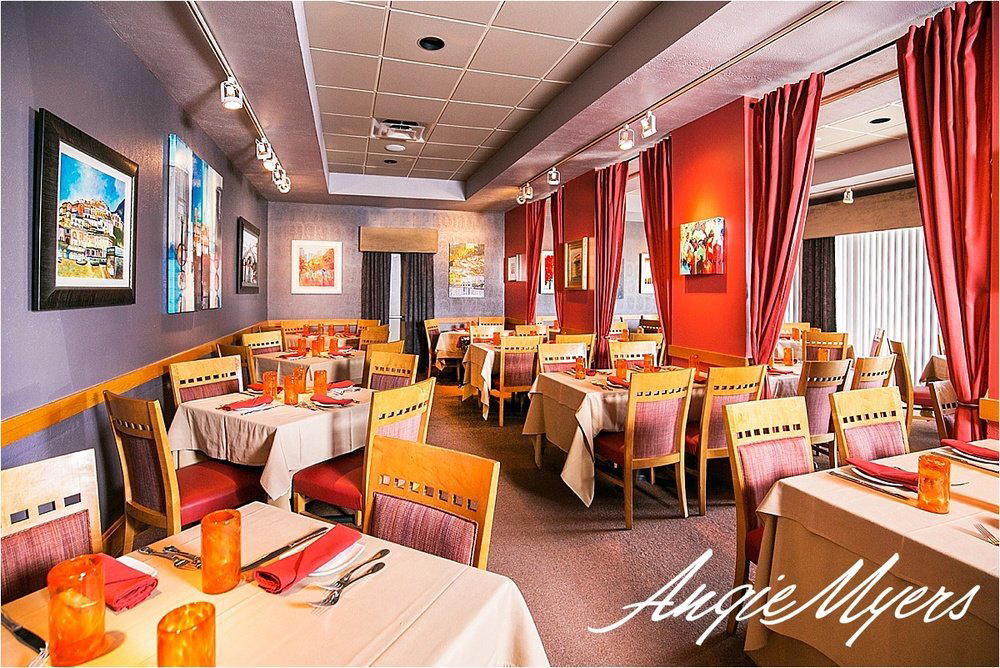
The menu
What to order
- Calamari alla Griglia
- Vongole e Cozze alla Marinara
- Tiramisu
Southern Maryland's Italian Kitchen Tradition
South of Baltimore, where Crain Highway connects a string of residential and commercial districts through Anne Arundel County, the Italian-American trattoria occupies a particular civic role. These are not destination restaurants pulling diners from across the metro; they are neighborhood anchors where regulars know the menu by memory and the dining room reflects the community around it. Arturo's Trattoria, at 1660 Crain Hwy S in Glen Burnie, fits that profile. The address is practical rather than picturesque, a stretch of road built for car traffic and strip-mall convenience, which makes the trattoria format all the more culturally apt. Italian cooking has always traveled well to working communities, partly because its fundamentals, pasta, olive oil, slow-cooked sauces, are economical to execute and deeply satisfying to eat.
That tradition is worth understanding before you pull into the lot. The American trattoria model, loosely derived from Italy's informal mid-tier restaurants, depends on a kind of sourcing discipline that is easy to overlook. In Italy, a trattoria's reputation rests on whether the cook bothers to source properly: local eggs for the pasta, decent canned San Marzano tomatoes over generic pulped alternatives, real Parmigiano-Reggiano aged the requisite months rather than its domestic imitations. The gap between a trattoria that applies this discipline and one that does not shows up not in the menu descriptions but in the food itself. Glen Burnie sits within reasonable reach of mid-Atlantic produce corridors, Chesapeake-region ingredients, and Baltimore's wholesale supply networks, which means a kitchen here has access to solid raw materials if it chooses to use them.
What the Trattoria Format Means in Practice
The trattoria as a format sits deliberately below the ristorante in formality and above the casual pizza-and-subs counter in ambition. Diners arriving at Arturo's should expect an environment calibrated for neighborhood regulars: tables turned at a pace that keeps the room accessible, a menu built around Italian-American standards rather than regional Italian esoterica, and a price point that reflects the community it serves rather than the dining tiers occupied by, say, Le Bernardin in New York City or The French Laundry in Napa. Those reference points are useful precisely because they define what Arturo's is not: it operates in a different register entirely, one where proximity, familiarity, and consistent execution carry more weight than tasting menus or chef pedigree.
Across the mid-Atlantic region, the restaurants that have built durable neighborhood reputations share a common trait: they resist the temptation to overcomplicate. Kitchens that chase trends in a suburban Maryland context often lose the regulars who sustain them through slow months. The trattoria model's strength is its narrowness, a focused set of dishes executed repeatedly until the kitchen knows them precisely. Whether Arturo's applies that discipline is something local diners are better positioned to assess than any external review, but the format itself predisposes the kitchen toward that kind of focus.
Ingredient Sourcing and the Mid-Atlantic Advantage
The ingredient case for Italian cooking in the mid-Atlantic is stronger than it might appear from the highway-adjacent setting. Maryland's proximity to Chesapeake seafood, Virginia agricultural output, and Pennsylvania's dairy and produce networks gives any committed kitchen in the region access to materials that can anchor honest Italian cooking without relying entirely on imported product. A pasta dish built around local eggs and a sauce made with properly sourced tomatoes will always outperform the same dish made with commodity shortcuts, regardless of the zip code. This is not a regional quirk; it is a basic truth of Italian cooking that travels to every market where the tradition has taken root.
For comparison, consider how American restaurants that have genuinely engaged with sourcing as a value, from Blue Hill at Stone Barns in Tarrytown to Single Thread Farm in Healdsburg, have demonstrated that regional ingredient commitment is not a luxury reserved for fine dining. The principle scales down to the neighborhood level. A trattoria kitchen in Glen Burnie that sources Chesapeake-adjacent produce and uses it with care sits in a different category than one running off a broadline distributor without scrutiny. Diners who pay attention to these details will notice the difference in texture, freshness, and flavor depth, even when they cannot articulate exactly why.
Other Italian-focused kitchens across the country that operate at the serious end of their regional tier, such as Frasca Food and Wine in Boulder, have shown that proximity to fine-dining accolades is not a prerequisite for sourcing discipline. Commitment is. That is the variable that separates comparable restaurants within the same format and price bracket, and it is the variable worth weighing when choosing between Glen Burnie's Italian options. See our full Glen Burnie restaurants guide for a broader mapping of what the area offers across categories.
Placing Arturo's in the Regional Dining Context
Anne Arundel County's dining scene has broadened in the past decade, but the trattoria tier remains its most consistent segment. Diners who want ambitious modern cooking in the region tend to drive toward Baltimore proper or, for special occasions, toward Washington, D.C. where restaurants like Oyster Oyster represent a more ingredient-forward contemporary approach. The drive to The Inn at Little Washington remains a perennial splurge option for the region's occasion diners. Arturo's does not compete in those brackets, nor is it trying to. Its competitive set is local: the Italian-American restaurants within a few miles of Crain Highway that serve the same residential population on a weeknight basis.
Within that local set, the factors that distinguish one trattoria from another are sourcing habits, pasta quality, and sauce consistency. The restaurants that hold neighborhood loyalty for years tend to be those where the kitchen maintains standards on a Tuesday in January, not just on a Friday when the dining room is full. That kind of quiet operational discipline is harder to sustain than a well-designed dining room or a creatively written menu, and it is the attribute most worth investigating as a first-time visitor.
For readers tracking American restaurants that demonstrate what serious sourcing looks like at various price points, the contrast with ambitious tasting-menu restaurants like Lazy Bear in San Francisco, Smyth in Chicago, Addison in San Diego, or Providence in Los Angeles is instructive. Those restaurants have made sourcing a legible part of their identity, with documentation, relationships, and narrative. A neighborhood trattoria does not operate that way, but the underlying commitment, or its absence, produces equally visible results in the food. Also worth noting in the broader conversation about ingredient-driven Italian and European cooking is Atelier Moessmer Norbert Niederkofler in Brunico, which has made hyper-regional sourcing a defining structural choice rather than a marketing note. At the opposite end of the format spectrum, Bacchanalia in Atlanta, ITAMAE in Miami, Atomix in New York City, The Wolf's Tailor in Denver, and Emeril's in New Orleans each represent how regional identity and sourcing intent can be made explicit at the restaurant level. Arturo's operates without that kind of explicit framework, but the tradition it draws from carries the same underlying logic.
Planning Your Visit
Arturo's Trattoria sits at 1660 Crain Hwy S, Glen Burnie, MD 21061, accessible by car along a primary commercial corridor south of Baltimore. Given the venue's null data across hours, booking method, and pricing, prospective diners should verify current hours and reservation availability directly before visiting. Neighborhood trattorias in this format typically operate without formal booking requirements on weeknights but may fill on Friday and Saturday evenings, particularly if the kitchen has maintained consistent quality. Arriving early in the service window, before the dining room reaches capacity, tends to produce the most attentive experience in kitchens of this type.
Frequently asked questions
Would Arturo's Trattoria be comfortable with kids?
The trattoria format at a highway-adjacent address in Glen Burnie is built around the local residential community, which means families are part of the regular dining mix rather than an afterthought. Expect an informal room without the kind of pacing or formality that makes young diners a liability. That said, calling ahead before a weekend visit is sensible regardless of group composition.
What should I expect atmosphere-wise at Arturo's Trattoria?
Crain Highway in Glen Burnie runs through a practical, residential-commercial corridor, and Arturo's fits that context: a room oriented toward regulars rather than occasion diners. The trattoria format places it above a carryout counter in ambition but well short of a formal dining room in pretension. Expect a neighborhood cadence, meaning familiar faces, steady service, and no theatrical presentation.
Is Arturo's Trattoria a good Italian option if I'm staying near BWI or the Glen Burnie corridor?
For travelers based near BWI or along the Crain Highway commercial strip, Arturo's Trattoria at 1660 Crain Hwy S sits on a primary route that avoids the congestion of Baltimore city proper. The Italian-American trattoria format is a solid fit for a sit-down dinner that doesn't require reservation lead times typical of Michelin-tracked rooms to the north. It fills the gap between airport-adjacent chain dining and a committed drive into the city.
How do I find Arturo's Trattoria?
Arturo's Trattoria is located at 1660 Crain Hwy S, Glen Burnie, MD 21061, Glen Burnie.
Should I book Arturo's Trattoria in advance?
A trattoria that has held neighborhood loyalty in Glen Burnie will fill on Friday and Saturday evenings faster than the strip-corridor setting might suggest. Walk-ins are typically viable at lunch and on slower weeknights, but a weekend dinner without a reservation carries real risk of a wait.
What's Arturo's Trattoria best at?
No award data or chef credentials are confirmed in the record, so the honest frame is this: Arturo's operates in an Italian-American trattoria tradition that succeeds on consistency and familiarity rather than innovation. For diners along the southern Anne Arundel County corridor, it represents accessible Italian cooking without the drive into Baltimore proper. That reliability is the format's core value proposition.
Side-by-Side Snapshot
Comparable venues nearby, for context on price, style, and recognition.
| Venue | Cuisine | Price | Notes |
|---|---|---|---|
| Arturo's TrattoriaThis venue — the venue you are viewing | Authentic Italian Trattoria | $50–100 | Not listed |
| Sotto Sopra | Authentic Northern Italian | $50–100 | Mount Vernon |
| Il Pizzico | Authentic Italian Pasta & Seafood | $50–100 | Rockville |
| Iggies | Neapolitan Pizza | $20–30 | Mount Vernon |
| Coal Fire | Coal-Fired Pizza | $20–30 | Kentlands |
| Gregorio's Trattoria | Authentic Italian Trattoria | $20–30 | Bethesda |
Continue exploring
More in Glen Burnie
Restaurants in Glen Burnie
Browse all →
Bars in Glen Burnie
Browse all →
Details
- Cozy
- Elegant
- Classic
- Date Night
- Business Dinner
- Private Event
- Special Occasion
- Private Dining
- Local Sourcing
- A La Carte
- Vegetarian Friendly
- Vegan Options
- Gluten Free Options
Current opening hours
- Monday
- 5–10 PM
- Tuesday
- 5–10 PM
- Wednesday
- 11:30 AM–10 PM
- Thursday
- 11:30 AM–10 PM
- Friday
- 11:30 AM–10 PM
- Saturday
- 5–10 PM
- Sunday
- Closed
Hours can change for holidays and private events. Last verified .
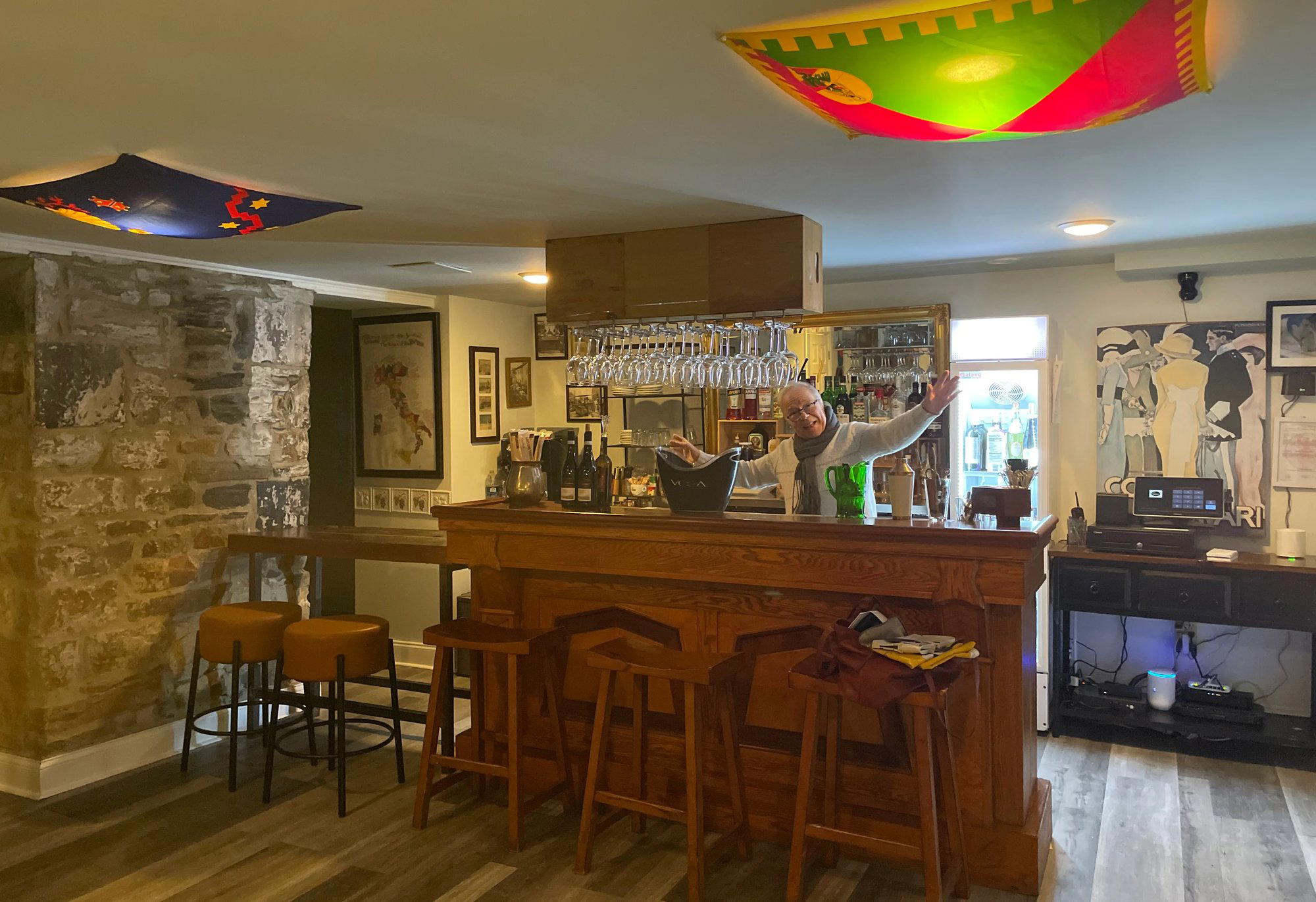
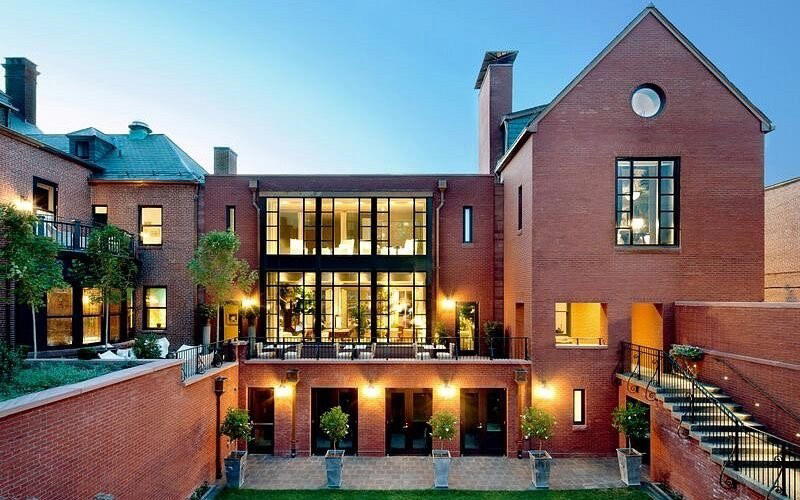
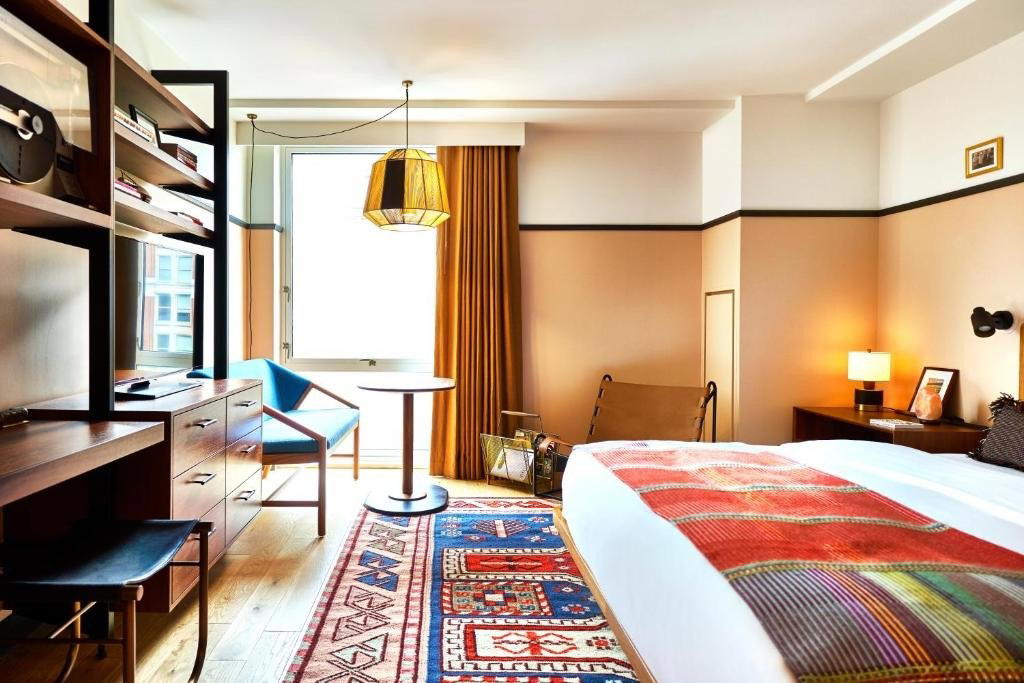
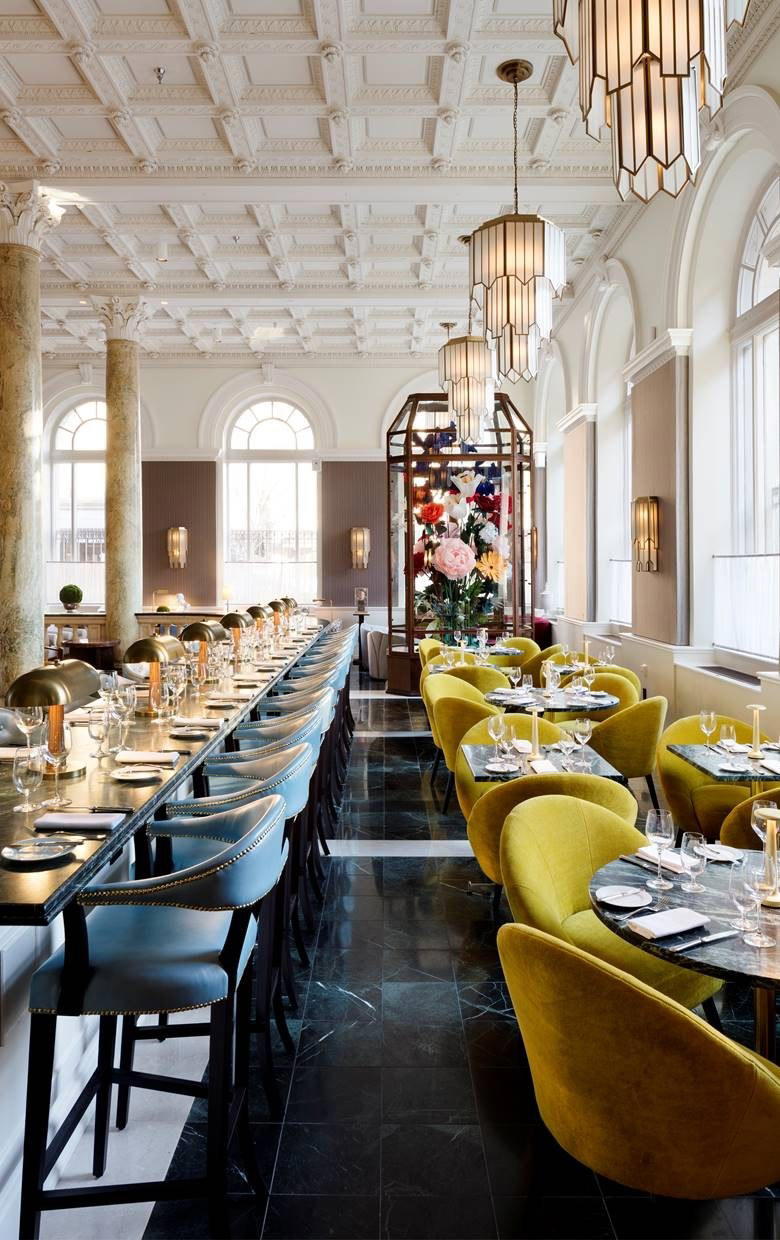
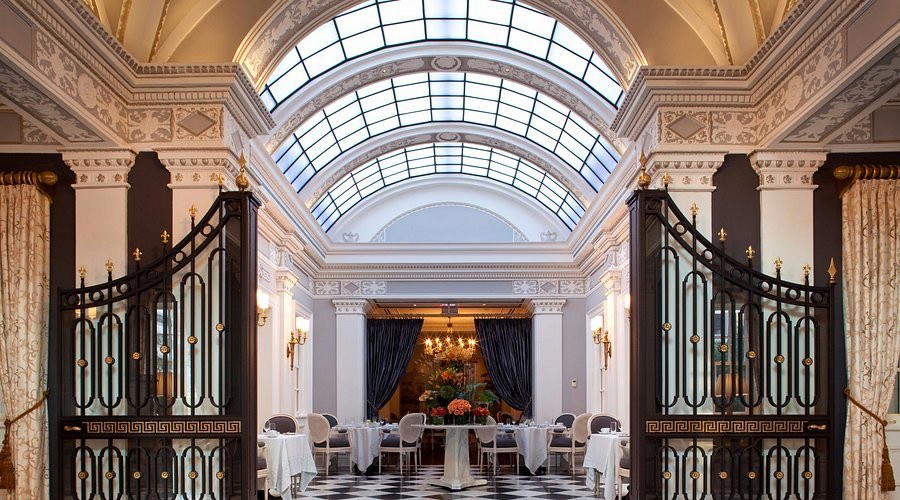
Cozy yet elegant atmosphere with warm, inviting lighting well-suited for romantic dinners and private events.