On Franziskanerplatz in Vienna's first district, Artner occupies a corner of the city where Viennese dining tradition and contemporary technique converge. Positioned outside the upper-tier Michelin bracket occupied by Steirereck and Konstantin Filippou, it represents a middle register of serious Austrian cooking: ingredient-driven, technically considered, and rooted in the produce networks that define the country's better restaurants.
Pearl is the En Primeur Club membership app — saves, bookings, and concierge access live there. Same editors, same standards.
- Address
- Franziskanerpl. 5, 1010 Wien, Austria
- Phone
- +434315035034
- Website
- restaurant.artner.co.at
- Directions
- Get directions
 Saves & bookings on Pearl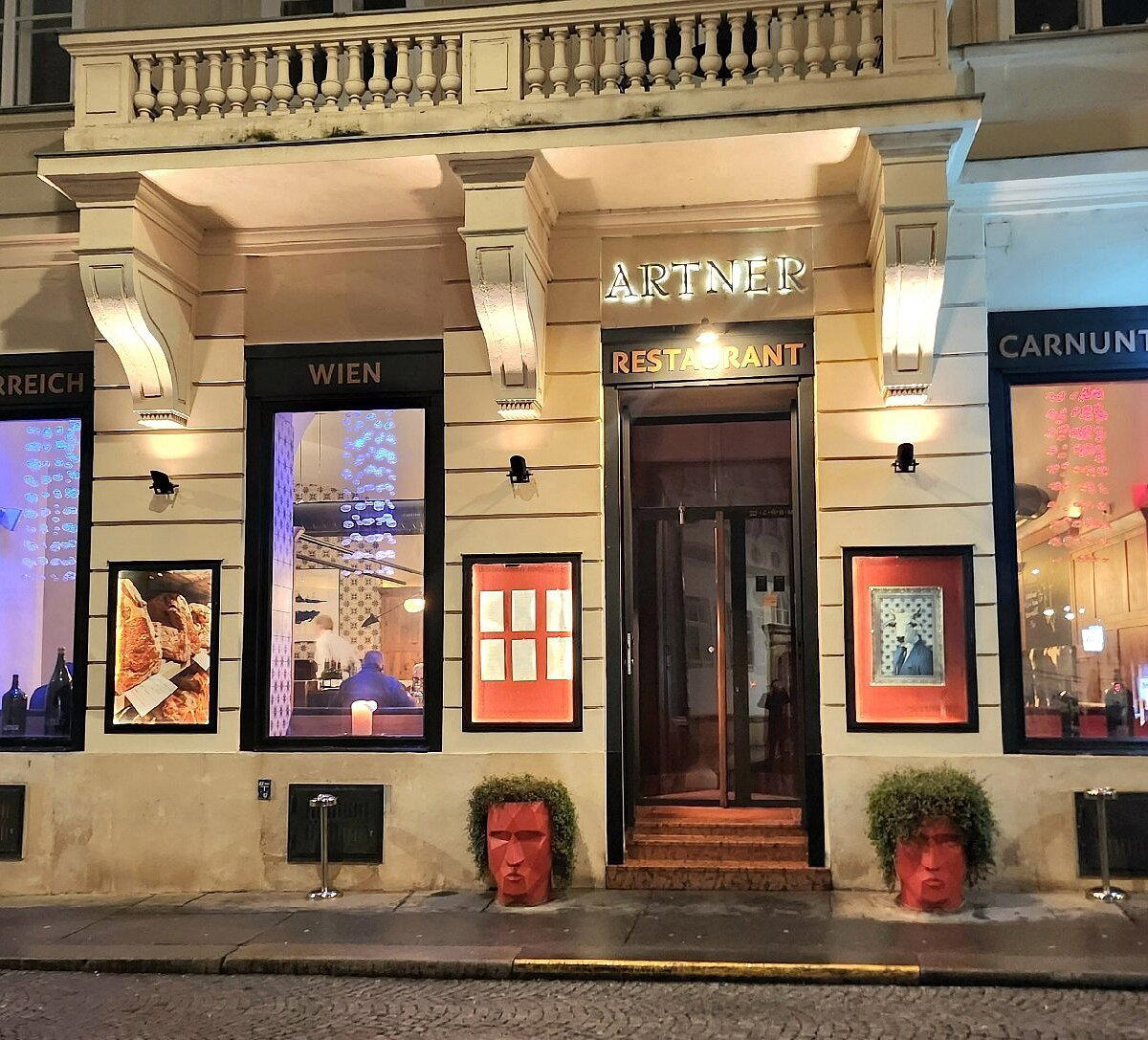
Where the First District Sets Its Table
Franziskanerplatz is one of those Viennese addresses that carries its own gravitational pull. The square sits in the compact heart of the first district, close enough to the Staatsoper and the Stephansdom to draw international visitors, yet quiet enough that locals still claim it. Restaurants here operate in a specific kind of pressure: they must hold the attention of an audience that has eaten at Michelin-starred tables across Europe while remaining relevant to a Viennese clientele with high expectations and long institutional memory. Artner, at Franziskanerpl. 5, occupies that position as a contemporary Austrian steakhouse in Vienna's first district.
Vienna's restaurant scene has stratified considerably over the past decade. At the leading end sit the tasting-menu destinations, the €€€€ counters where a meal at Steirereck im Stadtpark or Amador represents a full evening's commitment measured in courses. Below that sits a more interesting tier: restaurants with genuine technical seriousness that do not ask you to surrender an entire night to the premise. Artner operates in this middle register, which in Vienna is neither a consolation nor a compromise, it is where much of the city's most useful cooking actually happens.
Austrian Produce Through a Contemporary Lens
The broader argument being made by serious Austrian restaurants right now is not merely about local ingredients, it is about the specific encounter between those ingredients and techniques that have arrived from French, Nordic, and Japanese kitchens over the past generation. That argument is audible at Mraz & Sohn and Konstantin Filippou at the starred level; it surfaces in a quieter register at places like Artner.
Austria's ingredient geography is genuinely consequential. Alpine dairy, Marchfeld asparagus, Wachau apricots, freshwater fish from the Danube tributaries, game from Styrian forests, these are not marketing constructs but actual supply chains that have fed serious kitchens for centuries. The contemporary move, visible across the country from Döllerer in Golling an der Salzach to Landhaus Bacher in Mautern an der Donau, is to bring precision-led technique to that inherited larder rather than replacing it with imported produce. When a kitchen handles Austrian pike-perch with the same temperature discipline applied to turbot in a Paris brasserie, or processes Styrian pumpkin seed oil into an emulsion with the logic of a Japanese tare, the result is a distinctly Austrian idiom spoken in a more widely fluent accent.
Restaurants operating at Artner's address and positioning in Vienna carry an obligation to that conversation. The first district is not where cooks experiment cheaply, it is where a certain kind of considered, rooted cooking is expected to hold its form under daily scrutiny.
Reading Artner Within Vienna's Competitive Set
Among Vienna's restaurants with serious Austrian-produce orientation, Artner sits in a different competitive set than the starred houses. The relevant comparisons are not Konstantin Filippou or Mraz & Sohn, those kitchens operate on a different scale of ambition and price, but rather the cluster of first-district restaurants that take Austrian produce seriously without framing every meal as a tasting-menu event. In that cohort, what distinguishes a kitchen is sourcing specificity and the discipline not to over-work good ingredients.
The broader Austrian restaurant network provides useful reference points. Outside Vienna, kitchens like Obauer in Werfen and Taubenkobel in Schützen am Gebirge have built long reputations on the same premise: Austrian land, informed technique, no apology for either. Kräuterreich by Vitus Winkler in Sankt Veit im Pongau pushes the herb and alpine-forage dimension further than most urban kitchens attempt. What these restaurants share is a rejection of the idea that Austrian cooking requires French permission to be taken seriously, a position now held broadly enough that it has become the baseline expectation rather than a provocative stance.
In Vienna specifically, Doubek offers a useful parallel: a restaurant that reads as quietly serious without theatrical menu framing. The city has room for several such addresses, and the first district's density of international visitors means that a well-positioned mid-tier restaurant will encounter a range of reference points from its diners, guests who have eaten at Le Bernardin in New York City or Lazy Bear in San Francisco and arrive with calibrated expectations. That audience is not easily impressed by provenance claims alone; it responds to execution.
The Wider Austrian Table
For readers building an itinerary beyond Vienna, the country's regional kitchens reward attention. Alpine Tirol has its own register of serious cooking: Gourmetrestaurant Tannenhof in Sankt Anton am Arlberg and Stüva in Ischgl both work mountain produce with technical precision. In Upper Austria, Ois in Neufelden represents the kind of destination-worthy rural kitchen that rarely appears in international coverage. Restaurant 141 by Joachim Jaud in Mieming similarly draws from an alpine supply chain that differs substantially from what Vienna's first-district kitchens can access. Schwarzer Adler in Hall in Tirol rounds out a regional picture where the country's serious dining extends well beyond its capital.
Planning a Visit
Artner's address on Franziskanerplatz places it within walking distance of the Stephansdom and the main first-district hotel cluster, making it a practical option for visitors based in the centre. The square itself is compact and relatively quiet by inner-city standards, which shapes the register of the meal before you sit down. For a first-district address, that matters: the-positioned restaurants here are those where the approach from the street prepares you correctly for what follows inside. Booking ahead is advisable for any serious first-district restaurant, particularly on Thursday through Saturday evenings when the district draws both locals and hotel guests simultaneously. Artner is recommended for reservations and is open Monday through Saturday from 12 to 11 PM, with Sunday closed. The price per person is about $40.
A Tight Comparison
Comparable venues nearby, for context on price, style, and recognition.
| Venue | Cuisine | Price | Notes |
|---|---|---|---|
| ArtnerThis venue — the venue you are viewing | Innere Stadt, Austrian Steakhouse | $$$ | Not listed |
| Boxwood | Not listed | $$$ | Innere Stadt, The Art of Steak - International Fine Dining |
| Porterhouse | Not listed | $$$ | Innere Stadt, Argentine Steakhouse with Austrian Influences |
| DOOR NO. 8 | Not listed | $$$ | Mariahilf, Modern International Steakhouse |
| Oswald & Kalb | Innere Stadt, Traditional Viennese | $$$ | Not listed |
| Sebastiano | Wieden, Fine Italian Cucina | $$$ | Not listed |
Continue exploring
More in Vienna
Restaurants in Vienna
Browse all →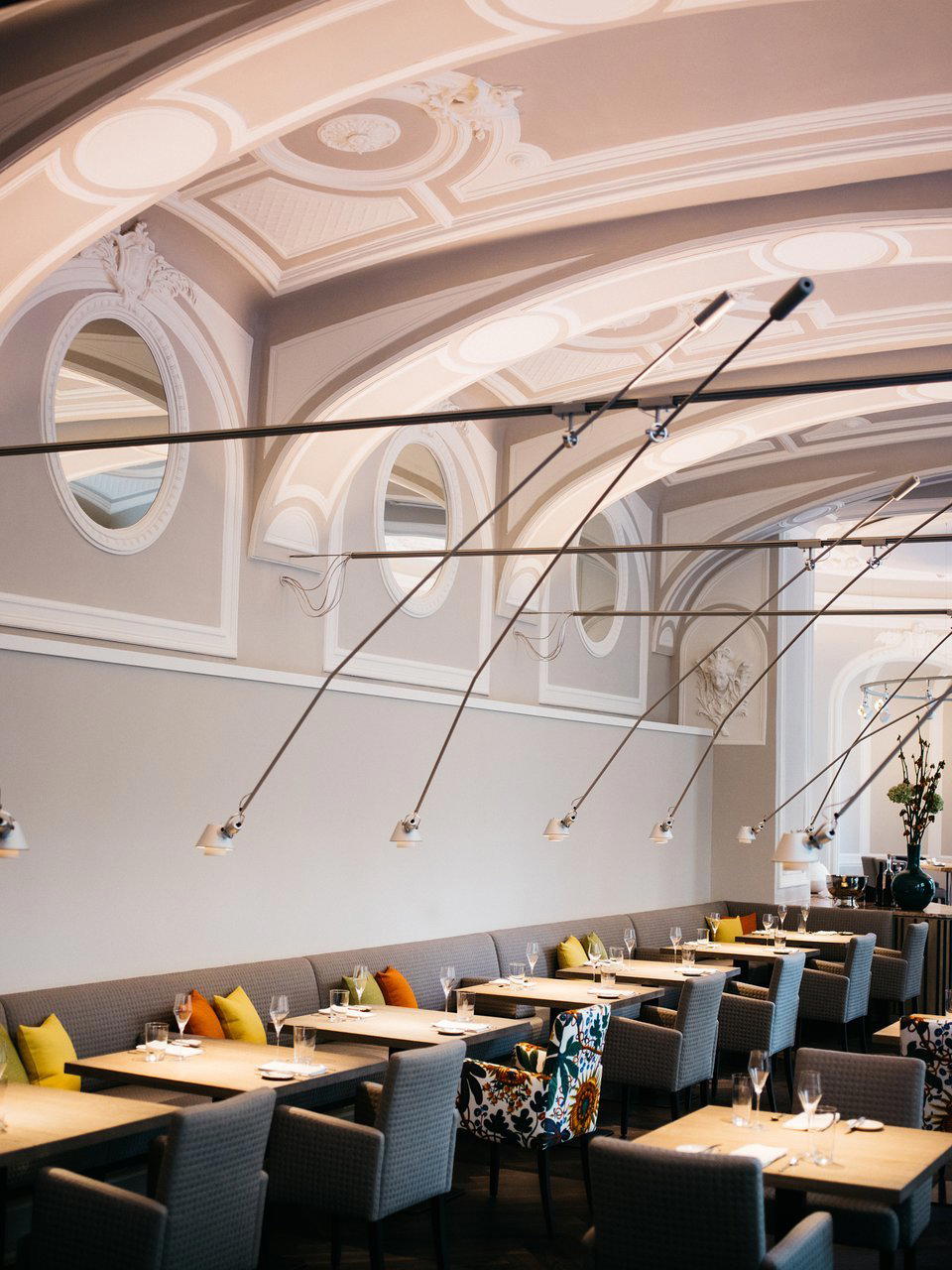
Bars in Vienna
Browse all →
Hotels in Vienna
Browse all →
At a Glance
- Cozy
- Elegant
- Modern
- Date Night
- Business Dinner
- Casual Hangout
- Open Kitchen
- Extensive Wine List
- Local Sourcing
- Street Scene
Current opening hours
- Monday
- 12–11 PM
- Tuesday
- 12–11 PM
- Wednesday
- 12–11 PM
- Thursday
- 12–11 PM
- Friday
- 12–11 PM
- Saturday
- 12–11 PM
- Sunday
- Closed
Hours can change for holidays and private events. Last verified .
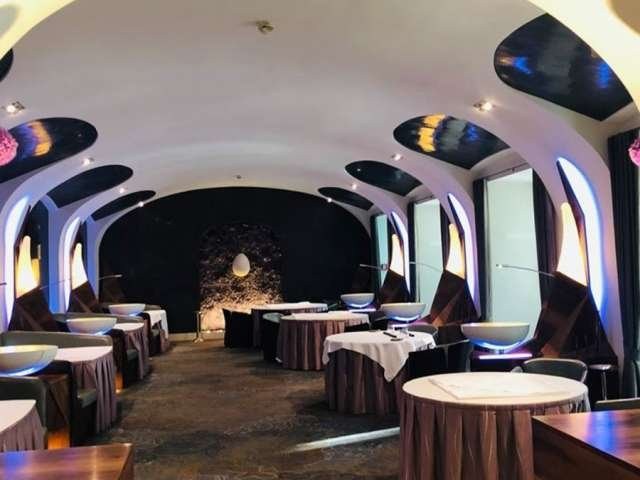
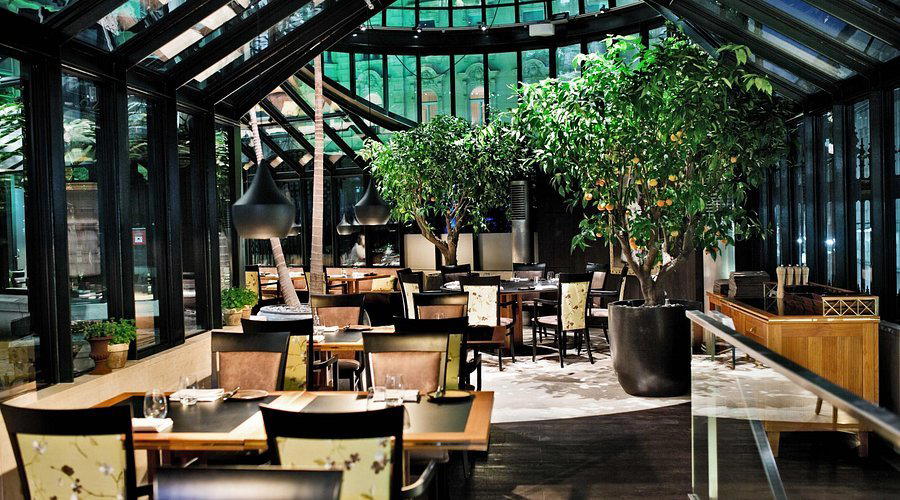
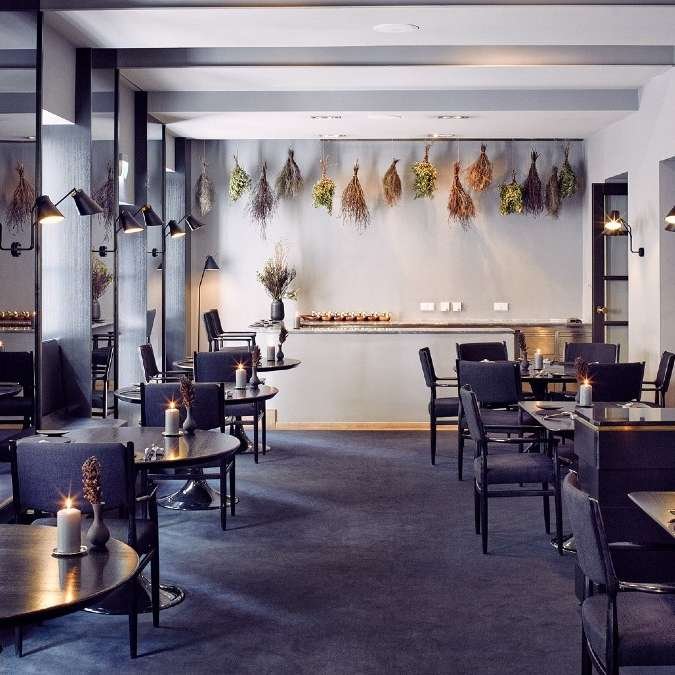
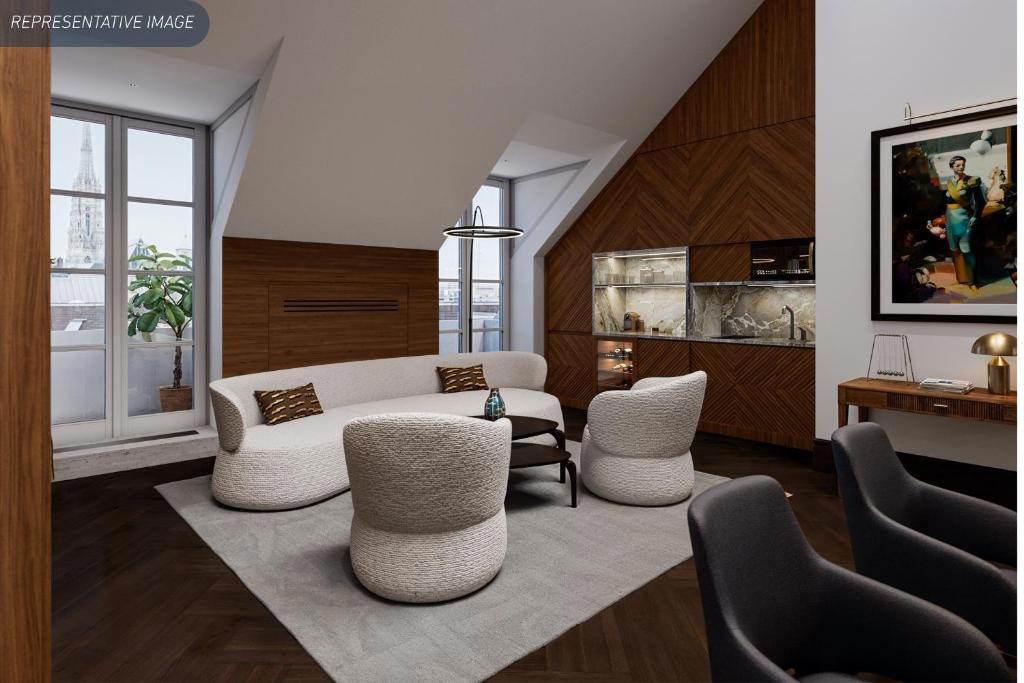
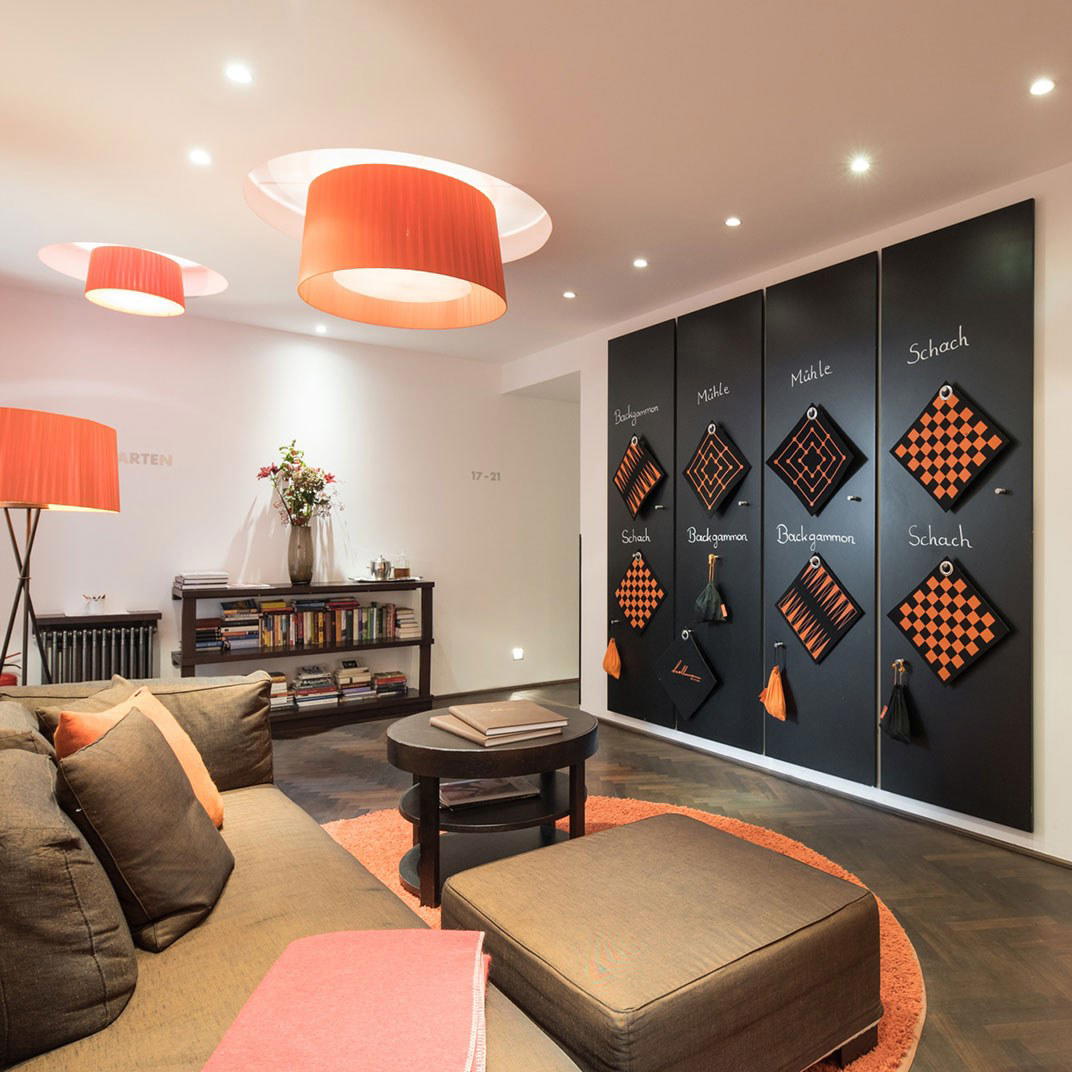
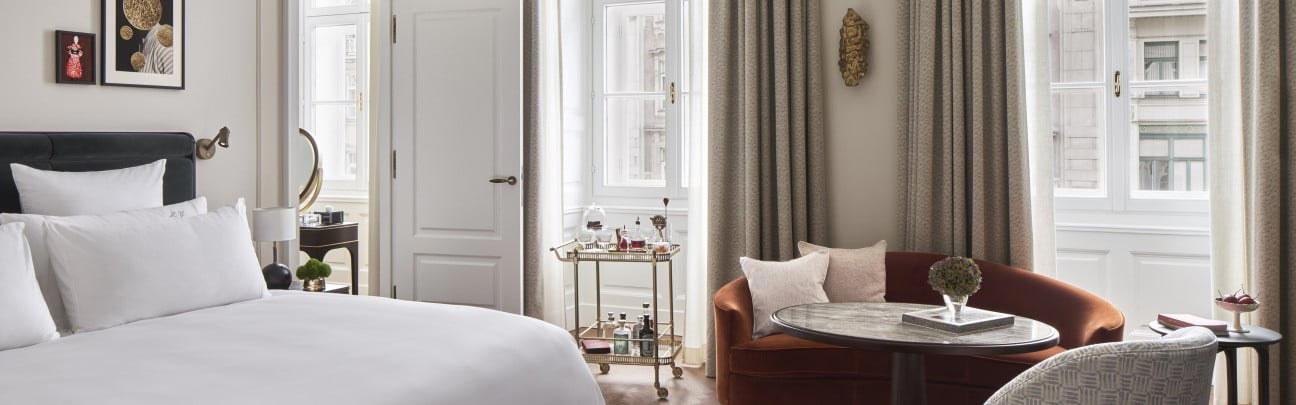
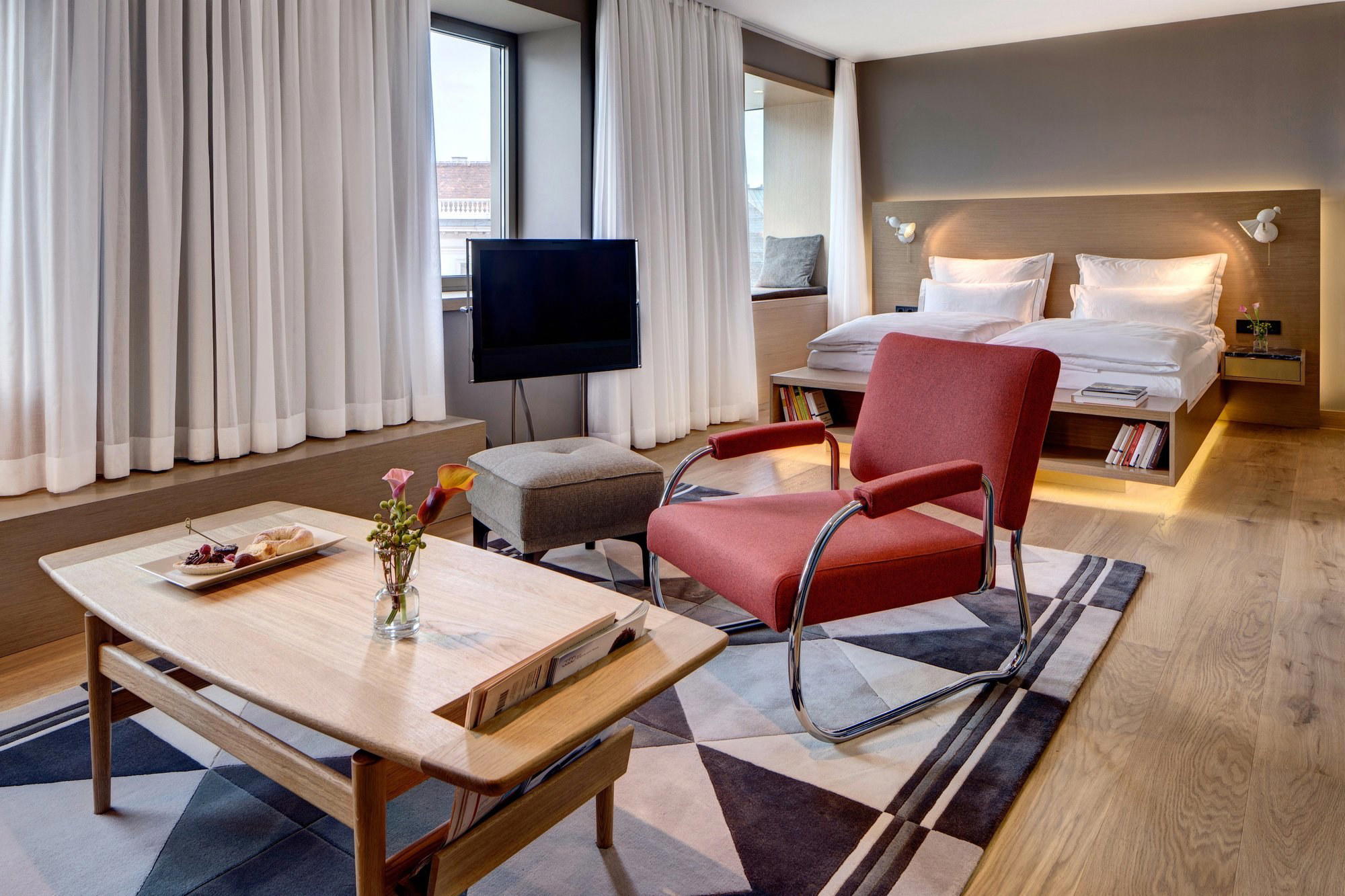
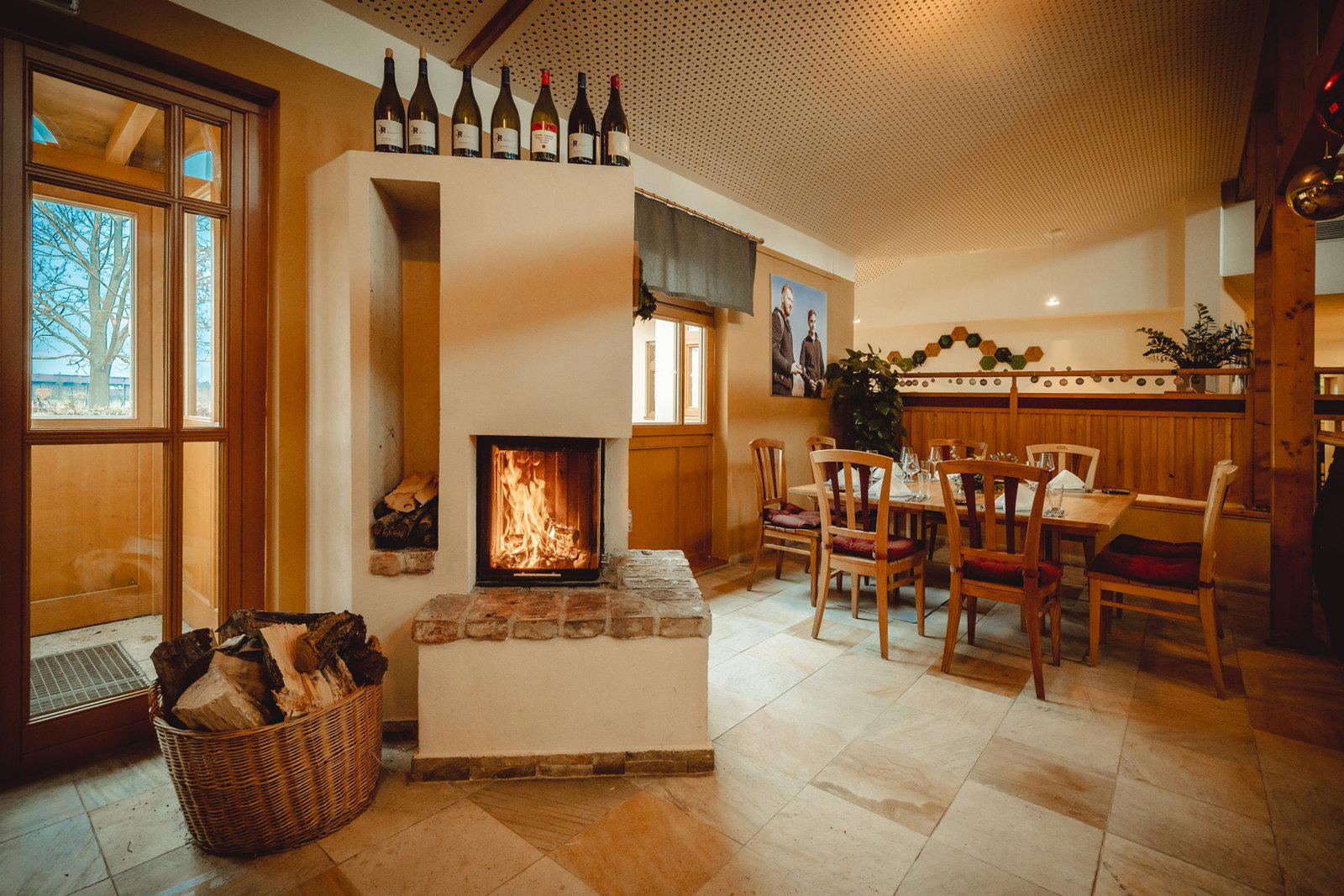
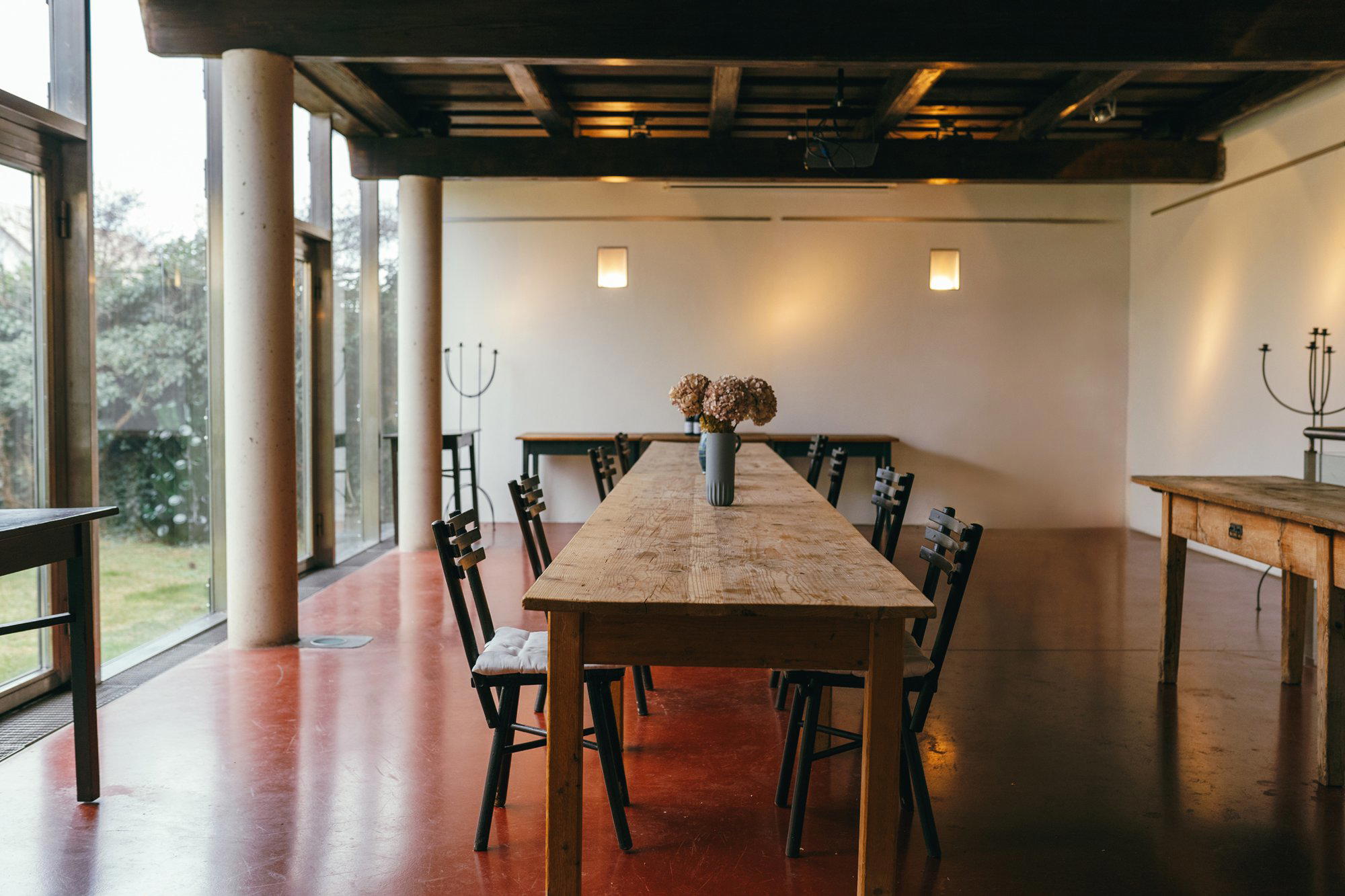
Cozy and elegant atmosphere in the heart of Vienna's historic center with a large outdoor café area.