
World Luxury Hotel Awards WLHA Global Winner
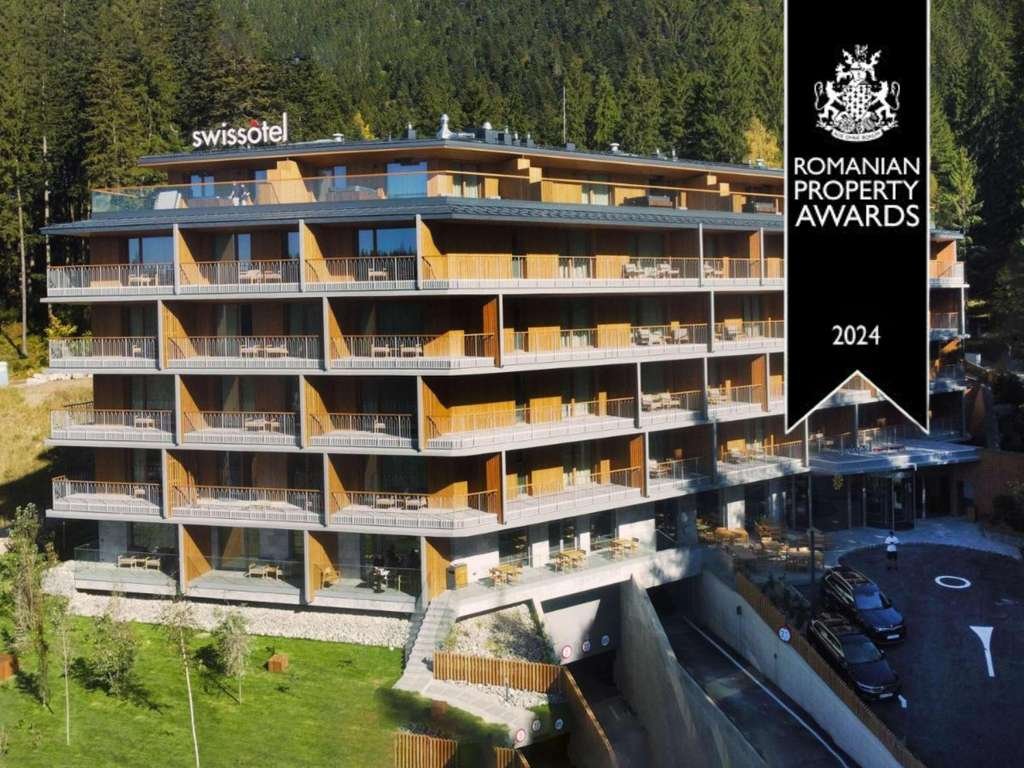
Swissôtel Poiana Brașov sits at the edge of one of Romania's most established ski resorts, where a Global Winner award for architectural design signals something beyond the standard alpine formula. The hotel holds its own against a small cohort of design-led mountain properties in Central and Eastern Europe, earning recognition as a Regional Luxury Mountain Hotel Winner and positioning it distinctly within Brașov's accommodation tier.

Pearl is the En Primeur Club membership app — saves, bookings, and concierge access live there. Same editors, same standards.
- Address
- Drumul Sulinar 9, 500001 Brașov, Romania
- Phone
- +40 368 520 500
- Website
- all.accor.com
- Directions
- Get directions
Architecture as the Argument
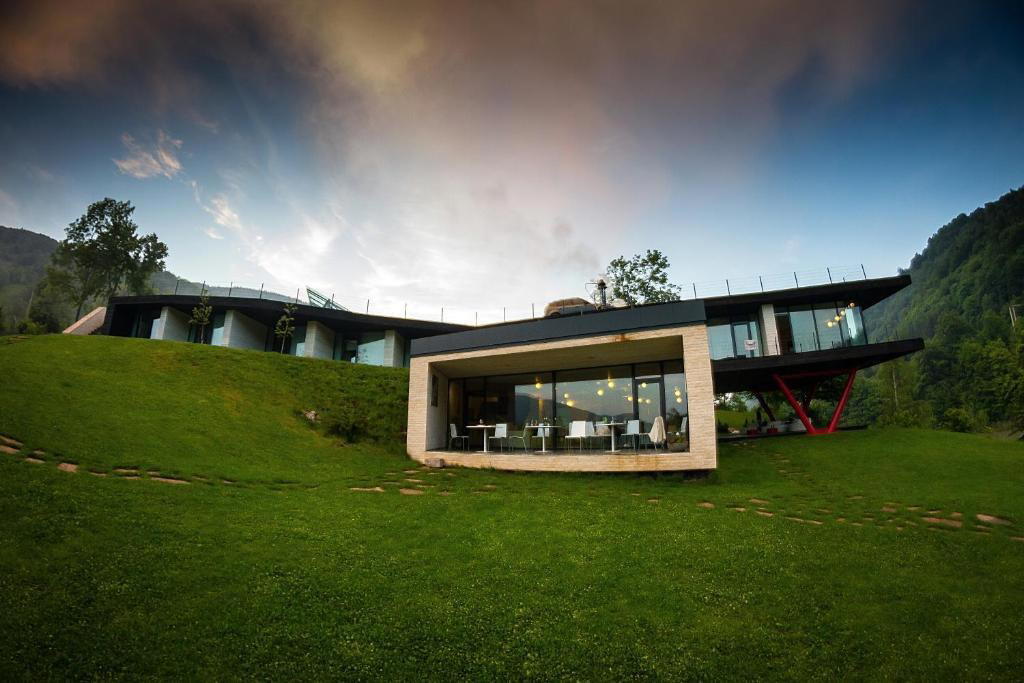
Mountain hotel design in Central and Eastern Europe has long trended toward two poles: the chalet-pastiche that leans on timber cladding and folk motifs, and the boxy international-chain block that imports no sense of place whatsoever. The more interesting work happens in the space between them, where a property commits to a formal architectural position without abandoning its physical context. Swissôtel Poiana Brașov, positioned on Drumul Sulinar in the Poiana Brașov resort zone above the city, sits in that rarer category — a conclusion underlined by its Global Winner award for Leading Architectural Design, an externally verified credential that places the building's physical presence at the centre of its competitive case.
Design awards of that category are not handed for surface styling. They typically reflect decisions about structure, siting, material logic, and how a building performs spatially across different seasons and light conditions. For a mountain property at this latitude, that means the building must read credibly against both summer green and winter white, must manage its relationship to the slope intelligently, and must create interior volumes that feel proportional to the landscape outside rather than defensive against it. Swissôtel Poiana Brașov's recognition in this category positions it alongside a small global cohort of hotels where the architecture itself is the primary editorial statement — more in the tradition of properties like Amangiri in Canyon Point or Castello di Reschio in Lisciano Niccone, where physical form sets the terms of engagement, than in the tradition of badge-collecting resort hotels where design is an afterthought to amenity lists.
Poiana Brașov as a Setting
The resort of Poiana Brașov occupies a plateau roughly 1,000 metres above the city of Brașov, accessed via a winding road through dense fir forest that signals a deliberate departure from the medieval streetscape below. This vertical separation is part of what gives the mountain zone its character: the city functions as a cultural anchor, with its Saxon old town, Black Church, and restaurant corridor, while the plateau operates as a separate world oriented around the ski runs, trails, and the particular stillness that comes with altitude and tree cover.
Within Romanian mountain hospitality, Poiana Brașov holds a reference position. It has been functioning as an organised resort for decades, and its reputation pulls from across Romania as well as from regional European markets. That established demand base means the competitive set on the plateau is not starting from scratch in terms of visitor awareness, but it also means that properties distinguishing themselves above the mid-tier need clear signals. An architectural award of global scope, combined with a Regional Luxury Mountain Hotel designation, provides exactly that differentiation within a resort zone where much of the accommodation stock has converged on similar formats. For a broader view of the wider Brașov area's options, our full Brașov restaurants and hotels guide maps the city's tiered landscape in more detail.
Where It Sits in Romania's Luxury Hotel Picture
Romania's upper accommodation tier has expanded meaningfully over the past decade, though it remains stratified and geographically spread. Bucharest anchors the corporate and grand-hotel category, where properties like the Corinthia Grand Hotel du Boulevard Bucharest operate in a legacy European grand-hotel tradition. The rural and estate category has developed a distinct identity of its own, with properties such as Bethlen Estates Transylvania in Criș and Matca Hotel in Simon addressing a growing appetite for design-conscious retreats embedded in working landscapes. On the water, Lebada Luxury Resort and Spa in Crișan takes a different approach again, anchored in the Danube Delta ecosystem. Swissôtel Poiana Brașov represents the mountain variant of this category expansion: a property that aligns the alpine setting with an internationally recognised design sensibility, rather than treating mountain location as sufficient justification on its own.
At the global reference level, the design ambition implicit in a Leading Architectural Design award connects the Poiana Brașov property to a broader conversation about what luxury mountain hotels can be. Properties like Badrutt's Palace Hotel in St. Moritz demonstrate the long-term value of committing to architectural identity in a mountain resort context, building guest relationships that persist over decades precisely because the physical environment is irreplaceable. Swissôtel Poiana Brașov, working from a different price point and geographic context, pursues a version of that same logic: if the building itself is the credential, it does not compete on interchangeable amenity lists.
Planning Your Stay
Poiana Brașov operates two distinct seasons that reward different visitor profiles. The ski season, running roughly from December through March depending on snowfall, brings the highest demand and the most energy on the plateau. Summer and early autumn, by contrast, offer a quieter version of the same landscape: hiking trails through the fir forest, mountain air without the crowds, and Brașov city as a half-day excursion rather than a transit point. The hotel's architectural design, given its award recognition, is presumably readable across both seasons, which makes a seasonal preference primarily a question of activity rather than experience quality. Booking ahead is advisable for the December-to-March peak period, during which Poiana Brașov attracts both domestic Romanian visitors and regional European ski tourism. For those combining this stay with a wider Romanian itinerary, Hotel Snagov Club near Bucharest offers an alternative register for the return leg.
Travellers familiar with the brand's standard from other markets will find the mountain context here a distinct departure from the urban formats, which is precisely the point. The architectural award suggests the property has committed to that specificity of place rather than defaulting to a transferable brand template. For reference, the award-winning design credentials here place this property in different territory from most international-chain mountain outposts, which tend to prioritise consistency of service format over formal architectural ambition.
At-a-Glance Comparison
Comparable venues nearby, for context on price, style, and recognition.
| Venue | Cuisine | Price | Awards | Notes |
|---|---|---|---|---|
| Swissôtel Poiana BrașovThis venue — the venue you are viewing | Discreet Carpathian luxury with spacious elegance and secluded comfort | $200–300 | World Luxury Hotel Awards WLHA Global Winner | Not listed |
| Kronwell Brasov Hotel | Contemporary luxury boutique hotel with late modernist design aesthetic positioned as a high-design urban lodging destination. | Not listed | Michelin Selected | Centrul Nou |
| Qosmo Brasov Hotel | Contemporary hospitality with dynamic spaces and immersive atmospheres | $1–100 | Michelin Selected | Cartier Coresi |
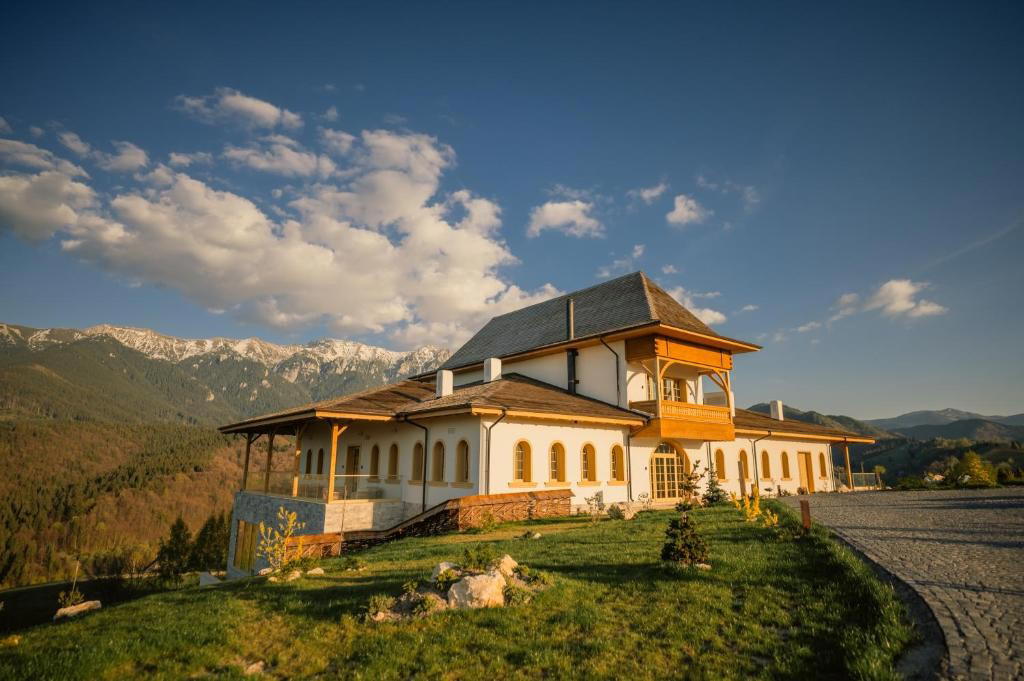
| Matca Hotel | Transylvanian sanctuary blending authentic farmstead style with contemporary luxury | $500–750 | Michelin Selected · Relais Chateaux Award | Simon |
| Grand Hotel Bucharest | High-rise luxury urban hotel with panoramic views. | Not listed | Not listed | Bucharest City-Centre |
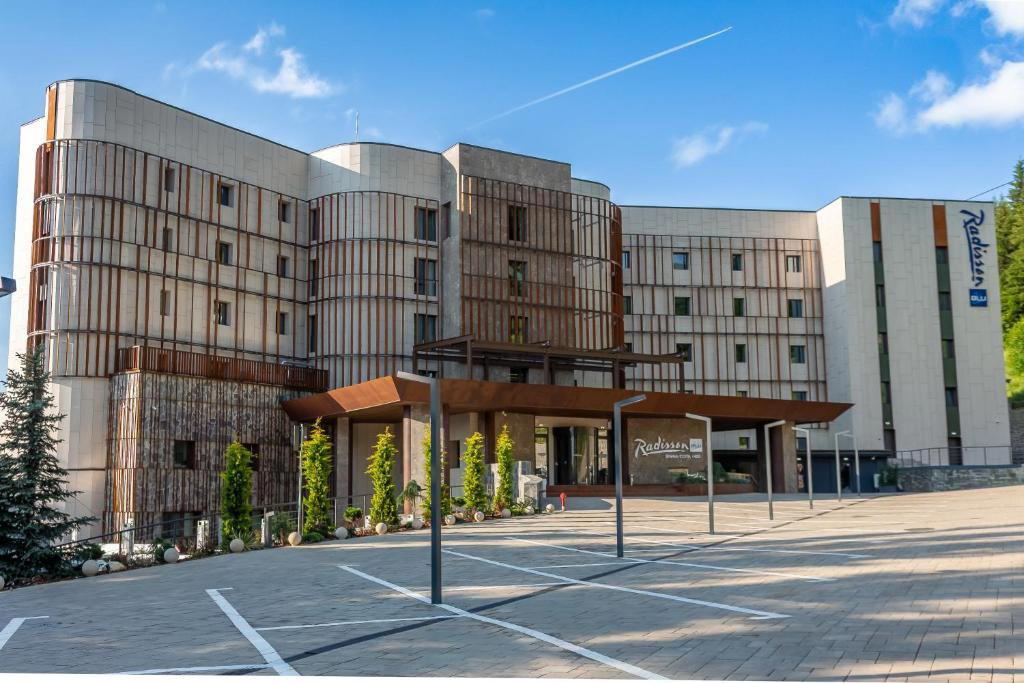
| Radisson Blu Hotel, Bucharest | Contemporary luxury hotel with modern design elements and sophisticated finishes, positioned as an upscale urban destination. | Not listed | Michelin Selected · World Luxury Hotel Awards WLHA Regional Winner | downtown Bucharest |
Recognition history
Dated appearances from independent guides and award organizations, with the underlying list record or original source where available.
World Luxury Hotel Awards WLHA Global Winner
World Luxury Hotel Awards
Full recognition history (2 entries)
World Luxury Hotel Awards WLHA Regional Winner
World Luxury Hotel Awards
Continue exploring
More in Brasov
Hotels in Brasov
Browse all →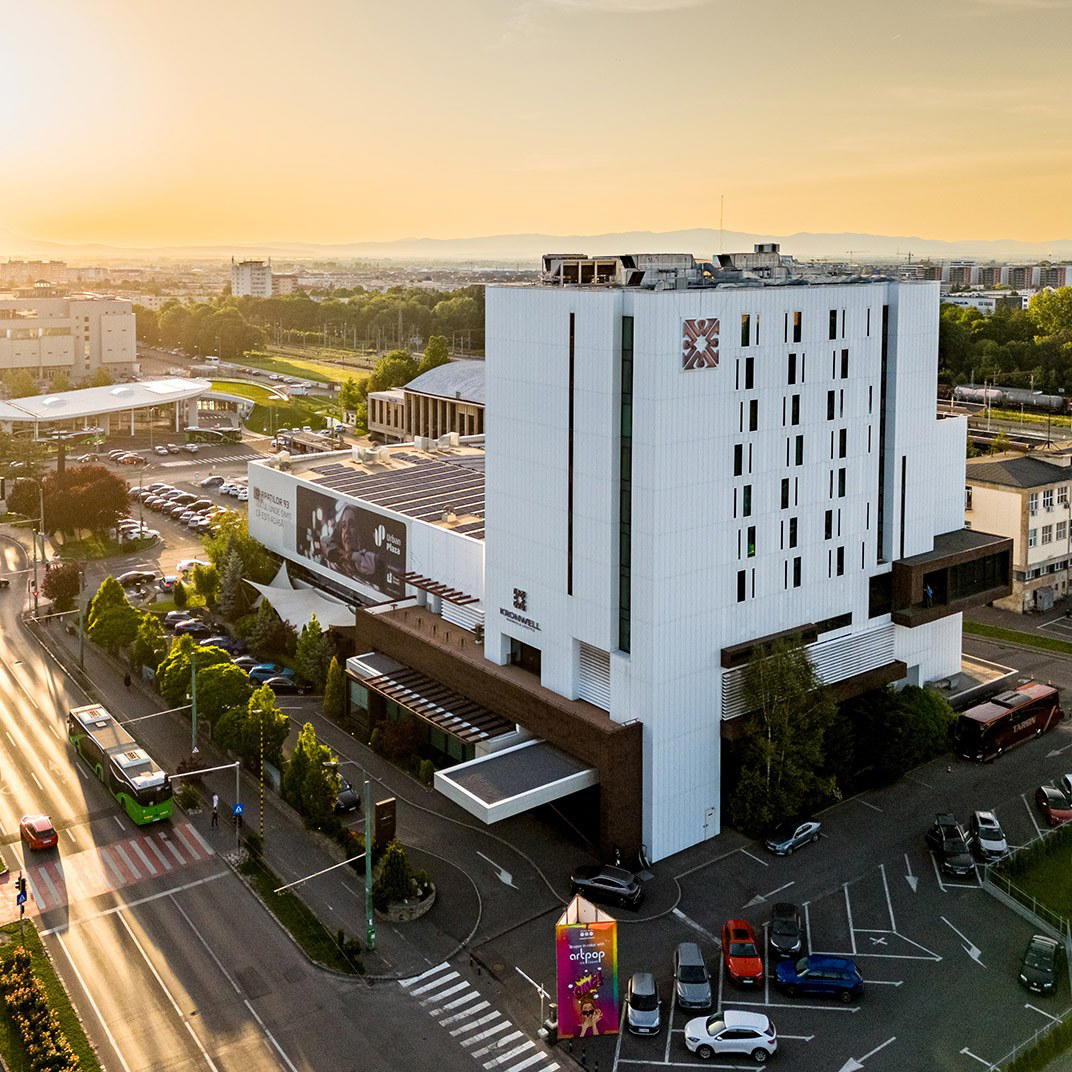
Details
- Elegant
- Sophisticated
- Cozy
- Scenic
- Romantic Getaway
- Family Vacation
- Wellness Retreat
- Ski In Ski Out
- Panoramic View
- Terrace
- Wi Fi
- Pool
- Spa
- Fitness Center
- Sauna
- Room Service
- Concierge
- Restaurant
- Bar
- Mountain
- Wheelchair Accessible
- Elevator
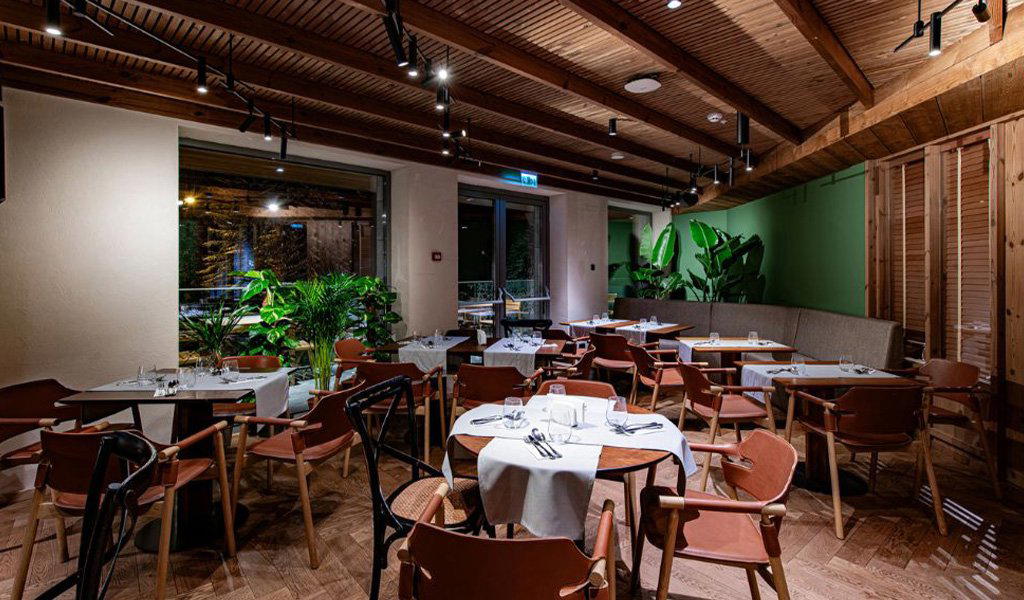
Elegant yet relaxed atmosphere with refined interiors, warm lighting, cozy spaces, and far-reaching mountain views from balconies.