Old Shanghai Restaurant on Strada Mureșenilor brings Chinese cuisine to the heart of Brașov's medieval old town, occupying a rare niche in a dining scene otherwise defined by Central European and Romanian traditions. The address places it steps from the main square, making it one of the more accessible options for those seeking an alternative to the city's dominant Saxon-inflected repertoire.
Pearl is the En Primeur Club membership app — saves, bookings, and concierge access live there. Same editors, same standards.
- Address
- Strada Mureșenilor 11-13, 500026 Brașov, Romania
- Phone
- +40 755 331 188
- Website
- oldshanghai.ro
- Directions
- Get directions
 Saves & bookings on Pearl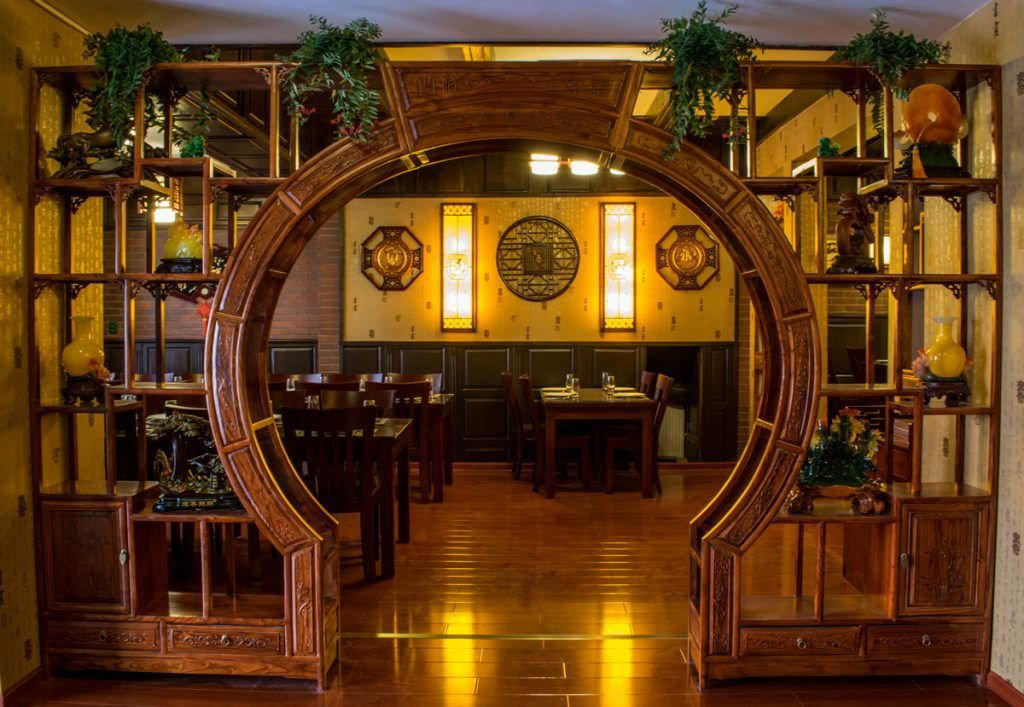
Chinese Dining in a Saxon-Walled City
Brașov's dining scene runs along a fairly predictable axis: Romanian comfort cooking, Saxon-influenced meat dishes, and a growing number of bistro-style European kitchens that serve the city's expanding tourist and professional population. That axis makes Old Shanghai Restaurant, on Strada Mureșenilor 11-13, an outlier worth examining on its own terms. Old Shanghai Restaurant is an Authentic Shanghai Chinese restaurant in Brașov, with. Chinese restaurants in mid-sized Central and Eastern European cities occupy a particular cultural position, they arrived early in the post-communist restaurant boom of the 1990s and have since split into two broad categories: quick, affordable canteen-style operations and slightly more considered dining rooms that attempt regional specificity. Where Old Shanghai sits in that spectrum shapes the experience considerably.
The address itself is telling. Strada Mureșenilor is one of the pedestrianised streets threading through Brașov's old town, within walking distance of Piața Sfatului and the Black Church. In a European city with a well-preserved medieval core, that placement carries a particular logic: Chinese restaurants in historic city centres typically serve a mixed clientele of locals who want something outside the dominant cuisine and tourists who have exhausted the local options or simply prefer familiarity. The physical surroundings create a visual contrast with the interior register that is part of the experience, whether intentional or not.
The Cultural Position of Chinese Food in Romanian Cities
Romania's relationship with Chinese cuisine developed later than in Western Europe and along different lines. During the communist period, culinary exchange was limited, and the restaurant culture that emerged after 1989 initially prioritised domestic and Western European formats. Chinese restaurants entered the scene as exotic novelties and gradually became part of the urban fabric in larger cities like Bucharest and Cluj-Napoca before spreading to secondary cities like Brașov, Timișoara, and Oradea.
That history matters because it shapes expectations in both directions. Chinese restaurants here have historically faced strong adaptation pressure. Dishes tend to migrate toward a broadly recognisable pan-Asian register, sweet, mild, approachable, rather than the more assertive regional specificities of Sichuan peppercorn or Cantonese seafood. The relevant question for a venue like Old Shanghai is how far along that adaptation spectrum it sits, and whether it preserves any of the regional character that distinguishes serious Chinese cooking from its internationalised approximation.
For context, venues like Atomix in New York City demonstrate what happens when Asian culinary traditions are presented with full technical rigour and regional specificity in a Western market, the result is a different category of experience entirely. At the other end of the spectrum, the casual Asian dining that fills mid-market slots in European cities serves a different function: accessible, affordable, neighbourhood-anchored. Old Shanghai operates closer to the latter register, which shapes how diners approach it.
Brașov's Broader Dining Context
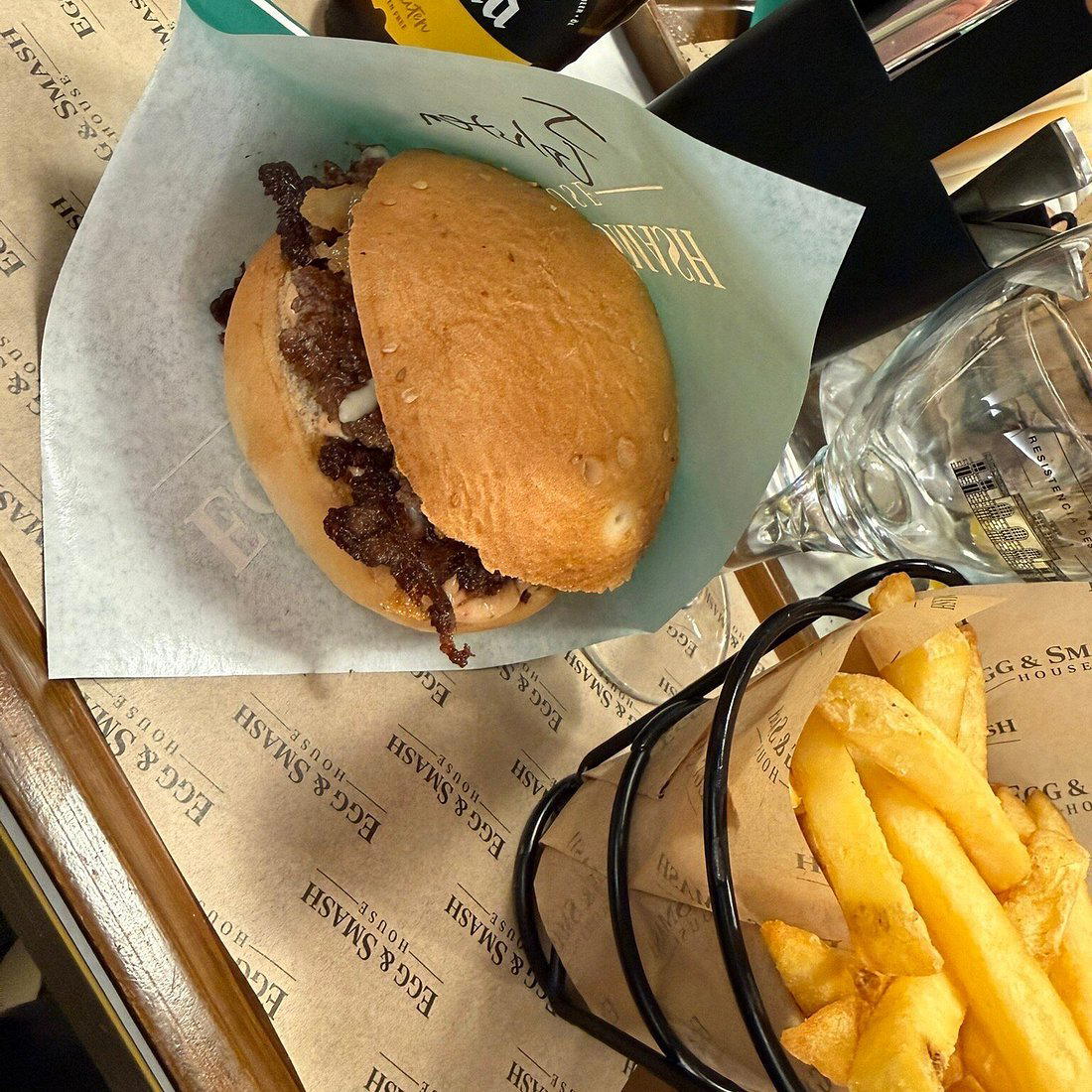
Understanding Old Shanghai requires placing it against the wider Brașov dining picture. The city's restaurant scene has developed considerably over the past decade, with a cluster of well-regarded bistros and casual venues taking shape around the old town. Bistro de l'Arte represents the kind of cultured, European-bistro format that anchors Brașov's mid-to-upper dining tier, while Artegianale and Cartofisserie occupy the casual end with distinct concepts. Egg & Smash House and K Food signal the city's appetite for international formats, with Korean cuisine at K Food representing a direct parallel to Old Shanghai's position as a non-European alternative in a largely European dining ecosystem.
That Asian dining niche in Brașov is worth noting separately. K Food's presence alongside Old Shanghai suggests a small but real appetite for East Asian cuisines among the city's population and visitor base. The two venues serve different culinary traditions but share a structural role: they give diners an alternative to the Romanian-European axis that dominates the scene. Whether that shared positioning creates direct competition or complementary demand depends on how narrowly individual diners define their preferences.
For those building a fuller picture of Romanian dining beyond Brașov, Caru' cu bere in Bucharest shows the domestic tradition at its most architecturally ambitious, while Bogdania Bistro represents the contemporary Romanian bistro format. Further afield, Eat IT casual gourmet kitchen in Oradea and Lo Sfizio in Targu Mures illustrate how other secondary Romanian cities are building their own distinct dining identities.
Planning Your Visit
Old Shanghai Restaurant is located at Strada Mureșenilor 11-13, in Brașov's pedestrianised old town core, making it direct to reach on foot from the main square. The restaurant is recommended for reservations and is open daily from 11 AM to 10 PM, so planning ahead is wise on busy evenings. The old town's compact geography means that if the restaurant is at capacity, alternatives, including the venues listed in our city guide, are within a short walk.
Pricing, Compared
Comparable venues nearby, for context on price, style, and recognition.
| Venue | Cuisine | Price | Notes |
|---|---|---|---|
| Old Shanghai RestaurantThis venue — the venue you are viewing | Centru, Authentic Shanghai Chinese | $$ | Not listed |
| Artegianale | Not listed | $$ | Brasov Old Town, Authentic Italian Bistro & Wine Bar |
| La Birou Bistro | old town, European Breakfast Bistro | $$ | Not listed |
| Rockstadt | central Brasov, Rock Bar Snacks | $$ | Not listed |
| Cartofisserie | City Center, Belgian Fries Street Food | $ | Not listed |
| Egg & Smash House | Not listed | $$ | Cincsor, American Smash Burgers & Breakfast |
Continue exploring
More in Brasov
Restaurants in Brasov
Browse all →
At a Glance
- Classic
- Casual Hangout
Current opening hours
- Monday
- 11 AM–10 PM
- Tuesday
- 11 AM–10 PM
- Wednesday
- 11 AM–10 PM
- Thursday
- 11 AM–10 PM
- Friday
- 11 AM–10 PM
- Saturday
- 11 AM–10 PM
- Sunday
- 11 AM–10 PM
Hours can change for holidays and private events. Last verified .
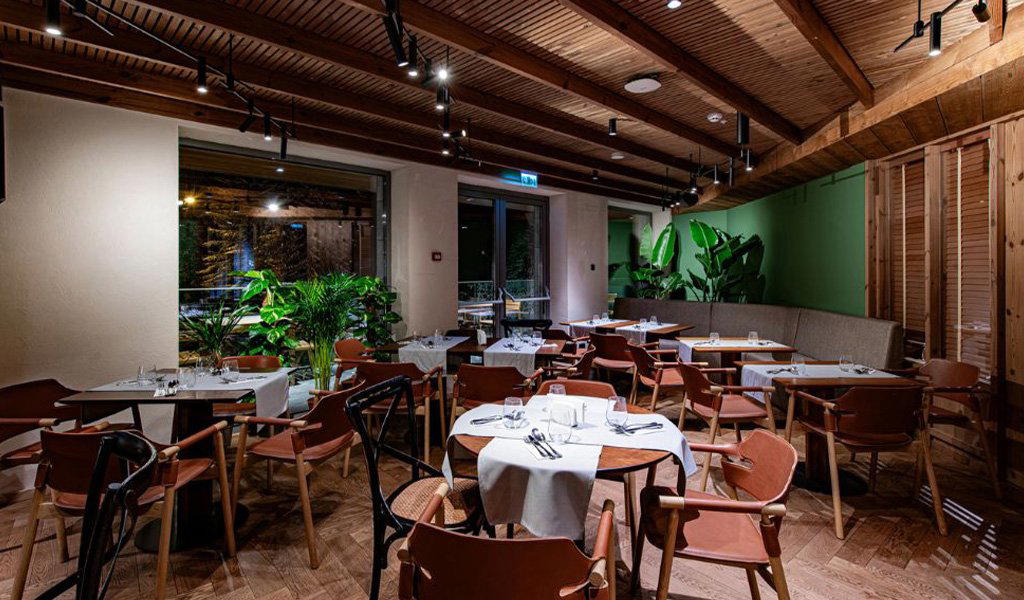
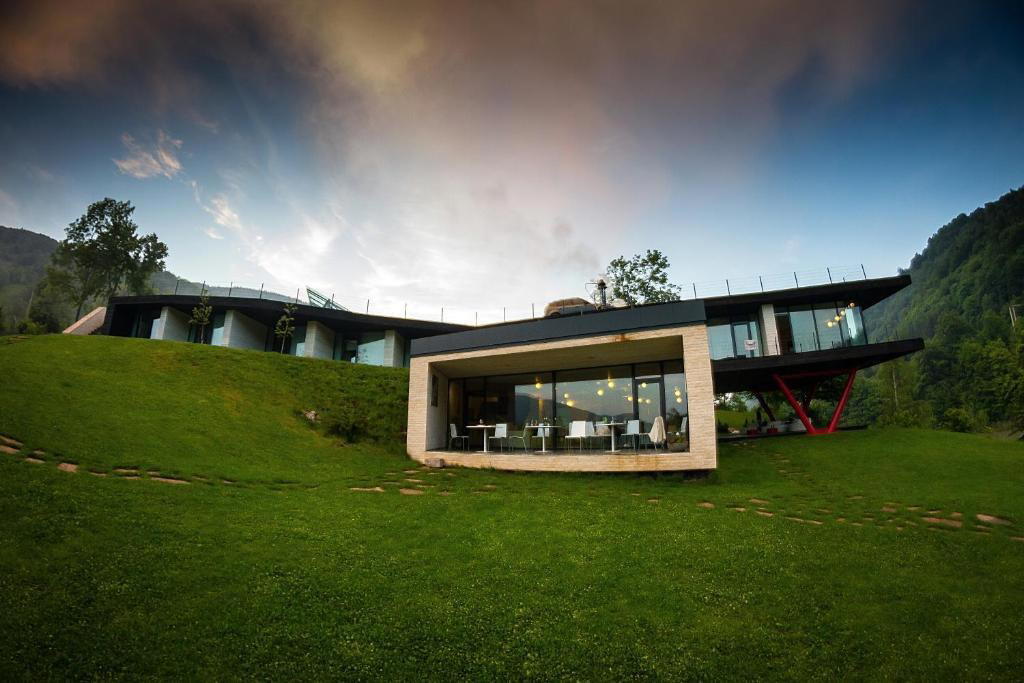
Chinese-inspired interior blending modern and relaxed elements with large windows.