Arrocería Da Gusto sits in Carabanchel, one of Madrid's most characterful southern districts, and anchors itself in the rice-forward cooking tradition that connects the Spanish capital to the Levantine coastline. The arrocería format — built around slow, disciplined rice preparation rather than a broad menu — places it in a specialist tier where technique and sourcing do the heavy lifting.
Pearl is the En Primeur Club membership app — saves, bookings, and concierge access live there. Same editors, same standards.
- Address
- Av. de los Poblados, 131, Carabanchel, 28025 Madrid, Spain
- Phone
- +34913410731
- Website
- arroceriadagusto.es
- Directions
- Get directions
 Saves & bookings on Pearl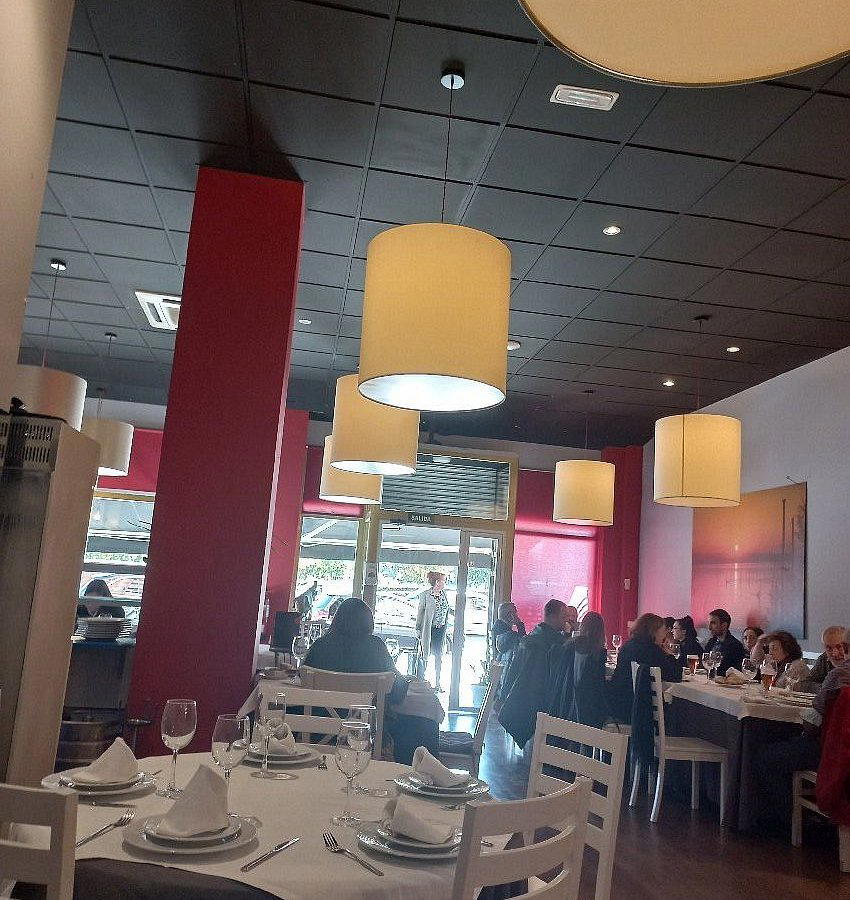
Rice as a Serious Discipline in Madrid's South
Carabanchel has spent the better part of two decades moving from a neighbourhood that Madrileños drove through to one they seek out. The southern districts of Madrid carry a different culinary logic to the centro: less theatre, more craft, and a clientele that returns for consistency rather than spectacle. Within that context, the arrocería format makes particular sense. Rice-centred dining in Madrid is a specific proposition — it references the Valencian and Alicantine traditions that define Spain's most technically demanding grain cookery, but filtered through a capital-city lens that tends toward informality and abundance rather than ceremony.
Arrocería Da Gusto, on Avenida de los Poblados in the 28025 postal district, occupies this specialist territory. The arrocería as a category differs from a paella restaurant in the way a chophouse differs from a steakhouse: the former implies a depth of focus and range across rice preparations — caldosos, melosos, secos, arroz al horno, where the latter often signals a single crowd-pleasing format. That distinction matters when assessing where a place like this sits relative to Madrid's broader dining offer.
The Wider Scene: Where Arrocerías Sit in Madrid's Dining Structure
Madrid's premium dining conversation is dominated, correctly, by its creative fine-dining addresses. DiverXO, Coque, Deessa, DSTAgE, and Paco Roncero represent the Michelin-recognised upper tier, with tasting menus, wine pairings, and the full apparatus of contemporary Spanish gastronomy. But that tier co-exists with a parallel track of specialist restaurants, the taberna, the marisquería, the asador, and the arrocería, that serve different purposes in the city's food culture and are often where Madrileños themselves eat most regularly.
The arrocería sits in this second track, but it is not a lesser category. Spain's most serious rice cooking, the kind practised at addresses like Quique Dacosta in Dénia or interpreted through the lens of Valencian tradition at Ricard Camarena in València, demands as much technique and sourcing rigour as any tasting menu. The difference is that the discipline is concentrated: a single grain, multiple preparation methods, a kitchen organised around the specific physics of absorption, crust formation, and stock reduction.
Editorial Angle: Thinking About the Wine Question
The assigned editorial angle here is the wine list, and it surfaces something worth examining about the arrocería format more broadly. Rice-centred cooking creates a specific pairing challenge. The Maillard-crust richness of a socarrat, the umami depth of a caldoso built on shellfish stock, the lighter salinity of a rice cooked with vegetables alone: these are quite different targets, and an arrocería that takes its wine programme seriously needs to span a wider range than its format might suggest at first glance.
In Spain's leading specialist restaurants, the wine list tends to reflect the kitchen's sourcing logic. Addresses where the rice comes from designated appellations in the Albufera or the Calasparra growing zones often build their cellars with the same geographic specificity, leaning into the white wines of Valencia and Alicante, the manzanillas and finos that cut through socarrat fat, and the structured reds of Priorat or Ribera del Duero for meat-based preparations.
For context, this curatorial approach to pairing regional food with regional wine is visible across Spain's serious dining scene. El Celler de Can Roca in Girona and Mugaritz in Errenteria both maintain cellars where the geographic logic of the cuisine is mirrored in the wine selection, a practice that raises the standard for specialist restaurants of all formats across Spain.
Carabanchel as Context
The address is worth taking seriously as a locating signal. Avenida de los Poblados runs through a part of Carabanchel that has seen sustained investment in neighbourhood hospitality over the past decade, driven partly by rising rents in central Madrid pushing independent operators south and partly by a local population that has always prioritised eating well over eating expensively. The district's dining culture skews toward substance: larger portions, shared formats, and a preference for cooking that rewards knowledge of the ingredient rather than the chef's biography.
That environment suits the arrocería well. Rice is a democratic food in Spain, present at every social register, but cooking it correctly is an exacting business. The socarrat alone, the caramelised crust at the base of a paella pan that many consider the defining test of a rice kitchen, requires precise heat management and confident timing. Getting it right consistently is what separates a rice specialist from a restaurant that happens to serve paella.
Placing Da Gusto in Spain's Broader Rice Tradition
Spain's rice tradition extends far beyond Valencia, even if Valencia provides the canonical reference point. Alicante's arroz a banda, rice cooked in fish stock, served separately from the fish, is a different technical and flavour proposition. Murcia's arroz caldero brings a darker, more intense stock profile. These regional distinctions matter when thinking about what an arrocería in Madrid is actually doing: drawing on a diverse national tradition rather than replicating a single regional format.
Across Spain more broadly, the leading addresses treating this tradition with rigour include Aponiente in El Puerto de Santa María, where marine-forward cooking elevates seafood preparations to a level comparable to any tasting menu format, and Cocina Hermanos Torres in Barcelona, where the range and technical ambition of Spanish regional cooking is treated as material for serious creative work. The arrocería format, at its finest, belongs in a conversation with these addresses, not in opposition to them, but as a specialist counterpart that goes deeper on a single ingredient family.
Planning a Visit
Arrocería Da Gusto sits on Avenida de los Poblados in the Carabanchel district, accessible from central Madrid via the Metro's Line 5, which serves the area from Callao and Ópera. Carabanchel operates on a slightly earlier dining clock than the centro, arriving at lunch service between 2pm and 3pm, which is when rice preparations are typically at their leading and the kitchen is at full attention, makes practical sense. For comparison addresses within Madrid's broader premium dining tier, see our full Madrid restaurants guide and profiles for DSTAgE and Deessa. For Spain's wider range of serious cooking, Azurmendi in Larrabetzu, Martin Berasategui in Lasarte - Oria, and Atrio in Cáceres offer points of reference across different regions and formats. Internationally, Le Bernardin in New York City and Lazy Bear in San Francisco illustrate the kind of specialist focus, seafood and communal tasting format respectively, that parallels the arrocería's own category discipline.
Continue exploring
More in Madrid
Restaurants in Madrid
Browse all →
Bars in Madrid
Browse all →
Hotels in Madrid
Browse all →


At a Glance
- Classic
- Cozy
- Group Dining
- Family
- Standalone
Current opening hours
- Monday
- Closed
- Tuesday
- 9 AM–12 AM
- Wednesday
- 9 AM–12 AM
- Thursday
- 9 AM–12 AM
- Friday
- 9 AM–12 AM
- Saturday
- 9 AM–12 AM
- Sunday
- 9 AM–12 AM
Hours can change for holidays and private events. Last verified .
Clean, nice, and elegant atmosphere with a relaxed and friendly vibe as described in guest reviews.
Know Before You Go
- Getting there
- Av. de los Poblados, 131, Carabanchel, 28025 Madrid, Spain