ARDA
ARDA occupies Roma Norte's increasingly serious dining corridor, where the neighbourhood's appetite for ingredient-led cooking has matured well beyond trend. Situated on San Luis 155, the restaurant positions itself within Mexico City's broader shift toward culturally rooted, technique-conscious cuisine, a movement that has reshaped how the capital's dining scene reads internationally over the past decade.
Pearl is the En Primeur Club membership app — saves, bookings, and concierge access live there. Same editors, same standards.
- Address
- San Luis 155, Roma Nte., Cuauhtémoc, 06700 Ciudad de México, CDMX, Mexico
- Phone
- +525521559769
- Website
- arda.restaurant
- Directions
- Get directions
 Saves & bookings on Pearl
Roma Norte and the Architecture of Serious Eating
San Luis 155 sits in a part of Roma Norte that has quietly accumulated some of Mexico City's more considered restaurants over the last several years. What Roma Norte offers instead is density of intention: blocks where a tamal cart, a natural wine bar, and a reservation-only tasting counter can coexist without apparent contradiction. ARDA is a restaurant in Mexico City serving Modern Smoke and Fire Grill cuisine at a price tier around USD 50 per person. The address alone places it in a conversation with a dining corridor that rewards walking slowly and eating carefully.
Mexico City's restaurant generation that came of age in the 2010s built its identity on a specific argument: that Mexican cuisine, properly understood, did not need European scaffolding to earn serious attention. Pujol and Quintonil carry particularly recognisable names in that story, but the deeper shift has moved through dozens of smaller rooms across the city, including Roma Norte, where ARDA has staked its position.
The Cultural Weight of What Mexico City Eats
To understand what a restaurant like ARDA is doing, it helps to understand what Mexican cuisine has been arguing about for the better part of three decades. The country's food is not one thing. It is a set of deeply regional traditions, Oaxacan mole with its twenty-plus ingredients and multi-day preparation, the seafood-forward cooking of Veracruz, the masa cultures of Michoacán, that have only recently begun to find serious representation in the capital's fine-dining tier. For much of the twentieth century, prestige dining in Mexico City meant French or Continental. The correction, when it came, was significant.
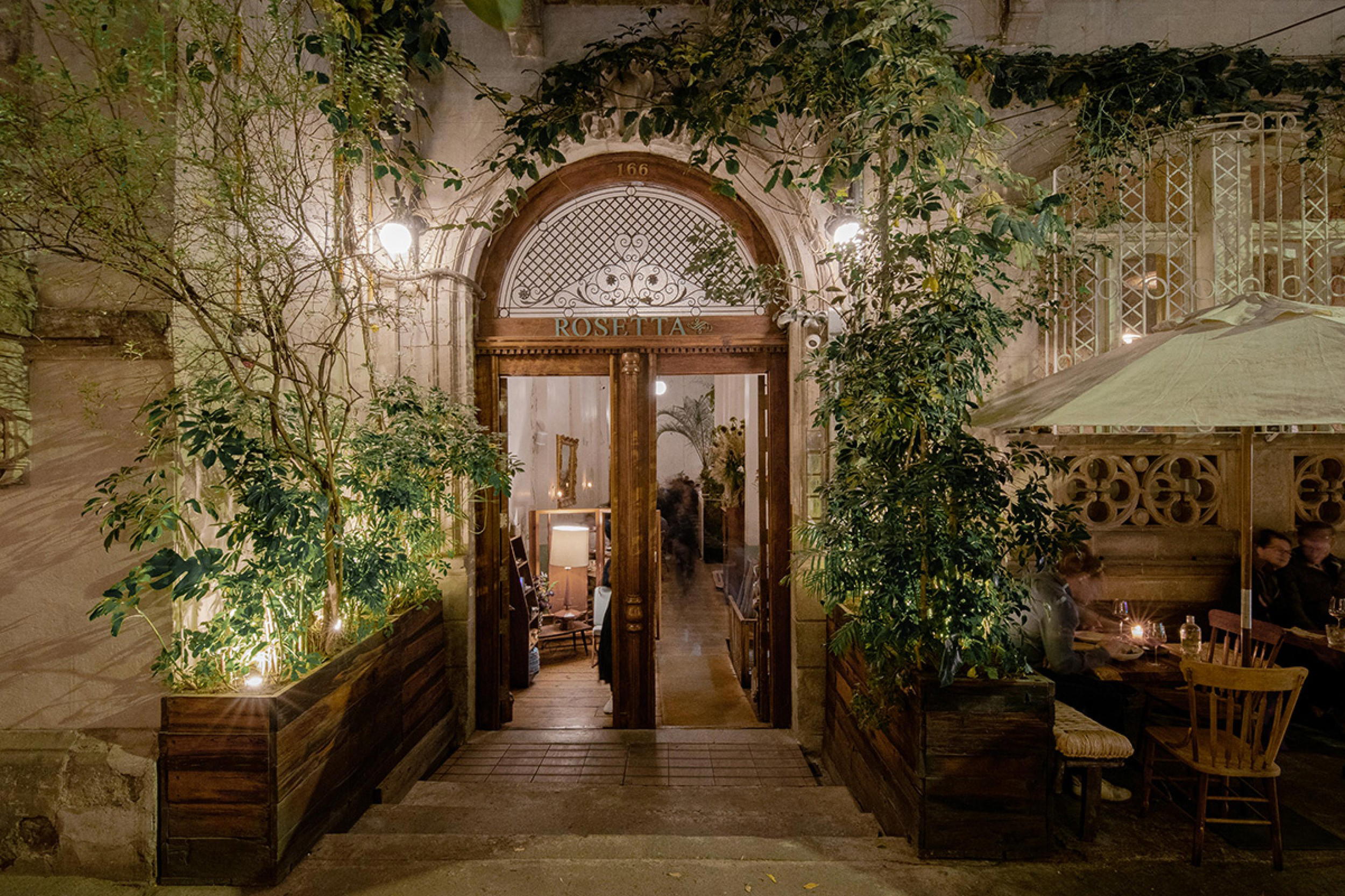
That correction produced a generation of restaurants that treat Mexican ingredients and techniques not as local colour applied to a European frame, but as the structural logic of the meal itself. Em and Rosetta represent different inflections of this tendency in the city, one more deeply rooted in Mexican produce and tradition, the other working a creative Italian grammar through local sourcing. ARDA's address in Roma Norte places it inside the same broader movement, where the question is not whether to engage with Mexican culinary identity but how specifically and how honestly to do so.
This is the context against which any serious restaurant in this part of the city is measured. It includes places like Animalón in Valle de Guadalupe, where the fire-led cooking reflects Baja's agricultural abundance, or Levadura de Olla in Oaxaca, where the kitchen draws on deep pre-Hispanic fermentation knowledge. Mexico's restaurant conversation is now national in scope, and what happens in Roma Norte is read against what is happening in Oaxaca, Monterrey, Guadalajara, and the Yucatán Peninsula simultaneously.
Where ARDA Sits in the City's Current Tier Structure
Mexico City's dining tier structure has become more granular than it was even five years ago. At the leading, a handful of rooms compete for international list placement and operate at price points that align with major global cities. Below that sits a substantial mid-to-upper tier, restaurants charging meaningfully for a serious meal without reaching the price level of the flagship names. This is where much of the city's most interesting cooking currently lives, and where a Roma Norte address like ARDA's tends to operate.
For comparison: Sud 777 has built a strong following in Pedregal through its garden-to-table discipline, while the tasting format at places like Le Chique in Puerto Morelos represents a more theatrical, high-production end of Mexican fine dining. ARDA's Roma Norte positioning implies something more interior-facing: a room where the food is expected to do the talking without elaborate ceremony. That is a reasonable expectation in a neighbourhood that has seen enough trend cycles to be sceptical of spectacle.
Across Mexico, the broader category of ingredient-led, culturally rooted restaurants has expanded considerably. Alcalde in Guadalajara, KOLI Cocina de Origen in Monterrey, and Pangea in San Pedro Garza García each demonstrate that the capital no longer holds a monopoly on serious Mexican cooking. That national spread has raised standards and narrowed the margin for complacency in any individual city room.
Reading the Room: What the Address Tells You
Roma Norte in 2024 is not the neighbourhood it was in 2010, when it was still more associated with weekend brunch queues than with serious evening dining. The area has graduated. Rents have followed international attention, which means the restaurants that have opened or survived here in the last few years have done so with some degree of deliberate positioning. A room on San Luis operates alongside a cluster of addresses that include natural wine programs, mezcal-forward bars, and kitchens that source from named producers in the central highlands and the southern states.
That local density matters for how ARDA should be approached. This is not a destination that exists in isolation. It sits inside a walkable evening that might begin with a mezcal at a nearby bar and continue through several courses of cooking that draws on traditions reaching back centuries. The cultural weight of what ends up on the table in this part of the city is real.
Internationally, readers tracking where Mexico's food culture sits relative to other major dining cities will find useful comparisons in rooms like Le Bernardin in New York or Lazy Bear in San Francisco, both of which have grappled, in different ways, with the same question of how a national food identity earns global respect on its own terms. Closer to home, Arca in Tulum, HA' in Playa del Carmen, and Lunario in El Porvenir round out a picture of how Mexico's serious restaurants are now distributed across different environments, from jungle clearings to wine country to the capital's dense residential neighbourhoods.
Olivea Farm to Table in Ensenada is worth noting for anyone building a sense of how Mexican produce-led cooking differs by region; the northern Pacific coastline produces a different kind of restraint than the chilli-rich, smoke-forward traditions of the south.
Reputation First
Comparable venues nearby, for context on price, style, and recognition.
| Venue | Cuisine | Price | Notes |
|---|---|---|---|
| ARDAThis venue — the venue you are viewing | Modern Smoke and Fire Grill | $$$ | Not listed |
| Blanco Castelar | Mexican-European Fusion | $$$ | Polanco Chapultepec |
| Pietro el Pedro | Italian-Mexican Fusion | $$ | Lomas de Virreyes |
| Maza Bistrot | Indian-French Fusion Bistro | $$$ | Juarez |
| Judas Cocina Migrante | Arab-Mexican Fusion | $$$$ | Roma Norte |
| Ling Ling Mexico | Modern Pan-Asian Izakaya | $$$$ | Nva Anzures |
Continue exploring
More in Mexico City
Restaurants in Mexico City
Browse all →
Bars in Mexico City
Browse all →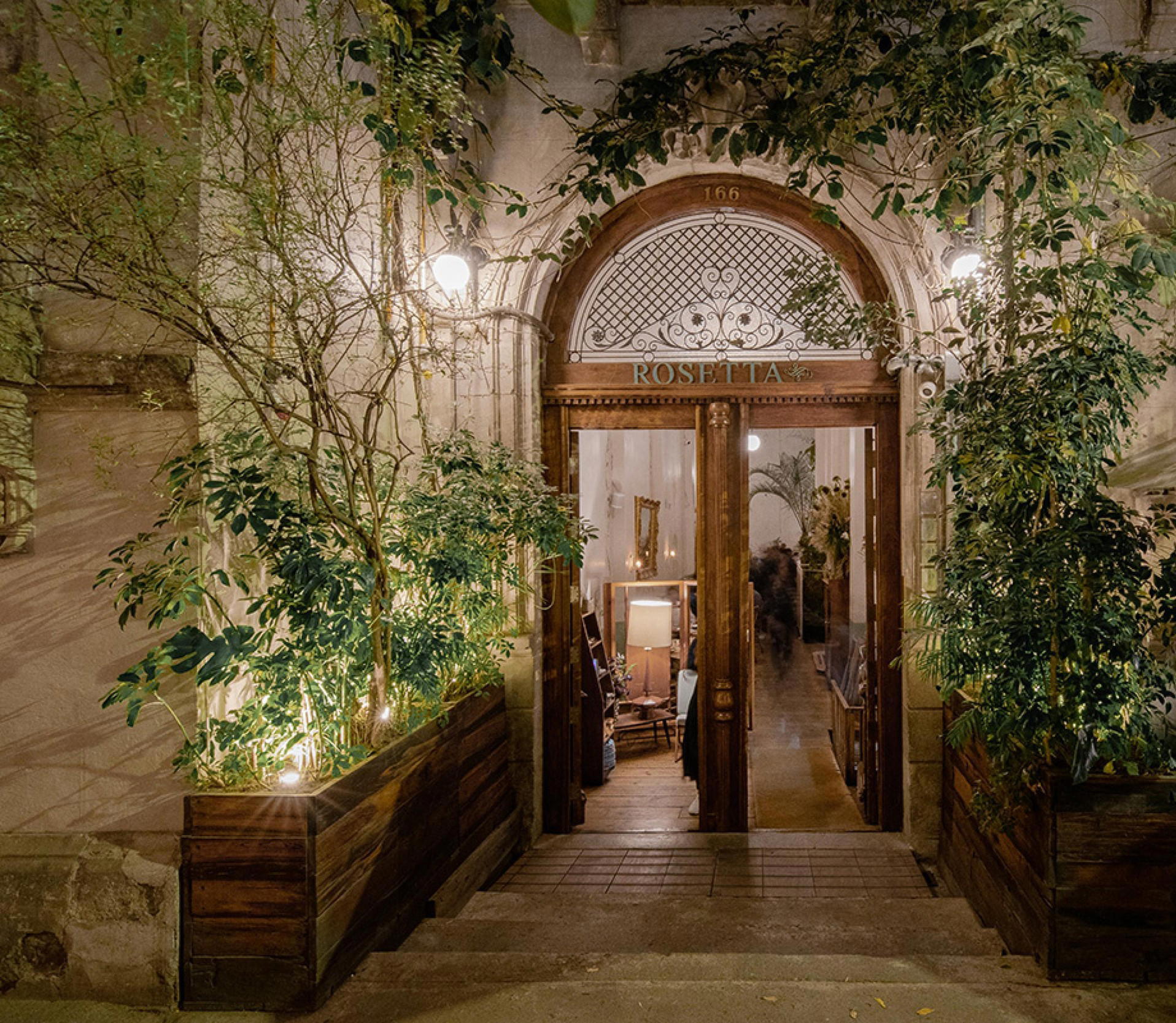
At a Glance
- Trendy
- Modern
- Elegant
- Date Night
- Group Dining
- Special Occasion
- Garden
- Open Kitchen
- Extensive Wine List
- Craft Cocktails
- Local Sourcing
- Garden
Current opening hours
- Monday
- 1 PM–12 AM
- Tuesday
- 12 AM–12 PM, 1 PM–12 AM
- Wednesday
- 1 PM–12 AM
- Thursday
- 1 PM–12 AM
- Friday
- 1 PM–12 AM
- Saturday
- 1 PM–12 AM
- Sunday
- 1–6 PM
Hours can change for holidays and private events. Last verified .
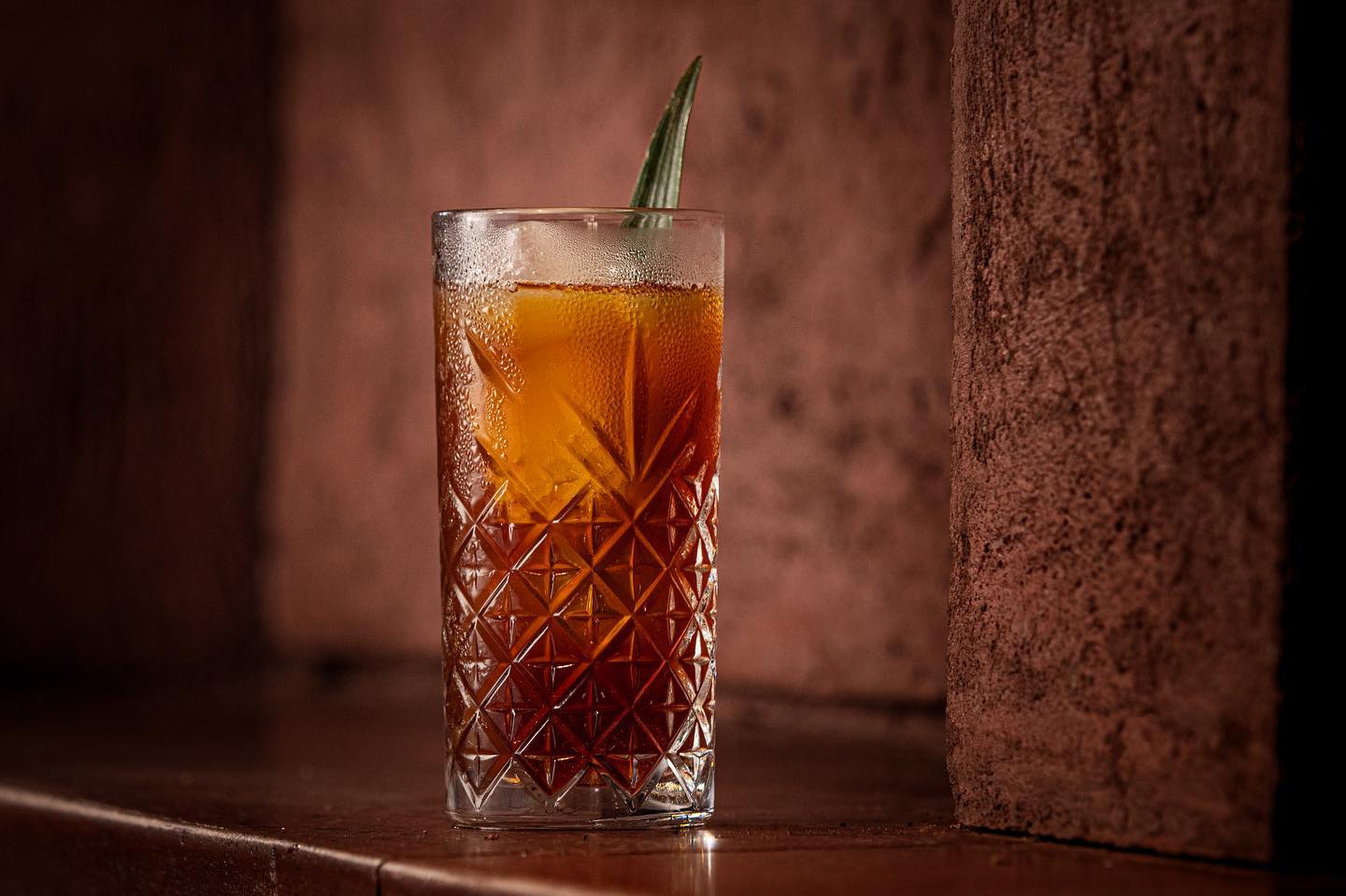
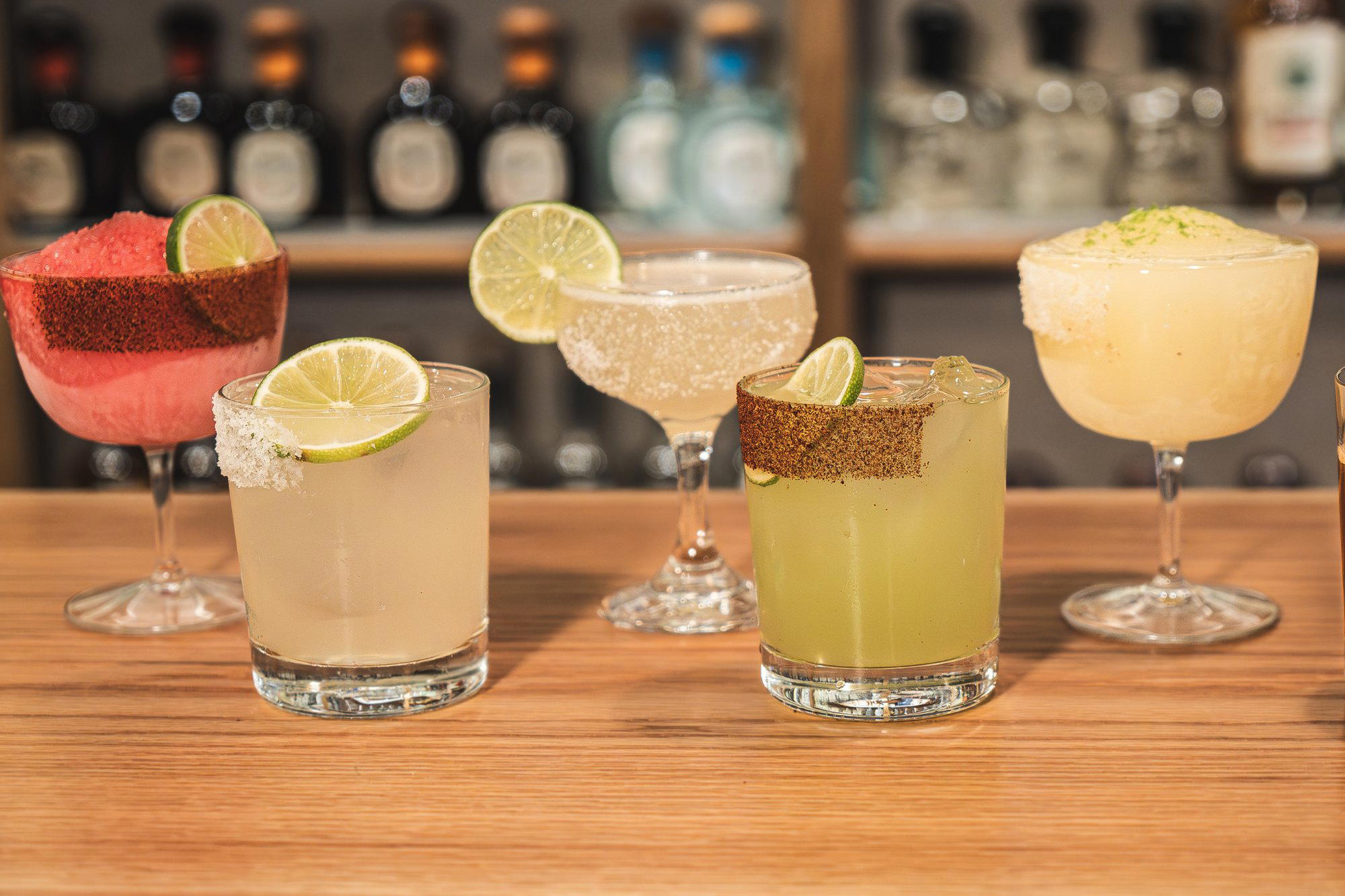
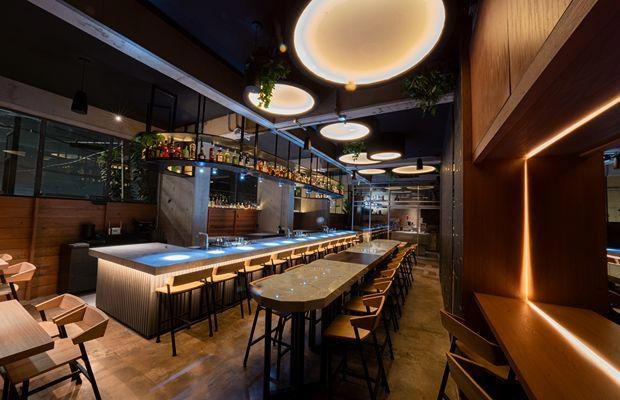
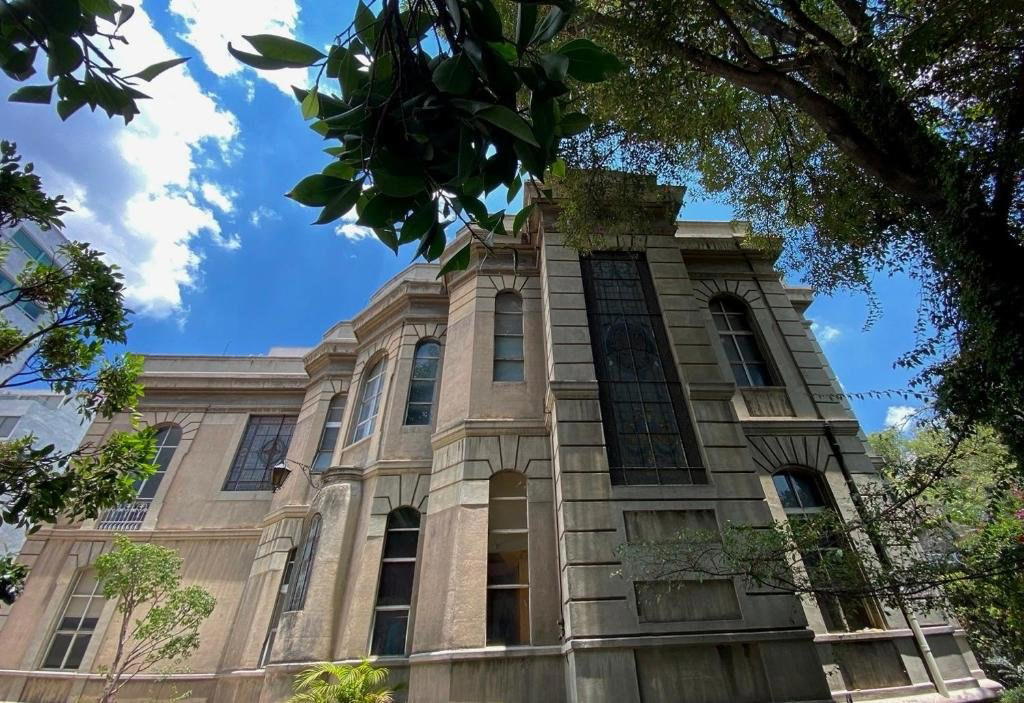
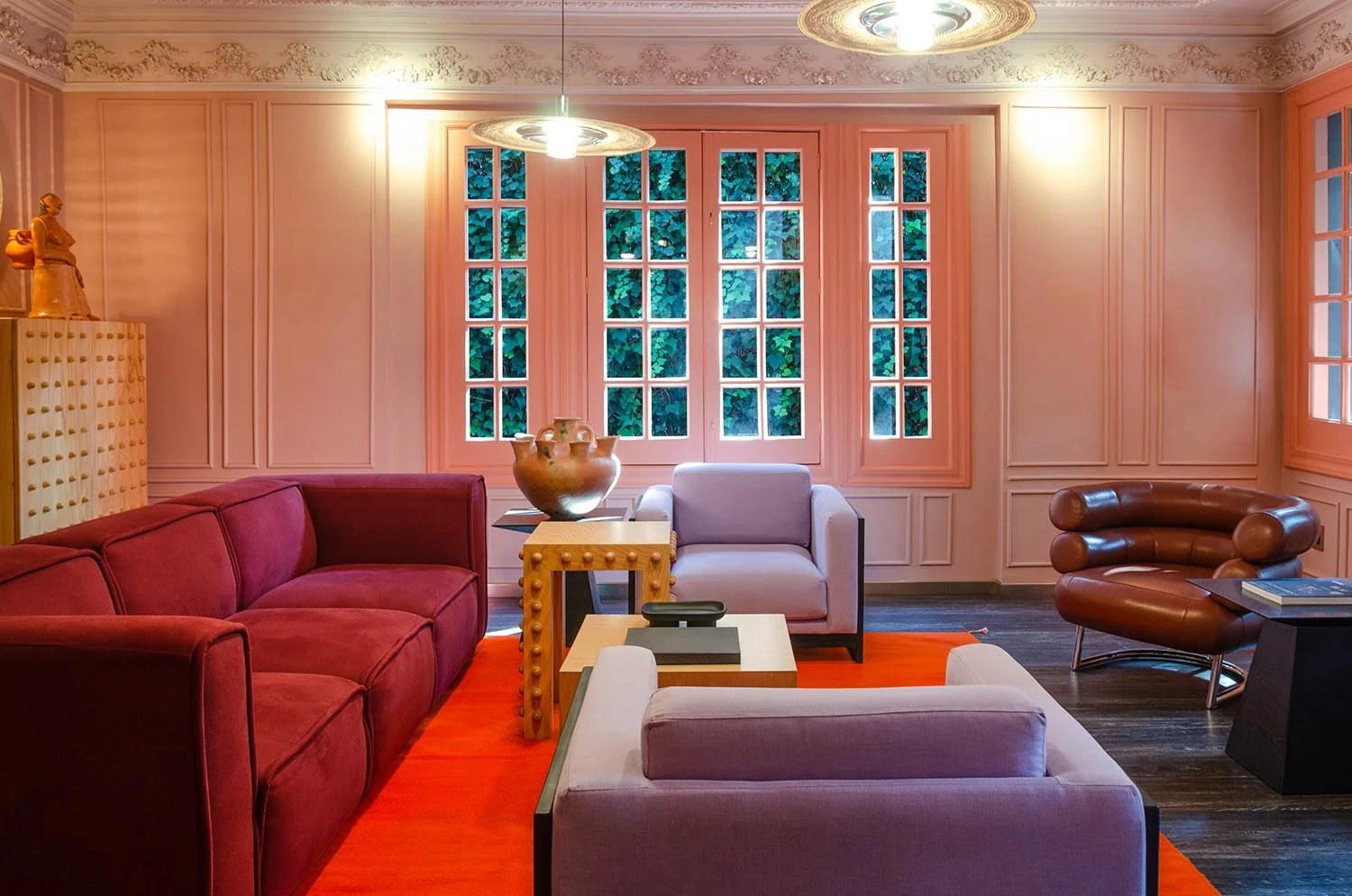
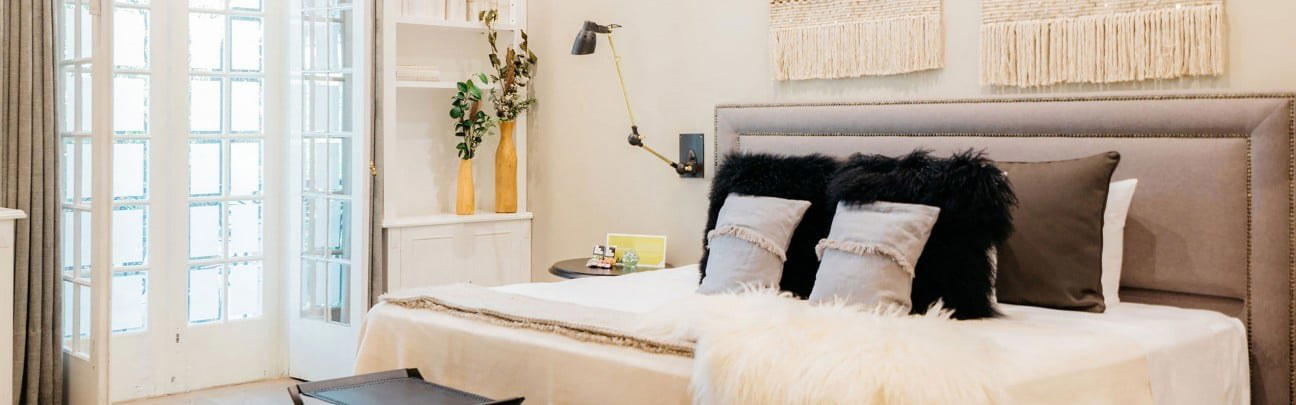
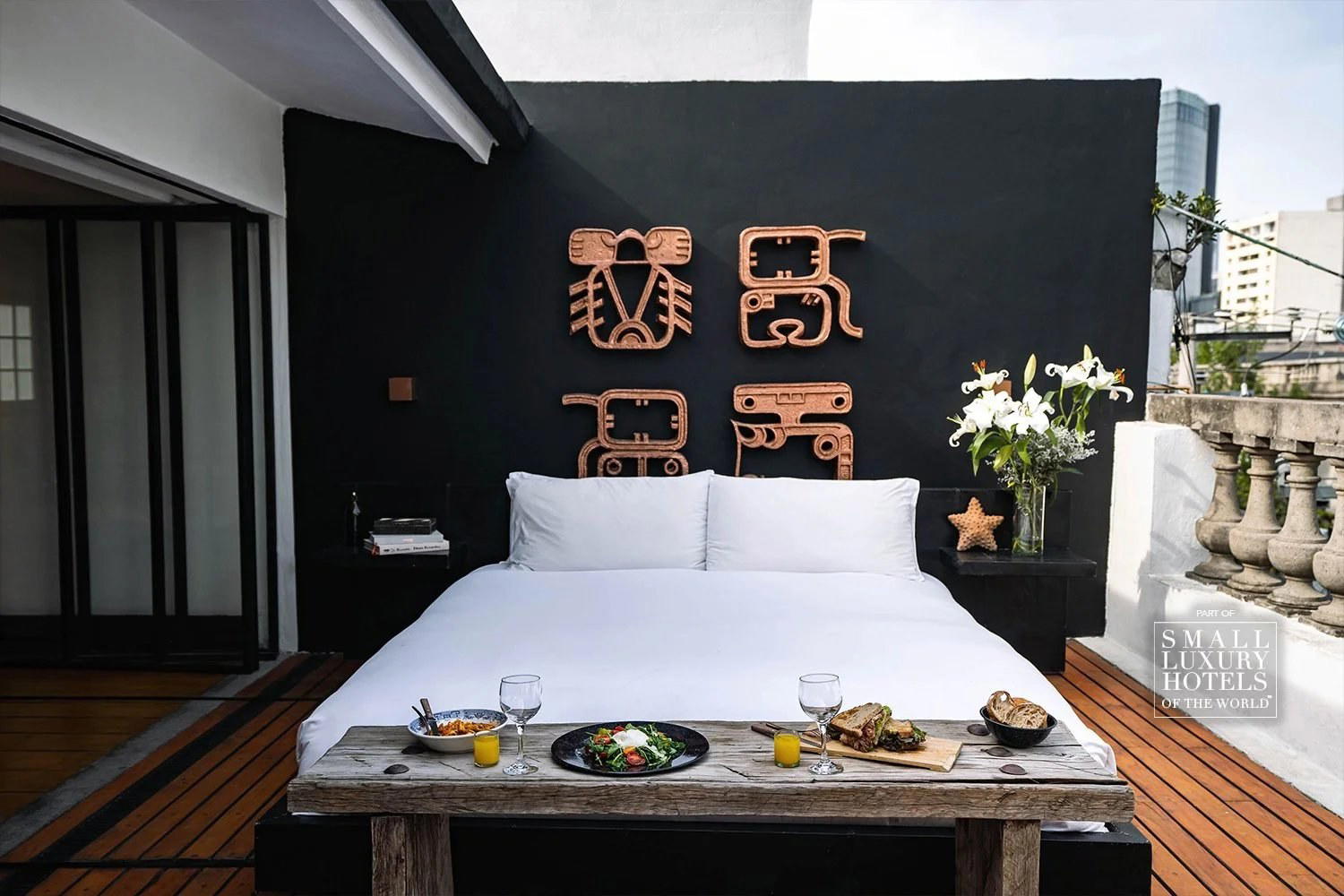
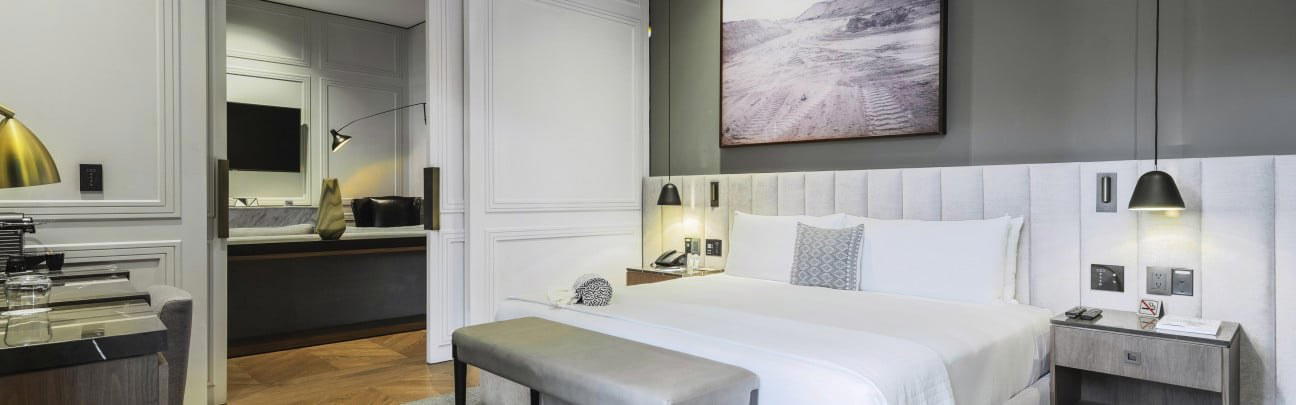
Fire-kissed atmosphere with garden dining and elemental flavors evoking warmth and sharing.