Judas Cocina Migrante
Judas Cocina Migrante operates on Durango 186-A in Colonia Roma Norte, one of Mexico City's most active blocks for serious, mid-tier dining. The restaurant frames its cooking around migration as a culinary lens, placing it in a growing conversation about Mexican identity at the table. For Roma Norte regulars, it occupies a different register than the neighbourhood's casual cantinas without reaching the prix-fixe formality of Condesa's tasting-menu circuit.
Pearl is the En Primeur Club membership app — saves, bookings, and concierge access live there. Same editors, same standards.
- Address
- Durango 186-A, Roma Nte., Cuauhtémoc, 06700 Ciudad de México, CDMX, Mexico
- Phone
- +525564729244
- Website
- opentable.com
- Directions
- Get directions
 Saves & bookings on Pearl
Roma Norte and the Middle Ground Between Casual and Ceremony
Colonia Roma Norte has spent the better part of a decade sorting itself into tiers. At the leading sit destinations serious enough to compete with Pujol and Quintonil for international attention. At the base, the neighbourhood's taco stands and corner fondas operate on an entirely different logic. The interesting tension lives in the middle, where restaurants take a clear culinary position without demanding the full tasting-menu commitment that defines Mexico City's upper bracket. Judas Cocina Migrante sits in that contested middle register, on Durango 186-A in Roma Norte.
The name alone signals that identity. "Cocina Migrante", migrant kitchen, frames the cooking as a record of movement, displacement, and cross-cultural exchange rather than a fixed regional tradition. That framing matters in a city where particularly discussed restaurants tend to anchor themselves to either deep Mexican heritage (Em, Quintonil) or a specific foreign culinary lineage (Rosetta's Italian grounding). A restaurant built around the idea of migration sidesteps both camps deliberately, which also means it requires a different kind of reading from the diner.
Lunch in Roma Norte: The Logic of the Daytime Table
In Mexico City, the comida corrida tradition, a set midday meal offered at accessible prices, remains the backbone of how the city eats. Even restaurants that shift upmarket in the evening tend to offer a more structured, value-conscious format at lunch, because the rhythm of the city still turns on the long midday break. Roma Norte's mid-tier dining scene has absorbed this logic without being constrained by it: several serious kitchens use the lunch service to push more experimental plates at a lower entry price than their evening offering.
For a restaurant with Judas Cocina Migrante's positioning, the lunch-versus-dinner divide operates on mood and commitment as much as price. Daytime in Roma Norte carries a specific energy: the neighbourhood's tree-lined streets fill with a mix of creative workers, designers, and the kind of Mexico City resident who treats lunch as the day's main event. A migrant-kitchen concept suits that afternoon crowd well, because the premise invites curiosity rather than formality. Evening service in this part of the city tends to attract a different register of intent: longer tables, more deliberate choices, a willingness to let the meal extend.
This pattern repeats across the neighbourhood's stronger operators. Sud 777 and others in Mexico City's creative tier have shown that a kitchen's daytime identity can be as considered as its evening one, and that lunch is increasingly where a restaurant demonstrates range rather than just accessibility. The question for any diner approaching Judas Cocina Migrante is which version of that split matches what they are after.
Migration as a Culinary Framework in the Mexican Context
Across Mexico, a growing number of kitchens are building their menus around movement rather than rootedness. Animalón in Valle de Guadalupe works the intersection of Baja's coastal abundance and broader Pacific influence. KOLI Cocina de Origen in Monterrey grounds itself in regional specificity. Levadura de Olla in Oaxaca draws tightly from its state's own traditions. What the restaurant proposes is different from all three: migration as the organizing principle rather than a single origin or a regional canon. That is a more conceptually open position, and in Mexico City, a city that has absorbed successive waves of internal and international movement, it resonates with the actual lived experience of the capital's population.
The comparison set for this kind of restaurant includes kitchens beyond Mexico City. HA' in Playa del Carmen, Le Chique in Puerto Morelos, and Huniik in Merida each negotiate a similar tension between local identity and outside influence, though in distinctly different coastal and regional contexts. The Mexico City version of that negotiation is denser, because the city absorbs more influences simultaneously than other Mexican metropolises.
How Roma Norte Shapes the Experience
The colonia's architecture, restored Porfiriato-era buildings with high ceilings and tile work, set on wide sidewalks with established trees, provides a particular kind of backdrop for any restaurant operating here. The physical environment of Roma Norte tends to make even modest-scale dining feel considered, because the neighbourhood itself has a built-in visual seriousness. Durango, where the restaurant sits, runs through the heart of the colonia and connects the neighbourhood's more touristic edges to its quieter residential blocks.
That address places the restaurant in direct proximity to some of the neighbourhood's more established operators, which means the competition for the afternoon and evening table is real. Diners who spend time across Mexico's serious dining circuit, including stops at Pangea in San Pedro Garza Garcia, Alcalde in Guadalajara, or Olivea in Ensenada, will recognize in the restaurant the same impulse driving Mexico's broader mid-tier dining conversation: a kitchen trying to say something specific with its food, without requiring the full apparatus of a Michelin-tier production to say it.
Planning Your Visit
The restaurant is at Durango 186-A, Roma Norte, Cuauhtémoc, Mexico City. The neighbourhood is walkable from the Insurgentes metro station, and the Durango address places it within a short walk of Roma Norte's main concentration of restaurants, bars, and cafés. For those moving between serious tables in the capital, the restaurant sits comfortably in a half-day itinerary that might also include a stop along Álvaro Obregón or toward Condesa. The restaurant is open Monday through Friday from 5 to 11 PM, Saturday from 2 to 11 PM, and Sunday from 2 to 9:30 PM; reservations are recommended.
Price Lens
Comparable venues nearby, for context on price, style, and recognition.
| Venue | Cuisine | Price | Notes |
|---|---|---|---|
| Judas Cocina MigranteThis venue — the venue you are viewing | Roma Norte, Arab-Mexican Fusion | $$$$ | Not listed |
| Faunna Rooftop | Not listed | $$$$ | Tabacalera, Modern International with Mexican Influences |
| Blanco Castelar | Not listed | $$$ | Polanco Chapultepec, Mexican-European Fusion |
| Cocina Abierta - Artz | Not listed | $$$ | Jardines en la Montaña, Multi-Cuisine Food Hall |
| Cocina Abierta - Reforma | Nva Anzures, Multi-Cuisine Fusion | $$$ | Not listed |
| IL Becco | Nva Anzures, Fine Dining Italian | $$$$ | Not listed |
Continue exploring
More in Mexico City
Restaurants in Mexico City
Browse all →
Bars in Mexico City
Browse all →


At a Glance
- Trendy
- Modern
- Intimate
- Date Night
- Special Occasion
- Open Kitchen
- Craft Cocktails
Current opening hours
- Monday
- 5–11 PM
- Tuesday
- 5–11 PM
- Wednesday
- 5–11 PM
- Thursday
- 5–11 PM
- Friday
- 5–11 PM
- Saturday
- 2–11 PM
- Sunday
- 2–9:30 PM
Hours can change for holidays and private events. Last verified .
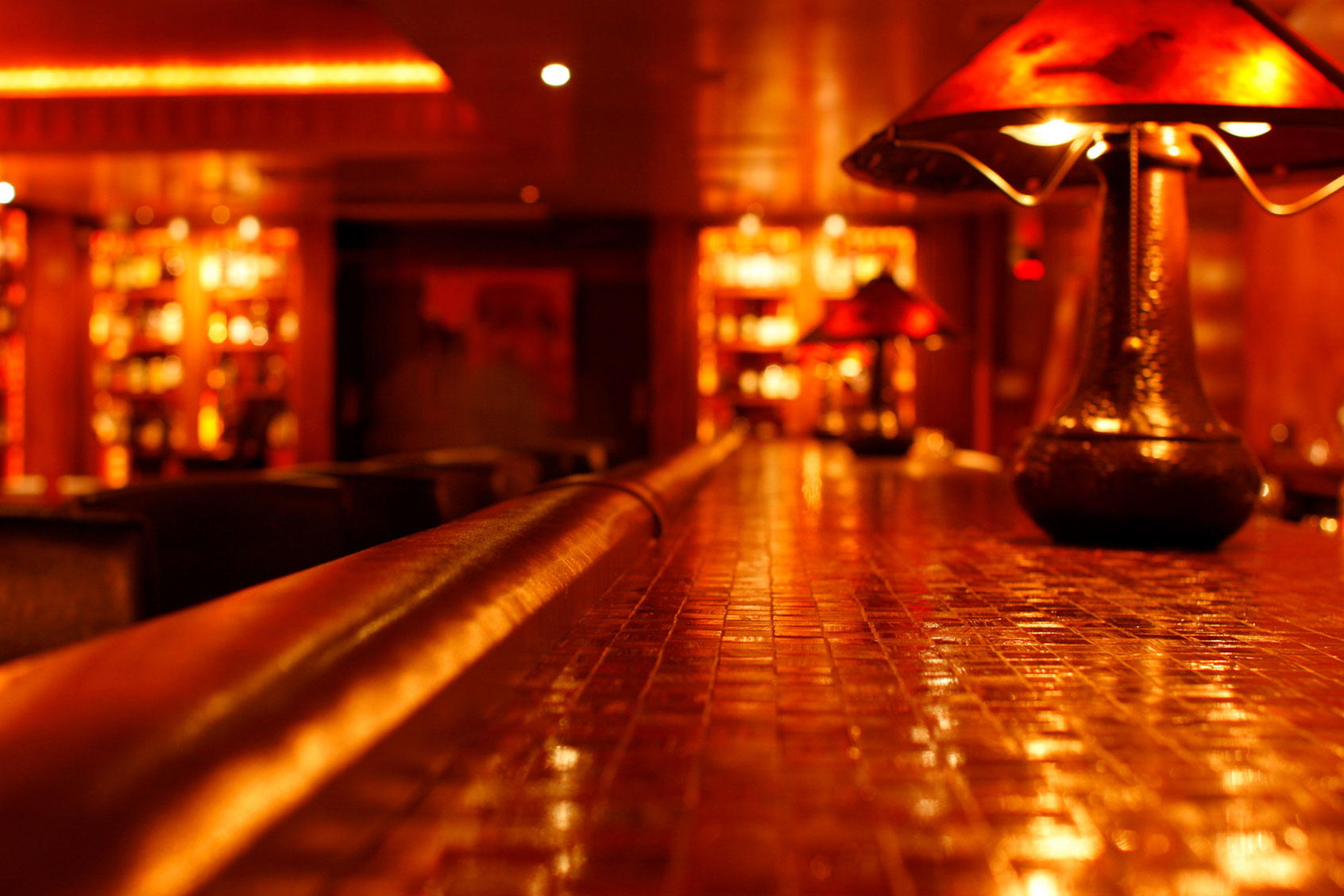
Casual fine dining with moderate noise and a modern, lively atmosphere.