
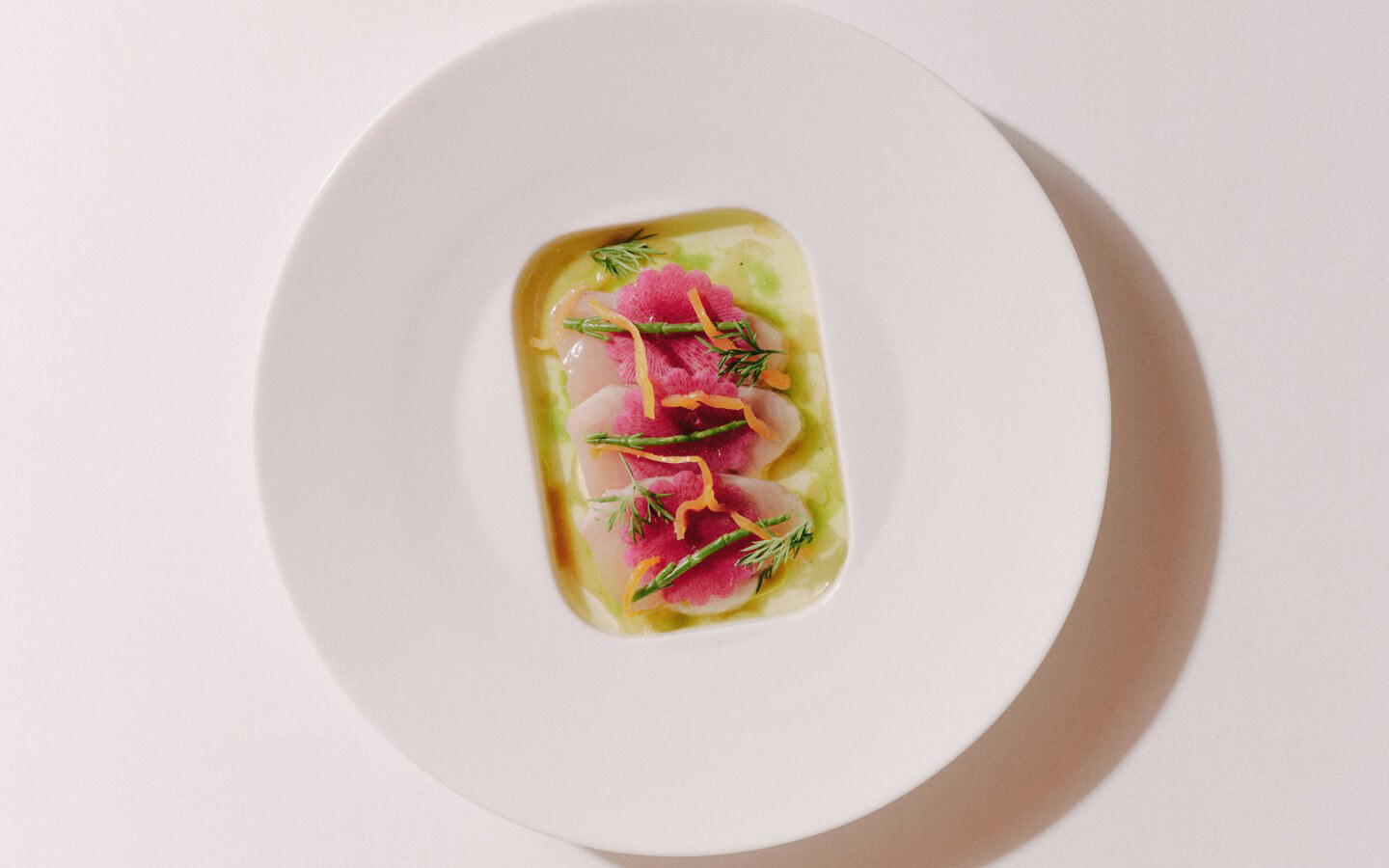
Arbequina occupies a narrow storefront on Roncesvalles Avenue, where chef Moeen Abu Zeid applies globally trained technique to ingredients drawn from the neighbourhoods and farms surrounding Toronto. The kitchen sits at an intersection that defines a growing tier of serious Canadian dining: local sourcing discipline meeting methods borrowed from across several culinary traditions. Reserve ahead; this stretch of Roncesvalles draws regulars who plan.
Pearl is the En Primeur Club membership app — saves, bookings, and concierge access live there. Same editors, same standards.
- Address
- 325 Roncesvalles Ave, Toronto, ON M6R 2M6, Canada
- Phone
- +1 416-533-0786
- Website
- arbequinato.com
- Directions
- Get directions
 Saves & bookings on Pearl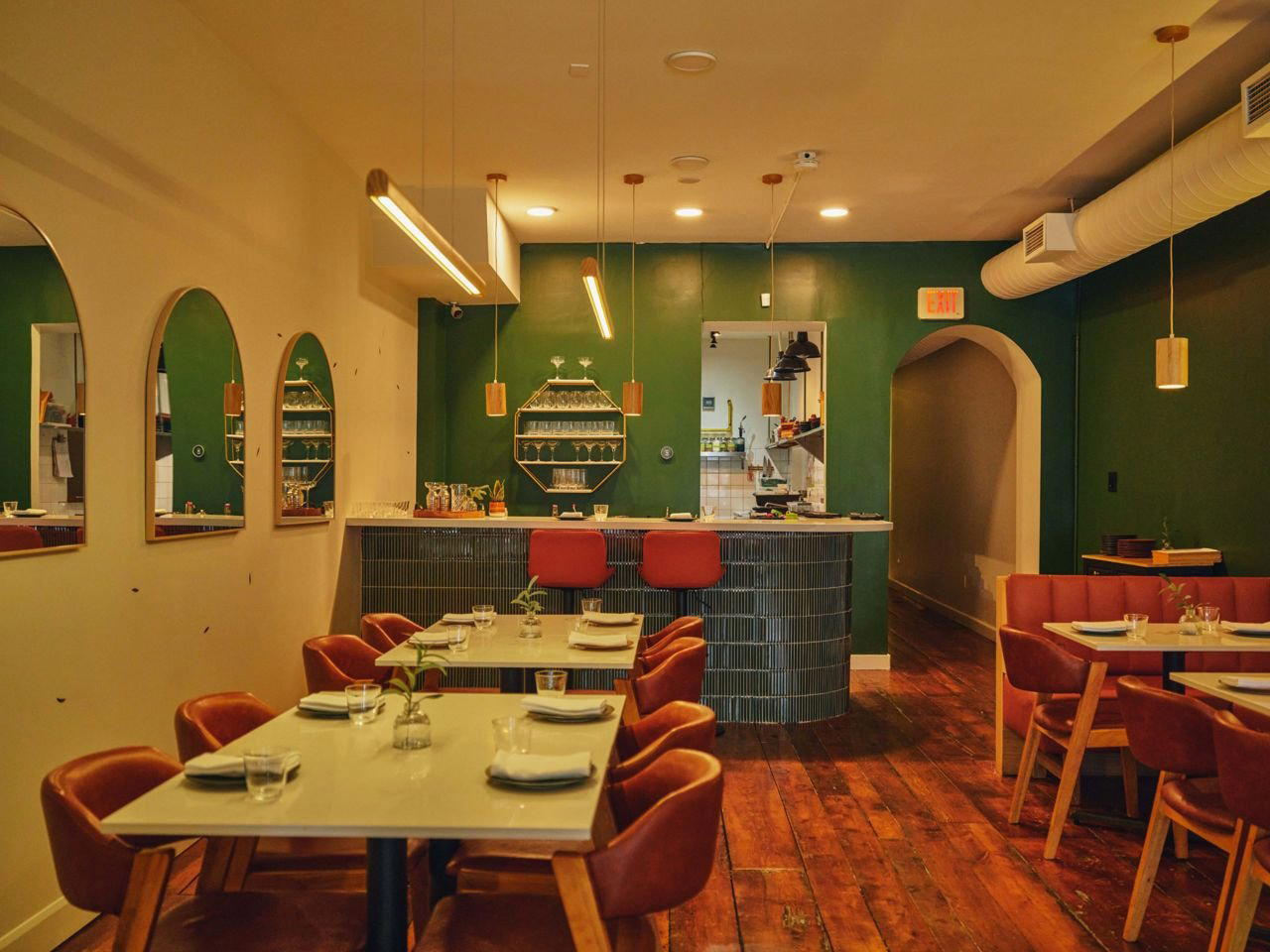
Roncesvalles and the Question of Where Toronto Eats Seriously
Arbequina is a restaurant in Toronto's Roncesvalles neighbourhood serving Modern Levantine cooking under chef Moeen Abu Zeid. Toronto's premium dining conversation tends to cluster downtown, around the corridors where Alo, Sushi Masaki Saito, and Aburi Hana have accumulated Michelin recognition and drawn the city's expense-account crowd. Roncesvalles Avenue operates differently. The neighbourhood, running south from Bloor Street West through a stretch historically shaped by Polish immigration and now considerably more mixed, has developed its own dining identity: smaller rooms, fewer theatrics, and kitchens that lean on neighbourhood regulars as much as destination diners. Arbequina, at 325 Roncesvalles, fits that pattern while doing something the surrounding blocks rarely attempt at the same level of ambition.
The street itself sets expectations. Roncesvalles has the cadence of a working neighbourhood main strip rather than a dining district engineered for visitors. Walking south from the Roncesvalles streetcar stop, the transition from casual cafés and Polish delicatessens to Arbequina's storefront happens without announcement. That context matters when reading what the kitchen is doing: this is not a restaurant performing cosmopolitanism for an audience expecting it, but a room that has chosen a sophisticated editorial line in an environment that would support something considerably simpler.
The Technique-and-Terroir Model at Work
Across Canada, a particular kind of cooking has consolidated its identity over the past decade. It borrows the structural logic of French technique, the ingredient-focus discipline that Scandinavian kitchens normalised internationally, and the fermentation and preservation instincts that have spread from those same northern European kitchens into Canadian ones. The result, at its most coherent, is cooking that reads as local but operates through a distinctly global technical vocabulary. Tanière³ in Québec City has pushed this furthest in French Canada; AnnaLena in Vancouver applies a version of it on the west coast. In Ontario, Restaurant Pearl Morissette in Lincoln and The Pine in Creemore work the same intersection at different scales.
Arbequina, with chef Moeen Abu Zeid in the kitchen, belongs to this lineage. The name itself signals something: arbequina is a small, oil-rich Spanish olive variety, associated with Catalonian production and a particular kind of culinary specificity. It is not a geographical reference to the neighbourhood or a nod to a single tradition, but a flavour reference, a precision signal. That choice tells you something about what the kitchen values before you sit down.
Abu Zeid's background feeds into a broader pattern visible across this tier of Canadian cooking. Kitchens in this category are typically led by chefs who have trained internationally or under Canadian chefs with international formation, then returned to work with Ontario producers and suppliers. The technical confidence that results allows the cooking to function without the theatrical scaffolding that downtown Toronto's higher-profile rooms sometimes rely on. Where DaNico and Don Alfonso 1890 operate within the formal gravity of the downtown Michelin tier, Arbequina operates in a register that is technically comparable in ambition but structurally lighter in presentation.
Global Reference Points, Local Raw Material
The intersection of imported method and local produce is not a Toronto invention. What makes it worth examining at Roncesvalles is how the city's particular agricultural hinterland shapes what that intersection produces. Southern Ontario's growing season is short but productive, with market gardens in the Niagara and Holland Marsh regions supplying a different ingredient palette than, say, a Vancouver kitchen drawing on the Fraser Valley year-round. The constraint is generative: kitchens that commit to local sourcing in Ontario have to think about preservation, pickling, and fermentation in ways that kitchens in more temperate climates can treat as optional.
This is where the technique-over-terroir distinction collapses into something more interesting. A kitchen applying Korean fermentation logic to Ontario produce, or using French classical reduction technique on Great Lakes fish, is not simply importing methods onto passive ingredients. The methods adapt, or they should, and the results reflect the negotiation between what the technique expects and what the ingredient provides. At its leading, this kind of cooking produces dishes that have no direct predecessor, because neither the technique nor the ingredient has a natural home in each other's tradition. Restaurants like Jérôme Ferrer's Europea in Montreal and Narval in Rimouski have each worked this tension from different regional positions. Abu Zeid's kitchen at Arbequina works it from Roncesvalles.
How Arbequina Sits in Toronto's Wider Scene
The Michelin Guide's Toronto selections have so far concentrated recognition on a relatively small number of downtown rooms. That concentration says more about where inspectors look and what formats Michelin tends to reward than it does about the actual distribution of serious cooking across the city. The multi-star rooms, Sushi Masaki Saito at two stars, for instance, operate in a different competitive frame from a Roncesvalles neighbourhood restaurant. Comparing them directly is less useful than mapping each to its own comparable set.
Arbequina's comparable set is the cohort of serious neighbourhood kitchens operating at price points and in room sizes that make the experience accessible without being casual. These rooms, in Toronto as in other cities with comparable dining cultures, typically attract a local regular base first and destination diners second. That order of priority shapes the cooking: there is less pressure to perform novelty on every menu cycle, more incentive to develop a repertoire that deepens over time. For comparison, rooms like Atomix in New York City or Le Bernardin operate at the farthest end of the formal spectrum; Arbequina operates at a different register entirely, but within a tradition that takes cooking equally seriously.
Planning Your Visit
Arbequina sits at 325 Roncesvalles Avenue, accessible by the 504 King or 505 Dundas streetcar routes, or a short walk from Dundas West station. The Roncesvalles strip rewards arriving with time to walk the neighbourhood before or after eating; the concentration of independent food shops, bars, and cafés along the avenue makes the area function well as an evening in itself rather than a single-destination stop. Booking ahead is advisable. Midweek visits tend to offer more flexibility without sacrificing the quality of service that smaller rooms can sustain when not at full capacity.
Budget Reality Check
Comparable venues nearby, for context on price, style, and recognition.
| Venue | Cuisine | Price | Notes |
|---|---|---|---|
| ArbequinaThis venue — the venue you are viewing | North Parkdale, Modern Levantine | $$$ | Not listed |
| Fat Pasha | Annex, Modern Middle Eastern & Jewish | $$$ | Not listed |
| Mayrik | Leaside, Modern Armenian-Mediterranean | $$$ | Not listed |
| Papyrus | Not listed | $$ | Playter Estates-Danforth, Authentic Egyptian |
| Zezafoun Syrian Cuisine | Not listed | $$ | Davisville Village, Authentic Syrian Cuisine |
| Tabule | Not listed | $$$ | South Riverdale, Traditional Lebanese Middle Eastern |
Recognition history
Dated appearances from independent guides and award organizations, with the underlying list record or original source where available.
The Best Chef One Knife
The Best Chef
Continue exploring
More in Toronto
Restaurants in Toronto
Browse all →

Bars in Toronto
Browse all →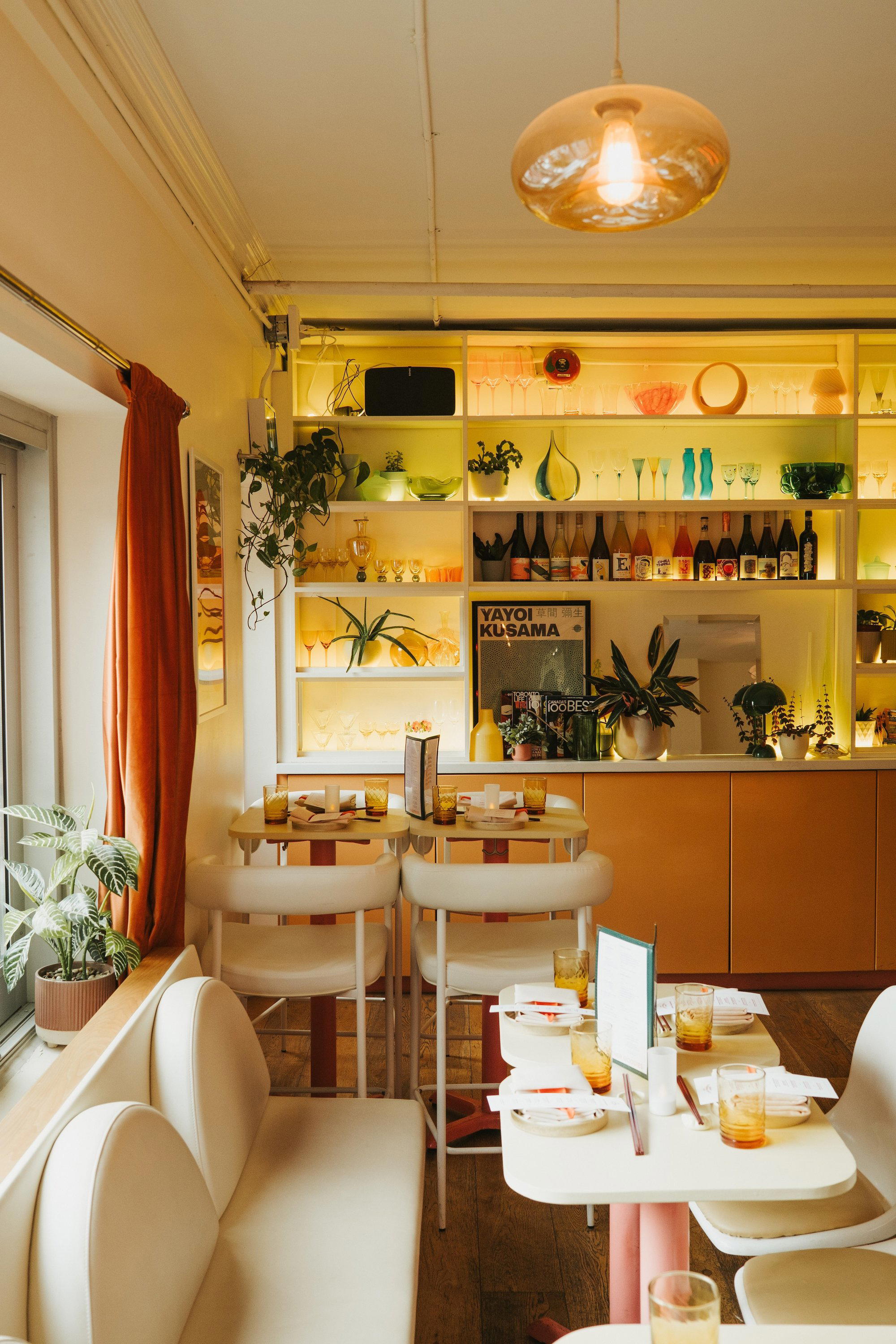

Hotels in Toronto
Browse all →

At a Glance
- Modern
- Elegant
- Cozy
- Intimate
- Sophisticated
- Minimalist
- Date Night
- Special Occasion
- Family
- Brunch
- Open Kitchen
- Zero Proof
- Local Sourcing
- Farm To Table
Current opening hours
- Monday
- Closed
- Tuesday
- Closed
- Wednesday
- 5–9 PM
- Thursday
- 5–9 PM
- Friday
- 5–10 PM
- Saturday
- 5–10 PM
- Sunday
- 5–9 PM
Hours can change for holidays and private events. Last verified .
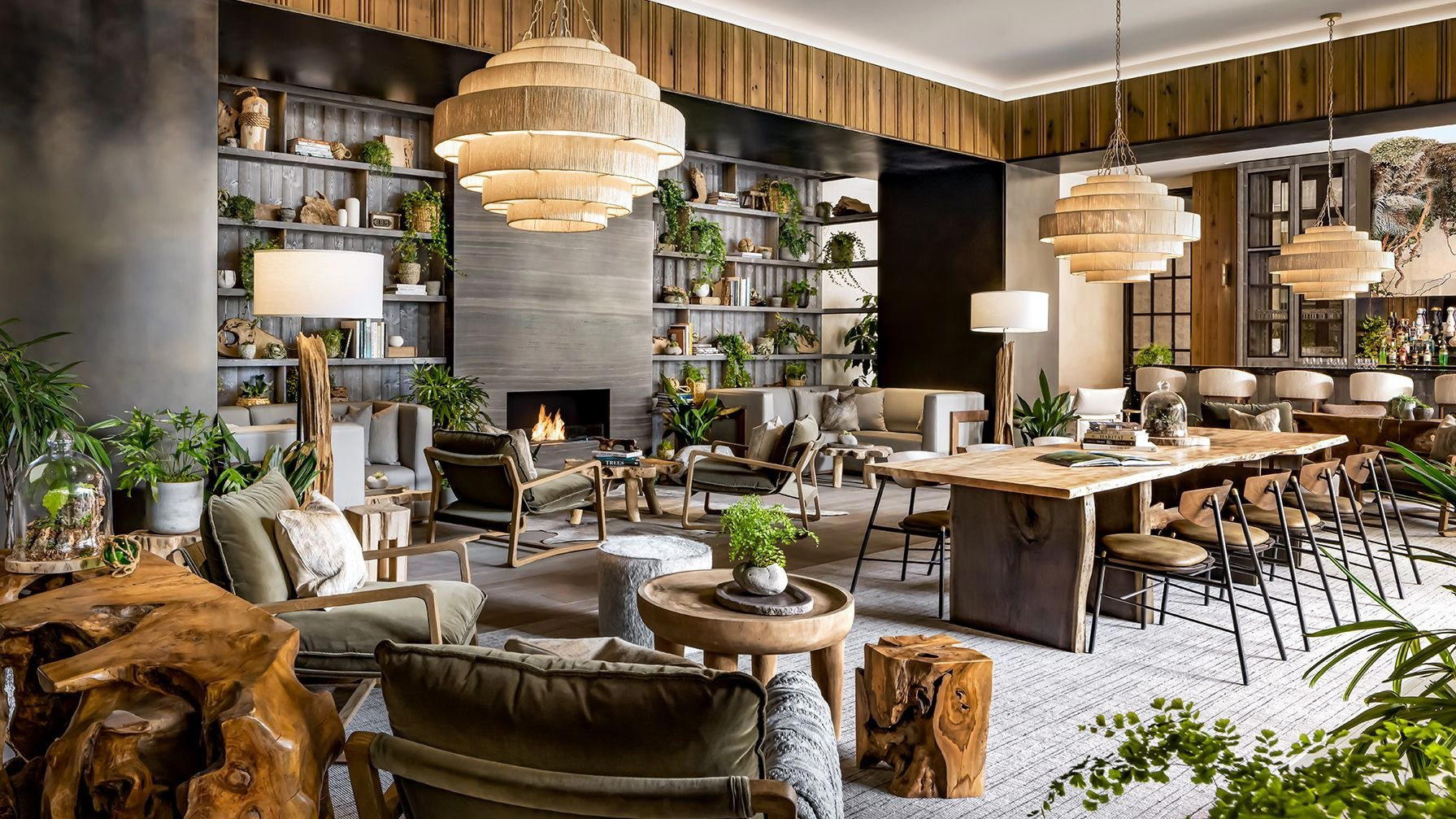
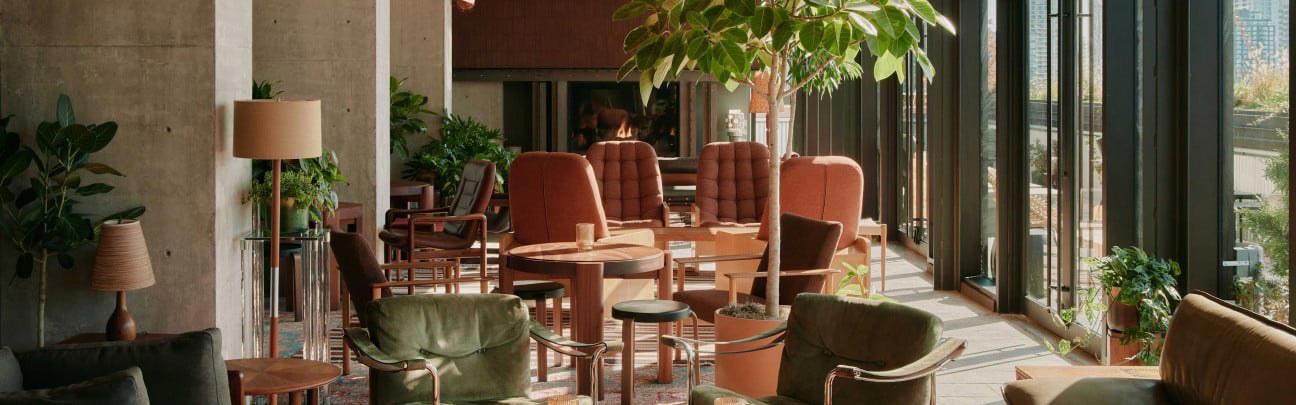
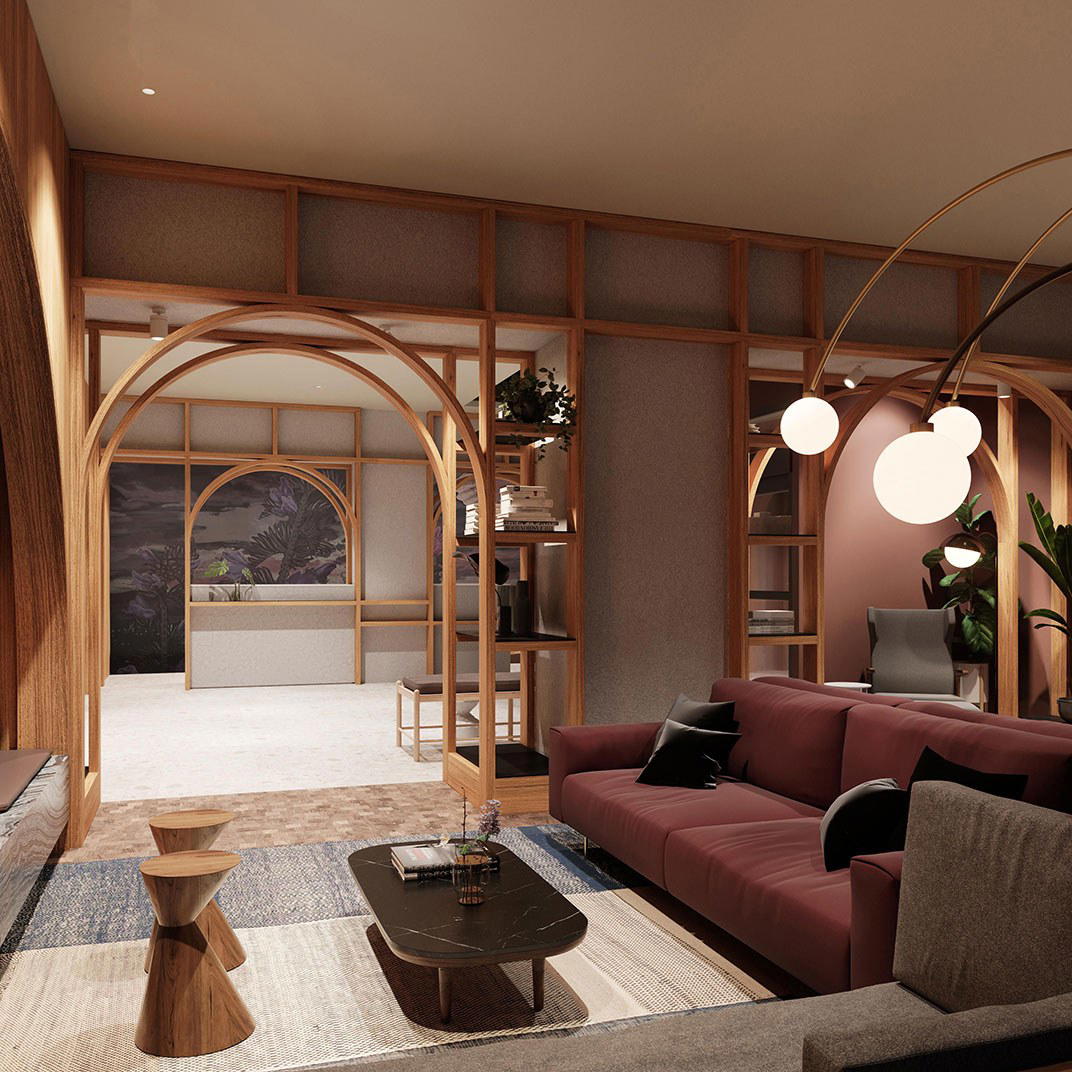
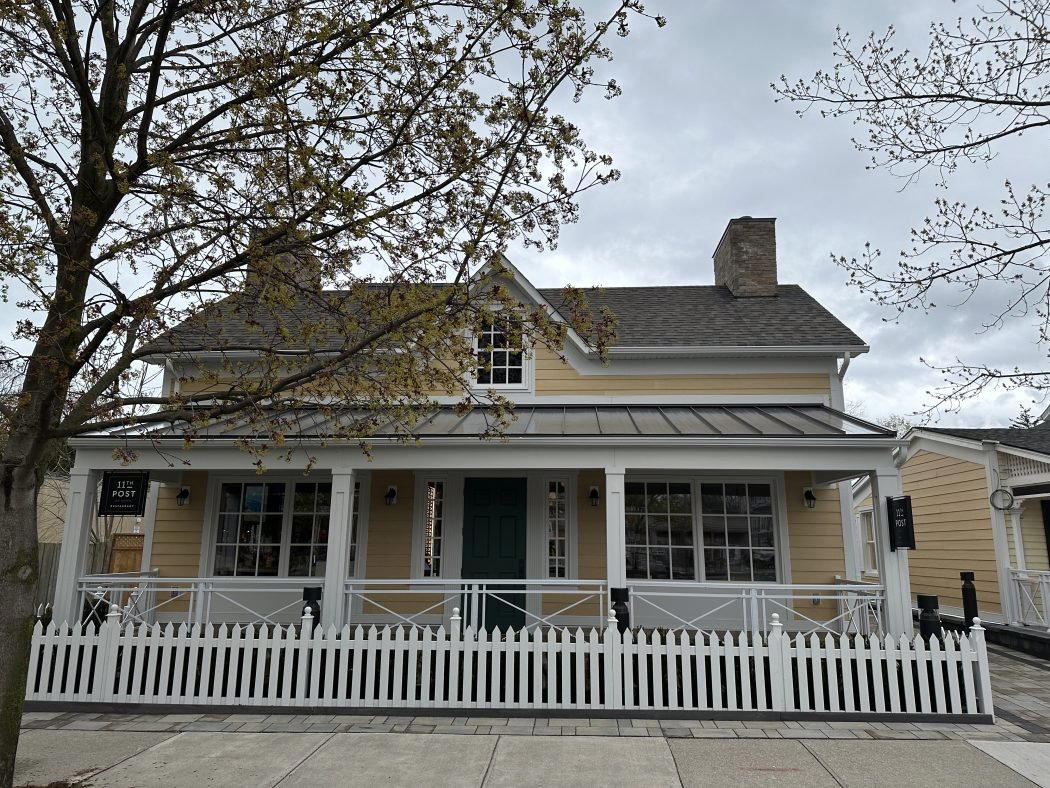
Natural green and brown hues with golden lighting create a warm, minimalist yet chic atmosphere.