Ao AO

Ao AO brings Chiba’s coastal-produce logic into an Italian and pasta format in Torami, with fish as the key signal rather than imported ceremony. Its Tabelog Italian EAST 100 selection in 2025 and 16-seat, four-table scale place it in a different tier from casual Chosei-gun dining, especially for travelers reading the area through sourcing rather than spectacle.
Pearl is the En Primeur Club membership app — saves, bookings, and concierge access live there. Same editors, same standards.
- Address
- 2606-1 Torami, Ichinomiya, Chōsei District, Chiba 299-4303, Japan
- Phone
- +81 475-38-7049
- Website
- m.facebook.com
- Directions
- Get directions
 Saves & bookings on Pearl
Torami does not announce itself with the density of Tokyo dining districts. The approach is lower, quieter, exposed to Pacific-side Chiba: roads, houses, fields, and a meal tied less to urban theatre than to the coast’s supply. Here, Italian cooking reads differently. Pasta and wine are not escape routes from Japan; they frame local fish, seasonal restraint, and a rural-house rhythm suited to Chosei-gun rather than a polished city room.
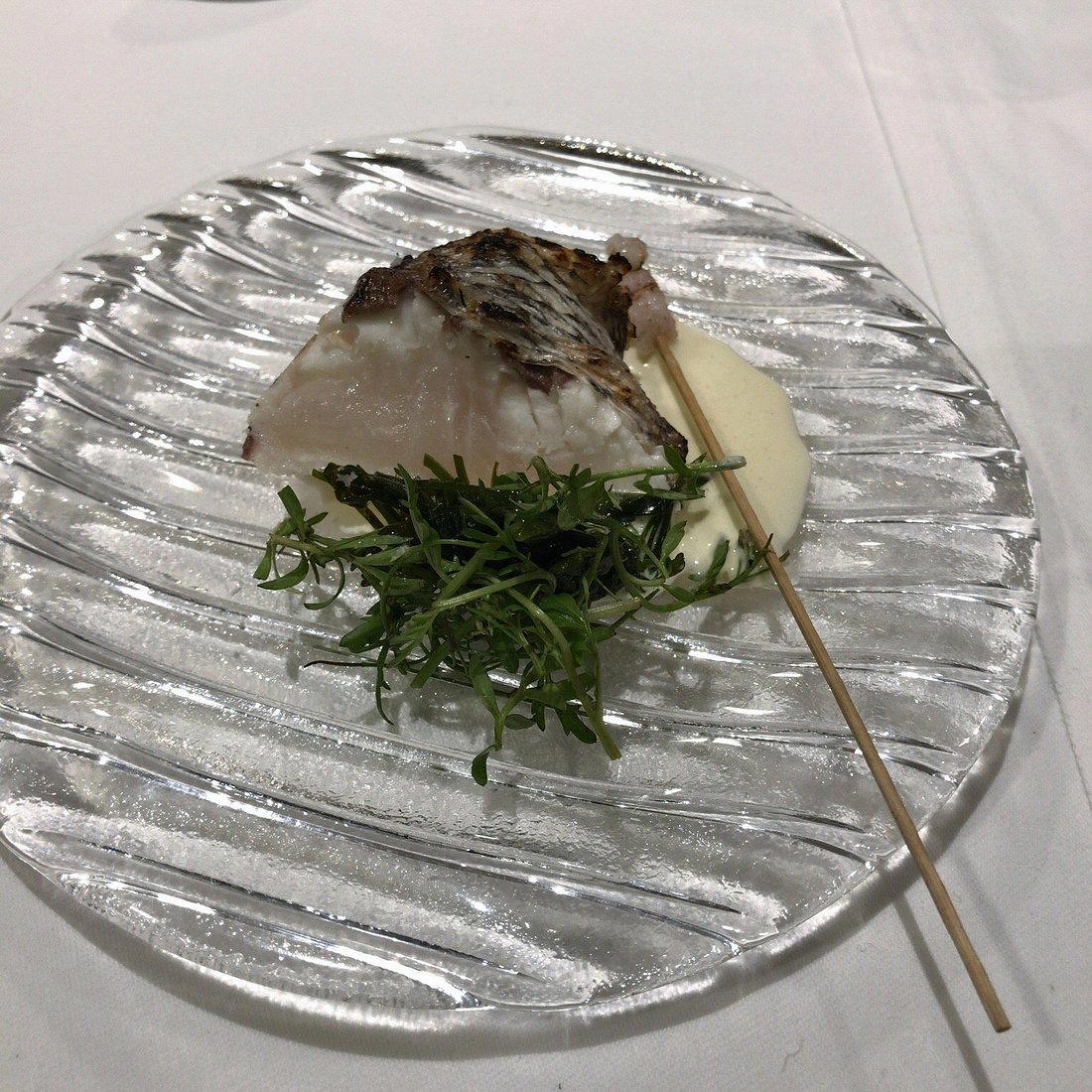
That is the useful way to read Ao AO. The category is Italian and pasta, but the sharper clue is its stated focus on fish. Chiba’s eastern coastline lets seafood anchor an Italian meal without trattoria nostalgia or luxury tasting-menu abstraction. The result fits a growing Japanese strand of regional Italian cooking, where the grammar is European and the sourcing logic local.
Coastal Chiba Italian, built around fish rather than ceremony
Japan’s Italian dining culture has long extended beyond red-sauce familiarity or hotel dining. In regional areas, it often translates nearby produce into a format structured without stiffness. Fish-led Italian in Chiba makes sense because the coastline supplies the argument. When a restaurant emphasizes fish, it signals a kitchen likely thinking through freshness, seasonality, and plate economy before decorative luxury.
Ao AO’s 2025 selection for Tabelog Italian EAST 100 gives that regional argument a measurable credential. Tabelog’s Hyakumeiten lists matter in Japan because they recognize category depth beyond the obvious capital-city circuit; for Italian, the EAST field highlights restaurants competing on consistency and local demand rather than international guidebook mythology. A 3.87 Tabelog score places the restaurant in a serious user-rated bracket, especially for a small room outside a metropolitan dining cluster.
The price band also matters. In Chosei-gun, a JPY 15,000 to JPY 19,999 meal sits well above everyday local options such as Isen or Okashi Shi Kadohachi Honten.
Comparison separates it from broader rural-Chiba comfort dining. Out-of-metro peers such as Kominka Noodle Kuroageha Morizumi and Mura no Pizza Ya Campagna sit in lower casual price bands, while the more ambitious countryside restaurant category is often defined by scarce seats, producer relationships, and a menu that asks the diner to surrender some control. Ao AO sits closer to that latter logic, with Italian as discipline rather than theme.
A 16-seat house restaurant changes the tempo
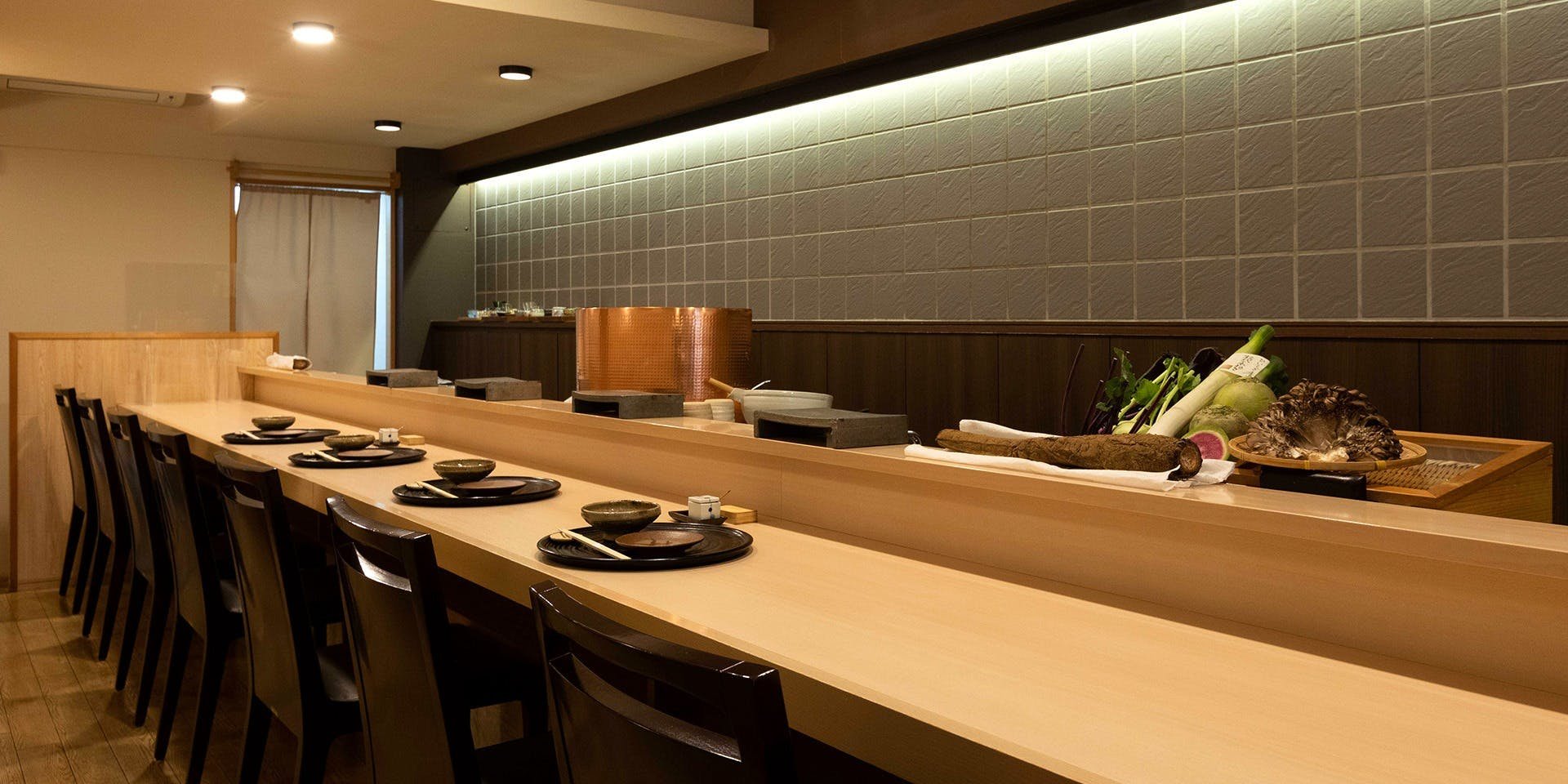
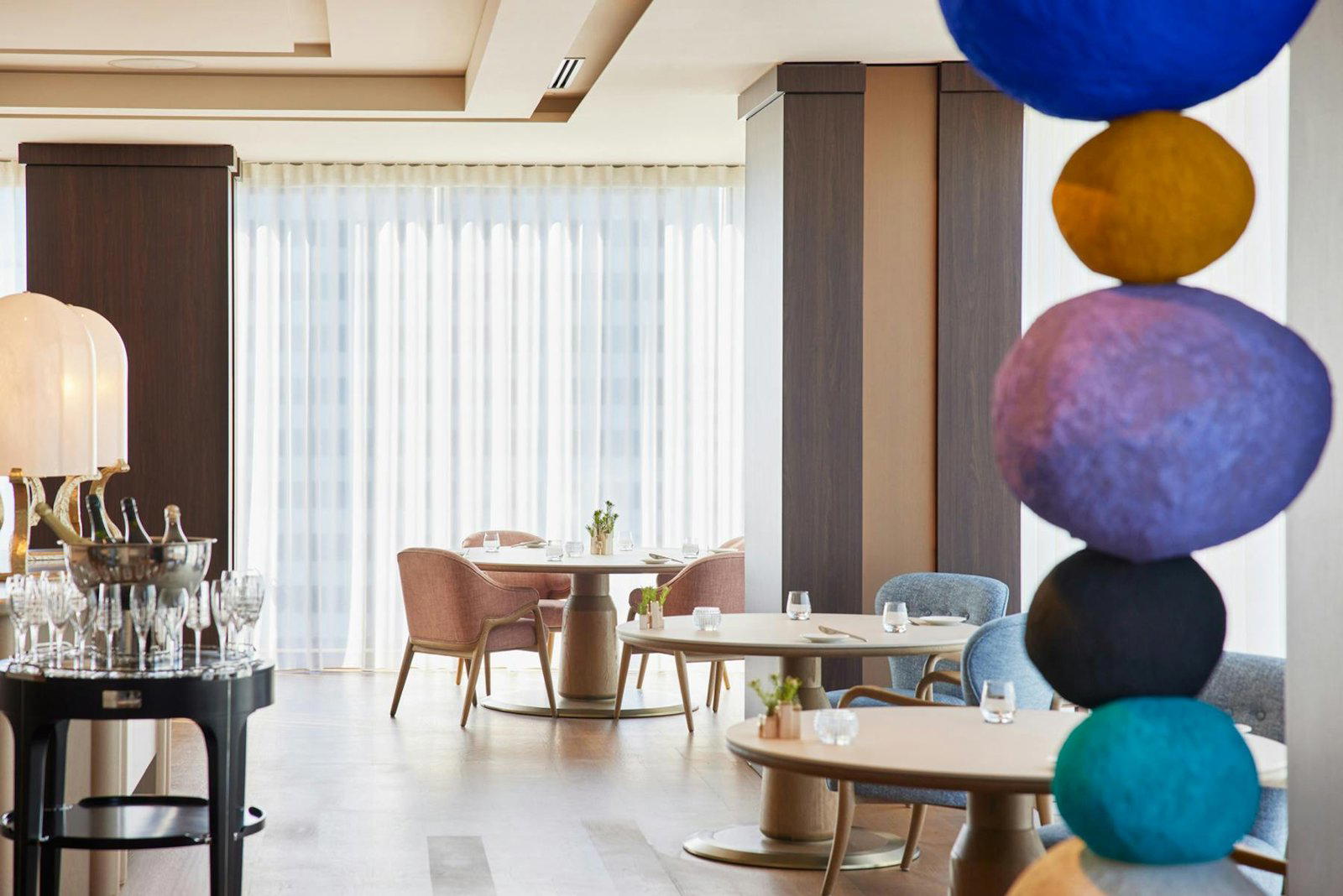
The room scale is part of the story. Sixteen seats across four tables is small enough to make pacing visible: arrivals matter, table turnover is limited, and late changes cannot be absorbed like in a city dining room with multiple sections. Private rooms are not part of the format, while private use is available, telling experienced travelers to read the space as intimate rather than anonymous.
The house-restaurant identity also matters in Torami. Rural Japanese dining at this level often depends on a domestic sense of proportion: fewer seats, quieter service, and a close relationship between kitchen capacity and the day’s ingredients. That can be more compelling than a grander room because it keeps the meal tied to place. In a coastal district, restraint is useful. Fish needs timing, judgment, and a wine program that does not flatten the food, not architectural drama.
Wine is listed as a drinks focus, a meaningful signal for this style. Fish-led Italian can become timid if beverage service is an afterthought. A wine-aware room gives the meal clearer structure, especially when pasta, seafood, and seasonal plates sit at the center. The absence of a smoking section further supports the format: aroma and pacing are part of the meal’s value at this price level.
Family suitability is nuanced. Children are welcome, and the restaurant is marked as family friendly, but the price band and small-room format suit families accustomed to long meals more than casual drop-ins. That distinction matters in Chosei-gun, where a beach-area day can push travelers toward relaxed dining, while this room asks for a deliberate occasion.
How to place it within a Chosei-gun itinerary
Chosei-gun rewards travelers who do not treat it as Tokyo overflow. The area’s dining character is quieter, more dispersed, and more dependent on cars, stations, and advance planning than an urban restaurant crawl. Torami Station sits 590 meters from the restaurant, and parking is available, making it workable for rail-based visitors and drivers moving along the coast. The practical decision is not whether the restaurant is central; it is whether the meal anchors the day.
Reservations are available, and the operating pattern includes closures on Monday and Friday. That rhythm matters because a small, higher-priced restaurant in a coastal district lacks the safety net of a city block with multiple alternatives at the same level. Payment is specific: credit cards are accepted, while electronic money and QR code payments are not. For international travelers, that detail separates a smooth rural meal from avoidable friction.
The better editorial use of Ao AO is as a lens on Chiba’s ingredient-led Italian cooking, not a generic luxury detour. It suits diners who want the coast to appear on the plate through fish and seasonality, are comfortable with a compact room, and understand that regional Japanese Italian can be as place-specific as sushi or soba when sourcing is taken seriously.
For more planning around the area, start with Our full Chosei-gun restaurants guide, then widen the itinerary through Our full Chosei-gun hotels guide, Our full Chosei-gun bars guide, Our full Chosei-gun wineries guide, and Our full Chosei-gun experiences guide. Further restaurant reading across Japan includes -Grilled beef Sukiyaki- KAMAKURA TANUKIAN 鎌倉 たぬき庵 in Kamakura, . 鮪と炭火焼き うお炭 秋葉原店 in Tokyo.cafe in Osaka.know in Kumamoto, (Shoku) Vietnam in Kawasaki, [Curry Senmon Ten] Maruyama Kyoju. in Sapporo, [ki:] in Kyoto, #肉といえば松田 奈良本店 in Kashihara, 1/3 HAMBURGER FACTORY in Kanazawa, plus international Japanese-format references such as Jōdo Saké Bar in Los Angeles and Onigiri Time in Pasadena.
How Ao AO Chosei-gun compares with similar nearby venues.
| Venue | Price | Awards |
|---|---|---|
| Ao AO | JPY 15,000 - JPY 19,999 View spending breakdown | Tabelog 100 #31 (2025) |
| Okashi Shi Kadohachi Honten | JPY 999 - JPY 999 View spending breakdown | Not listed |
| Isen | JPY 3,000 - JPY 3,999 View spending breakdown | Not listed |
| Kominka Noodle Kuroageha Morizumi | JPY 1,000 - JPY 1,999 JPY 1,000 - JPY 1,999 | Not listed |
| Mura no Pizza Ya Campagna | JPY 1,000 - JPY 1,999 | Not listed |
Recognition history
Dated appearances from independent guides and award organizations, with the underlying list record or original source where available.
Tabelog 100 #31 · No. 31
Tabelog · Tabelog 100 - Italian - EAST - 2025
Continue exploring
More in Chosei-gun
At a Glance
- Standalone
Current opening hours
- Monday
- Closed
- Tuesday
- 11:30 AM–2 PM, 5:30–8 PM
- Wednesday
- 11:30 AM–2 PM, 5:30–8 PM
- Thursday
- 11:30 AM–2 PM, 5:30–8 PM
- Friday
- Closed
- Saturday
- 11:30 AM–2 PM, 5:30–8 PM
- Sunday
- 11:30 AM–2 PM, 5:30–8 PM
Hours can change for holidays and private events. Last verified .
Know Before You Go
- Getting there
- 2606-1 Torami, Ichinomiya, Chōsei District, Chiba 299-4303, Japan