Isen

Isen brings Chiba’s coastal-rural bread culture into sharp focus: a reservation-only, take-out bakery in Chosei-gun with Tabelog Bread EAST “Tabelog 100” selections across 2017, 2018, 2019, 2020, and 2022. Its appeal sits less in restaurant ceremony than in sourcing-minded craft, limited opening windows, and a category where bread and cake carry the seriousness of a tasting counter.
Pearl is the En Primeur Club membership app — saves, bookings, and concierge access live there. Same editors, same standards.
- Address
- 803-2 Iriyamazu, 長生郡長生村 Chōsei District, Chiba 299-4321, Japan
- Phone
- +81 475-32-3246
- Website
- madoisen.com
- Directions
- Get directions
 Saves & bookings on Pearl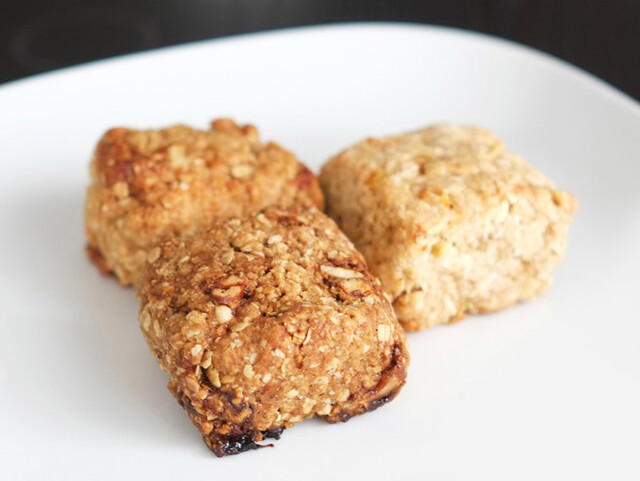
The approach to Chosei-gun changes the register before any pastry case enters the conversation. This is not central Tokyo bakery-hopping, where a queue can be folded between coffee and a train transfer. Rural Chiba asks for a different rhythm: fields, low buildings, a slower road network, and food businesses that can feel more deliberate than all-day urban retail. In that setting, Isen belongs to a local bread-and-cake conversation where the purchase is treated as a finished craft object, not merely a vehicle for breakfast.
Chiba’s food identity is often read through seafood, soy, peanuts, and market produce, but its bakery culture has become a quieter marker of local seriousness. The better rural food stops work with focus as part of the format: a narrower range, clearer purpose, and a product identity shaped by what can be made well rather than what fills a large display. Isen’s 2022 recognition from Tabelog Hyakumeiten, alongside a Tabelog score of 3.62, places it inside that selective bread-and-cake conversation rather than the broader casual café category.
Chiba bread culture, filtered through a focused format
Japan’s serious bread scene has long borrowed technique from France and Germany while keeping a local relationship to texture, sweetness, and seasonality. In metropolitan bakeries, that often means display-led abundance. In rural Chiba, the stronger model can be tighter: make the product itself carry the argument, keep the identity clear, and let production discipline matter more than spectacle. Isen’s bread-and-cake classification fits that pattern. The point is not theatrical exclusivity; it is the appeal of a specialist address in a category where freshness, handling, and volume are closely linked.
The price band also says something useful. At JPY 3,000 to JPY 3,999, this is not necessarily a single bun stop in the way a neighbourhood bakery might be. It reads as a planned purchase, closer to a considered order than an incidental snack. That puts it apart from Okashi Shi Kadohachi Honten, another Chosei-gun venue with a different sweets-oriented use case, and far from the dining-tier expectations surrounding Ao AO. Those contrasts matter because Chosei-gun is not a single dining category; it is a small area where sweets, bread, and higher-ticket meals can occupy sharply different roles.
The bread-and-cake classification is also important. In Japan, the line between bakery and pâtisserie can be porous, but the better hybrid addresses do not simply add sweets as decoration. They use a related production logic: flour quality, butter handling, texture, timing, and controlled output. Isen’s category position therefore makes more sense as a sourcing and technique address than as a generic café replacement. Readers planning around Chosei-gun should treat it as part of a food route, not as a guaranteed sit-down anchor.
Why sourcing matters more here than dining-room ceremony
Ingredient sourcing is often discussed loudly in fine dining, yet bread exposes sourcing more plainly. Flour strength, water absorption, dairy fat, fruit condition, and fermentation temperature all show up in structure before any garnish can distract from them. A bakery or cake specialist has less room to hide behind hospitality rituals; the product carries nearly all the critique. That is why recognition in the bread category has particular weight. Tabelog’s Hyakumeiten lists are built around category specialists, and a bread frame is more exacting than a general restaurant roundup.
Isen’s Chosei-gun setting reinforces that reading. Chosei-gun sits outside the tourist shorthand of Tokyo, Kyoto, and Osaka, so a bakery here competes less on casual foot traffic and more on intent. The diner has to plan around the area rather than assume city-style density. That planning filters the audience toward people who care about bread and cake as craft rather than convenience. It also changes how value should be judged: not by seat comfort or service choreography, but by whether the purchase justifies the trip, the timing, and the spend.
For travellers building a wider Japan food itinerary, this is the opposite of the city checklist model represented by many urban dining guides. Major cities reward density, quick comparisons, and short transfers between stops. Chiba’s rural food addresses reward sequencing, transport realism, and an appetite for specialist formats. Even when Japanese food culture is discussed through restaurants abroad, the same contrast remains: the craft can travel, but the rural-source logic behind a place like this is harder to reproduce outside its local setting.
How to place it in a Chosei-gun itinerary
The practical decision is simple: Isen suits travellers who are already treating Chosei-gun as a food stop, not those hoping to improvise a full day around one counter. The venue is in Chosei-gun, and its bread-and-cake identity makes the experience closer to a planned purchase than a lingering meal. That makes it a smart pairing with a broader local plan using Our full Chosei-gun restaurants guide, especially for travellers comparing bakery, sweets, and destination dining in one small area.
It also sits neatly within a wider Chiba stay. Use Our full Chosei-gun hotels guide if the bakery run is part of a weekend rather than a day trip, and check Our full Chosei-gun bars guide, Our full Chosei-gun wineries guide, and Our full Chosei-gun experiences guide to avoid treating the area as a single-stop detour. Rural Japanese food travel works better when the day is built around geography rather than appetite alone.
For broader benchmarking, Chosei-gun’s appeal becomes clearer beside Japan’s regional spread: other regional dining rooms may speak to destination beef, urban cooking, immigrant food cultures, meat-led local formats, or casual Western-influenced meals. Isen’s lane is narrower and more exact: bread and cake as a planned Chiba purchase, backed by Tabelog Hyakumeiten recognition in 2022 and a format that favors intent over spontaneity.
A Quick Peer Check
Comparable venues by cuisine and price in the same metro.
| Venue | Cuisine | Price | Notes |
|---|---|---|---|
| Isen | Casual Japanese countryside restaurant | $$ | .null |
| Ao AO | Italian pasta restaurant | Not listed | Chosei-gun |
| Okashi Shi Kadohachi Honten | Japanese Traditional Sweets | $ | Kazusa Ichinomiya |
| Denko Sekka (電光石火) | Hiroshima-style Okonomiyaki | $$ | Hiroshima Station area |
| すし築地日本海 長野駅前店 | Authentic Edomae Sushi & Izakaya | $$ | Nagano Station (Zenkokuji-guchi) |
| 千畳敷センター | Japanese Seaside Seafood | $$ | 深浦町 |
Recognition history
Dated appearances from independent guides and award organizations, with the underlying list record or original source where available.
Tabelog 100 #63 · No. 63
Tabelog · Tabelog 100 - Bread - EAST - 2022
Continue exploring
More in Chosei-gun
Restaurants in Chosei-gun
Browse all →
At a Glance
- Cozy
- Rustic
- Quiet
- Solo
- Casual Hangout
- Family
- Standalone
Current opening hours
- Monday
- Closed
- Tuesday
- Closed
- Wednesday
- Closed
- Thursday
- Closed
- Friday
- Closed
- Saturday
- 1–4 PM
- Sunday
- 1–4 PM
Hours can change for holidays and private events. Last verified .
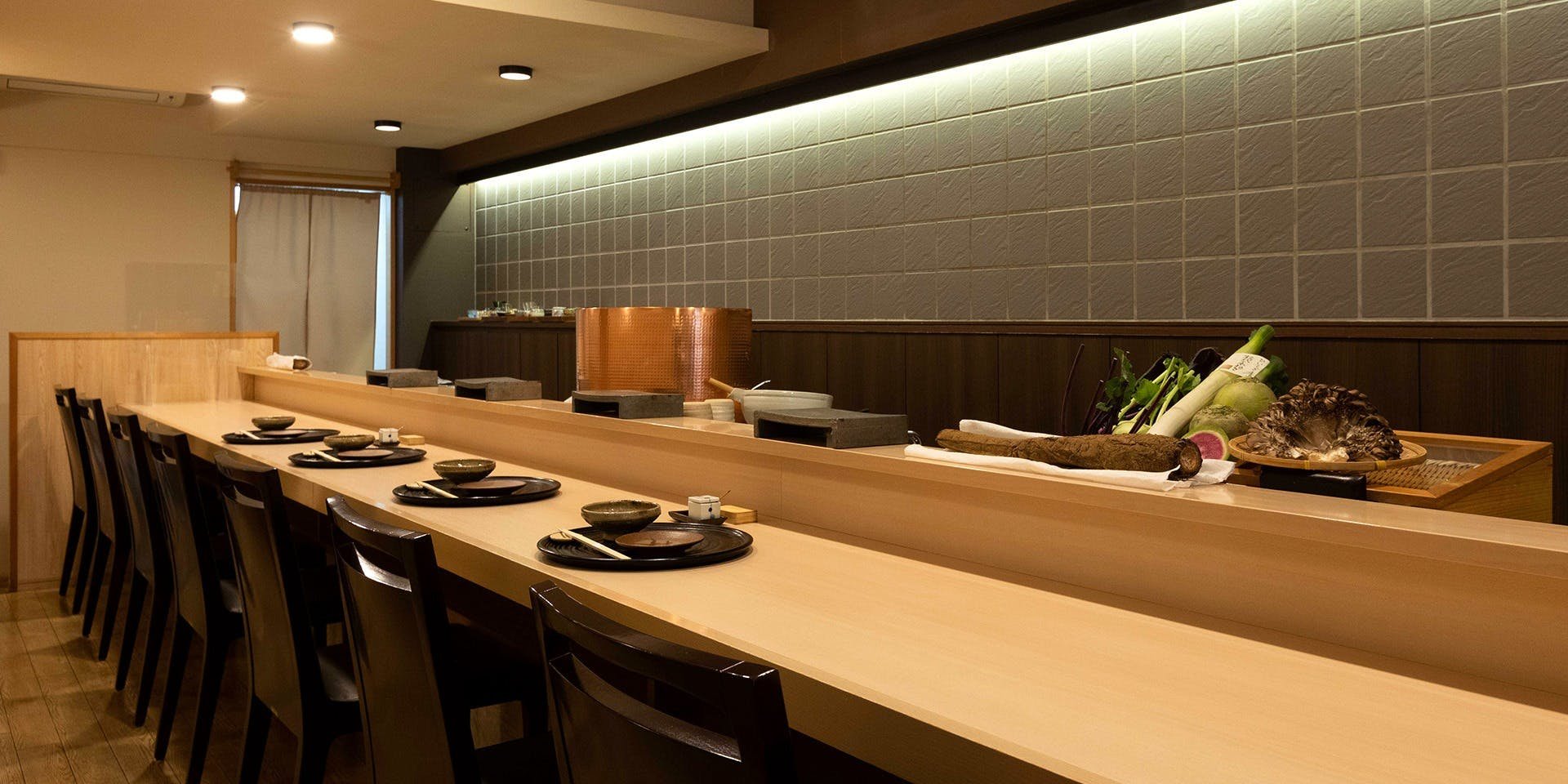
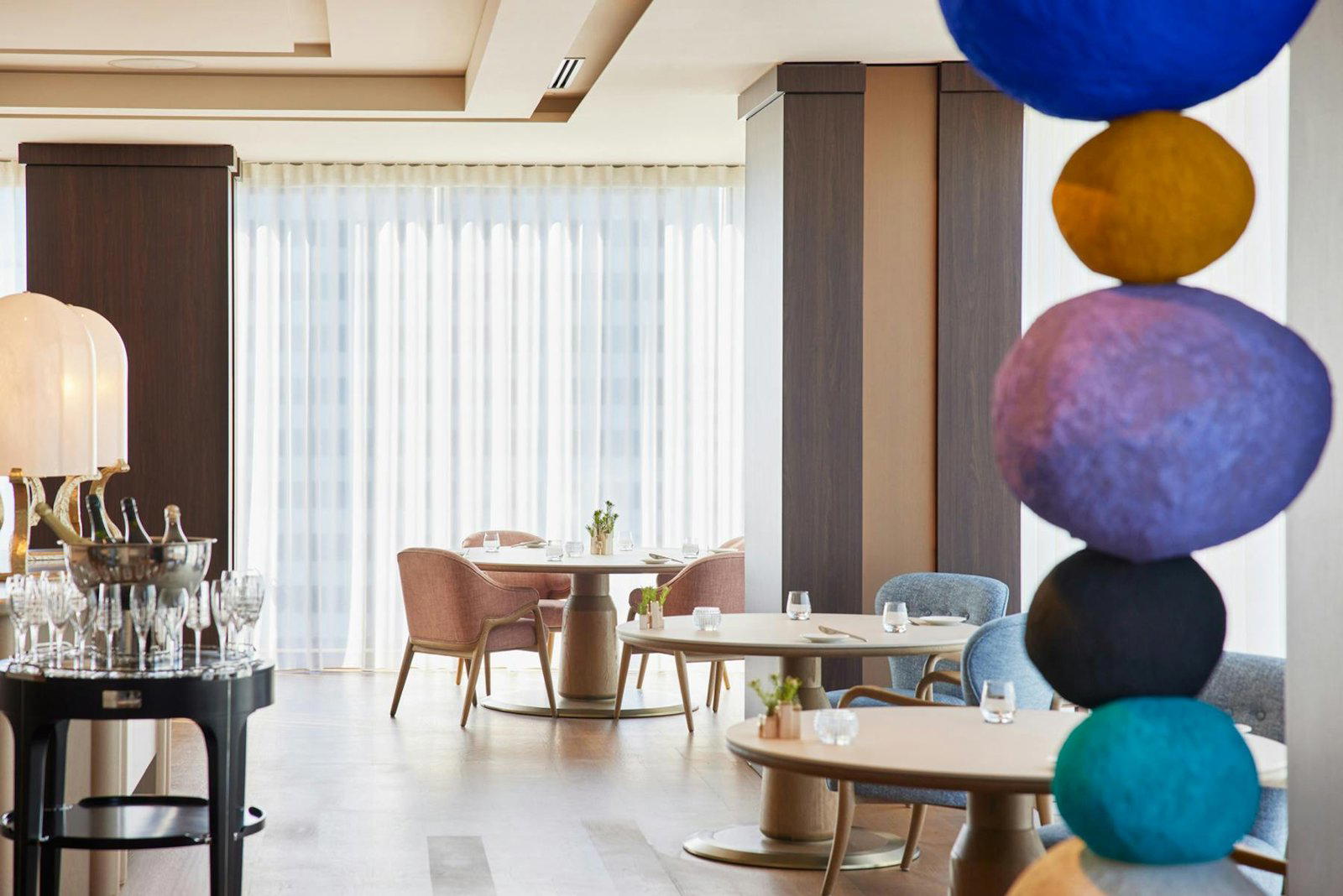
Based on guest photos and comments, the atmosphere is quiet and relaxed, with a modest rustic interior that blends with the surrounding nature, giving it a calm, unhurried feel rather than a bustling city-restaurant vibe.
Know Before You Go
- Reservations
- Walk in friendly
- Dress code
- Casual
- Getting there
- 803-2 Iriyamazu, 長生郡長生村 Chōsei District, Chiba 299-4321, Japan