Okashi Shi Kadohachi Honten

Okashi Shi Kadohachi Honten is a Chiba wagashi stop with a low-price, takeaway-only format and Tabelog 100 recognition for Japanese traditional sweets in EAST 2023. Its value lies in a rural sweet-shop tradition that treats red bean, rice cake, and gift-box culture as everyday craft rather than ceremony.
Pearl is the En Primeur Club membership app — saves, bookings, and concierge access live there. Same editors, same standards.
- Address
- 3012 Ichinomiya, Chōsei District, Chiba 299-4301, Japan
- Phone
- +81 475-42-2068
- Website
- kadohachi.co.jp
- Directions
- Get directions
 Saves & bookings on Pearl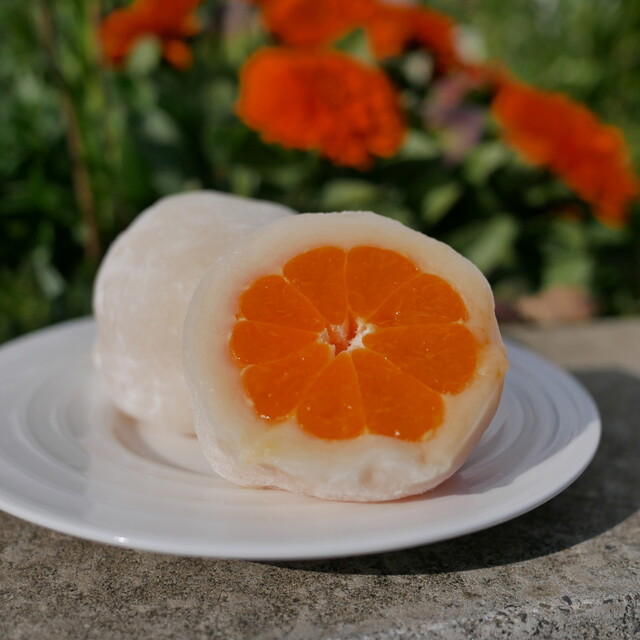
Approaching a traditional wagashi shop in Chosei-gun is unlike entering a Tokyo dessert salon. The pace is functional, purchases are often boxed to carry home, and the point is repetition rather than spectacle: rice, beans, sugar, seasonality, and the small calibrations that distinguish a casual sweet from a craft object. Okashi Shi Kadohachi Honten belongs to that older register, a house-style shop whose appeal is tied to local use and the regional habit of buying sweets for the table rather than sitting through a plated dessert course.
That distinction matters in Chosei-gun, where dining ranges from higher-spend destinations to everyday counters and local specialists. Ao AO sits in a different dining lane, while Isen occupies another local rhythm. Kadohachi works at the sweets-counter end, with spending listed in the JPY 999 range, putting attention on ingredient handling and turnover rather than luxury signalling.
Wagashi here is about sourcing discipline, not dessert theatre
Japanese confectionery is unforgiving because its core materials are plain. Red bean paste, glutinous rice, sugar, and seasonal accents leave little room to hide poor sourcing or rushed technique. Daifuku depends on balance: the rice cake must carry the filling without turning heavy, and sweetness must register cleanly enough for tea, gifting, or a quick household purchase. The category is modest on paper, but rewards producers who keep texture and sweetness consistent daily.
Kadohachi’s Tabelog Hyakumeiten recognition in 2023 is the useful signal. It places the shop inside a field where wagashi makers are judged less by restaurant theatrics than by repeat credibility, local demand, and category focus. The same listing identifies Japanese traditional sweets and daifuku as the relevant categories, a narrower and more meaningful credential than a general café label. For travelers, the stop makes sense as a study in everyday confectionery culture, not as a substitute for a formal tasting menu.
The sourcing angle is cultural too. Wagashi has long been tied to locality through water, bean preference, rice texture, and the gifting calendar. Chosei-gun need not imitate another city’s tea-room polish or metropolitan department-store precision to be compelling; its strength lies in shops serving residents, children, and visitors moving through the area. A sweets-shop format reinforces that: the sweets are made to fit a domestic or seasonal occasion rather than a staged restaurant sequence.
Where Chosei-gun's low-key sweets culture fits beside destination dining
Chosei-gun is not a single dining mood. The area can support destination spending, casual family meals, and small specialists that look minor until recognition and local use give context. Kadohachi’s Tabelog score of 3.60 is not the story alone; more telling is its presence in category-specific Tabelog Hyakumeiten recognition, where a sweet shop is understood within wagashi rather than against unrelated dining formats.
That is why nearby comparisons should be handled by format, not hierarchy. Ao AO belongs to one destination-meal conversation. Isen speaks to another local restaurant rhythm. Kadohachi’s JPY 999 price range makes it a short, focused stop that can sharpen a day’s eating by adding local sweet tradition before or after a larger meal. It does not replace dinner; the question is whether a Chosei-gun food itinerary should include craft outside the restaurant table.
For broader planning, our full Chosei-gun restaurants guide is the natural starting point, especially when pairing a quick wagashi purchase with lunch or dinner nearby. Travelers building a longer stay can cross-check our full Chosei-gun hotels guide, our full Chosei-gun bars guide, our full Chosei-gun wineries guide, and our full Chosei-gun experiences guide. The better itinerary uses Kadohachi as a precise local punctuation mark rather than a long-format meal.
A concise stop for travelers who care how ordinary ingredients are handled
The shop’s practical identity is clear from its category focus: Japanese traditional sweets, especially daifuku, with a price record that keeps the visit in an everyday range. Those details define the experience before any sweet is chosen. This is not a venue built around a long dining-room performance; it is a focused confectionery stop suited to travelers and residents looking for a compact taste of local wagashi culture.
The location places it in Chosei-gun. That makes it a plausible addition to a Chosei-gun day, not a standalone detour for every Japan visitor. The editorial case is strongest for travelers already in the area, or those who build food days around category specialists rather than only formal restaurants. In the listed JPY 999 range, entry cost is low; value comes from seeing how a recognized wagashi shop handles a narrow craft at everyday scale.
For readers mapping Japan beyond Chosei-gun, the contrast is useful. A broader food trip might include unnamed meat-focused restaurants, casual urban counters, regional cafés, and specialist shops across Japan. Outside Japan, similarly focused formats can also show how a narrow menu carries more cultural information than a sprawling one. Kadohachi belongs in that way of thinking: a small-format stop where the subject is not range, but confidence within a specific craft.
Kadohachi earns attention because it keeps the lens small. Where destination meals can dominate planning, a recognized wagashi counter in the JPY 999 range offers different evidence: not luxury, not ceremony, but the quiet authority of a sweet tradition built from humble materials and repeated purchase.
Comparison Snapshot
Comparable venues by cuisine and price in the same metro.
| Venue | Cuisine | Price | Notes |
|---|---|---|---|
| Okashi Shi Kadohachi Honten | Japanese Traditional Sweets | $ | Kazusa Ichinomiya |
| Isen | Casual Japanese countryside restaurant | $$ | .null |
| Ao AO | Italian pasta restaurant | Not listed | Chosei-gun |
| 三たてそば 長畑庵 | 三たて蕎麦 | $ | 長畑 |
| つけめん 頑者 新横浜ラーメン博物館店 | Tsukemen (Dipping Ramen) | $ | Shin-Yokohama |
| Sukesama (ぎょうざ処 亮昌) | Kyoto Gyoza Specialist | $ | Gion |
Recognition history
Dated appearances from independent guides and award organizations, with the underlying list record or original source where available.
Tabelog 100 #79 · No. 79
Tabelog · Tabelog 100 - Japanese traditional sweets / Japanese sweets cafe - EAST - 2023
Continue exploring
More in Chosei-gun
Restaurants in Chosei-gun
Browse all →
At a Glance
- Classic
- Cozy
- Well Known
- Family
- Casual Hangout
- Solo
- Group Dining
- Standalone
- Historic Building
- Street Scene
Current opening hours
- Monday
- 7 AM–6 PM
- Tuesday
- 7 AM–6 PM
- Wednesday
- 7 AM–6 PM
- Thursday
- Closed
- Friday
- 7 AM–6 PM
- Saturday
- 7 AM–6 PM
- Sunday
- 7 AM–6 PM
Hours can change for holidays and private events. Last verified .
A traditional, no-frills sweets shop atmosphere focused on heritage confectionery rather than dining-room theatrics.
Know Before You Go
- Reservations
- Recommended
- Getting there
- 3012 Ichinomiya, Chōsei District, Chiba 299-4301, Japan