Anton's
Anton's occupies a narrow townhouse footprint on Hudson Street in the West Village, where the physical constraints of the space have shaped a dining format built around proximity and restraint. The room's architecture does much of the editorial work, positioning Anton's within a neighbourhood that has become one of New York's most concentrated stretches of serious independent dining.
Pearl is the En Primeur Club membership app — saves, bookings, and concierge access live there. Same editors, same standards.
- Address
- 570 Hudson St, New York, NY 10014
- Phone
- +12129240818
- Website
- antonsnyc.com
- Directions
- Get directions
 Saves & bookings on Pearl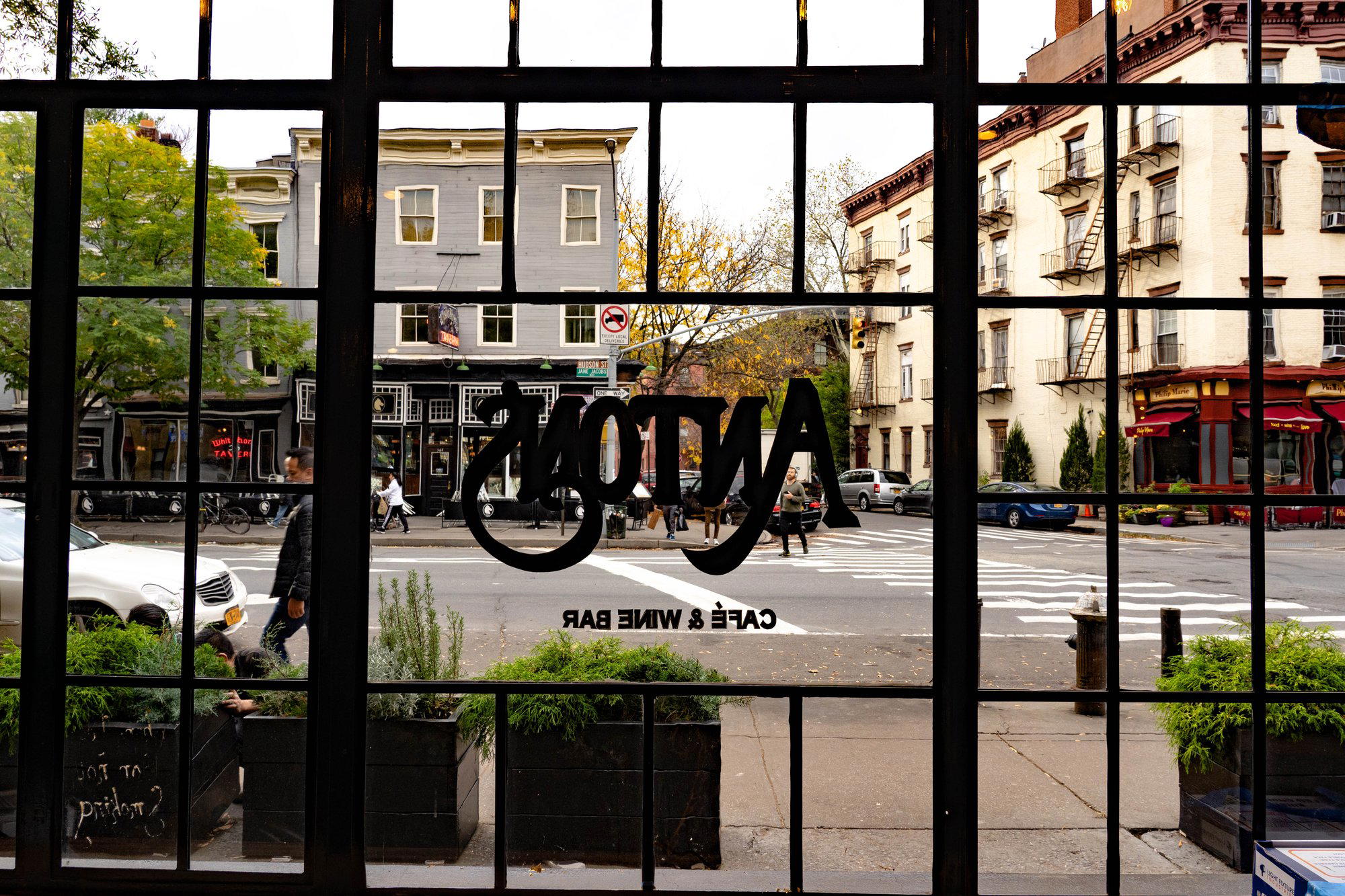
The West Village Room as Argument
Hudson Street in the West Village has accumulated, over the past two decades, a density of independent restaurants that rivals any comparable stretch in Manhattan. The neighbourhood's Federal-era townhouses impose low ceilings, narrow frontages, and tight floor plans on anyone who opens inside them, constraints that, in the right hands, become a design philosophy rather than a limitation. Anton's, a restaurant at 570 Hudson St in New York City's West Village, sits inside that logic. The address alone places it in a competitive set defined less by cuisine category than by format: small, deliberate rooms where the physical container shapes the experience before a single plate arrives.
This is how a significant portion of the West Village's dining identity has been built. Properties like these were never going to house the kind of grand-room French cooking that defines the upper tier on the east side of Midtown, venues such as Le Bernardin or Per Se, where the architecture of the dining room is itself a statement of institutional ambition. The West Village has moved in the opposite direction: rooms that force intimacy, menus scaled to match. Anton's is a product of that neighbourhood grammar.
Interior Architecture and What It Implies
The design logic of narrow Hudson Street buildings tends to produce one of two dining experiences: a bar-forward front room that bleeds into a kitchen-adjacent back, or a single long room arranged around a counter or banquette spine. Either configuration means that seat selection matters more here than in a larger room. The distance between tables is shorter. Noise travels differently. The kitchen's rhythm becomes part of the room's soundtrack rather than something absorbed by square footage.
These spatial conditions have driven a broader shift in how serious New York restaurants think about their physical design. The past decade has seen the dining room as neutral backdrop give way to the dining room as active element, a change visible across American fine dining, from Smyth in Chicago to Lazy Bear in San Francisco, where the seating arrangement and room material choices are legible editorial decisions. In that context, the compressed West Village townhouse format is not a compromise; it is a specific choice about what kind of attention a room should demand from the people inside it.
Neighbourhood Positioning and the West Village comparable set
The West Village's dining concentration has made it one of the more consequential testing grounds for independent restaurant formats in the United States. A venue at this address is measured against neighbours, not just against the city's broader fine-dining tier. The relevant comparable set is not Eleven Madison Park or Masa, both operating at a scale and institutional weight that places them in a different register, but rather the neighbourhood's smaller independent rooms that have built reputations through consistency over spectacle.
That positioning matters for how you calibrate expectations. Serious dining in the West Village tends to operate without the awards infrastructure that anchors Midtown and Flatiron venues. Recognition here is slower and more localized, built through repeat clientele and neighbourhood word of mouth rather than through the annual cycle of formal citations. That does not make it less significant; it makes it differently significant. Venues like Blue Hill at Stone Barns built their reputations over years through that kind of patient accumulation, and the West Village's leading independent rooms follow a similar arc.
The Broader American Independent Dining Context
Anton's on Hudson Street participates in a pattern visible across American cities: the independent restaurant operating in a constrained physical space, in a high-density neighbourhood, without the backing of a hospitality group. This format has proven durable in cities where real estate pressure is acute. In San Francisco, Lazy Bear built a format around the limitations of its room. In New Orleans, Emeril's occupies a different structural tier entirely, group-backed, high-volume, which illustrates how wide the range can be within American independent dining. In Healdsburg, Single Thread Farm has made the physical environment, farm, inn, and dining room as integrated system, the explicit subject of its format. In Los Angeles, Providence operates with a formality that its room enforces. Each of these cases shows the dining room architecture doing active work.
The West Village version of this is more compressed, more neighbourhood-scaled. It is closer in spirit to what Frasca Food and Wine in Boulder has done with a modest physical footprint over many years, building a specific kind of authority that comes from staying in one room and getting incrementally better at filling it. Or to what Addison in San Diego has achieved within the constraints of its own context. The common thread is that the room is not incidental to the restaurant's identity; it is constitutive of it.
At the European end of this comparison, venues like Atelier Moessmer Norbert Niederkofler in Brunico and Dal Pescatore in Runate show how a physical space accumulates meaning over decades of consistent occupation. The West Village's leading rooms are working toward a version of that, a sense that the room has been inhabited long enough to carry its own history.
Planning Your Visit
The restaurant is at 570 Hudson St, New York, NY 10014, in the West Village. The neighbourhood is accessible from the Christopher St-Sheridan Sq station on the 1 train, and from the 14th St station on the A, C, and E lines, both within a short walk.
Comparative Logistics: West Village Independent Dining vs. Midtown Fine Dining
| Dimension | The restaurant (West Village) | Midtown Tier (e.g., Le Bernardin, Per Se) | Korean Fine Dining (e.g., Atomix) |
|---|---|---|---|
| Room Scale | Townhouse-constrained, intimate | Large formal dining rooms | Counter or compact multi-room |
| Booking Lead Time | Weeks to months in advance | Weeks to months in advance | |
| Price Tier | $$$$ | $$$$ | |
| Neighbourhood Transit | 1 train, Christopher St | Multiple Midtown lines | Multiple Midtown/Flatiron lines |
| Award Infrastructure | Independent neighbourhood standing | Michelin-starred, major citations | Michelin-starred, major citations |
Recognition Snapshot
Comparable venues nearby, for context on price, style, and recognition.
| Venue | Cuisine | Price | Notes |
|---|---|---|---|
| Anton'sThis venue — the venue you are viewing | European-American Bistro | $$$ | Not listed |
| Left Bank | New York Bistro with European Influences | $$$ | West Village |
| Au Cheval | American Comfort Food & Burgers | $$$ | Tribeca-Civic Center |
| The Commissary | Modern American Bistro | $$$ | Chinatown-Two Bridges |
| Leslie | Modern New American | $$$ | Murray Hill-Kips Bay |
| The Warren | Modern New American Gastropub | $$$ | West Village |
Continue exploring
More in New York City
Restaurants in New York City
Browse all →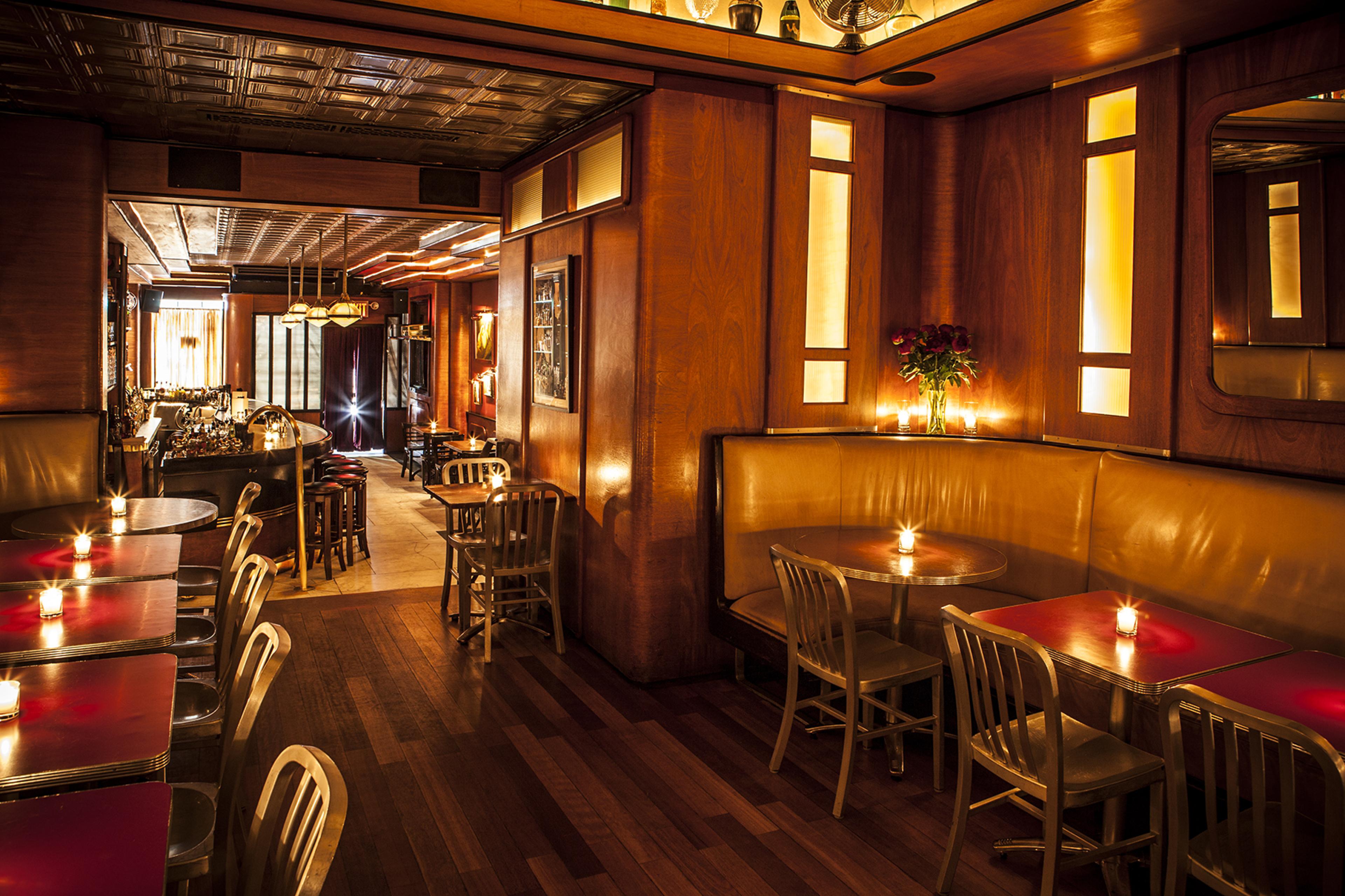
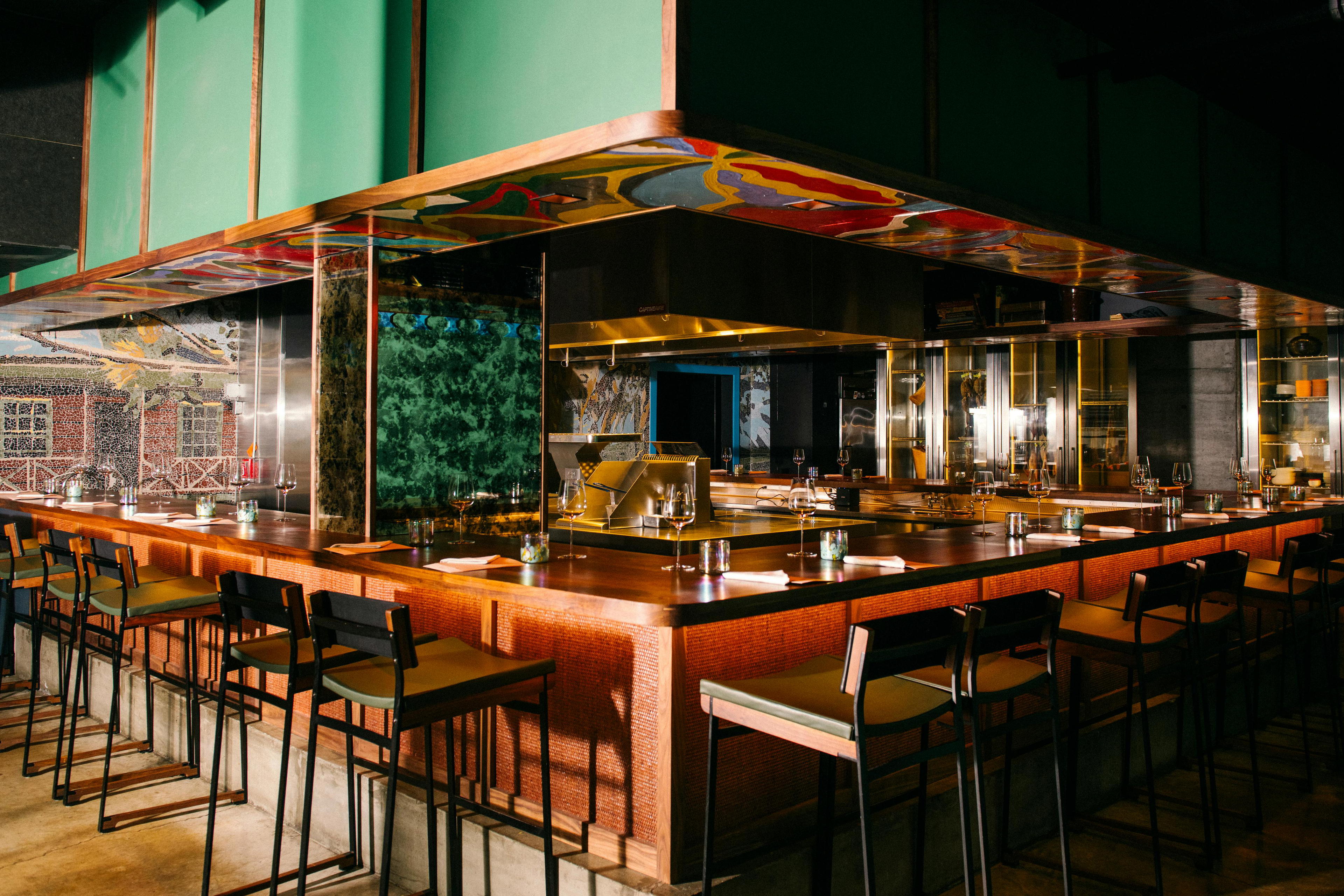
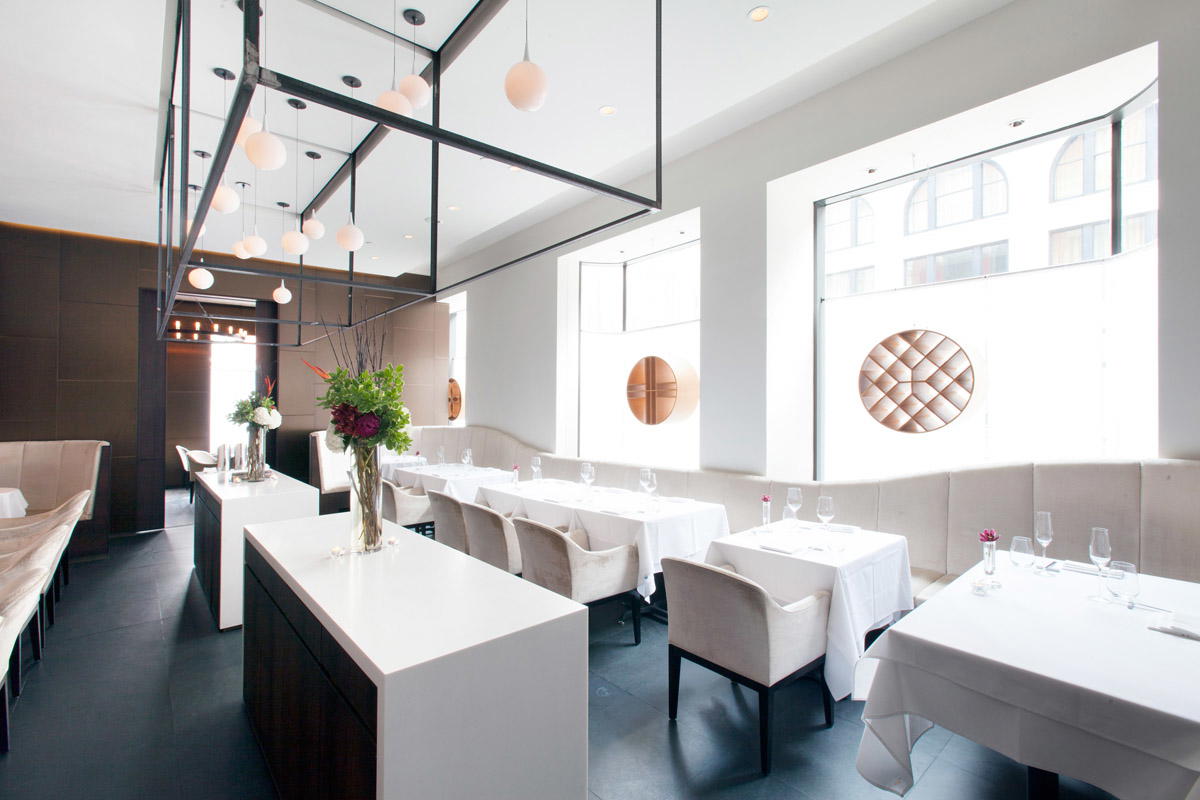
Bars in New York City
Browse all →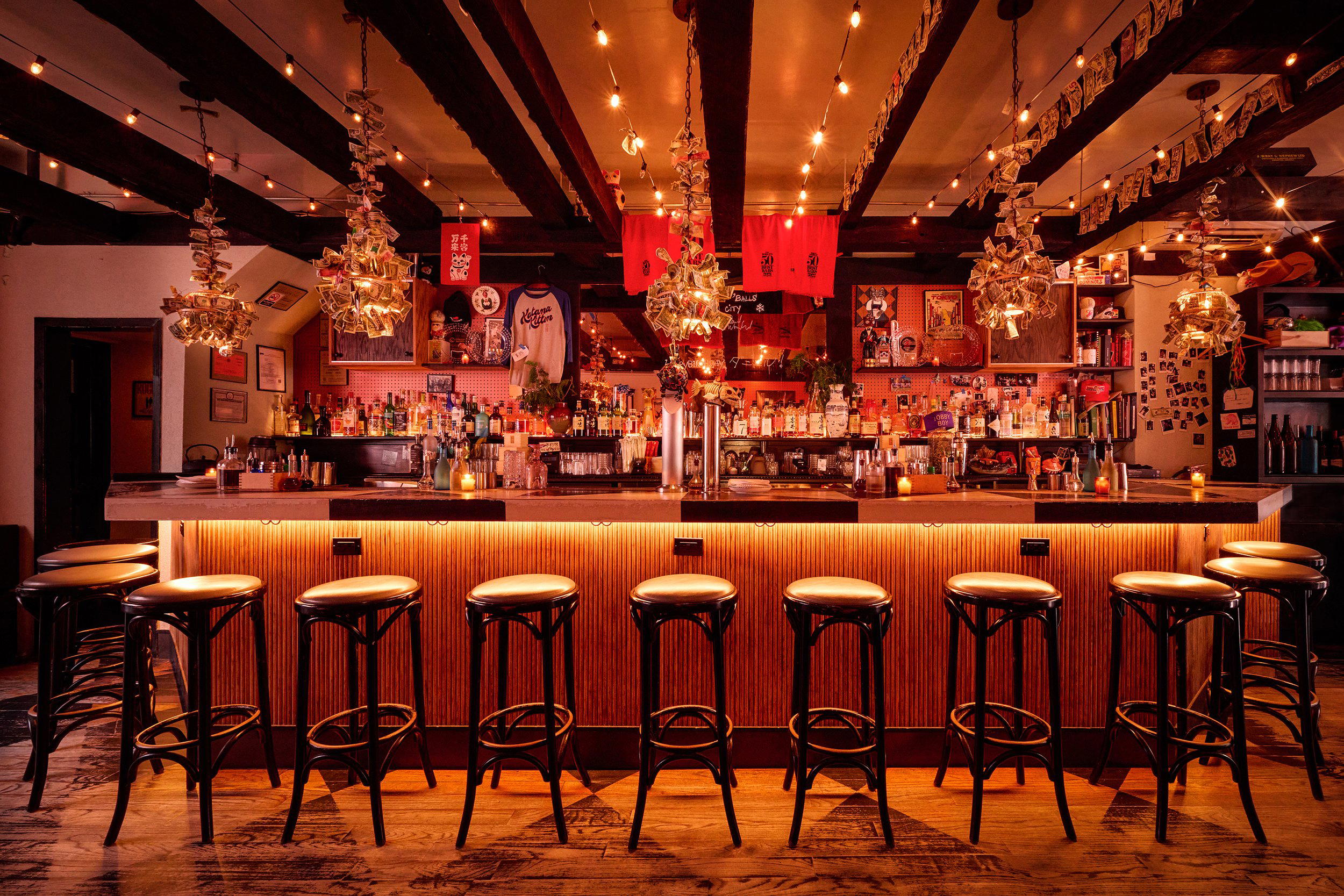
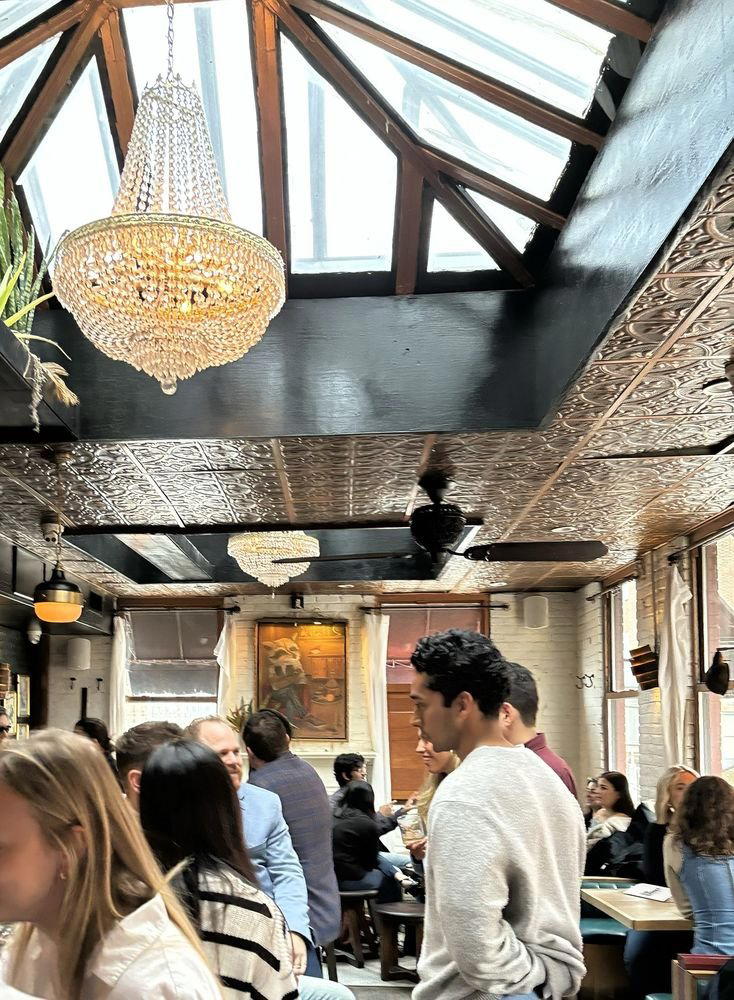
Hotels in New York City
Browse all →




At a Glance
- Cozy
- Classic
- Intimate
- Elegant
- Date Night
- Casual Hangout
- Special Occasion
- Open Kitchen
- Extensive Wine List
- Craft Cocktails
- Local Sourcing
Current opening hours
- Monday
- 11 AM–11 PM
- Tuesday
- 11 AM–11 PM
- Wednesday
- 11 AM–11 PM
- Thursday
- 11 AM–11 PM
- Friday
- 11 AM–11 PM
- Saturday
- 11 AM–11 PM
- Sunday
- 11 AM–11 PM
Hours can change for holidays and private events. Last verified .
Cozy setting evoking warmth and casual elegance of classic New York restaurants, with good cheer and nostalgic atmosphere.