
Open since 1939 and now in its third generation, Antica Trattoria Giovanelli occupies a rural spot at the foot of the Piacenza hills where the cooking stays close to the land: cured hams, roast and boiled meats, homemade pasta, and an almond tart with zabaione that draws visitors from across the province. A Michelin Plate recognition.
Pearl is the En Primeur Club membership app — saves, bookings, and concierge access live there. Same editors, same standards.
- Address
- Via Centrale, 5, 29010 Sarturano PC, Italy
- Phone
- +39 0523 975209
- Website
- anticatrattoriagiovanelli.it
- Directions
- Get directions
 Saves & bookings on Pearl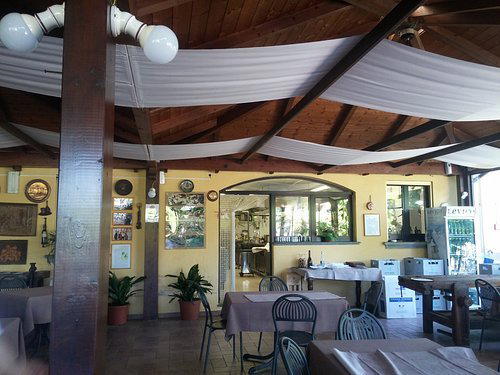
Where the Hills Meet the Table
Approach Sarturano along the narrow roads that thread through the lower Piacenza hills and the trattoria announces itself the way this kind of place always has: a low building set against the surrounding slopes, the scent of slow-cooked meat arriving before any sign does. This is the Emilia-Romagna countryside at its least theatrical, and Antica Trattoria Giovanelli fits the setting without apology. The physical environment here is not decoration; it is context. The hills that frame the dining room are the same hills that supply much of what ends up on the plate, and that relationship between land and kitchen is the defining logic of the meal.
Rural Piacenza sits at the western edge of Emilia-Romagna, a province that tends to be overshadowed by the grander reputations of Bologna, Modena, and Parma, yet produces particularly grounded and ingredient-led cooking in northern Italy. The tradition is one of thrift converted into technique: hogs cured over months, pasta rolled by hand to accommodate the local soft wheat, meats braised or roasted until the collagen does the work that butter or cream would do elsewhere. Giovanelli operates squarely within that tradition, with the same family maintaining the practice since 1939.
The Logic of Staying Local
The sourcing philosophy here is not a recent marketing position. It predates the language of farm-to-table by several decades. In 1939, a trattoria in rural Piacenza worked with what the surrounding countryside provided because there was no practical alternative. That constraint produced a cuisine of genuine specificity, and the family has chosen to maintain it rather than modernise toward the more cosmopolitan formats that have come to define Italian fine dining in cities.
That distinction matters when you place Giovanelli against the broader map of celebrated Italian restaurants. Properties like Osteria Francescana in Modena, Enoteca Pinchiorri in Florence, or Enrico Bartolini in Milan operate in the three-Michelin-star bracket, where the sourcing conversation is mediated through elaborate tasting menus and a €€€€ price point that places the meal in a different register entirely. Even rural counterparts like Dal Pescatore in Runate or Reale in Castel di Sangro have moved into creative territory that distances the food from its agricultural origins. Giovanelli operates at a modest price tier, which means the sourcing conversation is never mediated by architectural plating or modernist technique. The ingredient is the point.
Cured hams represent one axis of this. Piacenza holds DOP status for three cured pork products: coppa, pancetta, and salame. These are not generic charcuterie; they are products tied to specific micro-climates and traditional curing methods that distinguish them from their counterparts across the Apennines in Parma. A trattoria of this age in this location would have been serving these products long before they carried any formal designation, and the continuity is itself a form of provenance.
The Menu as Record of Place
Roast and boiled meats have anchored this kind of trattoria menu for as long as the format has existed in Emilia-Romagna. Bollito misto, the great boiled meat tradition of the Po Valley, is among the more labour-intensive preparations in the regional canon: multiple cuts, multiple animals, slow timing, and a battery of accompanying sauces that take as long to make as the meats themselves. Roasted preparations follow a different but equally disciplined logic, relying on the quality of the animal and the patience of the cook rather than any intervention during plating.
The homemade pastas draw particular attention in Michelin's own notes on the restaurant. In Piacenza, the local pasta tradition includes pisarei e fasò (small gnocchi with beans), tortelli con la coda, and anolini in brodo, a stuffed pasta served in capon broth that is essentially the provincial Sunday dish. The fact that the pasta is made in-house is not a point of differentiation in this context; it is simply what the tradition requires. What distinguishes a kitchen here is the quality of the flour, the skill of the sfogline (pasta makers), and the fidelity of the filling recipes.
The almond tart with zabaione is the closing argument. Zabaione, made with egg yolk, sugar, and Marsala, is one of the oldest dessert preparations in northern Italy, and its pairing with a nut-based pastry is exactly the kind of combination that survives in family kitchens and rural trattorie because it works, not because it is fashionable. It is worth noting that Michelin singles this out by name, which at the Plate level (recognising good cooking without the structured scoring of starred properties) carries editorial weight.
For comparable country-cooking experiences at a similar price point elsewhere in northern Italy, 21.9 in Piobesi d'Alba and Andrea Monesi at Locanda di Orta in Orta San Giulio offer a useful peer comparison. Both sit in the same rural-restaurant tradition of Piedmont and Lombardy, working from local ingredients without the structural complexity of tasting-menu formats. Other high-end Italian references in our guide, including Le Calandre in Rubano, Piazza Duomo in Alba, Uliassi in Senigallia, Quattro Passi in Marina del Cantone, Casa Perbellini 12 Apostoli in Verona, and Atelier Moessmer Norbert Niederkofler in Brunico represent the other end of the spectrum: ambitious, technically sophisticated, and priced accordingly. Giovanelli is not competing with that tier and should not be assessed against it.
Planning Your Visit
Sarturano sits in the Piacenza hills, best reached by car from Piacenza city, which itself is a short train journey from Milan or Parma. The price bracket means a full meal here represents one of the more affordable entries in any serious survey of northern Italian regional cooking.
Quick Comparison
Comparable venues nearby, for context on price, style, and recognition.
| Venue | Cuisine | Price | Awards | Notes |
|---|---|---|---|---|
| Antica Trattoria GiovanelliThis venue — the venue you are viewing | Traditional Emilia-Romagna Trattoria | $$ | Michelin Plate | Not listed |
| La Cucina dei Frigoriferi Milanesi | Modern Milanese Italian | $$ | Michelin Plate | Corsica |
| Il Cairoli | Traditional Milanese | $$ | Michelin Plate | Brera |
| Il Michelaccio | Modern Ligurian Bistro | $$ | Michelin Plate | Carignano |
| Taverna del Castello | Traditional Emilian | $$ | Michelin Plate | Torrechiara |
| Lanzani Bottega & Bistrot | Modern Italian Bistro | $$ | Michelin Plate | Brescia city center |
Recognition history
Dated appearances from independent guides and award organizations, with the underlying list record or original source where available.
Michelin Plate
Michelin
Michelin Plate
Michelin
Michelin Plate
Michelin
Continue exploring
More in Sarturano
Restaurants in Sarturano
Browse all →
Bars in Sarturano
Browse all →
Hotels in Sarturano
Browse all →

At a Glance
- Rustic
- Cozy
- Classic
- Intimate
- Family
- Special Occasion
- Historic Building
- Extensive Wine List
- Local Sourcing
Current opening hours
- Monday
- Closed
- Tuesday
- Closed
- Wednesday
- Closed
- Thursday
- Closed
- Friday
- 12–1:15 PM, 7:45–9:15 PM
- Saturday
- 12–1:30 PM, 8–9:30 PM
- Sunday
- 12–1:30 PM
Hours can change for holidays and private events. Last verified .
Comfortable and convivial with a warm, welcoming family atmosphere that evokes a sense of well-being and home-cooked tradition.