In the Eisack Valley above Laion, South Tyrol's farm-to-table tradition reaches one of its quieter expressions at Putzerhof. The setting alone, a working agricultural property in the Dolomite foothills, frames the food before a single dish arrives. For travellers seeking the connection between alpine terrain and plate that defines the region's best cooking, this is a serious address.
Pearl is the En Primeur Club membership app — saves, bookings, and concierge access live there. Same editors, same standards.
- Address
- Ried, 127, 39040 Lajen, Autonome Provinz Bozen - Südtirol, Italy
- Phone
- +39471655785
- Directions
- Get directions
 Saves & bookings on Pearl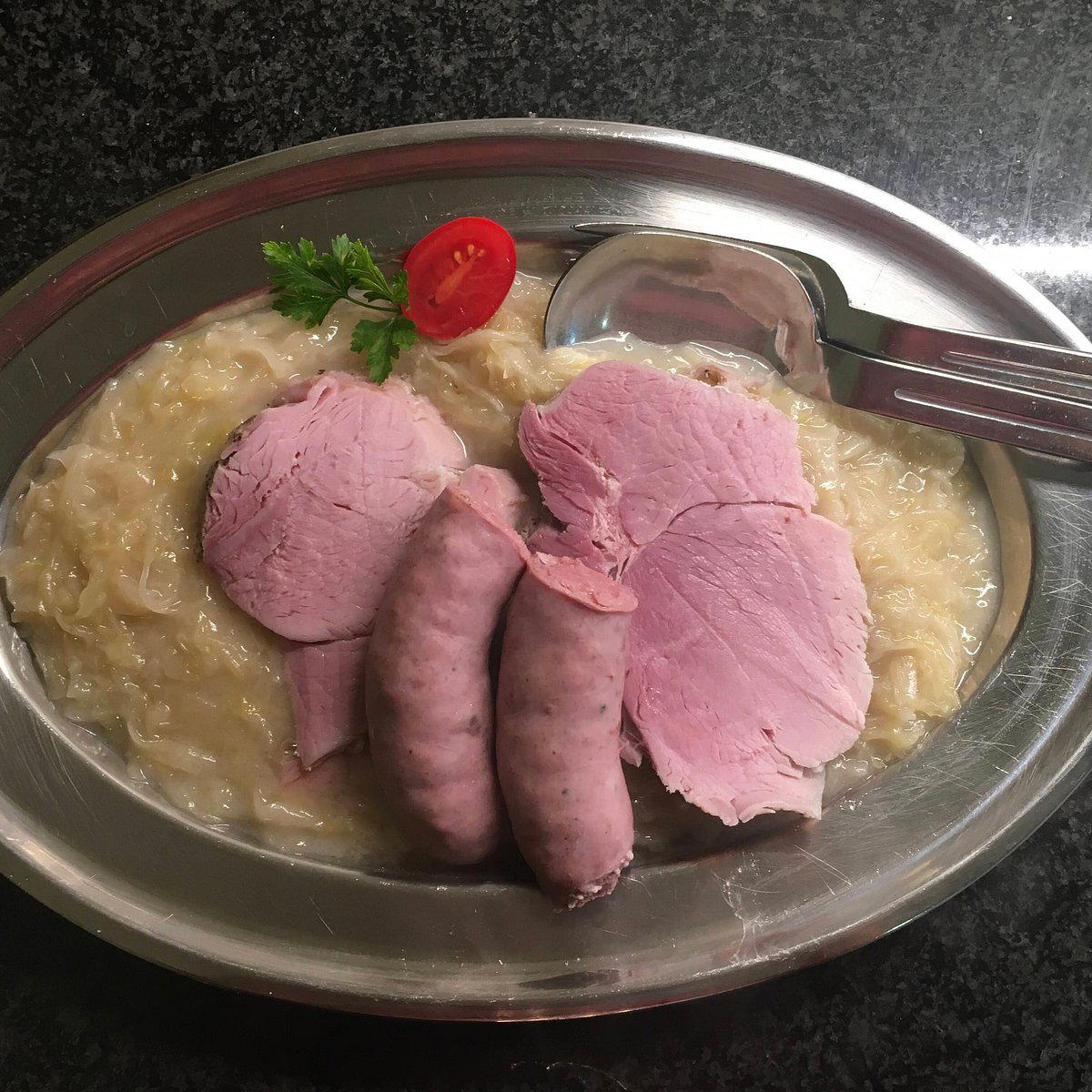
Where the Dolomites Meet the Plate
South Tyrol's dining identity is built on a contradiction: one of Italy's most mountainous, landlocked provinces has produced a density of serious kitchens that rivals regions with far more urban infrastructure. The reason is agricultural. The Eisack and Adige valleys, which cut through the region at altitude, produce apples, speck, dairy, and mountain herbs under conditions that lowland farming cannot replicate. The thin air, the temperature swings between day and night, and the mineral-rich soils of the Dolomite foothills create ingredients with a precision of flavour that chefs further south spend considerable money trying to source. Putzerhof is a restaurant in Laion, South Tyrol, on a working farm property in the Dolomite foothills.
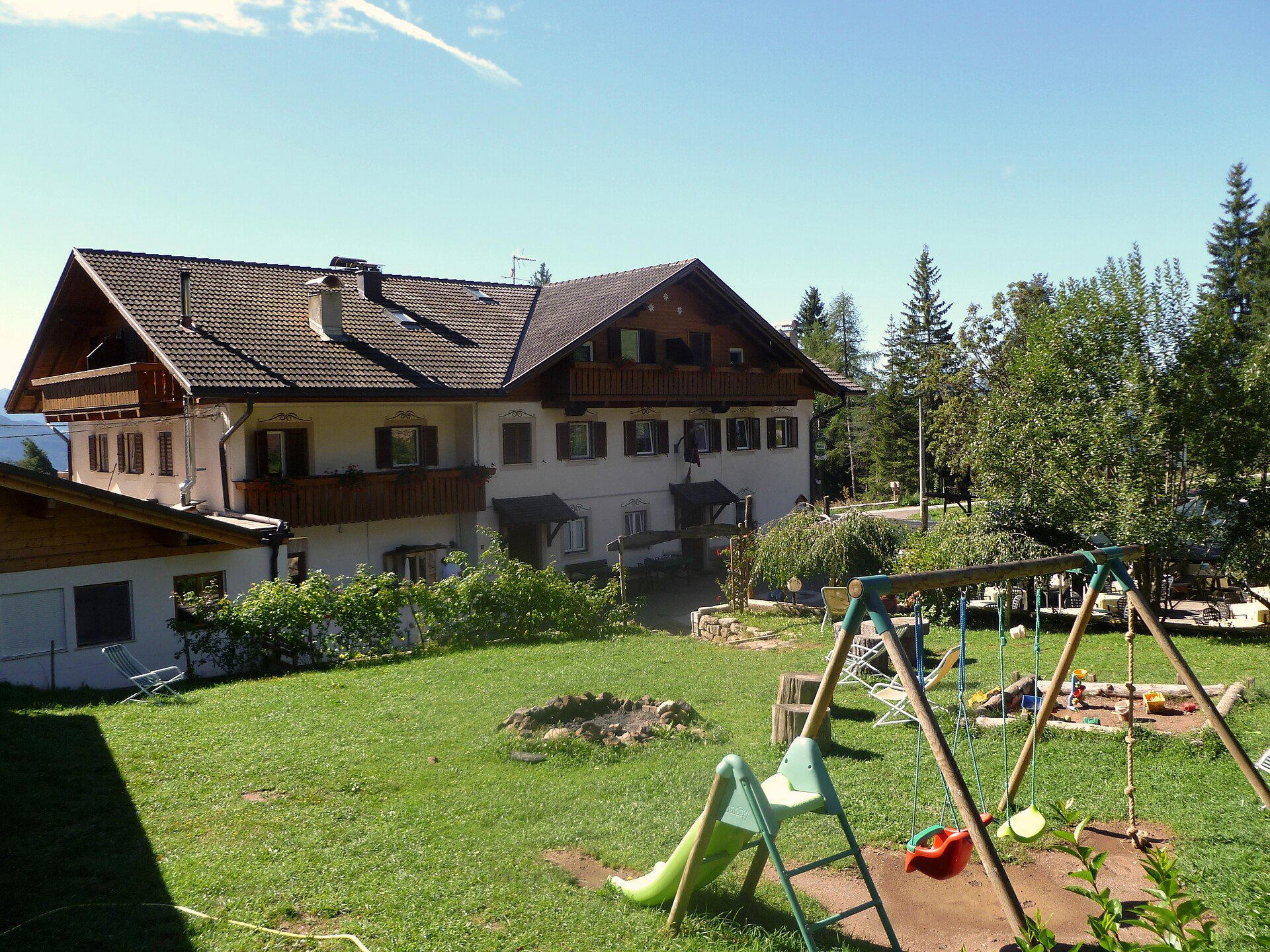
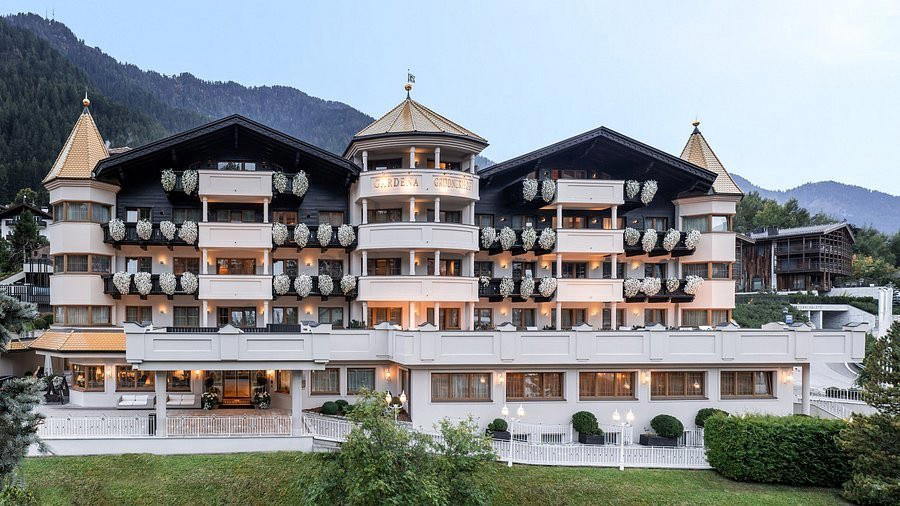
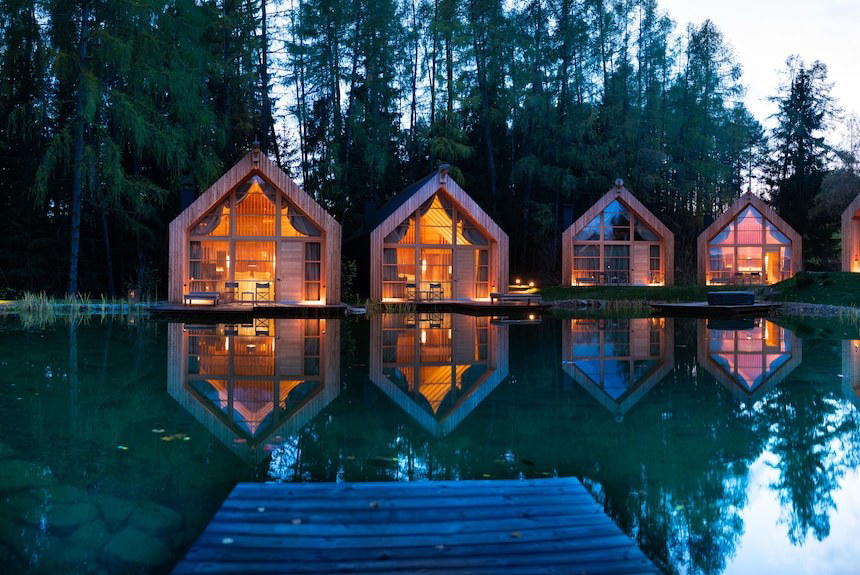
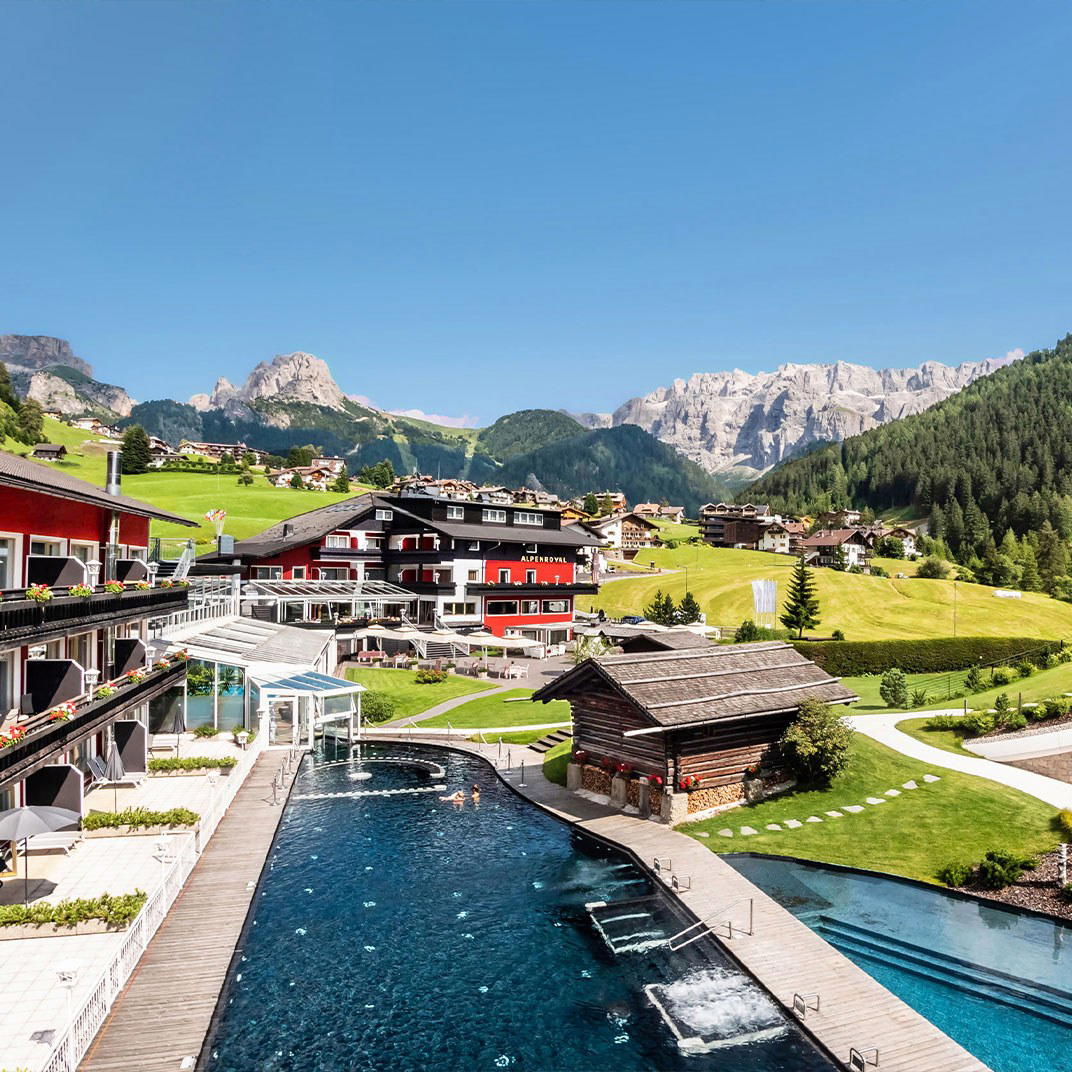
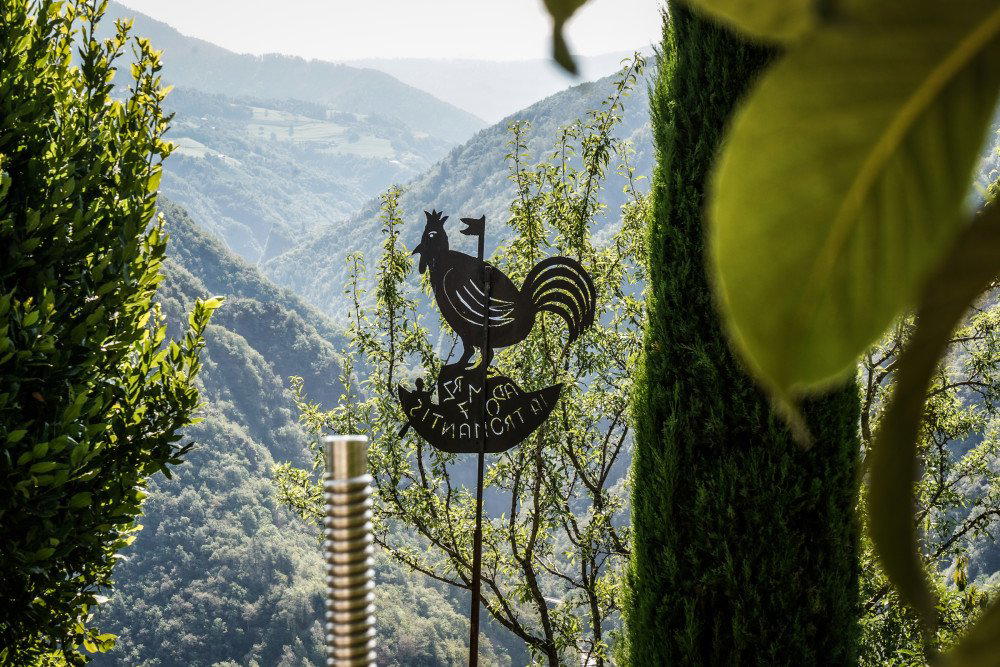
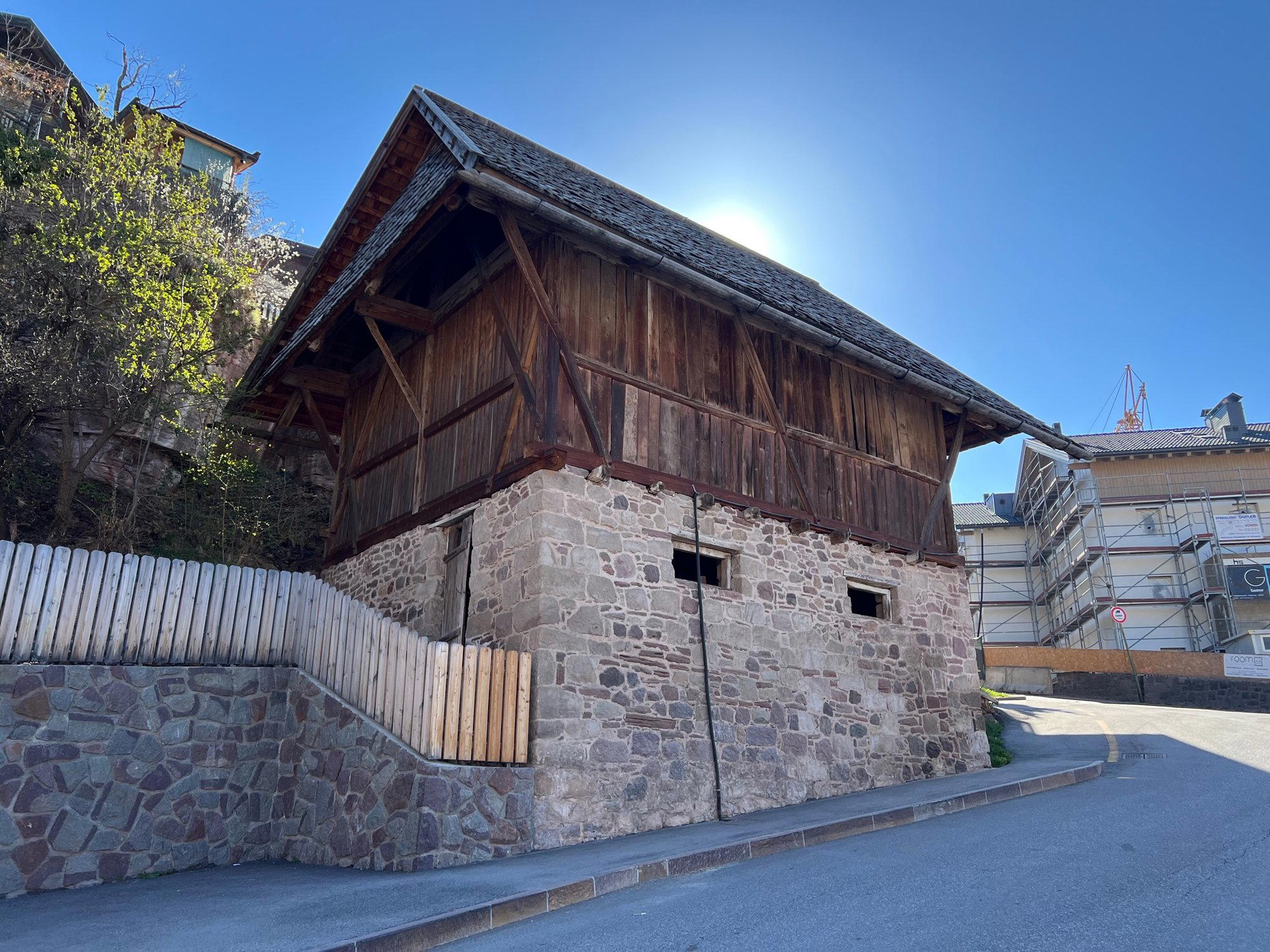
Approaching the property, the agricultural context is not decorative. This is the Ried hamlet of Lajen, a cluster of farms and traditional Tyrolean architecture where the relationship between land and kitchen is structural, not philosophical. In a region where that claim is made frequently and sometimes loosely, the farm setting at least grounds the assertion in something physical. The Dolomite peaks visible from the valley below provide the same backdrop that has made South Tyrol one of Italy's most visited alpine destinations, but Laion itself sits at a quieter remove from the tourist infrastructure concentrated in Bolzano or the Seiser Alm plateau.
South Tyrol's Ingredient Argument
Restaurants like Osteria Francescana in Modena and Piazza Duomo in Alba built their reputations on hyperlocal ingredient narratives. South Tyrol has its own version of this argument, and it is particularly compelling because the region's ingredients are genuinely difficult to replicate elsewhere. Speck Alto Adige carries IGP protection. The valley apple varieties, many of them heritage cultivars grown at altitude, have a tartness that flatland production cannot match. Mountain cheeses from small dairies around Laion and neighbouring communes age differently from lowland equivalents, shaped by the wild-herb grazing of cattle in high pastures during summer months.
This is the sourcing logic that the leading South Tyrolean kitchens operate within, and it places them in a distinct tier from the coastal and lowland Italian restaurants that must import their most interesting ingredients. Atelier Moessmer Norbert Niederkofler in Brunico has made this argument at the highest level, with a format built almost entirely around alpine and valley sourcing. Putzerhof operates in that same regional tradition, at a smaller and less publicised scale, in a commune that the broader dining press has largely not reached.
The Farm Setting as Editorial Frame
In many parts of Italy, the agriturismo format, farm-based hospitality with meals prepared from the property's own production, has become a reliable tourist category that does not always deliver on its agricultural premise. The leading examples of the format, however, offer something that purely urban kitchens cannot: a direct chain from soil to kitchen that removes most of the supply and freshness variables that complicate sourcing at scale. A working farm property in the Dolomite foothills, at Laion's elevation, is not a scenographic choice. It is a functional one, with seasonal produce cycles, animal husbandry rhythms, and harvest timing that shape the kitchen's options in ways that no amount of premium supplier relationships can fully replicate.
South Tyrolean kitchens working at elevation face a shorter growing season and a narrower ingredient palette, conditions that tend to produce either rigidity or creativity, depending on the kitchen's approach.
Laion and the Surrounding Table
Laion (Lajen in German, reflecting South Tyrol's bilingual character) is a small commune of a few hundred residents. It does not have the dining infrastructure of Bolzano or the resort-scale hospitality of Ortisei. That relative quietness is the point for a certain kind of traveller. The nearest serious comparator for dining in the broader area is the constellation of kitchens in and around Bressanone and the Val Gardena, which include some of the region's most focused cooking. Putzerhof sits outside that circuit, which means visitors make a deliberate choice to come here rather than passing through as part of a larger itinerary.
For those building a broader Italian dining trip, the contrast between this kind of alpine, agriculturally-rooted address and the more urban registers of restaurants like Enrico Bartolini in Milan, Enoteca Pinchiorri in Florence, or La Pergola in Rome is instructive. The urban addresses in that tier operate against different supply chains, service conventions, and price points. The South Tyrolean farm-based format represents a separate tradition entirely, one where proximity to production is the primary credential. You can also find similar ingredient-forward ambition at places like Uliassi in Senigallia or Reale in Castel di Sangro, where the kitchen's relationship to a specific territory is the organising principle of the menu.
Planning a Visit to Laion
Laion is accessible by car from Bolzano in approximately 25 to 30 minutes via the SS12 and local valley roads. The nearest rail connection is Ponte Gardena on the Brenner line, from which the commune is reachable by local bus or taxi. The summer months from June through September offer the longest days and particularly open roads; winter visits require snow-ready transport and should account for reduced daylight and occasional road closures on the upper approaches. The commune's small scale means accommodation options are limited to farm stays and small guesthouses; Bolzano and Bressanone function as the nearest bases with wider hotel choice.
For additional context on dining in the area, Ansitz Fonteklaus represents another local address.
A Quick Peer Check
Comparable venues nearby, for context on price, style, and recognition.
| Venue | Cuisine | Price | Notes |
|---|---|---|---|
| PutzerhofThis venue — the venue you are viewing | South Tyrolean Rustic | $$ | Not listed |
| Ansitz Fonteklaus | Traditional South Tyrolean Alpine Cuisine | $$ | Laion (Lajen) |
| Larmhof | South Tyrolean Törggelen | $$ | Villandro |
| Jochele | South Tyrolean Alpine Cuisine | $$ | Pfalzen |
| Il Biergarten | Bavarian German | $$ | Fraforeano |
| Röckhof | Tyrolean Törggelen | $$ | Villanders |
Continue exploring
More in Laion
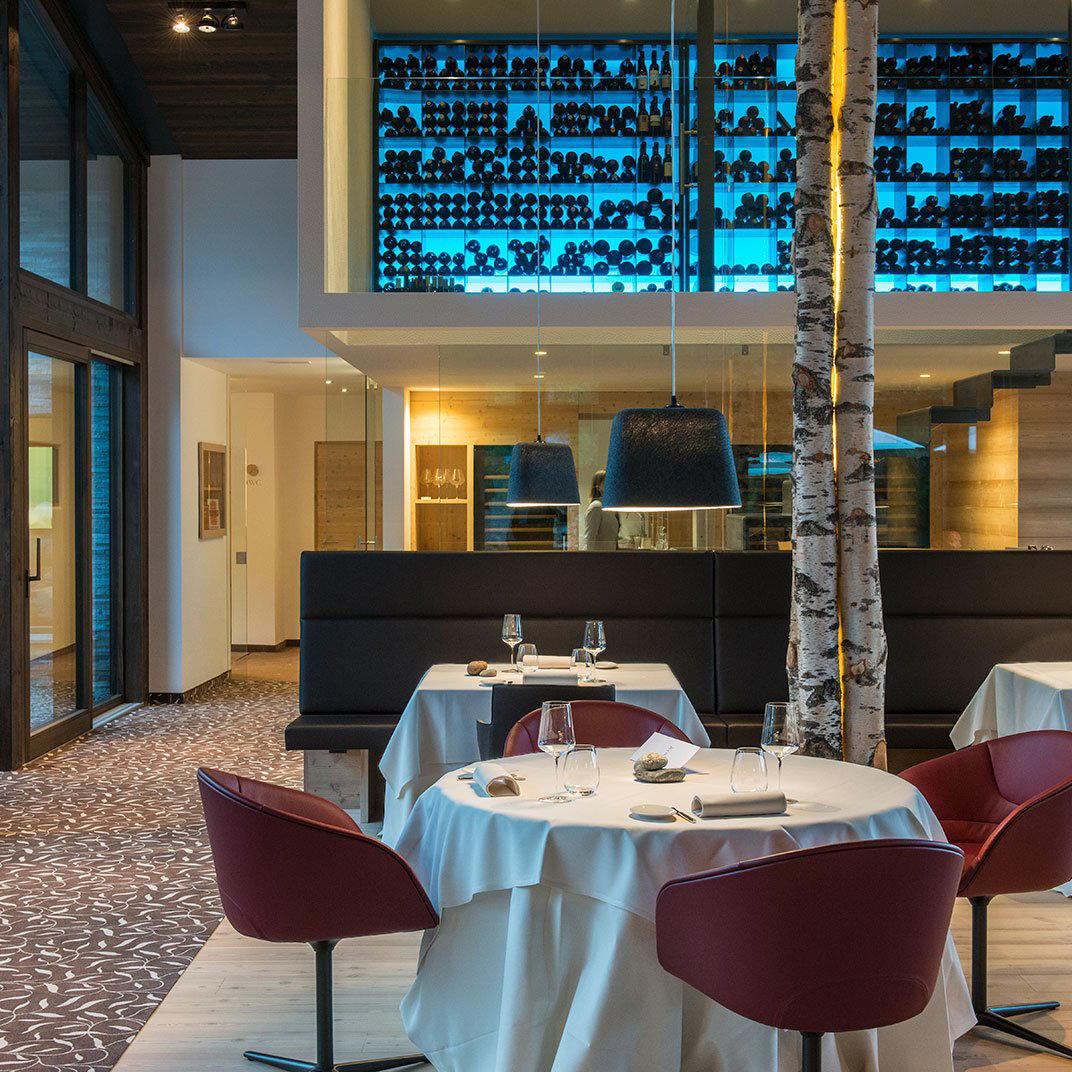
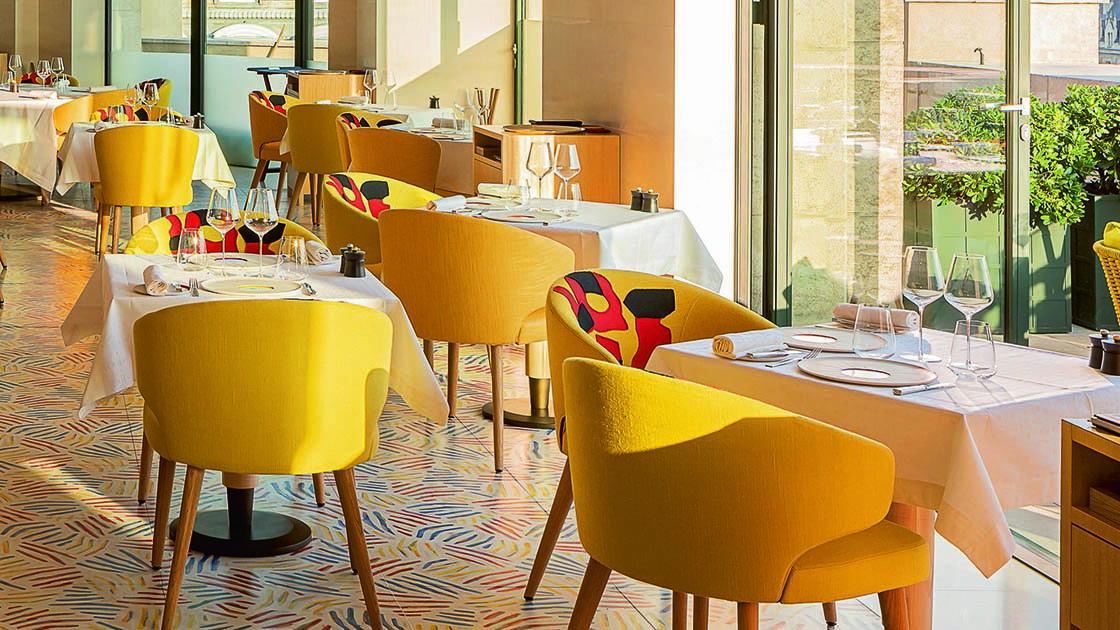
Restaurants in Laion
Browse all →
Bars in Laion
Browse all →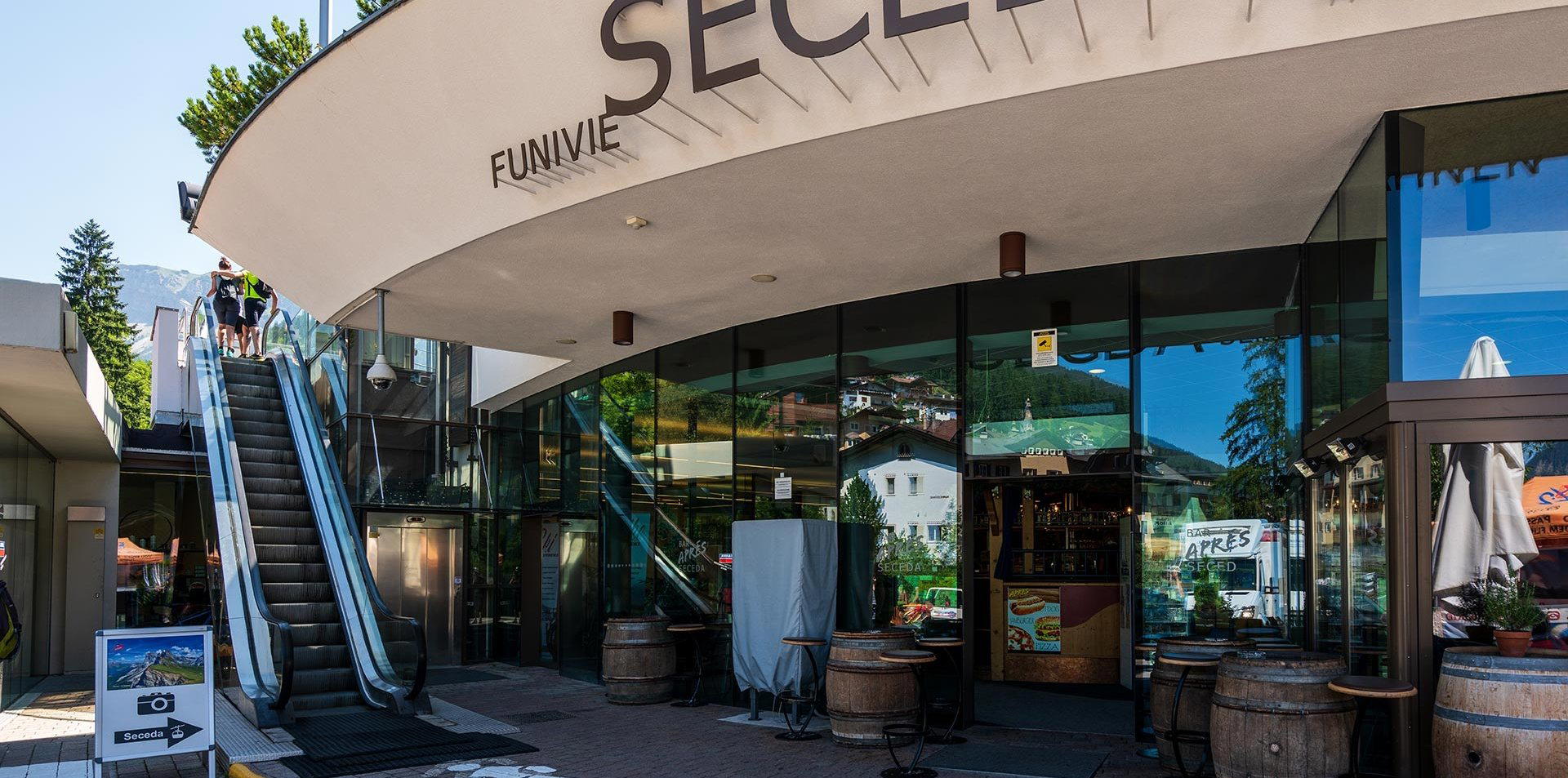
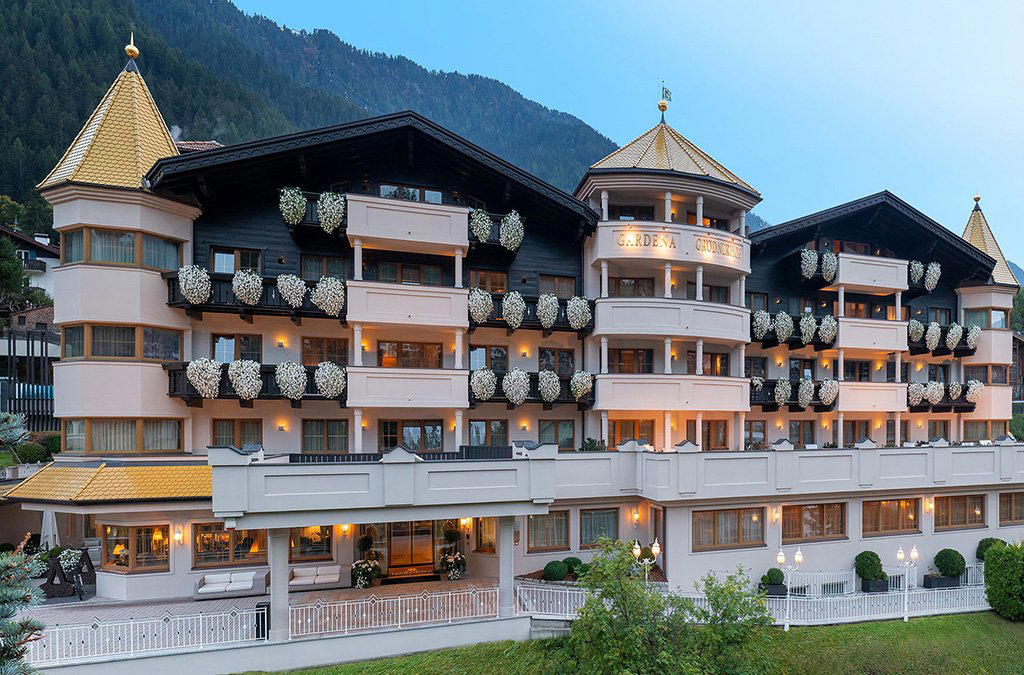
Hotels in Laion
Browse all →
At a Glance
- Rustic
- Cozy
- Casual Hangout
- Family
- Historic Building
- Local Sourcing
- Mountain
Down-to-earth rustic atmosphere with hearty farmhouse vibes.