Anjappar Chettinad
Anjappar Chettinad at 116 Lexington Avenue brings one of South India's most structurally complex regional cuisines to Curry Hill, the stretch of Murray Hill that has anchored New York's South Asian dining scene for decades. The kitchen draws from the Chettinad tradition of Tamil Nadu, a cooking style built around layered spice blends and slow-rendered proteins that sits apart from the North Indian register most Manhattan diners know best.
Pearl is the En Primeur Club membership app — saves, bookings, and concierge access live there. Same editors, same standards.
- Address
- 116 Lexington Ave, New York, NY 10016
- Phone
- +19175405287
- Directions
- Get directions
 Saves & bookings on Pearl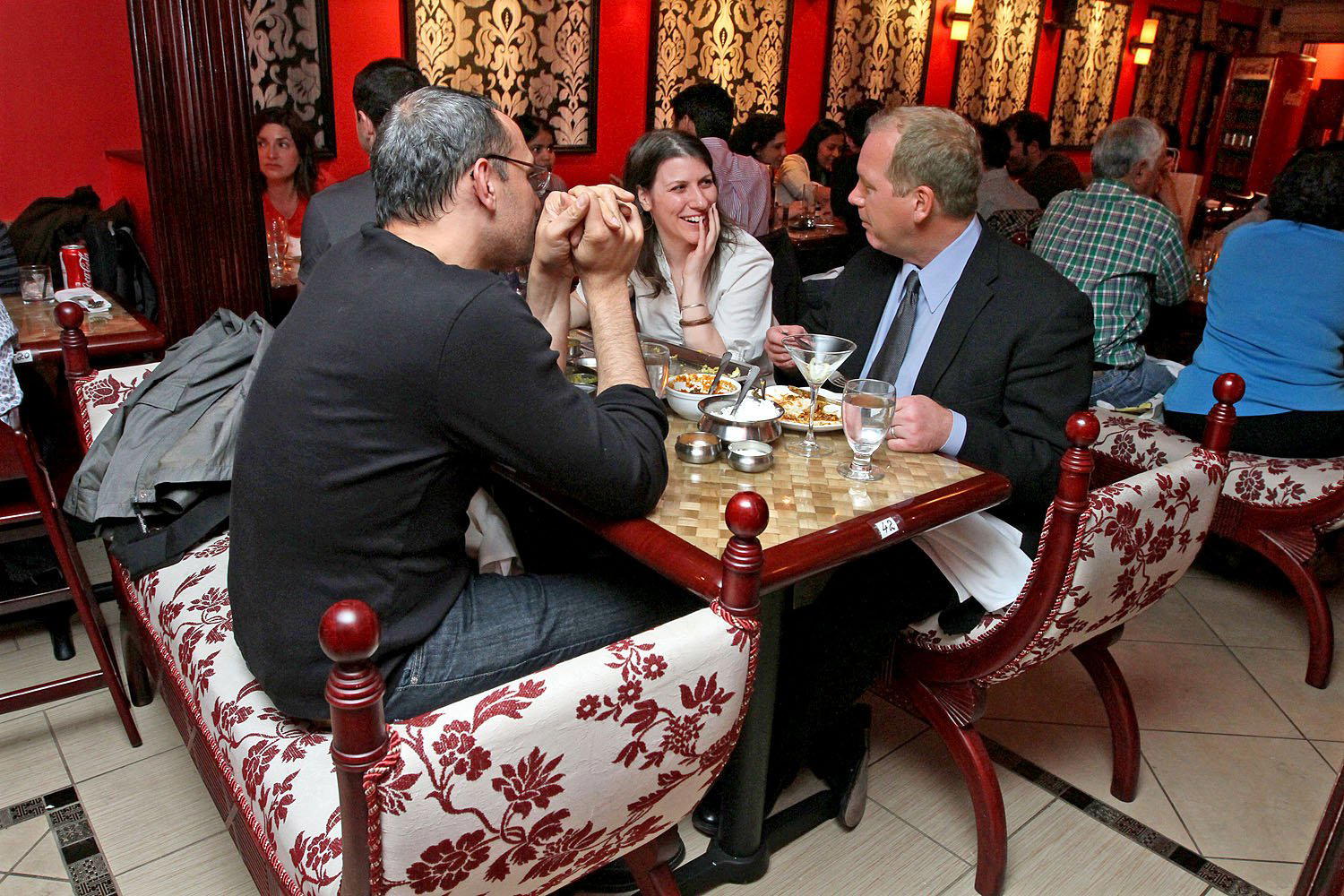
Chettinad in New York: A Regional Tradition That Resists Simplification
South Indian regional cooking reached New York in waves, and Curry Hill absorbed most of them. Within that corridor, the dominant register has long been North Indian: butter-heavy curries, tandoor-cooked breads, and the Mughal-inflected flavors that translated most readily to a broad American audience. Chettinad cooking sits in a different category entirely, and understanding that gap is the starting point for understanding what Anjappar Chettinad offers at 116 Lexington Avenue.
The Chettinad region of Tamil Nadu produced one of the subcontinent's most architecturally complex cooking traditions. The merchant Nattukotai Chettiar community developed a cuisine built around freshly ground spice blends, marathi mokku (dried flower pods), kalpasi (stone flower), and marathi chakku that appear in almost no other Indian regional style. The heat profile is real and intentional, but the structural point is the layering: spice blends that shift dish to dish rather than a single house masala applied across a menu. That specificity is what separates a serious Chettinad kitchen from a generalist South Indian menu with a Chettinad section appended to it.
What the Menu Architecture Tells You
In Chettinad cooking, the menu is a map of the tradition's internal logic. The division between "kari" preparations (dry-cooked, intensely spiced) and gravy-based curries reflects not just texture preference but technique lineage. Pepper chicken, a dish built on freshly cracked black pepper and curry leaves rather than chili heat, illustrates how the cuisine uses individual spices as primary flavors rather than background notes. Similarly, Chettinad fish preparations typically rely on tamarind for acidity rather than the tomato base common in North Indian seafood dishes, giving the sourness a rounder, slower quality.
Rice is structural here, not supplementary. Meals are organized around it in a way that differs from the bread-forward logic of North Indian menus. Idiyappam (string hoppers), dosas, and appam appear on Chettinad menus not as alternatives to the main event but as vehicles with their own spice-pairing logic. A kitchen that handles these correctly is signaling technical discipline: fermentation timing, griddle temperature, and batter hydration all require attention that a kitchen running a diluted menu cannot sustain.
The non-vegetarian depth of Chettinad menus is historically grounded. The tradition includes preparations for mutton, chicken, quail, crab, and prawn that rarely overlap with North Indian treatments of the same proteins. Mutton brain masala, liver fry, and country chicken preparations appear on serious Chettinad menus as markers of authenticity rather than novelty additions. Their presence at Anjappar Chettinad signals a kitchen orienting toward the full tradition rather than a curated selection designed for unfamiliar palates.
Curry Hill Context: Where Anjappar Fits
Curry Hill operates as a neighborhood-within-a-neighborhood, with a dining density that allows direct comparison across South Asian regional styles within a few blocks. The concentration also creates a tiering effect: restaurants here compete on authenticity and specificity rather than on the kind of ambient luxury that drives reservations at higher-price-tier Manhattan restaurants like Le Bernardin, Atomix, or Masa. The price point sits well below the tasting-menu tier occupied by Per Se or Eleven Madison Park, and the format is correspondingly direct: order from a menu, eat well, leave satisfied.
That value relationship matters for context. The Anjappar name originates in Chennai, where the brand has operated Chettinad restaurants since the 1960s, giving the New York outpost a lineage that extends well beyond the Lexington Avenue address. That founding history places it among the longer-running Indian regional dining brands to reach New York.
Technique-driven American restaurants like Lazy Bear in San Francisco, Smyth in Chicago, or Blue Hill at Stone Barns in Tarrytown make their regional sourcing and technique the explicit editorial subject. Chettinad cooking carries equivalent technical depth, but in a format that has never needed to announce itself: the cuisine is the argument, and the menu is its structure.
Planning Your Visit
- Dindigul Samba Biriyani
- Kothu Parotta
- Anjappar Chicken Marsala
- Crab Masala
- Mutton Chukka
- Dosa
- Parotta
Similar Picks
Comparable venues nearby, for context on price, style, and recognition.
| Venue | Cuisine | Price | Notes |
|---|---|---|---|
| Anjappar ChettinadThis venue — the venue you are viewing | Authentic Chettinad South Indian Cuisine | $$ | Not listed |
| Atithi Indian Cuisine | Authentic Indian Cuisine | $$ | Williamsburg |
| Spice Symphony Times Square | Authentic Indian with Indo-Chinese Fusion | $$ | Hell's Kitchen |
| Diwali Indian Cuisine | Traditional Indian Tandoori | $$ | Bedford-Stuyvesant (West) |
| GupShup | Modern Indian | $$$ | Gramercy |
| INDAY | Indian-American Fast Casual | $$ | Midtown South-Flatiron-Union Square |
Continue exploring
More in New York City
Restaurants in New York City
Browse all →
Bars in New York City
Browse all →


Hotels in New York City
Browse all →






At a Glance
- Lively
- Casual
- Cozy
- Casual Hangout
- Group Dining
- Family
- Standalone
- Craft Cocktails
- Beer Program
Current opening hours
- Monday
- Closed
- Tuesday
- 12–9:30 PM
- Wednesday
- 12–9:30 PM
- Thursday
- 12–9:30 PM
- Friday
- 12–10:30 PM
- Saturday
- 12–10:30 PM
- Sunday
- 12–9:30 PM
Hours can change for holidays and private events. Last verified .
Warm and lively atmosphere rooted in South Indian culinary traditions, with casual dining environment focused on authentic flavors and hospitality.