Atithi Indian Cuisine
Atithi Indian Cuisine operates in Brooklyn's Williamsburg corridor, where Indian restaurants have historically occupied a narrower price tier than the borough's other destination dining. The address at 159 Grand Street places it within a neighbourhood that has seen significant culinary diversification over the past decade, making it a reference point for how Indian cooking is being repositioned in New York's outer boroughs.
Pearl is the En Primeur Club membership app — saves, bookings, and concierge access live there. Same editors, same standards.
- Address
- 159 Grand St, Brooklyn, NY 11249
- Phone
- +17186849192
- Website
- atithirestaurantnyc.com
- Directions
- Get directions
 Saves & bookings on Pearl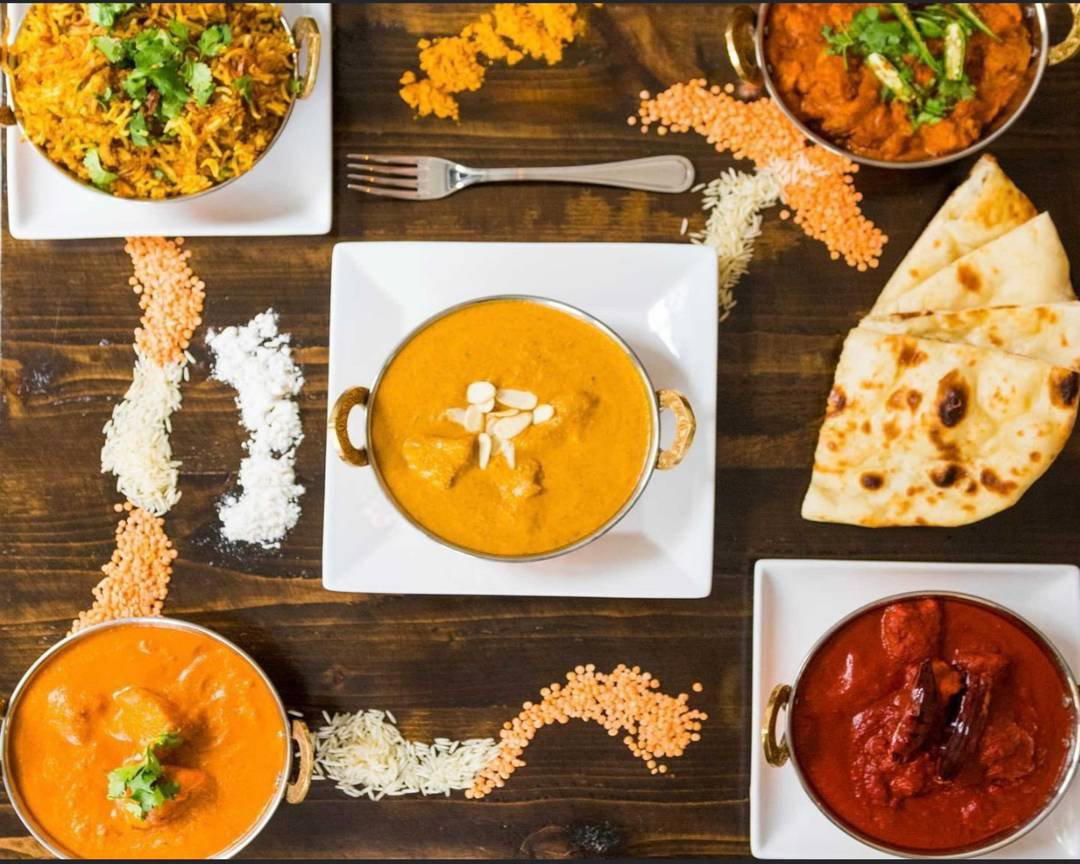
Indian Dining in Brooklyn's Shifting Restaurant Scene
New York's Indian restaurant sector has long been stratified between the dense, affordable corridors of Jackson Heights in Queens and a thin tier of Manhattan tasting-menu destinations. Brooklyn has occupied an awkward middle position in that structure, with relatively few Indian restaurants making a sustained case for the borough as a serious address for the cuisine. Atithi Indian Cuisine, at 159 Grand Street in Williamsburg, sits in a neighbourhood where that calculus has been changing.
That shift matters for how Indian cooking is received and resourced in the area. Brooklyn's Indian restaurants are now being evaluated against a city-wide standard rather than a borough-specific one.
The Collaborative Architecture of an Indian Kitchen
One of the more consequential shifts in how premium Indian restaurants operate globally has been the elevation of front-of-house and beverage programs to equal standing with the kitchen. For most of its history in the West, Indian dining was treated as a kitchen-forward proposition: the complexity lived in the spice work, the slow-cooked proteins, the layered saucing, and the bread-making, while service and drinks operated as secondary considerations. That model produced excellent food but left a structural gap in the full-service experience that higher price points demand.
The restaurants that have moved Indian cuisine into serious critical conversation in cities like New York have generally done so by closing that gap. A well-constructed beverage program, whether built around wine pairings designed to work with high-acid and high-heat dishes or around a considered cocktail and spirits list, changes the economics and the experience of an Indian meal significantly. The front-of-house role in translating regional specificity to diners unfamiliar with the distinctions between, say, a Chettinad preparation and a Kashmiri one becomes as important as the cooking itself. This kind of team architecture, where sommelier judgment, kitchen output, and floor communication operate in coordination, is what separates the restaurants generating critical attention from those serving good food that goes underdiscussed.
For context, the restaurants at the summit of New York's broader fine-dining tier, places like Le Bernardin, Eleven Madison Park, and Per Se, have long treated the integration of kitchen, floor, and beverage as a non-negotiable structural commitment. Indian restaurants aiming for sustained recognition in the same city are increasingly being held to the same standard. This is not a criticism distinctive to any single address; it is the operating reality of the current New York market.
Williamsburg as a Culinary Address
The Grand Street corridor in Williamsburg is not the neighbourhood's highest-profile restaurant block, but it benefits from the general elevation of Williamsburg's dining reputation over the past fifteen years. The area draws a resident and visitor population that eats across a wide range of price points and cuisine categories, which creates a more commercially viable environment for restaurants that might otherwise struggle to find consistent covers. Indian cuisine in this context has an opportunity that it did not have in Brooklyn a generation ago: a neighbourhood audience that is already primed for serious, specific food experiences.
That opportunity connects to a broader national pattern. Across American cities, Indian restaurants have been finding new footholds in neighbourhoods where destination dining is already established, rather than clustering in historically South Asian commercial districts. The pattern is visible in cities beyond New York: Lazy Bear in San Francisco and Smyth in Chicago represent the kind of neighbourhood anchoring that lifts an entire block's culinary profile, and Indian restaurants in similar positions have benefited from that effect.
What the Menu Represents
Indian cuisine covers an enormous geographic and technical range, and the choices a kitchen makes about which regional traditions to draw from are as defining as any single dish. A menu oriented toward Northern Indian preparations, with their Mughal-inflected saucing and tandoor work, reads differently from one focused on coastal South Indian cooking, with its tamarind acidity and coconut-based curries, or from a menu that attempts to synthesize across regions. Each approach implies a different set of kitchen skills, sourcing relationships, and staff knowledge requirements.
The restaurants that have made the sustained critical impression in the Indian dining category globally tend to be those with a clear regional point of view rather than a pan-subcontinental approach. Specificity in this context is a trust signal: it tells a diner that the kitchen has made choices rather than attempted to cover everything.
Placing Atithi in New York's Indian Dining Context
New York's Indian restaurant sector is large and internally differentiated. At the higher end, a small number of Manhattan restaurants have attracted sustained critical attention and positioned Indian cuisine within the city's fine-dining conversation alongside French-influenced establishments like Masa at the Japanese end of the price spectrum. Brooklyn's contribution to that conversation has been more recent and less fully mapped. Atithi at its Grand Street address is a neighbourhood Indian restaurant in Williamsburg.
Planning Your Visit
Cost Snapshot
Comparable venues nearby, for context on price, style, and recognition.
| Venue | Cuisine | Price | Notes |
|---|---|---|---|
| Atithi Indian CuisineThis venue — the venue you are viewing | Williamsburg, Authentic Indian Cuisine | $$ | Not listed |
| Vatan | Not listed | $$ | Murray Hill-Kips Bay, Gujarati Vegetarian Thali |
| Dhaba | Not listed | $$ | Murray Hill-Kips Bay, Authentic North Indian Punjabi |
| Bombay Grill house | Greenpoint, Traditional Indian | $$ | Not listed |
| Spice Symphony | Not listed | $$ | East Midtown-Turtle Bay, Indian and Indo-Chinese Fusion |
| Ahimsa | Not listed | $$ | Murray Hill-Kips Bay, Authentic Indian Vegetarian |
Continue exploring
More in New York City
Restaurants in New York City
Browse all →
Bars in New York City
Browse all →
Hotels in New York City
Browse all →








At a Glance
- Cozy
- Group Dining
- Family
- Casual Hangout
- Open Kitchen
- Byob
Current opening hours
- Monday
- 11:30 AM–3 PM, 5–10 PM
- Tuesday
- 11:30 AM–3 PM, 5–10 PM
- Wednesday
- 11:30 AM–3 PM, 5–10 PM
- Thursday
- 11:30 AM–3 PM, 5–10 PM
- Friday
- 11:30 AM–3 PM, 5–10 PM
- Saturday
- 12–10 PM
- Sunday
- 12–10 PM
Hours can change for holidays and private events. Last verified .
Effervescent and welcoming environment ideal for unwinding.