Anda Jaleo occupies a tight address in Madrid's Centro district, where the city's appetite for creative Spanish cooking meets the kind of front-of-house coordination that turns a meal into something worth planning around. Positioned close to the Palacio Real corridor, it draws from a dining culture that prizes technique and room intelligence in equal measure, a venue worth tracking as Madrid's creative dining tier continues to expand.
- Address
- C. de la Amnistía, 6, Centro, 28013 Madrid, Spain
- Phone
- +34915616803
- Website
- opentable.com
- Directions
- Get directions
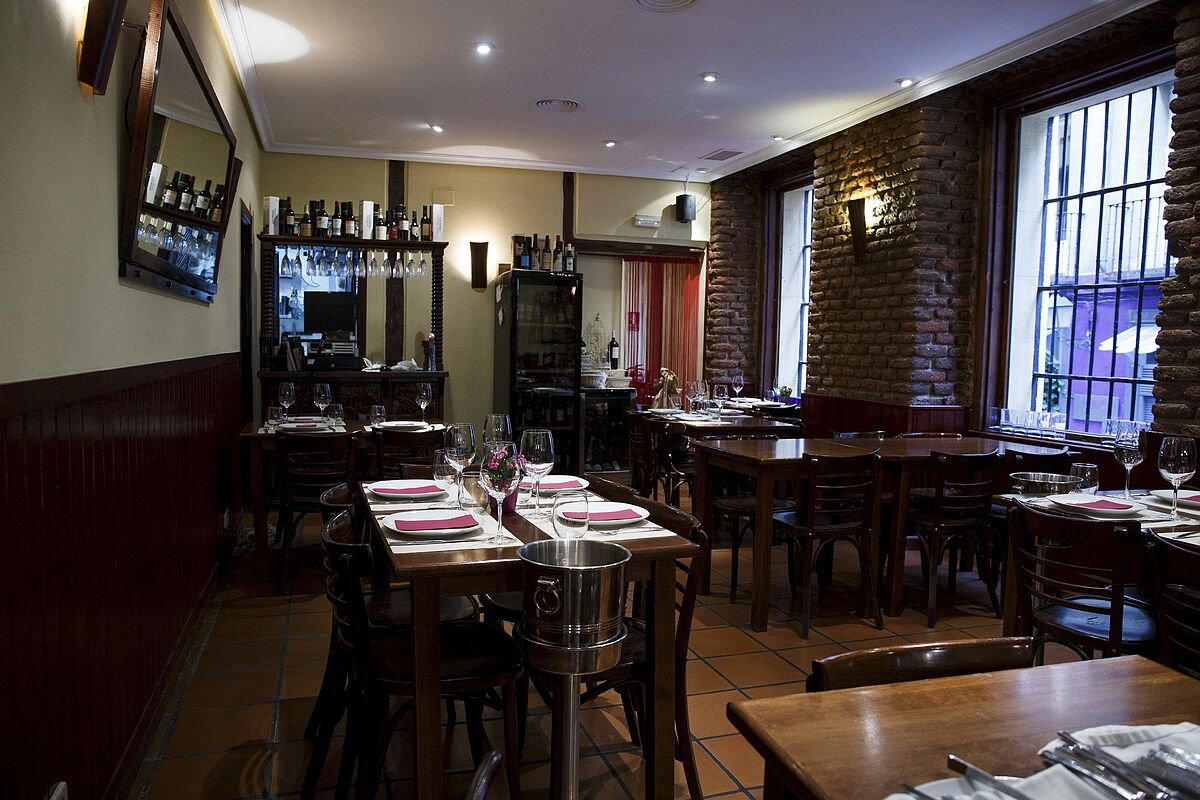
Where the Address Tells You Something
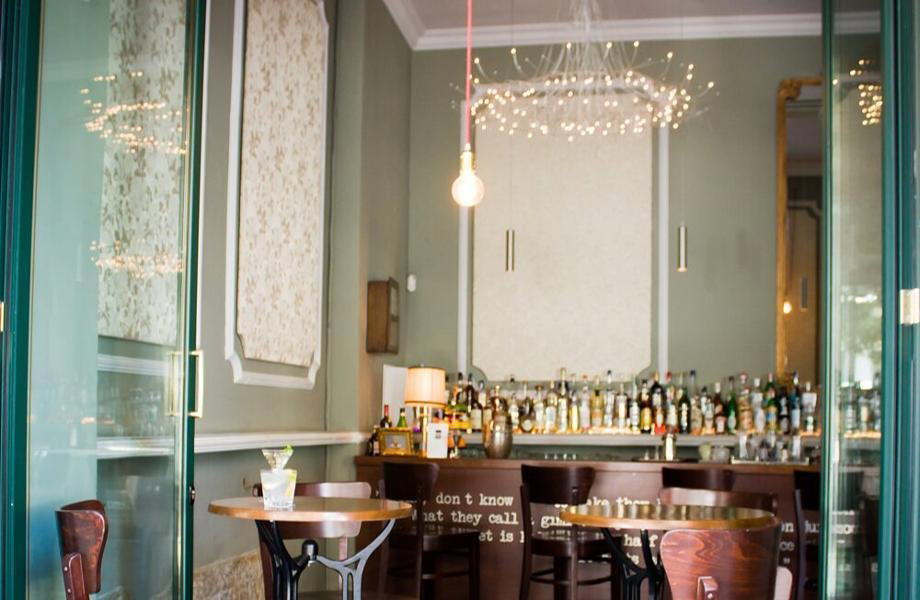
Anda Jaleo is a modern Spanish tapas restaurant in Madrid's Centro district, with a price tier of about $35 per person. The stretch of Calle de la Amnistía that runs through Madrid's Centro district sits within walking range of the Palacio Real and the Almudena Cathedral, a quarter that functions as tourist geography by day but sheds that identity after dark, when the restaurants that occupy its side streets begin filling with residents who know the neighbourhood better than any map. Anda Jaleo holds its ground here, on a street where the built fabric is old and the dining ambition is considerably newer. The physical approach is characteristic of this part of Madrid: narrow pavement, stone facades, the ambient noise of a city that does not quiet down easily. What you find inside is a contrast to the street's texture, a room calibrated for the kind of meal that demands attention from every part of the team delivering it.
Madrid's Creative Dining Tier and Where Anda Jaleo Sits
To understand what Anda Jaleo is doing, it helps to map the broader creative dining conversation in Madrid. At the summit of that bracket sit operations that have accumulated serious institutional recognition: DiverXO holds three Michelin stars and operates in a progressive Asian-inflected register that few European kitchens attempt at that level. Coque and Deessa each represent multi-element creative Spanish formats priced in the €€€€ tier. DSTAgE and Paco Roncero complete a cohort of kitchens where the cooking is explicitly conceptual and the room is built to support that ambition.
The restaurant operates in the same city but occupies a different register, one where the energy of a jaleo (the Spanish word carries connotations of noise, festivity, and lively disorder) is part of the formal proposition rather than something to be smoothed away. That is a meaningful distinction. The more austere creative restaurants in Madrid treat silence and pace as signals of seriousness. A venue that incorporates animation into its identity is making a different editorial choice about what a good meal feels like, and that choice places demands on the team that are, in some respects, harder to execute consistently.
The Team Dynamic as Defining Variable
In a dining room where the atmosphere is intentionally charged, the coordination between kitchen, floor, and the people managing the wine and beverage program becomes the real technical challenge. This is true across the creative dining category internationally, Lazy Bear in San Francisco built its reputation partly on the integration of communal energy with precise kitchen output, and Le Bernardin in New York City remains a case study in how front-of-house calibration can carry as much critical weight as what arrives on the plate. In both instances, the team dynamic is not incidental to the experience, it is the mechanism by which the kitchen's intentions reach the guest.
At the restaurant, the same logic applies. A room that pitches itself at animation and shared energy requires a floor team that can read pace, manage transitions between courses without breaking the room's momentum, and coordinate beverage pacing with a kitchen that is producing food on its own timeline. The sommelier role in this format is not simply reactive, it is active, anticipatory, part of what keeps the table's experience coherent when the surrounding room is deliberately lively. The restaurants in Spain that have built the strongest international reputations, from El Celler de Can Roca in Girona to Mugaritz in Errenteria, have in common a floor operation that functions as an extension of the kitchen's creative intent rather than a separate department managing logistics.
Spain's Dining Geography as Context
Madrid's creative restaurants increasingly compete not just with each other but with the broader Spanish fine dining circuit. A traveller building a serious food itinerary through Spain might anchor in the Basque Country, Arzak in San Sebastián, Martin Berasategui in Lasarte-Oria, and Azurmendi in Larrabetzu represent a Basque creative tradition that draws dedicated visitors from across Europe. Others route through Catalonia for Cocina Hermanos Torres in Barcelona, or head south for Aponiente in El Puerto de Santa María and east for Quique Dacosta in Dénia or Ricard Camarena in València. Inland, Atrio in Cáceres continues to operate one of the more singular wine programs in the country.
Madrid sits at the centre of this circuit, geographically and increasingly in terms of creative ambition. What the capital offers that regional fine dining often does not is density: the concentration of different dining registers within a city that is also a travel hub, with infrastructure that supports an evening at a creative restaurant without requiring the kind of planning that a destination meal in Errenteria or Dénia demands. The restaurant benefits from that density, and its Centro address means it can draw from hotel guests, residents, and travellers routing through Madrid as part of a longer Spanish trip.
Seasonal Considerations for Planning
Madrid's dining calendar has distinct pressure points. The summer months, particularly July and August, see a portion of the city's resident dining population migrate to coastal regions, which can ease competition for tables at some restaurants but also thin out the room energy that makes a venue like Anda Jaleo function at its intended pitch. Autumn through spring represents the core season for Madrid's creative dining tier, the months when the city's own appetite for serious eating is most concentrated, and when the synergy between a full room and a kitchen operating at pace is most consistently available. Visitors planning around the Madrid dining circuit should factor this seasonality into their timing, particularly if the experience of a charged, animated room is part of what draws them to a venue in this register.
Planning Your Visit
The restaurant's address on Calle de la Amnistía places it close to the Ópera metro station, which makes it accessible from most central Madrid hotels without requiring a taxi. The neighbourhood is manageable on foot if you are already based in Centro or the adjacent Sol and Latina quarters. Given the venue's positioning in a part of the city that activates in the evening, arriving at or after 21:00 aligns with the natural rhythm of Madrid's dining culture, earlier sittings exist but the room reads differently when the city is fully at its evening pace. Reservations are recommended.
Peers in This Market
Comparable venues nearby, for context on price, style, and recognition.
| Venue | Cuisine | Price | Notes |
|---|---|---|---|
| Anda JaleoThis venue — the venue you are viewing | Modern Spanish Tapas | $$ | Not listed |
| El Escaldon | Traditional Canarian | $$ | La Latina |
| Solo de Croquetas Echegaray | Spanish Croquetas Specialists | $$ | Cortes |
| La Tape | Spanish Tapas & Craft Beer | $$ | Arapiles |
| La Malontina | Modern Spanish Bistro | $$ | Barrio de las Letras |
| Harina | Spanish Café & Bakery | $$ | Jeronimos |
Continue exploring
More in Madrid
Restaurants in Madrid
Browse all →
Bars in Madrid
Browse all →
Hotels in Madrid
Browse all →

At a Glance
- Lively
- Cozy
- Casual Hangout
- Group Dining
- Standalone
- Extensive Wine List
Lively and casual with a busy atmosphere; described as amidst the din where guests eat, drink and live life.