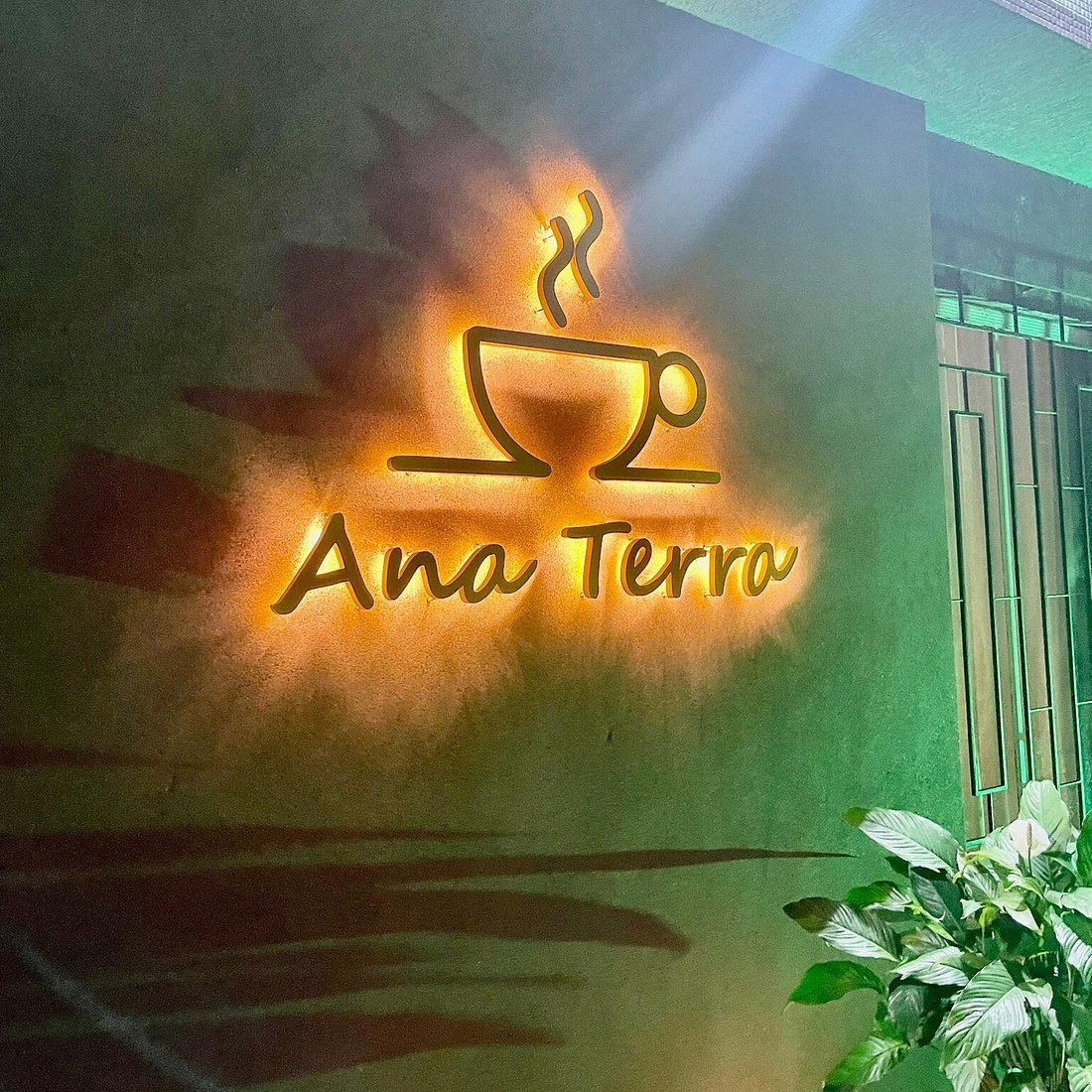
Ana Terra Coffee Store occupies a street-level address on Rua Lauro Müller in the heart of Criciúma, Santa Catarina, placing it inside a city whose Italian and coal-industry heritage has quietly shaped a distinctive local food culture. As a coffee-focused destination in a Brazilian interior city with a growing specialty scene, it represents the kind of independent retail-café format that increasingly anchors neighbourhood commercial strips across the Brazilian south.
 Discover on Pearl
Pearl is the En Primeur Club membership app — saves, bookings, and concierge access live there. Same editors, same standards.
- Address
- R. Lauro Müler, 188 - Centro, Criciúma - SC, 88801-430, Brazil
- Phone
- +5548991705900
- Website
- bit.ly
Coffee Culture in Criciúma's Centro
Brazil produces roughly a third of the world's coffee, yet the gap between that agricultural output and the quality of what lands in the cup has historically been wide at street level. The specialty coffee movement that reshaped São Paulo's Vila Madalena neighbourhood a decade ago and later spread to Curitiba and Florianópolis has been making slower, quieter progress in the smaller cities of Santa Catarina's south. Criciúma, a city of around 220,000 whose economic identity was built on coal mining and ceramic tile manufacturing, is not a place most coffee guides write about, but that has less to do with what's in the cup and more to do with geographic attention. Ana Terra Coffee Store, addressed on Rua Lauro Müller 188 in the Centro district, occupies exactly the kind of commercial-strip position that specialty independents tend to claim when a scene begins to consolidate.
The Centro address is deliberate in its way. Criciúma's commercial heart is walkable and dense with working life, offices, retail, the daily movement of people who are not tourists. A coffee store that operates here draws a fundamentally different crowd than one positioned near a shopping mall or a tourist corridor, and that distinction tends to shape what goes into the cup and at what price point it is offered. Independent coffee retail in this kind of urban-centre location usually operates on volume as much as on connoisseurship, which means the selection on the shelf and in the grinder reflects what the surrounding neighbourhood actually drinks, not a curated fantasy of what it should.
Sourcing and the Brazilian South's Coffee Identity
Brazil's coffee-growing geography is concentrated far to the north of Santa Catarina, in Minas Gerais, São Paulo state, Espírito Santo, and parts of Bahia. This means that cafés in the south of the country are, by geography, at the end of a supply chain rather than adjacent to origin. The specialty segment in cities like Curitiba and Florianópolis has increasingly turned toward direct or semi-direct relationships with producers in Sul de Minas or the Cerrado, bypassing the commodity stream that historically homogenized the cup at street level.
Across southern Brazil more broadly, the Italian immigrant heritage of towns like Criciúma, Urussanga, and Nova Veneza has always produced a particular relationship with food and daily ritual, one where the mid-morning coffee break carries genuine social weight. That cultural context gives a coffee store in Centro a different register than the same format would have in a city without that inheritance. At destinations like Cantina Vettorazzi and Trattoria San Paolo, that Italian lineage translates directly into the kitchen. In a coffee context, it shows up differently: in the expectation of quality as a baseline, in the habit of pausing, and in the appetite for something alongside the cup.
What the Format Suggests
Ana Terra Coffee Store in Criciúma is a Brazilian coffee house at R. Lauro Müler, 188 - Centro, with a casual walk-in setup and an average Google rating of 4.8 from 1,139 reviews. This combination has become the dominant template for specialty coffee expansion in mid-sized Brazilian cities, for practical reasons. Retail sales of whole-bean and ground coffee extend the revenue logic beyond drinks-per-hour, allow the operator to build a relationship with home brewers, and signal seriousness about sourcing to the kind of customer who wants to know where the coffee comes from. In Criciúma's context, a store format also functions as an education point in a market that is still, in relative terms, early in its specialty conversion.
That educational function matters more in secondary cities than in São Paulo or Rio de Janeiro. Operations like D.O.M. in São Paulo or Oteque in Rio de Janeiro exist inside already-sophisticated food cultures where the baseline consumer knowledge is high. In Criciúma, an independent coffee store takes on some of the work of building that knowledge from the floor up, through the conversation at the counter, through the beans on the shelf, through the explanatory label that tells the customer what processing method they are buying.
Criciúma's Broader Food Scene
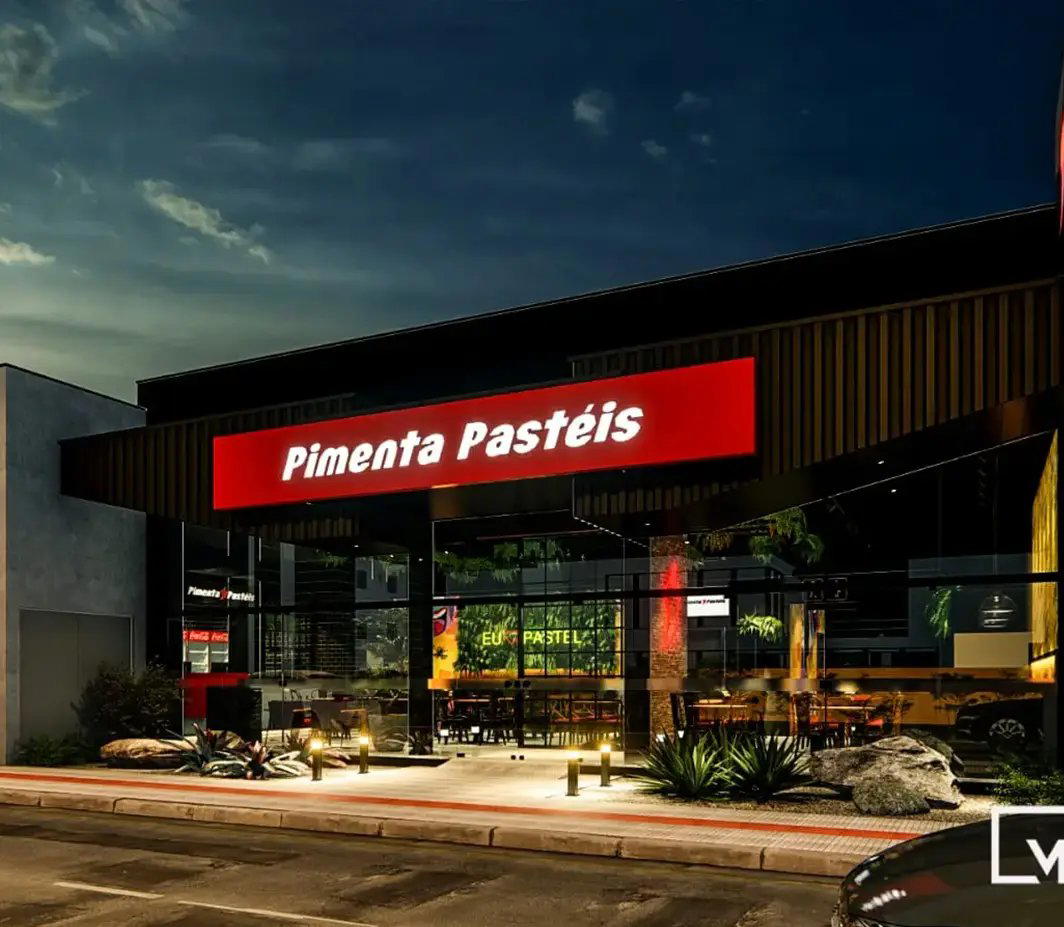
The city's dining picture is more coherent than its size might suggest. The Italian heritage drives a credible trattoria and cantina culture, and the local food economy is grounded enough to support independent operators across several formats. Monastério Beer and Food represents the craft-beer-and-kitchen format that has spread through southern Brazilian cities over the past decade. Pimenta Pastéis anchors the affordable, fast-casual end. A coffee store in this landscape fills a gap that those formats do not, the morning-to-afternoon window, the takeaway drink, the retail purchase.
Across the wider Brazilian south, comparable independent coffee operations have emerged in cities that share Criciúma's demographic profile: economically self-sufficient, culturally specific, not dependent on tourism. Manu in Curitiba shows how a city in this region can develop a serious food culture on its own terms. Primrose in Gramado and Castelo Saint Andrews in Vale do Bosque illustrate the Gramado model, where tourism accelerates the development of premium food formats. Criciúma's path is closer to the former, organic, driven by local demand rather than visitor flow. Elsewhere in Brazil, Birosca S2 in Belo Horizonte, Orixás North Restaurant in Itacaré, Mina in Campos do Jordão, Manga in Salvador, Olivetto Restaurante e Enoteca in Campinas, and State of Espírito Santo in Rio Bananal each mark a different register of the country's food ambition. The international frame is set by operations like Le Bernardin in New York City and Lazy Bear in San Francisco, where sourcing transparency has long been a defining operational premise, a standard that Brazil's specialty coffee operators are increasingly working toward from their own direction.
Planning a Visit
Ana Terra Coffee Store is located at Rua Lauro Müller 188, Centro, Criciúma, Santa Catarina (CEP 88801-430). The Centro location is accessible on foot from the city's main commercial blocks. No booking is required for a café format of this type. Current hours are Mon to Fri 10 AM to 7 PM, Sat 9 AM to 6 PM, and Sunday closed.
Comparable Spots, Quickly
Comparable venues nearby, for context on price, style, and recognition.
| Venue | Cuisine | Price | Awards | Notes |
|---|---|---|---|---|
| Ana Terra Coffee StoreThis venue — the venue you are viewing | Brazilian Coffee House | $$ | , | |
| Trattoria San Paolo | Italian Trattoria | $$ | , | Marcelino |
| Monastério Beer & Food | Craft Beer & Pub Food | $$ | , | Centro |
| Pimenta Pastéis | Brazilian Pastels | $ | , | Criciúma |
| Cantina Vettorazzi | Italian Rodízio Pasta and Meats | $$ | , | Michel |
| Charco | Modern Brazilian with South American and Asian influences | $$$ | , | Jardim Paulista |
Continue exploring
More in Criciuma
At a Glance
- Cozy
- Modern
- Casual Hangout
- Brunch
- Open Kitchen
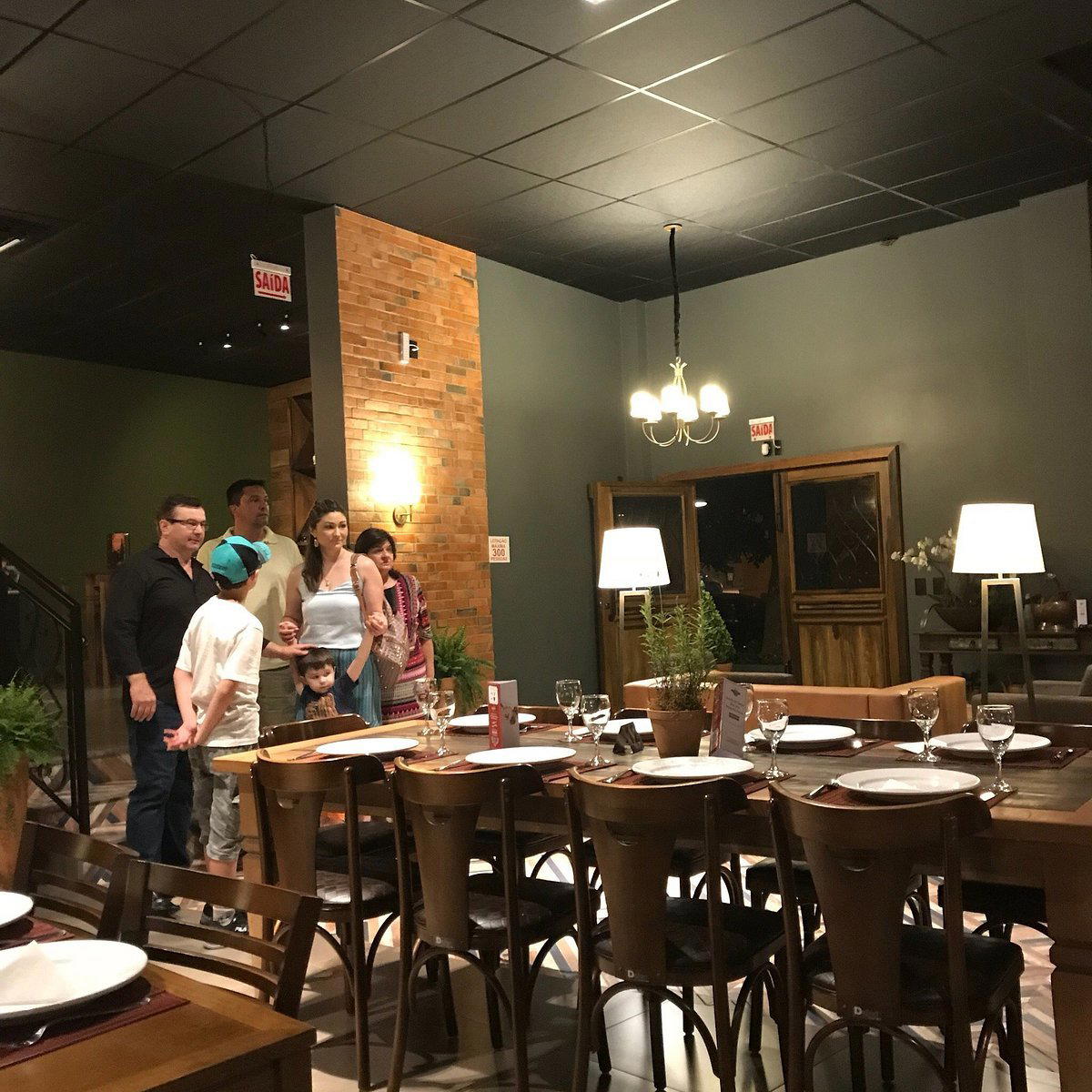
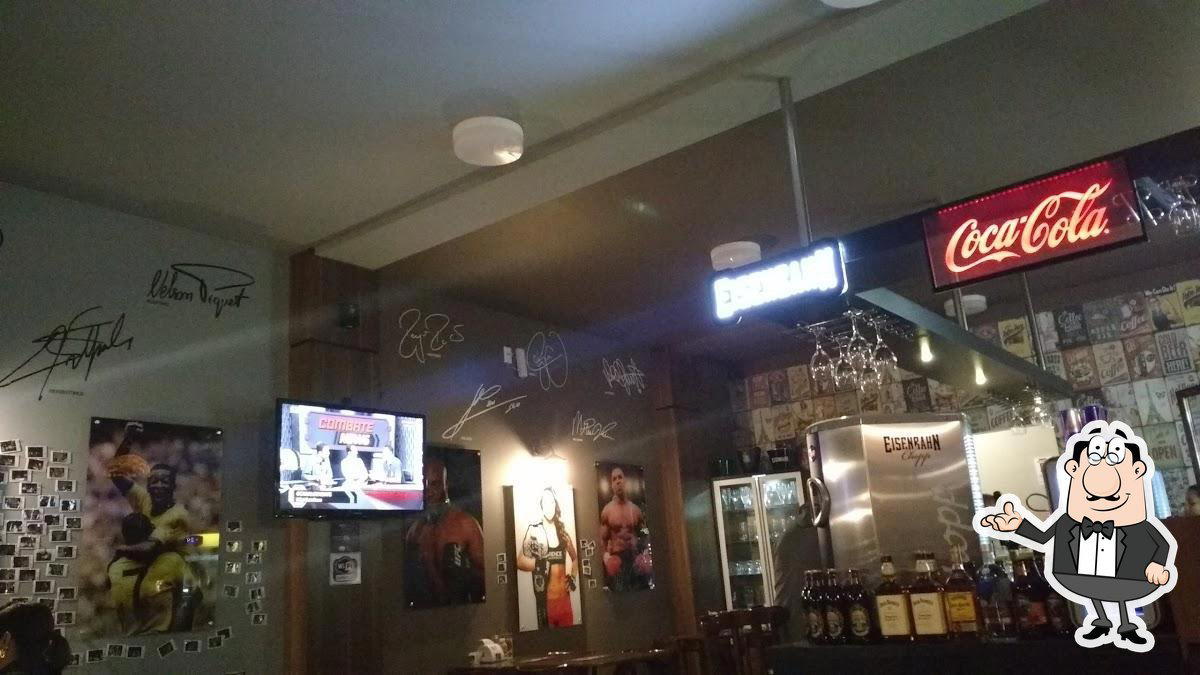
Warm, home-like atmosphere with comfortable interior encouraging leisurely relaxation amid coffee aromas.