Our verdict
Trattoria San Paolo occupies a corner of Pio Corrêa, one of Criciúma's older residential quarters, where the Italian immigrant dining tradition runs deeper than most of the city's newer restaurant formats. The address on Rua São Marcelino Champagnat places it within walking distance of the neighbourhood's low-rise streets, and its trattoria format signals a meal paced by course and conversation rather than efficiency.

Pearl is the En Primeur Club membership app — saves, bookings, and concierge access live there. Same editors, same standards.
- Address
- Marcelino, R. São Marcelino Champagnat, 55 - Pio Corrêa, Criciúma - SC, 88811-610, Brazil
- Phone
- +554834138890
- Hours
- Mon 6 PM–12 AMTue–Sat 11:30 AM–2 PM, 6 PM–12 AMSun Closed
- Website
- tr.ee
- Directions
- Get directions
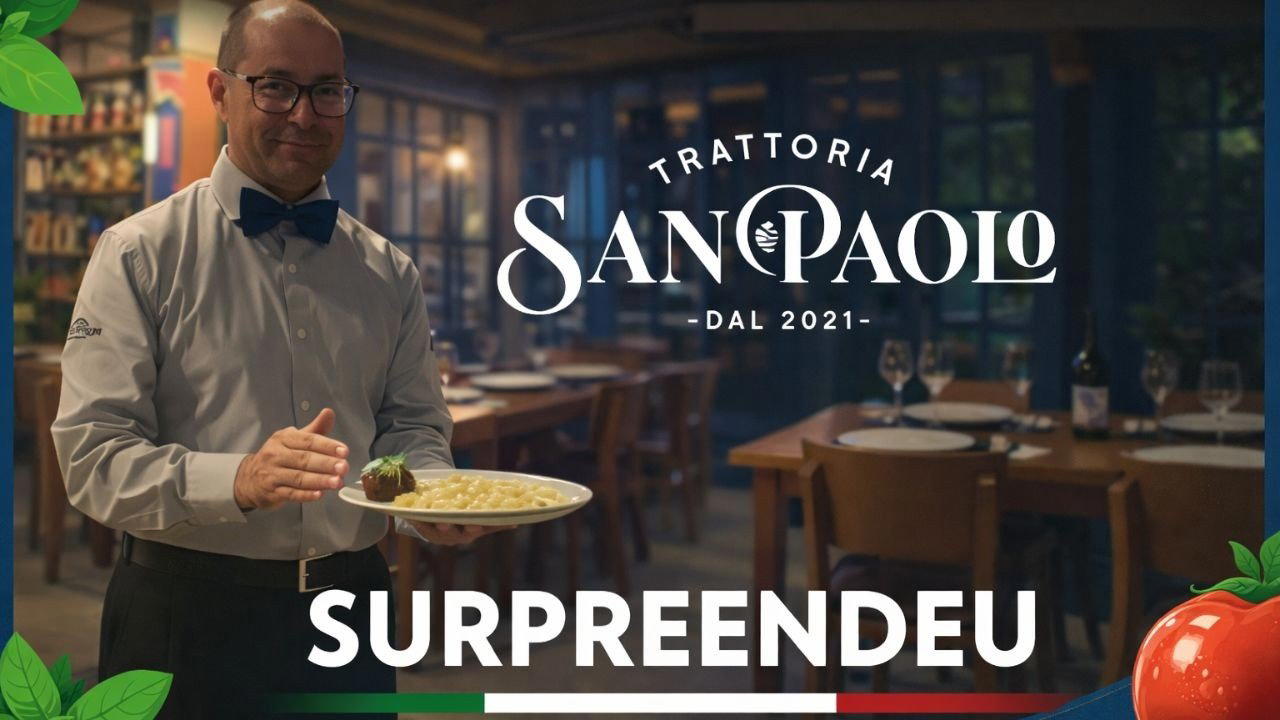
Italian Table Tradition in a Coal City
Criciúma is not a city that typically appears on Brazilian dining itineraries, yet the case for its food culture is direct: the descendants of Italian, German, and Polish immigrants who settled Santa Catarina's coal-mining region in the late nineteenth century brought eating customs that held through industrialisation and growth. In the neighbourhoods that grew up around the original settlements, the trattoria format — shared table, slow courses, wine poured from carafes rather than elaborate wine lists — never felt like a nostalgic performance. It was simply how families ate. Trattoria San Paolo, addressed at Rua São Marcelino Champagnat, 55 in Pio Corrêa, sits in that tradition, in a quarter that carries more of the city's immigrant-era character than the commercial centre does.
The Pio Corrêa neighbourhood is residential and relatively quiet, which shapes the rhythm of a meal here from the moment you approach. Criciúma's main dining activity has migrated toward newer districts, but pockets of the older Italian immigrant dining culture remain in places like this, where the architecture is low and the streets are not designed for foot traffic so much as for residents who already know where they are going. That context matters for understanding what kind of restaurant Trattoria San Paolo is: it is not positioned for passing trade or tourist orientation. Its regulars arrive with the meal already in mind.
The Pace and Customs of the Meal
The trattoria format, as it persists in Italian-descended communities across southern Brazil, follows a logic that differs meaningfully from both the contemporary tasting menu and the casual à la carte restaurant. Courses arrive in sequence and are not hurried. The expectation is that antipasto leads to primo, primo leads to secondo, and that the table occupies the room for the duration rather than turning over at a predetermined interval. Wine, bread, and conversation are structural elements of the meal, not accompaniments to it. At a trattoria in a neighbourhood like Pio Corrêa, this pacing is not a selling point, it is simply the format, understood by the people who sit down.
In Brazilian cities with strong Italian immigrant heritage, this dining ritual has its own regional inflection. The cooking tends toward the northern Italian regions, Veneto, Lombardy, Friuli, that sent the largest waves of emigration to Santa Catarina and Rio Grande do Sul in the late 1800s and early 1900s. Polenta, risotto, and pasta made in-house or by hand are common reference points. The table culture that developed in these communities drew on what families had and what the climate allowed, and over generations it absorbed local Brazilian ingredients without losing its structural character. For anyone tracing the regional food culture of southern Brazil, this lineage is worth understanding before sitting down to eat.
Criciúma's Dining Scene: Where San Paolo Sits
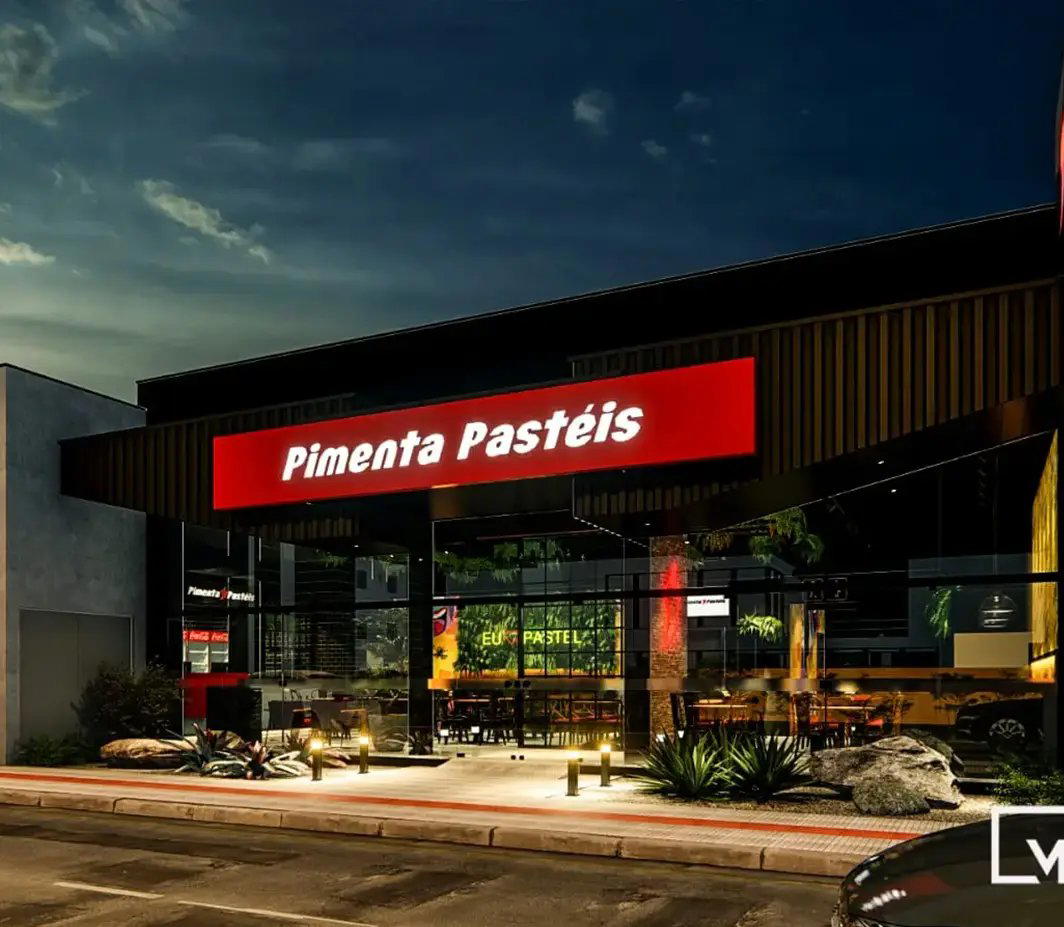
Criciúma's restaurant culture is broader than its size might suggest, partly because the city's economic base in coal, ceramics, and retail supports a professional class with consistent appetite for dining out. The city has a mix of formats: fast-casual operations near the commercial core, newer craft beer and gastropub venues like Monastério Beer & Food, quick pastry and coffee spots such as Pimenta Pastéis and Ana Terra Coffee Store, and the Italian-heritage dining tradition represented by addresses like Cantina Vettorazzi and Trattoria San Paolo. These latter two belong to a different competitive set than the newer formats: they are measured not by concept novelty but by consistency, by the depth of their pasta and by whether the wine list reflects the regional Italian heritage of their cooking.
Across southern Brazil, cantinas and trattorias of this type form a dining category that gets relatively little attention from national food media, which tends to concentrate on São Paulo (where D.O.M. and its peers define the country's fine dining conversation) and Rio de Janeiro (where restaurants like Lasai anchor a different kind of contemporary ambition). The immigrant-heritage trattorias of Santa Catarina operate outside that spotlight, which is part of why they retain a local character that the nationally recognised addresses cannot. They were not built for external validation. The regional analogy holds elsewhere in Brazil: Cantina Pozzobon in Santa Maria serves a comparable Italian immigrant community in Rio Grande do Sul, and the dining customs at addresses like these carry more in common with each other than with the metropolitan fine dining circuit.
What to Expect at the Table
Without detailed published menu data available, specific dish descriptions would be speculation. What the trattoria format reliably signals, in the context of Criciúma's Italian-heritage dining culture, is a kitchen organised around house-made pasta, slow-cooked proteins, and an approach to the meal that treats volume and variety across courses as expressions of hospitality rather than excess. The bread arrives early. The secondo is the centrepiece. The dessert, typically something egg-based, or a fruit preparation, is small and not optional. Anyone arriving from a metropolitan restaurant background expecting modular small plates or an abbreviated format will need to adjust their expectations, and the adjustment is worthwhile.
Italian-heritage trattorias in this part of Brazil also tend to lean toward wine in a way that distinguishes them from barbecue-oriented or churrasco restaurants, which dominate much of Brazil's interior dining culture. A carafe of house wine, often sourced from the Serra Gaúcha wine region to the north, is the conventional choice at tables that have been coming for years. The ritual of the meal, bread, antipasto, primo, secondo, wine throughout, is preserved not as nostalgia but as the operating logic of the kitchen and dining room.
Planning Your Visit
Trattoria San Paolo is located at Rua São Marcelino Champagnat, 55, in the Pio Corrêa quarter of Criciúma, Santa Catarina. The address is residential rather than commercial, and the neighbourhood is most easily reached by car or rideshare from the city centre. Contact details and hours are not currently published in consolidated form, so confirming service times directly before visiting is advisable. For anyone building a broader picture of Criciúma's dining options, the full Criciúma restaurants guide maps the city's range from quick-service to sit-down formats. Trattorias in this tradition typically close on Mondays and observe a midday service on Sundays that finishes earlier than weekday evening hours, a pattern common across southern Brazil's Italian-heritage dining calendar, though hours should be confirmed locally.
For context on how the trattoria format compares across Brazil's smaller cities, addresses like Bistro Fitz Carraldo in Manaus, Aero Burguer e Grill in Santa Cruz do Sul, and Casa da Flor Restaurante in Dourados each illustrate how regional dining traditions adapt to local conditions. The Italian-immigrant dining heritage of Santa Catarina, however, remains among the most coherent regional food cultures in the country, one that Trattoria San Paolo continues to represent in its corner of Criciúma.
Frequently asked questions
Where exactly is Trattoria San Paolo?
Trattoria San Paolo is located at Marcelino, R. São Marcelino Champagnat, 55 - Pio Corrêa, Criciúma - SC, 88811-610, Brazil, Criciuma.
Is Trattoria San Paolo representative of Criciúma's Italian immigrant food culture?
Criciúma sits at the center of Santa Catarina's Italian-settled southern zone, where trattoria-style dining persists as a living practice rather than a revival concept. A restaurant operating under the trattoria name in Pio Corrêa, a residential quarter of the city, places itself squarely within that community tradition.
What do regulars order at Trattoria San Paolo?
Specific menu data for Trattoria San Paolo has not been published in detail, but the trattoria format common to Italian-descended communities in Santa Catarina typically anchors around shared pasta, cured preparations, and slow-cooked proteins. In Criciúma's Italian-heritage dining rooms, ordering is generally communal rather than individual, so expect portions designed for the table rather than the plate.
Can I walk in to Trattoria San Paolo?
The venue is located at Rua São Marcelino Champagnat, 55, in the residential Pio Corrêa quarter of Criciúma, which suggests a neighborhood-scale operation rather than a high-volume tourist destination. No booking platform or phone contact is currently listed publicly, so arriving directly and asking at the door is the practical approach. Trattoria-format restaurants in this part of southern Brazil often accommodate walk-ins, particularly outside weekend lunch peaks.
What has Trattoria San Paolo built its reputation on?
Trattoria San Paolo operates in a city whose food culture is shaped by more than a century of Italian immigration into Santa Catarina state. Criciúma's Italian-descended community has sustained a distinct table tradition, and restaurants in this lineage earn local standing through consistency and communal format rather than awards or media coverage. No Michelin or national award listings are currently documented for the venue.
Cuisine-First Comparison
Comparable venues nearby, for context on price, style, and recognition.
| Venue | Cuisine | Price | Notes |
|---|---|---|---|
| Trattoria San PaoloThis venue — the venue you are viewing | Italian Trattoria | Not listed | Not listed |
| Cantina Vettorazzi | Italian Rodízio Pasta and Meats | $20–30 | Michel |
| Pimenta Pastéis | Brazilian Pastels | $1–10 | Criciúma |
| Ana Terra Coffee Store | Brazilian Coffee House | $1–10 | Centro |
| Monastério Beer & Food | Craft Beer & Pub Food | $10–20 | Centro |
| Forneria Catarina | Wood-Fired Italian Pizza | $20–30 | Centro |
Continue exploring
More in Criciuma

Details
- Classic
- Rustic
- Date Night
- Family
- Special Occasion
- Open Kitchen
- A La Carte
- Family Style
Current opening hours
- Monday
- 6 PM–12 AM
- Tuesday
- 11:30 AM–2 PM, 6 PM–12 AM
- Wednesday
- 11:30 AM–2 PM, 6 PM–12 AM
- Thursday
- 11:30 AM–2 PM, 6 PM–12 AM
- Friday
- 11:30 AM–2 PM, 6 PM–12 AM
- Saturday
- 11:30 AM–2 PM, 6 PM–12 AM
- Sunday
- Closed
Hours can change for holidays and private events. Last verified .
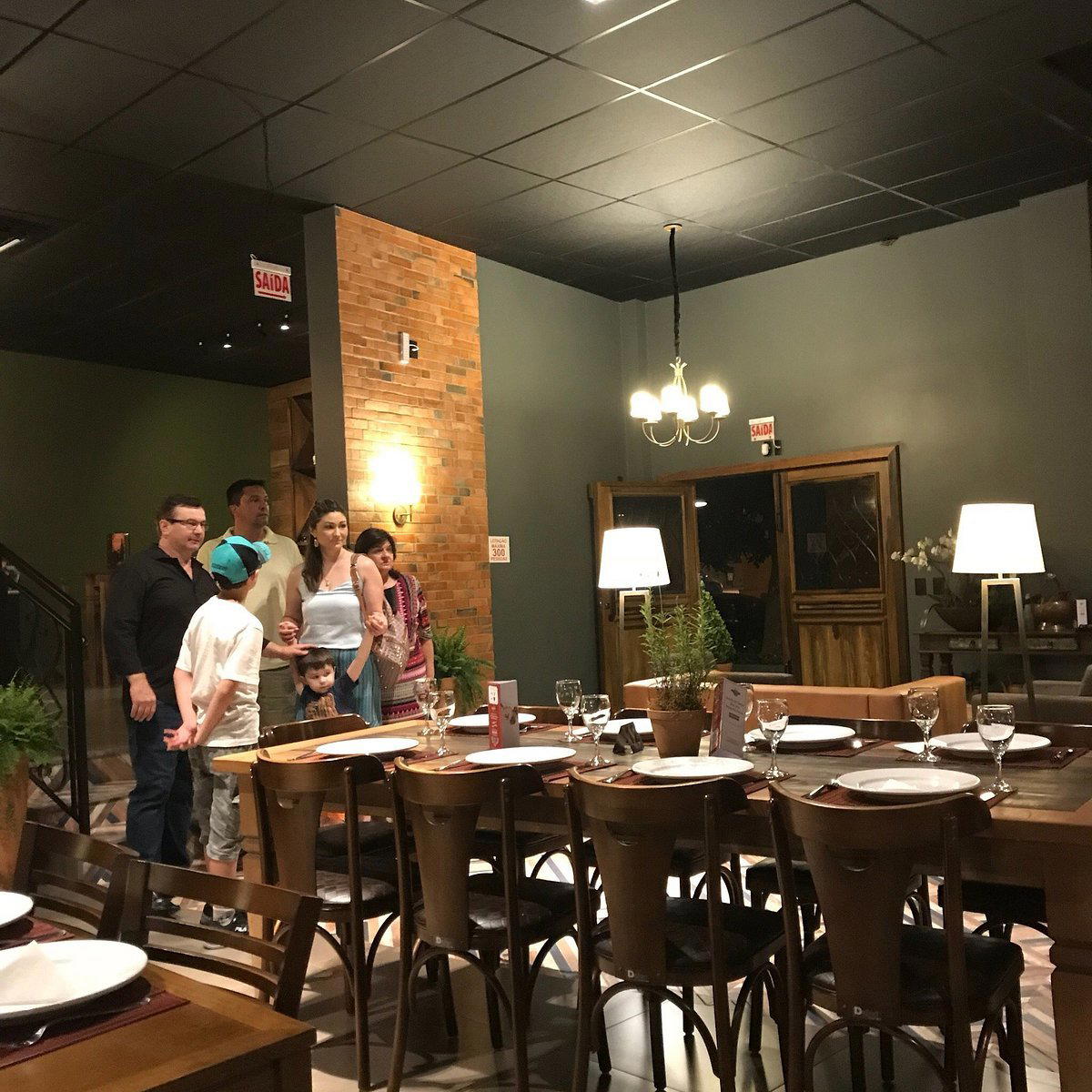
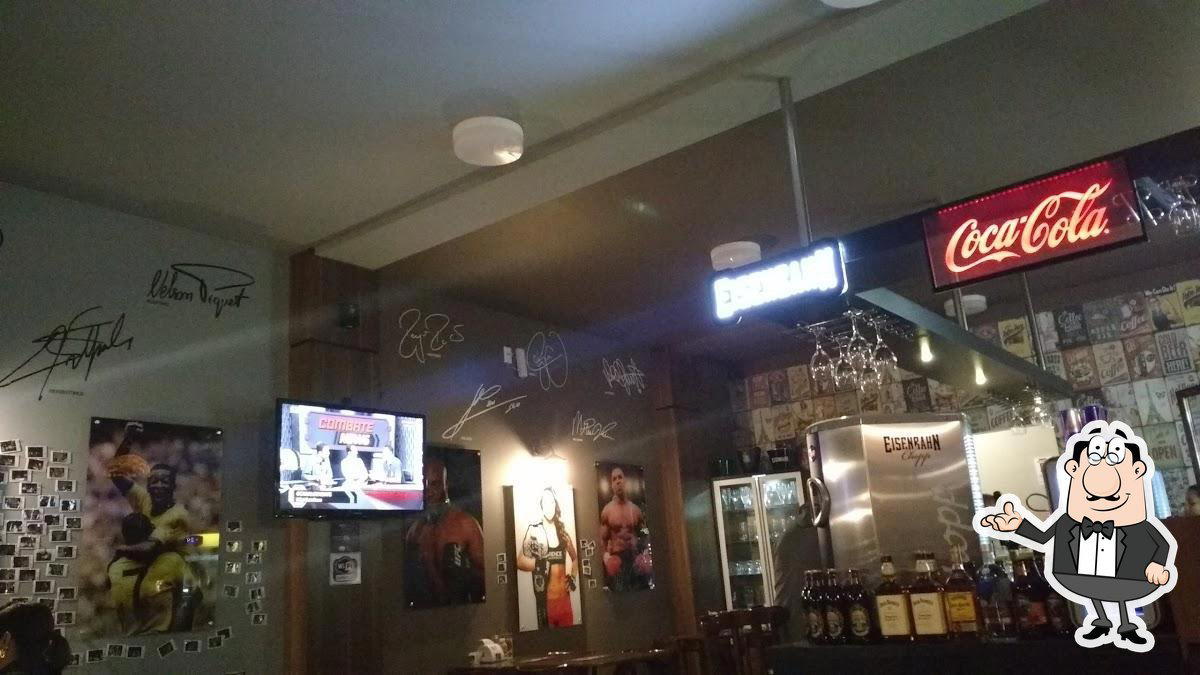
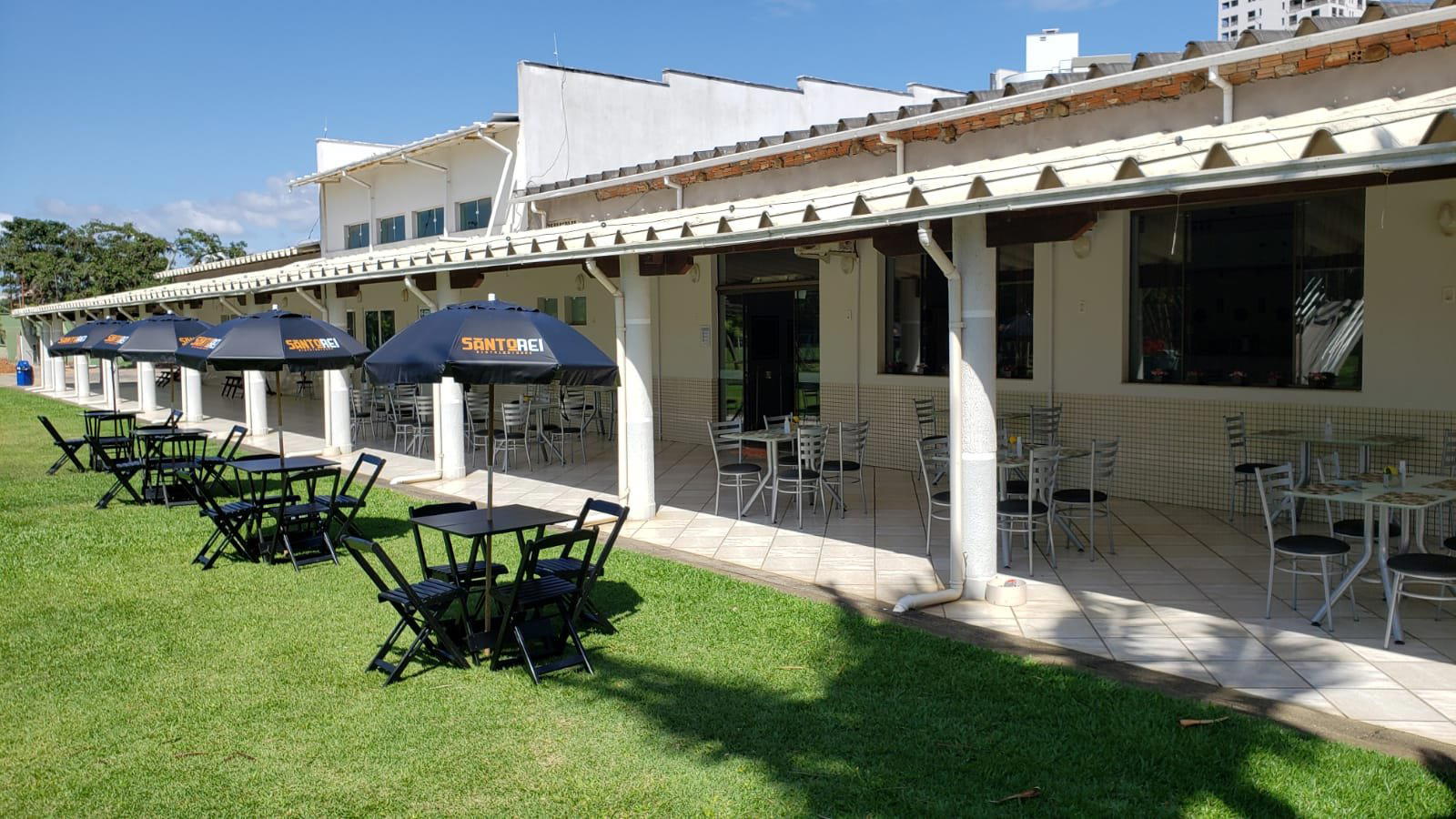
Cozy and hospitable with table service and full bar.