Our verdict
Cantina Vettorazzi sits on Rua Dom Paulo Evaristo Arns in the Michel neighbourhood of Criciúma, Santa Catarina — a city shaped by Italian immigration and the coal industry that followed it. The cantina format, common across southern Brazil's immigrant belt, positions it within a dining tradition that predates Brazil's current fine-dining wave by several generations. A practical stop for anyone tracing Criciúma's Italian heritage through its food.

Pearl is the En Primeur Club membership app — saves, bookings, and concierge access live there. Same editors, same standards.
- Address
- R. Dom Paulo Evaristo Arns, 38 - Michel, Criciúma - SC, 88803-090, Brazil
- Phone
- +554834115059
- Hours
- Mon ClosedTue–Sat 7–11 PMSun 11 AM–2:30 PM
- Website
- cantinavettorazzi.com.br
- Directions
- Get directions
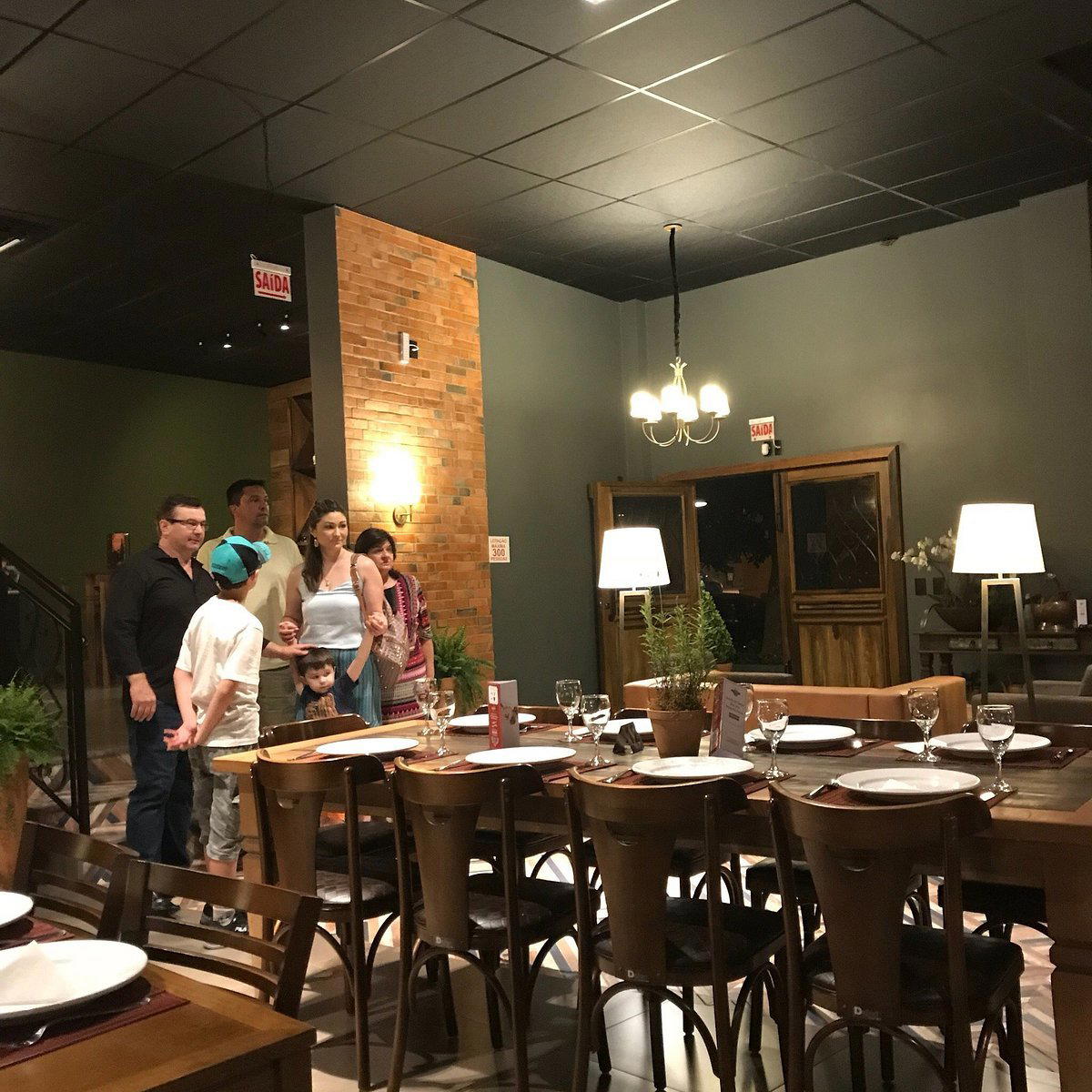
Coal Country, Italian Roots: Dining in Criciúma's Michel Neighbourhood
Southern Brazil's dining identity was largely written by immigrant families, not restaurant trends. In Santa Catarina and Rio Grande do Sul, Italian, German, and Venetian settlers arrived through the late 19th and early 20th centuries and built communities that kept their culinary traditions intact through necessity rather than nostalgia. Criciúma, a city of roughly 220,000 built on coal extraction, sits at the centre of that Italian-descended belt in the southern catarinense interior. The cantina — a word that in the Italo-Brazilian context signals something closer to a family dining room than a formal restaurant — became the default format for feeding workers, families, and neighbours across these communities. Cantina Vettorazzi, addressed on Rua Dom Paulo Evaristo Arns 38 in the Michel district, operates within that tradition.
Michel is a residential neighbourhood on the western edge of Criciúma's urban core. It doesn't carry the commercial weight of the city centre, which means the venues there serve a local clientele rather than passing trade. That geographic positioning tells you something before you've ordered: a cantina on a residential street in an industrial-origin city is, almost by definition, a neighbourhood institution oriented toward regulars rather than occasion diners. The comparison set isn't São Paulo's Italian fine-dining corridor or the enoteca model you'd find at Olivetto Restaurante E Enoteca in Campinas, it's the informal, generational model of southern Brazilian Italian cooking that has more in common with trattoria culture in Veneto and Friuli than with anything that emerged from Rio or São Paulo's restaurant scenes.
The Cantina Tradition in Southern Brazil
The word "cantina" carries specific weight in the south. Across the Serra Gaúcha and Santa Catarina highlands, Italian-descended families turned their homes and outbuildings into informal dining spaces during the colonial period, serving pasta made from local wheat, cured meats, wine from the family vineyard, and bread baked the same morning. That format evolved through the 20th century into a recognisable restaurant category: direct, abundant, rarely precious. The pasta is typically fresh and hand-cut. The sauces tend toward long-cooked tomato or butter-and-sage preparations inherited from northern Italian regions. The wine, where it appears, is frequently from the Serra Gaúcha or the Campos de Cima da Serra, Brazil's most established wine-producing territories, which have built a credible identity around Merlot, Chardonnay, and the characterful Moscato Giallo.
This is a dining mode that coexists awkwardly with Brazil's current fine-dining boom. While chefs like Alex Atala at D.O.M. in São Paulo and Felipe Bronze at Oteque in Rio de Janeiro pursue tasting-menu ambitions and international recognition, the cantina tradition operates on a completely different logic, one where repetition, abundance, and community function are the success metrics. Neither model is in competition with the other; they answer different questions. The cantina answers the question of where a family or a work crew eats on a Tuesday.
Criciúma's Dining Scene: What Exists Around Cantina Vettorazzi
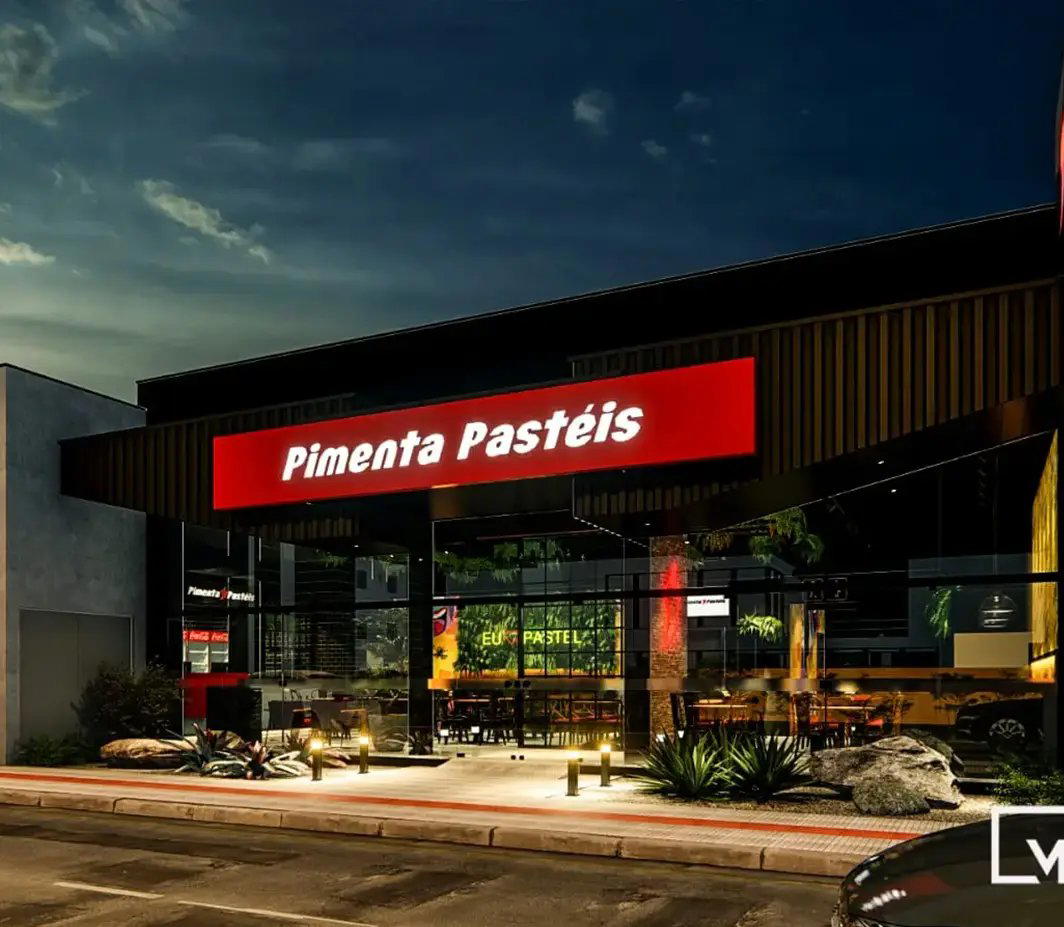
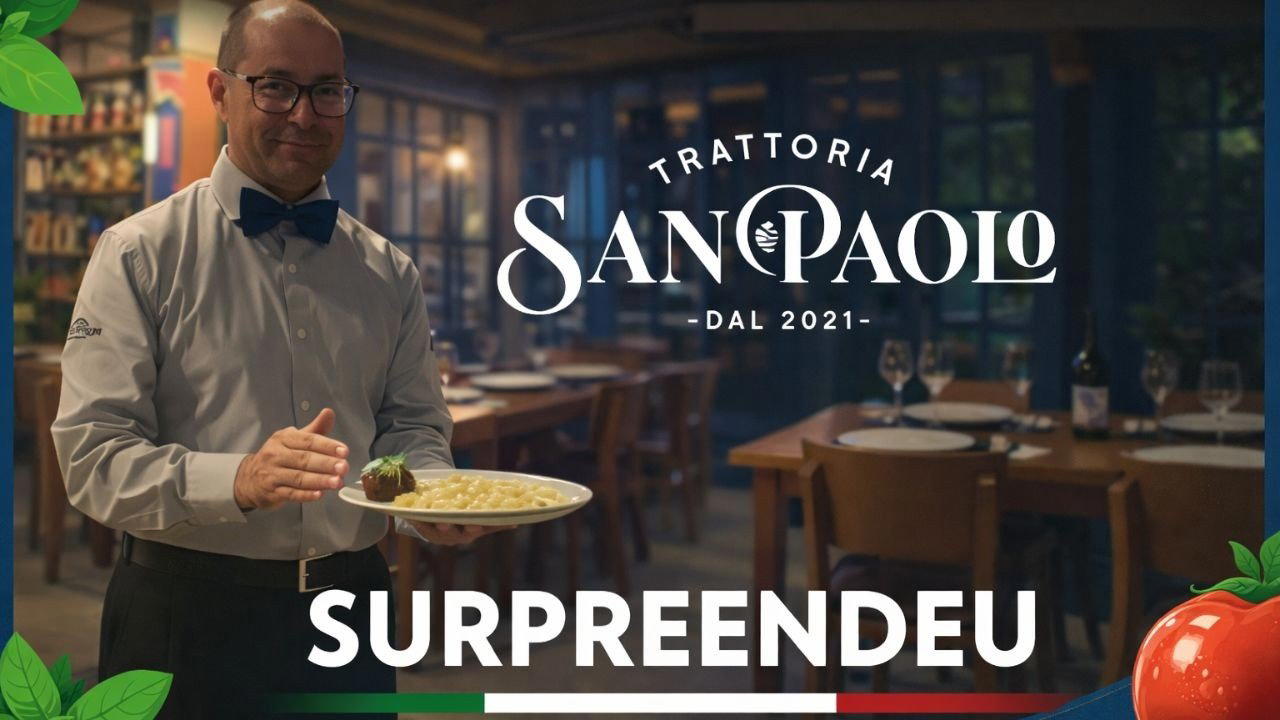
Criciúma's restaurant offering has broadened as the city's economy diversified beyond coal. The city now has a ceramics and technology sector that has brought a more varied professional class, and the dining scene reflects that. Ana Terra Coffee Store addresses the city's growing specialty coffee demand. Monastério Beer & Food represents the craft beer format that has expanded through secondary Brazilian cities over the past decade. Pimenta Pastéis covers the pastelaria tradition, and Trattoria San Paolo occupies the more formal Italian dining register. Within that range, the cantina format sits as the most embedded in local history, the oldest layer of the city's food culture, not a trend but a continuity.
For visitors familiar with southern Brazil's broader restaurant geography, this positions Criciúma's cantina dining differently from the more self-conscious Italian-heritage restaurants in Gramado or the curated European references at Castelo Saint Andrews in Vale do Bosque. Criciúma's version is less tourist-facing, more embedded in everyday local rhythms. For context on how regional Brazilian dining traditions operate at their most ambitious, Manu in Curitiba and Mina in Campos do Jordão show what the southern and southeastern regional cooking conversation looks like when refined to fine-dining format. Cantina Vettorazzi operates at the opposite end of that scale, closer to the community source material those chefs draw from.
What the Cantina Format Means for the Reader
Southern Brazil's cantina dining isn't a format that competes with the technical ambition of, say, Lazy Bear in San Francisco or the seafood precision of Le Bernardin in New York City. Those are different transactions entirely. The cantina is a cultural document as much as a meal, a format where the point is continuity, communal eating, and the preservation of culinary muscle memory across generations. Understanding that framing adjusts expectations correctly: you aren't arriving for innovation, you're arriving to eat within a living tradition. The comparison to local peers like Birosca S2 in Belo Horizonte or the regional specificity of Orixás in Itacaré reinforces the point: Brazilian dining's most interesting regional work happens outside the formal tasting-menu circuit, in places that cook from a specific place and a specific history.
For visitors to Criciúma, the Michel neighbourhood isn't a dining destination in the conventional sense, there's no concentration of venues to anchor a restaurant evening in the way that a city-centre dining strip would. Cantina Vettorazzi sits at Rua Dom Paulo Evaristo Arns 38, and a visit works well if it's planned as the primary destination rather than a stop on a broader evening. Given the residential character of the area, the format is better suited to lunch or early evening than late-night dining. The full Criciúma restaurants guide covers the city's range more broadly and is the reference point for anyone building a longer itinerary across the city's neighbourhoods. For dining that spans other parts of Brazil's northeast and interior, Manga in Salvador and State of Espírito Santo in Rio Bananal show how regional Brazilian kitchens operate in very different geographic and cultural contexts.
Frequently asked questions
Does Cantina Vettorazzi work for a family meal?
The cantina format that defines this style of restaurant in Santa Catarina has always been built around family-scale eating — shared portions, long tables, and a pace set by the group rather than the kitchen. Cantina Vettorazzi sits on R. Dom Paulo Evaristo Arns in Criciúma's Michel neighbourhood, an area shaped by Italian immigrant settlement where this kind of communal dining is the expected register, not a special occasion format.
What's the overall feel of Cantina Vettorazzi?
Cantina Vettorazzi operates within the southern Brazilian cantina tradition, where the atmosphere is shaped by the Italian-descended community that built Criciúma's Michel district rather than by designed hospitality concepts. The feel is closer to a family-run neighbourhood house than a restaurant in the metropolitan sense — that directness is precisely what the cantina format promises and what distinguishes it from Criciúma's broader dining scene.
Is Cantina Vettorazzi a good option for visitors exploring Criciúma's Italian heritage?
Criciúma was built substantially on coal mining and Italian immigration, and the Michel neighbourhood where Cantina Vettorazzi operates on R. Dom Paulo Evaristo Arns reflects that layered history directly. The cantina format itself functions as a living record of how Italian families in Santa Catarina translated their culinary traditions into a Brazilian context, making it a more grounded point of reference than the city's newer commercial dining options for anyone tracing that heritage.
What's the signature dish at Cantina Vettorazzi?
What the cantina tradition in Santa Catarina typically anchors on are slow-cooked meat dishes, housemade pasta, and polenta — the staple repertoire that Italian immigrant families brought to the Serra Gaúcha and highland communities of the south. For current menu specifics, visiting the venue directly on R. Dom Paulo Evaristo Arns, Michel, Criciúma is the most reliable route.
How do I find Cantina Vettorazzi?
Cantina Vettorazzi is located at R. Dom Paulo Evaristo Arns, 38 - Michel, Criciúma - SC, 88803-090, Brazil, Criciuma.
Pricing, Compared
| Venue | Cuisine | Price |
|---|---|---|
| Cantina VettorazziThis venue — the venue you are viewing | Italian Rodízio Pasta and Meats | $20–30 |
| Ana Terra Coffee Store | Not listed | $1–10 |
| Monastério Beer & Food | Craft Beer & Pub Food | $10–20 |
| Pimenta Pastéis | Brazilian Pastels | $1–10 |
| Trattoria San Paolo | Italian Trattoria | Not listed |
Continue exploring
More in Criciuma

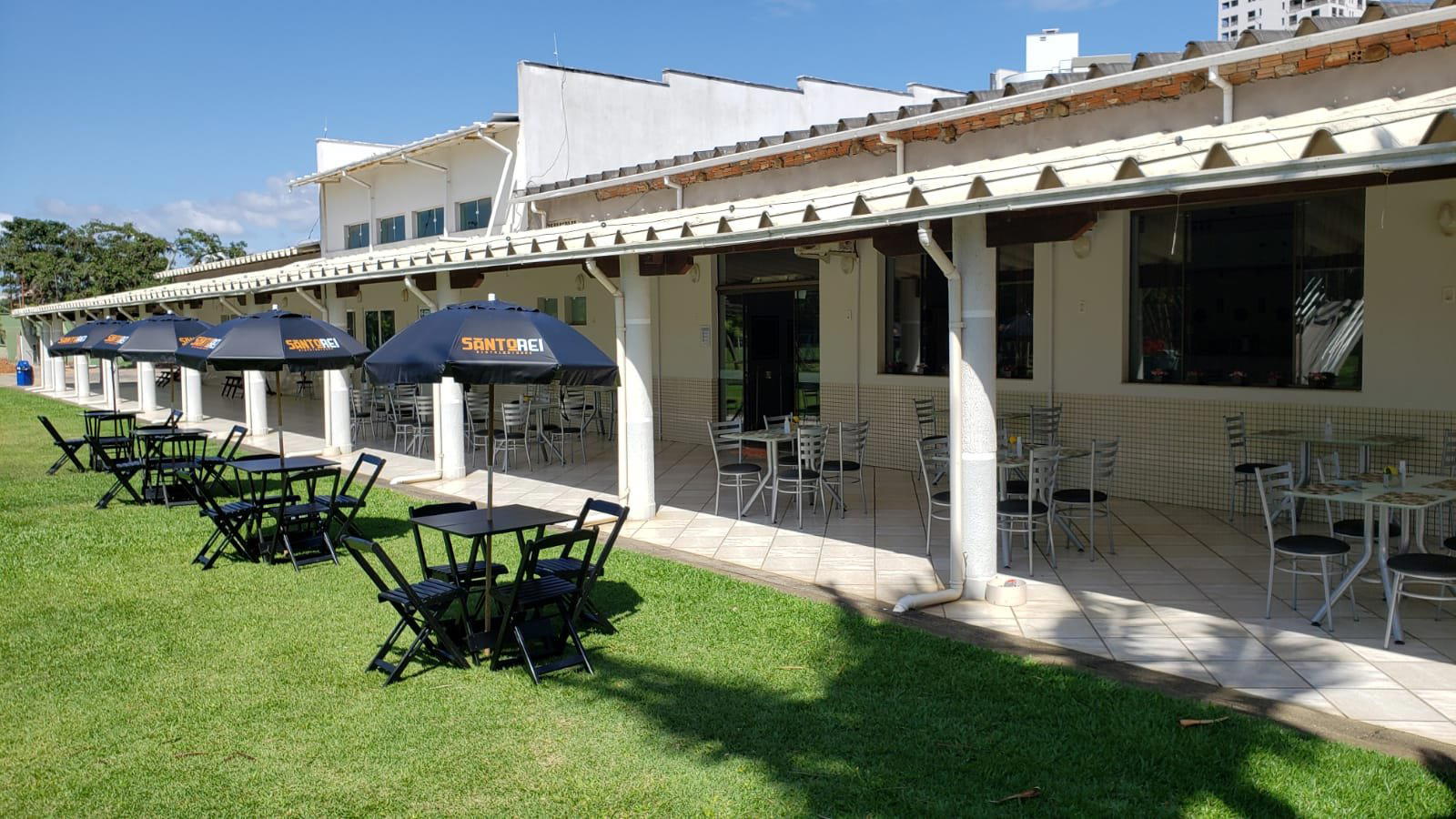
Cantina Vettorazzi
The wine
- Wine program
- Exceptional wine program
- Extensive wine list
Details
- Romantic
- Cozy
- Date Night
- Group Dining
- Celebration
- Live Music
- Extensive Wine List
- A La Carte
- Vegetarian Friendly
Current opening hours
- Monday
- Closed
- Tuesday
- 7–11 PM
- Wednesday
- 7–11 PM
- Thursday
- 7–11 PM
- Friday
- 7–11 PM
- Saturday
- 7–11 PM
- Sunday
- 11 AM–2:30 PM
Hours can change for holidays and private events. Last verified .
Pleasant atmosphere with attentive service, live music, and romantic lighting ideal for dates.