Our verdict
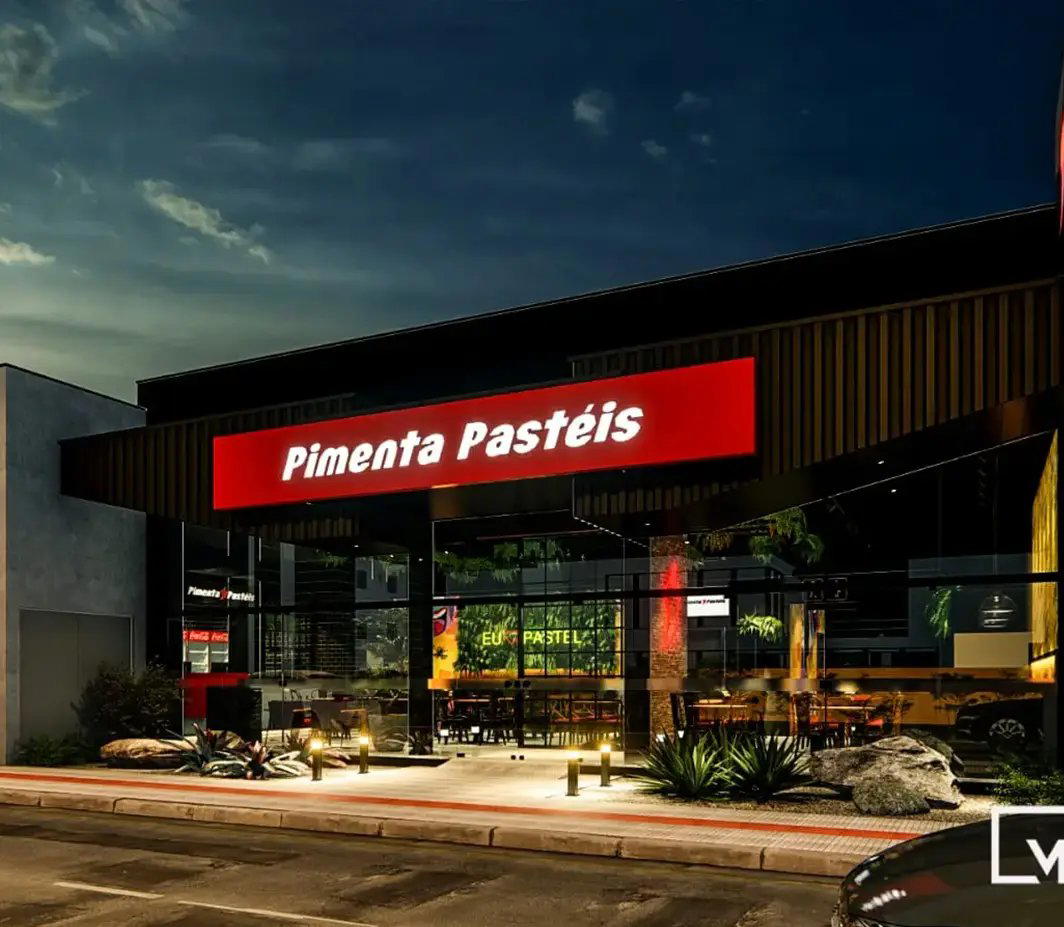
In Criciúma's Pio Corrêa neighbourhood, Pimenta Pastéis represents the kind of street-level pastelaria that keeps Brazilian food culture honest: fast-fried pastry as a serious local institution rather than an afterthought. The format is straightforward, the regulars are loyal, and the address on Rua Cel. Marcos Rovaris has become a reference point for the city's casual eating circuit.

Pearl is the En Primeur Club membership app — saves, bookings, and concierge access live there. Same editors, same standards.
- Address
- R. Cel. Marcos Rovaris, 785 - Pio Corrêa, Criciúma - SC, 88811-532, Brazil
- Phone
- +5548998651732
- Hours
- Mon ClosedTue–Sun 6–11:30 PM
- Website
- pimentapasteis.com
- Directions
- Get directions
The menu
What to order
- Shrimp pastel with catupiry
- Angus beef burger pastel
Street Heat: Criciúma's Pastelaria Tradition and Where Pimenta Fits In
Brazil's pastelaria culture is one of the country's least theorised and most practised food traditions. The pastel itself, a thin wheat-dough pocket fried to a blistered, oil-shattered crust, arrived via Japanese-Brazilian communities in São Paulo's feira markets during the mid-twentieth century and spread south through Santa Catarina and Rio Grande do Sul with the same quiet persistence as Italian cantinas and German bakeries. In cities like Criciúma, where waves of European immigration left a dense culinary infrastructure of cantinas and trattorias (see Cantina Vettorazzi and Trattoria San Paolo for that tradition), the pastelaria occupies a different register entirely: faster, cheaper, more democratic, and rooted in the midday rhythm of working neighbourhoods rather than the evening sit-down.
Pimenta Pastéis, at Rua Cel. Marcos Rovaris, 785 in the Pio Corrêa district, operates squarely inside that tradition. The name signals intent. Pimenta — pepper — is not incidental branding; it positions the kitchen in the spiced, flavour-forward end of the pastelaria spectrum, where fillings carry heat and the seasoning is a point of difference rather than background noise. That kind of naming specificity in Brazilian casual food usually reflects genuine kitchen philosophy about what the filling should do.
The Pio Corrêa Setting and What It Tells You About the Clientele
Pio Corrêa is a residential and light-commercial district southeast of Criciúma's centre, the kind of neighbourhood where a pastelaria earns its reputation through proximity and repetition rather than destination traffic. Regulars find it on foot or by short drive; they return because the product is consistent, not because the address was in a magazine. This is the operational environment where the leading pastelarias in Brazil's interior cities tend to operate: no tourist orbit, no social media aesthetic pressure, just the accountability of a loyal neighbourhood clientele who will notice immediately if the frying oil changes or the dough thins out.
For visitors arriving from outside Santa Catarina, Criciúma is most efficiently reached via Hercílio Luz International Airport in Florianópolis, roughly 170 kilometres north, or by road from Porto Alegre to the south. The city's dining options span from Italian-heritage cantinas to coffee houses like Ana Terra Coffee Store and craft beer formats such as Monastério Beer & Food. Pimenta Pastéis sits at a different point in that map: the working-lunch stop, the afternoon snack, the format that requires no reservation and no particular occasion.
Ingredient Sourcing and the Pastelaria Standard
The ingredient story of a well-run pastelaria is less about provenance narratives and more about supply discipline. The dough must be fresh, the oil clean and hot enough to produce the characteristic bubble-and-blister without grease saturation, and the fillings sourced and seasoned consistently. In Santa Catarina, this means access to strong regional dairy for queijo fillings, local-market pork and beef for the meat variations, and palm heart from Paraná and São Paulo suppliers for the palmito versions that remain one of the category's most-ordered options across southern Brazil.
The pepper-forward identity suggested by the Pimenta name implies that the kitchen sources or blends its own seasoning profile rather than defaulting to neutral fillings. That is the meaningful distinction inside the pastelaria tier: whether heat and spice function as seasoning decisions or as garnish. Brazilian street food at this level, when it is operating well, is making genuine decisions about flavour rather than simply filling dough and frying it. The comparison with fine-dining ingredient sourcing at places like D.O.M. in São Paulo or Lasai in Rio de Janeiro is one of scale and intent rather than category, but both ends of Brazilian food culture are engaged in the same basic question: where does the flavour come from, and does it reflect a deliberate choice?
Across Brazil's interior cities, the pastelarias that sustain multi-year neighbourhood loyalty tend to be those where ingredient decisions are made daily rather than weekly, where the cheese filling does not sit, and where the frying sequence is managed to keep oil temperature stable across the service. These are not romantic sourcing stories; they are operational standards that the customer registers immediately, even without articulating them.
Placing Pimenta in Criciúma's Casual Eating Circuit
Criciúma's food scene does not have the critical mass or the media coverage of Florianópolis or São Paulo, but it has a functional diversity that reflects the city's industrial and immigrant history. The Italian cantina tradition is well-documented locally; the craft beer scene has been growing in line with broader Brazilian trends; the coffee culture is represented by independent operators. The pastelaria tier, by contrast, gets the least editorial attention while arguably seeing the most daily foot traffic. Pimenta Pastéis, as a named, addressed business with enough presence to register in Criciúma's dining circuit, represents that underdocumented category at the neighbourhood level.
For readers building a day in Criciúma that moves across formats and price points, the full Criciúma restaurants guide maps those options systematically. Comparable casual formats appear in other Brazilian cities covered by EP Club, from Aero Burguer e Grill in Santa Cruz do Sul to Fornazzo Pizzaria in Passo Fundo and Famosa Pizza in Ribeirão Preto, each representing how southern and southeastern Brazilian cities have built distinct casual-eating identities around a central format. The pastelaria is Criciúma's version of that local anchor.
Other Brazilian comparisons from EP Club's coverage include Cantina Pozzobon in Santa Maria, Casa da Flor Restaurante in Dourados, Bistro Fitz Carraldo in Manaus, Casa da Dika in Bragança, Arte e Café Imperial in Angra dos Reis, and Casa da Picanha Penedo in Itatiaia, together illustrating how Brazilian regional eating operates through neighbourhood-scaled institutions rather than concentrated fine-dining clusters.
Planning Your Visit
Pimenta Pastéis is located at Rua Cel. Marcos Rovaris, 785, Pio Corrêa, Criciúma, Santa Catarina. Visits are leading timed for midday service when turnover is highest and product is freshest off the fryer. For those comparing international standards of technical precision, the gap between this format and three-Michelin-star counters like Le Bernardin in New York City or Atomix is not a deficit in seriousness; it reflects entirely different food traditions operating on entirely different terms.
Frequently asked questions
Where do I go for Pimenta Pastéis?
Pimenta Pastéis is located at R. Cel. Marcos Rovaris, 785 - Pio Corrêa, Criciúma - SC, 88811-532, Brazil, Criciuma.
Is Pimenta Pastéis in the Pio Corrêa neighbourhood easy to reach from central Criciúma?
Pimenta Pastéis is located at Rua Cel. Marcos Rovaris, 785 in Pio Corrêa, a residential and light-commercial district southeast of Criciúma's centre. Pio Corrêa is a neighbourhood where a pastelaria builds its trade through repeat local custom rather than tourist footfall, which typically signals consistent day-to-day quality over occasion dining.
What do regulars order at Pimenta Pastéis?
The venue's name, Pimenta — Portuguese for pepper — points directly toward spiced or heat-seasoned fillings as the kitchen's signature call. Across the Brazilian pastelaria tradition, meat and cheese pastéis are the default order, but a house with pepper in its name is signalling that seasoning is the differentiator worth ordering around. Start with whatever filling the counter labels as spiced.
Do they take walk-ins at Pimenta Pastéis?
Yes. The pastelaria format in Brazil operates as a walk-in, counter-service category by convention, and Pimenta Pastéis at Rua Cel. Marcos Rovaris, 785 in Pio Corrêa follows that model. No reservation system or advance booking is indicated in any available record. You arrive, order at the counter, and eat.
What's Pimenta Pastéis best at?
Based on the venue name and its position as a neighbourhood counter in Pio Corrêa, Criciúma, the working assumption is that spiced fillings are the point of difference relative to other local pastelarias. In the pastelaria format, execution quality comes down to dough freshness and oil temperature — the indicators a returning customer uses to calibrate trust in any given kitchen.
Is Pimenta Pastéis allergy-friendly?
Wheat-based dough and shared frying oil are structural to the pastelaria format across Brazil, making this a category with inherent gluten and cross-contamination considerations. Anyone with serious dietary restrictions should communicate directly at the counter before ordering. Check the venue's official channels for the latest details.
At-a-Glance Comparison
Comparable venues nearby, for context on price, style, and recognition.
| Venue | Cuisine | Price | Notes |
|---|---|---|---|
| Pimenta PastéisThis venue — the venue you are viewing | Brazilian Pastels | $1–10 | Not listed |
| Ana Terra Coffee Store | Brazilian Coffee House | $1–10 | Centro |
| Monastério Beer & Food | Craft Beer & Pub Food | $10–20 | Centro |
| Cantina Vettorazzi | Italian Rodízio Pasta and Meats | $20–30 | Michel |
| Trattoria San Paolo | Italian Trattoria | Not listed | Marcelino |
| Trippy Açaiteria Novo Hamburgo | Brazilian Açaí Buffet | $1–10 | Centro |
Continue exploring
More in Criciuma

Details
- Cozy
- Casual
- Casual Hangout
- Family
- Group Dining
- Standalone
- A La Carte
Current opening hours
- Monday
- Closed
- Tuesday
- 6–11:30 PM
- Wednesday
- 6–11:30 PM
- Thursday
- 6–11:30 PM
- Friday
- 6–11:30 PM
- Saturday
- 6–11:30 PM
- Sunday
- 6–11:30 PM
Hours can change for holidays and private events. Last verified .
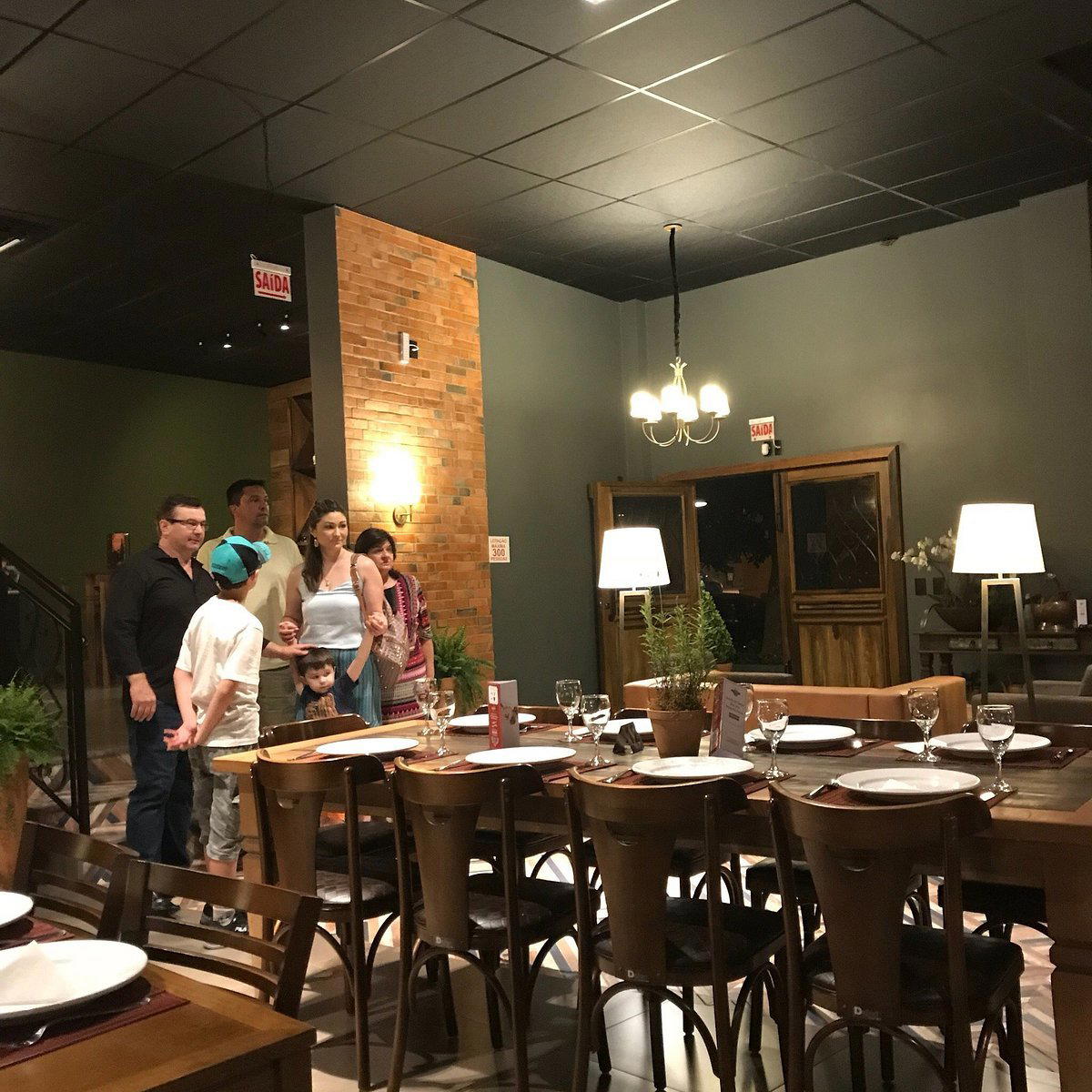
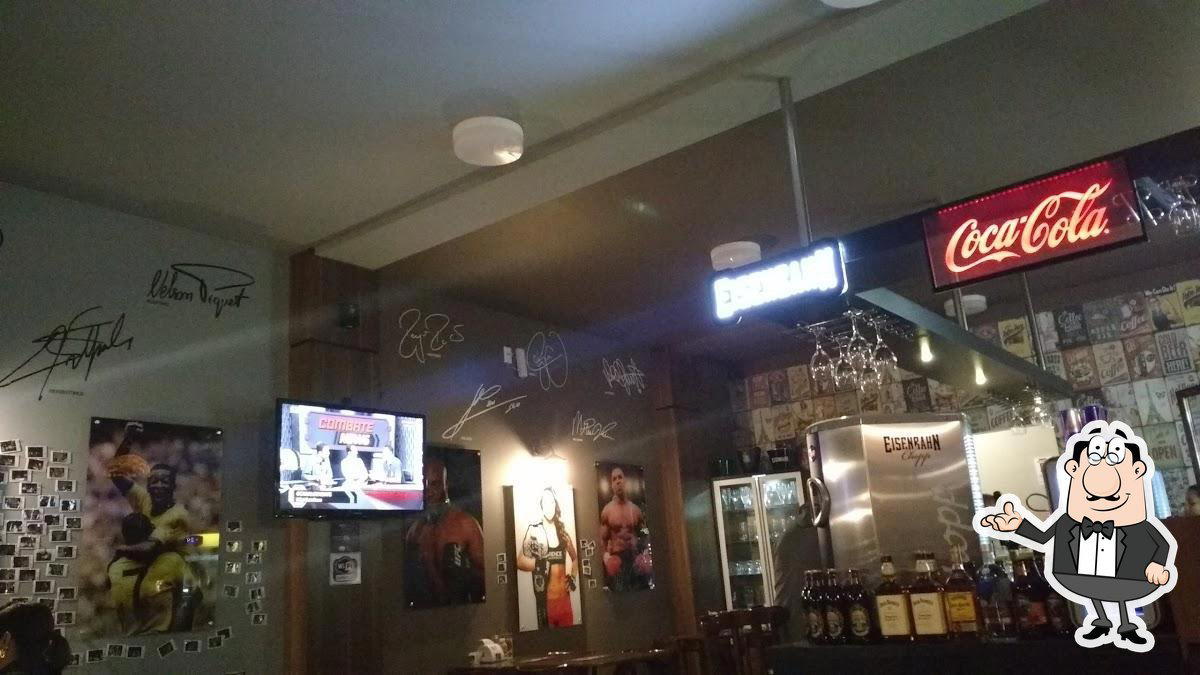
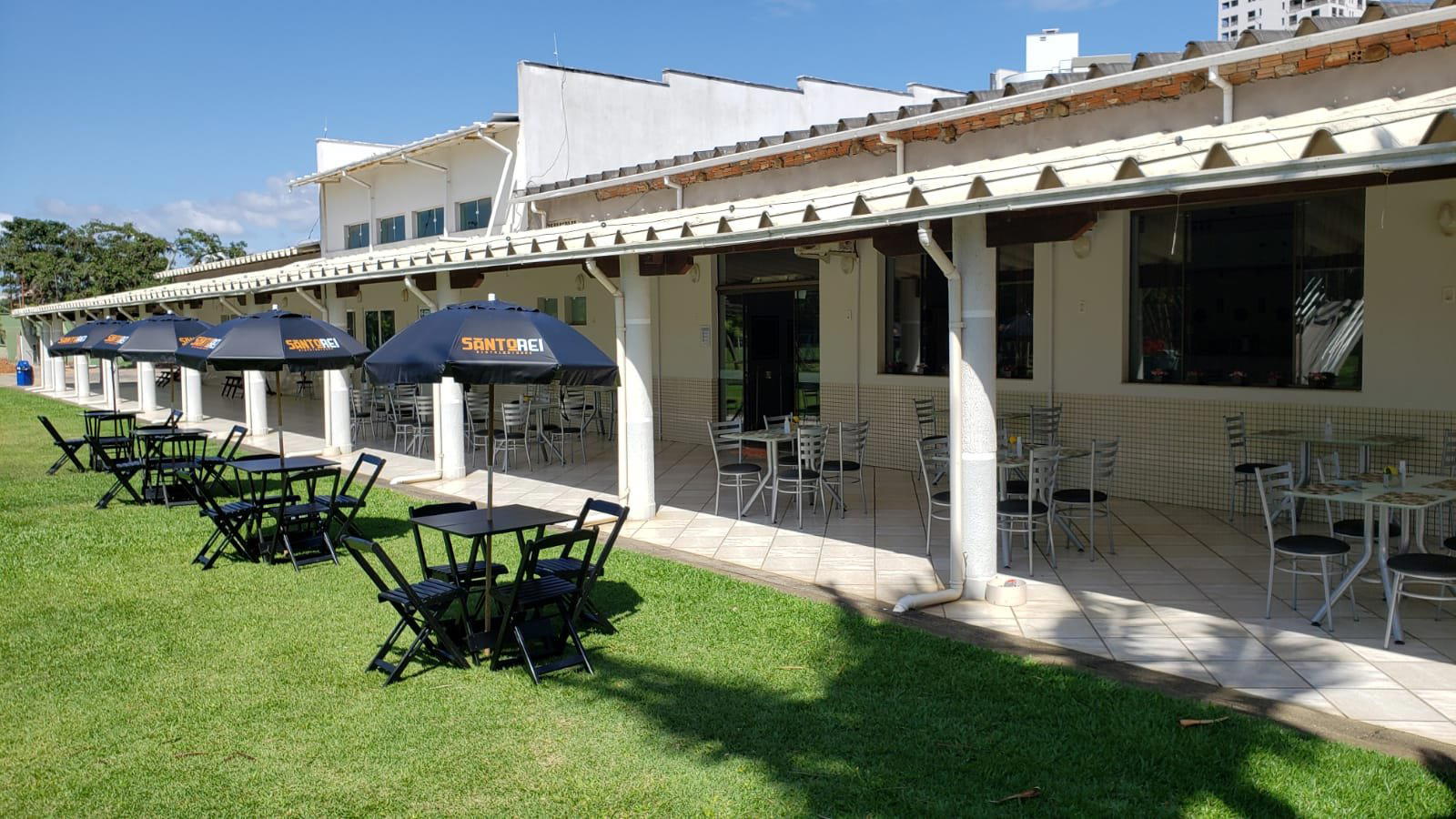
Cozy and welcoming atmosphere with friendly customer service that enhances the casual dining experience.