Valentino's Restaurant
Our verdict
Valentino's Restaurant on Harford Road sits in northeast Baltimore's Govans corridor, a stretch where long-standing neighbourhood dining rooms carry as much cultural weight as any downtown address. The kitchen operates within a tradition of Italian-American cooking that has quietly anchored the surrounding residential blocks for years, making it a reliable point of reference for the area's dining character.

Pearl is the En Primeur Club membership app — saves, bookings, and concierge access live there. Same editors, same standards.
- Address
- 6627 Harford Rd, Baltimore, MD 21214
- Phone
- (410) 254-4700
- Hours
- Daily 7 AM–3:59 AM
- Website
- valentinosbaltimore.com
- Directions
- Get directions
- Booking
- Book on OpenTable

The menu
What to order
- Nonna's Burrata
- Polpette Classico
- Linguine al Frutti di Mare
Harford Road and the Northeast Baltimore Dining Tradition
Northeast Baltimore's Harford Road corridor does not announce itself the way the Inner Harbor does. There are no waterfront views, no valet queues, no PR-managed openings. What the stretch between Govans and Hamilton offers instead is something harder to manufacture: a density of long-running neighbourhood restaurants whose relevance is measured in decades and repeat customers rather than press cycles. Valentino's Restaurant, at 6627 Harford Rd, sits inside that tradition. Visiting this part of the city requires a deliberate choice to leave the downtown dining cluster behind, and the restaurants along this corridor tend to reward that choice with a different kind of consistency.
Italian-American cooking in mid-Atlantic cities occupies a specific register: it is neither the austere regional Italian that Michelin-chasing kitchens have made fashionable, nor the purely industrial red-sauce format that survives on nostalgia alone. At its most honest, it represents a third position — a body of technique and ingredient logic that absorbed American produce and immigrant adaptation without abandoning European structural thinking about pasta, protein, and sauce. That is the culinary context in which a Harford Road institution like Valentino's makes most sense. Understanding the broader scene clarifies what to expect before you arrive.
The Intersection of Imported Method and Local Pantry
The editorial angle worth applying to Italian-American cooking in Baltimore specifically is what happens when classical European technique meets a Mid-Atlantic pantry. Maryland's larder is not neutral: the Chesapeake Bay system produces blue crab, oysters, and rockfish that carry strong regional identity, while the state's agricultural zones supply produce that differs in character from what a Neapolitan or Bolognese kitchen would have historically drawn on. The more interesting Italian-American kitchens in this region have long threaded those two realities together, using European structural discipline — proper fond-building, pasta hydration ratios, emulsification logic, to handle ingredients that Escoffier never encountered.
Across the American dining landscape, the restaurants doing this most deliberately include places like Blue Hill at Stone Barns in Tarrytown, which built an entire identity around sourcing specificity meeting classical European rigour, and at the highest technical register, kitchens like Le Bernardin in New York City or Providence in Los Angeles, where imported French and Mediterranean method is applied to Pacific and Atlantic seafood with surgical precision. That is the upper end of the spectrum. Neighbourhood Italian-American dining rooms operate closer to ground level, but the underlying logic is the same: the quality of the result depends on how well the kitchen understands both the technique and the ingredient.
In Baltimore, the conversation about which kitchens handle this intersection well tends to centre on a handful of reliable addresses. Cindy Wolf's Charleston has long been the city's reference point for European-trained technique applied to local Mid-Atlantic product. Further along the spectrum, dede (Turkish) demonstrates how imported culinary grammar, in that case, Anatolian, adapts to a different urban context entirely. Valentino's operates in a less visible tier of that conversation, as a neighbourhood anchor rather than a destination address, but the questions it answers for its regular clientele are not entirely different.
Atmosphere and Approach
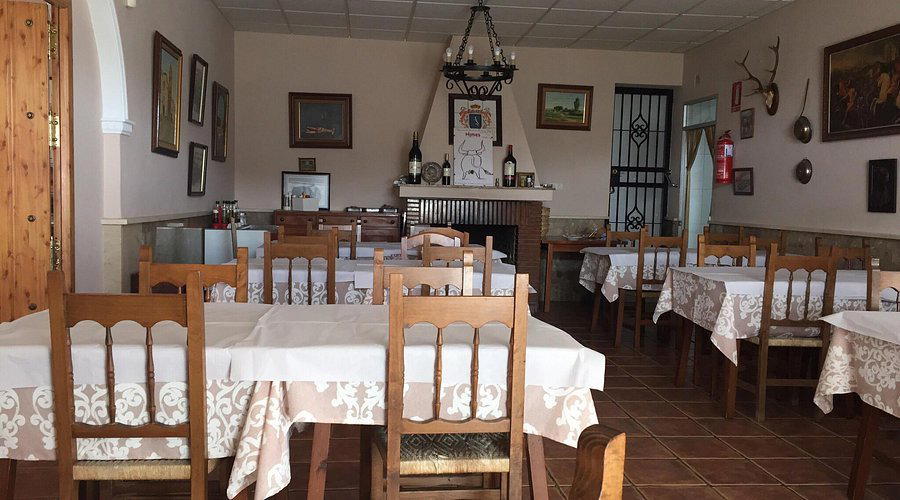
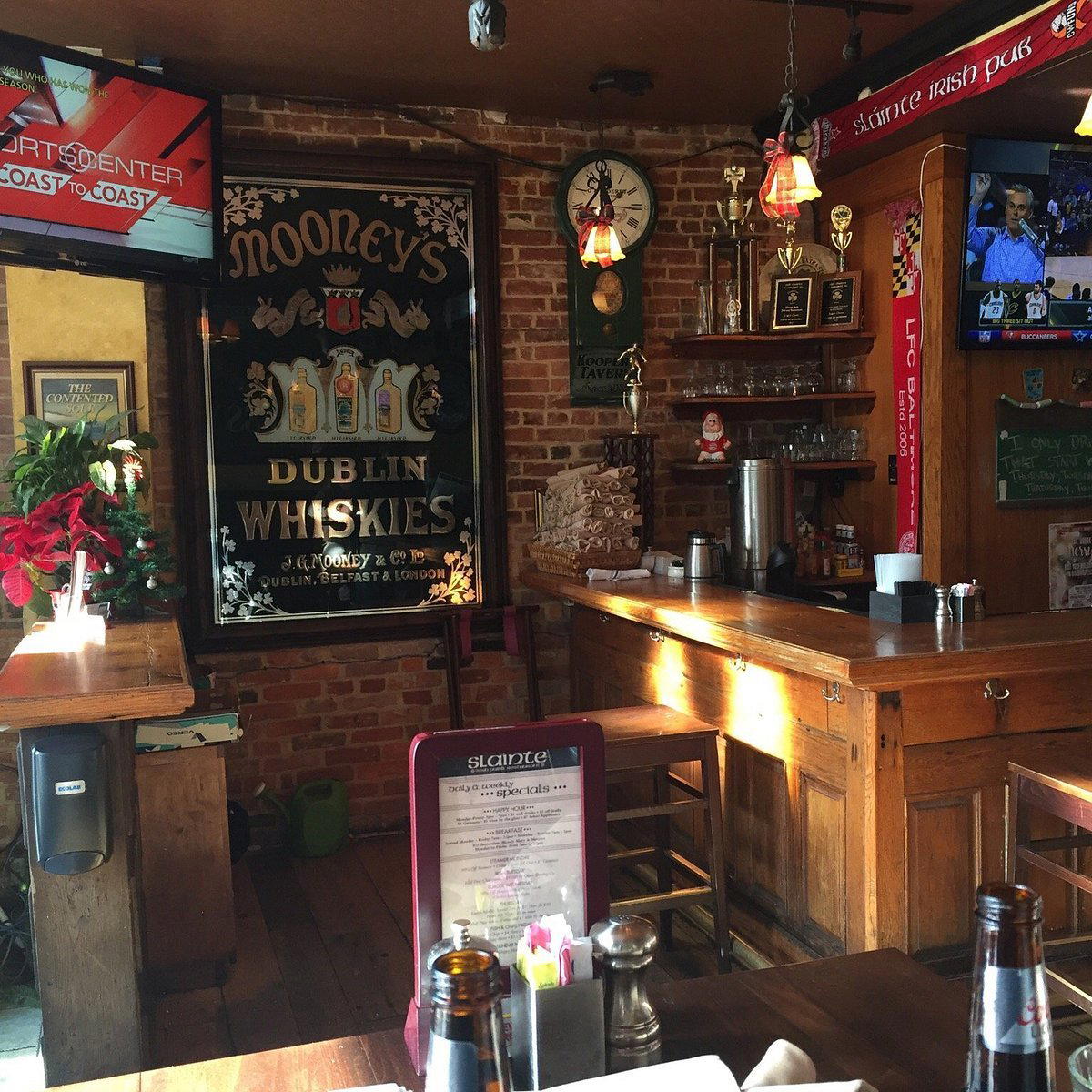
The physical environment on this stretch of Harford Road follows the logic of Baltimore's residential commercial strips: ground-floor dining rooms in mixed-use blocks, storefronts that prioritise function over architectural statement, interiors calibrated for regulars rather than first-time visitors. This is a category of restaurant space that cities like Baltimore, Philadelphia, and Chicago have always done well, the kind of room where the lighting is warm without being designed, where tables are set with efficiency rather than theatre, and where the ambient noise level reflects the age and character of the neighbourhood rather than any deliberate acoustic engineering.
For a reader accustomed to the production values of destination dining, the kind of experience you would find at Alinea in Chicago, Lazy Bear in San Francisco, or The French Laundry in Napa, a Harford Road dining room will register as deliberately untheatrical. That is its function. The value proposition is not spectacle; it is reliability and neighbourhood belonging. Other Baltimore addresses in adjacent registers include Angeli's Pizzeria, which holds a similar position in its own corridor, and Akbar, which has anchored South Baltimore's Indian dining for years with a comparable logic of consistency over reinvention.
Planning Your Visit
Harford Road is accessible by car with street parking available along the corridor, and the 33 bus line serves this stretch for those preferring public transit from central Baltimore. Govans sits approximately four miles north of the Inner Harbor, making it a reasonable add to a broader northeast Baltimore itinerary that might also include a stop at 16 On The Park in the nearby Ednor Gardens district. Spring and early autumn represent the most interesting seasons to visit Italian-American kitchens in this region, when local tomatoes, sweet corn, and the tail end or start of the Chesapeake shellfish season give kitchens the most varied local pantry to work with.
For a fuller orientation to Baltimore's dining geography before you visit, our full Baltimore restaurants guide maps the city's key corridors and price tiers. Those looking to benchmark northeast Baltimore neighbourhood dining against destination formats elsewhere might also find useful reference in Emeril's in New Orleans or Addison in San Diego, both of which operate in the middle register between neighbourhood comfort and tasting-menu ambition. At the furthest remove from the neighbourhood format but relevant as a regional anchor is The Inn at Little Washington in Washington, Patrick O'Connell's long-running benchmark for Mid-Atlantic fine dining. Closer in spirit to the Valentino's tier are Atomix in New York City and 8 1/2 Otto e Mezzo Bombana (Hong Kong) in Hong Kong, both of which illustrate how imported culinary lineage can find durable expression in a city whose food culture it was not originally built for, which is, at its core, the story Italian-American cooking has been telling in northeast Baltimore for generations. Single Thread Farm in Healdsburg rounds out the frame for readers interested in how farm-to-table discipline intersects with technique-led kitchens at the premium end.
Frequently asked questions
What should I expect atmosphere-wise at Valentino's Restaurant?
Valentino's sits at 6627 Harford Rd in northeast Baltimore, a stretch defined by ground-floor dining rooms in residential commercial buildings rather than destination-district theatrics. The corridor draws a local crowd, and the physical environment reflects that: the room operates on the logic of a neighborhood place where regulars outnumber first-timers. There are no waterfront views or valet queues here.
Where is Valentino's Restaurant located?
Valentino's Restaurant is located at 6627 Harford Rd, Baltimore, MD 21214, Baltimore.
Is Valentino's Restaurant a good option for a neighborhood dinner in northeast Baltimore?
For diners in the northeast Baltimore corridor, Valentino's on Harford Rd represents the kind of Italian-American table that has anchored residential dining strips in the city for decades. The 33 bus line serves this stretch, and street parking runs along the corridor, making it accessible without a car. As a neighborhood fixture in Baltimore's Harford Road dining scene, it draws from a local rather than tourist base.
What should I eat at Valentino's Restaurant?
Valentino's falls within the Italian-American tradition that shaped much of Baltimore's restaurant culture along corridors like Harford Road. That tradition centers on the intersection of imported European technique and Mid-Atlantic pantry ingredients. Specific current menu details are best confirmed directly with the restaurant before visiting, as seasonal offerings can shift.
Same-City Peers
Comparable venues nearby, for context on price, style, and recognition.
| Venue | Cuisine | Price | Awards | Notes |
|---|---|---|---|---|
| Valentino's RestaurantThis venue — the venue you are viewing | Italian-American | $20–30 | Not listed | Not listed |
| Dalesio's Of Little Italy | Northern Italian Trattoria | $30–50 | Not listed | Little Italy |
| Angeli's Pizzeria | Authentic Italian Pizza | $20–30 | 50 Top Pizza USA #44 | Little Italy |
| Birroteca | Modern Rustic Italian Pizza | $30–50 | Not listed | Woodberry |
| Sotto Sopra | Authentic Northern Italian | $50–100 | Not listed | Mount Vernon |
Continue exploring
More in Baltimore
Restaurants in Baltimore
Browse all →
Bars in Baltimore
Browse all →
Details
- Classic
- Family
- Casual Hangout
- Standalone
- A La Carte
Current opening hours
- Monday
- 7 AM–3:59 AM
- Tuesday
- 7 AM–3:59 AM
- Wednesday
- 7 AM–3:59 AM
- Thursday
- 7 AM–3:59 AM
- Friday
- 7 AM–3:59 AM
- Saturday
- 7 AM–3:59 AM
- Sunday
- 7 AM–3:59 AM
Hours can change for holidays and private events. Last verified .
classic casual neighborhood spot with hearty portions in a welcoming atmosphere