7ICI
Our verdict
7ICI occupies a quiet address at Rue de Chastre 7 in Chaumont-Gistoux, a commune southeast of Brussels that has accumulated a surprising density of considered restaurants for its size. The kitchen's approach and sourcing philosophy place it within a cohort of Belgian rural addresses where proximity to producers is a structural advantage, not a branding exercise. For the Brabant Wallon region, that distinction carries weight.

Pearl is the En Primeur Club membership app — saves, bookings, and concierge access live there. Same editors, same standards.
- Address
- Rue de Chastre 7, 1325 Chaumont-Gistoux, Belgium
- Phone
- +3210243777
- Hours
- Mon–Tue 12–1:30 PM, 7–9:30 PMWed ClosedThu–Fri 12–1:30 PM, 7–9:30 PMSat–Sun Closed
- Website
- 7-ici.be
- Directions
- Get directions
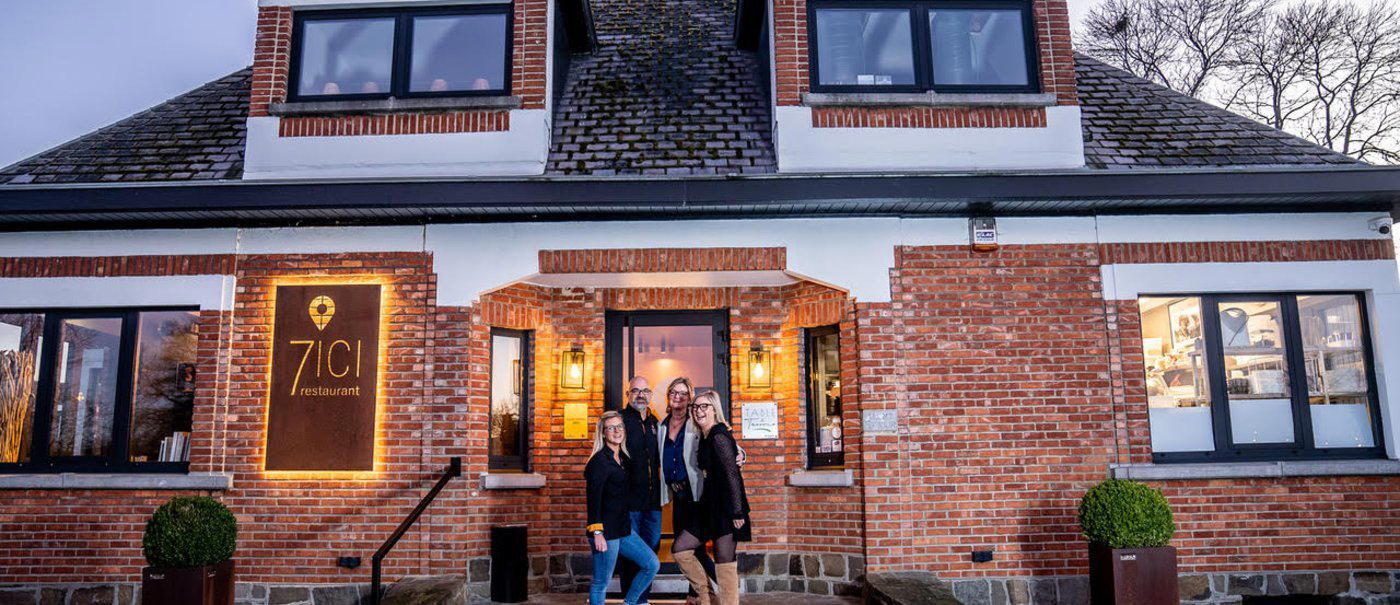
A Rural Belgian Address With Something to Prove
The village restaurant in the Brabant Wallon has become a more serious category than its geography might suggest. Chaumont-Gistoux, a commune of rolling farmland roughly 25 kilometres southeast of Brussels, now holds a cluster of dining addresses serious enough to draw the capital's restaurant-going public on a weekday evening. 7ICI, at Rue de Chastre 7, sits inside that cluster. Its address is literal shorthand for its position: here, in this specific place, rather than in a city centre where ingredient sourcing is abstracted by supply chains and marketing copy.
That posture — rooted, local, specific — defines a recognisable strand of Belgian gastronomy that has grown considerably since the mid-2010s. Kitchens at L'air du temps in Liernu and Willem Hiele in Oudenburg established the template: rural coordinates, direct producer relationships, menus that read as inventories of what the surrounding land is currently doing. 7ICI operates in the same register, in a commune that has quietly built one of the more coherent dining scenes outside Belgium's major cities.
Where the Food Comes From
In Belgian fine dining, the sourcing question has moved from differentiator to baseline expectation over the past decade. Kitchens at Boury in Roeselare and Zilte in Antwerp built reputations partly on the specificity of their supply chains, naming farms and producers as part of the dining conversation rather than keeping them invisible in the kitchen. In a rural commune like Chaumont-Gistoux, that specificity is structural rather than performative: the producers are close, the growing conditions are known quantities, and the seasonal shifts arrive on the plate with less delay than they do in urban kitchens that depend on distribution networks.
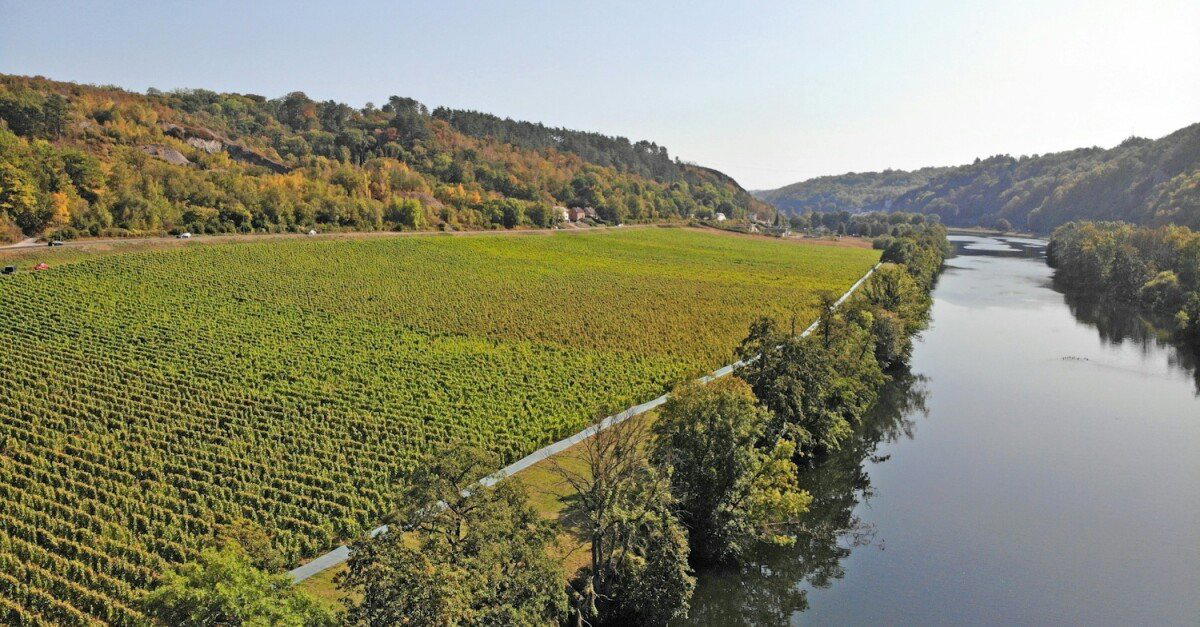
The Brabant Wallon sits in an agricultural corridor where market gardens, small-scale livestock operations, and artisan producers cluster alongside the commuter belt villages that ring Brussels. For a kitchen at 7ICI's coordinates, that proximity represents a practical advantage. The gap between a field and a plate can be measured in kilometres rather than logistics chains, which shifts how a kitchen plans its menu cycle and how it communicates with the table. Restaurants working this way tend to run shorter, more frequently rotating menus than their urban peers, because the ingredient supply itself dictates the rhythm.
Across Belgium's most-discussed rural addresses, from Castor in Beveren to Bartholomeus in Heist, the ingredient sourcing question has become inseparable from the question of what a restaurant is actually for. The answer that has emerged in places like Chaumont-Gistoux is a direct one: to translate a specific geography into a dining experience, rather than to replicate a metropolitan format in a rural setting.
Chaumont-Gistoux as a Dining Destination
The commune's dining scene has developed with more coherence than most Belgian villages of comparable size. Alongside 7ICI, addresses including L'Horizon (Creative), Bernard Schobbens, Table Roberti, Chem. de l'Herbe 32, and Chemin de l'herbe have collectively established the village as a destination rather than a stopover. That density is unusual. Most Belgian communes of this profile support one or two considered restaurants at most; Chaumont-Gistoux has built something closer to a scene.
For visitors arriving from Brussels, the journey runs against the commuter flow, southeast through Wavre and into the quieter rural roads of the Brabant Wallon. The 25-kilometre drive takes roughly 30 to 40 minutes depending on traffic, and the arrival into village-scale roads signals a clear break from the capital's density. That transition is part of the logic of dining here: the distance is small enough to make an evening trip viable, but large enough that the experience feels genuinely removed from city-centre restaurant culture. Our full Chaumont-Gistoux restaurants guide maps the broader scene for visitors planning a longer stay in the commune.
Where 7ICI Sits in the Belgian Dining Conversation
Belgium's upper-tier restaurant circuit is predominantly concentrated in its cities. Bozar Restaurant in Brussels, Hof van Cleve in Kruishoutem, and De Jonkman in Sint-Kruis represent the kind of formally recognised excellence that draws international attention. The rural addresses, by contrast, operate with less visibility outside Belgium, which is partly a function of geography and partly a function of how restaurant awards and media coverage distribute attention. That lower profile does not necessarily indicate lower ambition.
Internationally, the comparison point for this model sits in kitchens like Le Bernardin in New York City, where ingredient sourcing and product integrity have been the organising principle of the menu for decades, or Atomix in New York City, where the cultural and agricultural context of ingredients carries as much weight as the cooking technique applied to them. The scale and price tier differ considerably, but the underlying logic, that where food comes from shapes what it can become on the plate, runs through all of them.
For a kitchen at 7ICI's scale and address, the relevant competitive set is regional rather than national. Against the Chaumont-Gistoux field and the wider Brabant Wallon, the question is whether the sourcing proximity translates into something meaningfully different at the table, or whether it remains a positioning claim. The address on Rue de Chastre suggests a commitment to the former: operating in a specific place, for the specific reason that the place has something to offer. Similarly, d'Eugénie à Emilie in Baudour demonstrates how Walloon kitchens can build a distinct identity from regional specificity rather than metropolitan influence.
Planning a Visit
7ICI is located at Rue de Chastre 7, 1325 Chaumont-Gistoux. The address sits within a commune where parking is not a constraint, and the approach by car from Brussels or Namur is the most practical option; public transport connections to Chaumont-Gistoux are limited, and the village is not served directly by main rail lines. Given the restaurant's position within a small but competitive local dining scene, advance contact to confirm availability is advisable, particularly for weekend evenings when demand across Chaumont-Gistoux's restaurants tends to concentrate.
Frequently asked questions
What part of town is 7ICI in?
7ICI is located at Rue de Chastre 7, 1325 Chaumont-Gistoux, Belgium, Chaumont-Gistoux.
How does 7ICI compare to fine dining restaurants in Brussels?
Belgium's upper-tier restaurant circuit concentrates heavily in its cities, which makes 7ICI's address in Chaumont-Gistoux — roughly in the Brabant Wallon countryside southeast of Brussels — a deliberate departure from that pattern. The trade-off is a more relaxed approach by car, no parking pressure, and a dining room removed from the urban competition. For context, city benchmarks in this country include Bozar Restaurant in Brussels and Hof van Cleve in Kruishoutem.
What should I eat at 7ICI?
Given Chaumont-Gistoux's position in Brabant Wallon, expect produce-led cooking shaped by what the surrounding countryside yields across the season. Contacting the restaurant directly at Rue de Chastre 7 will give you the most accurate picture of the current menu.
Is 7ICI reservation-only?
At restaurants of this type in the Belgian village dining category, walk-ins are rarely reliable, particularly on weekend evenings when covers are limited by the size of the room. Booking ahead is the practical approach for Rue de Chastre 7.
What's 7ICI best at?
7ICI's strongest claim is geographic: it brings a level of cooking seriousness to Chaumont-Gistoux that few communes of comparable size in Brabant Wallon can match. The village dining scene here has developed with more coherence than its scale would suggest, and 7ICI sits at the centre of that. Whether the kitchen's particular strength is produce-driven plates or a specific technique is best confirmed on the day.
How It Stacks Up
Comparable venues nearby, for context on price, style, and recognition.
| Venue | Cuisine | Price | Awards | Notes |
|---|---|---|---|---|
| 7ICIThis venue — the venue you are viewing | French-Belgian Bistro | Not listed | Not listed | Not listed |
| Chemin de l'herbe | Bistronomic French | $50–100 | Not listed | Chaumont-Gistoux |
| Table Roberti | Belgian-French Seasonal Bistro | Not listed | Not listed | Chaumont-Gistoux |
| Bernard Schobbens | Artisanal Belgian Chocolatier | Not listed | Not listed | Chaumont Gistoux |
| Chem. de l'Herbe 32 | Bistronomic French | $50–100 | Not listed | Bonlez |
| L'Horizon | Modern French Fine Dining with Global Influences | $150–200 | Michelin Plate · We're Smart World 4 Radishes | Chaumont-Gistoux |
Continue exploring
More in Chaumont-Gistoux
Restaurants in Chaumont-Gistoux
Browse all →
Bars in Chaumont-Gistoux
Browse all →
Hotels in Chaumont-Gistoux
Browse all →
Wineries in Chaumont-Gistoux
Browse all →
Details
- Cozy
- Elegant
- Rustic
- Business Dinner
- Special Occasion
- Garden
- Terrace
- Local Sourcing
- Garden
- Street Scene
- A La Carte
Current opening hours
- Monday
- 12–1:30 PM, 7–9:30 PM
- Tuesday
- 12–1:30 PM, 7–9:30 PM
- Wednesday
- Closed
- Thursday
- 12–1:30 PM, 7–9:30 PM
- Friday
- 12–1:30 PM, 7–9:30 PM
- Saturday
- Closed
- Sunday
- Closed
Hours can change for holidays and private events. Last verified .
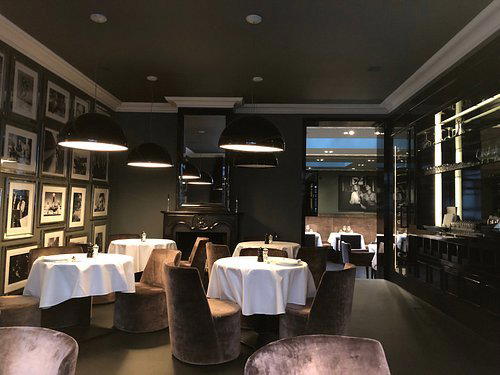
Cozy dining room with garden terrace offering scenic field views; neat, flowery tables in a well-suited countryside setting.