Our verdict
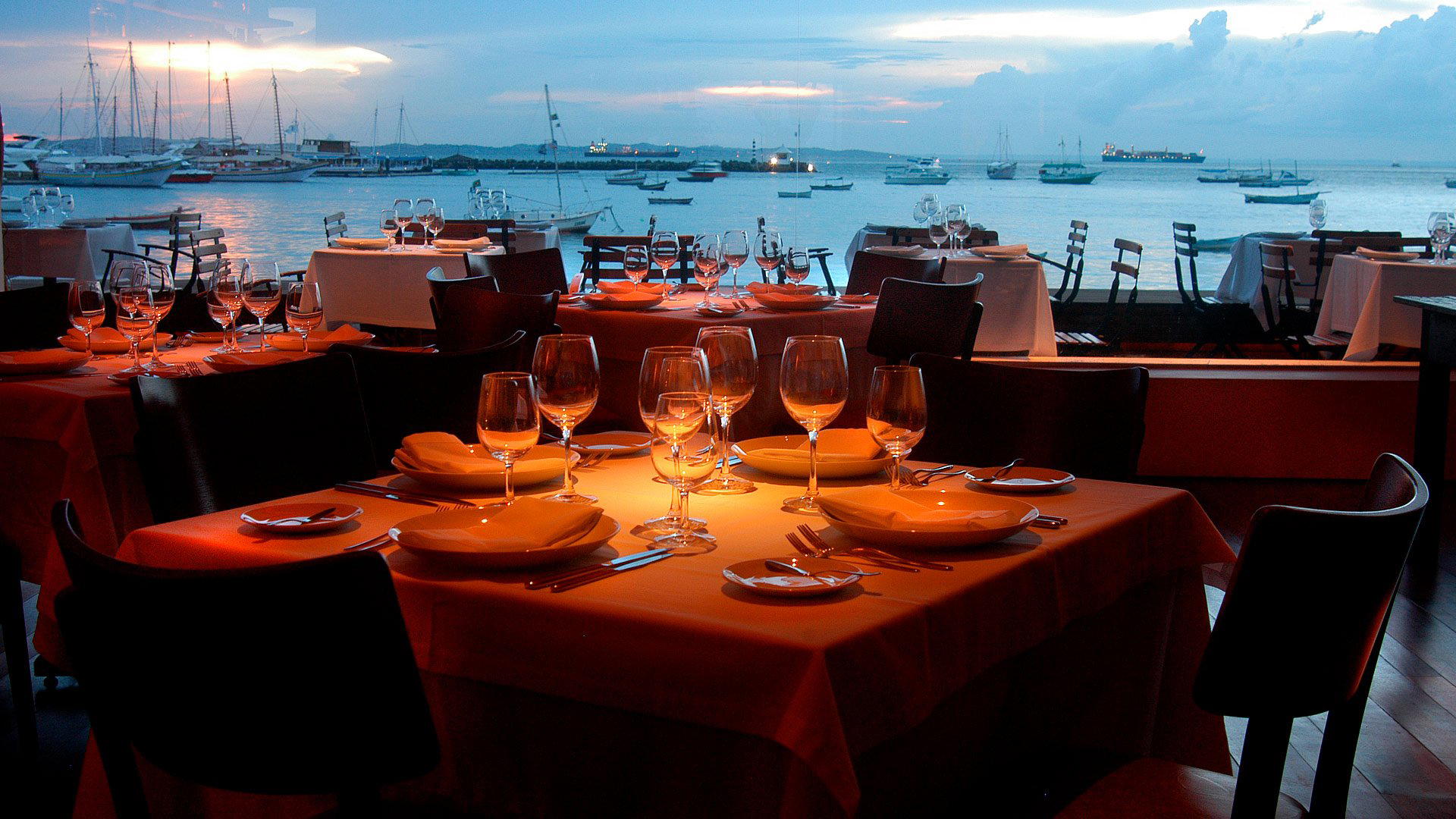
Amado sits along Salvador's Comércio waterfront, placing Bahian culinary tradition inside a setting that reads more cosmopolitan port than neighbourhood dining room. The kitchen draws on the African-rooted pantry that defines the city's food culture, from dendê oil and vatapá to fresh seafood pulled from the Baía de Todos os Santos. For visitors mapping premium dining in Salvador, it belongs in the same conversation as Manga and Casa Castanho.

Pearl is the En Primeur Club membership app — saves, bookings, and concierge access live there. Same editors, same standards.
- Address
- Av. Lafayete Coutinho, 660 - Comércio, Salvador - BA, 40015-160, Brazil
- Phone
- +557133223520
- Hours
- Mon–Sat 12–10 PMSun 12–5 PM
- Website
- amadobahia.com.br
- Directions
- Get directions
The menu
What to order
- Purple potato gnocchi with shrimp
- Moqueca
- Seared tuna
Where the Bay Meets the Table
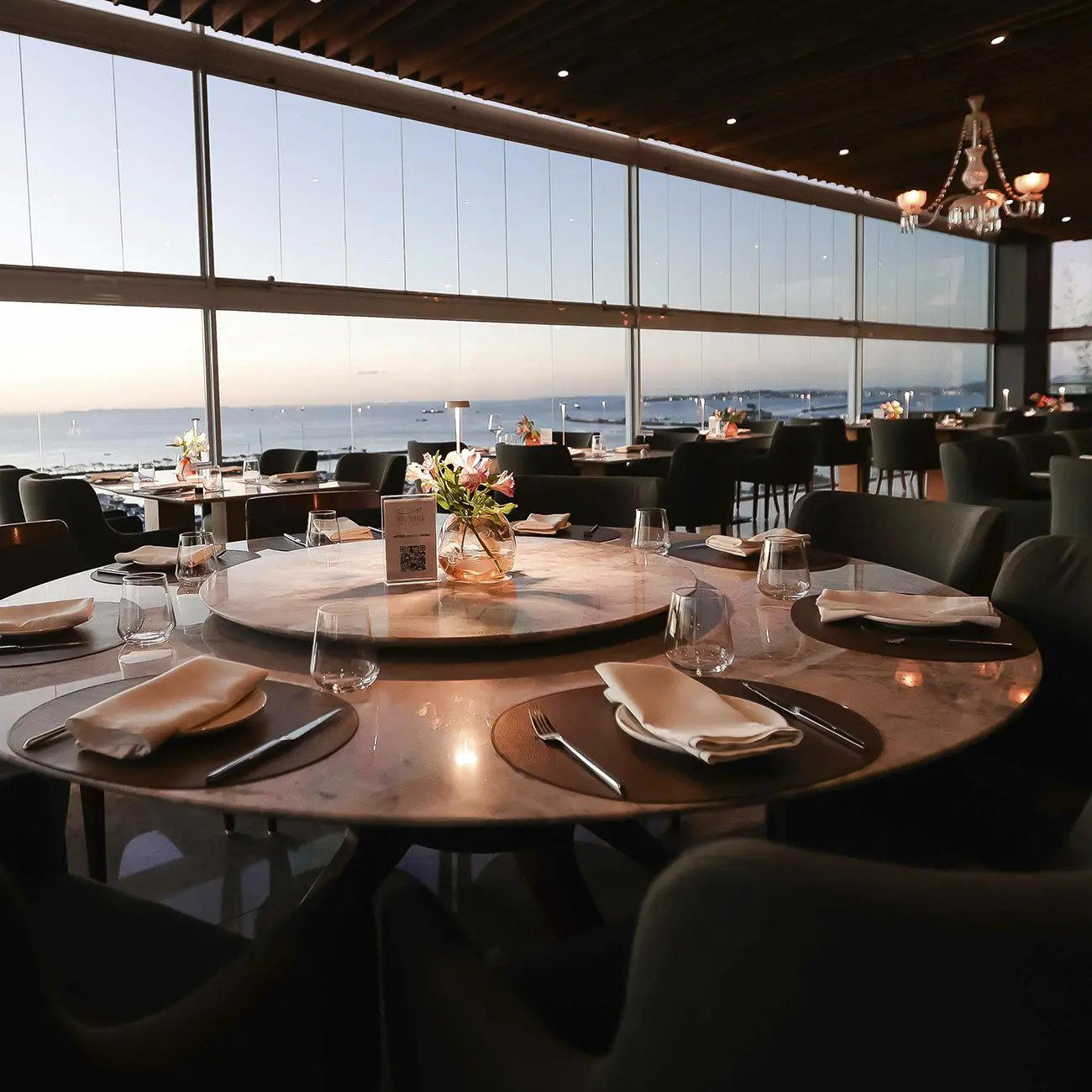
Salvador's Comércio district faces the Baía de Todos os Santos across a broad esplanade, and the view from Avenida Lafayete Coutinho carries a specific weight: this was the entry point for the Atlantic trade routes that shaped Bahia's population, its religion, and above all its food. Amado occupies that address at number 660, and the positioning is not incidental. The bay is not merely a backdrop here; it is an argument. Bahian cuisine is arguably the most culturally layered in Brazil, a direct product of West African culinary knowledge grafted onto indigenous ingredients and Portuguese technique across four centuries, and a restaurant on this waterfront carries that history in its sight lines before a single dish arrives.
The Cultural Architecture of Bahian Cooking
To understand where Amado sits in Salvador's dining scene, it helps to understand what Bahian cuisine actually is as a formal tradition. The canon is built around a handful of foundational elements: dendê (palm oil) imported from Africa and now grown in Bahia, dried shrimp, coconut milk, fresh coriander, and a series of preparations — moqueca, vatapá, acarajé, caruru — that trace their lineage directly to Yoruba and Fon cooking from what is now Nigeria and Benin. These dishes are not simply regional variants of Brazilian food; they are a distinct culinary system that predates the Portuguese-influenced mainstream and survived centuries of suppression through the same religious and community structures that preserved Candomblé.
In the broader national conversation about Brazilian fine dining, Bahian kitchens occupy an interesting position. While D.O.M. in São Paulo built its reputation around Amazonian ingredients reimagined through a European technical framework, and Oteque in Rio de Janeiro represents a more classically French-influenced refinement, Salvador's premium tier tends to argue for fidelity over transformation. The question the city's better kitchens ask is not how far they can take Bahian ingredients from their source, but how clearly they can articulate what those ingredients already are. Manga and Casa Castanho sit inside that same debate, each resolving it differently.
Amado's Position in Salvador's Premium Tier
Salvador does not have the Michelin infrastructure that São Paulo and Rio attract, so the competitive signals work differently here. What each of these venues represents is a different entry point into the city's premium dining market, and the Comércio waterfront location places Amado in a tier that targets visitors alongside the local professional class, rather than the neighbourhood-rooted clientele that drives some of Salvador's more intimate spots.
That positioning matters for how the kitchen frames its offer. A waterfront address in a historically significant district creates a certain gravitational pull toward the ceremonial meal, the long lunch with a view, the dinner that marks an occasion. The physical environment does part of the work. What distinguishes the stronger kitchens in this tier from the weaker ones is whether the food justifies that framing or merely leans on it.
For comparable ambition applied to Bahian culinary roots in a different regional key, Orixás | North Restaurant in Itacaré is worth tracking, it operates in a coastal format with explicit reference to the African-derived religious and culinary traditions the name signals. The comparison illuminates how the same source material can be handled at different scales and in different registers across the Bahian coast.
What the Bahian Pantry Demands of a Kitchen
Cooking the Bahian canon well is technically demanding in ways that are easy to underestimate. Dendê oil has a smoke point and flavor profile that rewards precision; moqueca requires a layered build of aromatics and a finishing balance between the richness of coconut milk and the brightness of fresh tomato and coriander; vatapá, the thickened paste of bread, dried shrimp, peanuts, and cashews, is a dish where texture is everything and most versions get it wrong. These are not forgiving preparations. They have been made daily in Bahian homes and terreiros for generations, which means any restaurant version is immediately measured against a deeply embedded popular memory.
That standard applies at every price point across the city. But at the premium end, there is an additional expectation: that the kitchen will source well enough and execute carefully enough to make the argument that the formal dining version of these dishes earns its place alongside the street-level originals, rather than simply borrowing their cultural prestige. The kitchens in Salvador's upper tier that make that argument convincingly tend to work with identifiable regional suppliers, treat seafood sourcing as a point of distinction, and resist the temptation to internationalize the pantry beyond what the tradition can absorb.
Planning Your Visit
Amado's address on Avenida Lafayete Coutinho places it in the Comércio district, historically the commercial heart of Salvador and a short distance from the base of the Elevador Lacerda, the public lift that connects the lower city to the Pelourinho. The waterfront setting makes lunch a compelling format here, the bay light in the early afternoon is a significant part of what the location offers, and the Comércio area is navigable on foot if you are already in the historic center. For broader orientation across Salvador's dining scene, the EP Club Salvador restaurants guide maps the full range of options by neighborhood and register.
Dress expectations at this tier in Salvador tend toward smart casual rather than formal, reflecting the city's general ease with its own warmth and the waterfront setting.
For travelers building a broader Brazil itinerary around serious dining, the national context is worth mapping: Manu in Curitiba, Birosca S2 in Belo Horizonte, and Mina in Campos do Jordão each represent distinct regional expressions of what Brazilian fine dining has become in the past decade. Salvador's contribution to that story, rooted in Africa, shaped by the Atlantic, and largely unbothered by international trend cycles, remains one of the most coherent and historically grounded in the country. Further afield, Olivetto Restaurante E Enoteca in Campinas, Primrose in Gramado, and Castelo Saint Andrews in Vale do Bosque show how different Brazil's regional dining cultures can be from the Bahian model, useful calibration for anyone trying to read the country's dining scene as a whole. For international reference points on waterfront fine dining at this level of cultural specificity, Le Bernardin in New York City and Lazy Bear in San Francisco each demonstrate, in different ways, what it means when a kitchen commits fully to a culinary argument rather than a crowd-pleasing position. State of Espírito Santo in Rio Bananal rounds out the regional Brazilian picture with its own distinct coastal register.
Frequently asked questions
What's the address for Amado?
Amado is located at Av. Lafayete Coutinho, 660 - Comércio, Salvador - BA, 40015-160, Brazil, Salvador.
How does Amado's location in Comércio affect the dining experience?
Comércio is historically Salvador's commercial and port district, sitting directly on the Baía de Todos os Santos — which means Amado at Av. Lafayete Coutinho, 660 has access to some of the freshest Atlantic and bay seafood in the city, a supply chain that feeds directly into the Bahian kitchen's technical demands. The neighbourhood also sits below the Cidade Alta, placing Amado within walking or short-transfer distance of the Pelourinho and the city's cultural centre, which makes it a natural anchor for an evening that starts with the historic upper city.
What dish is Amado famous for?
Amado's reputation is built on the Bahian canon — the classical repertoire that includes moqueca, vatapá, and caruru, all rooted in the Afro-Brazilian culinary tradition that defines Salvador's food culture. The kitchen draws from a pantry shaped by dendê oil, fresh seafood from the Baía de Todos os Santos, and ingredients with deep ties to Candomblé ritual cooking. Without a current published menu on record, the specific signature changes seasonally, but the through-line is that tradition applied at a premium level.
What's the best way to book Amado?
Amado is located at Av. Lafayete Coutinho, 660 in Salvador's Comércio district. Phone and online booking details are not on public record through EP Club's database, so the most reliable approach is to check the venue's official channels through their current listed channels or ask your hotel concierge to assist — a standard method for premium dining in Salvador, where reservation infrastructure differs from São Paulo.
What's the signature at Amado?
The defining characteristic is the bay-facing setting in Comércio combined with a kitchen committed to Bahian technique rather than fusion dilution. Where many restaurants in Brazil's coastal cities soften regional cooking for a broader audience, Amado's position in Salvador's premium tier is anchored in the specificity of the Bahian pantry — dendê, coconut milk, and fresh Atlantic seafood applied with technical discipline.
Can Amado handle vegetarian requests?
Bahian cuisine has a meaningful vegetarian thread — dishes like caruru and acarajé are plant-forward preparations with roots in Candomblé food traditions, and a kitchen operating at Salvador's premium level would typically accommodate dietary requests. That said, EP Club's database does not include a confirmed vegetarian menu for Amado, so it is worth confirming directly when booking, particularly if the requirement is strict.
Is Amado worth it?
Salvador sits outside the Michelin coverage that São Paulo and Rio carry, which means the signals of quality work differently here — peer reputation, longevity, and positioning within the Comércio district's premium dining tier matter more than star counts. Amado holds a consistent presence in that conversation. For anyone in Salvador who wants to eat the Bahian canon at its most considered rather than at a tourist-facing approximation, the address on Avenida Lafayete Coutinho with a direct line to the bay is the relevant benchmark.
A Pricing-First Comparison
Comparable venues nearby, for context on price, style, and recognition.
| Venue | Cuisine | Price | Notes |
|---|---|---|---|
| AmadoThis venue — the venue you are viewing | Contemporary Brazilian Seafood | $50–100 | Not listed |
| Restaurante Mistura Contorno | Bahian Seafood Fusion | $30–50 | Dois de Julho, Bahian Seafood Fusion |
| Boi Preto Prime | Brazilian Churrascaria with Japanese Influences | $50–100 | Boca do Rio, Brazilian Churrascaria with Japanese Influences |
| Restaurante Casa de Tereza | Authentic Bahian Seafood | Not listed | Rio Vermelho, Authentic Bahian Seafood |
| Alfredo'Ro | Classic Italian Seafood | Not listed | Ondina, Classic Italian Seafood |
| Larriquerrí | French-Italian Bistro | Not listed | Garcia, French-Italian Bistro |

Details
- Romantic
- Elegant
- Sophisticated
- Scenic
- Date Night
- Special Occasion
- Terrace
- Waterfront
- Open Kitchen
- Extensive Wine List
- Local Sourcing
- Waterfront
- A La Carte
Current opening hours
- Monday
- 12–10 PM
- Tuesday
- 12–10 PM
- Wednesday
- 12–10 PM
- Thursday
- 12–10 PM
- Friday
- 12–10 PM
- Saturday
- 12–10 PM
- Sunday
- 12–5 PM
Hours can change for holidays and private events. Last verified .
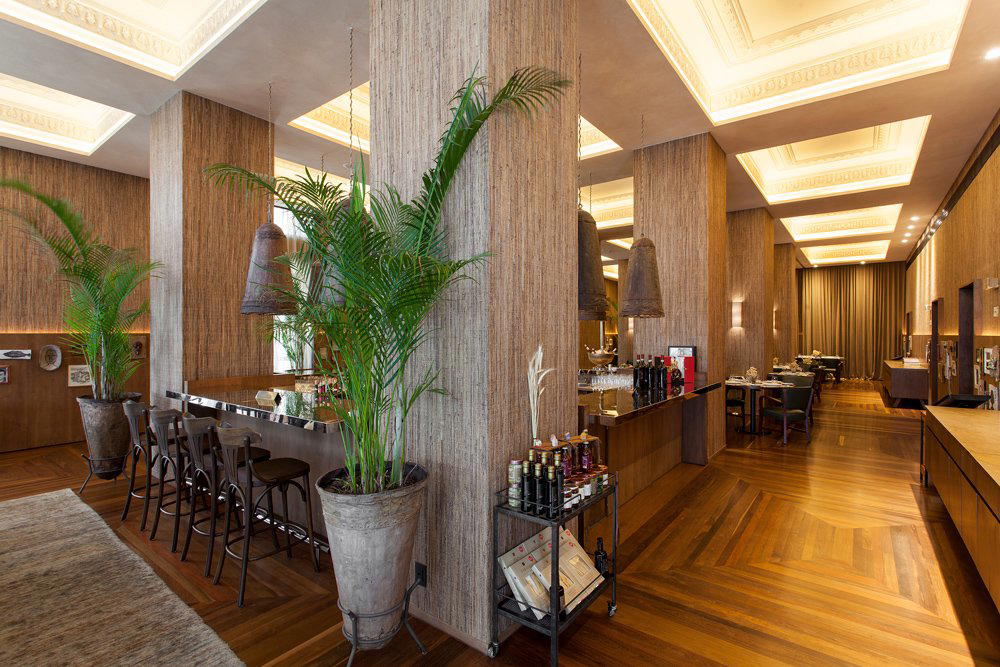
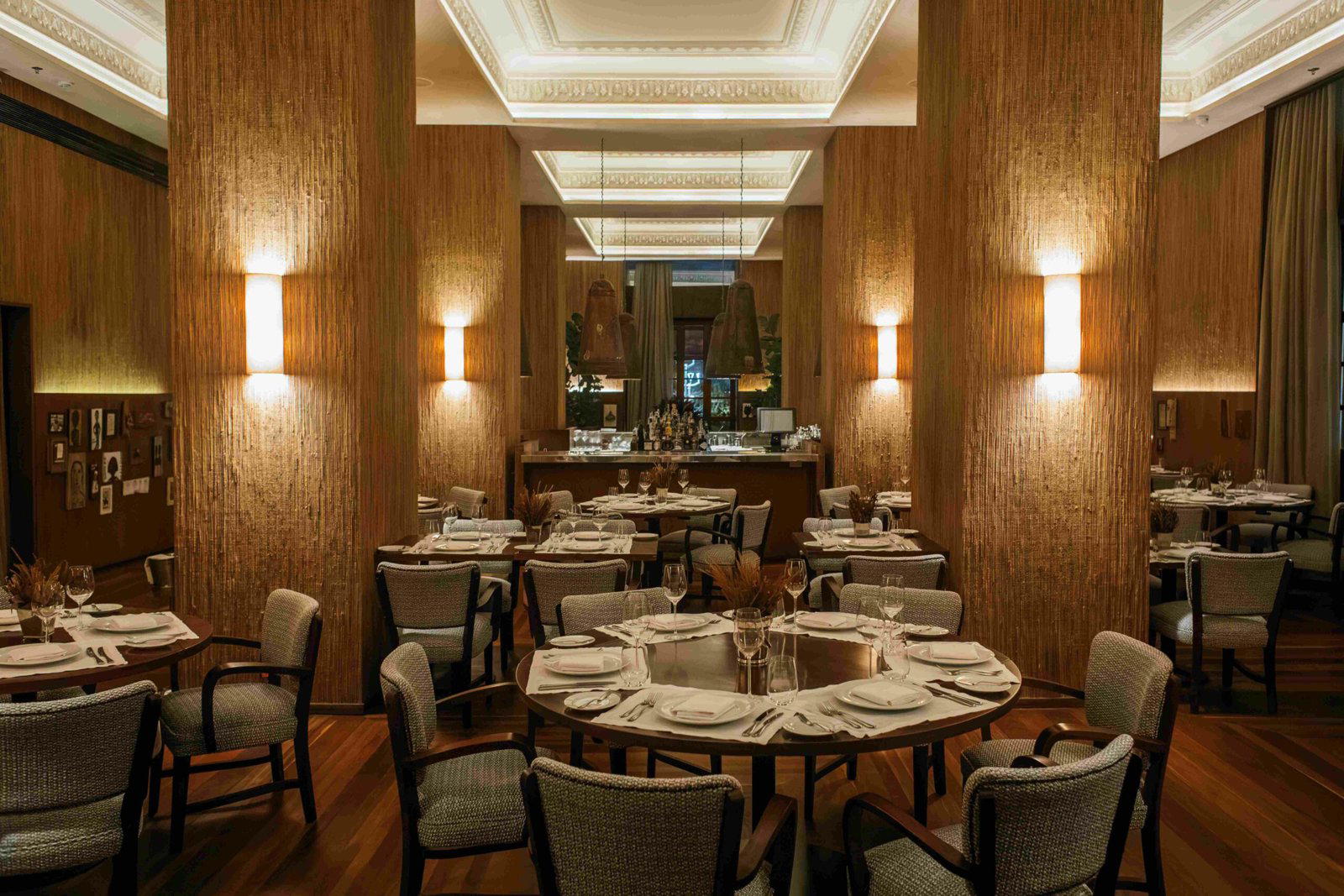
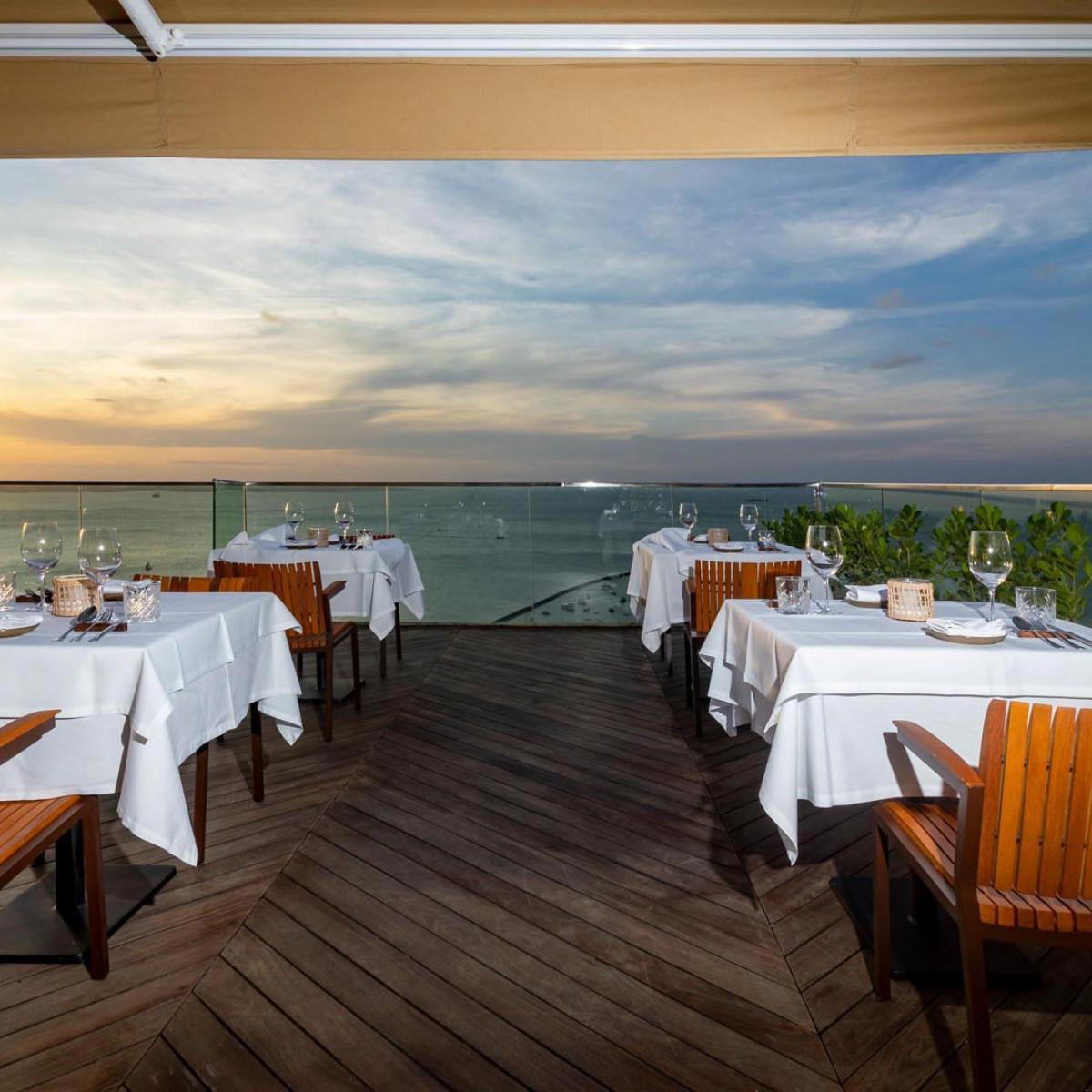
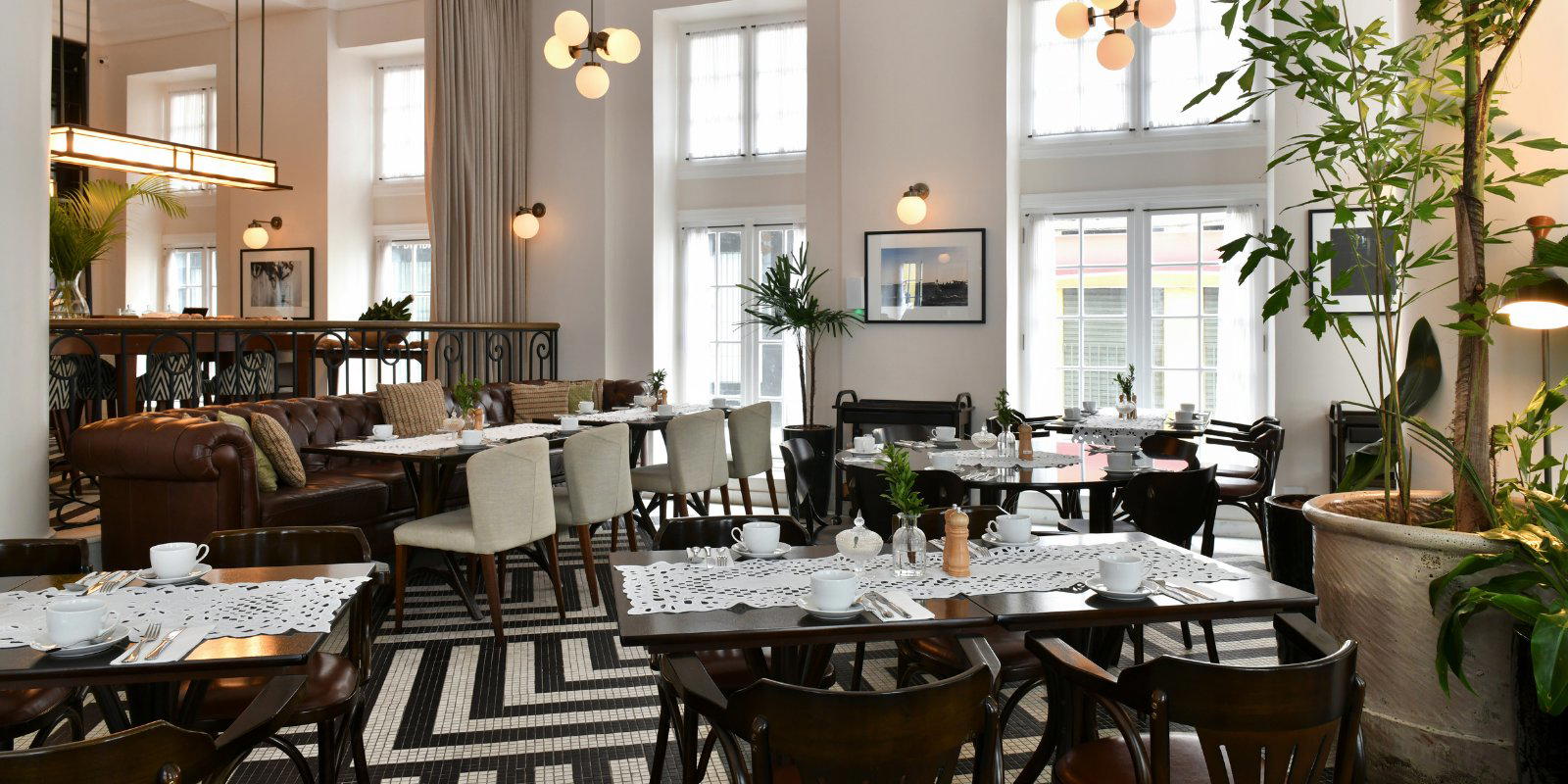
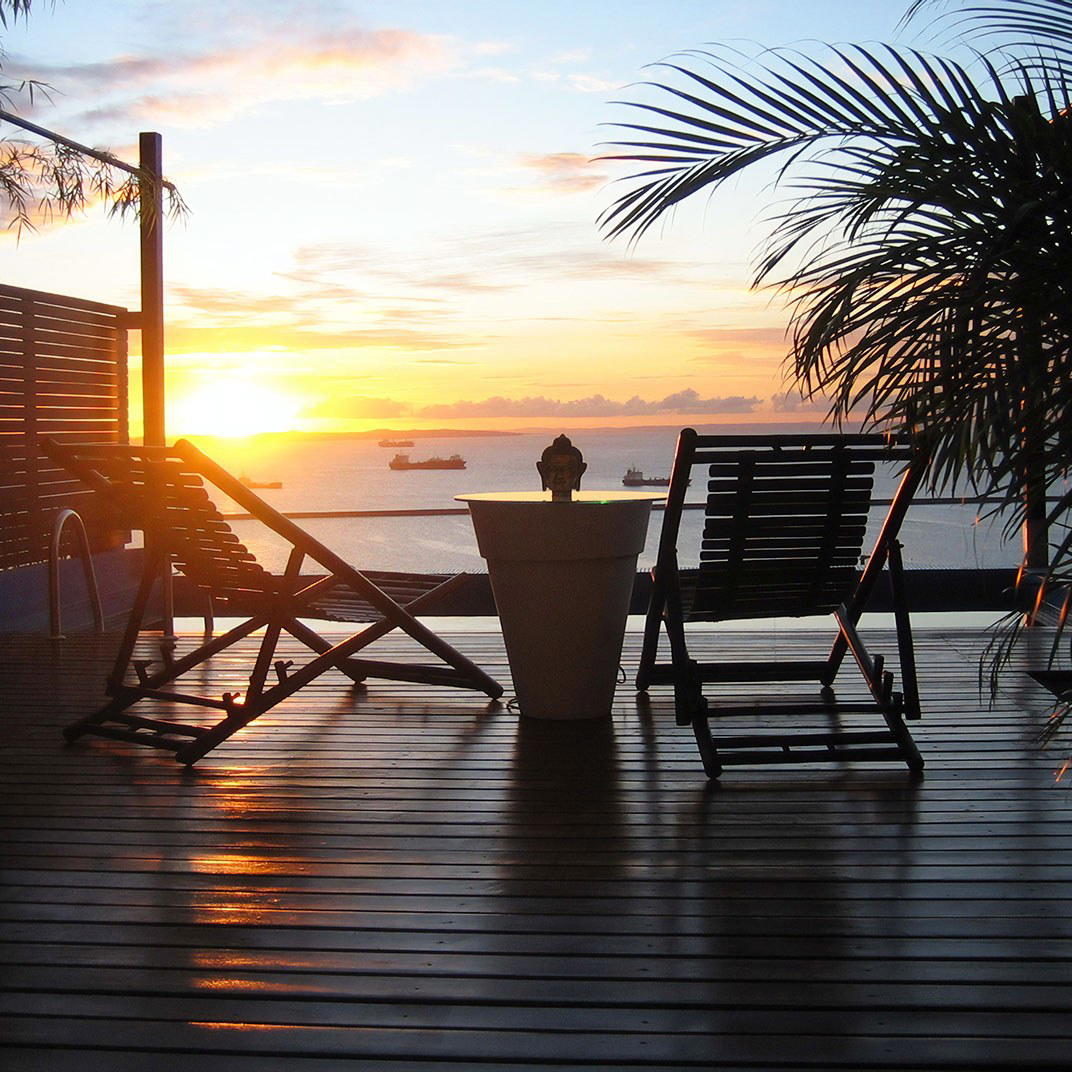
Low lighting and sultry atmosphere ideal for romantic dinners with elegant decor and lively energy.