Our verdict
Casa Castanho occupies a prominent address on Avenida Princesa Isabel in Barra, one of Salvador's most storied beachside neighbourhoods. It operates within a local dining scene shaped by Bahia's deep Afro-Brazilian culinary traditions, positioning it alongside a tier of Salvador restaurants where provenance and place matter as much as technique. For visitors mapping the city's table, it warrants attention in the same conversation as Amado and Manga.

Pearl is the En Primeur Club membership app, where members save venues, book tables and use the concierge.
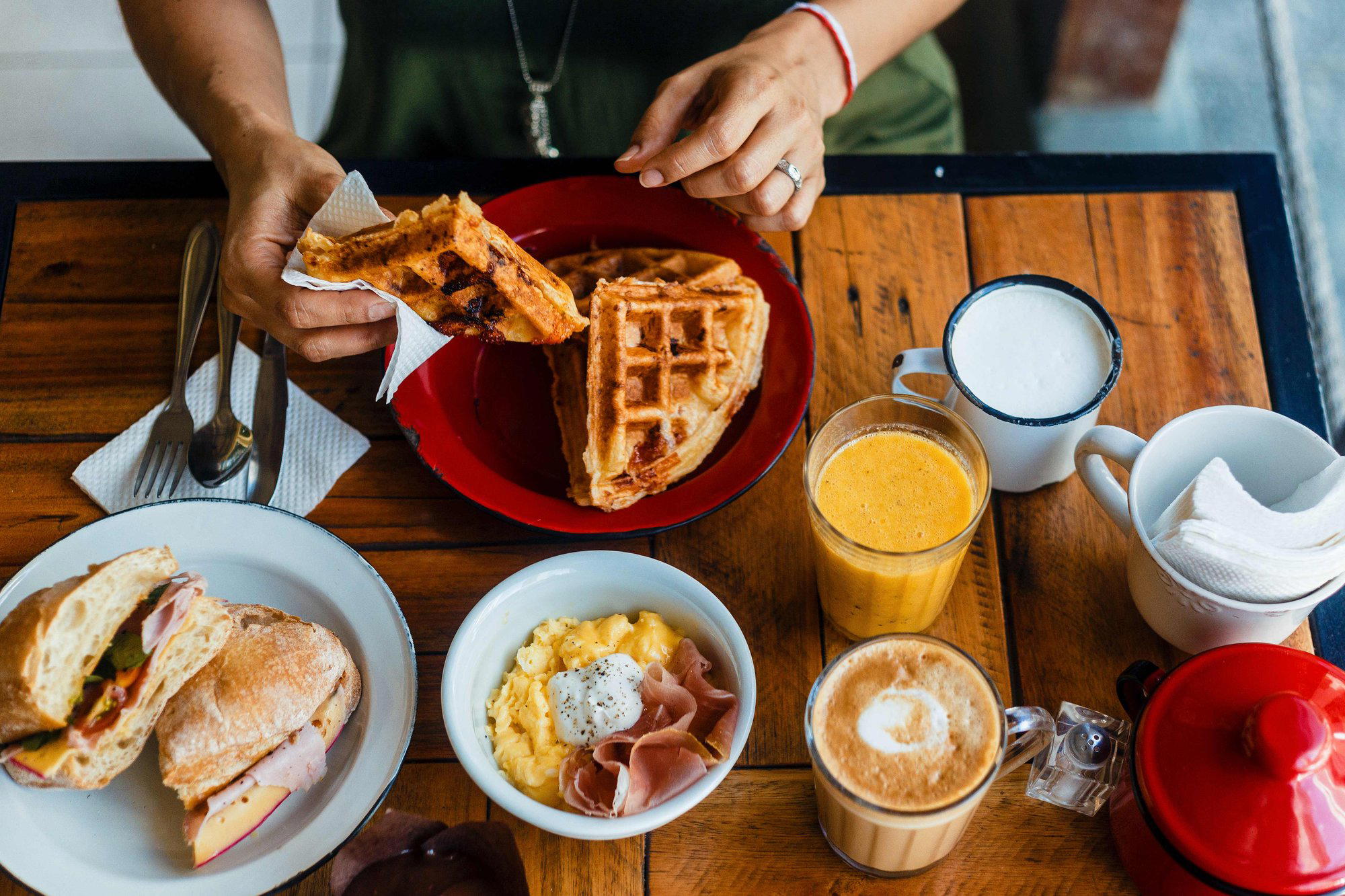
Barra, Salvador, and the Weight of Address
Avenida Princesa Isabel is one of those streets that earns its place on a Salvador itinerary before you even sit down at a table. Barra is the neighbourhood where the city's Atlantic-facing identity is most legible: the lighthouse at Farol da Barra a few minutes' walk north, the bay opening to the south, and a procession of restaurants, bars, and residences that have accumulated around one of Brazil's oldest continuously inhabited urban coastlines. Casa Castanho sits at number 48 on that avenue, which means it inherits both the address's foot traffic and the expectation that comes with operating in a neighbourhood accustomed to drawing both local regulars and visiting diners with some knowledge of where they are going.
That geography matters more in Salvador than in most Brazilian cities. Unlike São Paulo, where dining prestige concentrates in Pinheiros or Itaim Bibi regardless of broader urban character, or Rio, where the Zona Sul beach strip sets its own frame of reference, Salvador's restaurant scene is deeply embedded in neighbourhood identity. Barra is not the bohemian northern zone of Pelourinho nor the quieter residential streets of Graça, it occupies a middle register that is neither tourist-only nor exclusively local, and the restaurants that work there tend to reflect that duality. For context on the full scope of what Salvador's tables offer, our full Salvador restaurants guide maps the city's dining spread across neighbourhoods.
The Bahian Table as Frame of Reference
To understand any serious restaurant in Salvador, you need to start with the weight of Bahian cuisine as a category. It is one of the most codified regional traditions in Brazil, drawing directly from West African culinary structures brought to Bahia during the colonial slave trade: dendê palm oil, dried shrimp, okra, coconut milk, and moqueca protocols that differ from their Espírito Santo counterparts in fat base, colour, and depth. Those foundations are not optional flavouring in the local context, they are the structural argument of the cuisine, and any kitchen operating in Salvador is in an implicit dialogue with them whether it chooses to work within or against them.
That dialogue plays out differently across the city's tiers. Amado has long occupied the upscale end of Bahian-inflected cooking with a view of the bay from the Comércio waterfront. Manga sits in a more contemporary register, with a kitchen that engages Bahian ingredients through a modern Brazilian lens that has drawn national attention. Larriquerrí operates in a more casual mode. The tier occupied by a given restaurant in Salvador is therefore a statement about how it chooses to read that culinary inheritance, not just about price point or room size.
For Brazilian reference points beyond Salvador, restaurants like Oteque in Rio de Janeiro and D.O.M. in São Paulo represent the highest tier of fine dining engagement with Brazilian ingredients, while Birosca S2 in Belo Horizonte demonstrates how a more informal format can carry genuine culinary weight in a regional capital. Casa Castanho's positioning within Salvador maps to that same spectrum of seriousness and regional identity.
Place Over Profile
The editorial case for Casa Castanho rests substantially on its address and neighbourhood context rather than documented awards or a publicly catalogued culinary program. That is not a weakness in a city where the density of good cooking is relatively high relative to formal recognition, and where Bahia's culinary reputation at the national level has historically outpaced the formal Michelin and 50 Best infrastructure that concentrates in Rio and São Paulo. The Northeaste Brazilian dining scene, including restaurants like Orixás | North Restaurant in Itacaré, has attracted serious attention in recent years from Brazilian food media even without the same award scaffolding that governs southern Brazil's leading tables.
For Salvador specifically, a restaurant on Avenida Princesa Isabel in Barra draws from a neighbourhood with consistent pedestrian energy, beach proximity, and a resident population that dines out regularly rather than treating restaurants as purely occasion-driven. That operational context shapes what a kitchen can do: consistent local custom tends to support a more stable, evolved menu identity than purely tourist-facing rooms. Other destinations around Brazil where place shapes restaurant identity in analogous ways include Manu in Curitiba and Mina in Campos do Jordão, both of which derive part of their character from the specificity of their local settings.
Within Salvador's current restaurant conversation, the relevant peer references include Alfredo'Ro, which operates in a more Italian-influenced register, and Boi Preto Prime, which anchors the city's meat-focused dining tier. Those references illustrate the range: Salvador is not a single-cuisine city, even if Bahian cooking provides its most distinctive culinary argument. A diner with two or three evenings in the city will want to map restaurants against what they are trying to understand about Bahian food culture, and that mapping should include Barra as a neighbourhood district with its own dining character distinct from the historic centre or the southern beach suburbs.
For internationally calibrated reference points on what serious place-driven dining looks like at a technical ceiling, Le Bernardin in New York City and Lazy Bear in San Francisco represent kitchens where the relationship between place, product, and technique has been formalized over years of operation. Brazilian dining at its upper end aspires to a comparable clarity, and the restaurants in Salvador that are worth tracking are those working toward that standard with local materials.
Planning Your Visit
Casa Castanho is located at Av. Princesa Isabel, 48 in the Barra district of Salvador, Bahia. Barra is accessible from the city centre by taxi or app-based transport in under twenty minutes depending on traffic, and the neighbourhood is walkable once you arrive, with the waterfront and lighthouse within comfortable distance. Reservation policy and hours are best confirmed locally. Visitors planning a broader sweep of Salvador's dining should cross-reference the Barra location with the wider city map, noting that the historic Pelourinho district and the Comércio waterfront offer complementary dining contexts that reward a multi-evening itinerary.
Frequently asked questions
Where is Casa Castanho in Salvador?
Casa Castanho is located at Av. Princesa Isabel, 48 - Barra, Salvador - BA, 40140-000, Brazil, Salvador.
Is Casa Castanho in Salvador's Barra neighbourhood worth visiting if I only have one day in the city?
Barra is a practical and culturally grounded base for a single day in Salvador, and Avenida Princesa Isabel sits at the centre of it. Bahian cuisine, the tradition Casa Castanho operates within, is one of the most regionally distinct in Brazil, shaped by West African, Indigenous, and Portuguese influences that converge nowhere more completely than in Salvador. For anyone spending limited time in the city, eating within that tradition in Barra covers both neighbourhood and culinary context in one stop.
What do people recommend at Casa Castanho?
Because no menu details are publicly documented, specific dish recommendations circulate through word of mouth rather than published records. The editorial case for the restaurant centres on its position within Bahian cuisine, one of Brazil's most codified regional traditions built on dendê oil, dried shrimp, and slow-cooked stews. Visitors to Barra generally report ordering according to whatever reflects that tradition most directly on the day.
Do I need a reservation for Casa Castanho?
No booking contact details are publicly listed for Casa Castanho at this time, so arriving in person or asking your hotel concierge to reach out locally is the practical approach. The restaurant sits on Avenida Princesa Isabel in Barra, a neighbourhood with consistent foot traffic from both residents and visitors, which suggests demand at peak meal times. Going early or outside standard lunch and dinner rushes reduces the risk of a wait.
What's the defining dish or idea at Casa Castanho?
The defining idea is Bahian cuisine itself, treated as a serious culinary frame rather than a backdrop. Salvador is the city where that tradition is most densely concentrated in Brazil, and Barra is a neighbourhood where restaurants are held to a higher local standard because the clientele knows the reference points. Casa Castanho's address on Avenida Princesa Isabel places it squarely inside that expectation.
The Essentials
Comparable venues nearby, for context on price, style, and recognition.
| Venue | Cuisine | Price | Notes |
|---|---|---|---|
| Casa CastanhoThis venue (the venue you are viewing) | Brazilian Cafe Brunch | Not listed | Not listed |
| Restaurante Chez Bernard | Classic French Fine Dining | Not listed | Dois de Julho, Classic French Fine Dining |
| Amado | Contemporary Brazilian Seafood | $50–100 | Comércio, Contemporary Brazilian Seafood |
| Restaurante Casa de Tereza | Authentic Bahian Seafood | Not listed | Rio Vermelho, Authentic Bahian Seafood |
| Restaurante Mistura Contorno | Bahian Seafood Fusion | $30–50 | Dois de Julho, Bahian Seafood Fusion |
| Boi Preto Prime | Brazilian Churrascaria with Japanese Influences | $50–100 | Boca do Rio, Brazilian Churrascaria with Japanese Influences |
Continue exploring
More in Salvador
Restaurants in Salvador
All restaurants in Salvador →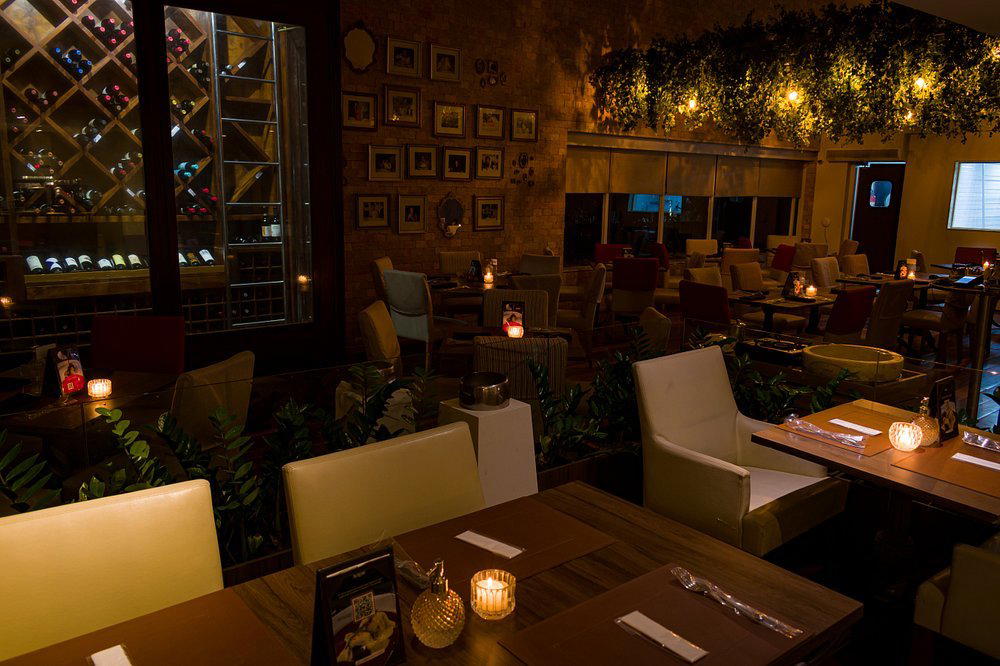
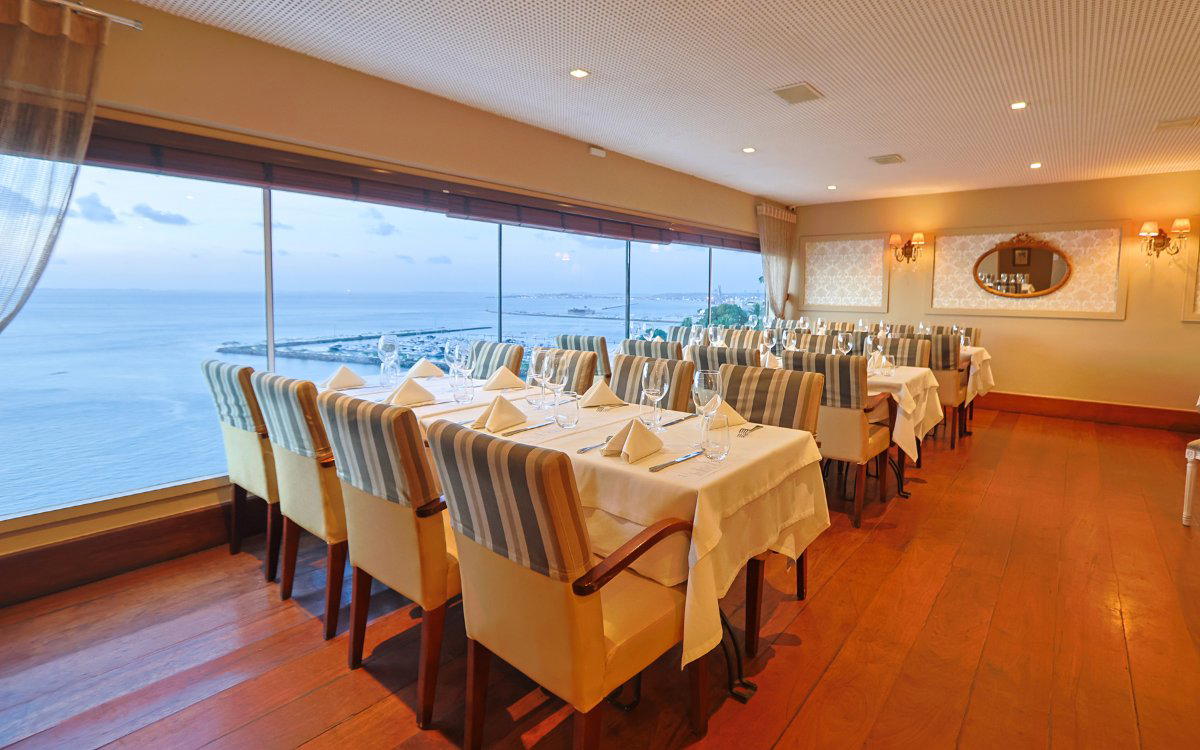
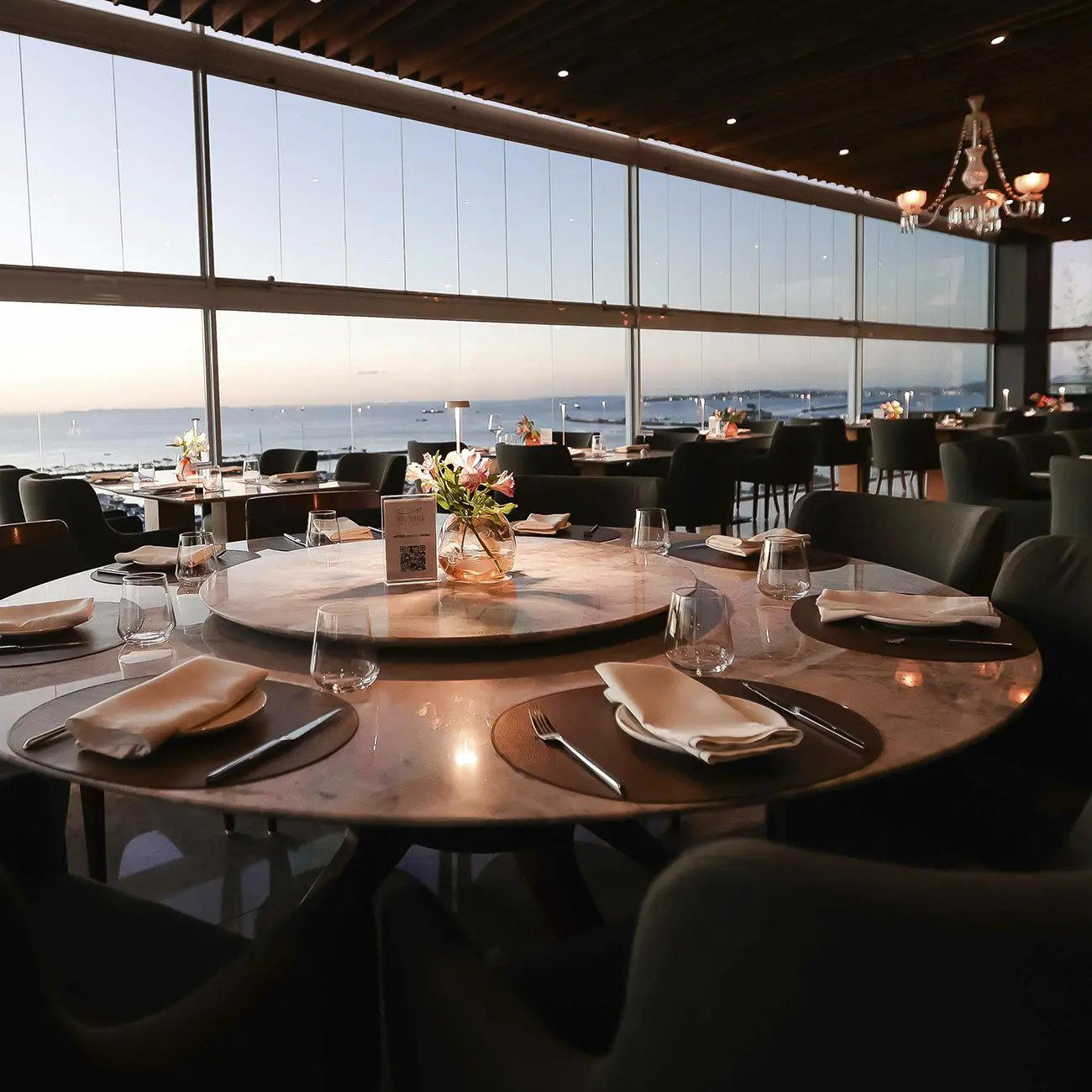
Bars in Salvador
All bars in Salvador →

Details
- Cozy
- Intimate
- Brunch
- Casual Hangout
- Open Kitchen
- A La Carte
- Vegan Options
Current opening hours
- Monday
- 8 AM–8 PM
- Tuesday
- 8 AM–8 PM
- Wednesday
- 8 AM–8 PM
- Thursday
- 8 AM–8 PM
- Friday
- 8 AM–8 PM
- Saturday
- 8 AM–8 PM
- Sunday
- 8 AM–3 PM
Hours can change for holidays and private events. Hours as of .
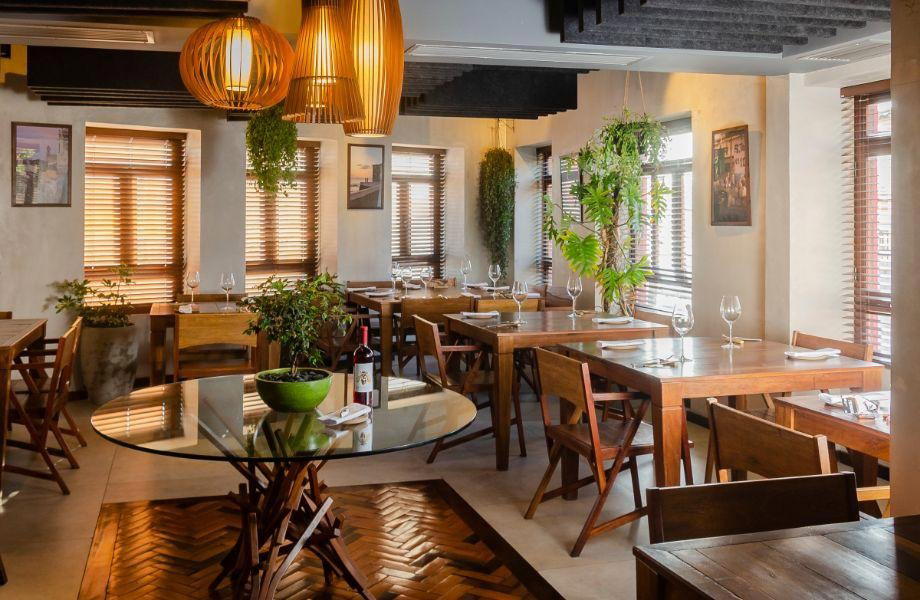
Cozy and pleasant environment, well-lit with a welcoming atmosphere ideal for brunch or working.