Alter Haferkasten
Alter Haferkasten occupies a spot on Löwengasse in Neu Isenburg, a small Rhine-Main city that sits in the shadow of Frankfurt's restaurant scene without being defined by it. The venue's name, referencing an old oat storage barn, signals a grounding in local material culture that positions it differently from the international dining corridors of the city across the river. For those tracing regional German culinary traditions south of Frankfurt, it belongs on the itinerary.
 Discover on Pearl
Pearl is the En Primeur Club membership app — saves, bookings, and concierge access live there. Same editors, same standards.
- Address
- Löwengasse 23, 63263 Neu-Isenburg, Germany
- Phone
- +496102326059
- Website
- alterhaferkasten.de
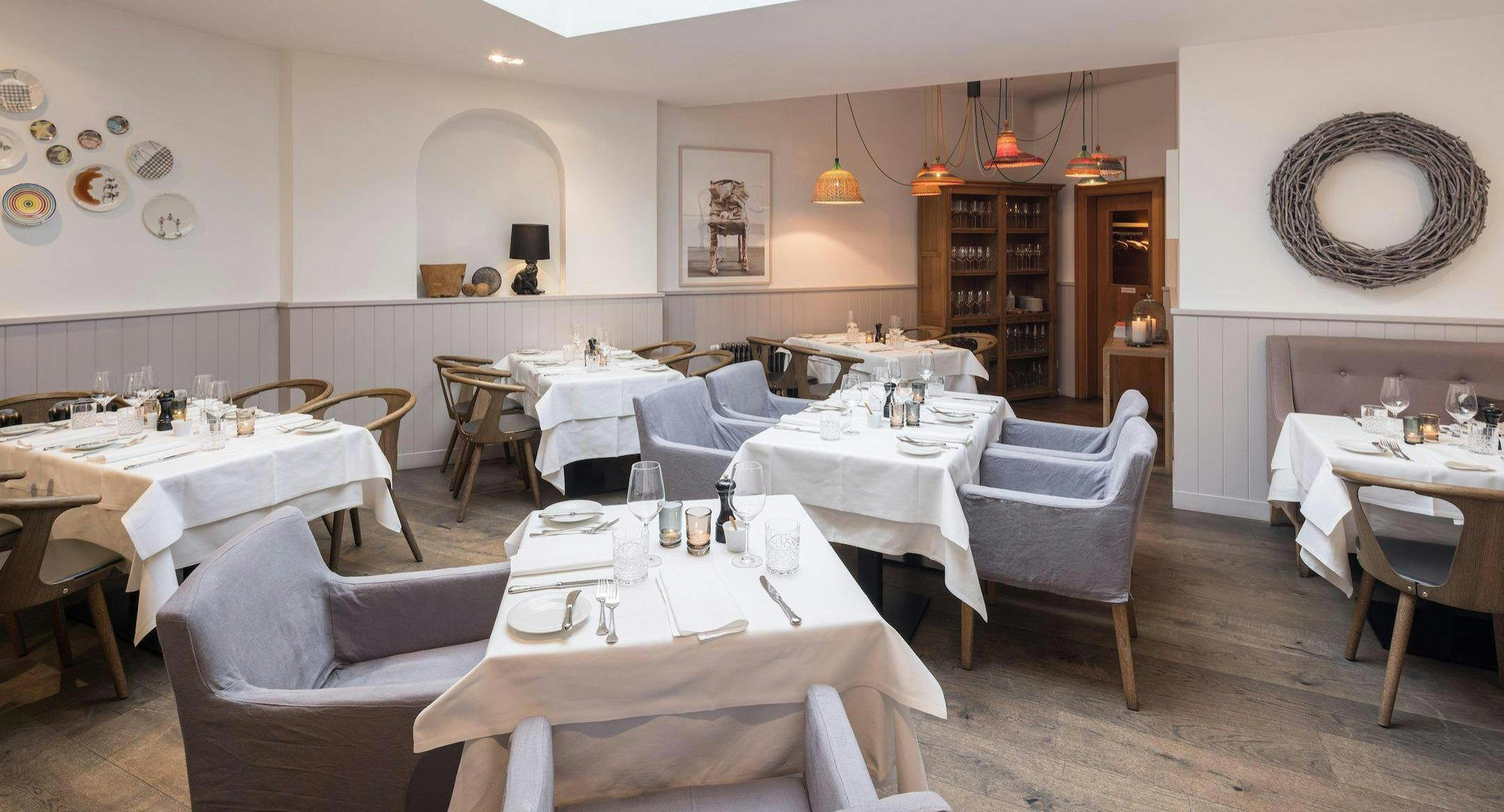
Where the Rhine-Main Hinterland Sets Its Own Table
Neu Isenburg sits roughly ten kilometres south of Frankfurt's Sachsenhausen district, close enough to the city to share its transport links but separate enough to maintain its own civic rhythm. The town's dining scene does not orbit Frankfurt's, it runs on local patronage, neighbourhood loyalty, and a different set of expectations about what a meal should cost and how long it should take. Alter Haferkasten, on Löwengasse 23, sits within that context rather than against it. The name itself is a piece of regional biography: Haferkasten means oat chest or oat barn, the kind of agricultural storage structure that once defined the working architecture of Hessian market towns. Choosing that name is a signal about orientation, pointing toward the land and its produce rather than toward the cosmopolitan reference points that drive menus across the river.
That orientation toward sourcing, toward the agricultural hinterland of the Rhine-Main region, is the framing that matters most when you approach this address. Germany's most decorated kitchens, places like Schwarzwaldstube in Baiersbronn or Aqua in Wolfsburg, have built their reputations partly on the discipline of sourcing: knowing exactly where ingredients originate, building supplier relationships over years, and letting provenance show in the dish. That discipline does not belong exclusively to three-Michelin-star kitchens. It travels down through every tier of German dining, and it tends to arrive earliest and most honestly in towns where the farms are close and the supply chain is short.
Ingredient Sourcing and the Logic of Regional Proximity
The Hessian flatlands and the Odenwald hills to the south produce a range of ingredients that Frankfurt's more theatrical restaurant world sometimes overlooks in favour of imported luxury goods. Apfelwein orchards, grain fields, river fish from the Main and the Rhine tributaries, pork and dairy from smaller regional producers, these are the building blocks of a cooking tradition that predates the modern fine-dining era by centuries. A venue carrying the memory of grain storage in its name is making an implicit claim about where its loyalties lie in that tradition.
Across Germany, the sourcing conversation has moved from niche preference to mainstream expectation over the past decade. At the formal end, Vendôme in Bergisch Gladbach and JAN in Munich have made producer relationships a visible part of their editorial identity. Further along the creative spectrum, CODA Dessert Dining in Berlin treats ingredient provenance as a structural element of the menu's logic. These are high-investment operations with the resources to build those networks deliberately. The more interesting question, for a reader thinking about regional German food in its everyday register, is whether that same sourcing discipline shows up in smaller-city venues where reputation is built on neighbourhood trust rather than guidebook recognition.
Alter Haferkasten occupies that tier. In German dining, venues that maintain longevity in smaller cities typically do so by staying close to what local producers offer, adjusting menus to season and supply rather than to trend. The towns south of Frankfurt, Neu Isenburg, Dreieich, Langen, have supported exactly this kind of cooking for generations.
The Dining Environment on Löwengasse
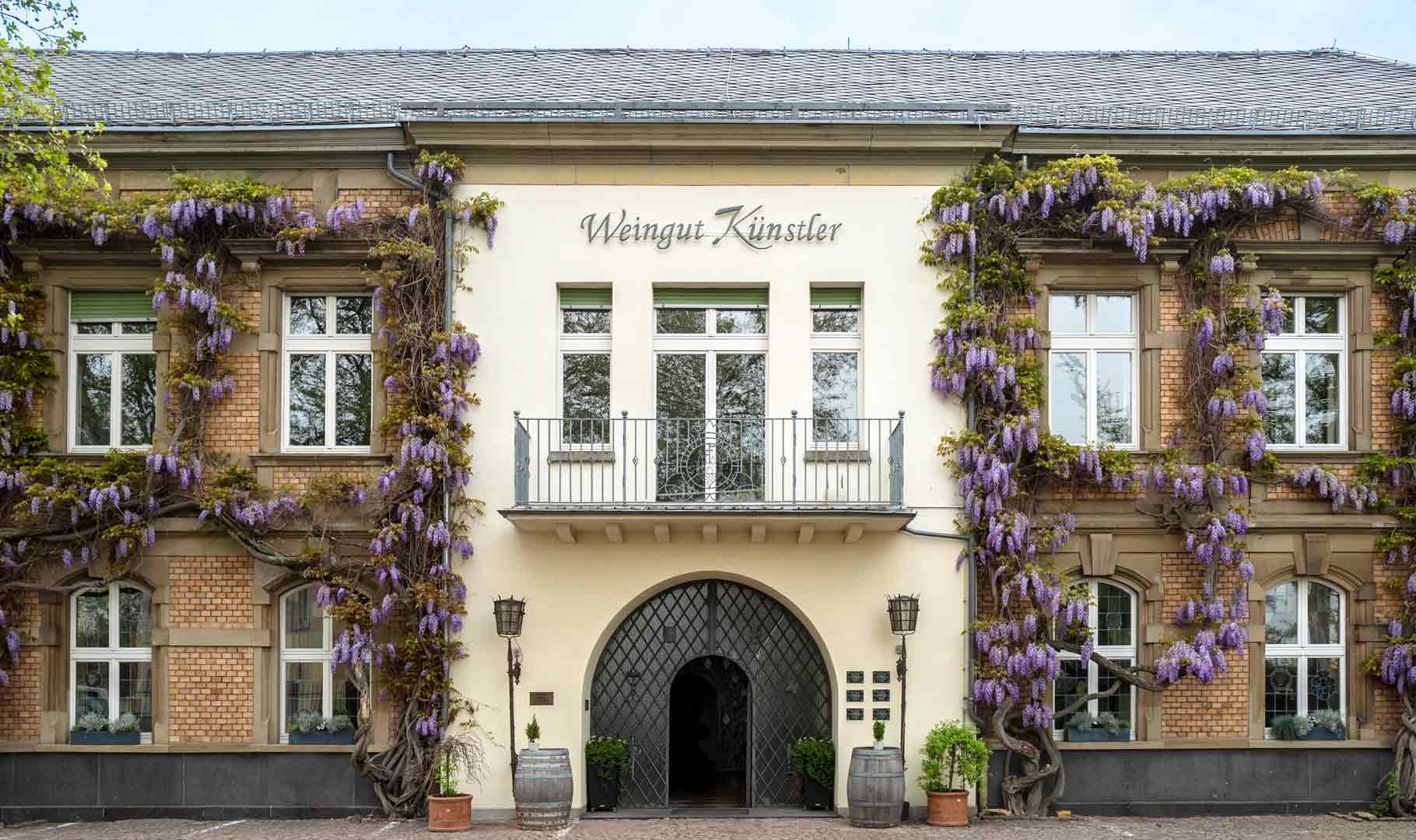
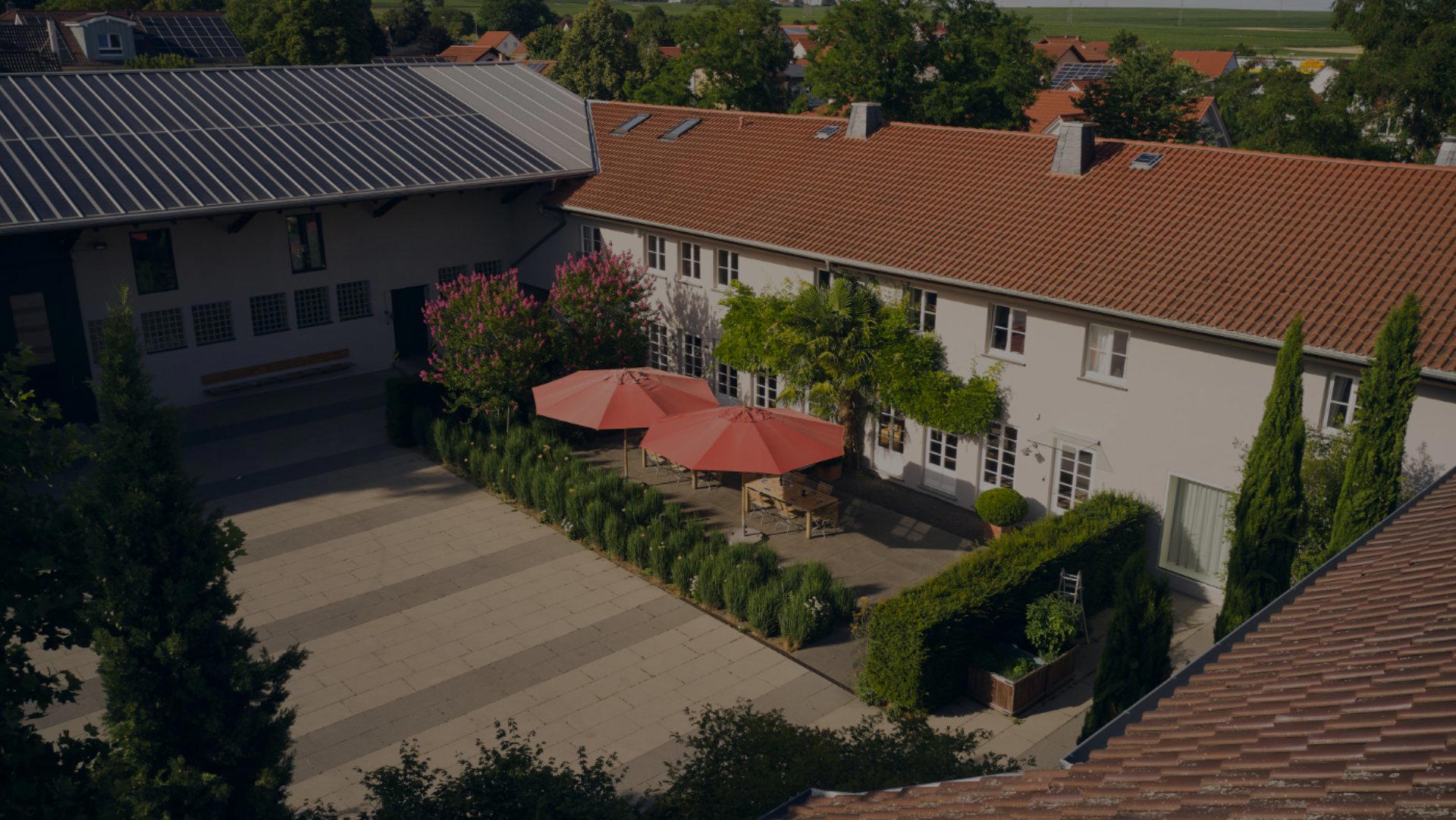
Löwengasse is a residential and small-commercial street in the older part of Neu Isenburg, the kind of address that rewards local knowledge over tourist navigation. Arriving here, you are not in a destination-dining district designed for visitors. You are in a town that eats where it lives. That physical context shapes the atmosphere before you sit down: the scale is domestic, the street is quiet, and the building, whatever its current interior, carries the weight of the name's agricultural reference in how it sits within the neighbourhood fabric.
German dining rooms in this register tend to favour warm materials and unhurried service pacing. The contrast with Frankfurt's more international addresses, or with the theatrical format of somewhere like Victor's Fine Dining by Christian Bau in Perl, is instructive. A venue on Löwengasse is in dialogue with Neu Isenburg.
Situating Alter Haferkasten in the Wider German Scene
Germany's regional dining tier, the level below Michelin-decorated destination restaurants, is poorly mapped in English-language travel writing, which tends to skip from the three-star addresses to the wurst-and-beer shorthand without accounting for the substantial middle ground. Venues like Schanz in Piesport, Waldhotel Sonnora in Dreis, and Bagatelle in Trier each operate in smaller German cities and towns, building reputations on regional consistency rather than metropolitan spectacle. Alter Haferkasten belongs to that broader geography, even if it is operating at a different price point and with a different set of resources than those decorated addresses.
The immediate peer comparison in Neu Isenburg is Neuer Haferkasten, which shares the name's agricultural root and presumably a similar positioning within the town's dining culture. Reading these two venues together suggests a local dining tradition strong enough to support multiple iterations of the same conceptual identity, a point worth noting for anyone researching the town's food character in depth. Ristorante Da Luigi represents the Italian inflection that appears in nearly every German suburban dining scene, a reminder that Neu Isenburg's restaurant portfolio follows recognisable regional-city patterns.
For the reader who has experienced the formal end of German dining, perhaps Restaurant Haerlin in Hamburg, L.A. Jordan in Deidesheim, or GästeHaus Klaus Erfort in Saarbrücken, a visit to Alter Haferkasten offers a different register of the same national food culture. The reference points shift from international comparison sets to local agricultural supply chains, and that shift is itself informative. It is also a useful counterpoint to the entirely different tradition represented by Le Bernardin in New York City or Lazy Bear in San Francisco, where sourcing narratives are constructed for a dining public that treats provenance as premium entertainment. In Neu Isenburg, provenance is simply where the food comes from.
Comparison Snapshot
Comparable venues nearby, for context on price, style, and recognition.
| Venue | Cuisine | Price | Awards | Notes |
|---|---|---|---|---|
| Alter HaferkastenThis venue — the venue you are viewing | Traditional Italian | $$$ | , | |
| Neuer Haferkasten | Classic Italian with Calabrian Specialties | $$$ | , | Neu-Isenburg |
| Ristorante Da Luigi | Authentic Italian Mediterranean | $$$ | , | old town |
| Ristorante Fontana di Trevi | Authentic Italian Fine Dining | $$$ | , | Palmengarten |
| La Scuderia | Authentic Italian | $$$ | , | Goethehaus |
| Settimo Cielo | Italian Seafood | $$$ | , | Palmengarten |
Continue exploring
More in Neu-Isenburg
Restaurants in Neu-Isenburg
Browse all →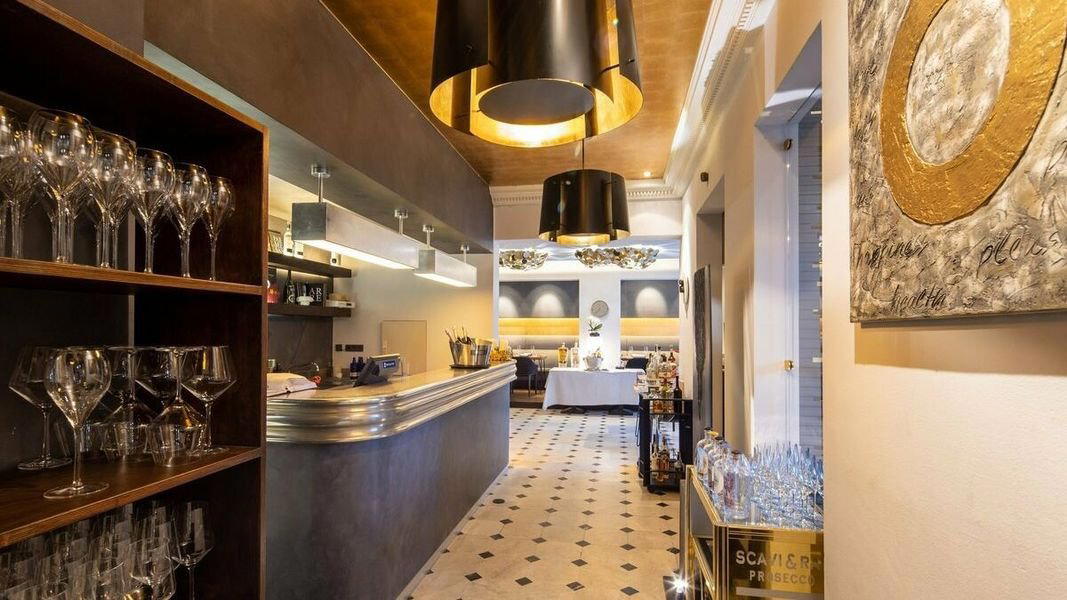
Bars in Neu-Isenburg
Browse all →
Hotels in Neu-Isenburg
Browse all →

At a Glance
- Cozy
- Elegant
- Classic
- Date Night
- Family
- Group Dining
- Historic Building
- Extensive Wine List
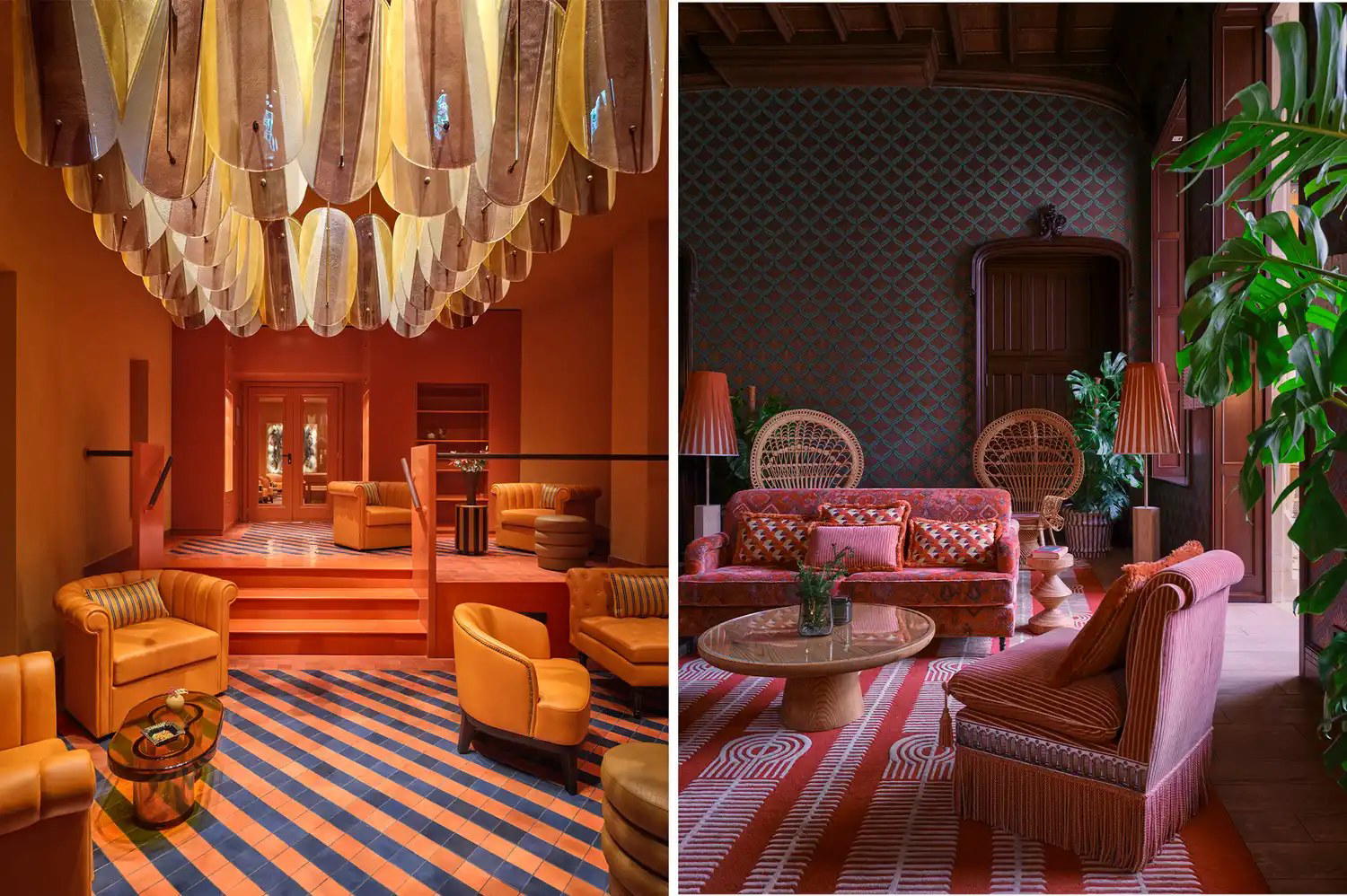
Elegant and sophisticated interior with a warm, welcoming family-friendly atmosphere.