Our verdict
Aloha POKE sits on Türkenstraße in Munich's Maxvorstadt district, where the city's student-dense, gallery-lined neighbourhood has made it a natural home for the poke bowl format. Positioned well below the €€€€ tier occupied by Munich's Michelin-starred dining rooms, it offers a counter-service alternative built around raw fish, grain bases, and fresh toppings at a pace and price point that the city's formal restaurants cannot match.

Pearl is the En Primeur Club membership app — saves, bookings, and concierge access live there. Same editors, same standards.
- Address
- Türkenstraße 80, 80799 München, Germany
- Phone
- +498985634893
- Hours
- Mon–Fri 11:30 AM–9 PMSat–Sun 12–9 PM
- Website
- aloha-poke.com
- Directions
- Get directions
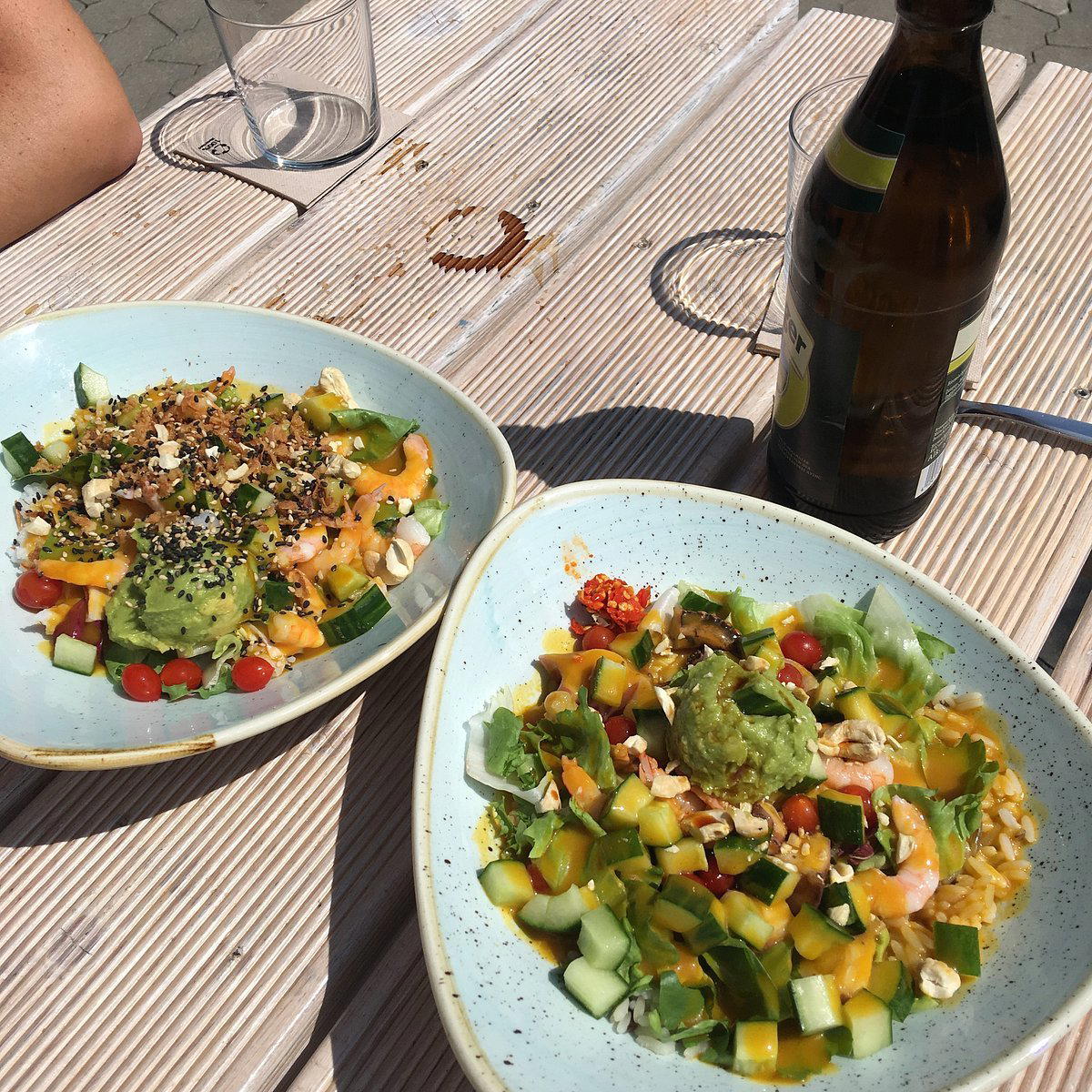
Maxvorstadt and the Fast-Casual Food Question
Munich's Maxvorstadt neighbourhood, running north along Türkenstraße toward the university district, has long attracted a crowd that eats with more frequency than formality. The galleries, architecture studios, and Ludwig Maximilian University pull a population that wants something precise and ingredient-focused at lunch without the structure of a tasting menu. That is the environment in which poke bowl concepts have taken hold across German cities over the past decade, and Aloha POKE at Türkenstraße 80 sits inside that broader shift.
The poke format itself arrived in German cities following its spread from Hawaii through the American West Coast and into European urban centres during the mid-2010s. What made it transferable was its structural logic: a grain or leaf base, a protein (most commonly raw tuna or salmon), and a sequence of toppings and sauces that the customer assembles by decision rather than by chef prescription. That assembly model reduced kitchen complexity while keeping sourcing at the centre of quality differentiation. In a city where the Michelin-starred tier, represented by restaurants like JAN and Atelier, charges well above €100 per head for comparable access to quality fish, the poke counter offered a different entry point entirely.
Sourcing as the Defining Variable
Across the poke category in German cities, the gap between operators is almost entirely a sourcing question. The format itself is open-source: bowls, bases, proteins, toppings. What separates a thoughtful poke counter from a low-cost approximation is the fish quality, the provenance transparency, and the handling between ocean and bowl. In Hamburg, Berlin, and Munich, poke concepts that have held an audience beyond their opening season tend to be the ones where sourcing decisions are visible and consistent rather than cost-optimised.
This is also where the sustainability dimension of the poke format becomes relevant. Raw fish consumption at counter-service scale raises questions that fine-dining kitchens answer through relationships with named suppliers and seasonal rotation. The better-performing poke operators in Germany have adopted similar frameworks: specifying fish origin, working with sustainable fishery certifications, and rotating proteins according to what responsible sourcing makes available rather than defaulting to a fixed menu regardless of season. For a format built around ingredients with minimal transformation, the ethical sourcing argument is more than a marketing position. It is, practically, the only meaningful form of quality control the format allows.
Germany's Qualität und Herkunft (quality and origin) sensibility, which runs through everything from regional brewery culture to the premium meat counters of the country's independent butchers, has pushed consumers toward asking sourcing questions even at the fast-casual tier. That pressure is more acute in Maxvorstadt, where the customer base skews toward the informed and the internationally mobile, than it would be in a suburban retail context.
Placing Aloha POKE in Munich's Broader Dining Map
Munich's restaurant map is unusually top-heavy by German standards. The city holds a concentration of Michelin-starred rooms, with tasting-menu operations like Tantris, Tohru in der Schreiberei, and Alois - Dallmayr Fine Dining setting the upper benchmark. At the other end of the price spectrum, the city has a deep tradition of beer hall and market-hall eating. What Munich has historically had less of is a middle tier of ingredient-led, fast-casual formats that treat sourcing seriously without attaching a formal dining room around it. The poke counter fits that gap directly.
Aloha POKE's address on Türkenstraße places it within the section of Maxvorstadt most associated with the arts and academic community, close to the Pinakotheken museum cluster and the main university buildings. Foot traffic here is more consistent across the week than in the city's tourist-facing areas around Marienplatz. For a counter-service format, that weekly regularity matters more than weekend peaks.
For readers tracking the broader German fine-dining circuit, Munich is one node among several in a country that has developed strong regional dining identities. Restaurants like Aqua in Wolfsburg, Schwarzwaldstube in Baiersbronn, and Vendôme in Bergisch Gladbach demonstrate the geographic spread of serious cooking across Germany beyond the major cities. Munich's contribution to that map is concentrated at the leading. The fast-casual tier, where Aloha POKE operates, is less mapped but no less active as a scene. For a fuller picture of what the city offers across price points, the Munich restaurants guide covers the range.
The Fast-Casual and Fine-Dining Divide in Context
The poke category in Europe has produced two distinct operating models. The first is the volume franchise, which standardises sourcing, limits customisation, and competes on price and location density. The second is the independent counter, which keeps menus shorter, sourcing more specific, and relies on repeat business from a defined neighbourhood audience. The latter model is harder to scale but tends to generate more loyal patronage. Independent poke operators in cities like Berlin and Amsterdam have used this model to maintain audiences for five or more years, which in fast-casual terms is a meaningful run.
Munich's fast-casual fish category also sits in an interesting relationship with the city's broader sustainability conversation. Bavaria has some of Germany's strongest regional food identity, with protected designations across bread, sausage, and beer categories. That regional sourcing tradition does not extend naturally to raw Pacific fish, which means poke operators have to construct their sourcing logic from scratch rather than inheriting a regional supplier network. The operators who have done this carefully, connecting with certified sustainable fisheries and being transparent about what that means in practice, have tended to differentiate themselves clearly from those who have not.
This dynamic is not unique to Munich. CODA Dessert Dining in Berlin and operations like ES:SENZ in Grassau show that Germany's dining culture across tiers is increasingly comfortable with formats that require a certain level of conceptual explanation, whether that is a dessert-only tasting menu or a sustainably sourced raw fish bowl. The audience for considered eating has broadened considerably in the decade since poke arrived in Germany.
Planning a Visit
The table below positions Aloha POKE relative to nearby Munich restaurants and comparable venues in the fast-casual and formal tier, using available data.
| Venue | Price Tier | Format | Location |
|---|---|---|---|
| Aloha POKE | Fast-casual (€–€€ est.) | Counter service, poke bowls | Türkenstraße 80, Maxvorstadt |
| Tantris | €€€€ | Tasting menu, Modern French | Schwabing, Munich |
| Tohru in der Schreiberei | €€€€ | Tasting menu, Modern German-Japanese | Central Munich |
| Alois - Dallmayr Fine Dining | €€€€ | Tasting menu, Creative | Altstadt, Munich |
Advance booking is not the operative question at a counter-service format. Timing your visit around the lunch peak, typically between noon and 1:30pm on weekdays when the university crowd is at its densest, will determine whether you queue or walk straight in. Weekend visits tend to ease the midday pressure.
Frequently asked questions
How do I find Aloha POKE?
Aloha POKE is located at Türkenstraße 80, 80799 München, Germany, Munich.
How does Aloha POKE compare to other poke restaurants in Munich?
Munich's poke category, like that of most German cities, divides between volume franchises that standardise sourcing and independent operators that maintain tighter control over ingredient quality. Aloha POKE operates in Maxvorstadt at Türkenstraße 80, a location that serves a food-literate, university-adjacent crowd with higher baseline expectations than a transit-hub site would demand. That neighbourhood context applies pressure on sourcing decisions that a less discerning catchment would not.
What should I eat at Aloha POKE?
The menu centres on poke bowls, with the core decision being your choice of base (typically rice or a leafy green alternative) and protein. Raw fish options sit at the heart of the Hawaiian format, and the quality of that sourcing is the variable that separates one poke operator from another across German cities. Order around the protein rather than the toppings.
Should I book Aloha POKE in advance?
Counter-service poke formats do not require reservations. Aloha POKE on Türkenstraße sits in Munich's Maxvorstadt, a neighbourhood with consistent foot traffic from the university district through the working week, so midday queues are plausible. Walk-in at off-peak hours is the practical approach.
What is Aloha POKE known for?
Aloha POKE represents the poke bowl format that migrated from Hawaiian culinary tradition into European urban dining during the 2010s and found a durable audience in Munich's student and professional neighbourhoods. Its address on Türkenstraße places it in Maxvorstadt, where the dining crowd tends to prioritise sourcing and speed over ceremony. Within that fast-casual category, the raw fish component is the defining test of any operator's commitment to the format.
The Essentials
Comparable venues nearby, for context on price, style, and recognition.
| Venue | Cuisine | Price | Notes |
|---|---|---|---|
| Aloha POKEThis venue — the venue you are viewing | Hawaiian Poke Bowls | $10–20 | Not listed |
| FISHBOWL Poke | Hawaiian Poke Bowls | $10–20 | Isarvorstadt, Hawaiian Poke Bowls |
| Mr. Gogi-Korean BBQ Restaurant | Korean BBQ | Not listed | Schwabing, Korean BBQ |
| Bombay Indien Grill | Indian Grill | Not listed | Schwabing, Indian Grill |
| Vino e Gusto | Modern Italian Enoteca | $30–50 | Lehel, Modern Italian Enoteca |
| Zum Dürnbräu | Traditional Bavarian | $30–50 | Altstadt, Traditional Bavarian |
Details
- Trendy
- Modern
- Cozy
- Casual Hangout
- Open Kitchen
- Beer Program
- A La Carte
- Vegetarian Friendly
- Vegan Options
- Gluten Free Options
Current opening hours
- Monday
- 11:30 AM–9 PM
- Tuesday
- 11:30 AM–9 PM
- Wednesday
- 11:30 AM–9 PM
- Thursday
- 11:30 AM–9 PM
- Friday
- 11:30 AM–9 PM
- Saturday
- 12–9 PM
- Sunday
- 12–9 PM
Hours can change for holidays and private events. Last verified .
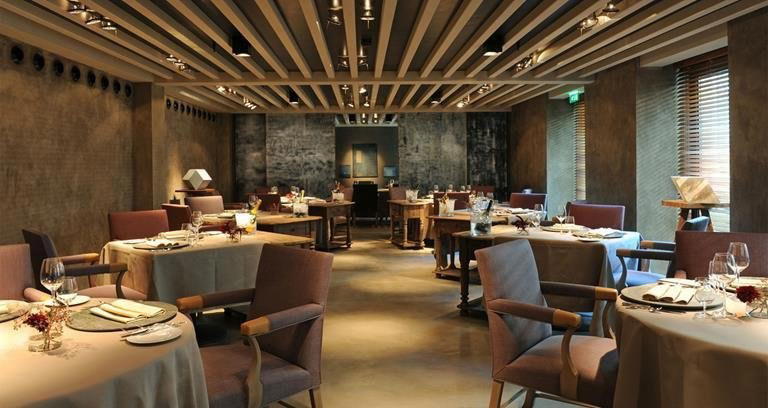
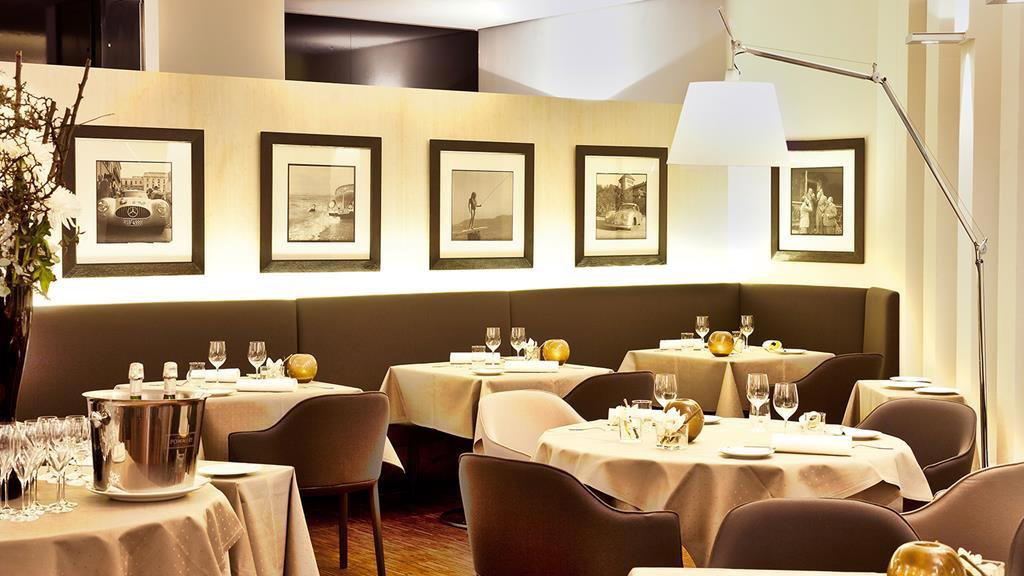
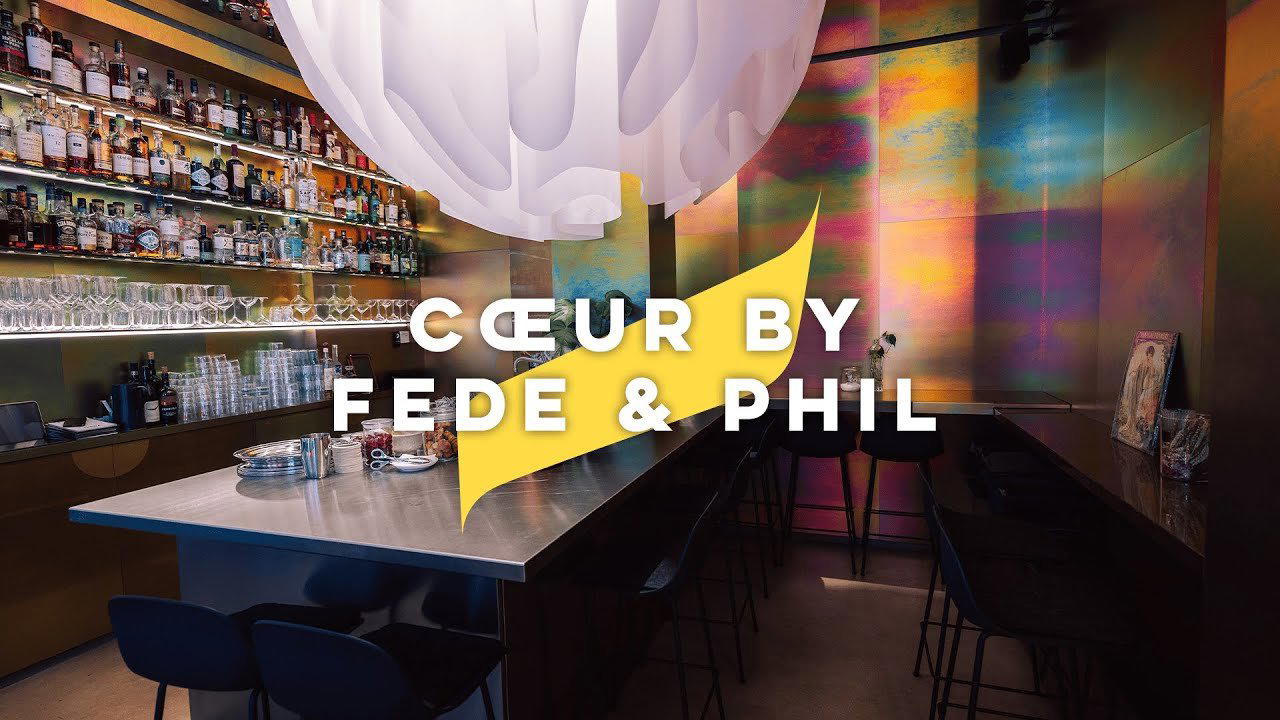
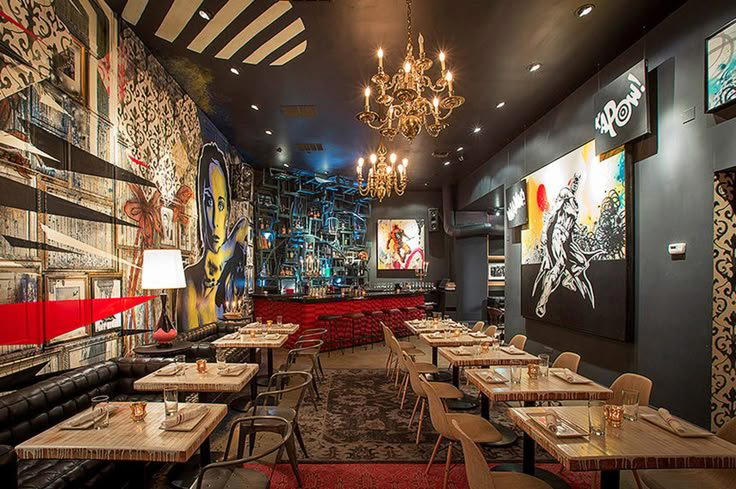
Pastel-colored feel-good vibe with colorful, lively interior and casual, lively atmosphere.