Korean BBQ in Munich occupies a distinct niche, communal, fire-centred, and governed by a pacing that sits outside the city's dominant fine-dining register. Mr. Gogi at Luisenstraße 75 positions itself in that space, offering the table-grill format that has made Korean barbecue among the more replicated dining rituals in global cities. For Munich diners accustomed to tasting menus and set courses, it represents a genuinely different mode of eating.
- Address
- Luisenstraße 75, 80798 München, Germany
- Phone
- +491737807161
- Website
- mrgogi-kbbq.de
- Directions
- Get directions
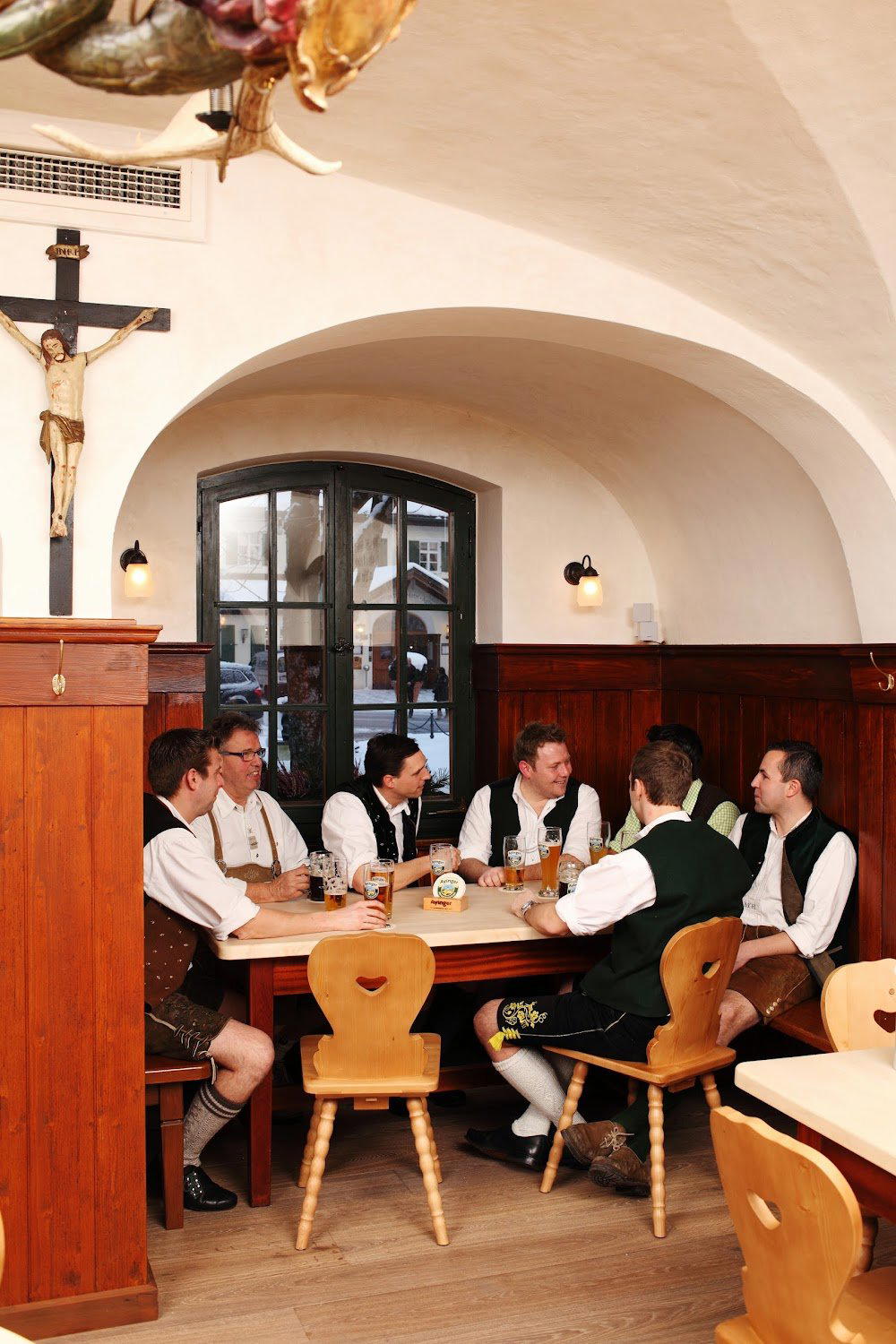
Fire at the Table: How Korean BBQ Works in a German City
Korean barbecue occupies an unusual position in European dining. It is simultaneously among the more social and among the more technically demanding formats a restaurant can offer, the kitchen, in effect, relocates to the table, and the diner becomes an active participant in the cooking. In Munich, a city whose restaurant culture has long been anchored in Bavarian tradition and, at the upper end, in French-influenced tasting menus at places like Tantris and Atelier, the Korean BBQ format offers a fundamentally different proposition. The meal is not delivered to you in sequence. It arrives as a constellation of components, and the rhythm of eating is negotiated at the table, not dictated from the kitchen.
Mr. Gogi, a Korean BBQ restaurant at Luisenstraße 75 in the Maxvorstadt district, operates within this tradition. The address places it in one of Munich's denser residential and student-adjacent neighbourhoods, away from the Altstadt tourist corridor and closer to the university quarter, a location pattern common to Korean restaurants in European cities, which tend to cluster near communities rather than in prime dining precincts.
The Ritual of the Grill
To understand what dining at a Korean BBQ restaurant involves, it helps to understand the structure of the meal before you arrive. The central element is the in-table grill, typically charcoal or gas-fired, over which marinated or unmarinated meats are cooked in short, successive rounds. This is not a passive format. Cuts are placed, monitored, turned, and rested in a sequence that, in more formal Korean contexts, would be managed by staff at the table. In many European Korean restaurants, this responsibility shifts partly or entirely to the diner.
The surrounding banchan, small, shared side dishes that arrive with the meal, function as the scaffolding of the experience. Kimchi, pickled vegetables, seasoned greens, and fermented condiments are not side orders in the Western sense; they are structural components of how each bite is assembled. A piece of grilled pork belly (samgyeopsal) is rarely eaten alone. It is wrapped in a perilla or lettuce leaf with a smear of doenjang paste, a sliver of raw garlic, and a pinch of whatever banchan feels right. The construction of that single bite, the wrapping, the proportion, the choice of accompaniment, is the dining ritual itself.
This format has been expanding steadily across European capitals over the past decade. Cities like London, Paris, and Amsterdam have seen Korean BBQ move from niche community restaurants to mainstream dining options, a shift driven partly by the global spread of Korean cultural exports and partly by a broader appetite for participatory, communal dining formats that contrast with the composed, single-plate European norm. Munich is following that trajectory, though at a pace more typical of a conservative dining city than of a trend-forward capital.
Maxvorstadt and the Context of Korean Dining in Munich
Munich's Korean restaurant scene remains modest relative to its size and culinary ambition. The city's fine-dining energy concentrates in Michelin-recognised addresses, JAN, Tohru in der Schreiberei, and Alois - Dallmayr Fine Dining among them, while casual international dining has historically defaulted to Italian, Turkish, and Asian-fusion formats. Korean food, and Korean BBQ specifically, sits in a gap between these categories: too interactive and communal for the fine-dining register, too specific and technique-adjacent to be dismissed as fast-casual.
Luisenstraße itself runs through a stretch of Maxvorstadt that mixes residential buildings, independent cafés, and a small number of specialist restaurants. The neighbourhood is walkable from the Königsplatz U-Bahn station and sits roughly equidistant from the university campus and the art museum district. For a Korean BBQ restaurant, this kind of location tends to generate a mixed clientele: students familiar with the format, professionals looking for something outside the standard European dinner structure, and Korean expats or visitors for whom this style of eating is simply normal.
What to Know Before You Go
Korean BBQ restaurants present a small learning curve for first-time diners. The following practical comparisons help set expectations before arriving at Mr. Gogi or any comparable Korean BBQ venue in Munich.
| Format element | Mr. Gogi (Luisenstraße 75) | Typical Munich fine dining (e.g., Tantris, Atelier) | Typical Munich casual dining |
|---|---|---|---|
| Meal structure | Communal grill, shared banchan, self-paced | Set tasting menu, chef-sequenced | À la carte, single plate per diner |
| Booking pressure | Recommended | High, weeks to months ahead | Low to moderate |
| Price tier | €€ | €€€€ (€100–€300+ per person) | €–€€ (€15–€40 per person) |
| Dietary flexibility | Varies by venue | Generally accommodated with notice | Varies by venue |
| Group suitability | High, format designed for shared eating | Low to moderate | Moderate |
For context on Germany's broader fine-dining tier, venues like Aqua in Wolfsburg, Schwarzwaldstube in Baiersbronn, and Vendôme in Bergisch Gladbach represent the country's Michelin-heavy end, a useful reference point for understanding how far the Korean BBQ format sits from that register, and why that distance can be exactly what a Munich dining itinerary needs.
Planning Your Visit
Mr. Gogi is located at Luisenstraße 75, 80798 München. Mr. Gogi is located at Luisenstraße 75, 80798 München. Reservations are recommended, and the restaurant sits at the €€ price tier. Korean BBQ restaurants in European cities at this scale tend to operate lunch and dinner service, with evening sittings often busier due to the format's social appeal.
For readers building a broader Munich itinerary that extends beyond the city, EP Club covers a range of German destinations including ES:SENZ in Grassau, Schanz in Piesport, and Waldhotel Sonnora in Dreis. For Korean food in a high-concept fine-dining frame, a useful comparison point for understanding how Korean flavour logic translates into tasting-menu format, Atomix in New York City is among the clearest international reference points. Our full Munich restaurants guide covers the city's dining scene across formats and price tiers.
A Quick Peer Check
Comparable venues nearby, for context on price, style, and recognition.
| Venue | Cuisine | Price | Notes |
|---|---|---|---|
| Mr. Gogi-Korean BBQ RestaurantThis venue — the venue you are viewing | Korean BBQ | $$ | Not listed |
| Calvello's | Neapolitan Pizza Trattoria | $$ | Neuhausen |
| LAM Vietnamesisches Restaurant | Modern Vietnamese | $$ | Schwabing |
| Pretty Bun | Premium Hot Dogs | $$ | Neuhausen |
| Taklamakan | Uyghur (Xinjiang) | $$ | Altstadt |
| Annam Grill | Authentic Vietnamese | $$ | Theresienwiese |
At a Glance
- Cozy
- Warm
- Group Dining
- Casual Hangout
- Open Kitchen
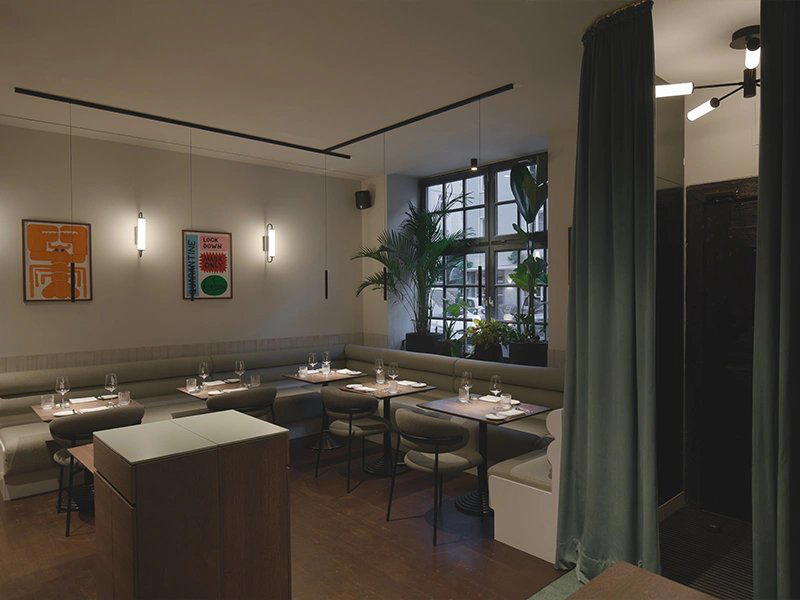
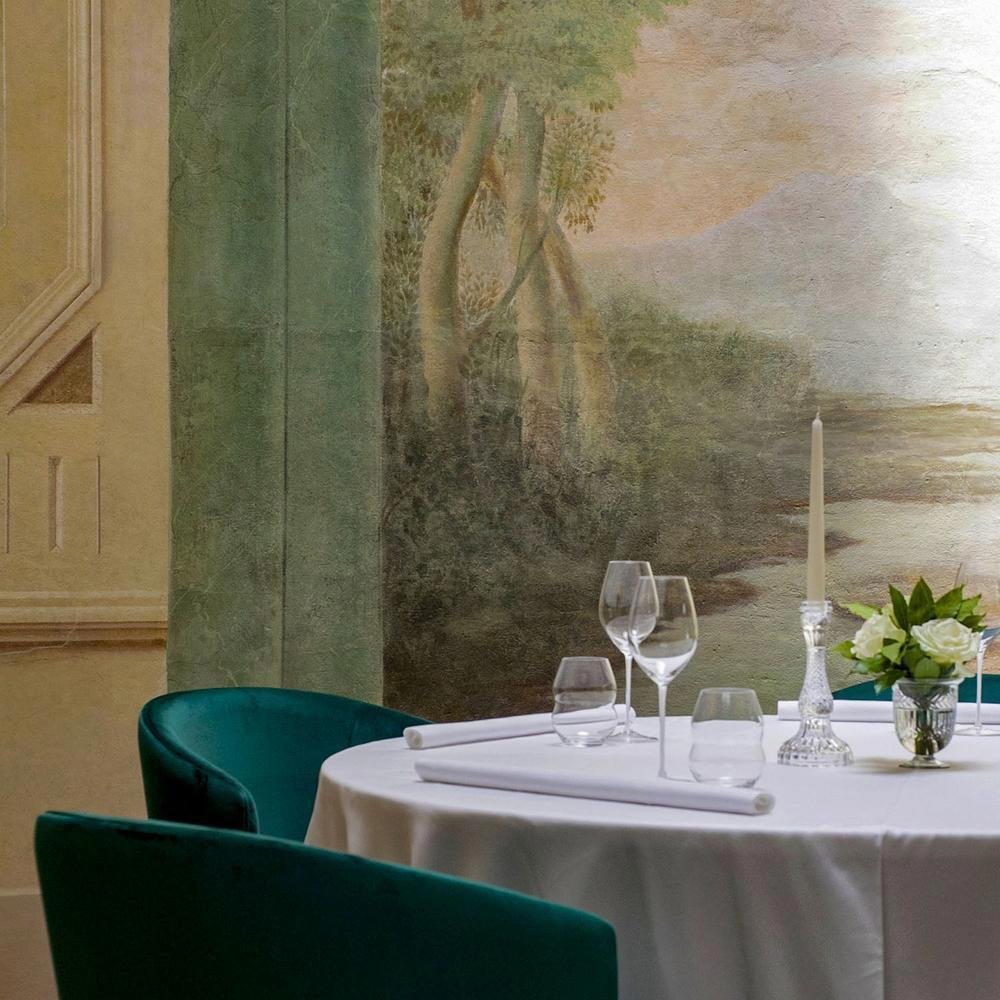
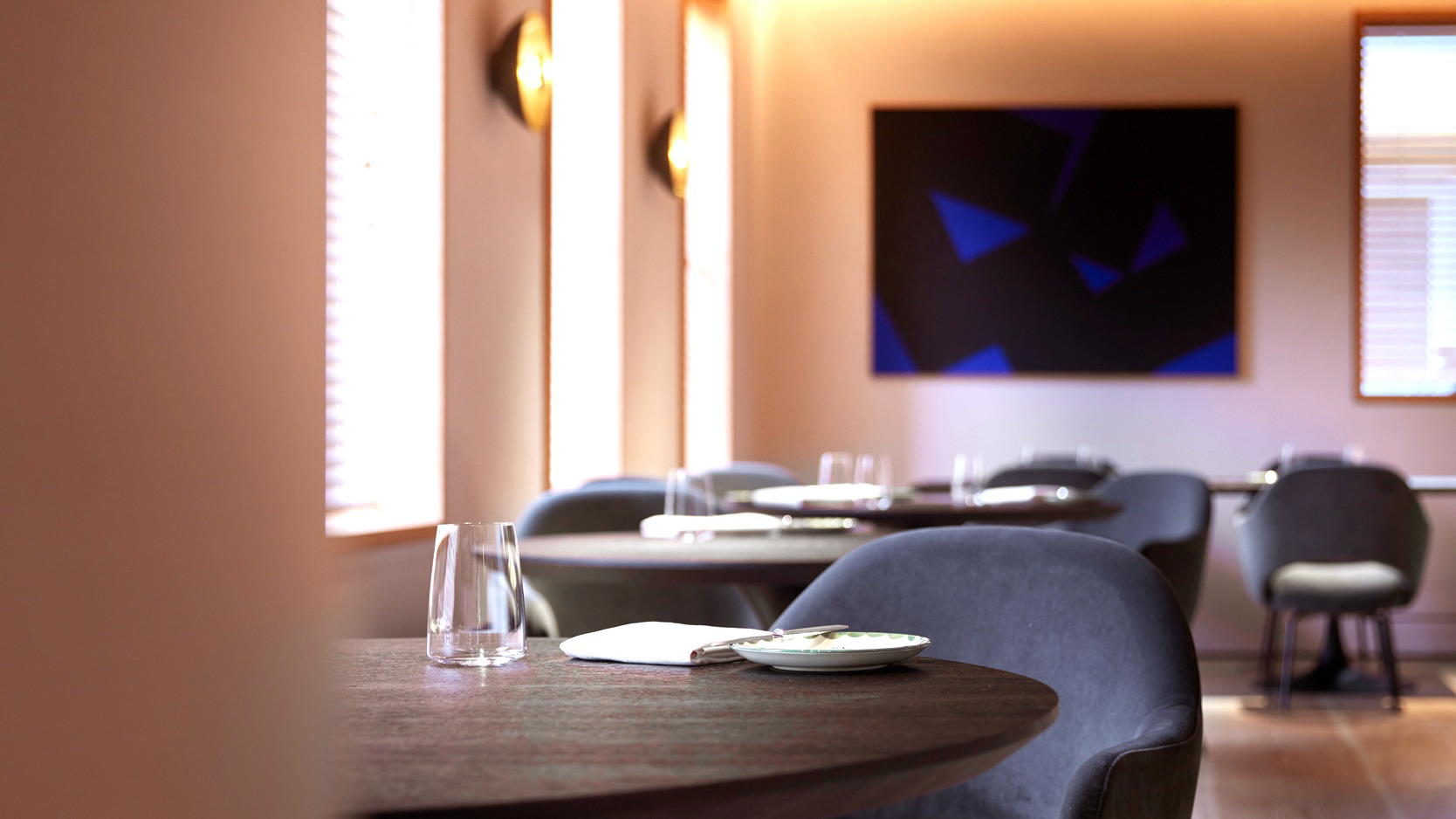
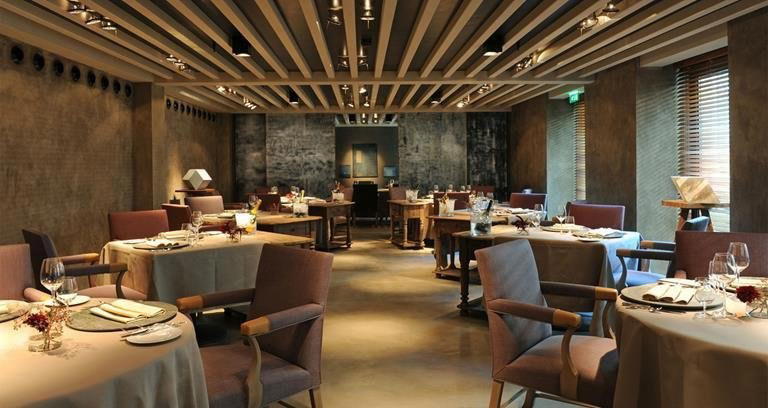
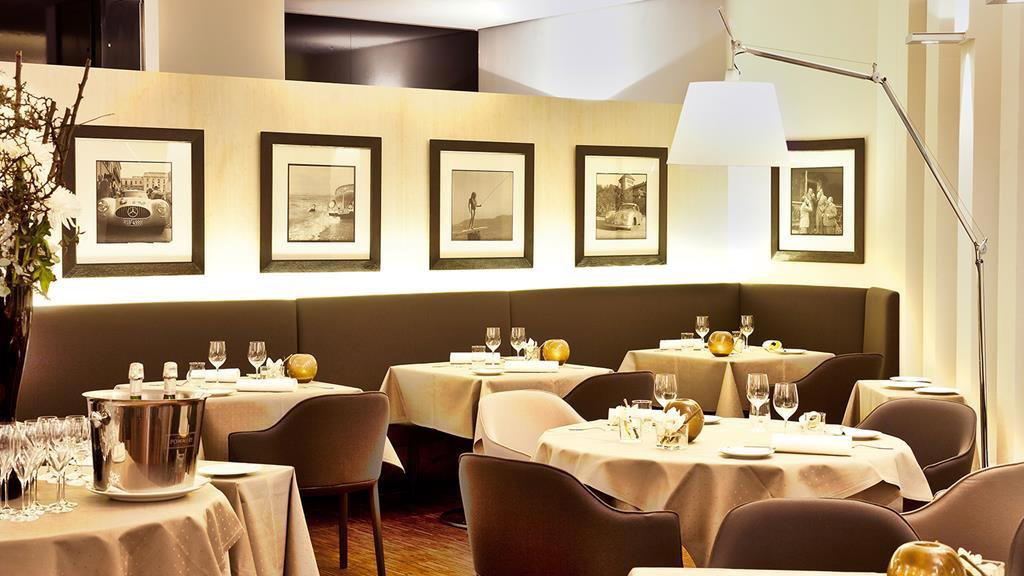
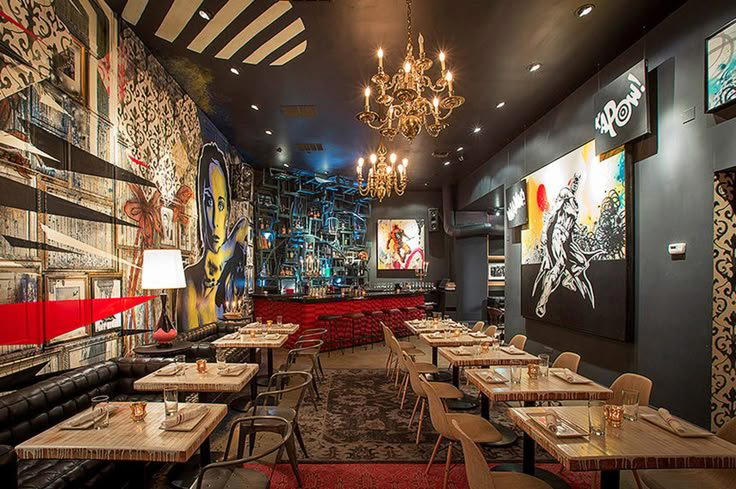
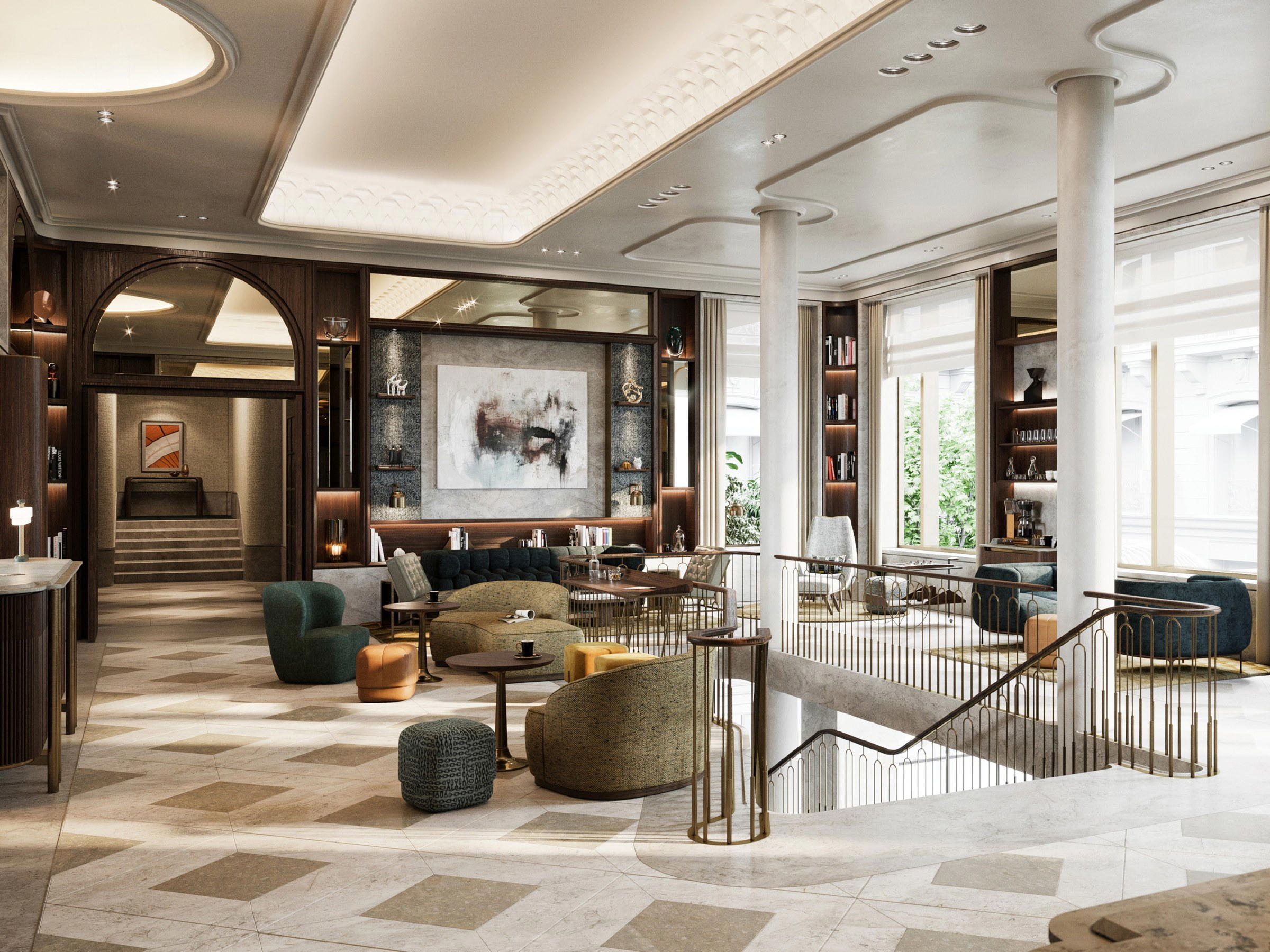
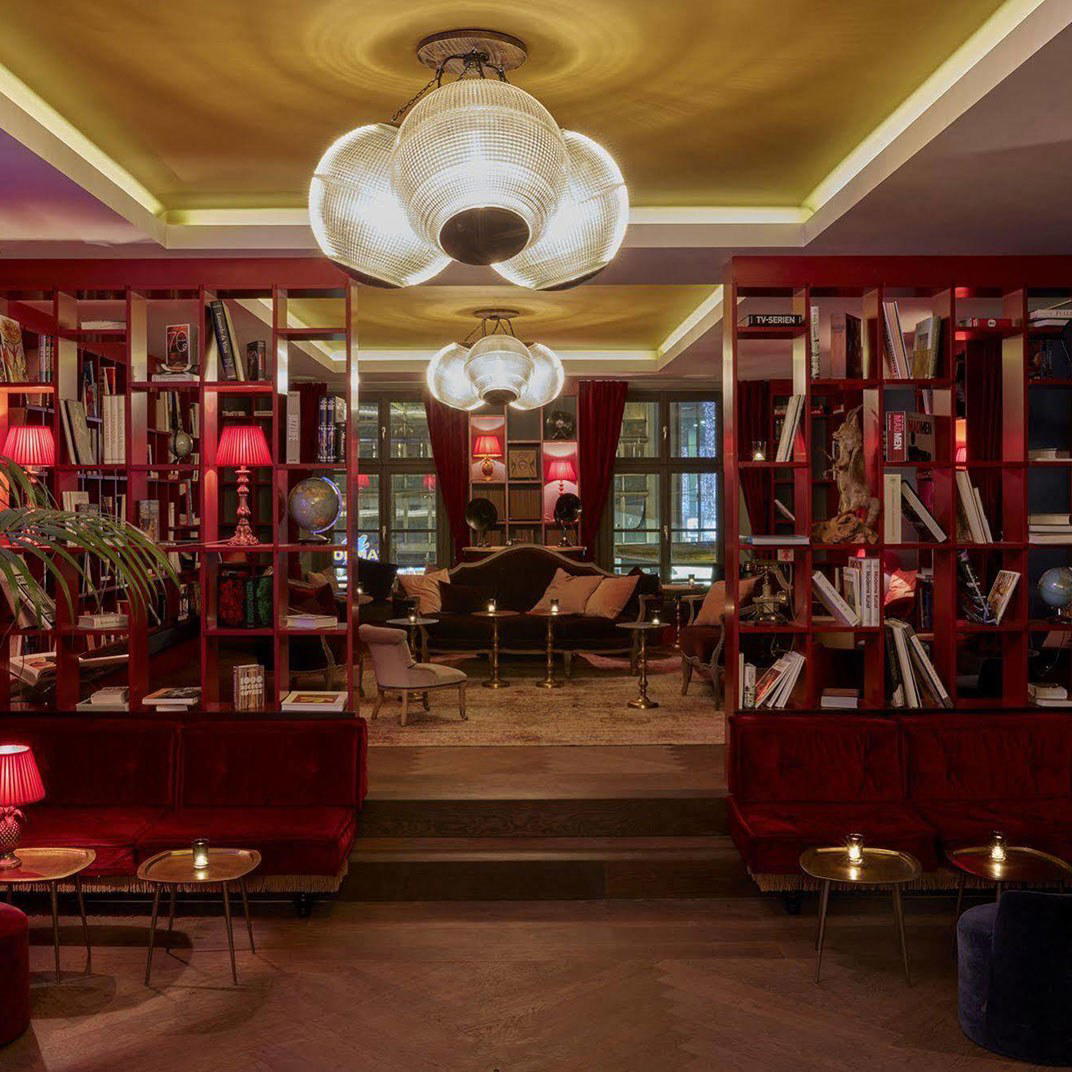
Warm and inviting atmosphere decorated with traditional Korean elements, creating a pleasant dining environment.