On Atlantic Avenue in Toronto's Dovercourt-Wallace Emerson corridor, The Craft Brasserie & Grille occupies a stretch of the city where neighbourhood regulars and west-end walkers converge. The brasserie-and-grille format positions it between casual pub dining and more formal sit-down cooking, drawing a clientele that returns for consistency rather than occasion. For Toronto dining context, see our full city guide.
Pearl is the En Primeur Club membership app — saves, bookings, and concierge access live there. Same editors, same standards.
- Address
- 107 Atlantic Ave, Toronto, ON M6K 1Y2, Canada
- Phone
- +1 416 535 2337
- Website
- thecraftbrasserie.com
- Directions
- Get directions
 Saves & bookings on Pearl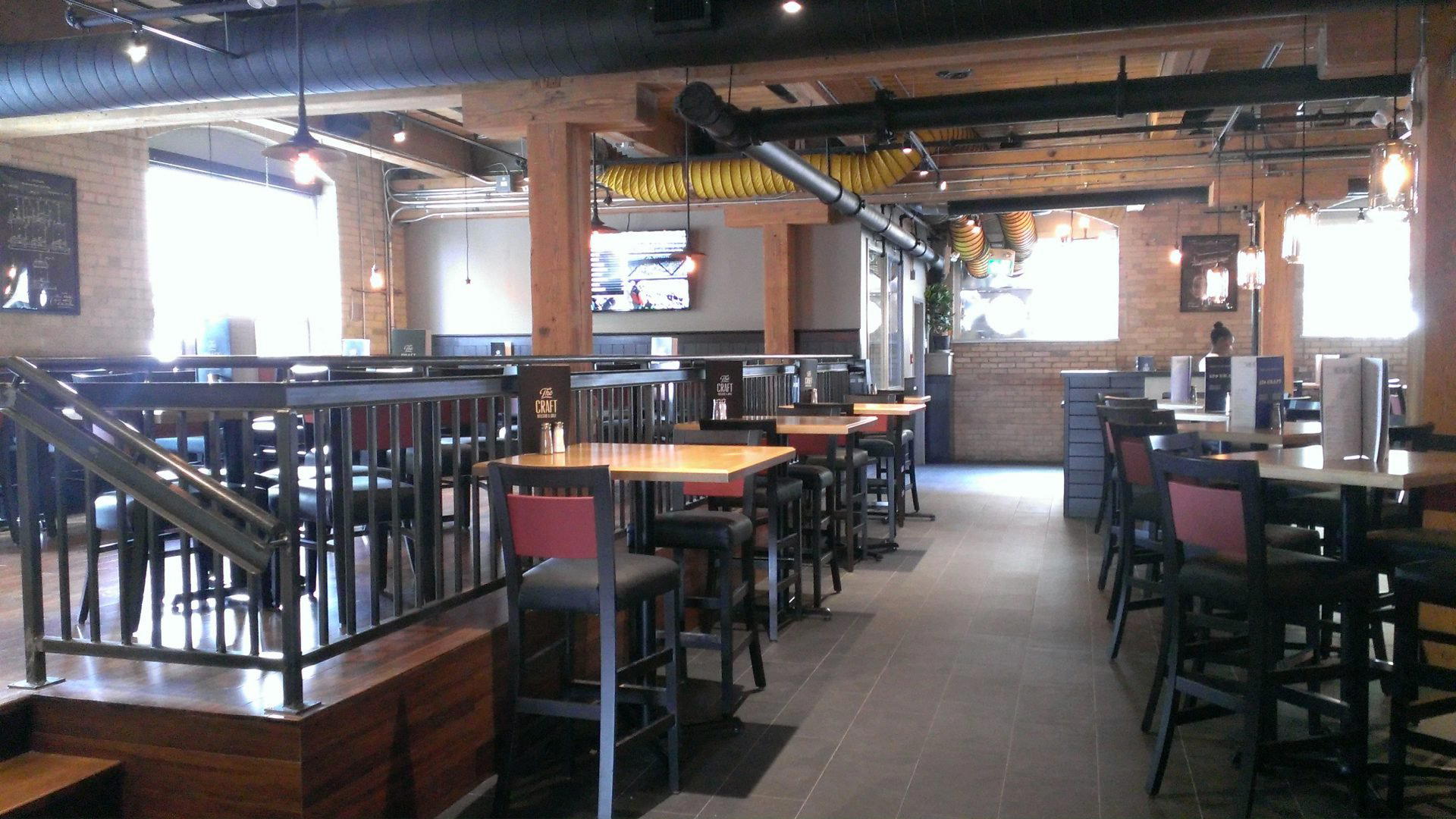
Atlantic Avenue, West End Toronto, and the Brasserie Format
Toronto's west end has developed a dining character distinct from the downtown Financial District or the Yorkville corridor. The stretch running through Dovercourt-Wallace Emerson-Junction, anchored by streets like Atlantic Avenue, has accumulated a layer of neighbourhood restaurants that serve regulars as much as they serve occasion diners. These are places where the same faces appear on Tuesday evenings, where the staff know how tables prefer their pace, and where the format, brasserie, grille, or some combination, is designed for repeat visits rather than singular events.
The Craft Brasserie & Grille, at 107 Atlantic Ave, is an American brasserie and brew pub in Toronto's Liberty Village corridor. The brasserie-and-grille format is a deliberate positioning: more considered than a pub, less ceremonial than a tasting-menu room. In Canadian cities, this tier of restaurant often does important work in a dining neighbourhood, holding the fabric together between high-end destination dining and fast-casual.
What Keeps Regulars Returning
The regulars' relationship with a brasserie is rarely about a single dish or a celebrity chef. It is about calibration: the kitchen consistently delivers what the room expects, the front-of-house reads the pace of the table, and the format allows both a quick midweek meal and a longer weekend dinner without either feeling like a compromise. That reliability is harder to achieve than it looks, and it is the primary reason neighbourhood restaurants in this category accumulate loyal clientele over years rather than months.
Toronto's west-end dining corridor has produced a number of restaurants that operate on this model. The neighbourhood itself reinforces loyalty: Atlantic Avenue's residential density means that regulars can walk in, and walking distance changes the psychology of repeat visits. A restaurant you drive to is an occasion; one you walk to becomes a habit. The Craft Brasserie & Grille's address places it squarely in walkable territory for the surrounding residential blocks.
At the higher end of Toronto's dining spectrum, rooms like Alo operate on a tasting-menu format where the visit is the event. Counter experiences such as Sushi Masaki Saito and Aburi Hana require advance planning and commit the diner to a set sequence. The brasserie-and-grille format inverts that logic: the structure is relaxed, the menu is à la carte, and the diner controls the pace. That flexibility is part of why regulars cluster around this format rather than higher-ceremony alternatives.
The Brasserie-and-Grille Tier in Toronto's Competitive Set
Positioning a restaurant in the brasserie-and-grille tier in a city like Toronto means competing against a wide range of options, from Italian-leaning rooms like DaNico and Don Alfonso 1890 to neighbourhood independents across the west end. The comparison set is defined less by cuisine type and more by format and price expectation. Brasseries and grilles typically price into the mid-range, making them accessible for regular use in a way that the $$$$ tier is not.
Across Canada, the mid-range neighbourhood restaurant tier has faced consistent pressure from rising food costs and labour constraints, which has pushed some operators toward tighter, more focused menus. The broader Canadian dining context includes rooms operating at different scales and ambitions: Tanière³ in Quebec City and Restaurant Pearl Morissette in Lincoln represent the destination end of the spectrum, while Eigensinn Farm in Singhampton and Fogo Island Inn Dining Room operate as singular experiences tied to specific geographies. The neighbourhood brasserie occupies a different position entirely: its value is in availability and recurrence.
Elsewhere in Canada, comparable neighbourhood anchors include AnnaLena in Vancouver and Cafe Brio in Victoria, both of which have built regular clientele through consistent format and neighbourhood presence rather than award cycles. Jérôme Ferrer - Europea in Montreal represents the more formal end of the Canadian mid-to-upper tier. The range illustrates how differently the same general dining ambition can be expressed across Canadian cities.
Atmosphere and Format on Atlantic Avenue
Atlantic Avenue sits adjacent to Liberty Village, a post-industrial neighbourhood that shifted toward residential and creative-office use over the past two decades. The street-level character is shaped by that history: brick and beam buildings, ground-floor retail and hospitality, and a foot-traffic pattern that peaks in evenings and weekends. A brasserie in this context functions as a neighbourhood anchor, the kind of room that fills on a Thursday without a special occasion and sustains itself on the loyalty of the immediate catchment.
The brasserie format, which has European origins in the large, open dining rooms associated with French and Belgian brewing culture, has been widely adopted in North American cities as a signal of approachability without casualness. The grille element, typically associated with open-flame or char-based cooking, adds a directness to the menu that suits the west-end demographic, which tends toward the unfussy. Together, brasserie-and-grille positions a room as one where the cooking is taken seriously but the atmosphere is not precious.
For comparison at the more formal North American end of this conversation, Le Bernardin in New York City and Lazy Bear in San Francisco demonstrate how different the ceiling of ambition can be, even within nominally accessible formats. The neighbourhood brasserie operates closer to the floor of that range, which is precisely its function.
Planning Your Visit
| Venue | Format | Price Tier | Booking Complexity |
|---|---|---|---|
| The Craft Brasserie & Grille | Brasserie / Grille | Mid-range | Reservation recommended |
| Alo | Tasting menu | $$$$ | Advance booking required |
| Sushi Masaki Saito | Omakase counter | $$$$ | Weeks to months ahead |
| Aburi Hana | Kaiseki | $$$$ | Advance booking required |
Address: 107 Atlantic Ave, Toronto, ON M6K 1Y2. The Pine in Creemore and Narval in Rimouski show how the province's mid-range dining extends well beyond the city. Busters Barbeque in Kenora offers a regional grille comparison at a different scale and geography.
What It’s Closest To
Comparable venues nearby, for context on price, style, and recognition.
| Venue | Cuisine | Price | Notes |
|---|---|---|---|
| The Craft Brasserie & GrilleThis venue — the venue you are viewing | American Brasserie & Brew Pub | $$ | Not listed |
| Little Ese | Fusion Pizza & Comfort Food | $$ | Trinity Bellwoods |
| Old School | Polished American Comfort Food | $$ | Little Italy |
| Prohibition Gastrohouse | American Gastropub | $$ | South Riverdale |
| Uncle Betty's Diner | Classic American Diner | $$ | Uptown Yonge |
| Hadley's | Barbecue | $$ | Palmerston-Little Italy |
Continue exploring
More in Toronto
Restaurants in Toronto
Browse all →

Bars in Toronto
Browse all →
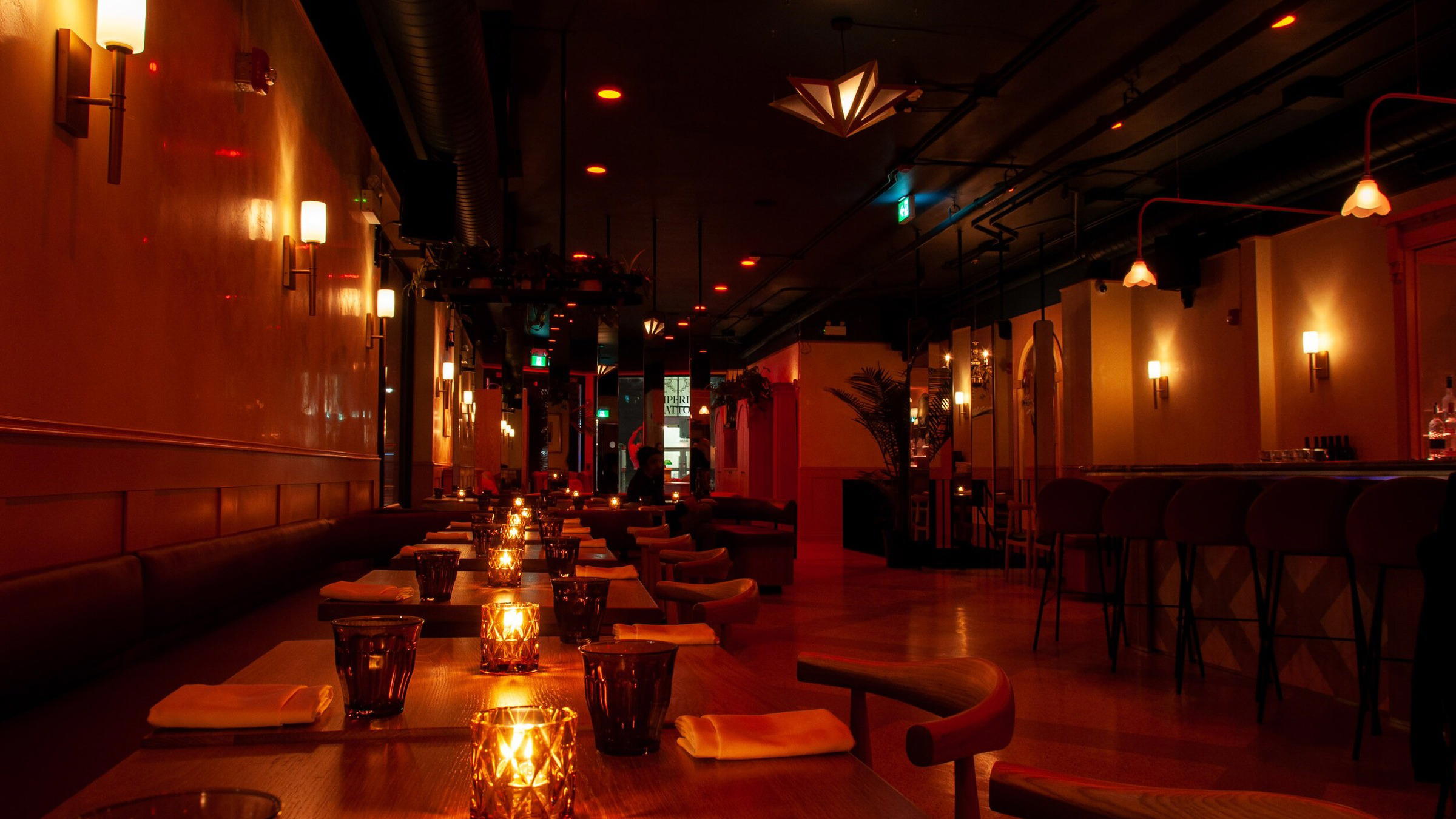
Hotels in Toronto
Browse all →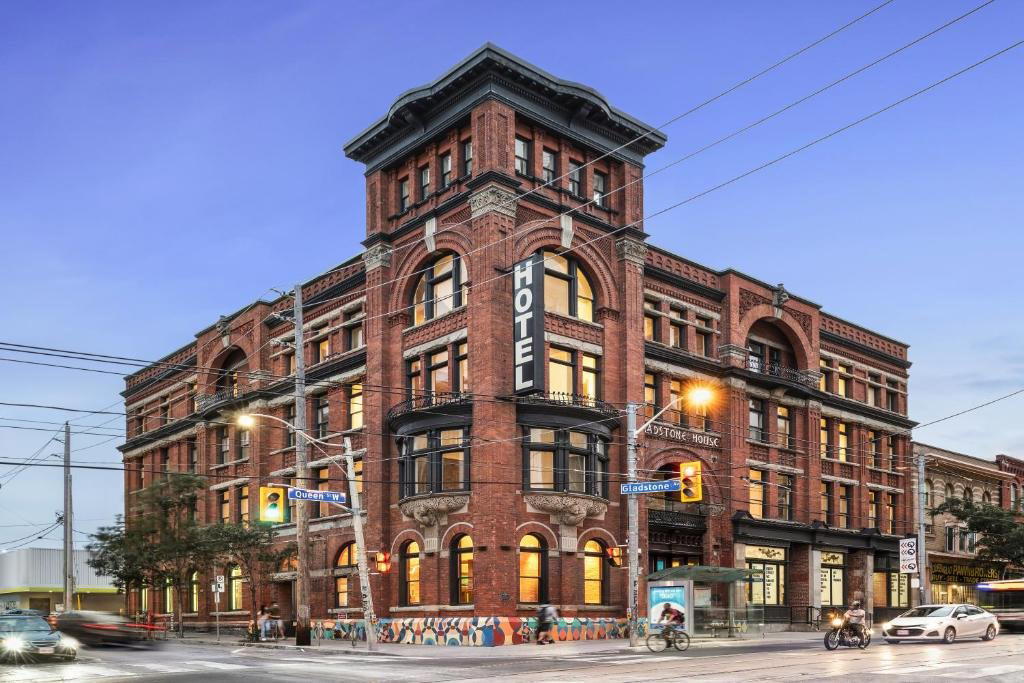
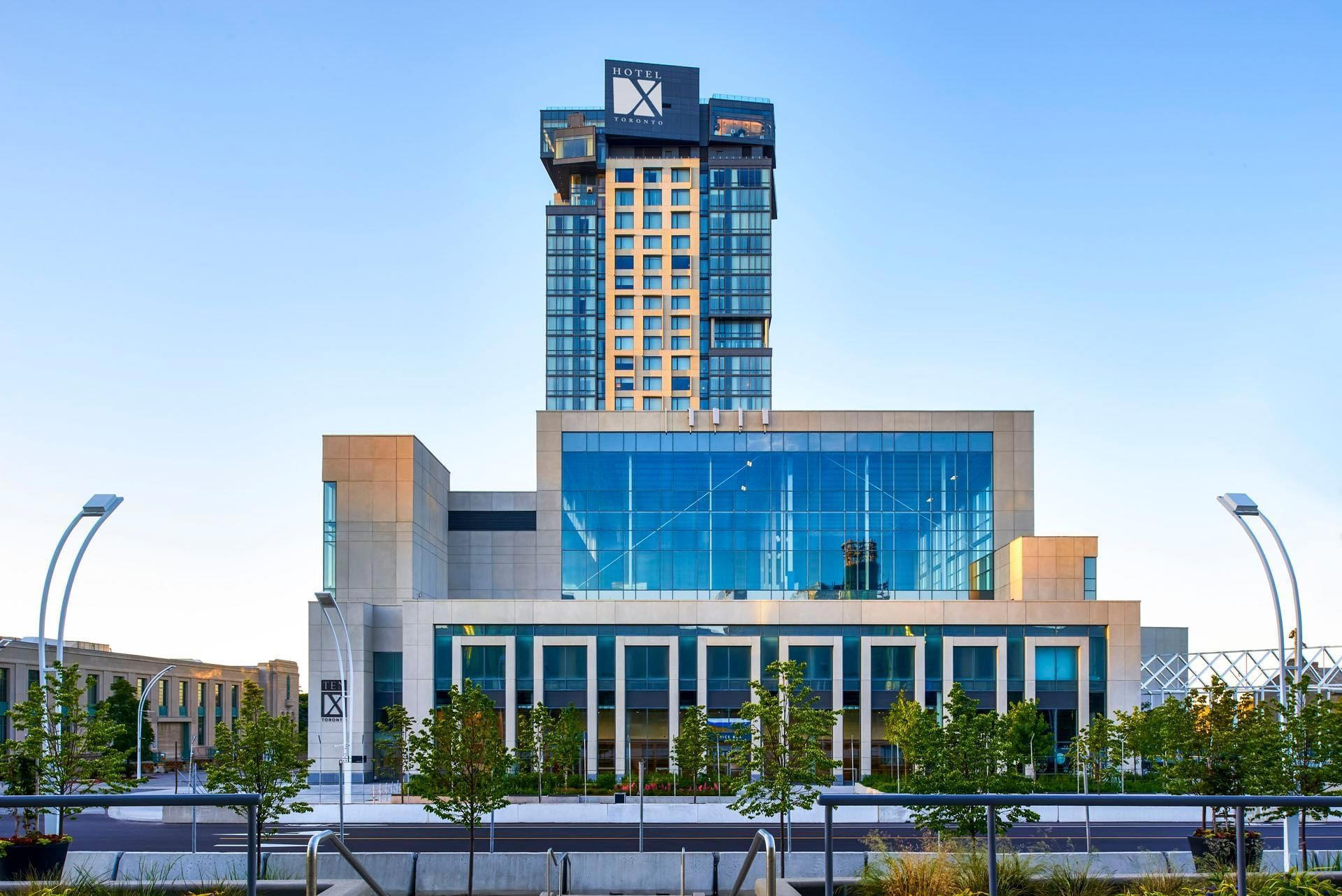
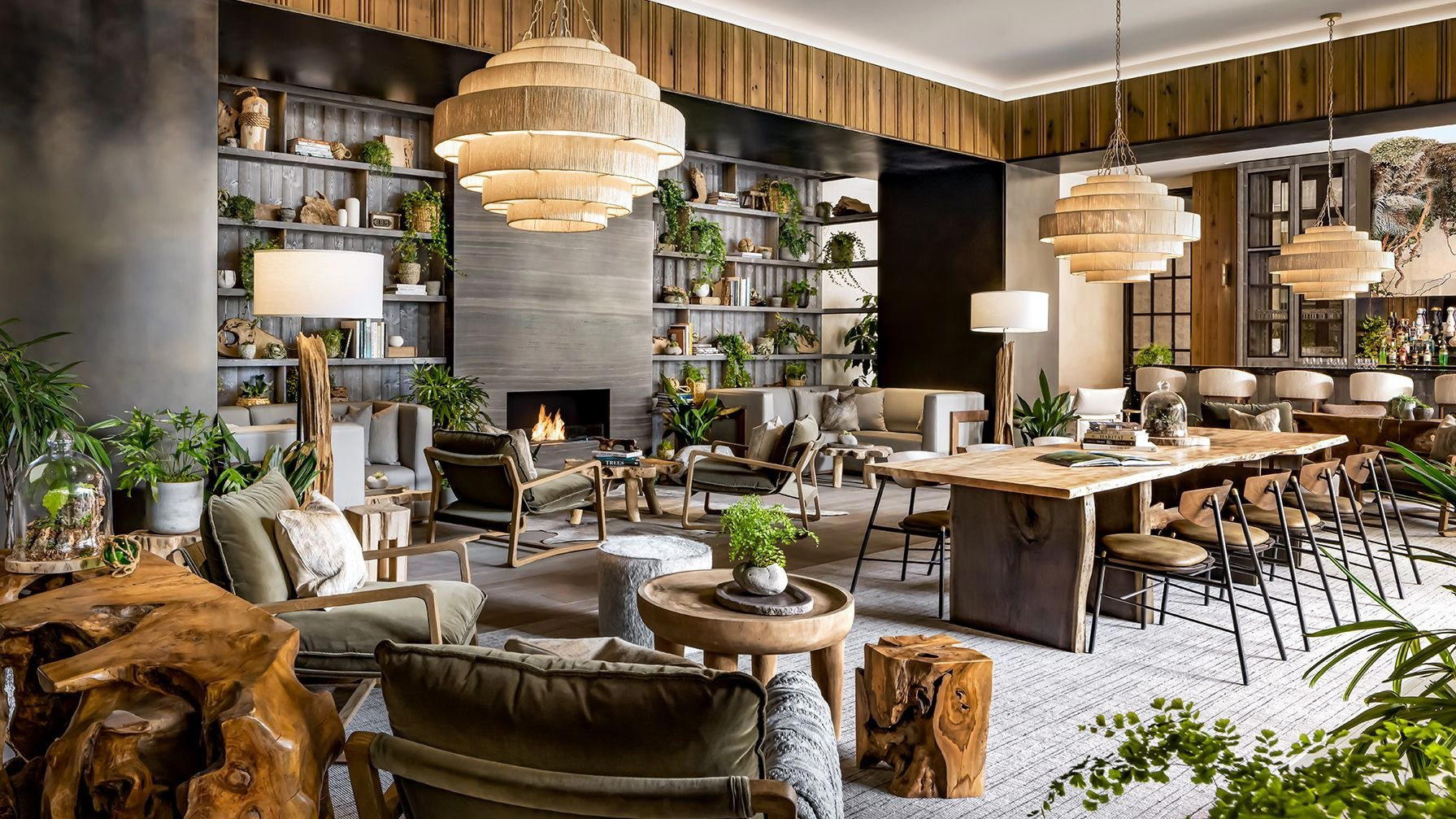

At a Glance
- Lively
- Industrial
- Modern
- Casual Hangout
- After Work
- Group Dining
- Brunch
- Standalone
- Beer Program
- Craft Cocktails
- Local Sourcing
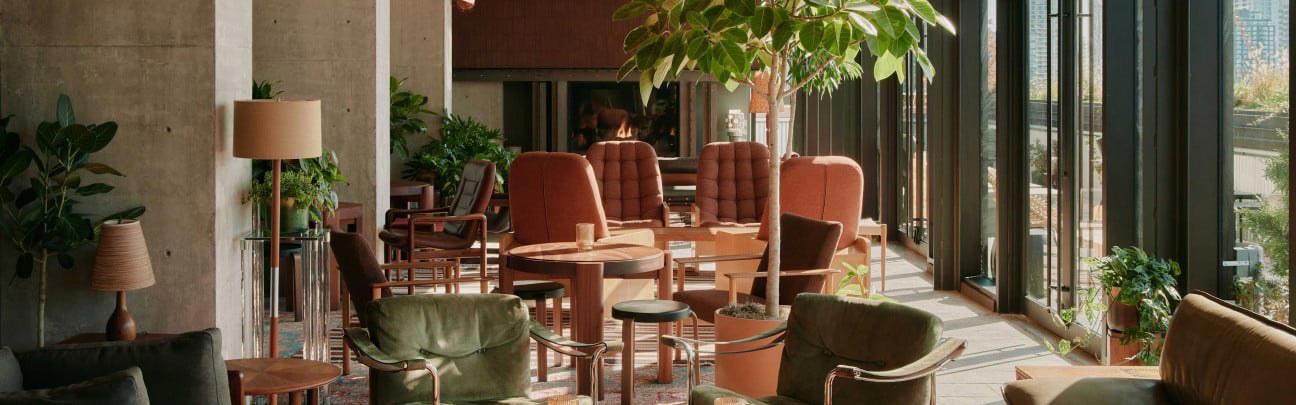
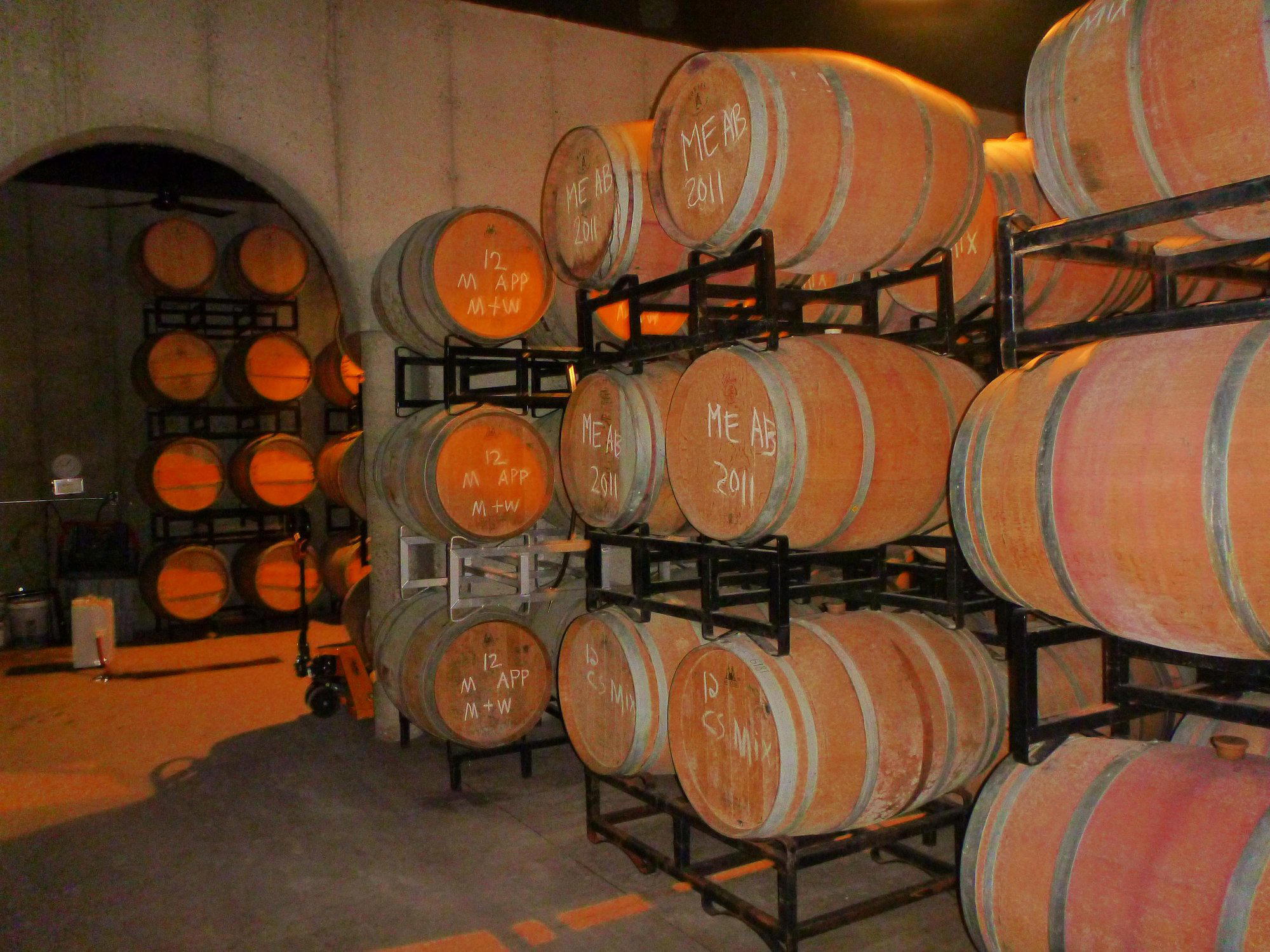
Industrial-loft-meets-sports-bar atmosphere with mystically lit, foliage-accented decor.