At 83 Yonge Street in Toronto's Financial District, Convivium Dining Community occupies a corner of the city's growing conversation about what communal eating can look like in a downtown core built around solitary desk lunches and expense-account dinners. The address alone signals something deliberate: a claim on one of Toronto's most transited corridors, made in the name of shared tables.
Pearl is the En Primeur Club membership app — saves, bookings, and concierge access live there. Same editors, same standards.
- Address
- 83 Yonge St, Toronto, ON M5C 1S8, Canada
- Phone
- +14169131577
- Website
- myconvivium.com
- Directions
- Get directions
 Saves & bookings on Pearl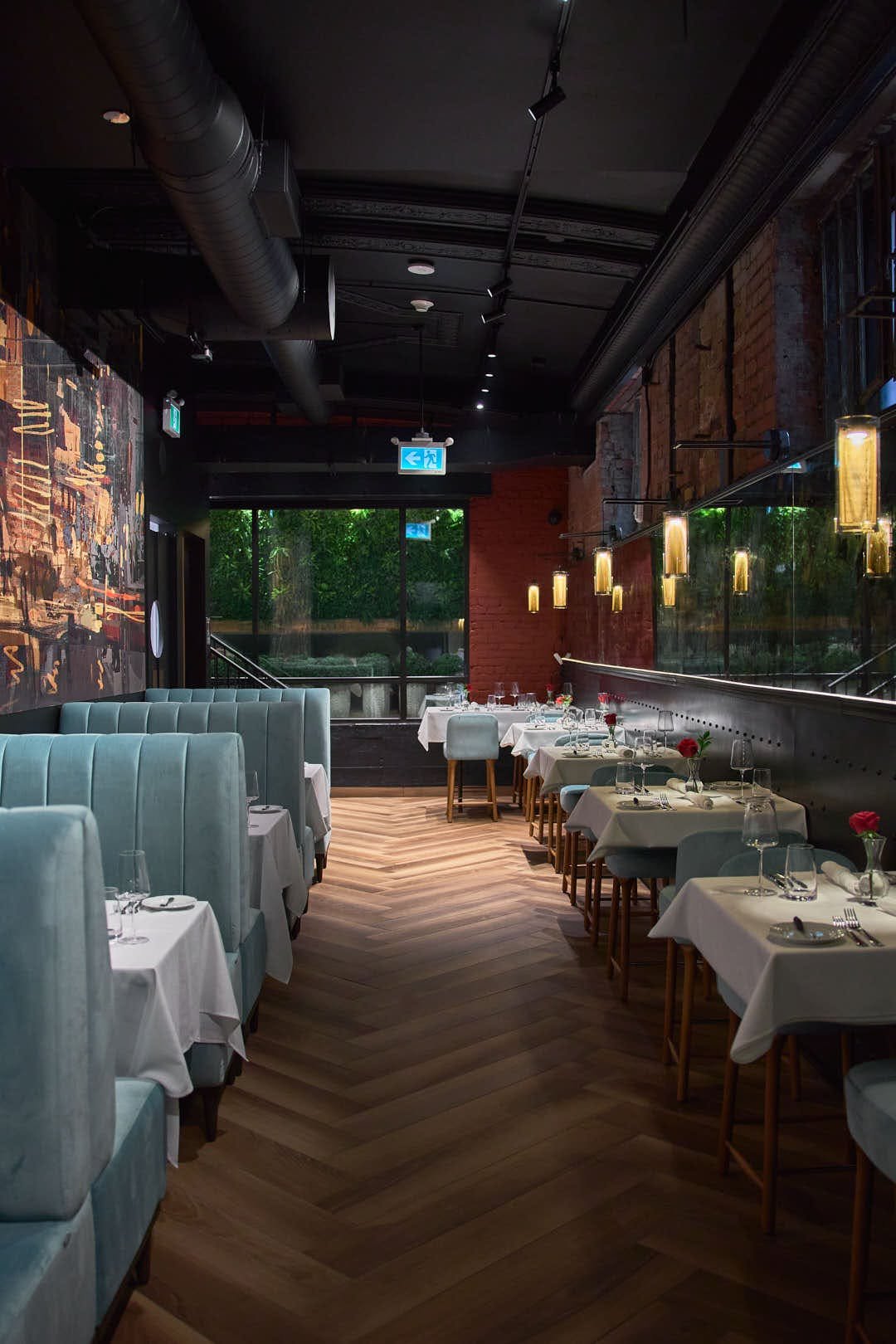
Yonge Street and the Question of Community at the Table
Convivium Dining Community is a restaurant at 83 Yonge St in Toronto's Financial District. The stretch running south toward the waterfront is dense with office towers, transit corridors, and the kind of foot traffic that treats eating as a logistical problem to solve between meetings. That context makes the positioning of Convivium Dining Community at 83 Yonge Street an editorial statement in itself. Community-format dining in a district defined by transactional efficiency is either aspirational or counterintuitive, depending on how well the execution holds.
The communal dining model has a long history in North American cities, but its current form, particularly in financial districts, draws from several converging pressures. Remote work reshuffled the lunch economy after 2020, leaving downtown corridors with a different kind of diner: people who arrive at an office intentionally, and who often treat the meal as a social anchor rather than a fuel stop. Operators in this space have responded by designing rooms and formats that reward staying, not just eating.
A Format With Cultural Precedent
The word "convivium" reaches back to Roman dining tradition, where the shared meal was a structured social institution rather than an informal gathering. Roman convivia were organized around conversation, hierarchy, and a deliberate ordering of courses, drinks, and guests. The name choice signals an awareness of that lineage, whether the format fully honors it or not. It places the venue in a longer argument about what the act of eating together is supposed to accomplish.
That argument has been running through Toronto's dining scene for the better part of a decade. The city's restaurant culture is built on waves of immigrant tradition, from the dense Cantonese banquet halls of Scarborough and Agincourt to the Hakka-Chinese hybrid kitchens that gave Toronto one of its most specific regional cuisines. Communal eating is woven into all of those traditions, but the upmarket communal dining format, where the communality is the concept rather than the container, is a different and more recent species. It draws more from the supper club revival than from any single ethnic tradition, though it borrows vocabulary from all of them.
For comparison, consider how this model has played out elsewhere. Lazy Bear in San Francisco built a full tasting menu experience around a communal ticket model, with a two-dinner-party-per-night format that treats the room itself as a social architecture problem. Le Bernardin in New York City is the counterexample: rigidly private, course-by-course, no ambient shared experience. Most venues in the community-dining tier sit between those poles, defining themselves by how much social engineering they are willing to do, and how much they leave to the guests.
Where Convivium Sits in the Toronto Context
Toronto's upper dining tier is currently anchored by a cluster of tasting-menu restaurants operating at the $$$$ price point. Alo set a benchmark for contemporary fine dining in the city and has held it through years of competitive pressure. The Japanese-influenced tier, represented by venues like Sushi Masaki Saito and Aburi Hana, brings a different set of expectations around ritual, restraint, and the relationship between diner and chef. Italian-inflected fine dining, through places like DaNico and Don Alfonso 1890, occupies its own recognizable bracket.
Convivium Dining Community does not fit neatly into any of those categories, which is both its appeal and its interpretive challenge. Community-format venues sit in a different competitive logic: they are not primarily selling a particular cuisine or a chef's vision, but a social experience of eating with strangers or near-strangers around a shared format. That makes them harder to evaluate against cuisine-first peers, and harder to recommend or dismiss on purely food-driven grounds.
Broader Canadian dining offers several reference points for this model done with precision. Eigensinn Farm in Singhampton has long operated as a destination experience where the social occasion is as carefully orchestrated as the food. Fogo Island Inn Dining Room in Joe Batt's Arm builds communal tables into a wider philosophy of place and community. Tanière³ in Quebec City integrates the territorial and the convivial in a way that gives shared eating an explicitly regional meaning. Each of those venues earns the communal format through a clear answer to the question of what the gathering is actually for.
Within Ontario, Restaurant Pearl Morissette in Lincoln and The Pine in Creemore both operate formats that encourage lingering and connection, but both anchor that experience in strong culinary and agricultural identities. The community comes second to the food. At a venue that foregrounds community in its name, the pressure to justify the inversion is considerable.
The Neighbourhood as Context
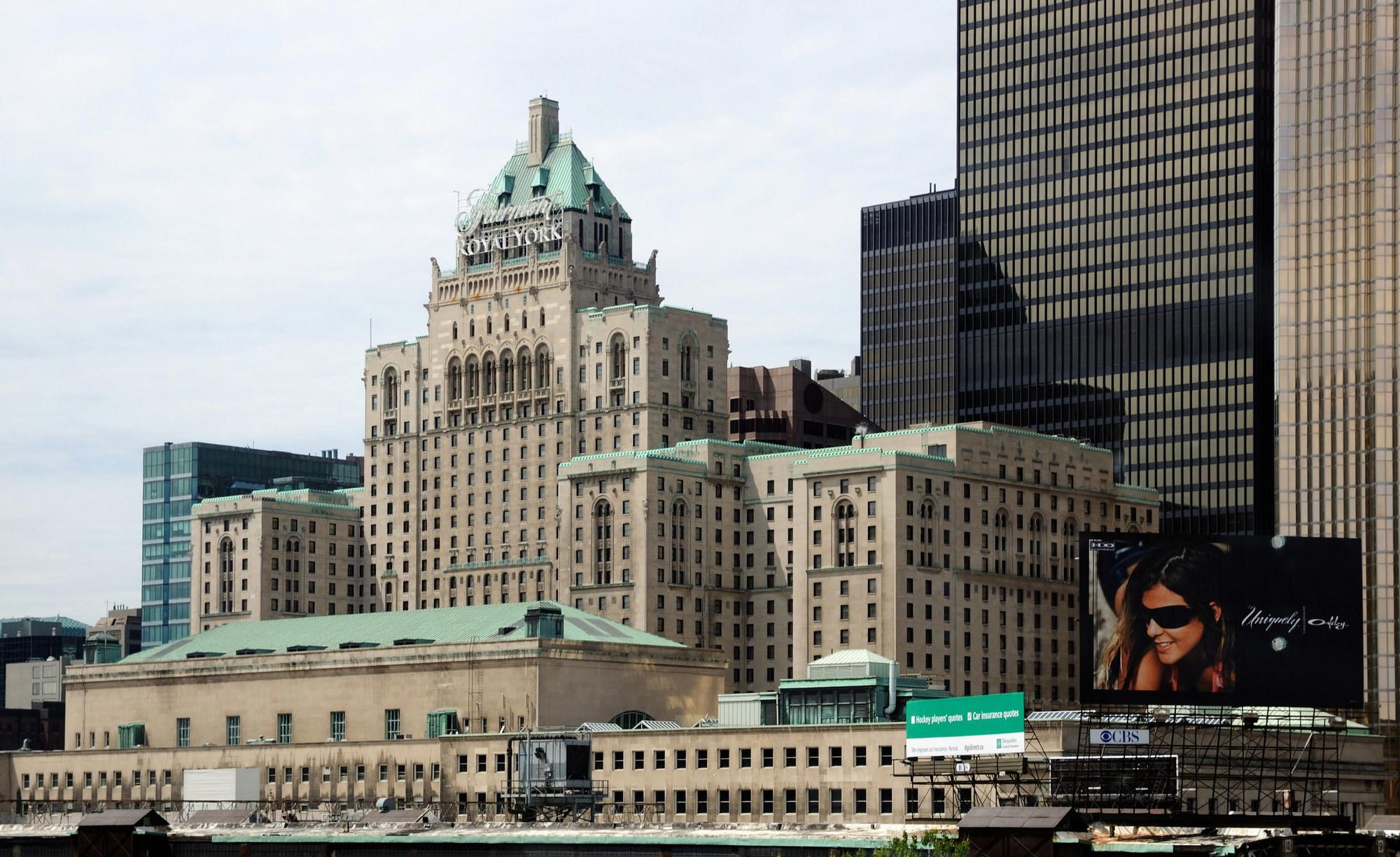
The Financial District address is not incidental. 83 Yonge Street sits in a corridor that has seen significant reinvestment in its ground-level retail and hospitality since the mid-2010s. The neighbourhood draws a lunch crowd of office workers and a dinner crowd that is more varied, including pre-theatre diners heading to the nearby Sony Centre and St. Lawrence Market regulars who extend their Saturday market visits into the evening. The density of the transit network, with Union Station a short walk south, means the address is accessible from nearly every part of the city without driving.
That accessibility is relevant to the community-dining model: you cannot build a shared-table experience with a self-selecting affluent demographic if the venue is difficult to reach. The Yonge Street location functions as an open invitation in that sense, even if the programming and pricing tell a more specific story about who the intended guest is.
Across Canada, comparable editorial coverage includes AnnaLena in Vancouver, Jérôme Ferrer - Europea in Montréal, Narval in Rimouski, Cafe Brio in Victoria, and Busters Barbeque in Kenora.
Planning a Visit
Address: 83 Yonge St, Toronto, ON M5C 1S8. Getting there: King Station on the TTC Yonge-University line places you within a two-minute walk; Union Station is roughly five minutes on foot. Timing: Financial District dining rooms tend to be quieter on Fridays than Tuesday through Thursday, when business dining peaks.
Style and Standing
Comparable venues nearby, for context on price, style, and recognition.
| Venue | Cuisine | Price | Notes |
|---|---|---|---|
| Convivium Dining CommunityThis venue — the venue you are viewing | European-Inspired Fine Dining (Italian, French, Mediterranean) | $$$$ | Not listed |
| Donna’s | Contemporary European with Seasonal Small Plates | $$$ | Wallace Emerson |
| STK | Modern Steakhouse | $$$$ | Yorkville |
| Cafe Boulud | Modern French Brasserie with Rotisserie | $$$$ | Yorkville |
| And/Ore | Modern Canadian | $$$$ | West Queen West |
| CLOCKWORK | Modern Canadian Small Plates & Champagne Bar | $$$$ | Financial District |
Continue exploring
More in Toronto
Restaurants in Toronto
Browse all →
Bars in Toronto
Browse all →
Hotels in Toronto
Browse all →

At a Glance
- Elegant
- Sophisticated
- Classic
- Intimate
- Cozy
- Date Night
- Business Dinner
- Special Occasion
- Private Event
- Private Dining
- Historic Building
- Open Kitchen
- Extensive Wine List
- Local Sourcing
Current opening hours
- Monday
- 11:30 AM–10 PM
- Tuesday
- 11:30 AM–10 PM
- Wednesday
- 11:30 AM–10 PM
- Thursday
- 11:30 AM–10 PM
- Friday
- 11:30 AM–10 PM
- Saturday
- 12–10 PM
- Sunday
- 12–10 PM
Hours can change for holidays and private events. Last verified .
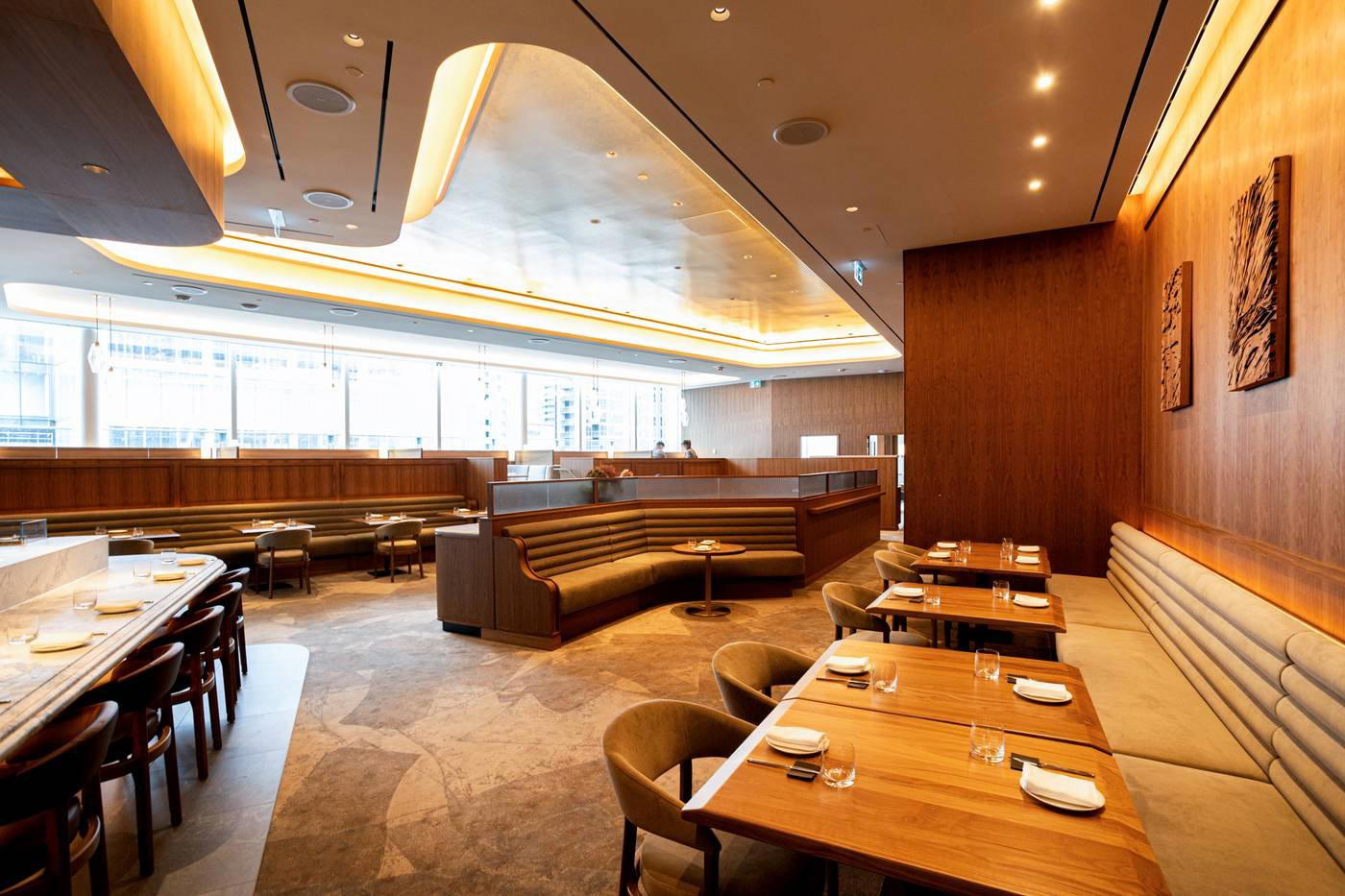
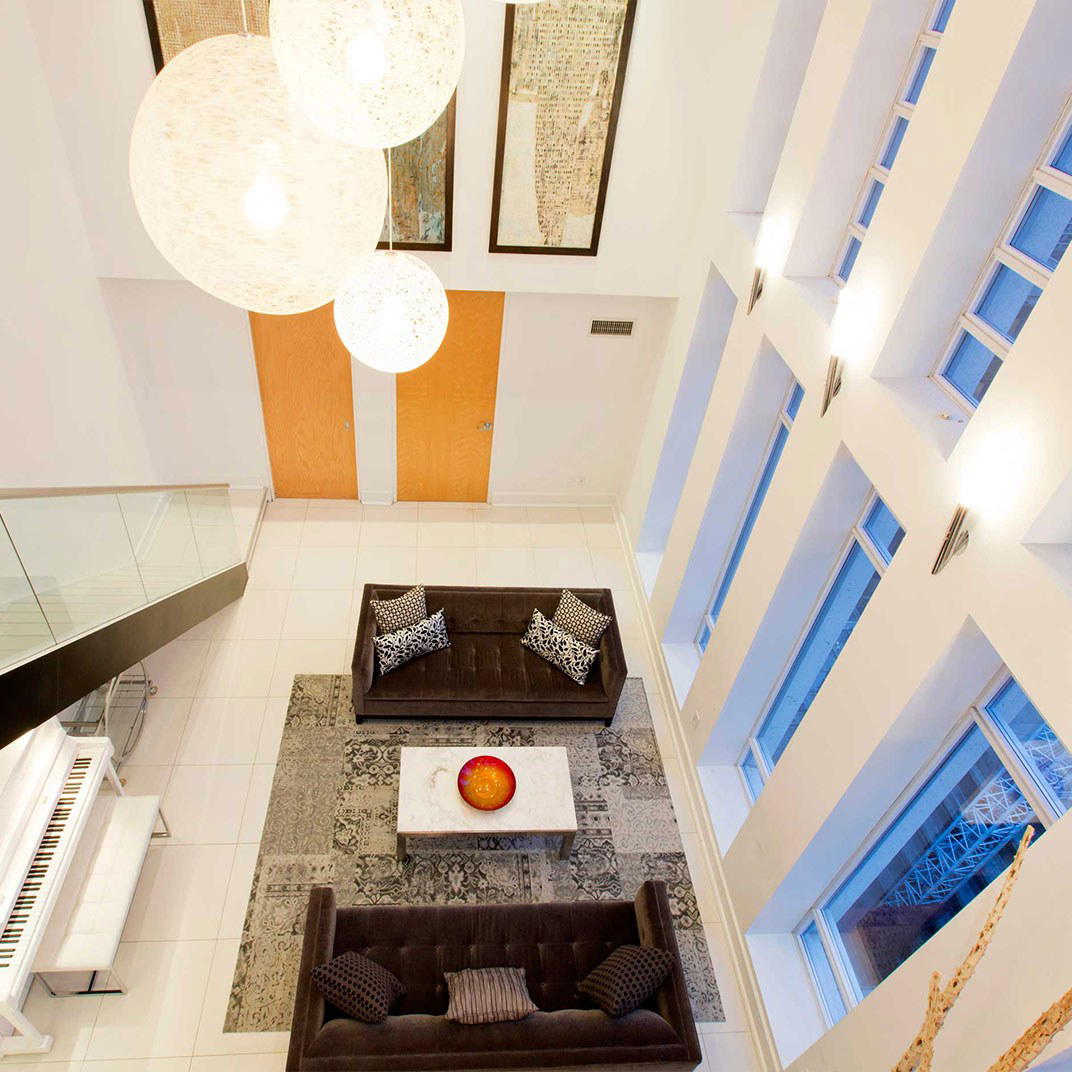
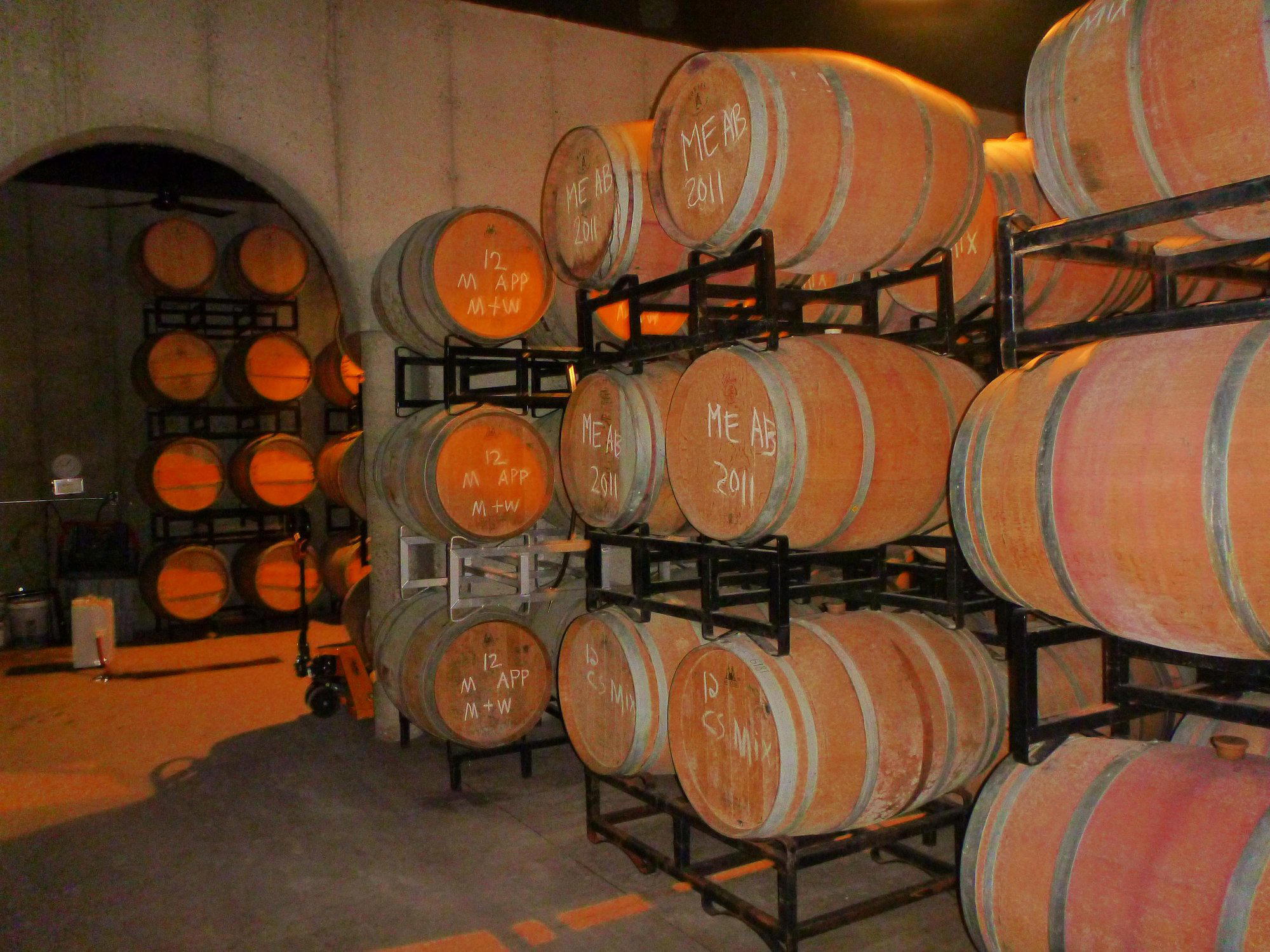
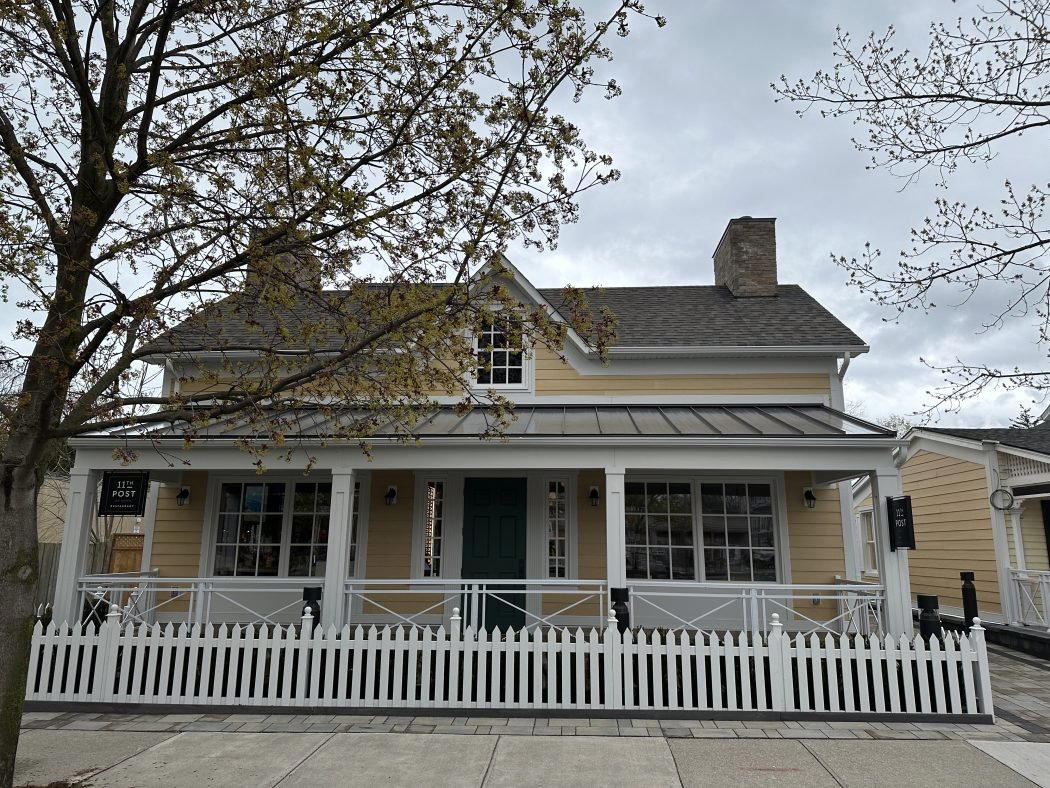
Elegant and welcoming atmosphere in a plush historic space with warm lighting, white tablecloths, and stylish European design blending modernity and tradition.