Ramerino
On East 39th Street in Midtown Manhattan, Ramerino occupies a specific address in one of New York's most competitive dining corridors. Positioned against a comparable set that includes Michelin-decorated rooms across the island, it represents the kind of mid-block Midtown proposition worth understanding on its own terms before the reservation is made.
Pearl is the En Primeur Club membership app — saves, bookings, and concierge access live there. Same editors, same standards.
- Address
- 16 E 39th St, New York, NY 10016
- Phone
- +16468807885
- Website
- ramerinoprime.com
- Directions
- Get directions
 Saves & bookings on Pearl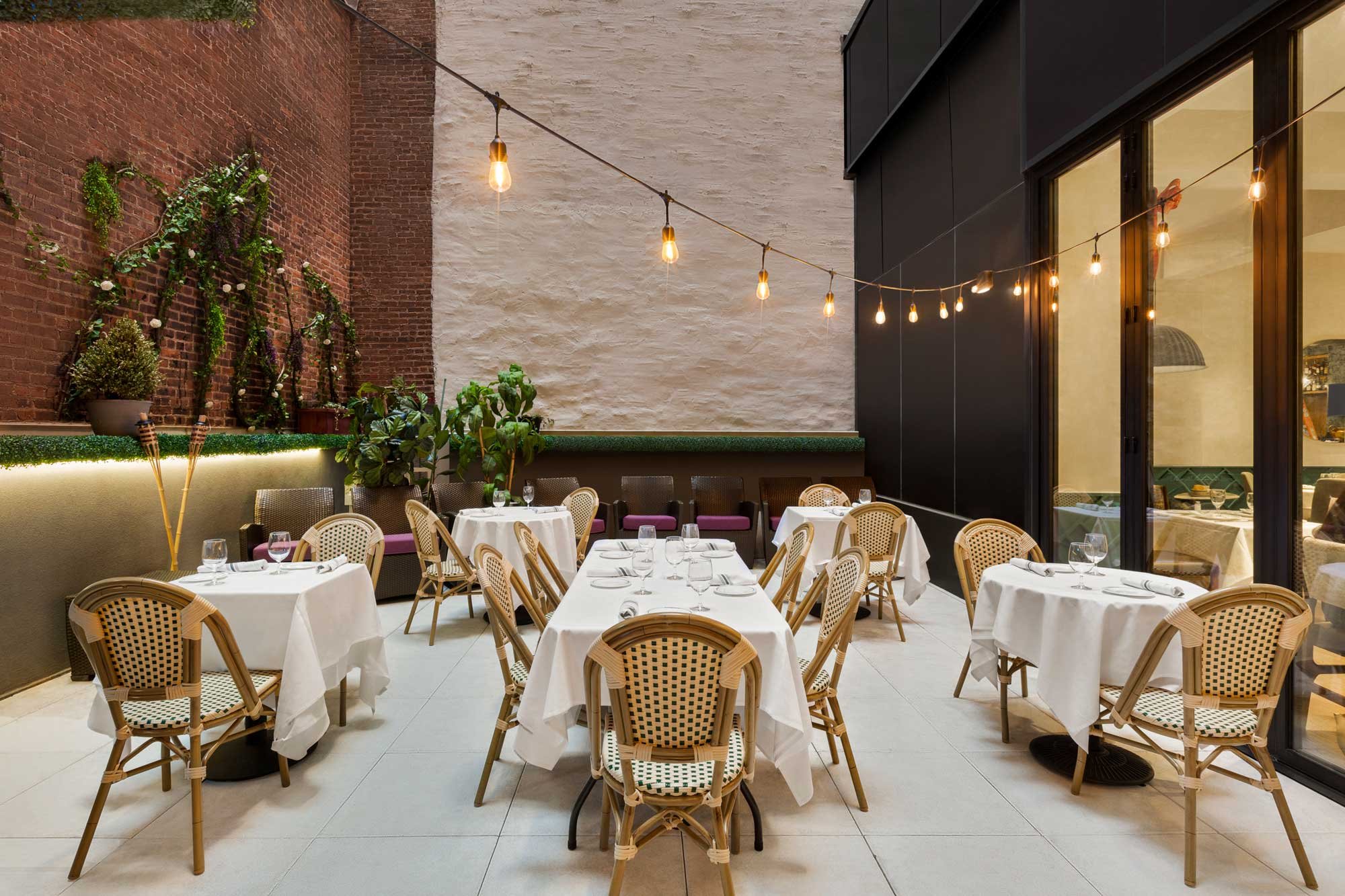
A Midtown Address in Context
Midtown Manhattan's dining corridor along the 30s and 40s has never been a single-register scene. The blocks between Grand Central and Bryant Park contain everything from power-lunch institutions to quietly serious kitchens that operate without the press infrastructure of Tribeca or the West Village. East 39th Street sits inside that less-narrated pocket, where the buildings are older and the foot traffic is transactional rather than destination-seeking. That context matters when you are placing a restaurant like Ramerino, an Italian Prime Steakhouse at 16 E 39th St, New York, NY 10016, because the physical container of Midtown shapes expectations before a guest crosses the threshold.
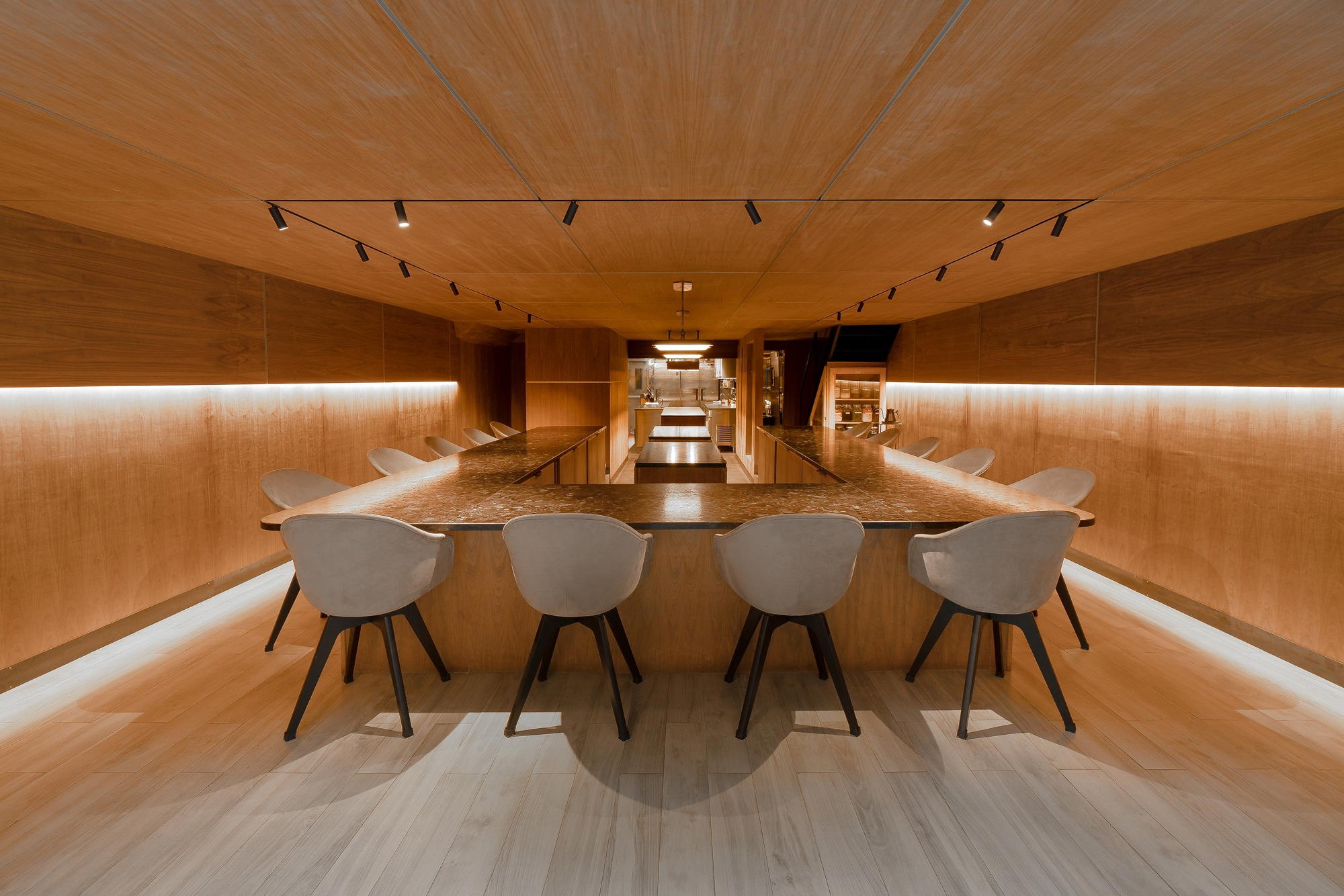
The dominant dining logic in this part of the city has historically rewarded formality and volume, large rooms built for corporate accounts and expense-report dining. The counter-pattern, which has been building across Manhattan for the better part of a decade, favors smaller, more considered spaces where the architecture communicates intent. Rooms like the counter format at Masa or the spare, gallery-adjacent interior at Atomix demonstrate that the physical design of a dining room is itself an editorial statement about what kind of experience is on offer. Ramerino's address places it in conversation with that broader shift, even as it operates in a neighborhood that has been slower to adopt it.
The Design Logic of the Space
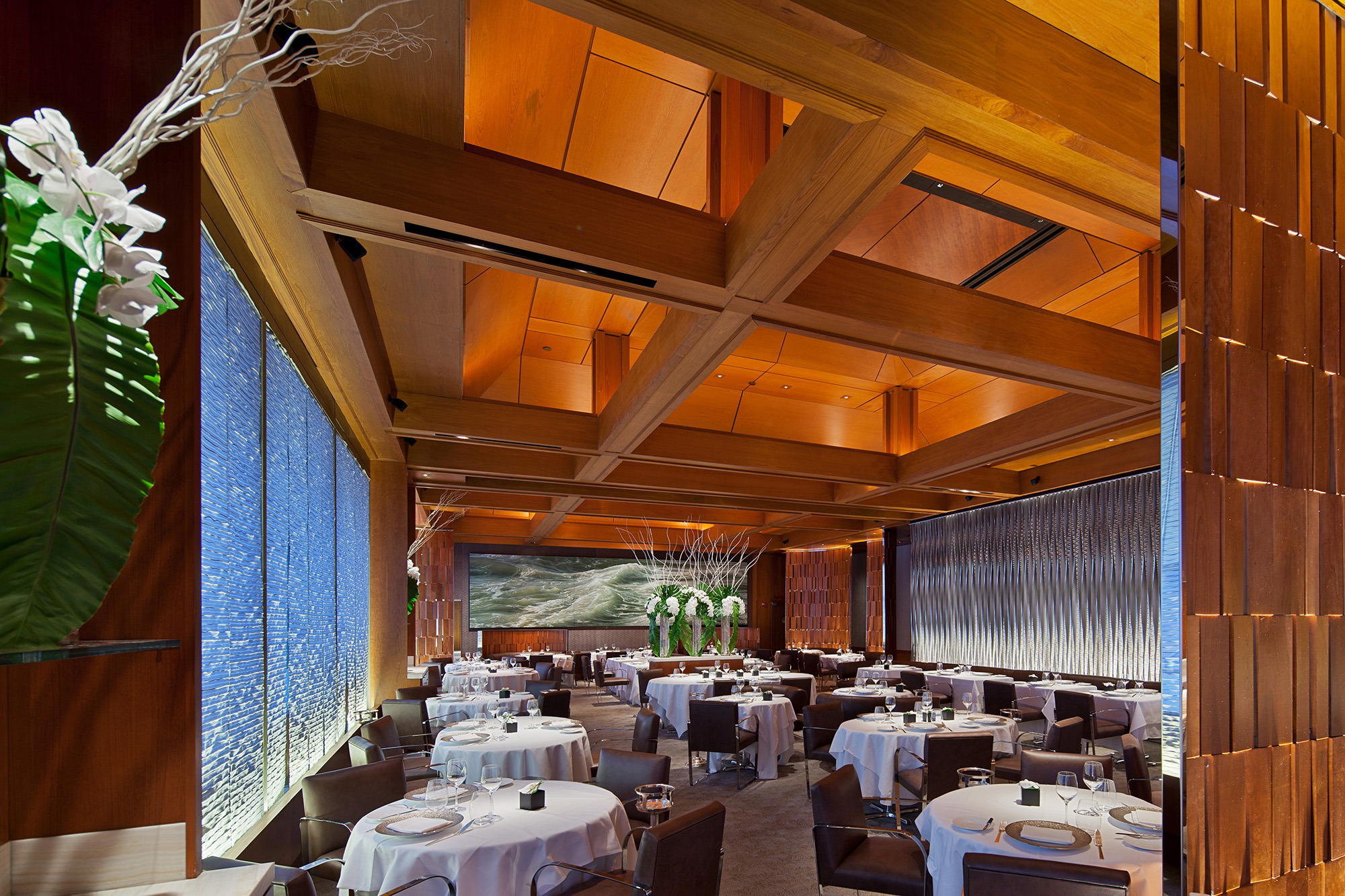
Interior architecture in serious New York dining rooms now does specific work. It signals price tier, pacing, and the degree of theatre the kitchen intends to deliver. The transition away from white tablecloth grandeur toward material-led, often dimmer, more intimate spatial arrangements has been documented across the city's better-reviewed rooms. Per Se, with its salon-style seating and Central Park sightlines, and Le Bernardin, with its long-standing commitment to formal but untheatrical comfort, represent the established end of that spectrum. Newer entrants operate in a different register entirely.
At 16 E 39th St, the address itself is the first spatial cue. Midtown blocks of this kind tend toward narrow, deep floor plates with limited natural light, which pushes design decisions toward artificial atmosphere: warm lighting, textural surfaces, and seating arrangements that compress the room into something more intimate than the square footage might suggest. These are the conditions that have produced some of Manhattan's more interesting interior solutions in recent years, where constraint becomes a design brief.
Where Ramerino Sits in the New York Dining Picture
New York's restaurant scene has spent the last several years fragmenting into sharper sub-categories. At the apex, a small group of rooms, Per Se, Masa, Le Bernardin, hold multi-Michelin status and command price points that price against a global comparable set rather than a local one. Below that, a dense middle tier operates serious kitchens with genuine culinary ambition but without the awards infrastructure of the leading bracket. Jungsik New York and Atomix illustrate how that middle-upper tier functions: credentialed, precise, and typically operating in purpose-built spaces that communicate their seriousness through design before the first course arrives.
Ramerino's positioning within this picture is worth examining without the shorthand of awards data, which is not confirmed at this time. The East 39th Street location places it in a neighborhood where foot traffic from Grand Central, the nearby corporate offices, and the Bryant Park corridor creates a daytime and early-evening audience that is different in character from the destination diners who plan months ahead to reach rooms in other parts of the city. That audience tends to value consistency, clear spatial comfort, and a room that functions as a backdrop to conversation rather than a spectacle in its own right. For a comparable pattern in other American cities, the mid-block serious room dynamic appears in venues like Bacchanalia in Atlanta and Addison in San Diego, both of which built reputations through sustained kitchen quality rather than location premium.
The Broader American Context
Midtown Manhattan is not alone in producing this category of restaurant: the serious, address-specific room that operates without the critical apparatus of the city's most-covered districts. Across the country, the restaurants that have accumulated particularly durable reputations tend to be those that chose their spatial and culinary logic early and held to it. The French Laundry in Napa, Alinea in Chicago, and Blue Hill at Stone Barns in Tarrytown each made deliberate decisions about their physical containers, the building, the setting, the room proportions, that became inseparable from their culinary identities. Single Thread Farm in Healdsburg and Providence in Los Angeles operate on a similar logic: the space is a thesis, not a backdrop.
For New York specifically, the conversation about design-led dining has been shaped by international reference points as much as domestic ones. The compressed, material-precise rooms of Tokyo's omakase counters and the grand European dining room tradition, exemplified at its most sustained by Alain Ducasse at Louis XV in Monte Carlo and the Italian-rooted approach visible in Milan's serious rooms and in 8½ Otto e Mezzo Bombana in Hong Kong, have all left marks on how New York's better rooms think about their interiors. The name Ramerino, which references rosemary in Italian, places the restaurant in a culinary tradition with clear European roots, a signal worth noting when reading the space's likely design vocabulary.
Planning Your Visit
Ramerino is located at 16 E 39th St, New York, NY 10016, in the Murray Hill/Midtown South pocket that sits between Grand Central Terminal and the Bryant Park area, making it accessible from multiple subway lines. Reservations are recommended. Dress code: business casual. Budget: Expect about $60 per person. For a broader orientation to the city's dining options across all price tiers and neighborhoods, see our full New York City restaurants guide.
The Short List
Comparable venues nearby, for context on price, style, and recognition.
| Venue | Cuisine | Price | Notes |
|---|---|---|---|
| RamerinoThis venue — the venue you are viewing | Not listed | $$$ | Not listed |
| Lavo | Not listed | $$$ | Midtown East, Modern Italian with Nightclub Experience |
| Rossini's | Not listed | $$$ | Murray Hill-Kips Bay, Northern Italian Trattoria |
| Altesi | Not listed | $$$ | Upper East Side-Carnegie Hill, Tuscan-Inspired Italian |
| Sotto la Luna | Not listed | $$$ | Astoria (Central), Modern Italian Neapolitan Pizza |
| Serafina 38th | Midtown-Times Square, Italian Trattoria | $$$ | Not listed |
Continue exploring
More in New York City
Restaurants in New York City
Browse all →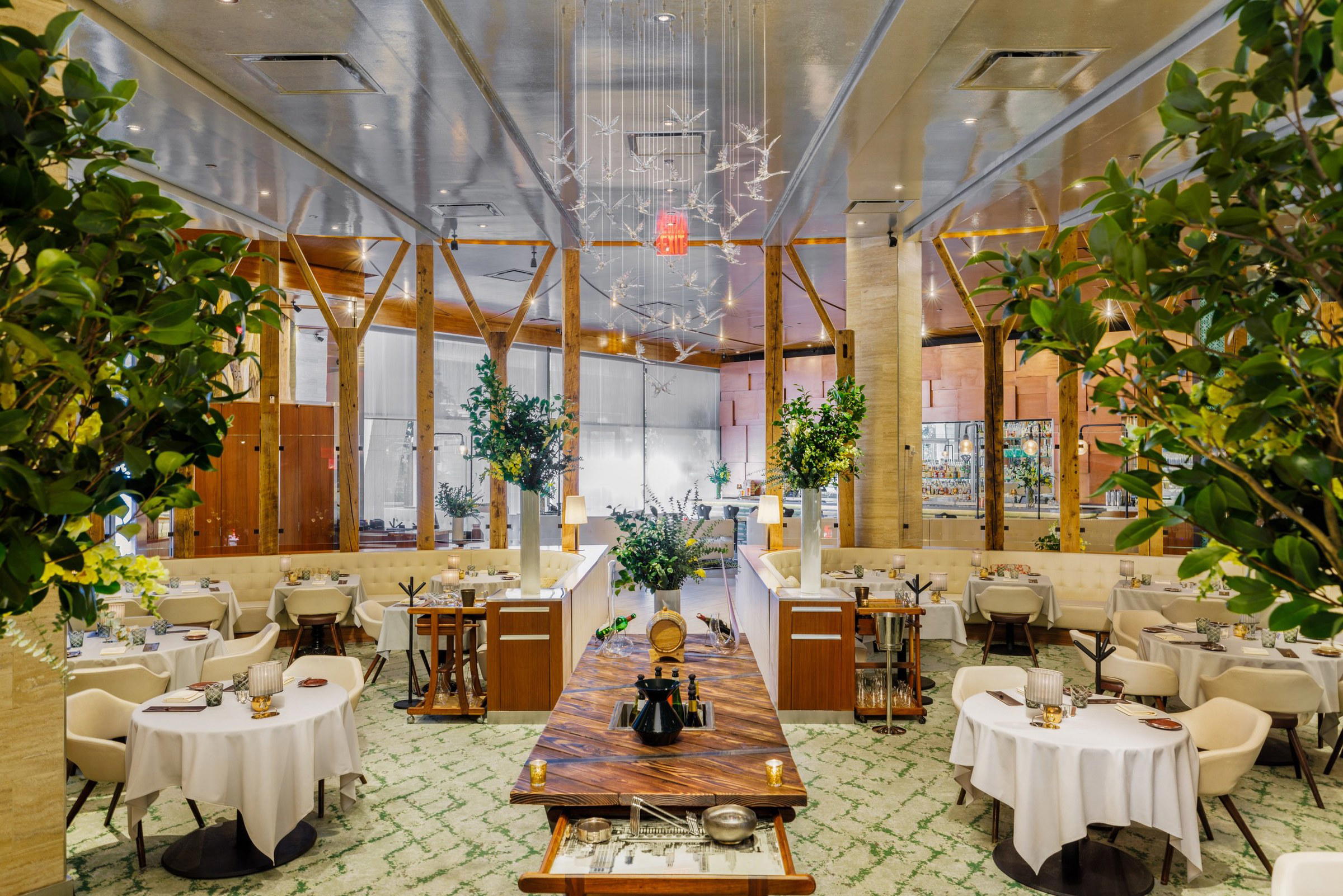
Bars in New York City
Browse all →
Hotels in New York City
Browse all →





At a Glance
- Elegant
- Cozy
- Sophisticated
- Rustic
- Business Dinner
- Special Occasion
- Group Dining
- Open Kitchen
- Private Dining
- Terrace
- Extensive Wine List
Current opening hours
- Monday
- 8–11:30 AM, 12–3:30 PM, 4:30–10:30 PM
- Tuesday
- 8–11:30 AM, 12–3:30 PM, 4:30–10:30 PM
- Wednesday
- 8–11:30 AM, 12–3:30 PM, 4:30–10:30 PM
- Thursday
- 8–11:30 AM, 12–3:30 PM, 4:30–10:30 PM
- Friday
- 8–11:30 AM, 12–3:30 PM, 4:30–10:30 PM
- Saturday
- 8 AM–12 PM, 4:15–10:30 PM
- Sunday
- 8–11:30 AM, 12–3:30 PM, 4:30–10:30 PM
Hours can change for holidays and private events. Last verified .
Upscale Tuscan ambiance with warm lighting and elegant design evoking Italian countryside charm.