Our verdict
On Maqbool Road in Amritsar, this counter-format stall represents the kulcha tradition in its most direct form: wood-fired clay ovens, simple seating, and a bread whose quality depends entirely on the wheat sourced from Punjab's agricultural belt. It draws locals and visitors who track down street-level Amritsari cooking rather than restaurant interpretations of it.

Pearl is the En Primeur Club membership app — saves, bookings, and concierge access live there. Same editors, same standards.
- Address
- JVX9+VQG, Maqbool Road, near Race Course Road, crossing, Amritsar, Punjab 143001, India
- Hours
- Daily 9 AM–4 PM
- Directions
- Get directions
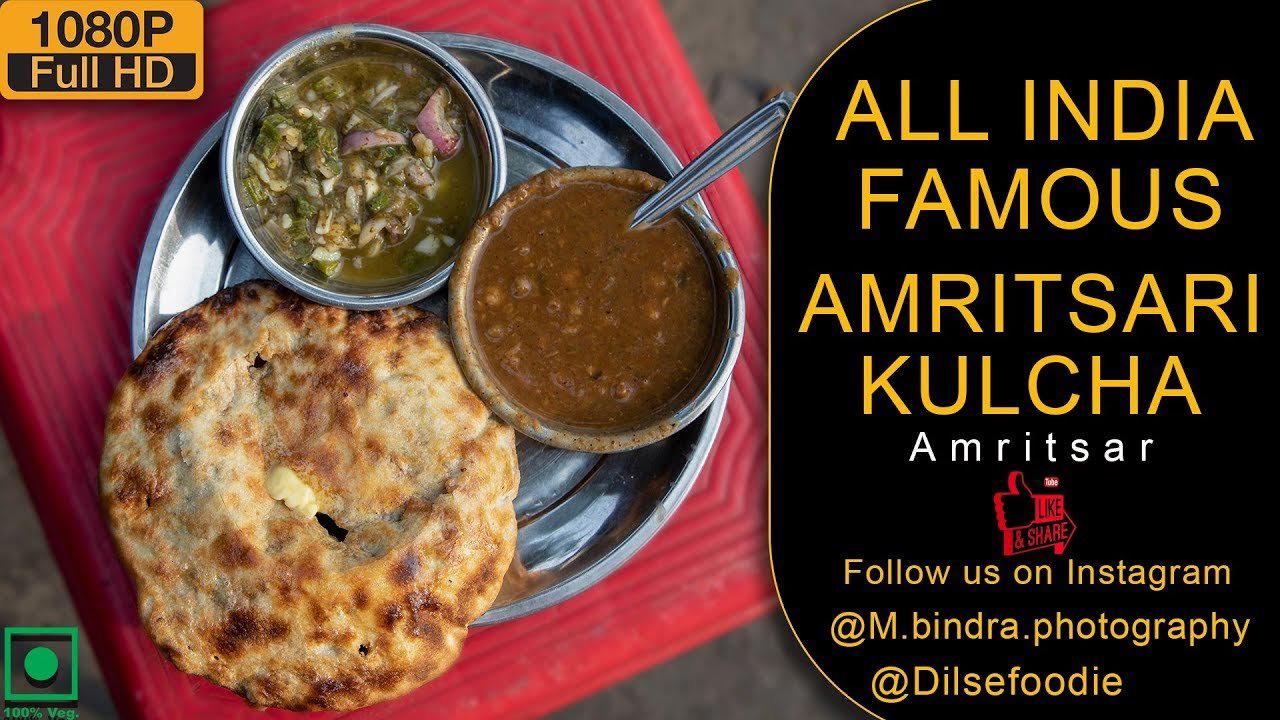
The menu
What to order
- Amritsari Kulcha with Chole
- Mixed Kulcha
- Paneer Kulcha
- Vegetable Kulcha
Where Punjab's Wheat Culture Becomes Breakfast
Approach Maqbool Road in the morning hours and the signals are sensory before they are visual. The smell of wood smoke and charred flour moves ahead of any signage. Amritsar runs on kulcha in a way that few Indian cities run on a single bread, and the stalls clustered near Race Course Road crossing represent the working centre of that tradition. All India Famous Amritsari Kulcha operates in this dense, informal corridor where the quality of the product, not the presentation of the space, determines whether locals return the next morning.
This matters as context: Amritsari kulcha is not a restaurant dish that migrated to the street. It is a street tradition that restaurants have occasionally attempted to translate upward, with mixed results. The clay tandoor at a street-level stall operates differently from a commercial kitchen oven. The crust behaviour, the internal steam, the char pattern on the base of the bread — these are functions of a specific wood-fire technique that has been refined over generations of daily production rather than menu development cycles. For a broader read on how Amritsar's food culture positions itself within the northern Indian dining conversation, see our full Amritsar restaurants guide.
The Sourcing Argument Behind a Simple Bread
Kulcha is, at its structural core, a leavened wheat bread stuffed with spiced potato or paneer, cooked against the inner wall of a tandoor. The simplicity of that description is deceptive. Punjab is one of India's primary wheat-producing states, and Amritsar sits within a region where the local wheat supply, milled flour quality, and seasonal variation in grain directly shape what the bread tastes like at its base. A kulcha made in a city without that regional supply chain tastes different not because the technique has changed but because the raw material has.
This sourcing proximity is what gives Amritsar's street-level kulcha operations a structural advantage over metropolitan interpretations. When Farmlore in Bangalore frames its menu around agricultural sourcing as a deliberate editorial stance, or when Naar in Kasauli builds its identity around Himalayan forage and regional produce, they are making a choice. On Maqbool Road, the sourcing proximity is not a positioning decision. It is simply the condition of operating here. The wheat comes from the surrounding belt because that is what is available, affordable, and what the local palate expects.
The chickpea curry served alongside the kulcha operates by the same logic. Dried chickpeas, cooked slowly until they hold a gravy with depth, dressed with raw onion, green chutney, and butter, is a dish whose quality ceiling is determined by the legume itself. In a region with established pulse agriculture and daily turnover at the stall level, the chickpeas are not premium-sourced in any curated sense, but they are fresh-cycled and locally anchored in a way that produces consistent results.
The Counter Format and What It Demands of the Diner
Street-stall dining in Amritsar requires a different frame of reference than a sit-down restaurant experience. There is no reservation process at operations like this. Arrival timing is the booking system: come early in the morning when the tandoor is at optimal heat and the day's production is fresh, or accept that popular items will be gone. This is a format where the diner absorbs the logic of the kitchen rather than the reverse.
The contrast with more structured dining formats elsewhere in India is instructive. Adaa at Falaknuma Palace in Hyderabad and Inja in New Delhi represent the end of the spectrum where Indian culinary tradition is filtered through formal service architecture and tasting formats. Kappa Chakka Kandhari in Chennai and Leela Kerala Terrace in Trivandrum occupy a middle register where regional specificity meets a more deliberate dining context. The kulcha stall sits outside all of that taxonomy, in a category where production volume, speed, and daily consistency to a local audience are the operating metrics.
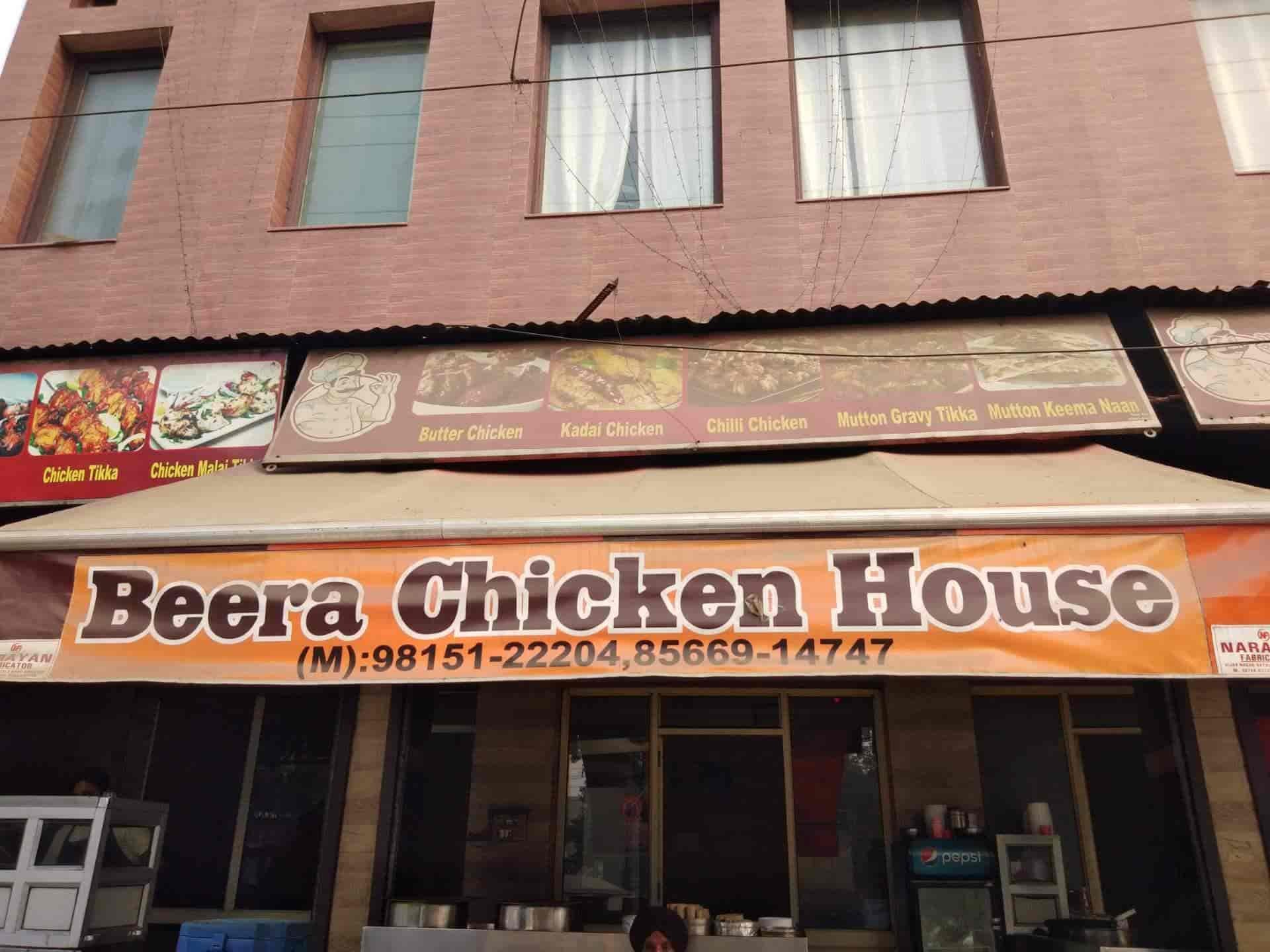
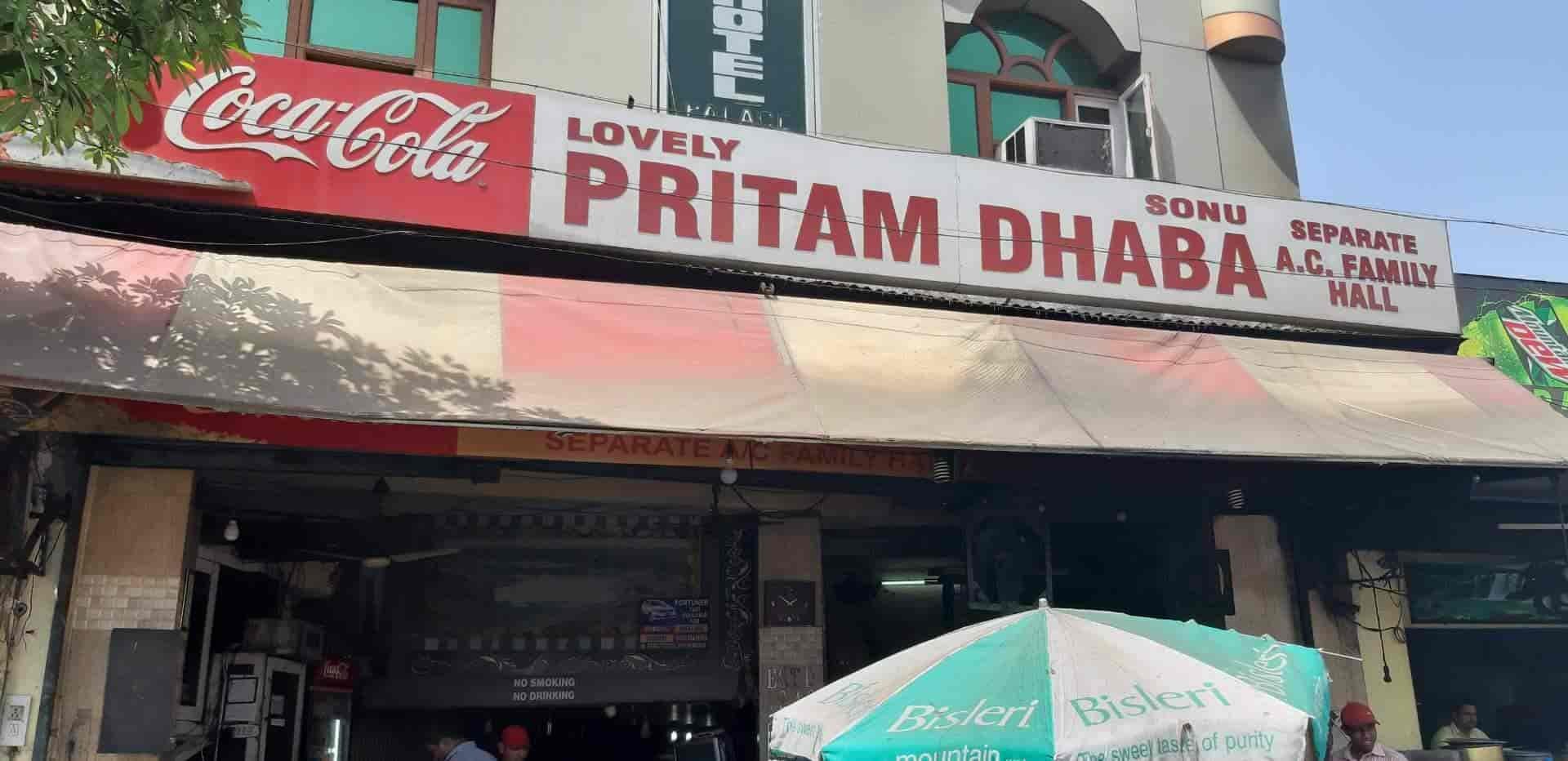
Within Amritsar itself, the comparison set is other street-level operations. Beera Chicken House and Pritam Dhaba serve different registers of Punjabi cooking, with Beera operating as a counter-service chicken specialist and Pritam Dhaba representing the dhaba format at a larger scale. The kulcha stall addresses a morning meal category that neither of those covers.
Amritsar's Kulcha Tradition in the Wider Punjab Context
Across Punjab, kulcha varies by district in ways that matter to people who eat it regularly. Amritsar's version is distinguished by its stuffing ratio, its higher butter application, and the specific char profile that comes from the local tandoor tradition. Ludhiana and Jalandhar produce kulcha, but Amritsar's version carries a regional identity that has been reinforced by decades of local reputation. This is not a case where a single venue made the dish famous. It is a case where a city's cooking culture collectively established a standard, and individual stalls operate within that standard with varying degrees of consistency.
The comparison extends further across India's ingredient-driven restaurant conversation. Dining Tent in Jaisalmer and Palaash in Yavatmal each work with hyper-local ingredients within their respective regional frameworks. Bomras in Anjuna imports Burmese culinary logic into a Goan setting. At the street level, the ingredient logic is less articulated but no less real. The kulcha at Maqbool Road works because the regional ingredient supply is doing its job quietly.
For context on how Punjab fits within the wider northern Indian dining conversation, Neel in Patiala offers a more formal read on Punjabi cuisine's capacity for refinement, while Ran Baas The Palace in Qila Mubarak frames Punjabi heritage cooking through a palace-dining lens. Both are useful points of comparison if you are building a longer Punjab itinerary that moves between street and formal registers.
Planning Your Visit
Maqbool Road near Race Course Road crossing is accessible from the city centre by auto-rickshaw. Morning visits, timed to the opening hours of the tandoor, produce the leading results: the bread comes off the clay wall at its structural peak before extended holding affects the crust. No booking infrastructure exists. No phone number or website is publicly listed for this operation. The model is walk-in, order at the counter, eat standing or on the bench seating that is typically available, and pay in cash. Price points at operations of this format in Amritsar are among the lowest in the city's food ecosystem, making it accessible regardless of budget. Dress code and dress expectations are entirely informal.
Visitors who want to extend their time in India's dining conversation beyond Punjab will find useful orientation at Americano in Mumbai, The Malabar House in Fort Cochin, or, for a reference point on how ingredient-driven cooking operates at the fine dining end of the global spectrum, Le Bernardin in New York City and Lazy Bear in San Francisco.
Frequently asked questions
Where exactly is All India Famous Amritsari Kulcha?
All India Famous Amritsari Kulcha is located at JVX9+VQG, Maqbool Road, near Race Course Road, crossing, Amritsar, Punjab 143001, India, Amritsar.
How does All India Famous Amritsari Kulcha compare to other kulcha counters in Amritsar?
Amritsar has a concentration of kulcha counters along Maqbool Road and surrounding lanes, each with a loyal local following. What sets street operations in this cluster apart is proximity to the city's wheat-sourcing tradition and the open tandoor format, which regulars use as a quality signal. The name 'All India Famous' reflects the category-level reputation that Amritsar's kulcha has earned across India, rather than a formal award or certification.
What's the best thing to order at All India Famous Amritsari Kulcha?
Order the kulcha: a tandoor-fired stuffed bread served with chickpea curry and a knob of butter. Amritsar's version is distinguished by its stuffing ratio and the direct-wall tandoor method, which produces a char and chew that oven-baked versions do not replicate. Potato and paneer fillings are the standard options at counters of this type on Maqbool Road.
What's the best way to book All India Famous Amritsari Kulcha?
No booking system operates at this street counter on Maqbool Road, Amritsar. Arrive early in the morning, when the tandoor is freshest and queues are shortest. During peak winter tourist season, expect to wait — the counter serves on a walk-up, first-come basis only.
Fast Comparison
| Venue | Cuisine | Price | Awards | Notes |
|---|---|---|---|---|
| All India Famous Amritsari KulchaThis venue — the venue you are viewing | Traditional Punjabi Amritsari Kulcha | $1–10 | Not listed | Not listed |
| Bukhara | North West Frontier Tandoori | $30–50 | World's 50 Best #37 · La Liste Top Restaurants | Modern Indian |
| Indian Accent | Modern Indian Fine Dining | $50–100 | World's 50 Best #46 · La Liste Top Restaurants | Indian |
| Dum Pukht | Awadhi Dum Pukht Fine Dining | $50–100 | World's 50 Best #89 · La Liste Top Restaurants | Indian |
| Varq | Contemporary Indian Fine Dining with Molecular Fusion | $100–150 | Not listed | International |
| Karavalli | Coastal South Indian Seafood | $20–30 | La Liste Top Restaurants | Indian |


Details
- Rustic
- Well Known
- Brunch
- Casual Hangout
- Group Dining
- Open Kitchen
- A La Carte
- Vegetarian Friendly
Current opening hours
- Monday
- 9 AM–4 PM
- Tuesday
- 9 AM–4 PM
- Wednesday
- 9 AM–4 PM
- Thursday
- 9 AM–4 PM
- Friday
- 9 AM–4 PM
- Saturday
- 9 AM–4 PM
- Sunday
- 9 AM–4 PM
Hours can change for holidays and private events. Last verified .
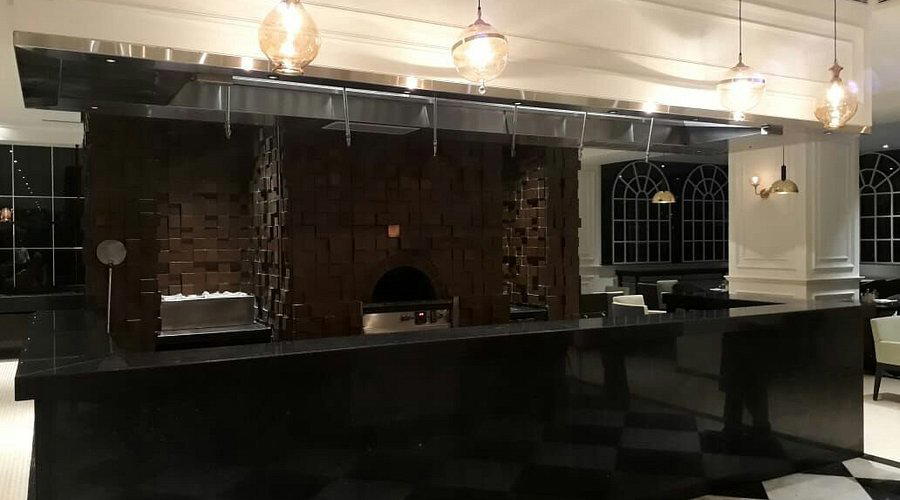
Humble, traditional dhaba setup with open seating using plastic chairs and wooden tables, firewood tandoor visible next to the dining area, warm and bustling atmosphere especially on Sunday mornings.