Our verdict
Opposite Amritsar railway station, Pritam Dhaba has fed generations of Punjabi travellers the kind of dal makhani and tandoori fare that defined the dhaba format long before it became a reference point for restaurant menus across India. The setting is utilitarian by design, the food is the argument, and the ritual of eating here carries the weight of a city-specific tradition that no amount of restaurant polish can replicate.

Pearl is the En Primeur Club membership app — saves, bookings, and concierge access live there. Same editors, same standards.
- Address
- opp. RAILWAY STATION, INA Colony, Amritsar, Punjab 143001, India
- Phone
- +91 79739 02225
- Hours
- Daily 8 AM–1:30 AM
- Website
- google.com
- Directions
- Get directions
- Booking
- Book on the venue's website
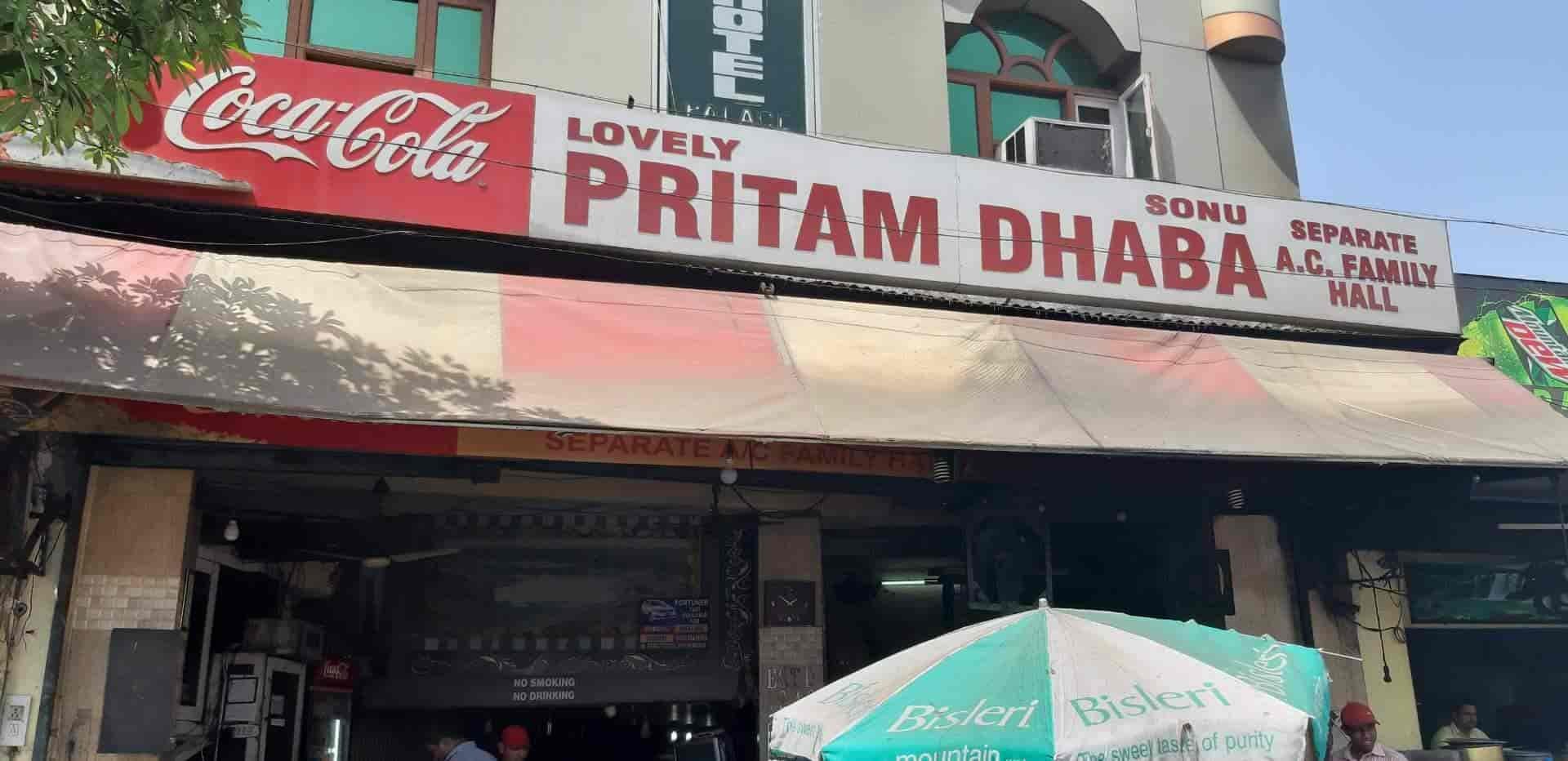
Where the Platform Ends and Punjab Begins
Railway-adjacent dhabas occupy a particular place in Indian food culture. They are not restaurants that happen to be near a station; they are institutions shaped by the rhythm of arrivals and departures, calibrated to feed people who are hungry, often in a hurry, and who have clear expectations about what Punjabi cooking should taste like. Pritam Dhaba, positioned directly opposite Amritsar Junction on INA Colony, sits squarely inside that tradition. The station is one of the busiest rail gateways into Punjab, handling pilgrims bound for the Golden Temple, traders, and travellers crossing between Delhi and the northwest. The dhaba feeds that flow, and has done so across multiple decades.
The physical approach matters here. You cross the road from the station forecourt, and the shift from transit infrastructure to the dhaba's wooden benches and open kitchen is abrupt in the way that only genuinely functional eating places can be. There is no threshold designed to signal arrival. You are simply there, inside the noise and the smoke and the smell of a tandoor that has been running since morning.
The Dhaba Ritual and What It Demands of You
Eating at a dhaba like Pritam follows a set of unspoken conventions that differ meaningfully from both the formal restaurant meal and the casual café stop. You seat yourself. You flag down whoever is moving. The menu, where one exists at all, is a shorthand for a longer oral tradition of what the kitchen does well. In Amritsar, that tradition centres on a specific repertoire: dal makhani slow-cooked over hours, tandoori rotis pulled from a clay oven, Amritsari fish, and the kind of butter-forward curries that gave Punjabi cooking its international profile long before chefs at formal Indian restaurants began citing the region as an influence.
The pacing is dictated by the kitchen, not the diner. Dishes arrive when they are ready. Sharing is assumed. The correct move is to order more bread as soon as the first basket is finished, because the bread here is the vehicle, not the accompaniment. This is a meal structured around repetition and refilling rather than the arc of courses. It is a format that rewards those willing to sit with it rather than move through it.
Amritsar's dhaba culture is distinct even within Punjab. The city's position as a pilgrimage destination means its food has always been produced at volume, for mixed audiences, across long hours. That pressure tends to produce either shortcuts or confidence. The establishments that have lasted around the railway station have largely survived because they learned confidence. For context on what ambitious Punjabi cooking looks like at the opposite end of the format spectrum, Neel in Patiala and Ran Baas The Palace in Qila Mubarak both work with the same regional pantry in more structured settings.
The Food as Argument
Punjabi dhaba cooking has been both the origin point and the reference standard for a significant portion of North Indian restaurant menus globally. When chefs at places like Inja in New Delhi or Farmlore in Bangalore cite regional specificity as a value, they are, in part, tracing a lineage back to kitchens like this one. The dhaba format predates the fine-dining Indian canon and in some respects informed it.
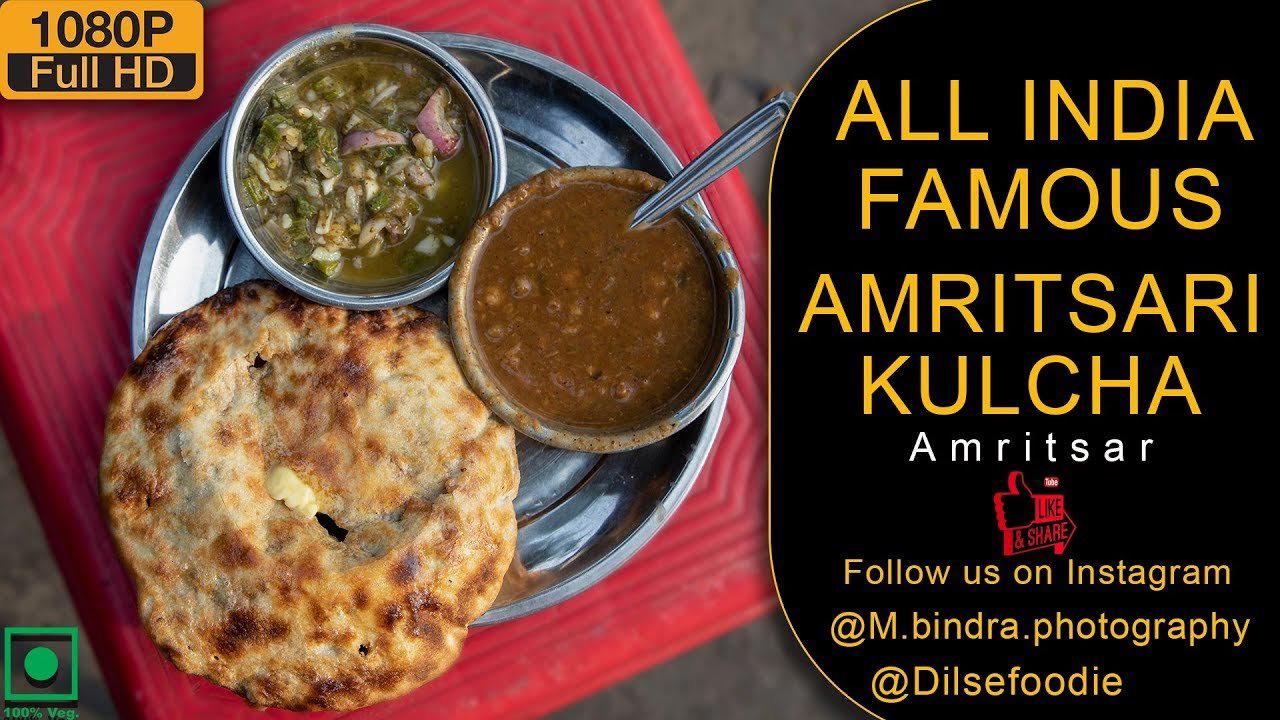
At Pritam, the food categories that matter are the ones that have always mattered at this type of establishment: lentils, bread, char, and fat. Dal makhani in the Amritsar style is not a quick preparation. The version associated with the city involves extended slow-cooking, often overnight, and a finishing richness that differs from restaurant adaptations in texture and depth. Amritsari kulcha, though associated with specialist spots like All India Famous Amritsari Kulcha elsewhere in the city, appears in dhaba form here as part of a broader bread offering. The tandoori preparations, including fish marinated in the city's characteristic spice profile, represent the other pillar of what Amritsar does that other cities do not replicate precisely.
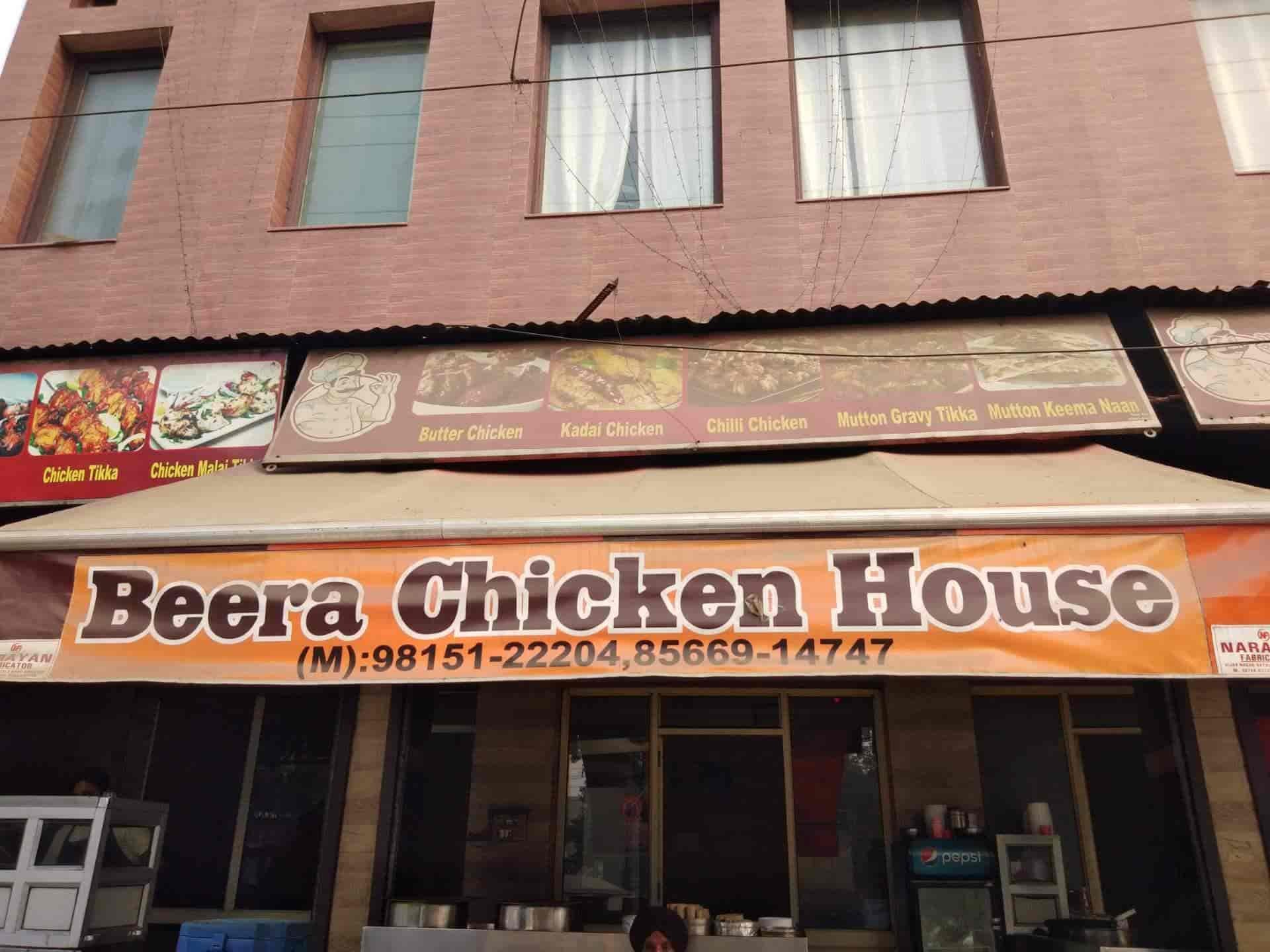
For chicken, Amritsar has its own reference points: Beera Chicken House operates in a parallel register within the city's informal food culture, and the two establishments together sketch the range of what serious, non-restaurant Punjabi cooking looks like in the city. For a broader map of where Pritam sits within the city's eating options, see our full Amritsar restaurants guide.
Placing Pritam in a Wider Frame
India's premium dining scene has moved steadily toward regional specificity, heritage technique, and the kind of ingredient focus that formal menus like Kappa Chakka Kandhari in Chennai, Adaa at Falaknuma Palace in Hyderabad, or The Malabar House in Fort Cochin have built their reputations around. The irony is that the dhaba format encoded much of what those menus are now trying to recover: produce-driven simplicity, technique built through repetition rather than formal training, and a direct relationship between kitchen output and diner expectation. At the opposite end of the global spectrum, the precision of Le Bernardin in New York City or the format experimentation of Lazy Bear in San Francisco represent what happens when dining ritual becomes the explicit subject of a restaurant concept. The dhaba achieves something adjacent through entirely different means: the ritual is so embedded it requires no framing.
That is not nostalgia as an argument. It is a structural observation about what the format does and why it continues to draw people who have other options. Travellers passing through Amritsar with access to the city's full dining range, from hotel restaurants to the more considered spots, still tend to stop at places like Pritam because the experience is of a different category entirely. The comparison set for establishments like Dining Tent in Jaisalmer or Bomras in Anjuna is built around a specific atmosphere and culinary register that cannot be replicated by moving the food to a different room.
Planning Your Visit
Pritam Dhaba sits directly opposite Amritsar Junction railway station on INA Colony, making it one of the most direct dining stops in the city for anyone arriving by train. The address places it within walking distance of the station forecourt, no transport required. Given the nature of the establishment and the tradition of railway-adjacent dhabas in India, the expectation is walk-in service without reservation. Arriving at off-peak hours, outside the main lunch rush and the post-arrival surge from afternoon trains, typically means faster seating and a slightly calmer environment. Prices at dhaba-format establishments in Amritsar sit well below the city's hotel dining options, and payment in cash remains the norm at operations of this type. No website or phone contact is listed for Pritam, which is consistent with the format: the dhaba does not require advance planning on your part, only your presence.
Frequently asked questions
Where is Pritam Dhaba in Amritsar?
Pritam Dhaba is located at opp. RAILWAY STATION, INA Colony, Amritsar, Punjab 143001, India, Amritsar.
Is Pritam Dhaba a good option for eating near Amritsar Junction between trains?
Pritam Dhaba sits directly opposite Amritsar Junction on INA Colony, making it one of the most accessible food stops for passengers with a layover or a short connection window. Railway-adjacent dhabas in Punjab are structured precisely for this use case — fast service, complete Punjabi meals, and no booking required. The location removes the logistical problem of travelling away from the station to find a meal.
What do people recommend at Pritam Dhaba?
Pritam Dhaba is a Punjabi railway dhaba, which means the kitchen centres on the category of dishes that made Punjab's cooking a global reference: dal, sabzi, roti cooked over live fire, and robust meat preparations. Ordering along those lines rather than deviating toward multi-regional options is the approach most regular visitors take at establishments of this type.
Is Pritam Dhaba reservation-only?
Dhabas of this type — operating opposite a busy rail terminus like Amritsar Junction — do not run reservation systems. Seating turns over continuously throughout the day as trains arrive and depart. Arriving during peak hours around meal times means short waits are possible, particularly for larger groups.
What's the standout thing about Pritam Dhaba?
The address itself is the defining credential: directly opposite Amritsar Junction on INA Colony, placing it inside the tradition of railway-adjacent dhabas that have historically fed travellers, railway workers, and locals on a single continuous basis. That positioning shapes everything from the cooking pace to the no-ceremony service format that regular visitors expect and value.
Is Pritam Dhaba worth it?
For anyone passing through Amritsar Junction, a dhaba directly opposite the station that operates within the Punjabi cooking tradition is a more coherent choice than a restaurant meal in a hotel or a tourist-oriented spot further from the platform. The value case for dhabas of this type rests on category authenticity rather than on price alone. No awards or formal ratings are on file for Pritam Dhaba, so the case rests on context: Amritsar is the originating city for much of what the world recognises as Punjabi food, and this is a working dhaba inside that tradition.
Cuisine and Credentials
Comparable venues nearby, for context on price, style, and recognition.
| Venue | Cuisine | Price | Notes |
|---|---|---|---|
| Pritam DhabaThis venue — the venue you are viewing | Traditional Punjabi Dhaba | $1–10 | Not listed |
| Beera Chicken House | Punjabi Tandoori Chicken | $1–10 | Bhawani Nagar |
| All India Famous Amritsari Kulcha | Traditional Punjabi Amritsari Kulcha | $1–10 | Purani Chungi, Basant Avenue / Maqbool Road |
| Dilli StreEAT | Indian Street Food | Not listed | Indira Gandhi International Airport |
| The Brew Estate Pathankot | Indian Gastropub with Global Fusion | $10–20 | Dhangu Road |
| Krishna Chat Bhandar | Delhi-Style Chaat | $1–10 | New Shastri Nagar, Abrol Nagar, Patel Nagar |


Details
- Rustic
- Lively
- Well Known
- Casual Hangout
- Family
- Standalone
- Historic Building
- Street Scene
- A La Carte
- Vegetarian Friendly
Current opening hours
- Monday
- 8 AM–1:30 AM
- Tuesday
- 8 AM–1:30 AM
- Wednesday
- 8 AM–1:30 AM
- Thursday
- 8 AM–1:30 AM
- Friday
- 8 AM–1:30 AM
- Saturday
- 8 AM–1:30 AM
- Sunday
- 8 AM–1:30 AM
Hours can change for holidays and private events. Last verified .