144.


Michelin Plate · Macarfi 7.9 Food Rating
Our verdict
144. takes its name from a simple formula: 12 dishes multiplied by 12 signature cocktails. The result is one of Vitoria-Gasteiz's more adventurous dining formats, built around a constantly shifting fusion menu that draws from Korean BBQ, Iberian offal traditions, and points well beyond. A Michelin Plate recognition in 2025 confirms it has found a serious audience for its playful logic.

Pearl is the En Primeur Club membership app, where members save venues, book tables and use the concierge.
The menu
What to order
- Costilla de cerdo con BBQ Koreana
- Guiso de manitas y oreja con cigala
The Arithmetic of Fusion in Vitoria-Gasteiz
San Antonio Kalea is not the street most visitors associate with Vitoria-Gasteiz's dining identity. The city has built a quiet but genuine reputation on the back of traditional Basque cooking and polished contemporary menus, with houses like Andere (Traditional Cuisine) and Zaldiarán (Contemporary) anchoring expectations at the €€€ tier. Against that backdrop, 144. reads as a deliberate departure: a restaurant that names itself after a multiplication table and means it architecturally, pairing 12 dishes against 12 signature cocktails to produce the number that becomes its identity. That conceptual clarity, unusual in a city where menus tend to speak through produce and region rather than formula, signals where the kitchen's priorities lie before you sit down.
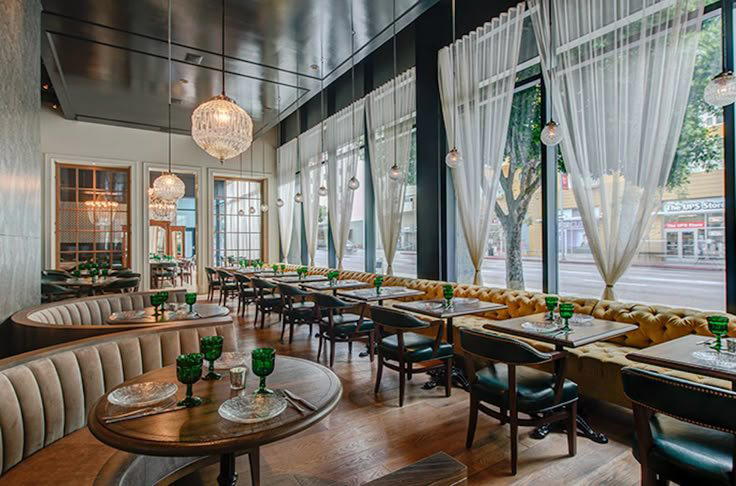
The room itself is modern and spare, the kind of interior that keeps the visual noise low so the food can carry the argument. Where Basque tradition tends to insist on local materials and a certain solemnity of place, 144. operates with lighter staging: the focus is on what arrives at the table and in the glass, not on the surfaces around them. For a city that has historically measured fine dining in kilograms of local ingredient per course, this is a meaningful shift in register.
What Goes Into the Kitchen, and From Where
The editorial interest in 144. sits less in its Michelin Plate recognition (awarded in 2025 and a confirmation that the kitchen is cooking at a consistent standard) and more in what the menu reveals about ingredient logic. Fusion cuisine, as a category, spans an enormous range of quality and intention. At its weakest end it imports flavours without understanding their original sourcing context. At 144. the evidence from the menu structure suggests a more considered approach: ingredients are chosen for their textural and flavour compatibilities across traditions, rather than for novelty alone.
Pairing of pig's ear and pig's trotters with grilled crayfish is an instructive example. Both halves of that dish have deep roots in specific food cultures, slow-cooked offal cookery is central to Castilian and Basque peasant traditions, while freshwater crayfish carry their own regional identity in Spanish cooking. Putting them together under a single preparation asks each ingredient to carry its sourcing story into an unfamiliar context. The same logic runs through the deboned pork rib served with Korean BBQ sauce, grilled lettuce, and coriander: the pork is doing something it recognises (slow-cooked, reduced, fatty), but the sauce frame around it belongs to a fermentation and char tradition that developed thousands of miles east. What holds the dish together is the ingredient quality on both sides of that equation. Global influence handled carelessly tends to flatten local produce into a supporting role; the fact that this kitchen continues to earn Michelin recognition suggests the sourcing decisions are holding up under scrutiny.
In Spain's broader fusion dining conversation, restaurants like DiverXO in Madrid and Cocina Hermanos Torres in Barcelona operate at the starred end of that register, drawing from global ingredient pools with significant investment in provenance. 144. works at a different scale and price point, but the underlying question it poses to its kitchen, how do you make ingredients from different traditions speak to each other without losing either, is the same one that defines the category across the country.
The Menu Formats
Two tasting formats are available: a shorter menu at 17 courses and a longer one at 21. This is a meaningful structural choice. Multi-course menus in the Basque Country and beyond have proliferated to the point where length alone carries little signal. What matters is whether the course count reflects genuine narrative development in the ingredient choices, or simply more plates. At 144. the arithmetic of the format, always returning to the 12 x 12 logic, suggests that the sequence is designed with pairing in mind from the first course to the last. The cocktail programme is not incidental to the food; it is built into the architecture of the meal. That integration places 144. in a small cohort of Spanish restaurants, including Arzak in San Sebastián and Azurmendi in Larrabetzu, where the drinks programme is treated as a structural partner rather than an optional add-on, though 144. arrives at that position through cocktails rather than wine, which is itself a statement about its intended audience.
Among Vitoria-Gasteiz's comparable mid-range options, Kea Basque Fine Food holds the same €€ price bracket but focuses squarely on regional tradition. The two restaurants represent different answers to the same question about what a mid-price tasting menu in this city should do. Karmine (Modern Cuisine) sits at the €€€ tier and occupies more familiar contemporary Basque territory.
Internationally, the appetite for this kind of precision-fusion format shows up in restaurants like Loumi in Berlin and Haubentaucher in Rottach-Egern, where international sourcing and multi-cultural technique have found traction outside the major food capitals. 144. fits that wider European pattern: smaller cities, serious kitchens, menus that refuse to be geographically anchored.
Planning Your Visit
Frequently asked questions
What distinctions does 144. have?
144. has received recognition including: This simple, modern restaurant, which takes its unusual name by multiplying 12 dishes by a pairing of 12 signature cocktails, is one of the most bold dining options in the city, where a fun approach and global influences are very much to th….
Is 144. more mid-range or high-end?
Pricing at 144. is listed as €€.
What's the signature dish at 144.?
The menu rotates by design, but two dishes have appeared consistently enough to anchor the kitchen's identity: a stew of pig's ear and trotters with grilled crayfish, and a deboned pork rib finished with Korean BBQ sauce, grilled lettuce, and coriander sauce. Both reflect the restaurant's stated method of pairing European technique with global references across either the 17- or 21-course format.
Is 144. focused on a specific cuisine style?
144.
Where is 144. in Vitoria-Gasteiz?
144. is located at San Antonio Kalea, 33, 01005 Vitoria-Gasteiz, Araba, Spain, Vitoria-Gasteiz.
Can I walk in to 144.?
Walk-in availability at a restaurant running 17- or 21-course tasting menus with a structured cocktail pairing programme is limited by format rather than popularity alone, seatings require coordination across kitchen and bar. Advance booking is advisable. The restaurant is at San Antonio Kalea, 33, Vitoria-Gasteiz, and no phone or booking link is currently listed in public directories, so checking directly via the venue or a local concierge is the practical route.
Comparison Snapshot
| Venue | Cuisine | Price | Awards |
|---|---|---|---|
| 144.This venue (the venue you are viewing) | Modern Traveler Fusion | $50–100 | Michelin Plate · Macarfi 7.9 Food Rating |
| Andere | Modern Basque | Not listed | Michelin Plate · Macarfi 6.3 Food Rating |
| Karmine | Modern Basque Fine Dining | $50–100 | Michelin Plate · Macarfi 7.9 Food Rating |
| Kea Basque Fine Food | Traditional Basque Fine Food | $50–100 | Michelin Plate · Guía Repsol 1 Sol |
| Zaldiarán | Modern Basque Fine Dining | $50–100 | Michelin Plate · Macarfi 9 Food Rating |
Recognition history
Dated appearances from independent guides and award organizations, with the underlying list record or original source where available.
Michelin Plate
Michelin
Macarfi 7.9 Food Rating
Macarfi
Full recognition history (3 entries)
Michelin Plate
Michelin
Continue exploring
More in Vitoria-Gasteiz
Restaurants in Vitoria-Gasteiz
All restaurants in Vitoria-Gasteiz →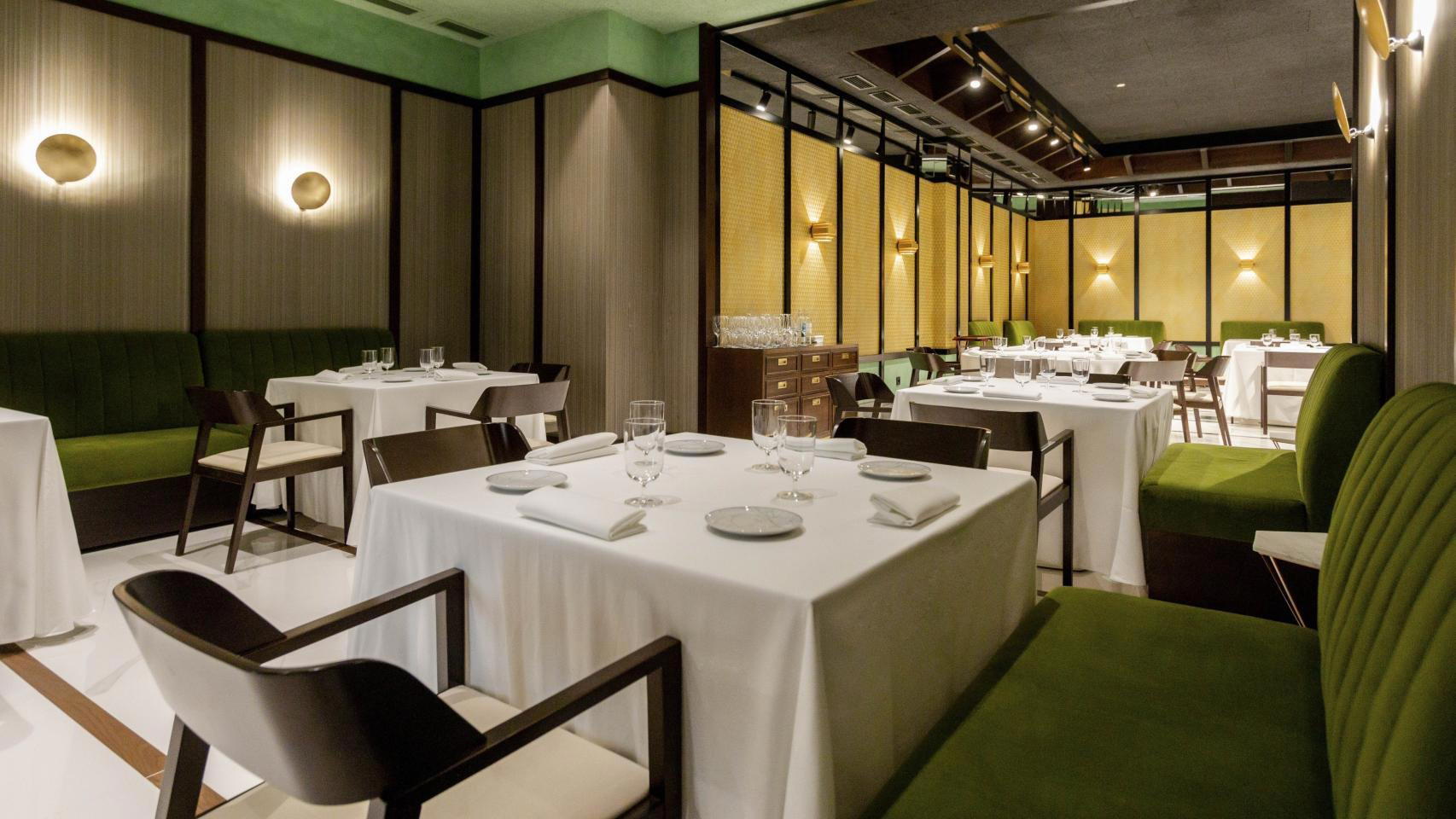
Bars in Vitoria-Gasteiz
Browse all →
Hotels in Vitoria-Gasteiz
Browse all →

Details
- Modern
- Trendy
- Sophisticated
- Intimate
- Date Night
- Special Occasion
- Open Kitchen
- Craft Cocktails
- Tasting Menu
- Small Plates
- Craft Cocktails
- Vegetarian Friendly
Current opening hours
- Monday
- Closed
- Tuesday
- 1–4 PM
- Wednesday
- 1–4 PM
- Thursday
- 1–4 PM, 8 PM–1 AM
- Friday
- 1–4 PM, 8 PM–1 AM
- Saturday
- 1–4 PM, 8 PM–1 AM
- Sunday
- Closed
Hours can change for holidays and private events. Hours as of .
Modern and quietly confident room with warm architectural lighting and a low hum of conversation, cultivating intimacy and sophistication without spectacle.