Our verdict
A Piedmontese Town and Its Approach to the Plate Ciriè sits in the flatlands north of Turin, a working provincial town where the rhythms of the Piedmontese agricultural calendar still shape what ends up on local tables. This is Langhe-adjacent...

Pearl is the En Primeur Club membership app, where members save venues, book tables and use the concierge.
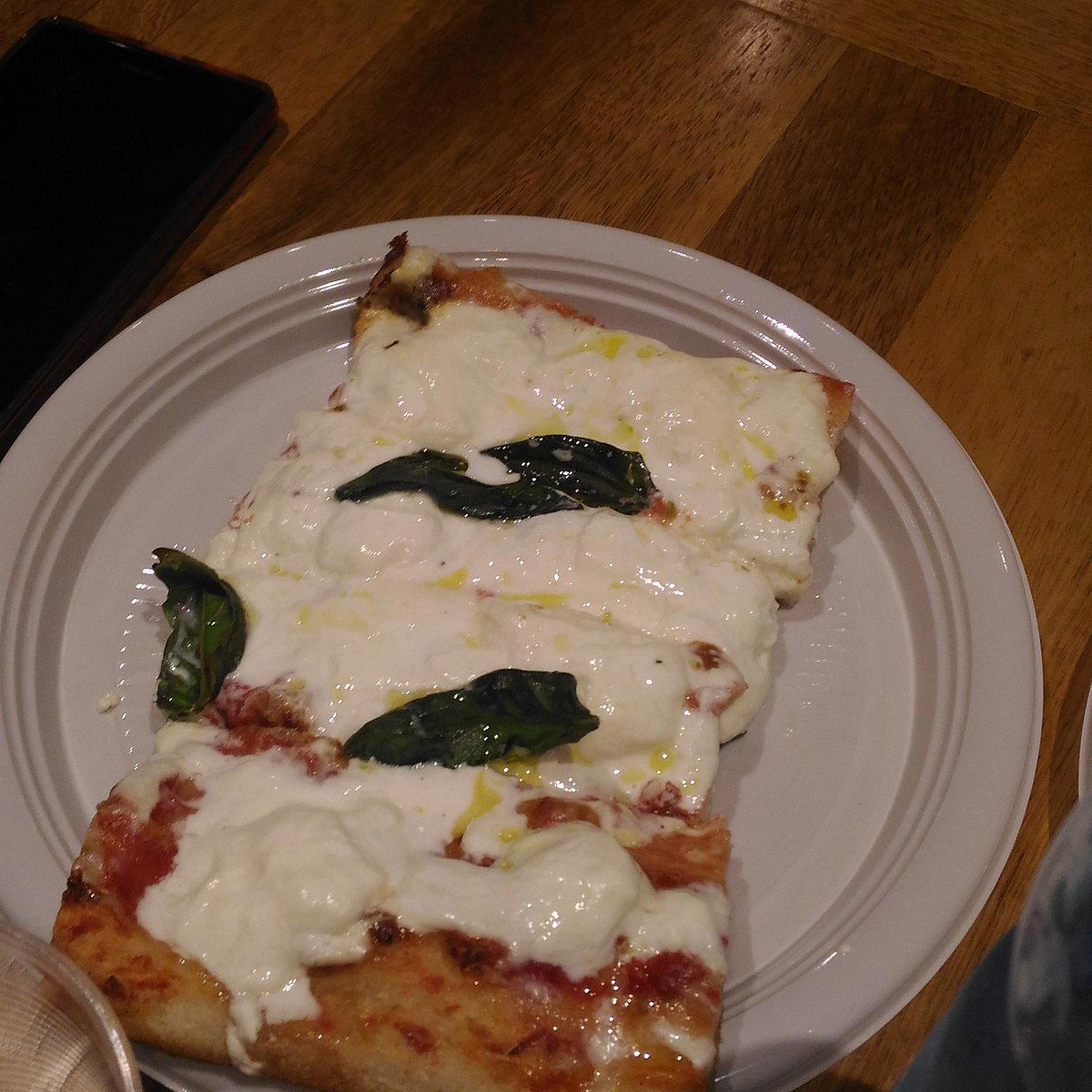
A Piedmontese Town and Its Approach to the Plate
Ciriè sits in the flatlands north of Turin, a working provincial town where the rhythms of the Piedmontese agricultural calendar still shape what ends up on local tables. This is Langhe-adjacent territory in spirit if not geography: close enough to the truffle fairs of Alba and the rice paddies of the Vercellese to benefit from exceptional raw ingredients, far enough from the gastronomic tourism circuit that dining here retains an unperformed quality. Al Taglio occupies a spot on Via Vittorio Emanuele II, the town's main artery, which places it squarely in the daily life of the community rather than in a dining-destination vacuum. Arriving on foot, the address reads like a neighbourhood institution rather than a destination restaurant, and that distinction matters when trying to understand what the place actually does.
Ingredients as Argument
Across northern Italy, the strongest case for eating outside the major cities is almost always made through sourcing. The producers who supply the Torinese wholesale markets often grow or raise their leading material for clients closer to home, and Piedmont's smaller towns have historically benefited from that proximity. Al Taglio, operating from a town that sits within reach of some of the region's most productive agricultural zones, is positioned to draw on exactly that kind of supply chain. The name itself, Al Taglio, translates loosely to "by the cut" or "by the slice" in Italian, a phrase most commonly associated with Roman-style pizza served in rectangular portions, though in Piedmontese contexts it can equally signal a relaxed, counter-service approach to food that prioritises freshness and throughput over ceremony.
The sourcing logic that defines the better Piedmontese tables is not complicated: shorter distances from farm to kitchen preserve what industrialised distribution erodes. The Canavese area, of which Ciriè is a part, has its own network of small-scale producers supplying vegetables, meats, and dairy with characteristics specific to the microclimate and soil. This is the same supply-chain thinking that underpins much more formally acclaimed restaurants in the region, from Piazza Duomo in Alba to the Langhe-adjacent producers who shape menus across the territory.
Where Al Taglio Sits in the Local Scene
Ciriè does not have the dining profile of Turin, Alba, or even Asti. For a fuller picture of what the town offers, our full Ciriè restaurants guide maps the options across formats and price points. Al Taglio occupies what appears to be the informal end of the spectrum: the address, the name, and the general character of the town suggest a place where the transaction is direct and the setting unpretentious. That positioning is not a limitation in Italy; it is often precisely where the most honest cooking happens.
The contrast with the region's higher-end tables is instructive rather than unflattering. Restaurants like Villa Crespi in Orta San Giulio or Da Vittorio in Brusaporto operate in the €€€€ tier with the infrastructure of formal fine dining: tasting menus, extensive wine cellars, dedicated service teams. Al Taglio occupies a different register entirely, one where the calculus of a visit is measured in immediacy and ingredient quality rather than ceremony and progression.
The Broader Italian Casual Dining Tradition
Italy's strength as a dining country has never rested solely on its formal restaurants. The trattoria, the osteria, the rosticceria, and the taglio format each carry their own logic and their own standards. At the counter-service, slice-and-portion end of the spectrum, the quality bar is set by ingredient handling and dough technique rather than by plating precision or service choreography. Some of Italy's most discussed casual formats have influenced how serious food operators globally think about simplicity: the Roman pizza al taglio tradition, for instance, has been studied and replicated from New York to San Francisco precisely because it demonstrates how restraint and good sourcing can carry a dish without elaboration.
In this context, a place like Al Taglio in Ciriè represents a local expression of that same principle: proximity to produce, a format that keeps costs and complexity manageable, and a location that serves a community rather than an audience. The Italian dining tradition has always accommodated both Osteria Francescana in Modena and the corner slice shop in a provincial town, treating each as legitimate within its own frame of reference.
Planning a Visit
Ciriè is accessible from Turin in under 30 minutes by regional train from Porta Susa, making it a practical excursion from the city rather than a dedicated destination trip. Al Taglio sits on the main street, Via Vittorio Emanuele II, which simplifies orientation on arrival. That approach fits the general character of taglio-style operations in Italian provincial towns, where service tends to follow lunch-hour and early-afternoon rhythms. Visitors planning a broader Piedmont itinerary might sequence Ciriè alongside the wine country tables to the south, including Piazza Duomo in Alba, and contrast the two registers deliberately.
For those building an itinerary around northern Italy's more formally acclaimed kitchens, the broader regional circuit includes Enrico Bartolini in Milan, Le Calandre in Rubano, and Casa Perbellini 12 Apostoli in Verona, each operating at the €€€€ tier with Michelin recognition. Al Taglio operates in a different tier and serves a different purpose within an itinerary: it is the kind of stop that grounds a trip in the actual texture of Italian provincial life rather than its showpiece version.
Further afield, Italian restaurants working with serious sourcing commitments at the formal end of the market include Dal Pescatore in Runate, Uliassi in Senigallia, Reale in Castel di Sangro, Quattro Passi in Marina del Cantone, Atelier Moessmer Norbert Niederkofler in Brunico, Enoteca Pinchiorri in Florence, La Pergola in Rome, and Gambero Rosso in Marina di Gioiosa Ionica. The contrast between those operations and a taglio counter in Ciriè is not a hierarchy so much as a spectrum, and the Piedmontese culinary tradition has always been large enough to contain both ends of it.
Frequently asked questions
Is Al Taglio a family-friendly restaurant?
The taglio format, counter service, casual seating, portions cut to order, is by its nature accessible to families. Ciriè is a working provincial town rather than a tourist destination, so the atmosphere at spots like Al Taglio on Via Vittorio Emanuele II tends to reflect local, everyday use rather than a formal dining room dynamic.
Is Al Taglio formal or casual?
Casual, in the tradition of Italy's taglio and counter-service culture. The address on Via Vittorio Emanuele II places it in the centre of Ciriè, a town where the meal is functional as much as social. There is no dress code expectation for this format.
Is Al Taglio in Ciriè worth visiting as a day trip from Turin?
Ciriè sits roughly 25 kilometres north of Turin and is reachable in under 30 minutes on a regional train from Porta Susa, making it a low-effort excursion. Al Taglio at Via Vittorio Emanuele II, 104 sits in the town centre, so it can be combined with a walk through a Piedmontese provincial town that sees few tourists.
What dish is Al Taglio famous for?
The name references the taglio tradition, pizza or focaccia sold by the cut, which is the format's defining product across northern Italy.
Where exactly is Al Taglio?
Al Taglio is located at Via Vittorio Emanuele II, 104, 10073 Ciriè TO, Italy, Cirie.
How far ahead should I plan for Al Taglio?
Counter-service and taglio-format venues in towns the size of Ciriè generally do not require advance booking. Ciriè is accessible from Turin in under 30 minutes by regional train from Porta Susa, making same-day visits from the city practical. No booking policy is documented for this location.
What do critics highlight about Al Taglio?
No published critical reviews or awards are documented for Al Taglio in Ciriè. The broader context is that northern Italy's strongest case for eating outside major cities is typically made through ingredient sourcing, and Piedmont's agricultural supply chain gives provincial venues like this access to produce that larger city restaurants pay a premium for.
In Context: Similar Options
Comparable venues nearby, for context on price, style, and recognition.
| Venue | Cuisine | Price | Notes |
|---|---|---|---|
| Al TaglioThis venue (the venue you are viewing) | Italian Pizza al Taglio | Not listed | Not listed |
| K&Pris Pizzeria | Authentic Italian Pizza | $10–20 | Riomaggiore |
| M Bun | Piedmontese Slow Fast Food Burgers | $10–20 | Centro |
| Arso Trattoria Moderna | Traditional Roman Trattoria | $20–30 | Not listed |
| Il Gelato di San Crispino | Artisanal Italian Gelato | Not listed | Centro |
| Dal Moro's Fresh Pasta To Go | Fresh Pasta To Go | $10–20 | Castello |
Continue exploring
More in Cirie
Restaurants in Cirie
All restaurants in Cirie →
Bars in Cirie
Browse all →

Details
- Cozy
- Casual Hangout
- A La Carte
- Vegetarian Friendly
Current opening hours
- Monday
- Closed
- Tuesday
- 10:30 AM–7:30 PM
- Wednesday
- 10:30 AM–7:30 PM
- Thursday
- 10:30 AM–7:30 PM
- Friday
- 10:30 AM–7:30 PM
- Saturday
- 10:30 AM–7:30 PM
- Sunday
- Closed
Hours can change for holidays and private events. Hours as of .
Casual and friendly atmosphere with focus on quality Italian baked goods.