
Michelin Bib Gourmand
Our verdict
Fratelli Bruzzone is a Michelin Bib Gourmand-recognised trattoria on Via Maria Vittoria serving traditional Piedmontese cooking at single-euro price points. The two small dining rooms fill quickly, and booking is recommended.

Pearl is the En Primeur Club membership app, where members save venues, book tables and use the concierge.
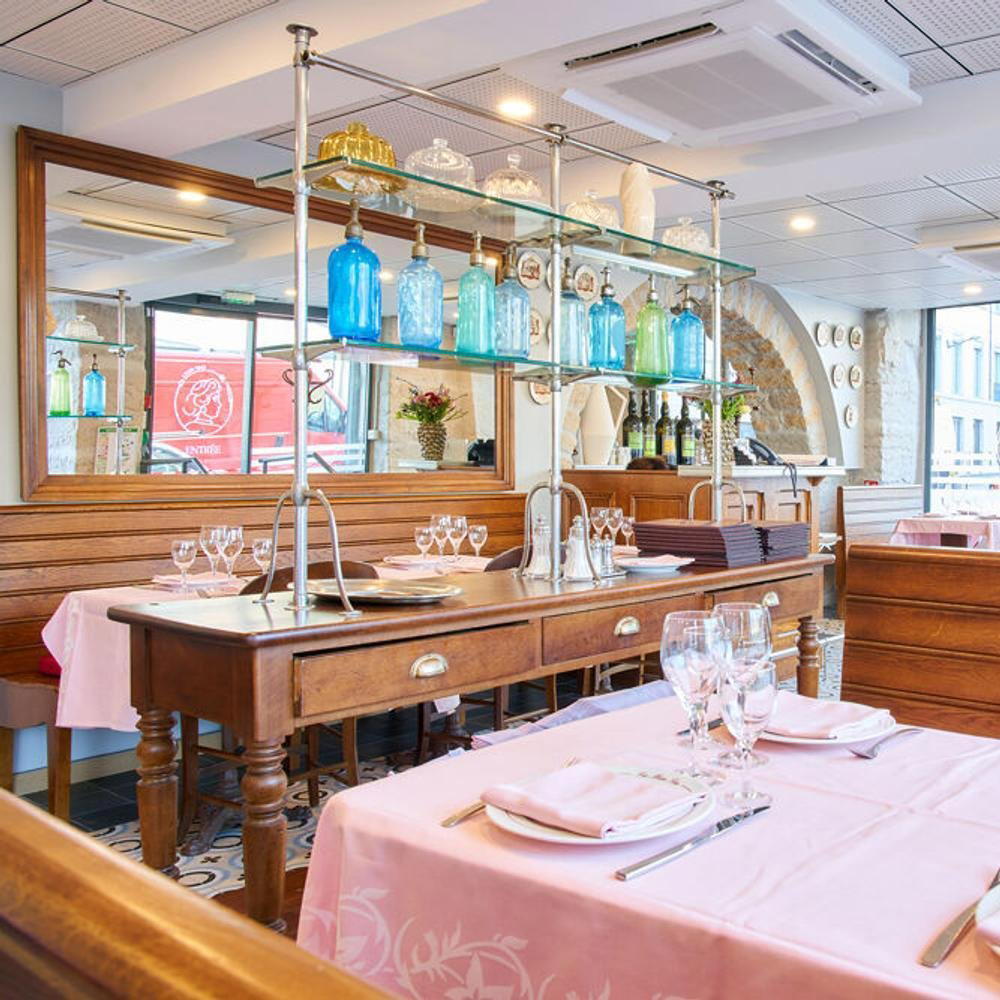
Two Rooms, One Tradition
On Via Maria Vittoria, a short walk from the Quadrilatero Romano, Turin's restaurant culture operates at two distinct registers. The first is the modernised trattoria pulling Piedmontese references through a contemporary lens, represented across the city by addresses like Consorzio and, at higher price points, Michelin-starred rooms including Casa Vicina. The second register is older and less photographed: the family-run sala that treats the canon as fixed, not as raw material for reinterpretation. Fratelli Bruzzone occupies the second position, and has done so with enough consistency to earn back-to-back Michelin Bib Gourmand recognition in 2024 and 2025 at a single-euro price tier that makes it one of the more anomalous entries in Michelin's Piedmont coverage.
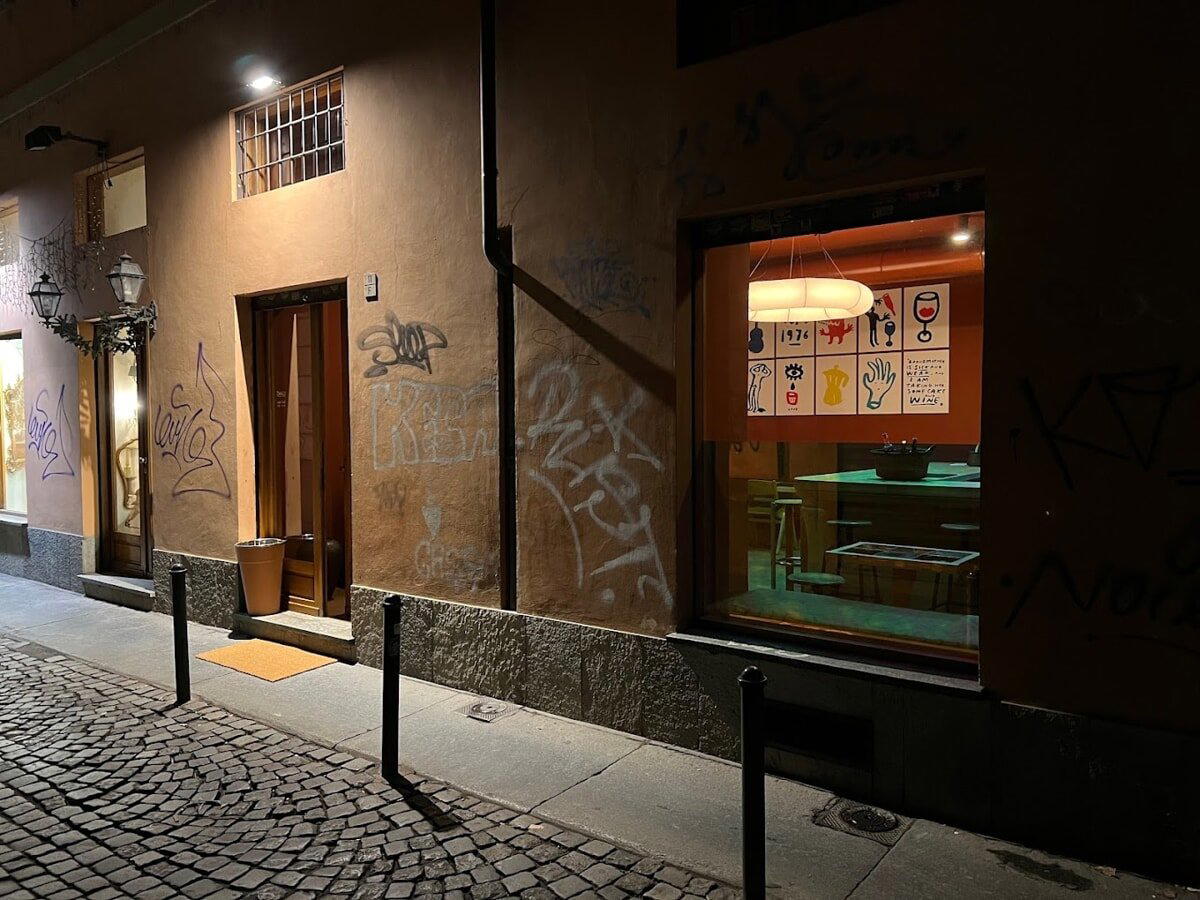
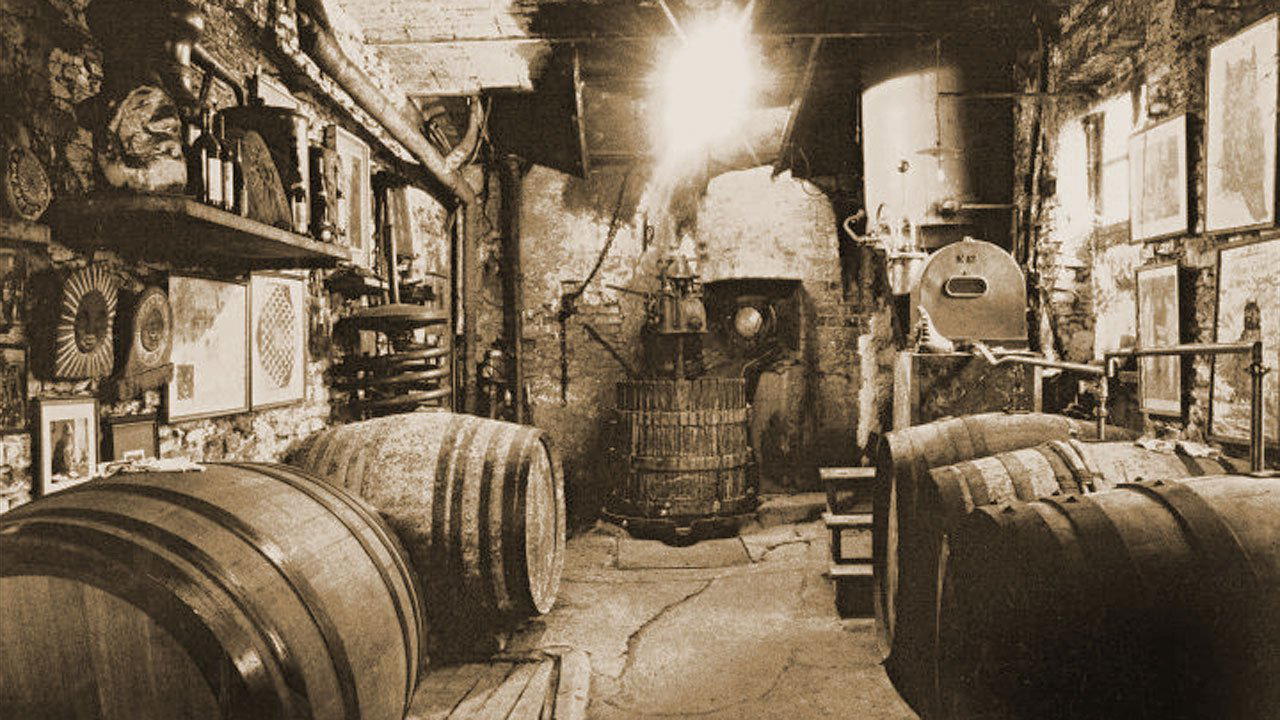
The physical setting communicates that register before a dish arrives. Two small dining rooms, walls carrying the worn domesticity of a space that has not been redesigned for Instagram, and a proximity between tables that means you will hear your neighbours' order. This is the physical grammar of the Piedmontese trattoria tradition, a format that elsewhere in Italy has been slowly absorbed into the aperitivo-bar continuum or upgraded into bistro language. Here it persists. For context on how that compares to the full spread of the city's dining options, see our full Turin restaurants guide.
The Structure of the Meal
Piedmontese cooking sequences differently from Tuscan or Roman trattoria formats. The antipasto course carries more weight here than anywhere else in Italy, partly because the region's cold preparations, cured meats, and anchovy-based condiments are sufficiently complex to constitute a meal argument on their own. At Fratelli Bruzzone, anchovies in green sauce open that argument. The preparation is a regional staple, acciughe al verde, in which salt-cured anchovies are dressed with a parsley-garlic-vinegar sauce. Its presence on a menu is a form of positioning: kitchens that do this well are signalling fidelity to the Piedmontese preservation tradition rather than to current ingredient-sourcing fashion.
Baked onions with bagna cauda extend that logic. Bagna cauda, the warm anchovy and garlic dip that functions as Piedmont's most discussed communal dish, appears here not as a centrepiece performance but as an accompaniment, which is the older domestic usage. The distinction matters: bagna cauda as theatrical tableside ritual is the tourist-facing version; bagna cauda folded into a vegetable preparation is the version that appears in home kitchens and older trattorias. For other Piedmontese restaurants handling the regional canon at different price tiers and formats, Antica Corona Reale in Cervere and Locanda Sant'Uffizio Enrico Bartolini in Cioccaro offer provincial comparisons.
The Pasta Course as Regional Argument
Agnolotti remains the defining pasta of the Piedmontese kitchen, and the version served here is cited specifically in the Michelin recognition language. The dish exists across a wide quality range in Turin, from restaurant-made versions that maintain the thin pasta envelope and restrained filling ratios of traditional preparation, to versions that have drifted toward the denser, saucier profile of general Italian restaurant pasta. Fratelli Bruzzone's agnolotti are documented among the former category. That the Michelin inspectors named the dish rather than the kitchen's technique in their commendation language suggests the product itself is the signal, not an elaboration of it.
This places the restaurant in a specific comparative context within Turin's Piedmontese dining options. At Madama Piola and Antiche Sere, the regional pasta tradition is present but often in dialogue with broader Italian menu structures. At Fratelli Bruzzone, it operates closer to the source material. The difference is not evaluative in absolute terms; it is a question of what kind of meal the kitchen is constructing and what relationship it has with the regional archive. For a longer treatment of how Turin's pasta culture fits into the northern Italian context, references like Dal Pescatore in Runate and Osteria Francescana in Modena offer useful national benchmarks.
The Second Half of the Meal
The menu continues into territory that most contemporary trattorias have quietly retired: tripe and chicken appear as main-course options. Both are working-class Piedmontese staples with long roots in the city's market-adjacent eating culture. Their presence alongside the anchovy preparations and agnolotti creates a meal arc that reads as complete, not truncated to the dishes that photograph well or translate easily to non-regional diners.
The dessert sequence follows the same logic. Bonet, the Piedmontese chocolate and amaretto pudding that has been the region's standard sweet course for centuries, closes the savoury sequence. Hazelnut tart with zabaglione is the second dessert option, and it draws on two of the region's most reliable agricultural products: the Tonda Gentile hazelnut from the Langhe, and the egg-yolk-and-wine emulsion that has been a Piedmontese kitchen technique since at least the sixteenth century. As dessert propositions go, both are entirely local and entirely predictable in the leading sense: they resolve the meal's regional argument rather than introducing a new one.
Where It Sits in the City
Turin's Michelin Bib Gourmand tier rewards value-conscious cooking with clear technical merit. At a single-euro price point, it occupies a different competitive position from starred rooms like San Tommaso 10 or the city's contemporary Italian addresses. The comparison set is closer to other Bib Gourmand trattorias and family-run regional houses than to the progressive Italian cooking at addresses like L'Acino.
For readers building a longer Turin itinerary, the restaurant sits within a city that rewards sequential eating across formats. Our full Turin hotels guide, bars guide, wineries guide, and experiences guide cover the broader picture. Within Italy's fine dining geography, the contrast between a Bib Gourmand trattoria in Turin and addressed like Enoteca Pinchiorri in Florence, Enrico Bartolini in Milan, or Le Calandre in Rubano clarifies how wide the quality and format spectrum across northern Italy actually runs. And for mountain-format Piedmontese cooking at the opposite end of the price register, Atelier Moessmer Norbert Niederkofler in Brunico provides a useful regional contrast.
Planning a Visit
Fratelli Bruzzone is at Via Maria Vittoria 34/a in central Turin. The two dining rooms are small, and the Michelin recognition has made booking advisable rather than optional, particularly for Friday and Saturday services. The price tier sits at the single-euro level, making it one of the more affordable Bib Gourmand addresses in the city. Martina and Gabriele Bruzzone run the kitchen, and the menu is rooted in classical Piedmontese preparation rather than a rotating seasonal format, though availability of specific dishes may vary.
Frequently asked questions
Is Fratelli Bruzzone okay with children?
The trattoria format, budget-friendly price range, and straightforward Piedmontese cooking make it a practical family choice. The two small dining rooms are compact and busy, so very young children requiring extended patience from surrounding diners may find the close quarters testing. That said, the food is approachable and the Michelin Bib Gourmand recognition is specifically tied to value, which helps when ordering for a table of mixed appetites.
How would you describe the vibe at Fratelli Bruzzone?
Two small dining rooms on Via Maria Vittoria, tables close together, and a room that fills quickly after the Bib Gourmand listings landed, this is a working trattoria, not a design project. Expect the kind of noise and proximity that comes with a packed Turin neighbourhood restaurant at dinner, with cooking that earns the attention rather than the décor.
Has Fratelli Bruzzone won any awards?
Fratelli Bruzzone has received recognition including: The Bruzzone brothers deserve a round of applause for this restaurant and its extraordinary traditional Piedmontese cuisine. In just two small dining rooms (booking is recommended), guests can choose from an unforgettable array of dishes in….
What do regulars order at Fratelli Bruzzone?
The agnolotti and anchovies in green sauce are both cited directly in the Michelin recognition language, which is as clear a steer as any. Beyond the pasta course, the bagna cauda-dressed baked onions, tripe, and hazelnut tart with zabaglione represent the traditional Piedmontese sequence that earned the consecutive 2024 and 2025 Bib Gourmand listings.
What should I budget for a meal at Fratelli Bruzzone?
Pricing at Fratelli Bruzzone is listed as €.
Where is Fratelli Bruzzone located?
Fratelli Bruzzone is located at Via Maria Vittoria, 34/a, 10123 Torino TO, Italy, Turin.
Cost and Credentials
| Venue | Cuisine | Price | Awards | Notes |
|---|---|---|---|---|
| Fratelli BruzzoneThis venue (the venue you are viewing) | Traditional Piedmontese Trattoria | $30–50 | Michelin Bib Gourmand | Not listed |
| Condividere | Modern Italian Fine Dining with Global Influences | $50–100 | Michelin Bib Gourmand | Progressive, Italian Contemporary |
| Del Cambio | Modern Piedmontese Fine Dining | $200–300 | 1 Michelin Star · La Liste Top Restaurants | Progressive Italian, Contemporary |
| Unforgettable | Modern Italian Tasting Menu | $150–200 | 1 Michelin Star · We're Smart World 4 Radishes | Modern Italian, Innovative |
| Consorzio | Traditional Piedmontese Trattoria | $30–50 | Michelin Bib Gourmand | Piemontese, Piedmontese |
| Cannavacciuolo Bistrot | Modern Italian Fine Dining Bistro | $100–150 | 1 Michelin Star | Creative |
Recognition history
Dated appearances from independent guides and award organizations, with the underlying list record or original source where available.
Michelin Bib Gourmand
Michelin
Full recognition history (3 entries)
Michelin Bib Gourmand
Michelin
Michelin Bib Gourmand
Michelin
Continue exploring
More in Turin
Restaurants in Turin
All restaurants in Turin →
Bars in Turin
All bars in Turin →
Details
- Rustic
- Cozy
- Classic
- Date Night
- Special Occasion
- Historic Building
- Extensive Wine List
- Local Sourcing
- A La Carte
- Wine
- Vegetarian Friendly
- Gluten Free Options
Current opening hours
- Monday
- Closed
- Tuesday
- 12:15–1:30 p.m.
- Wednesday
- 12:15–1:30 p.m.
- Thursday
- 12:15–1:30 p.m., 7–9:30 p.m.
- Friday
- 12:15–1:30 p.m., 7–9:30 p.m.
- Saturday
- 12:15–1:30 p.m., 7–9:30 p.m.
- Sunday
- Closed
Hours can change for holidays and private events. Hours as of .
Warm and inviting with rustic decor that creates a cozy, traditional trattoria atmosphere.