Akeno
Akeno serves Japanese Sushi with Vietnamese Fusion in Ludwigsburg, with an open kitchen, a sake program, and signatures including miso ramen, sushi, and gyoza.
Pearl is the En Primeur Club membership app — saves, bookings, and concierge access live there. Same editors, same standards.
- Address
- Schlossstraße 17, 71634 Ludwigsburg, Germany
- Phone
- +4971414873853
- Website
- akeno-sushi.de
- Directions
- Get directions
 Saves & bookings on Pearl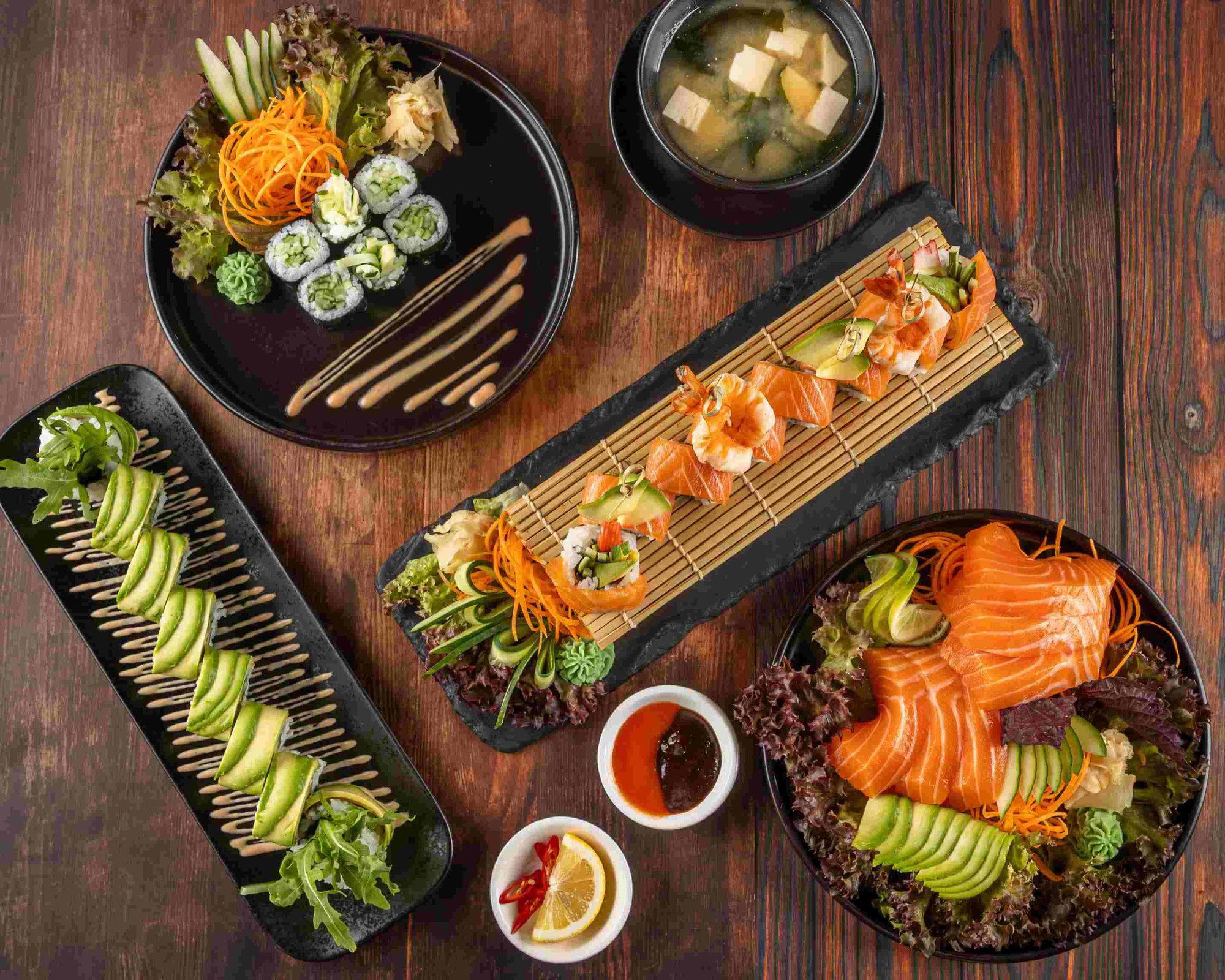
Schlossstraße and the Question of Where Ingredients Come From
Ludwigsburg's central axis runs past baroque facades and past the kind of address, Schlossstraße 17, that carries architectural weight before you step inside anything. The street places a restaurant in immediate conversation with the Residenzschloss, one of Germany's largest baroque palace complexes, and that proximity to a monument of historical precision tends to set a certain expectation. Dining rooms in this orbit are not casual propositions. They sit within a city that has spent decades building a cultural and gastronomic identity distinct from Stuttgart, its better-known neighbour twelve kilometres south, and the pressure to justify that distinctness runs through every kitchen decision, including the foundational one: where does the food come from?
That question, ingredient sourcing, has become the structural argument behind serious regional dining across Germany in the past decade. The movement away from luxury imports toward traceable, seasonally governed supply chains is well documented at the country's most decorated tables, from Schwarzwaldstube in Baiersbronn to Aqua in Wolfsburg. In Baden-Württemberg specifically, where the agricultural calendar is shaped by the Swabian Alb to the east and the Rhine valley to the west, the sourcing conversation carries particular regional texture. Akeno, at Schlossstraße 17, enters that conversation from a Ludwigsburg address that itself signals intent.
What the Sourcing Frame Tells You About the Category
Germany's fine-dining tier has spent years resolving a tension between classical French technical grammar and the pull toward Central European produce identity. The kitchens that have done this most convincingly, places like JAN in Munich and Vendôme in Bergisch Gladbach, tend to treat sourcing not as a marketing footnote but as a structuring principle that determines what appears on the menu and when. Baden-Württemberg has the agricultural diversity to support that approach across seasons: river fish from the Neckar catchment, game from the Swabian highlands, market garden produce from the Stuttgart basin, and wine-region secondary products from the Württemberg vineyards that press Trollinger and Lemberger within reasonable distance.
The editorial interest in a restaurant at this address in this city is precisely whether the kitchen uses that geographic advantage or defaults to the generic European luxury supply chain that ships the same lobster and black truffle to addresses from Hamburg to Munich. That question remains the right lens through which to read any serious Ludwigsburg table, including Akeno. For comparison, Gutsschenke operates within the city's country-cooking register, grounding itself explicitly in regional produce, while Danza occupies the modern cuisine space at a different price and ambition point. Akeno's position relative to those two addresses shapes what kind of sourcing argument it is equipped to make.
Ludwigsburg as a Dining City
Understanding Akeno requires understanding what kind of dining city Ludwigsburg has become. It is not Stuttgart, which carries the obvious institutional weight of Restaurant Haerlin-calibre ambition within its urban orbit. Nor is it a village restaurant destination in the manner of Waldhotel Sonnora in Dreis or Schanz in Piesport, where the remoteness itself functions as a signal of seriousness. Ludwigsburg occupies a middle register: a baroque residential city with a substantial local professional class, proximity to Stuttgart's corporate infrastructure, and enough cultural self-confidence to sustain serious restaurants independently of spillover from the state capital.
That civic character matters for sourcing because it determines who is eating and what they expect. A Ludwigsburg dining room is not feeding destination tourists who have arrived specifically for the tasting menu. It is feeding a local audience that returns, that compares plates across months and seasons, and that notices when the asparagus is from the Schwetzingen region in May and when it is not. That audience creates accountability of a specific and granular kind, and the kitchens that earn loyalty in this city tend to be the ones that take the seasonal calendar seriously rather than dressing a fixed menu in seasonal language.
For the full picture of where Akeno sits within Ludwigsburg's current restaurant scene, see our full Ludwigsburg restaurants guide.
The Broader German Fine-Dining Frame
Placing any Ludwigsburg restaurant in national context requires acknowledging how competitive Germany's serious dining tier has become outside the three major city centres. Victor's Fine Dining by Christian Bau in Perl, ES:SENZ in Grassau, and GästeHaus Klaus Erfort in Saarbrücken have demonstrated that Germany's decorated tables are distributed across the country rather than concentrated in Frankfurt or Munich. Bagatelle in Trier and L.A. Jordan in Deidesheim have added further proof that mid-sized German cities can sustain genuinely serious kitchens. CODA Dessert Dining in Berlin has taken that argument further still, building a format around a single course category that would have seemed uncommercial a decade ago.
What connects these addresses is a willingness to make a specific argument rather than a general one. The restaurants that have attracted sustained critical attention in Germany's second-tier cities have tended to make precise decisions about sourcing, format, and what kind of cooking they are actually doing, then hold those decisions across seasons. The ones that drift toward a composite of trends tend to lose definition. Akeno's address on Schlossstraße places it within reach of that conversation, in a city capable of sustaining serious ambition and a region whose agricultural calendar can support a genuine sourcing commitment if the kitchen chooses to make one.
Internationally, the sourcing-led argument that has shaped German regional fine dining echoes work being done at very different scale at addresses like Le Bernardin in New York City, where supplier relationships are structural rather than decorative, and Lazy Bear in San Francisco, where the format itself is built around what the season makes possible. The underlying discipline is the same whether the kitchen is sourcing Pacific seafood or Swabian game.
Planning a Visit
Akeno is located at Schlossstraße 17, 71634 Ludwigsburg, within walking distance of the Residenzschloss and a short walk from Ludwigsburg's central train station, which connects to Stuttgart Hauptbahnhof in under fifteen minutes on the S-Bahn. Ludwigsburg's dining scene is active enough year-round that advance planning is worthwhile for any serious table in the city centre.
Comparison Snapshot
| Venue | Cuisine | Price | Awards |
|---|---|---|---|
| AkenoThis venue — the venue you are viewing | This venue | Not listed | Not listed |
| Schwarzwaldstube | French, Classic French | €€€€ | Michelin 3 Star |
| Aqua | Contemporary German, Italian/Japanese, Creative | €€€€ | Michelin 3 Star |
| Vendôme | Modern European, Creative | €€€€ | Michelin 2 Star |
| CODA Dessert Dining | Creative | €€€€ | Michelin 2 Star |
| Tantris | Modern French, French Contemporary | €€€€ | Michelin 2 Star |
Continue exploring
More in Ludwigsburg
Restaurants in Ludwigsburg
Browse all →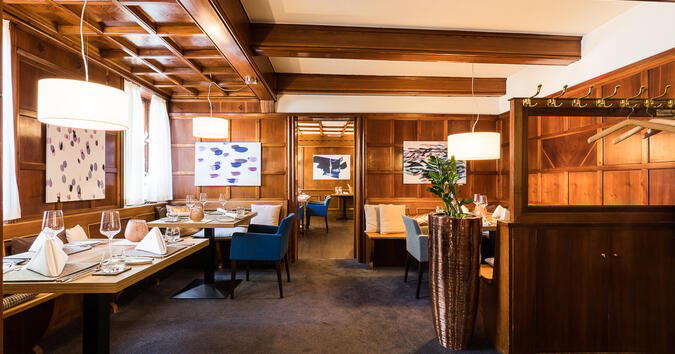
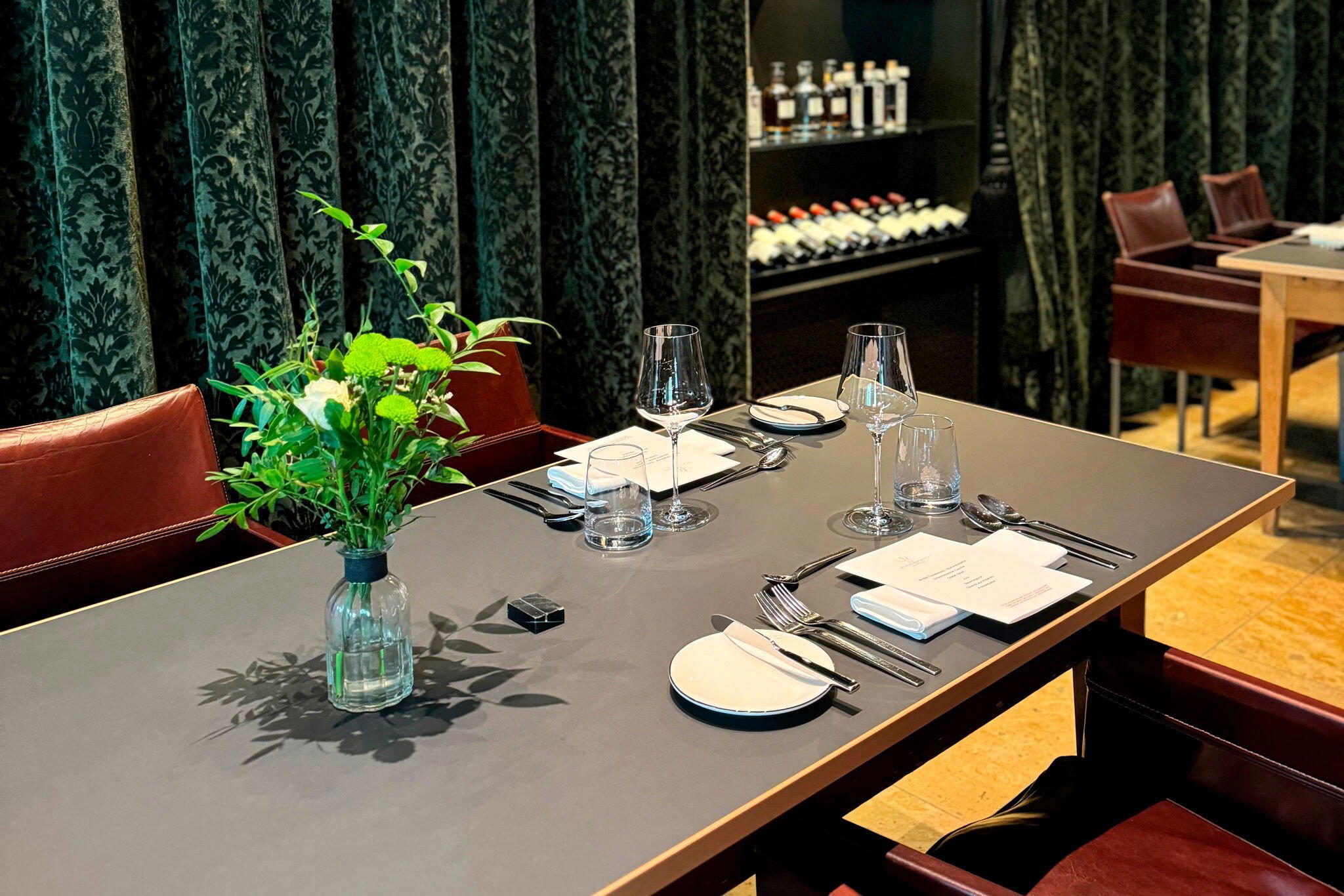
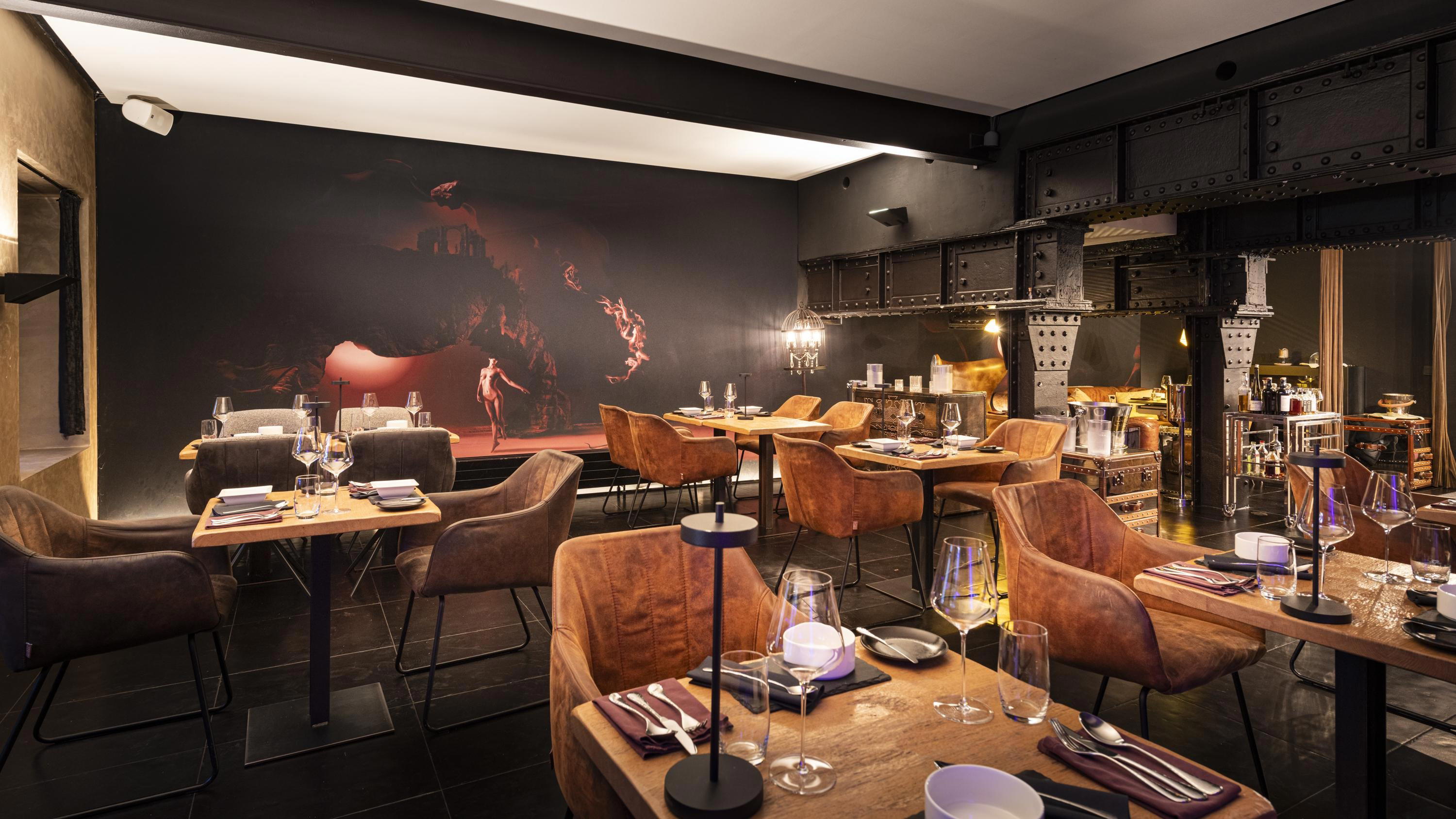
Bars in Ludwigsburg
Browse all →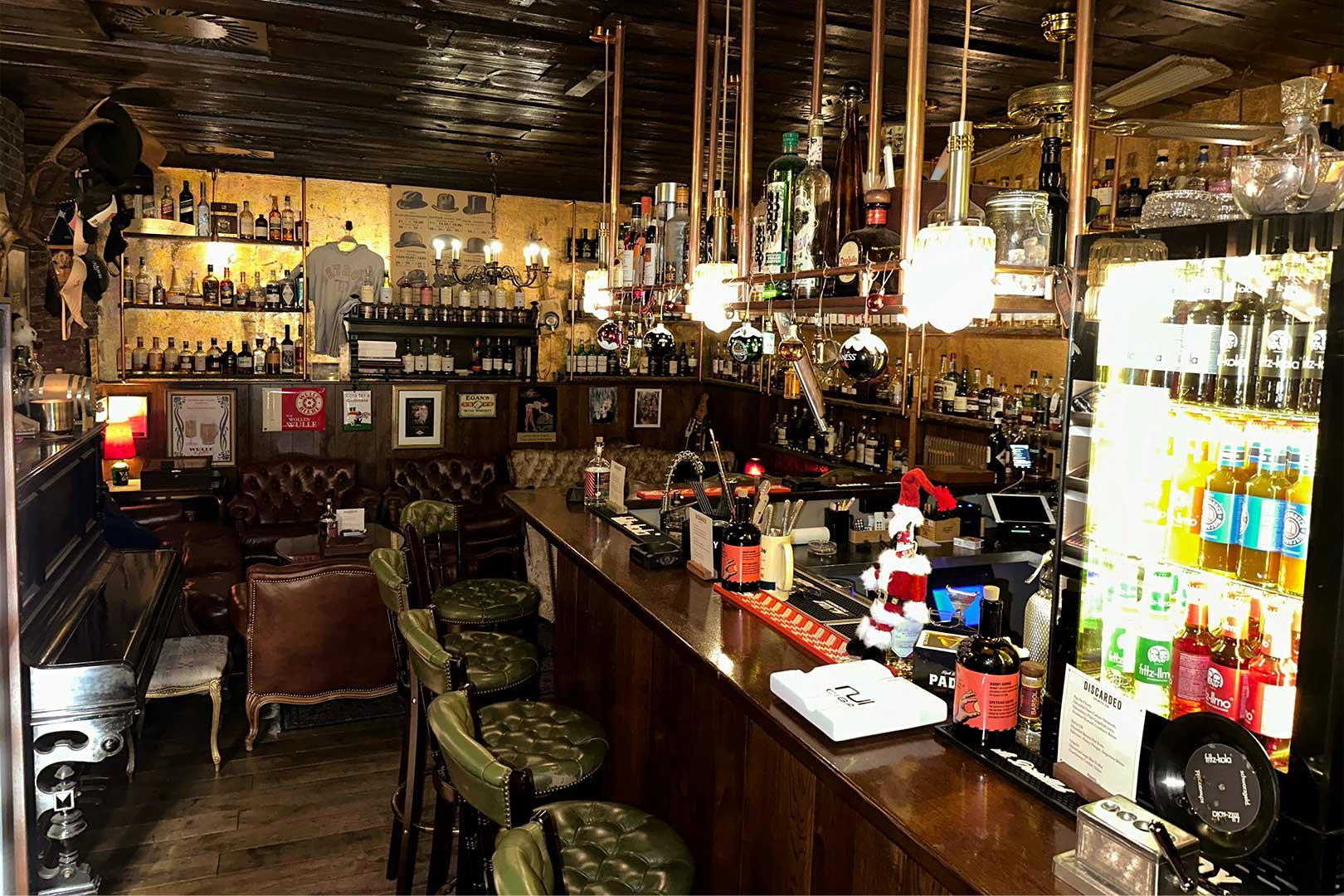
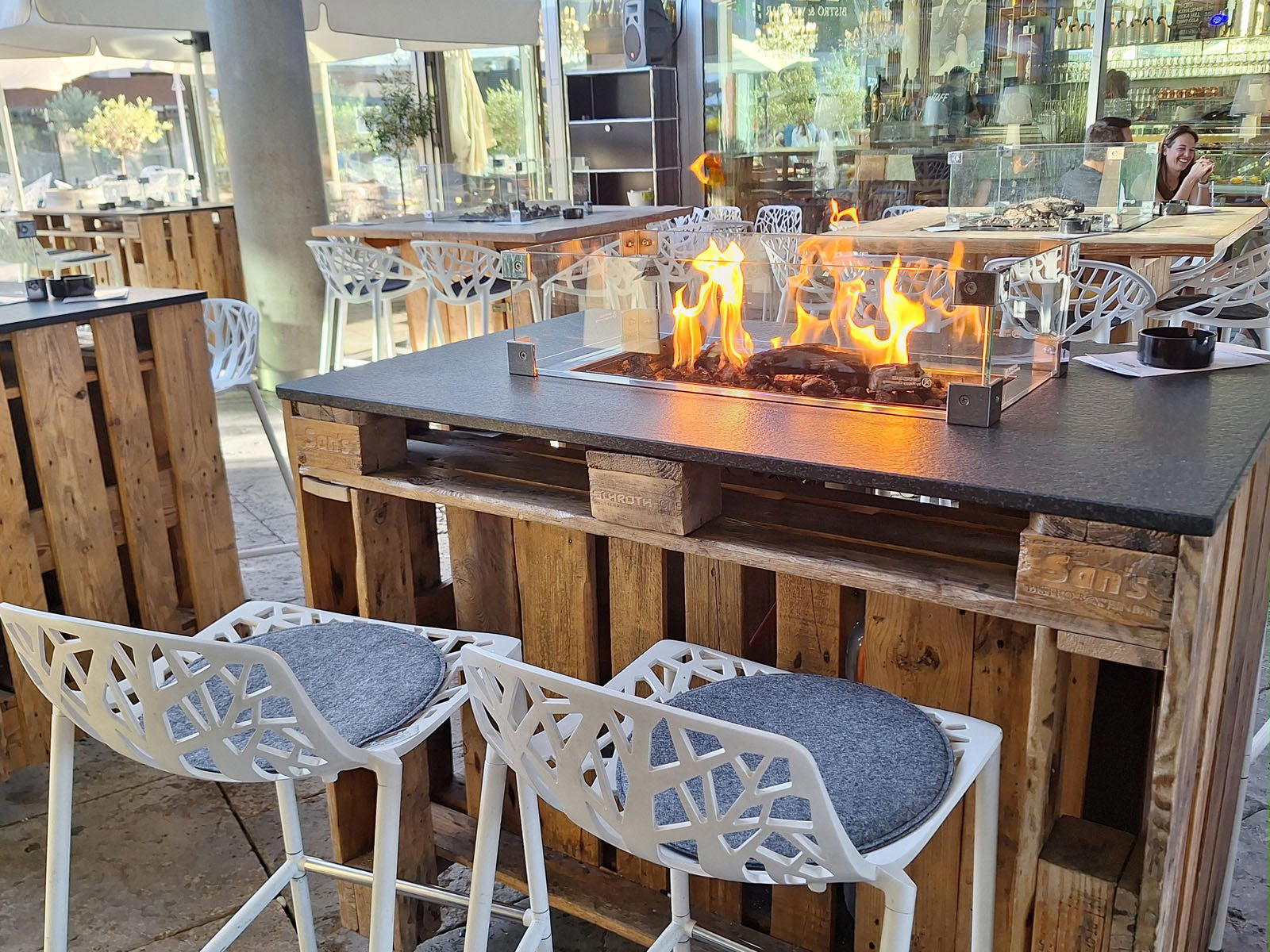

Hotels in Ludwigsburg
Browse all →

At a Glance
- Cozy
- Modern
- Date Night
- Group Dining
- Open Kitchen
- Sake Program
Current opening hours
- Monday
- 11:30 AM–3 PM, 5:30–11 PM
- Tuesday
- Closed
- Wednesday
- 11:30 AM–3 PM, 5:30–11 PM
- Thursday
- 11:30 AM–3 PM, 5:30–11 PM
- Friday
- 11:30 AM–3 PM, 5:30–11 PM
- Saturday
- 11:30 AM–3 PM, 5:30–11 PM
- Sunday
- 11:30 AM–3 PM, 5:30–11 PM
Hours can change for holidays and private events. Last verified .
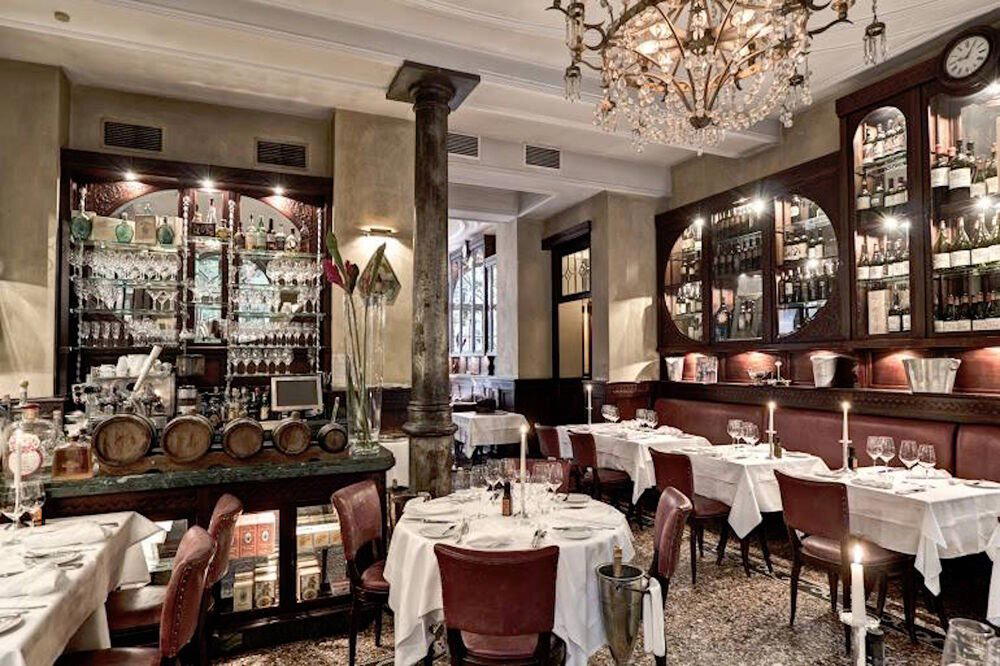
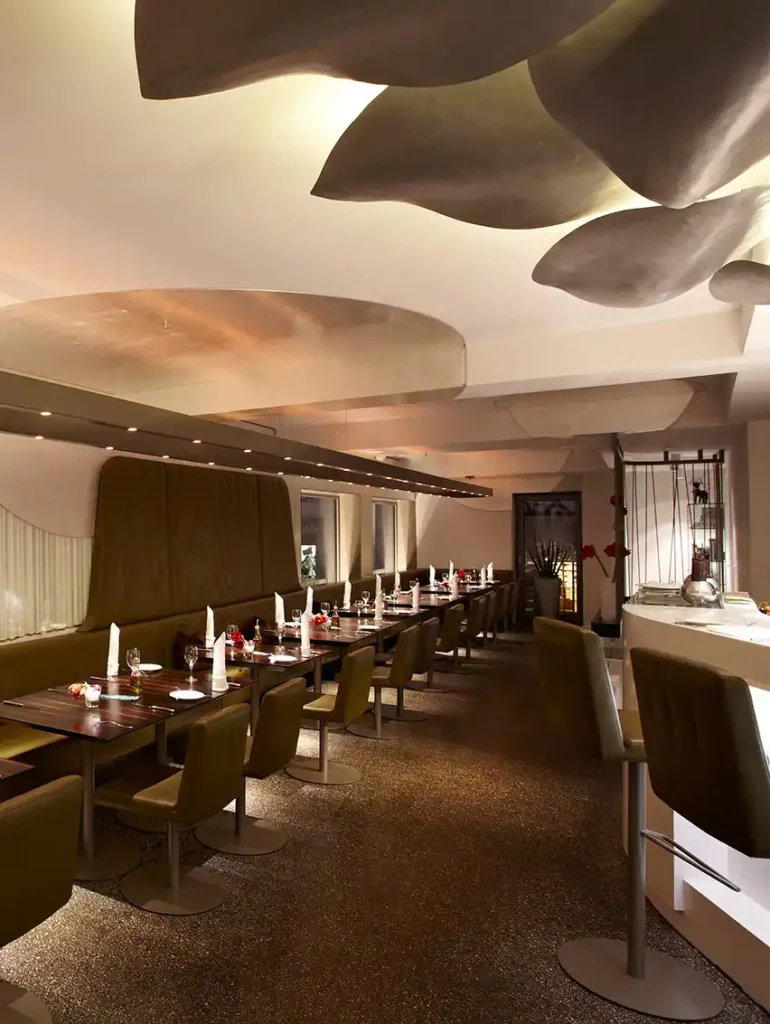
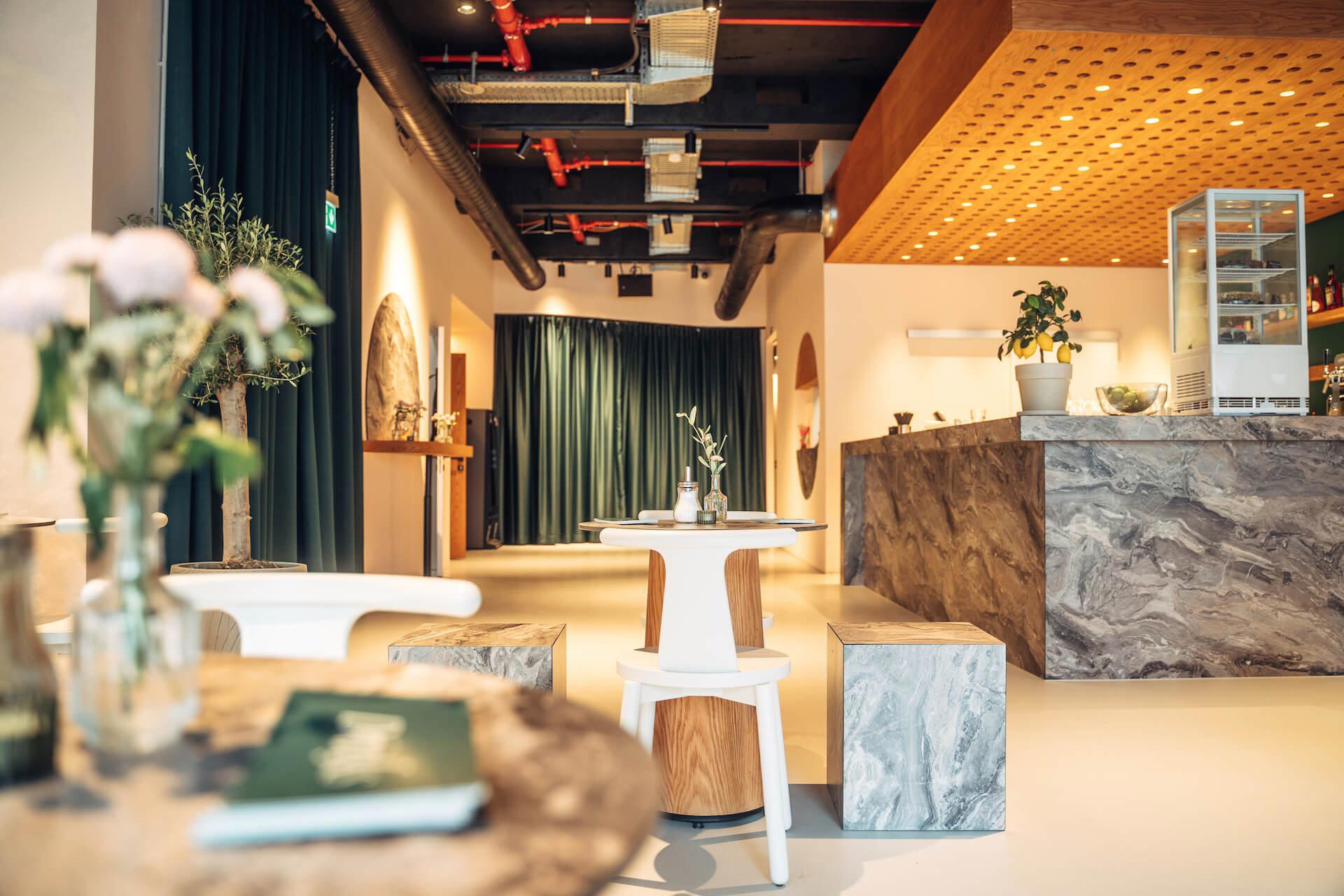
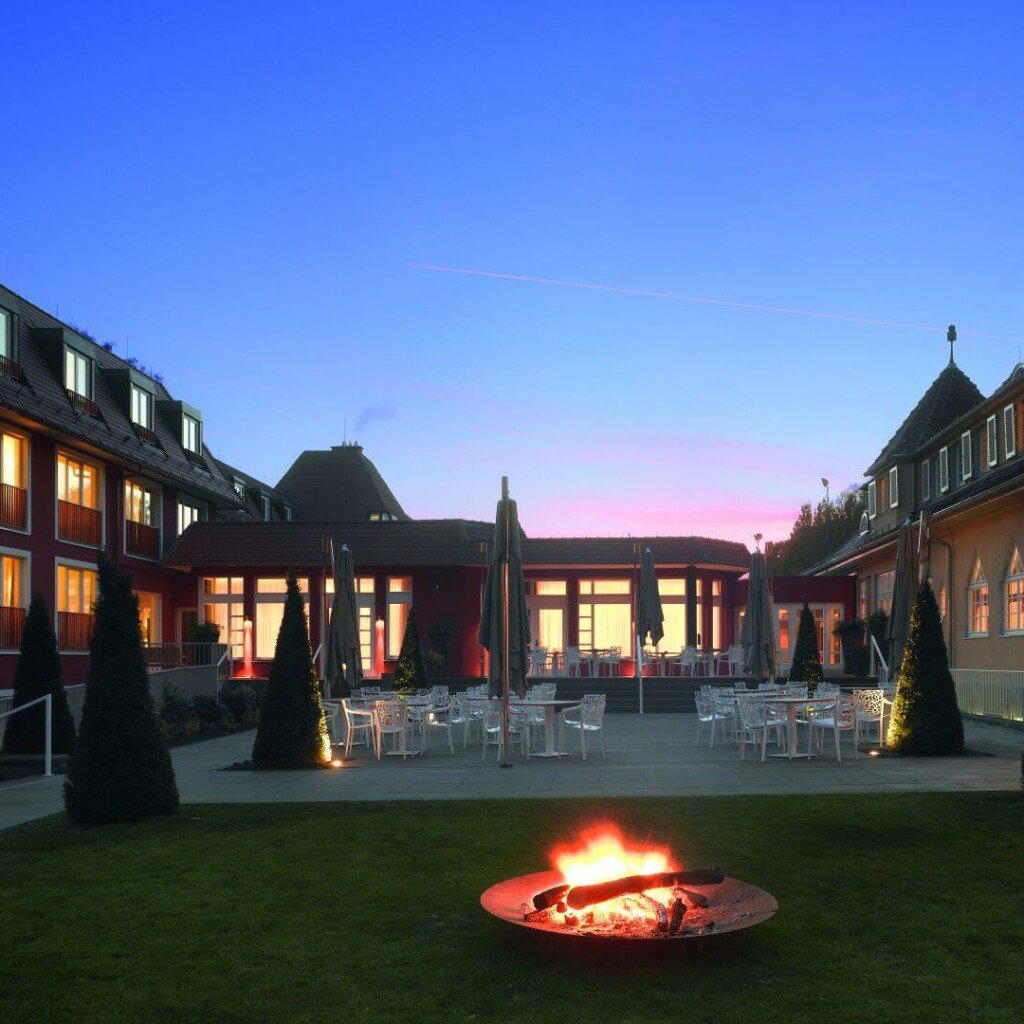
Cozy and stylish atmosphere with modern design elements and dim lighting creating an intimate dining experience.
Know Before You Go
- Getting there
- Schlossstraße 17, 71634 Ludwigsburg, Germany