Tabelog 100 #90
Our verdict
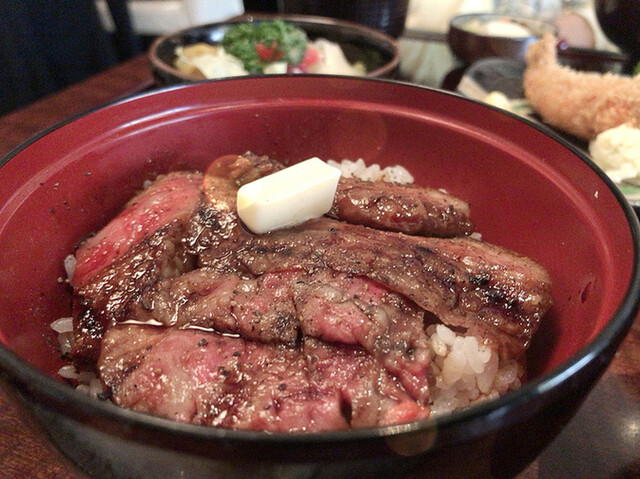
Akasaka Tsutsui Sou honten belongs to Tokyo’s yoshoku tradition, where Western technique is filtered through Japanese tastes rather than reproduced as European dining. The Akasaka room has Tabelog 100 Yoshoku EAST 2025 recognition, a 3.67 Tabelog score, and a menu identity built around hamburger steak, omurice, and its named Akasaka Beef Steak Bowl.

Pearl is the En Primeur Club membership app, where members save venues, book tables and use the concierge.
The menu
What to order
- Akasaka specialty beef steak rice bowl (bifuteki don)
- Hamburg steak
- Omurice
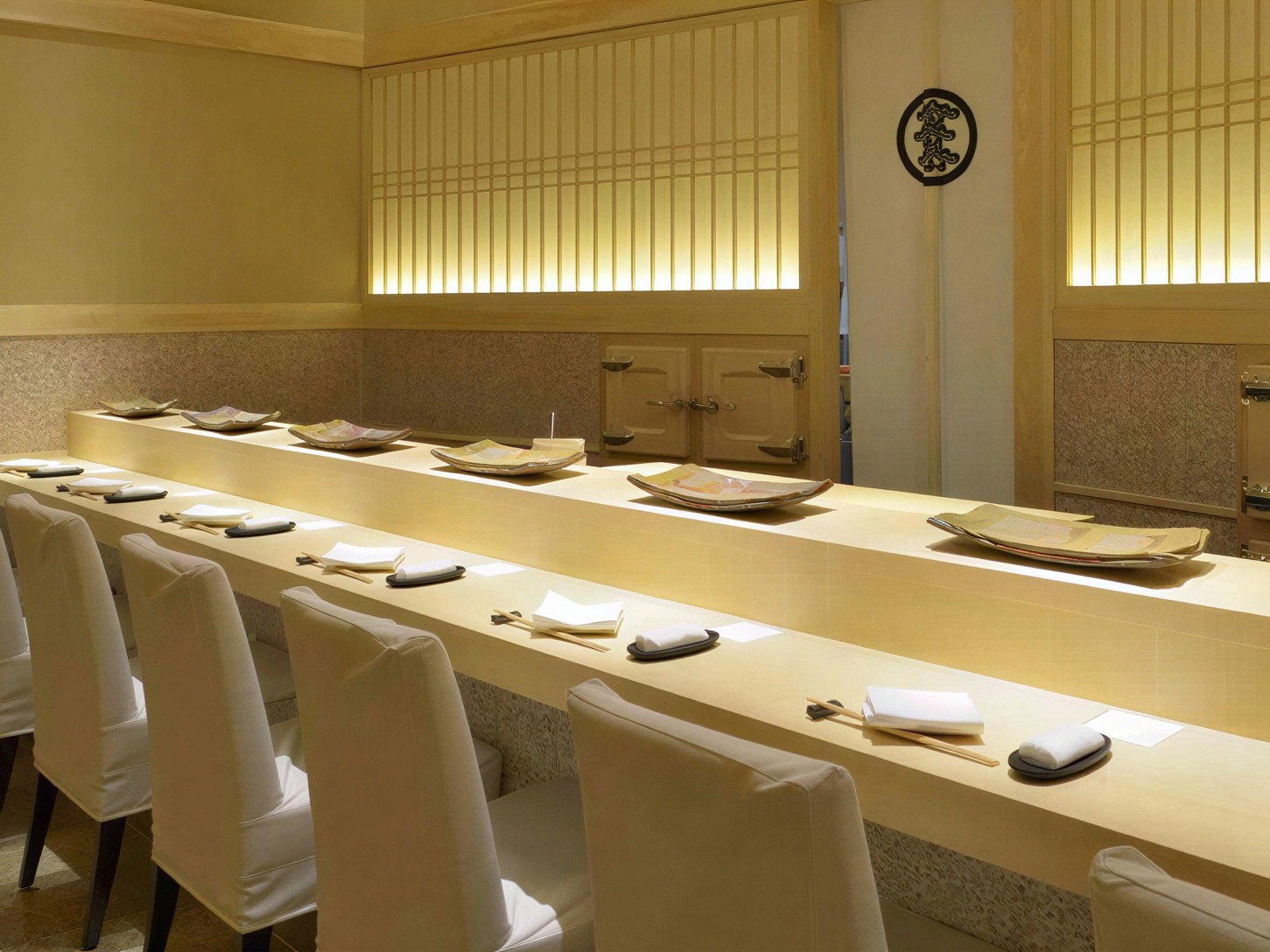
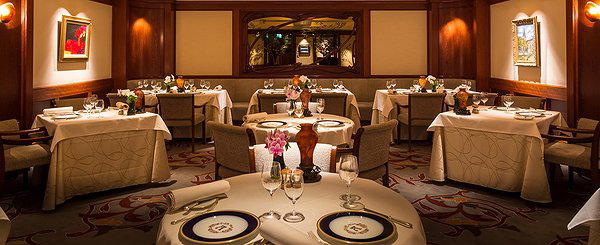
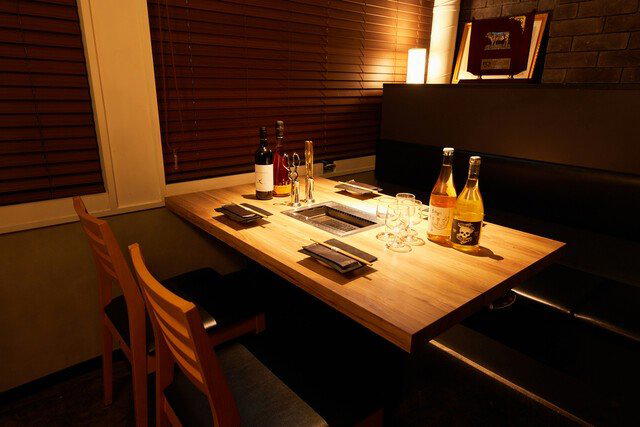
Approaching the quieter side of Akasaka, the appeal is not neon drama or counter-seat theatre. The signal here is older Tokyo: a Western-style restaurant that reads through Japanese habits, where chopsticks make sense beside demi-glace, rice anchors the meal, and the room’s private spaces suit the district’s mix of office dinners, family gatherings, and discreet weekday lunches.
Yoshoku is often misunderstood by visitors as nostalgia food. In Tokyo, it is closer to an urban translation project. Imported techniques entered Japan through hotel kitchens, department-store dining rooms, and postwar restaurants, then changed shape around Japanese rice, soy-led seasoning, restrained sweetness, and service customs that did not try to mimic Europe. Akasaka Tsutsui Sou honten sits squarely inside that lineage: a restaurant opened in 1950, now carrying Tabelog 100 Yoshoku EAST 2025 selection, with earlier Tabelog 100 Yoshoku selections in 2022 and 2020. That recognition matters because yoshoku is a crowded category in Tokyo, and the stronger addresses are judged less by novelty than by consistency across dishes many locals already know by heart.
Yoshoku in Akasaka: Western technique, Japanese table logic
The useful way to read this restaurant is through category rather than spectacle. Hamburger steak, omurice, and Japanese-style Western plates are not side notes to fine dining; they are part of Tokyo’s everyday restaurant canon, with a grammar as specific as sushi or soba. The cuisine rewards kitchens that understand sauces, rice texture, egg cookery, and seasoning balance without turning the plate into a museum piece.
Akasaka adds its own pressure. This is not a casual student district or a late-night drinking quarter alone; it is a business neighbourhood with political, media, and corporate traffic. Restaurants here often need to work across lunch, private-room dinners, and repeat local use. A 66-seat format and private rooms for small groups and larger parties place Akasaka Tsutsui Sou honten in a more flexible bracket than the tiny counter restaurants that dominate much of Tokyo’s international dining conversation.
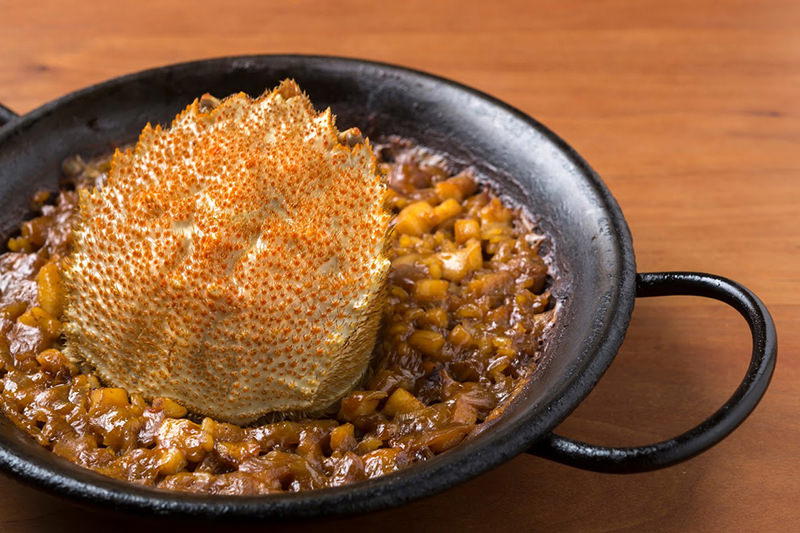
The stated house idea, “Enjoy Western Cuisine with Chopsticks,” is not a slogan to skip past. It explains the local ingredient-global technique exchange better than a long origin story would. Yoshoku’s defining move is not the importation of beef, eggs, sauces, and frying methods; it is their domestication into a Japanese meal structure. The named Akasaka Beef Steak Bowl points to that same logic, taking steak-house material and moving it into donburi territory, where rice is not garnish but foundation.
In price terms, the restaurant occupies a middle-premium Tokyo band rather than the rarefied tasting-menu economy. Dinner is listed at JPY 6,000 to JPY 7,999, while lunch is listed at JPY 3,000 to JPY 3,999. That places it far above a quick yoshoku lunch but below the city’s luxury kappo and omakase rooms. Among the nearby comparison set, Authentic sits in a lower everyday bracket, Fru-Full Akasaka ten occupies a dessert-and-café spend level, while Kien moves into a much higher dinner tier. The contrast clarifies the decision: this is for diners who want an established Tokyo yoshoku meal with ceremony, not a bargain plate or a chef’s-counter splurge.
The case for coming here is continuity, not reinvention
Tokyo rewards newness aggressively, yet some categories depend on repetition. Yoshoku belongs to that second camp. A hamburger steak does not need conceptual framing to be taken seriously; it needs the right texture, sauce discipline, and rice compatibility. Omurice has the same challenge. The dish looks simple until a kitchen mistimes the egg, overweights the sauce, or forgets that the rice carries the plate. In this field, longevity is evidence. A 1950 opening date gives the restaurant more than seven decades of accumulated local use, and Tabelog’s repeated Yoshoku 100 selections indicate that it remains visible inside the category rather than surviving on memory alone.
That continuity also separates the experience from several Tokyo dining modes that visitors often prioritize. Sushi counters teach seasonality through fish and rice temperature. Yakitori rooms express precision through grilling sequence. Yoshoku teaches something else: how Japan absorbed Western dining and made it domestic. For travellers building a broader Tokyo itinerary, the restaurant pairs well with more specialized formats across the city. EP Club’s Tokyo restaurant coverage includes entries such as 124. KAGURAZAKA (Yakitori), 12/10 Shinjuku ten, . 鮪と炭火焼き うお炭 秋葉原店, 3 Chome no Curry Ya San, and 2D Cafe, each showing a different slice of the city’s range.
For context beyond the capital, the same Japanese habit of adapting format to place appears in -Grilled beef Sukiyaki- KAMAKURA TANUKIAN 鎌倉 たぬき庵 in Kamakura.cafe in Osaka.know in Kumamoto, (Shoku) Vietnam in Kawasaki, [Curry Senmon Ten] Maruyama Kyoju. in Sapporo, and [ki:] in Kyoto. Outside Japan, Japanese food culture takes another route at Jōdo Saké Bar in Los Angeles and Onigiri Time in Pasadena, where the reference point is export rather than domestic adaptation.
How to place it in a Tokyo dining plan
The strongest use case is a Tokyo meal that explains a local tradition without demanding the formality or budget of a luxury tasting menu. Akasaka Tsutsui Sou honten is especially relevant for diners who have already scheduled sushi, tempura, or kaiseki and want a different historical register: postwar Western-style dining shaped for Japanese palates. Its non-smoking policy, credit-card acceptance, and private-room availability also make it practical for a composed group meal rather than a spontaneous snack stop.
Because the room is in Minato’s Akasaka area, it fits cleanly around hotel stays in central Tokyo, gallery time in Roppongi, or an evening that continues into the city’s bar scene. For broader planning, use Our full Tokyo restaurants guide alongside Our full Tokyo hotels guide, Our full Tokyo bars guide, Our full Tokyo wineries guide, and Our full Tokyo experiences guide. The editorial point is simple: Tokyo’s dining depth is not only in rare seats and chef-led counters. Sometimes the sharper cultural lesson is in a genre that looks familiar until the plate reveals how thoroughly Japan made it its own.
Frequently asked questions
Where exactly is Akasaka Tsutsui Sou honten?
Akasaka Tsutsui Sou honten is located in Tokyo.
What's the price range at Akasaka Tsutsui Sou honten?
Pricing at Akasaka Tsutsui Sou honten is listed as JPY 6,000 - JPY 7,999 JPY 3,000 - JPY 3,999.
What are Akasaka Tsutsui Sou honten's hours?
Hours at Akasaka Tsutsui Sou honten: Mon: 11:30 AM–3 PM, 5–10 PM; Tue: 11:30 AM–3 PM, 5–10 PM; Wed: 11:30 AM–3 PM, 5–10 PM; Thu: 11:30 AM–3 PM, 5–10 PM; Fri: 11:30 AM–3 PM, 5–10 PM; Sat: Closed; Sun: Closed.
What's the standout thing about Akasaka Tsutsui Sou honten?
Its draw is yokshoku with continuity: the restaurant opened in 1950 and was selected for Tabelog 100 Yoshoku EAST 2025. The menu category centers on Japanese-style Western cooking, including hamburger steak and omurice, in Akasaka, Tokyo.
Do they accommodate allergies at Akasaka Tsutsui Sou honten?
Those details are not published. The listed phone number is 03-3584-1851, and the address is 22, Akasaka 2-chome, Minato City, Tokyo. Check the venue's official channels for the latest details.
Can I bring kids to Akasaka Tsutsui Sou honten?
The listing does not set an explicit age policy, but it does note family-friendly use and private rooms for 2 to 20 guests. That makes it a plausible Tokyo choice for a mixed-age meal, especially at lunch within the JPY 3,000 to JPY 3,999 range.
Cuisine-First Comparison
Comparable venues to place this listing in its category.
| Venue | Cuisine | Price | Awards | Notes |
|---|---|---|---|---|
| Akasaka Tsutsui Sou hontenThis venue (the venue you are viewing) | Classic Japanese‑style Western (yoshoku) restaurant | $50–100 | Tabelog 100 #90 | Not listed |
| THE IMPERIAL LOUNGE AQUA | Hotel bar lounge with afternoon tea & cocktails | $50–100 | Tabelog 100 #2 | Chiyoda |
| The Lobby Lounge & Bar | Hotel lobby lounge for afternoon tea & cocktails | $50–100 | Tabelog 100 #96 | Minato |
| STAR BAR GINZA | Classic Japanese cocktail bar | $30–50 | World's 50 Best #50 · Tabelog 100 #41 | Chūō |
| Oak | Classic Japanese whisky & cocktail bar | $50–100 | Tabelog 100 #67 | Chiyoda |
| Le Parang | Cocktail Bar | $50–100 | Tabelog 100 #4 | Shinjuku |
Recognition history
Dated appearances from independent guides and award organizations, with the underlying list record or original source where available.
Tabelog 100 #90 · No. 90
Tabelog · Tabelog 100 - Yoshoku - EAST - 2025