
Tabelog 100 #2
Our verdict
A hotel lounge and cafe-bar in Tokyo’s Hibiya corridor, THE IMPERIAL LOUNGE AQUA belongs to the city’s formal hotel-drinking tradition rather than the quick-turn cafe circuit. Its Tabelog 100 Cafe EAST 2025 selection, 201-seat scale, private rooms, live music, cocktails and wine make it a polished choice for afternoon-to-late-evening plans.

Pearl is the En Primeur Club membership app, where members save venues, book tables and use the concierge.
The menu
What to order
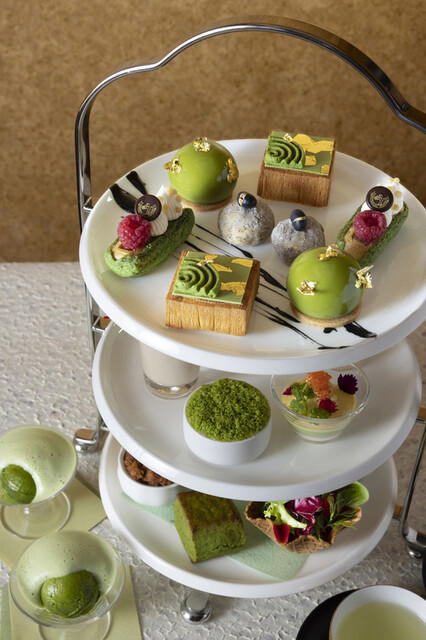
- Afternoon Tea at The Imperial Lounge Aqua
- Imperial Hotel Beef Curry
- Roast Beef
- Assorted Sushi in traditional oke
From Tokyo, the city reads differently through the lens of a composed lounge: less street-level rush, more deliberate pause. Tokyo has a deep habit of treating cafes and bars as civic rooms, places for afternoon meetings, date-night drinks, post-theatre conversations and cross-generational family gatherings. THE IMPERIAL LOUNGE AQUA sits squarely in that tradition, with the scale and formality that separate a polished lounge from the city’s smaller independent cafes.
That distinction matters in Tokyo, where cafe culture now splits between design-led rooms built for photographs, specialist coffee counters, dessert salons and lounges that run on longer dwell time. A Tabelog 100 Cafe EAST 2025 selection places this room inside the more serious end of that cafe conversation, while its cafe-bar identity keeps it closer to the city’s all-day salon rhythm than to a pastry-only destination. For a broader read on how the category spreads across the capital, see Our full Tokyo restaurants guide, then compare the mood with other casual city addresses or more focused dining rooms across Tokyo.
A lounge menu built around duration, not turnover
The menu architecture is the real clue to how the room functions. Cafe and bar service belong to a format designed for multiple tempos: afternoon use, a drink before dinner, a longer conversation after work, or a later bar stop without committing to a restaurant tasting menu. That puts it in a different lane from Tokyo’s specialist counters, where the sequence is often set tightly and the seat is the unit of scarcity.
Dining in Tokyo is unusually layered. Within the relevant comparison set, レ セゾン - Les Saisons - Hotel Imperial belongs to the formal dining tradition; Kamon works in a more restaurant-led register; Old Imperial Bar sits closer to classic bar ritual; Torakuro points toward Japanese dining. Against that internal set, this lounge-cafe format is the flexible middle ground: less ceremonial than a full restaurant reservation, more polished than a neighborhood cafe, and more conversation-friendly than a tight counter.
The scale of a lounge reinforces that role. Tokyo’s prized food rooms are often defined by scarcity, but a larger cafe-bar plays a different game: availability, broad occasion coverage and a menu that can shift from non-alcoholic cafe use to bar mode. The point is not just what is ordered, but how the room supports a longer pause in the day.
Tokyo's formal side suits a cafe-bar
Tokyo has a particular kind of composed urban energy: appointments, theatres, luxury stays and shopping all feeding demand for rooms that feel settled rather than rushed. In that setting, a lounge with cafe and bar identity makes editorial sense. The appeal is not novelty. It is the city’s older grammar of tables spaced, drinks served with care and conversation allowed to unfold because Tokyo still has demand for it.
The Tabelog score of 3.68 and the 2025 Cafe EAST recognition give useful context without overstating the case. This is not a chef-driven destination in the way a small counter or progressive tasting room might be. It is a high-functioning Tokyo cafe-bar in a city that takes polished lounge formats seriously. That distinction is useful for travelers building an itinerary: pair this with restaurants where the food is the main event, then use the lounge for the softer edges of the day.
Tokyo’s range is wide enough that the choice should come down to occasion rather than a single hierarchy. Other Tokyo dining rooms can answer different appetites, from grilled cooking to counter-led formats or more focused genres. The point of THE IMPERIAL LOUNGE AQUA is not to compete with every specialist format, but to solve a different Tokyo problem: where to sit well, drink properly and keep the evening elastic.
How to place it in a Tokyo itinerary
Use this kind of room when the plan needs margin. Tokyo dining can become a chain of hard reservation times, station transfers and tightly paced meals. A lounge in Tokyo works as a pressure valve between more structured meals and the rest of the day. It is particularly useful when not everyone in the party wants the same level of culinary commitment, or when the evening calls for drinks and conversation rather than a long menu.
The listed price band, JPY 5,000 - JPY 5,999, sits in premium cafe-lounge territory, and the polished setting makes that easier to understand. The value proposition is not measured against a quick coffee stop; it sits against comfort, service rhythm and the ability to move between cafe and bar modes. For travelers comparing categories, hotel choices are better handled through Our full Tokyo hotels guide, while cocktail-led nights belong in Our full Tokyo bars guide. Broader planning can extend through Our full Tokyo experiences guide and, for specialist wine interests, Our full Tokyo wineries guide.
Travelers building a Japan-wide food map should treat this as part of Tokyo’s formal cafe-bar language, then contrast it with sharper regional formats in other cities and regions. Across the Pacific, Japanese drinking and casual food formats take on different shapes in American city life. In Tokyo, this lounge remains a more composed answer: a recognized cafe-bar built for time and conversation.
Frequently asked questions
Does THE IMPERIAL LOUNGE AQUA work for a family meal?
Yes, if the group wants a low-pressure lounge rather than a quiet dining counter. Its cafe and bar format in Tokyo makes it practical for mixed-age gatherings at JPY 5,000 - JPY 5,999.
What's the overall feel of THE IMPERIAL LOUNGE AQUA?
It reads as a lounge with cafe and bar service, not a formal restaurant. The format suits a relaxed pause, an after-hours stop, or a longer conversation in Tokyo.
What's the pricing like at THE IMPERIAL LOUNGE AQUA?
Pricing at THE IMPERIAL LOUNGE AQUA is listed as JPY 5,000 - JPY 5,999.
What is THE IMPERIAL LOUNGE AQUA known for?
THE IMPERIAL LOUNGE AQUA is known as a Tokyo cafe and bar, with a Tabelog 100 Cafe EAST 2025 recognition and a listed score of 3.68.
Peers Worth Knowing
Comparable venues at a glance for context.
| Venue | Cuisine | Price | Awards | Notes |
|---|---|---|---|---|
| THE IMPERIAL LOUNGE AQUAThis venue (the venue you are viewing) | Hotel bar lounge with afternoon tea & cocktails | $50–100 | Tabelog 100 #2 | Not listed |
| レ セゾン - Les Saisons - Hotel Imperial | Classical French with Japanese Influences | $200–300 | 1 Michelin Star · La Liste Top Restaurants | French |
| Kamon | Modern Wagyu-focused Teppanyaki in Imperial Hotel Tokyo | $200–300 | Tabelog 100 #44 | JPY 15,000 - JPY 19,999 JPY 6,000 - JPY 7,999 |
| Imperial Buffet Sal | Upscale International Hotel Buffet | $100–150 | Not listed | Not listed |
| Old Imperial Bar | Classic hotel cocktail bar with light bites | $30–50 | Tabelog 100 #64 | JPY 5,000 - JPY 5,999 |
| Torakuro | Modern Japanese Kaiseki | $300–500 | 1 Michelin Star | Japanese |
Recognition history
Dated appearances from independent guides and award organizations, with the underlying list record or original source where available.
Tabelog 100 #2 · No. 2
Tabelog · Tabelog 100 - Cafe - EAST - 2025
Continue exploring
More in Tokyo
Restaurants in Tokyo
All restaurants in Tokyo →

Bars in Tokyo
All bars in Tokyo →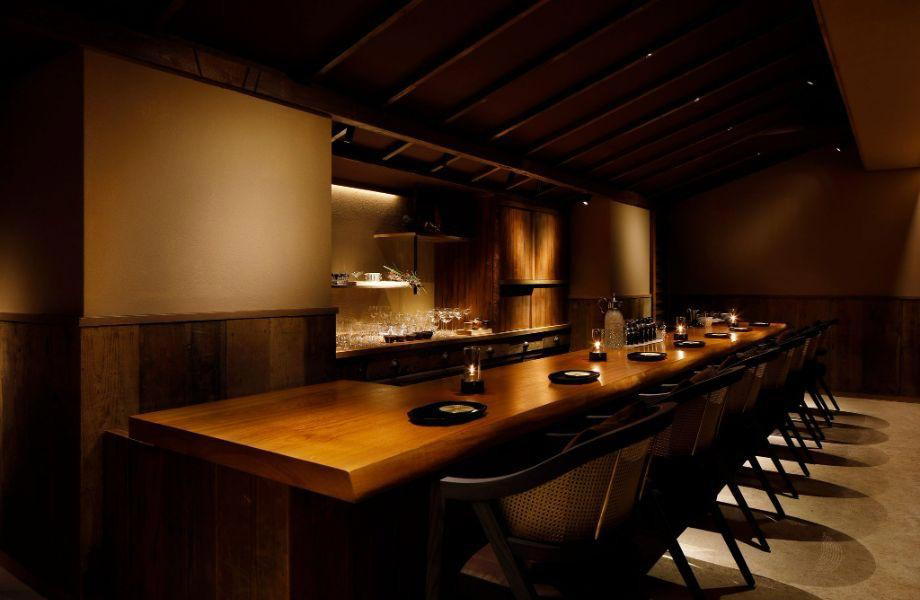

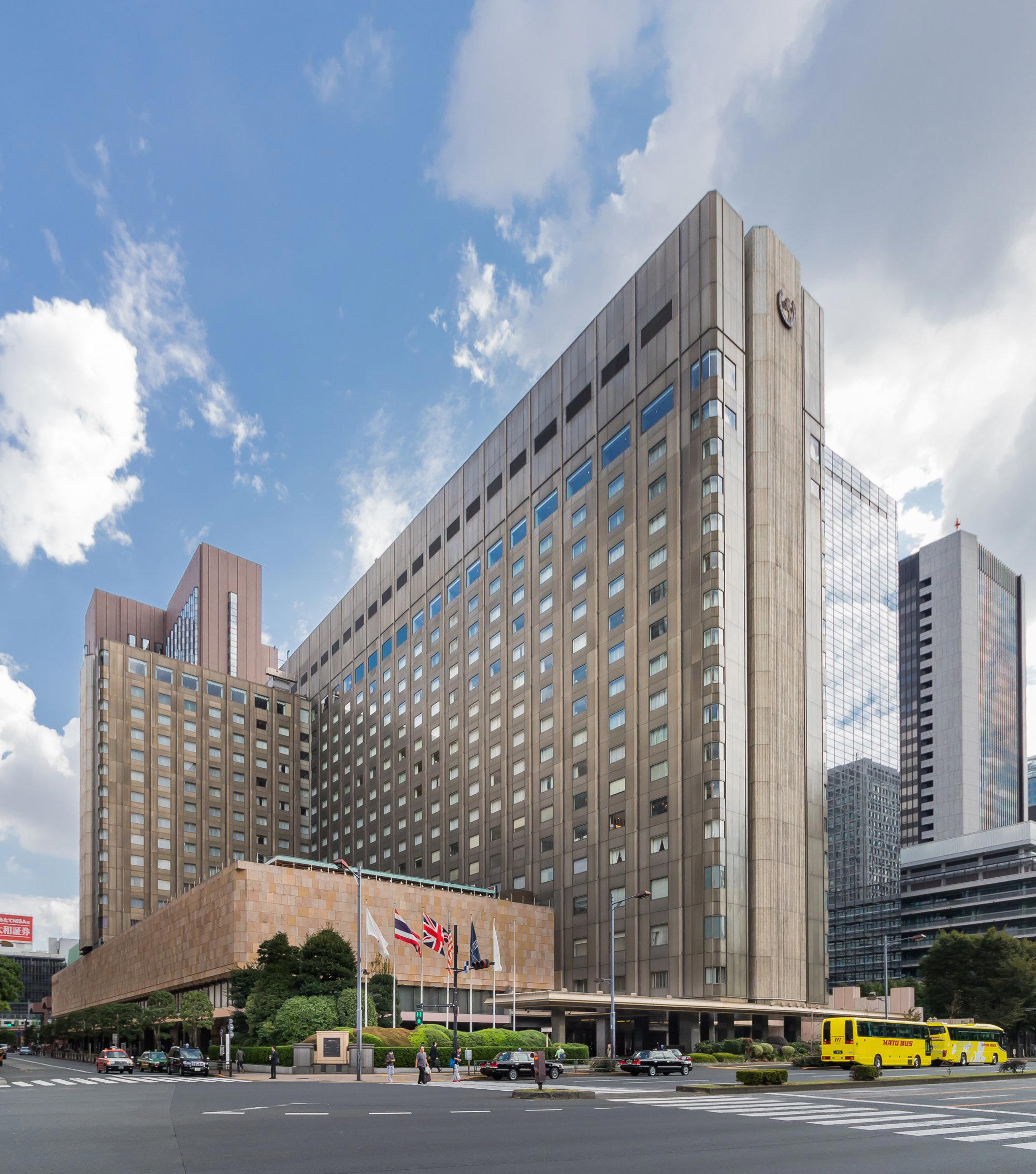
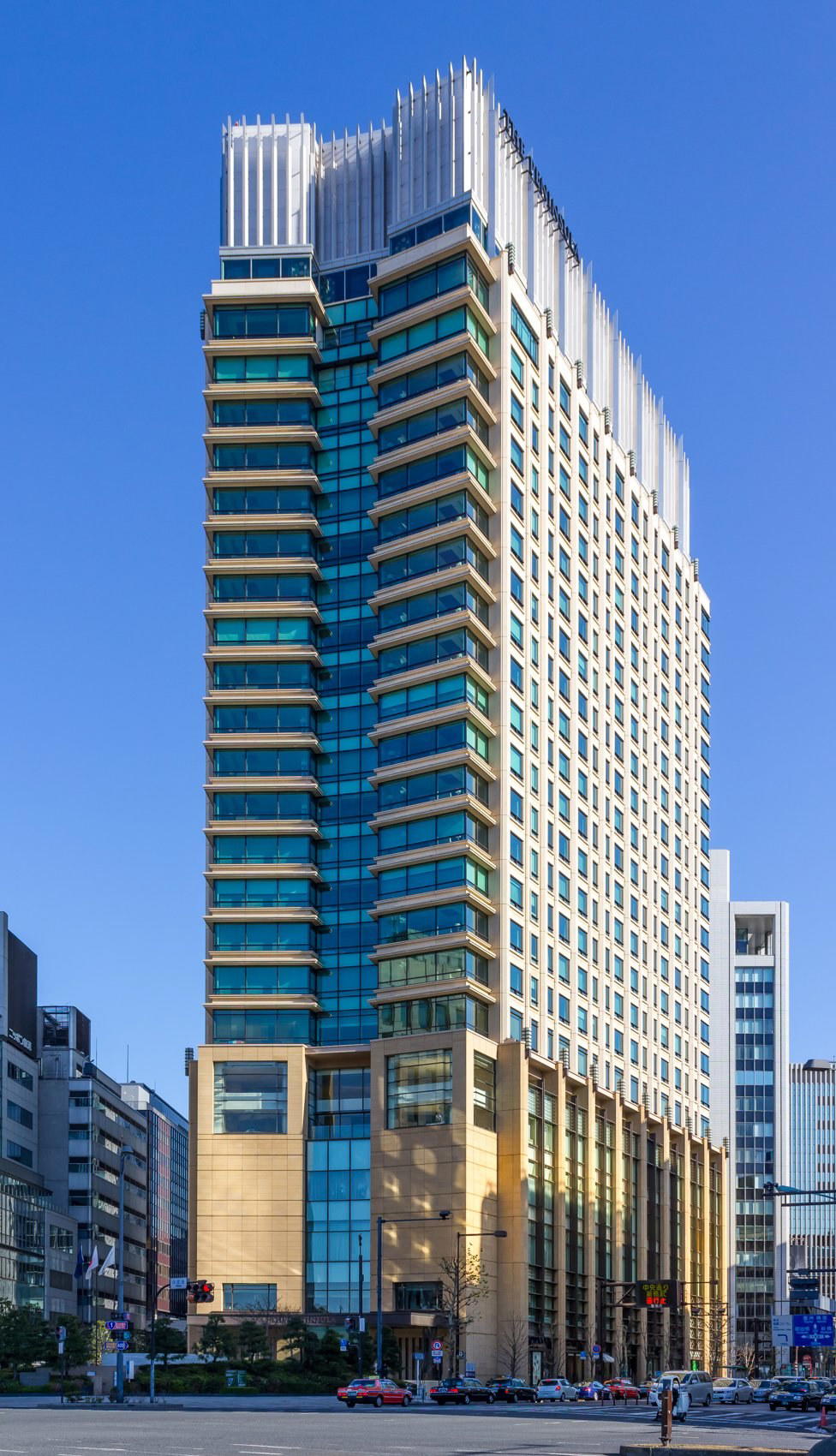
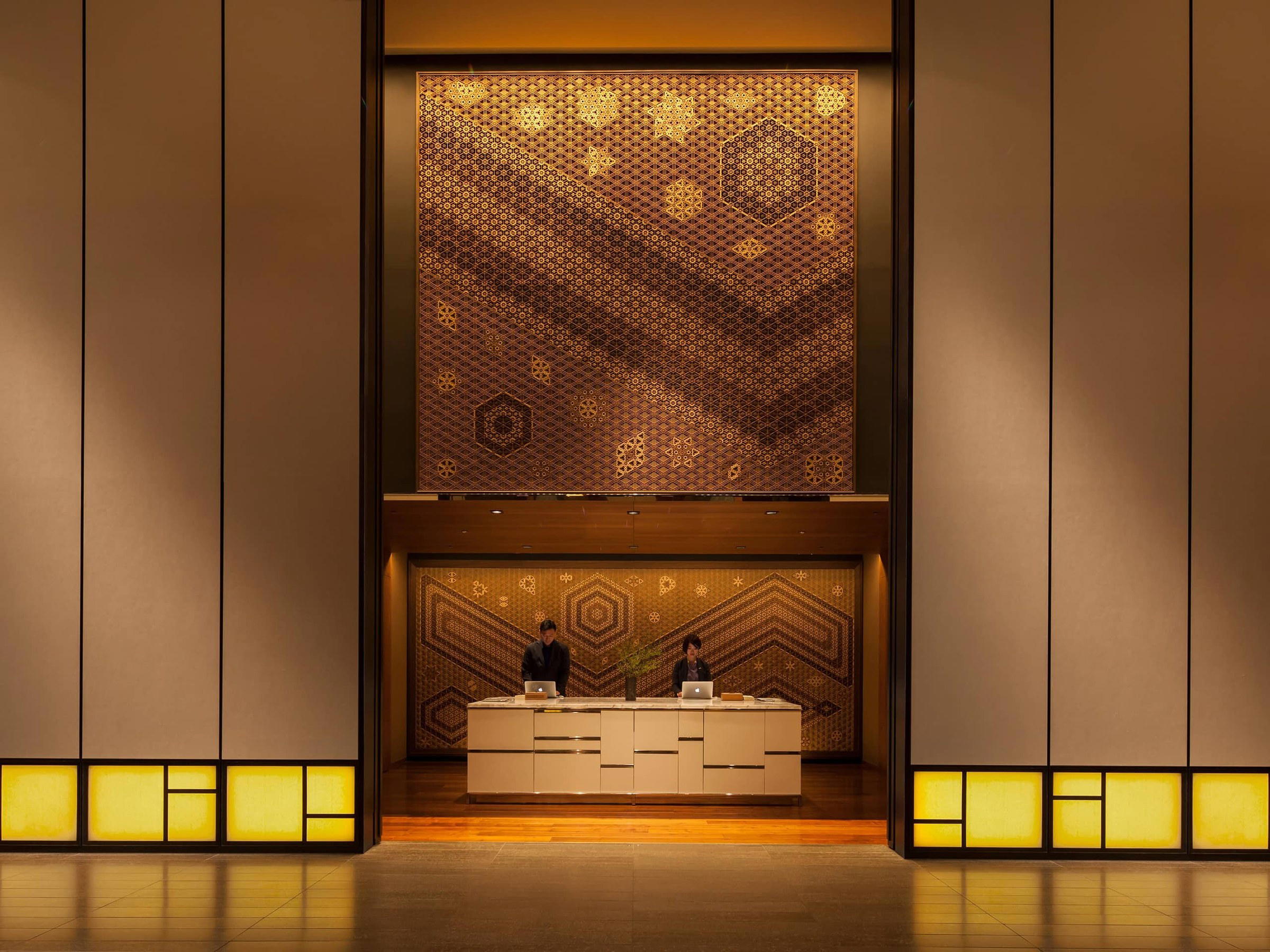
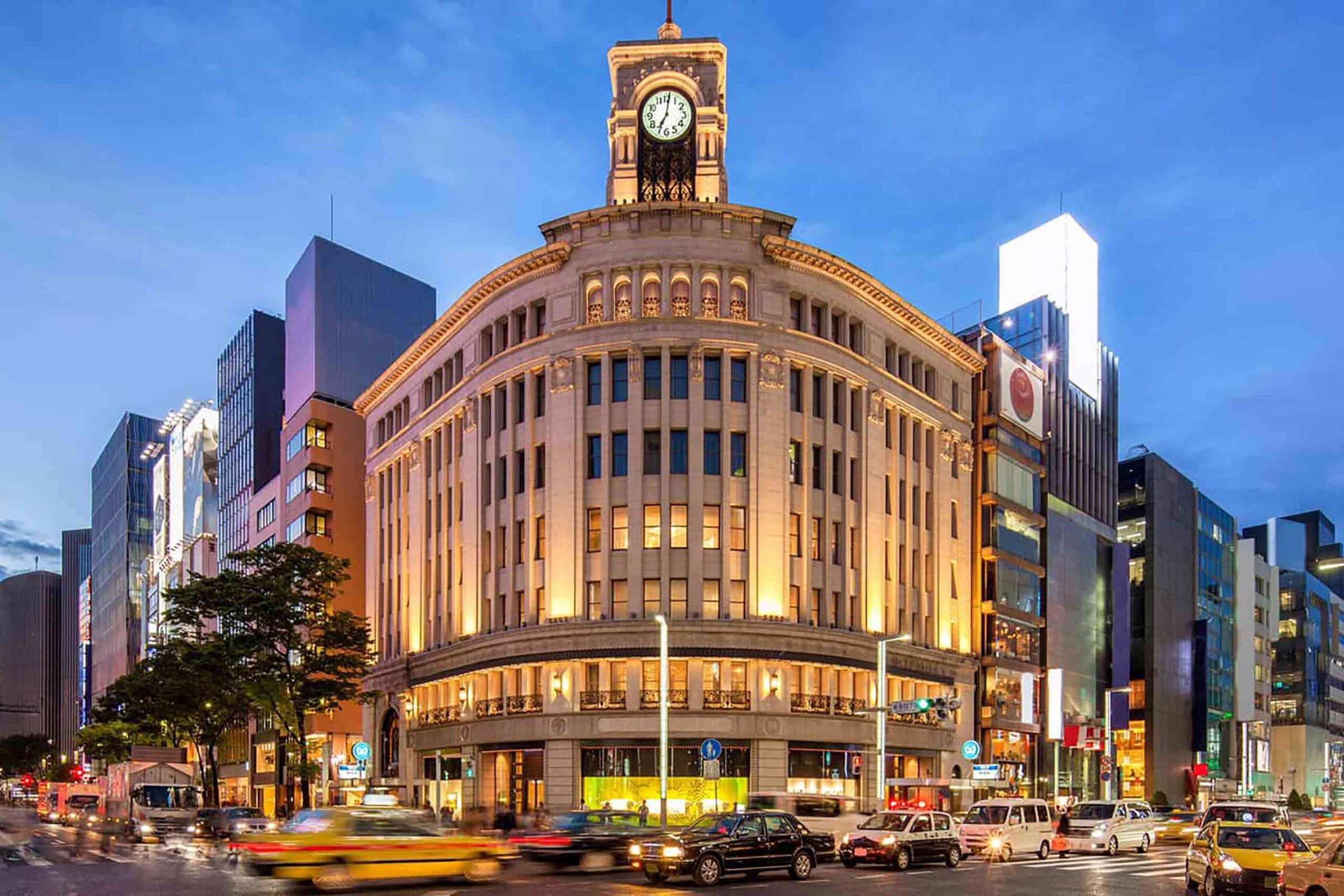
THE IMPERIAL LOUNGE AQUA
The wine
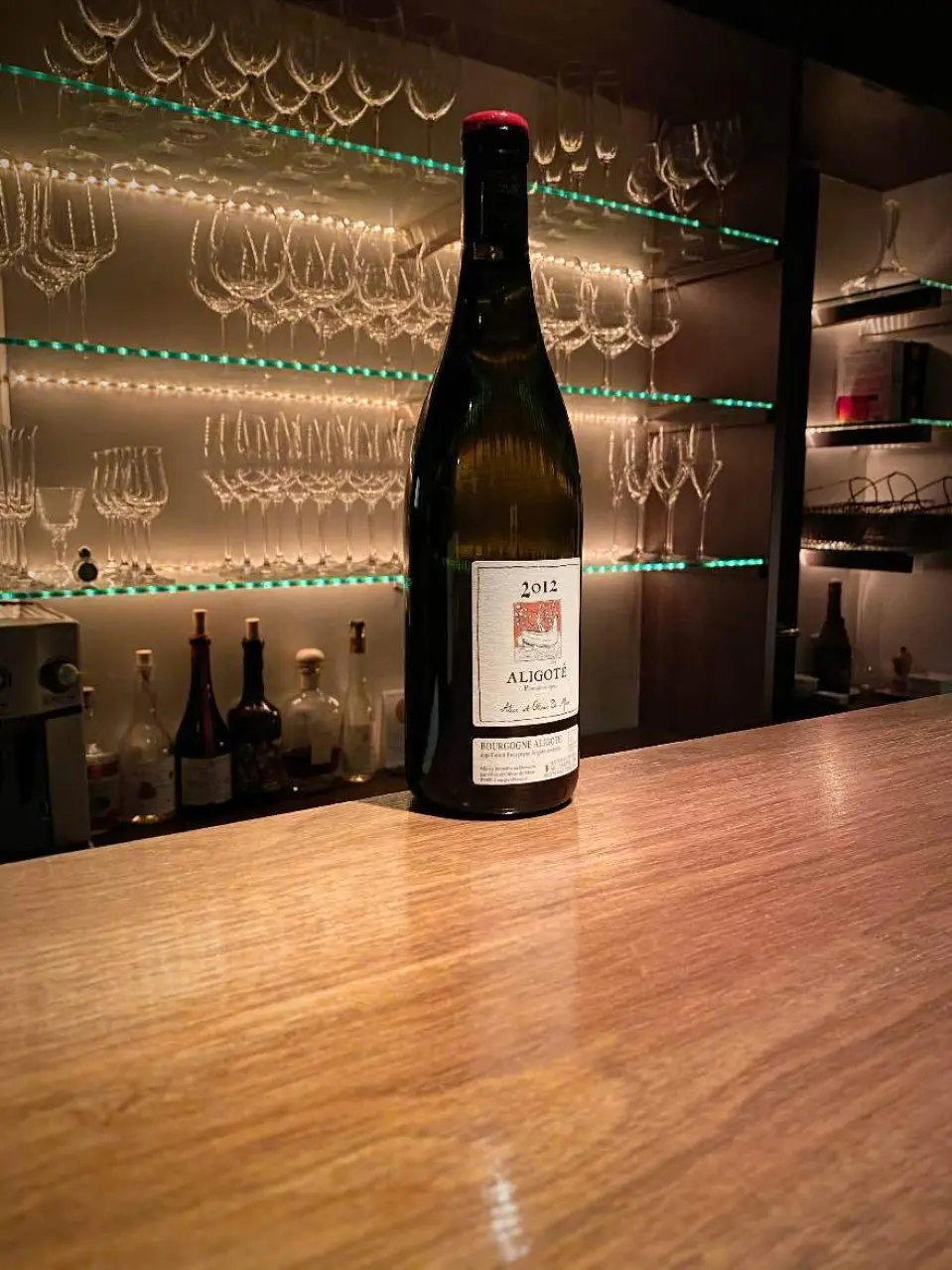
- Extensive wine list
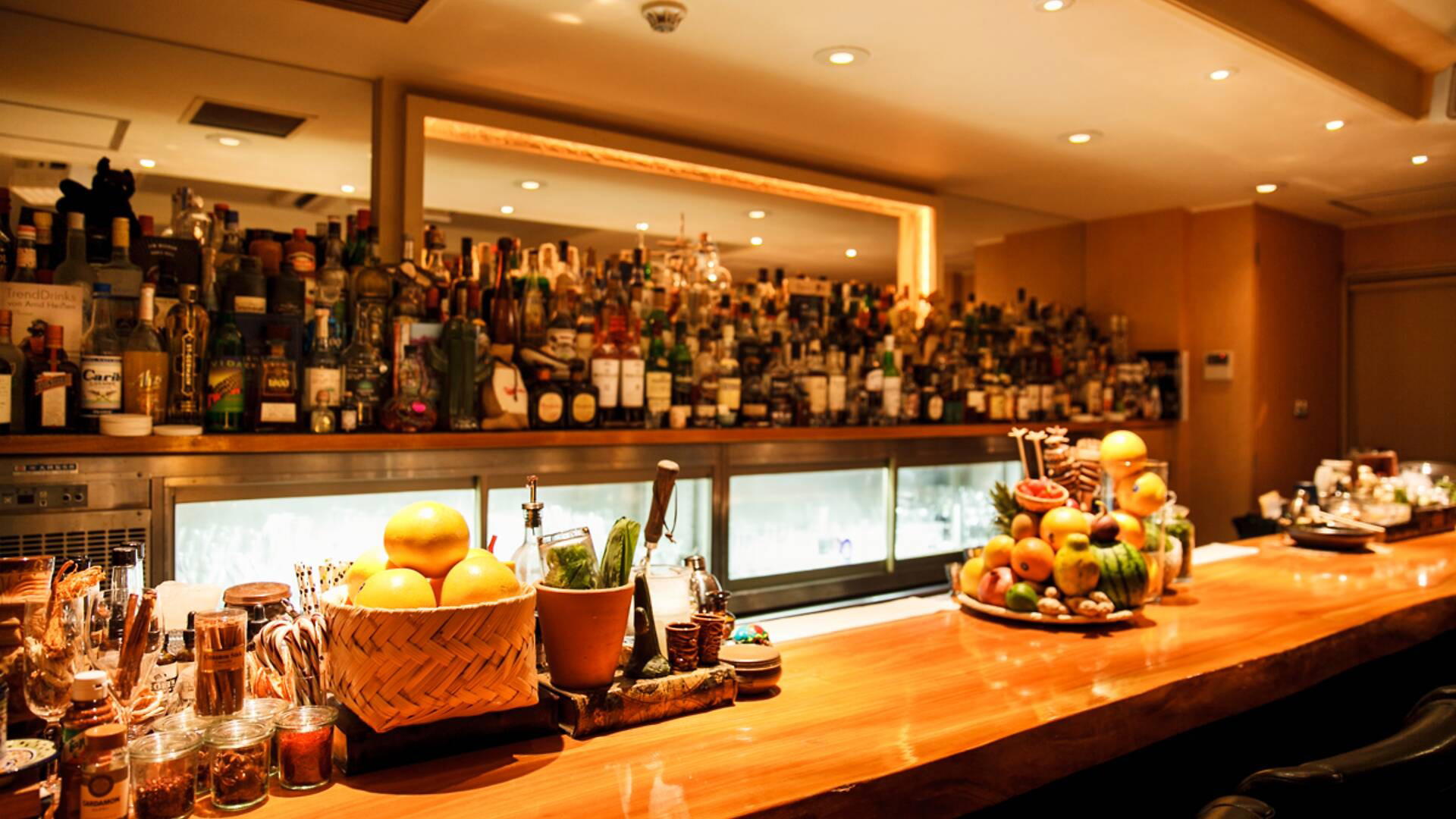
- Craft cocktails
- Beer program
Details
- Elegant
- Sophisticated
- Classic
- Modern
- Scenic
- Well Known
- Date Night
- Business Dinner
- Group Dining
- Solo
- Family
- Celebration
- Special Occasion
- After Work
- Late Night
- Private Event
- Live Music
- Private Dining
- Panoramic View
- Historic Building
- Design Destination
- Hotel Restaurant
- Craft Cocktails
- Extensive Wine List
- Beer Program
- Garden
- A La Carte
- Set Menu
- Small Plates
- Buffet
- Cocktails
- Wine
- Whisky
- Beer
- Allergy Accommodating
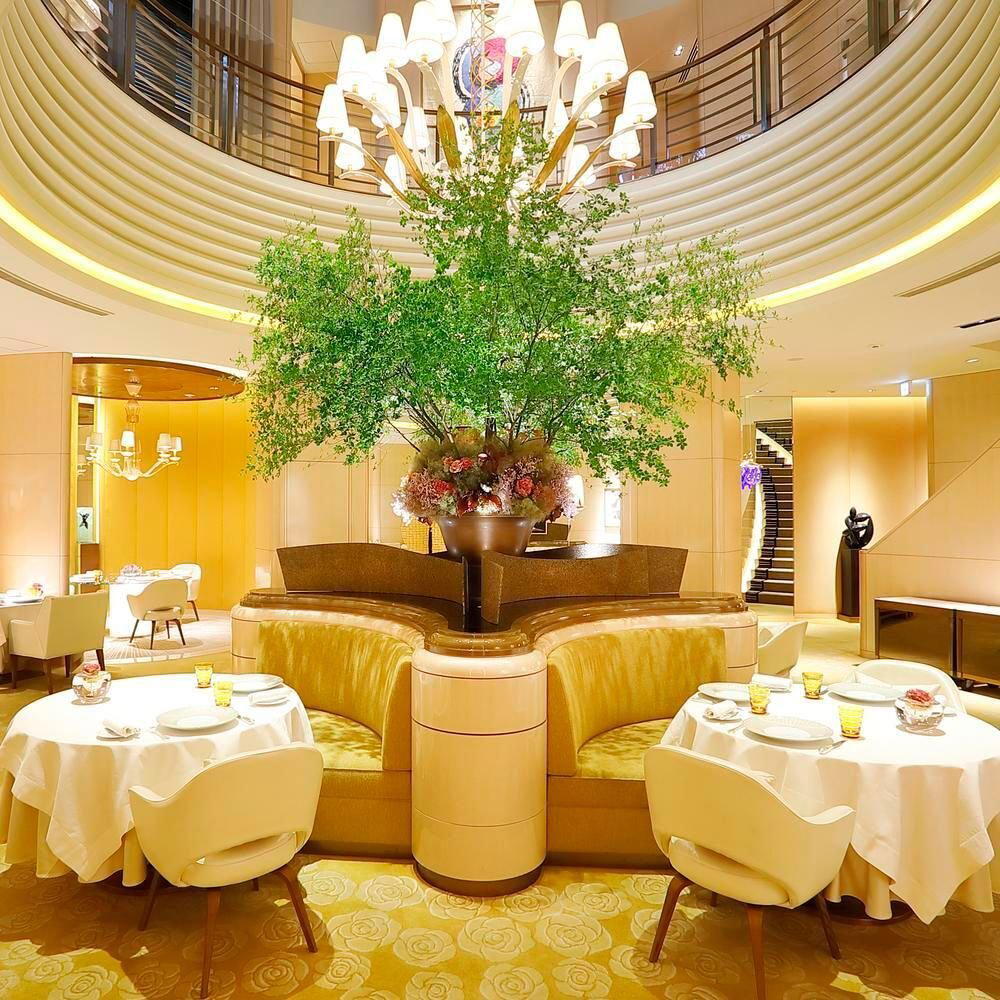
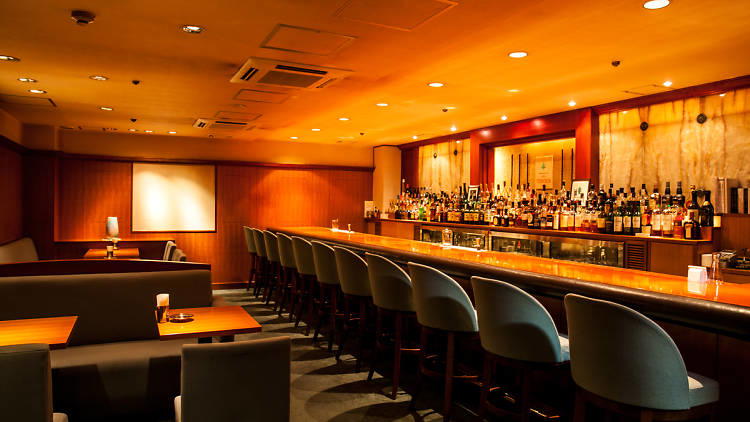
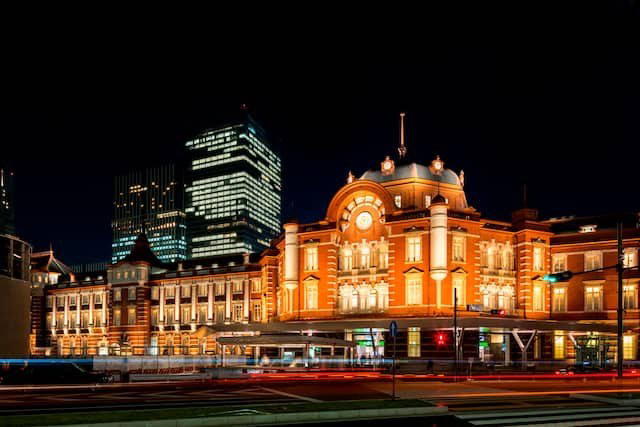
Wood-toned interiors, soft lighting and plush seating create an elegant but relaxed hotel-lounge atmosphere; afternoons feel bright and calm with views of Hibiya Park, while evenings become more intimate and sophisticated with piano live music and a classic bar in the back.