Tabelog 100 #25
Our verdict
Akasaka Minmin belongs to Tokyo’s practical Chinese-dumpling tradition rather than its luxury dining circuit: compact, cash-minded, and reputation-led. Its repeat selection for Tabelog Chinese TOKYO “Tabelog 100” in 2021, 2024, and 2026 gives it a critical signal that matters in a city where everyday Chinese cooking is judged with unusual precision.

Pearl is the En Primeur Club membership app, where members save venues, book tables and use the concierge.
The menu
What to order
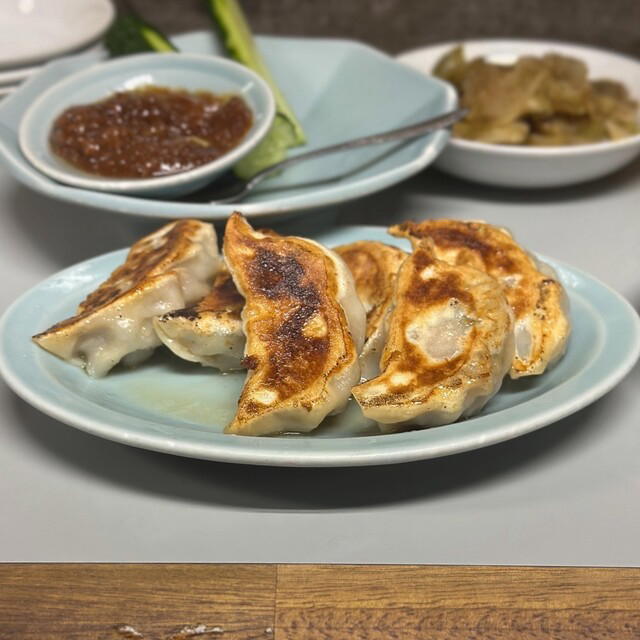
- Minmin gyoza
- Yaki gyoza (pan-fried dumplings)
- Aged gyoza (fried dumplings)
- Dragon fried rice
- Mapo tofu
Akasaka Minmin’s repeated inclusion across 2021, 2024, and 2026 matters because the category is crowded. The city’s Chinese restaurants are not a single cuisine lane; they range from refined regional menus to fast, inexpensive plates. A dumpling-led restaurant in Akasaka competes inside that broader field, but its recognition suggests a narrower strength: a room that diners return to for category confidence rather than novelty.
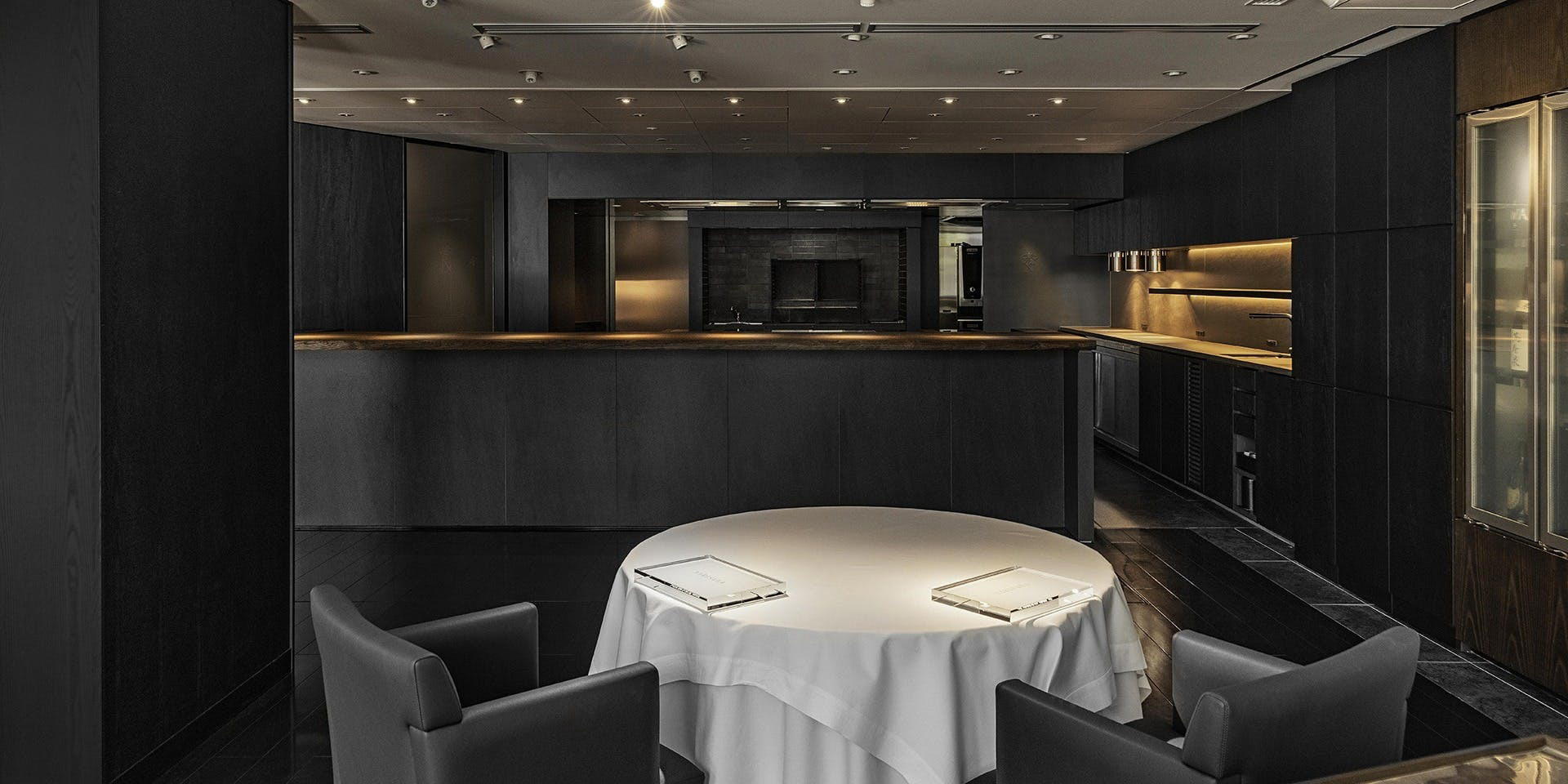
That distinction is useful for travelers. A place like this works when the brief is focused: Chinese cooking, dumplings, sake or shochu alongside the meal, and a room with counter and tatami seating rather than a polished dining-room script. Nearby comparison points pull in other directions: Lyla mixes izakaya and French signals, Filemone sits in an Italian bracket, Le temps moelleux points toward French dining, while Akasaka Gosen and 乃木坂 しん indicate how varied the local dining field becomes within a small radius. Akasaka Minmin’s lane is clearer and more casual. A 40-seat room, divided between 15 counter seats and 25 tatami seats, changes how a meal reads: the counter suits solo diners or pairs who want pace, while tatami seating carries a more social, family-friendly pattern. That split also explains why the restaurant functions as both a local meal stop and a planned dinner, rather than a single-use destination for travelers chasing a chef name.
The menu category, Chinese and dumpling, does the important editorial work here. The presence of take-out and a frozen gyoza vending machine outside reinforces that the reputation extends beyond one seated meal.
Service details also speak to the kind of planning this room demands. Evening reservations are handled by phone, and payment is cash-only in practice, with credit cards, electronic money, and QR code payments not accepted. Public holidays and Sundays are off the table, and there is no private room, though private use is listed for groups of 20 to 50.
Where it fits into an Akasaka and Nogizaka food plan
Akasaka and Nogizaka form a useful dining corridor because the area is neither purely business district nor purely nightlife zone. Government offices, media companies, embassies, residential pockets, and hotel traffic all overlap, which helps explain why restaurants here can be serious without feeling precious. A Chinese-dumpling room with children welcome, no smoking inside, and take-out available belongs naturally to that mixed urban fabric. Pair it with a broader survey through
Frequently asked questions
What part of town is Akasaka Minmin in?
Akasaka Minmin is located in Tokyo.
How much does it cost to eat at Akasaka Minmin?
Pricing at Akasaka Minmin is listed as JPY 3,000 - JPY 3,999 JPY 2,000 - JPY 2,999 View spending breakdown.
What are the operating hours at Akasaka Minmin?
Hours at Akasaka Minmin: Mon: 11:30 AM–2:30 PM, 5:30–9:30 PM; Tue: 11:30 AM–2:30 PM, 5:30–9:30 PM; Wed: 11:30 AM–2:30 PM, 5:30–9:30 PM; Thu: 11:30 AM–2:30 PM, 5:30–9:30 PM; Fri: 11:30 AM–2:30 PM, 5:30–9:30 PM; Sat: 11:30 AM–2:30 PM, 5:30–9:30 PM; Sun: Closed.
What has Akasaka Minmin built its reputation on?
Its reputation rests on repeat selection for Tabelog 100 in Tokyo’s Chinese cuisine category, including 2026, 2024, and 2021. The formula is plain enough to read at a glance: Chinese and dumpling categories, 40 seats, and a format that includes both counter seating and tatami seating.
Is Akasaka Minmin good for vegetarians?
It can work for some vegetarian diners, but the house is identified as Chinese and dumpling-focused, so fillings and sides matter. The practical move is to check the menu on the day and ask about what can be ordered without meat, especially since evening reservations are by phone only.
Is Akasaka Minmin good for families?
Yes, the venue is listed as family friendly, with babies, preschoolers, and school-age children all welcome. The 40-seat layout, plus tatami seating and take-out, makes it easier to fit into a family meal than a formal dining room.
Where It Fits
Comparable venues by category and price.
| Venue | Cuisine | Price | Awards | Notes |
|---|---|---|---|---|
| Akasaka MinminThis venue (the venue you are viewing) | Traditional Chinese Gyoza & Dumpling House | $20–30 | Tabelog 100 #25 | Not listed |
| Nihao | Chinese dumpling house (gyoza specialist) | $20–30 | Tabelog 100 #14 | Shibuya |
| chuukaryouri tokutake | Modern Chinese & Ramen | $30–50 | Tabelog 100 #33 | Sumida |
| Sichuan Hashoku | Traditional Sichuan Chinese | Not listed | Tabelog 100 #66 | Taitō |
| ShunDe DongHai Restaurant | Chinese Restaurant | Not listed | Black Pearl 1 Diamond | Not listed |
| 桃仙閣 東京 | Modern Chinese Fine Dining | $100–150 | Tabelog 100 #7 | Roppongi |
Recognition history
Dated appearances from independent guides and award organizations, with the underlying list record or original source where available.
Tabelog 100 #25 · No. 25
Tabelog · Tabelog 100 - Chinese cuisine - TOKYO - 2026